Our verdict
Hantei sits in Marunouchi's Shin-Marunouchi Building, placing it among Tokyo's centrally located dining destinations in one of the city's most commercially active districts. The venue operates within a broader Tokyo scene where ingredient provenance and sourcing discipline increasingly define a restaurant's position in the market. Travellers planning a Tokyo table should factor Hantei into their itinerary alongside the capital's other serious dining addresses.

Pearl is the En Primeur Club membership app, where members save venues, book tables and use the concierge.
Marunouchi and the Sourcing Imperative in Tokyo Dining
Tokyo's Marunouchi district has undergone a quiet but deliberate transformation over the past two decades. What was once a corridor of corporate headquarters and transit infrastructure has attracted a layer of serious dining that now runs alongside the district's financial function. The Shin-Marunouchi Building, where Hantei is located, sits within this zone, placing the restaurant in a neighbourhood where proximity to Shinkansen access and international business travel has historically set the expectations of the dining room. Guests arrive with a certain baseline, they have eaten well elsewhere, they know what precision looks like, and they are less forgiving of approximation.
That context matters because it shapes what kitchens in this part of the city are required to do. The sourcing of ingredients in Tokyo's premium dining tier is not incidental, it is the argument. Across the categories that define serious Tokyo dining, from the omakase counter format favoured at addresses like Harutaka to the ingredient-led French approach at L'Effervescence, the question of where produce comes from and how it arrived at the pass has become the central editorial conversation. Hantei operates inside that conversation.
Where Produce Comes From: The Sourcing Framework in Japanese Fine Dining
Japan's domestic ingredient supply chain for fine dining is among the most developed in the world. Producers in Kyushu, Hokkaido, and the Noto Peninsula have longstanding direct relationships with Tokyo kitchens, bypassing wholesale markets in favour of allocation-style agreements that mirror, structurally, what Napa wine producers do with their mailing lists. The chef at a serious Tokyo address does not simply order ingredients, they negotiate access to them, often seasons in advance, working around harvest cycles, livestock raising schedules, and fishing conditions that are as unpredictable as any agricultural system.
This is the context within which Tokyo's premium dining tier competes. At the kaiseki level, exemplified by restaurants such as RyuGin, the seasonal calendar governs the menu entirely, an approach that demands sourcing infrastructure capable of adapting weekly. The same discipline appears in French-influenced formats, where chefs trained in the produce-first philosophy of contemporary European cooking have imported sourcing rigour into a Japanese context. Sézanne and Crony both demonstrate how that cross-cultural sourcing logic plays out in practice.
Hantei sits within this broader sourcing-led framework. Its Marunouchi address means it draws from the same supply relationships that characterise Tokyo's Chiyoda dining ecosystem, a district where ingredient quality is less a differentiator than a floor requirement.
The Shin-Marunouchi Address: Density, Access, and the Business Diner
Chiyoda City's Marunouchi ward occupies a specific position in Tokyo's dining geography. It is not Ginza, where omakase counters carry the most concentrated award density in the country. It is not Roppongi, where international-facing fine dining tends to cluster around hotel infrastructure. Marunouchi runs closer to the model of London's City district or the first arrondissement in Paris: a neighbourhood where weekday lunch carries as much commercial weight as Saturday dinner, and where the dining room functions as an extension of the meeting room.
That commercial context does not preclude serious cooking, Tokyo's business dining tier is several notches above equivalent formats in most other cities. Guests who dine at Hantei may have recently eaten at HAJIME in Osaka or Gion Sasaki in Kyoto, or may be planning onward travel to addresses like akordu in Nara or Goh in Fukuoka. The competitive frame is national, not neighbourhood-level.
Tokyo's Dining Tier in International Context
When international travellers place Tokyo dining in a global frame, the city's density of recognised restaurants per capita remains a reference point. Tokyo has held more Michelin-starred restaurants than any other city for a sustained period, a structural fact about the ecosystem, not a claim about any individual address. For travellers who have eaten at formally recognised restaurants in other markets, from Le Bernardin in New York City to Atomix, Tokyo's baseline of technique and ingredient discipline can read as higher, even at mid-tier price points.
That density creates a specific planning challenge. The options across Tokyo's dining spectrum are wide enough that curation becomes the primary service. Travellers who understand which neighbourhood they are eating in, and what category of kitchen that neighbourhood supports, are better positioned to make decisions that match their priorities. For broader orientation across the capital's dining addresses, our full Tokyo restaurants guide maps the major neighbourhoods and categories in detail.
Regional Japan: The Sourcing Network Beyond Tokyo
Understanding Hantei's position requires understanding where its supply chain originates, and that supply chain is national. Japan's regional food producers, from the snow crab fisheries of the Japan Sea coast (relevant to restaurants such as 一本木 in Nanao) to the lamb and dairy producers of Hokkaido (whose output reaches kitchens represented by addresses like 夕日ケ丘乃 in Sapporo), feed into Tokyo's premium dining tier through direct sourcing agreements. Seasonal produce from Shiga and the Biwako region, connected to restaurants like 湖里庵 in Takashima, and game and foraged materials from the Tohoku mountains, associated with addresses like 赤湯屋 in Nishikawa Machi, form part of the broader sourcing geography that Tokyo kitchens draw on.
Tokyo restaurants at the Marunouchi level benefit from logistics infrastructure, cold chain, overnight freight from regional producers, relationships with the Toyosu wholesale market, that makes ingredient quality achievable at scale. The question is what individual kitchens choose to do with that access. Other serious addresses across Japan, from Birdland in Sakai to Bistro Ange in Toyohashi, demonstrate that sourcing discipline is not exclusive to the capital, but Tokyo's concentration of both supply and demand keeps its premium kitchens operating at a competitive pitch that regional venues must actively match.
Know Before You Go
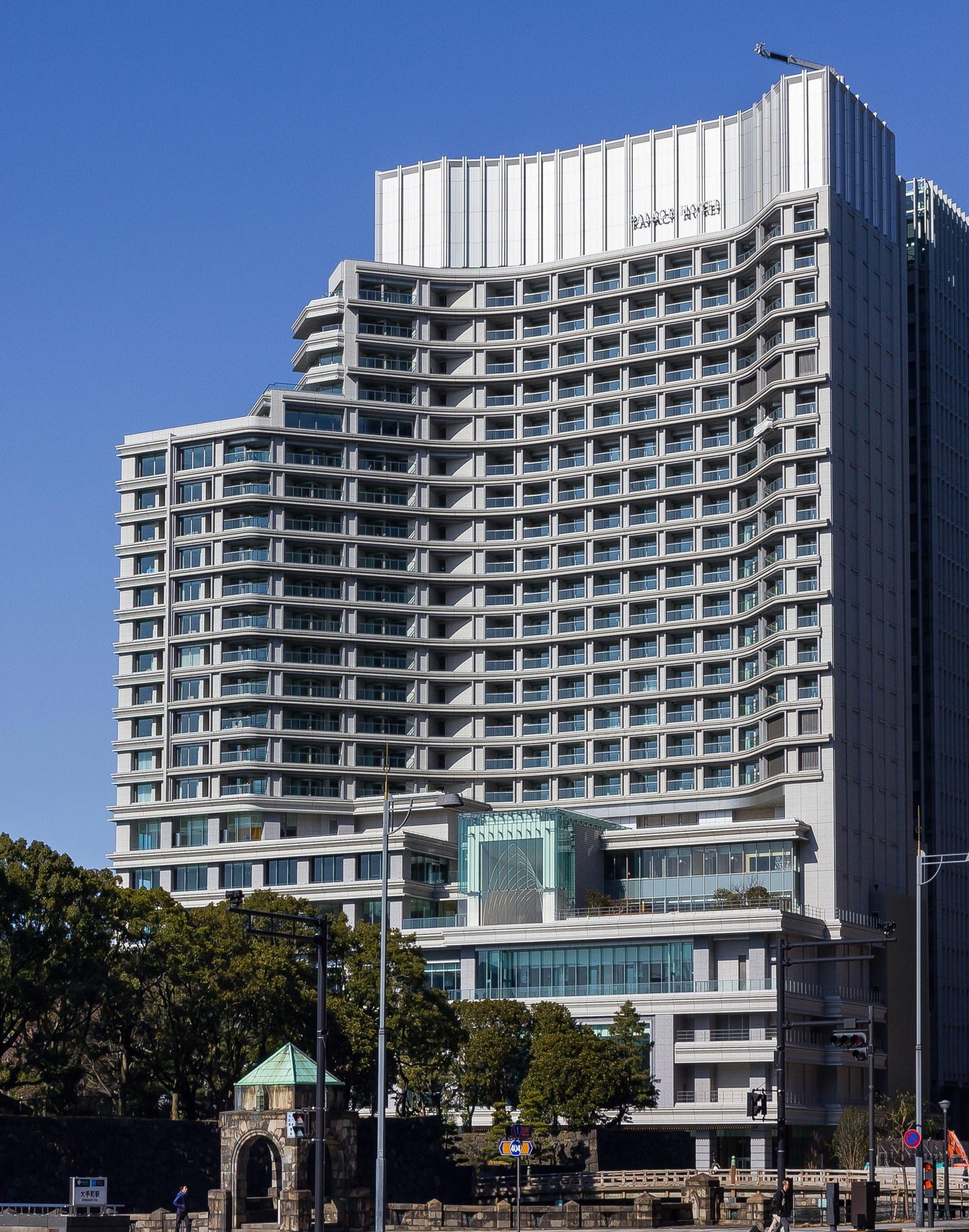
- Location: Shin-Marunouchi Building, 1-5-1 Marunouchi, Chiyoda City, Tokyo
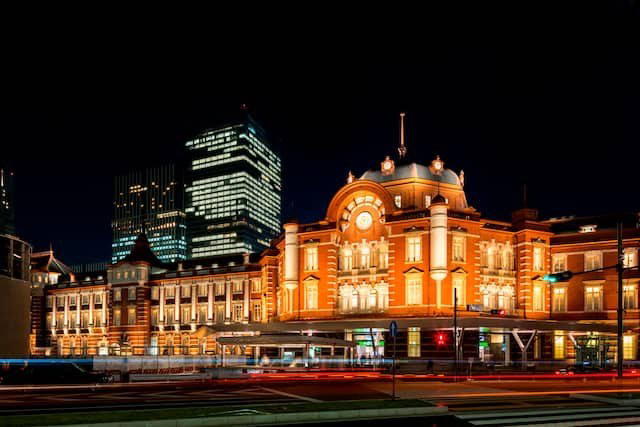
- District: Marunouchi, adjacent to Tokyo Station, direct Shinkansen and metro access
- Booking:
A Pricing-First Comparison
Comparable venues nearby, for context on price, style, and recognition.
| Venue | Cuisine | Price | Awards | Notes |
|---|---|---|---|---|
| HanteiThis venue (the venue you are viewing) | Traditional Japanese Kushiage | $50–100 | Not listed | Not listed |
| 焼鳥 髙はし | Michelin-Starred Yakitori Omakase | $50–100 | 1 Michelin Star · Tabelog 100 #33 | Chūō, Michelin-Starred Yakitori |
| Torie Ueno hirokoji ten | Wine-focused Yakitori & Izakaya | $50–100 | Tabelog 100 #22 | Bunkyō, Wine-focused Yakitori & Izakaya |
| Akasaka Totoya Uoshin | Traditional Seasonal Japanese Kaiseki | $100–150 | Tabelog 100 #36 | Minato, Traditional Seasonal Japanese Kaiseki |
| 荒木町たつや | Seasonal Kaiseki | $150–200 | Michelin Plate | Shinjuku, Michelin-Starred Kaiseki |
| Ebisu Yoroniku | Japanese Yakiniku Omakase | Not listed | Tabelog 100 #82 | Shibuya, Modern Yakiniku Omakase |
Continue exploring
More in Tokyo
Restaurants in Tokyo
All restaurants in Tokyo →


Bars in Tokyo
All bars in Tokyo →




Details
- Rustic
- Historic
- Cozy
- Classic
- Casual Hangout
- Special Occasion
- Historic Building
- Sake Program
- Set Menu
Current opening hours
- Monday
- 11 AM–2 PM, 5–11 PM
- Tuesday
- 11 AM–2 PM, 5–11 PM
- Wednesday
- 11 AM–2 PM, 5–11 PM
- Thursday
- 11 AM–2 PM, 5–11 PM
- Friday
- 11 AM–2 PM, 5–11 PM
- Saturday
- 11 AM–2 PM, 5–11 PM
- Sunday
- 11 AM–2 PM, 5–10 PM
Hours can change for holidays and private events. Hours as of .
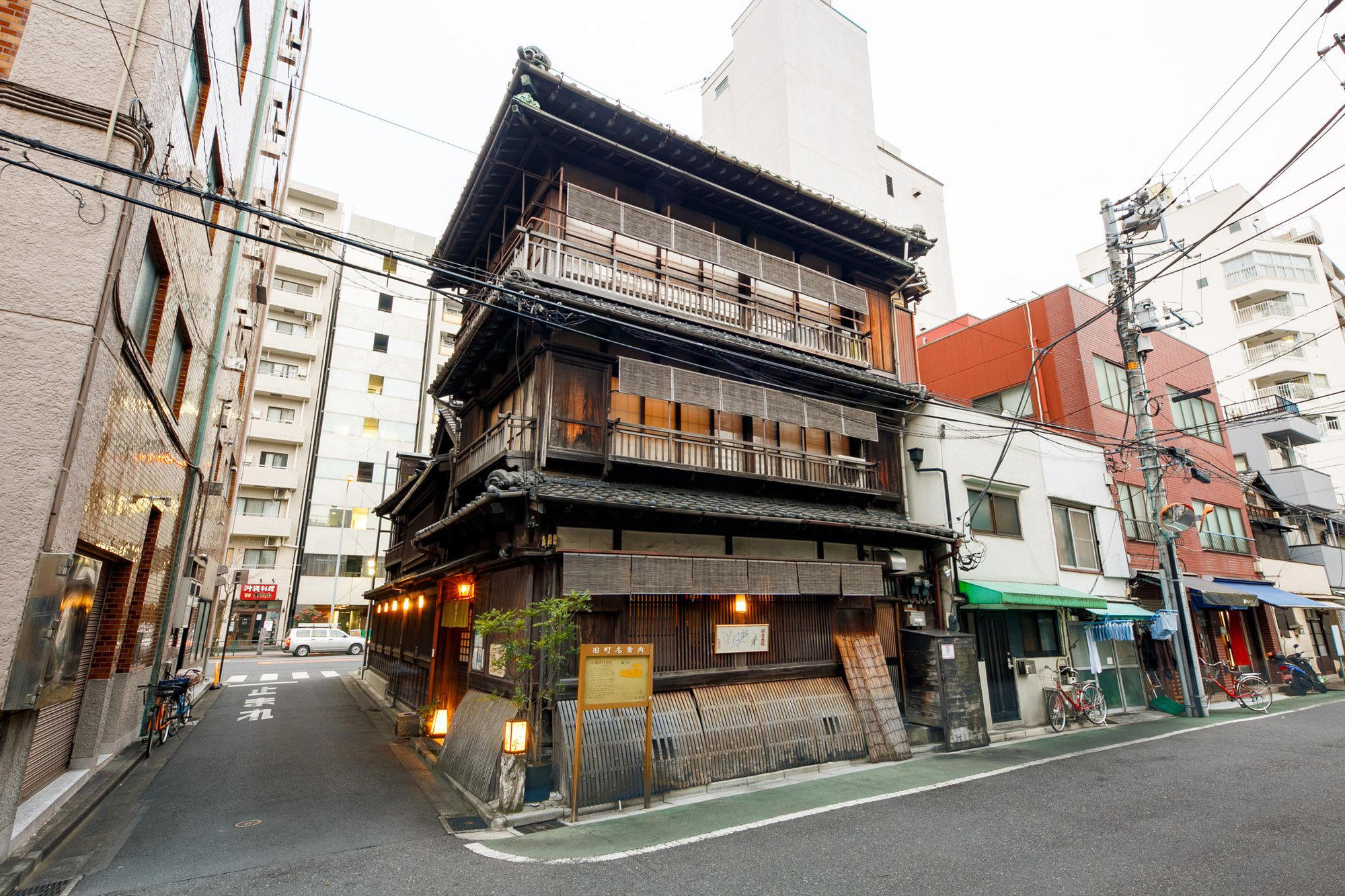
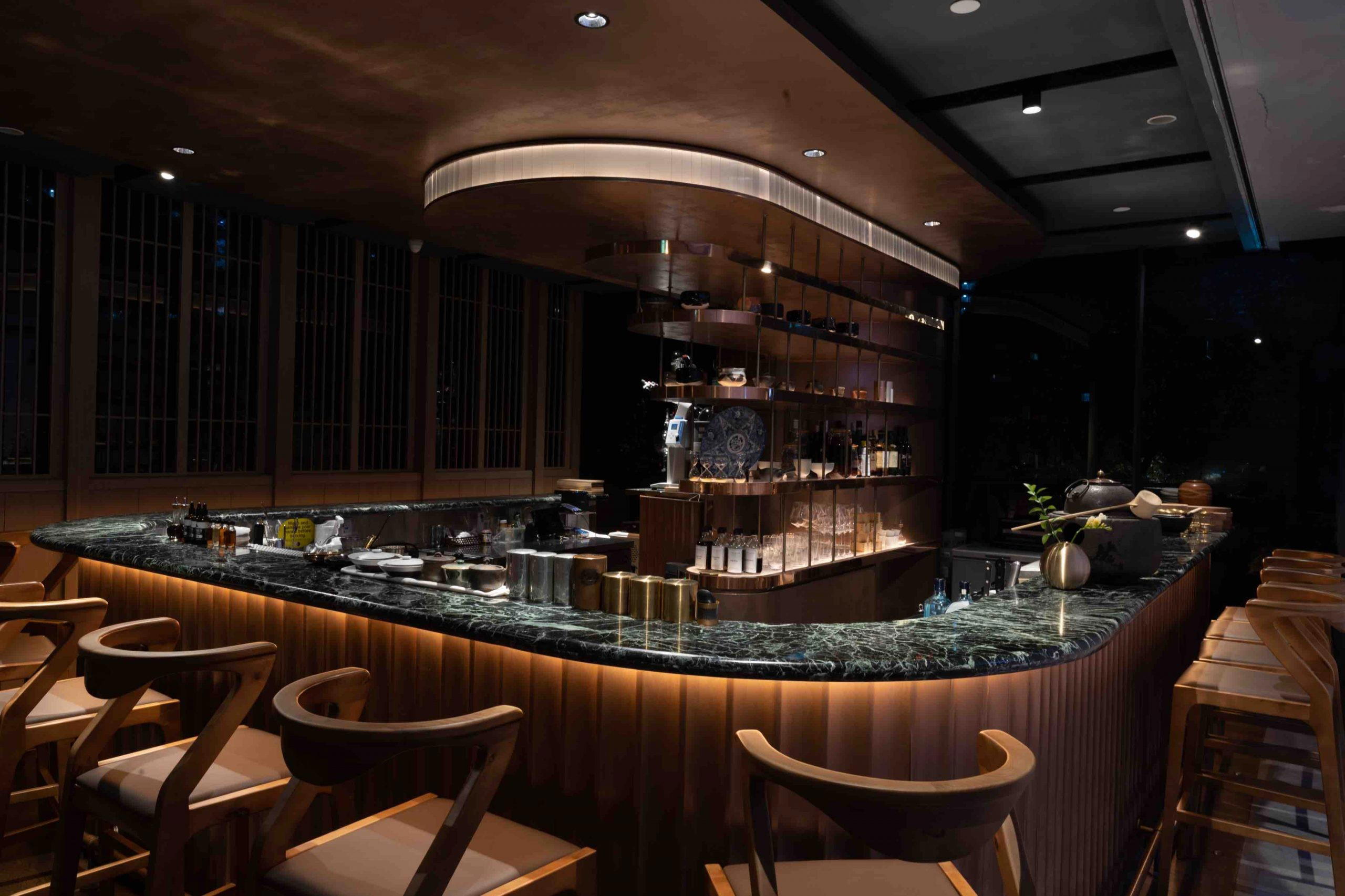
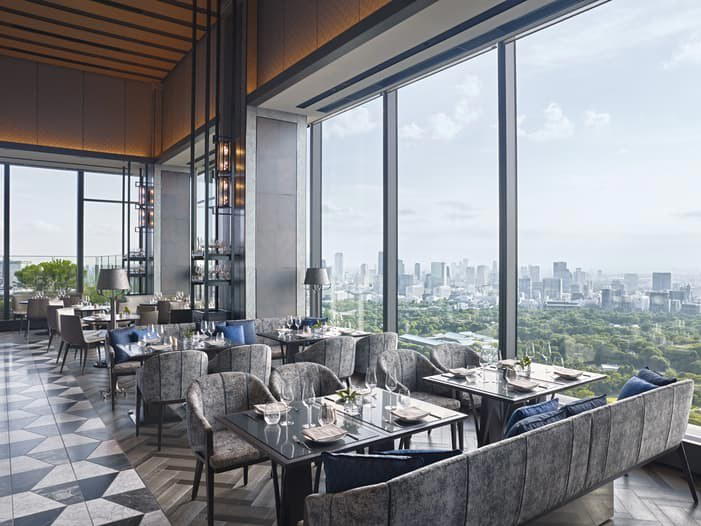
Charming historic atmosphere in a beautifully preserved Meiji/Taisho-era wooden building with a sense of tradition and good old days.