Han no Daidokoro/Waikiki
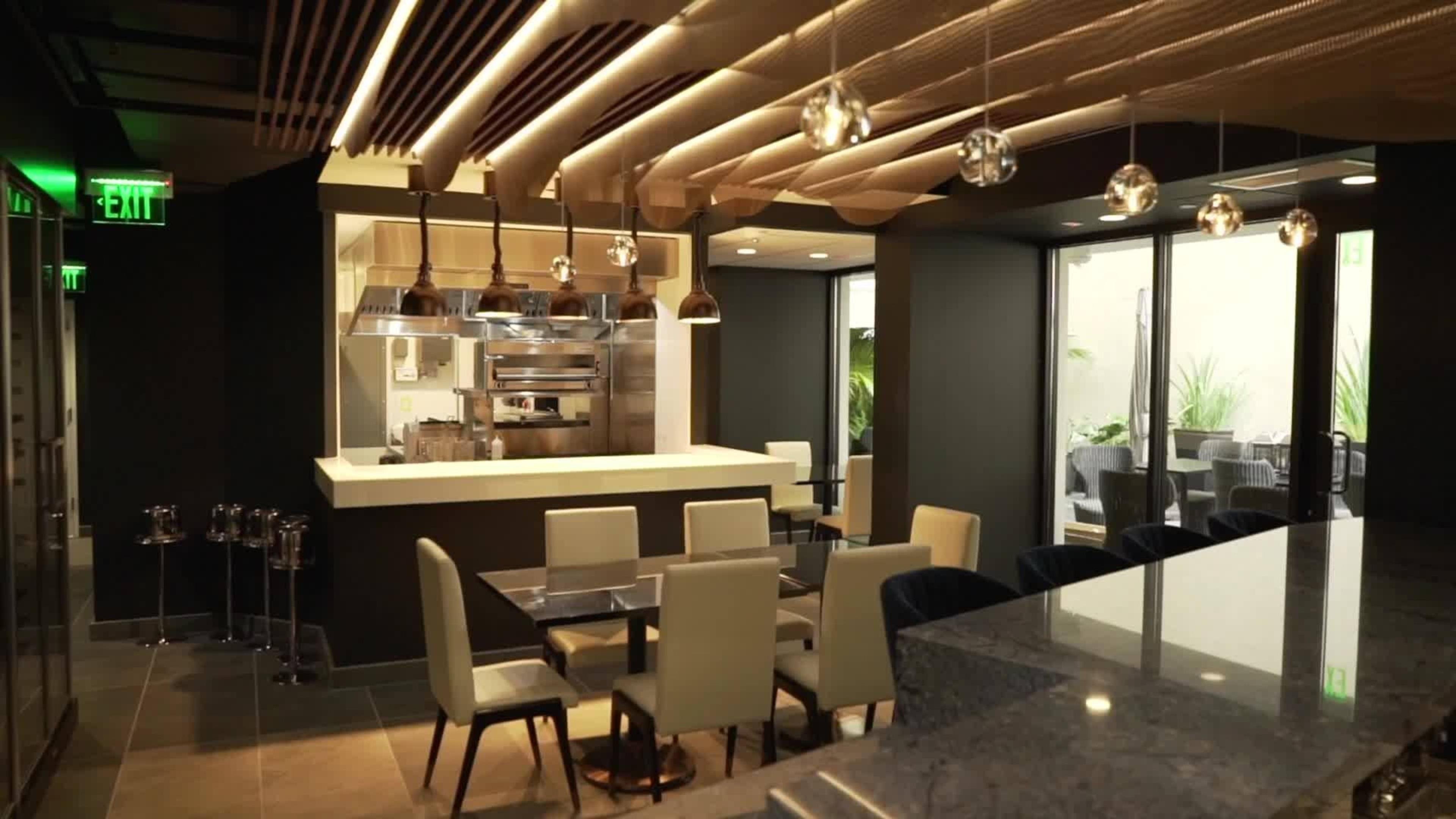
Han no Daidokoro/Waikiki serves Japanese Yakiniku in Honolulu, with Miyazaki Beef Yukhoe and a sake program in an open kitchen, paced for lunch or dinner.
Pearl is the En Primeur Club membership app — saves, bookings, and concierge access live there. Same editors, same standards.
- Address
- 2380 Kūhiō Ave. #104, Honolulu, HI 96815
- Phone
- +18082002729
- Website
- hannodaidokoro.com
- Directions
- Get directions
 Saves & bookings on Pearl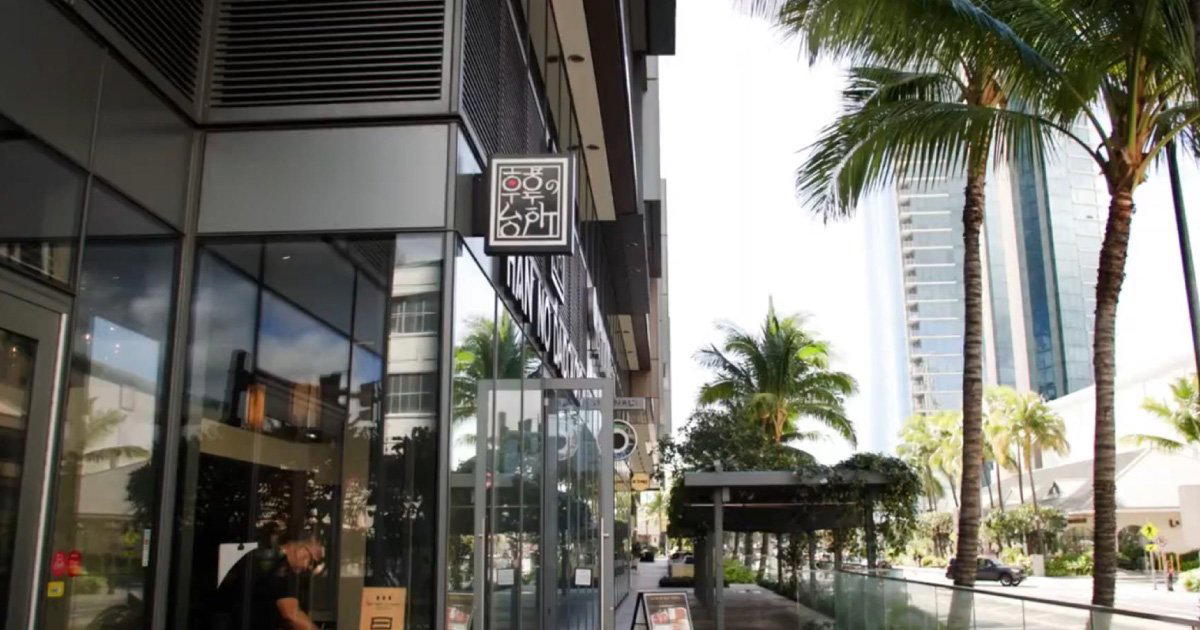
Where Waikiki's Japanese Dining Scene Gets Serious
Kuhio Avenue runs parallel to Kalakaua — Waikiki's main commercial artery — but operates at a different register. The street draws a denser local and Japanese-visitor crowd, and the dining along it skews toward Japanese formats that prioritize ingredient fidelity over beachfront spectacle. Han no Daidokoro, situated at 2380 Kuhio Ave in a ground-floor suite at #104, sits squarely in that context. The name translates roughly to "kitchen of the main house", a framing that signals something about the operational philosophy before you even walk in. This is not a tourist-facing izakaya or a sushi conveyor. It belongs to the tier of Japanese restaurants in Honolulu that address a guest who already knows what they are looking for.
The Ingredient Question in Hawaiian Japanese Dining
To understand where a restaurant like Han no Daidokoro fits, it helps to understand the sourcing tension that defines Japanese dining in Hawaii broadly. The islands produce exceptional proteins, Kona kampachi, local opah, Hamakua mushrooms, North Shore herbs, but Japanese cuisine in Honolulu has historically split between two sourcing philosophies: restaurants that import Japanese product for authenticity, and those that root themselves in Hawaiian produce while maintaining Japanese technique. The most coherent operations in the city tend to hold both in tension, letting the season and the island's supply dictate the balance.
That balance matters because Hawaiian seasonal rhythms differ from Japan's. The Pacific water temperatures around Oahu affect what fish runs when. Tropical growing conditions produce herbs, citrus, and vegetables that have no direct Japanese equivalent, which forces a kitchen either to substitute or to adapt. The most interesting Japanese restaurants on the island, those that attract the repeat local diner rather than the single-trip tourist, tend to treat this not as a problem but as a creative condition. They are in conversation with both culinary traditions simultaneously, which is a different project from what a mainland Japanese restaurant faces. For comparison, the farm-to-table discipline at Single Thread Farm in Healdsburg operates with Northern California's supply; in Honolulu, the calculus involves a Pacific island supply chain that is both more constrained and more exotic.
Kuhio Avenue and the Honolulu Japanese Restaurant Tier
Honolulu's Japanese dining scene has matured considerably over the past decade. The city now supports a range of formats, from cocktail bar-omakase hybrids like Bar Maze to the more traditional izakaya circuit, and a guest familiar with, say, the precision of Atomix in New York City or the rigor of 8 1/2 Otto e Mezzo Bombana (Hong Kong) in Hong Kong will find that Honolulu's upper Japanese tier operates with genuine seriousness. That said, the city's leading Japanese options are not evenly distributed across Waikiki's tourist grid. They require some lateral movement off the beachfront, which is exactly what Kuhio Avenue provides.
In that competitive context, Han no Daidokoro occupies a position alongside operations like Fujiyama Texas and Ginza Bairin, Japanese concepts in Honolulu that draw on specific regional or stylistic traditions rather than presenting a generic pan-Japanese menu. The distinction is meaningful: a restaurant anchored to a clear tradition, whether yakitori, shabu-shabu, or a regional Japanese kitchen style, gives a repeat guest a reason to return that a generalist menu does not. It also signals that the kitchen is organized around ingredient sourcing decisions rather than covering every possible order.
How This Fits Into Honolulu's Broader Dining Picture
Honolulu's overall restaurant scene has been reshaping itself around a New American frame that emphasizes local sourcing and Pacific Rim influence. Fête (New American) and 3660 On the Rise represent that strand, as does the more celebratory register of 53 By The Sea. What Japanese-format restaurants on Kuhio offer is a different entry point into local ingredients, one that runs through Japanese technique rather than through the New American or Hawaiian Regional cuisine tradition. For the traveler who has eaten at Providence in Los Angeles or Blue Hill at Stone Barns in Tarrytown and understands what a kitchen looks like when it is disciplined about provenance, Han no Daidokoro belongs on the same research list as those Honolulu addresses.
The wider Honolulu scene, detailed in our full Honolulu restaurants guide, spans luau formats like Ahaaina Luau, omakase-adjacent experiences, and the celebratory dining circuits you would associate with 855-ALOHA. Han no Daidokoro sits away from all of that spectacle, in the quieter, more ingredient-focused register that tends to attract the diner with a specific agenda rather than a general appetite for a night out.
Planning Your Visit
The restaurant is at 2380 Kuhio Ave, Suite #104, a street-level location that is more accessible than many of Waikiki's hotel-embedded dining rooms. Given that no booking method or hours are listed in current public records, contacting the restaurant directly before planning around it is the practical first step, particularly for evening visits when seating at smaller Japanese-format operations in Honolulu tends to fill through advance arrangement. The Kuhio Avenue corridor is walkable from most of Waikiki's accommodation, which removes the logistics problem that complicates reaching dining rooms on the island's outer reaches.
For the traveler building a serious Honolulu dining week, Han no Daidokoro sits in a different part of the matrix from the celebration-dinner tier (The Inn at Little Washington in Washington sets a useful high-end benchmark on the mainland for comparison) and closer to the repeat-visit, ingredient-led operations that reward attention. Pair it with a broader survey of what Honolulu's Japanese dining can do, and check back as the city's dining credibility, already established at the level of Addison in San Diego or Lazy Bear in San Francisco in terms of ambition, continues to develop.
At a Glance
- Sophisticated
- Elegant
- Date Night
- Group Dining
- Special Occasion
- Open Kitchen
- Sake Program
Current opening hours
- Monday
- 4 AM–10 PM
- Tuesday
- 12–3 PM, 4–10 PM
- Wednesday
- 12–3 PM, 4–10 PM
- Thursday
- 12–3 PM, 4–10 PM
- Friday
- 12–3 PM, 4–10 PM
- Saturday
- 12–3 PM, 4–10 PM
- Sunday
- 12–3 PM, 4–10 PM
Hours can change for holidays and private events. Last verified .
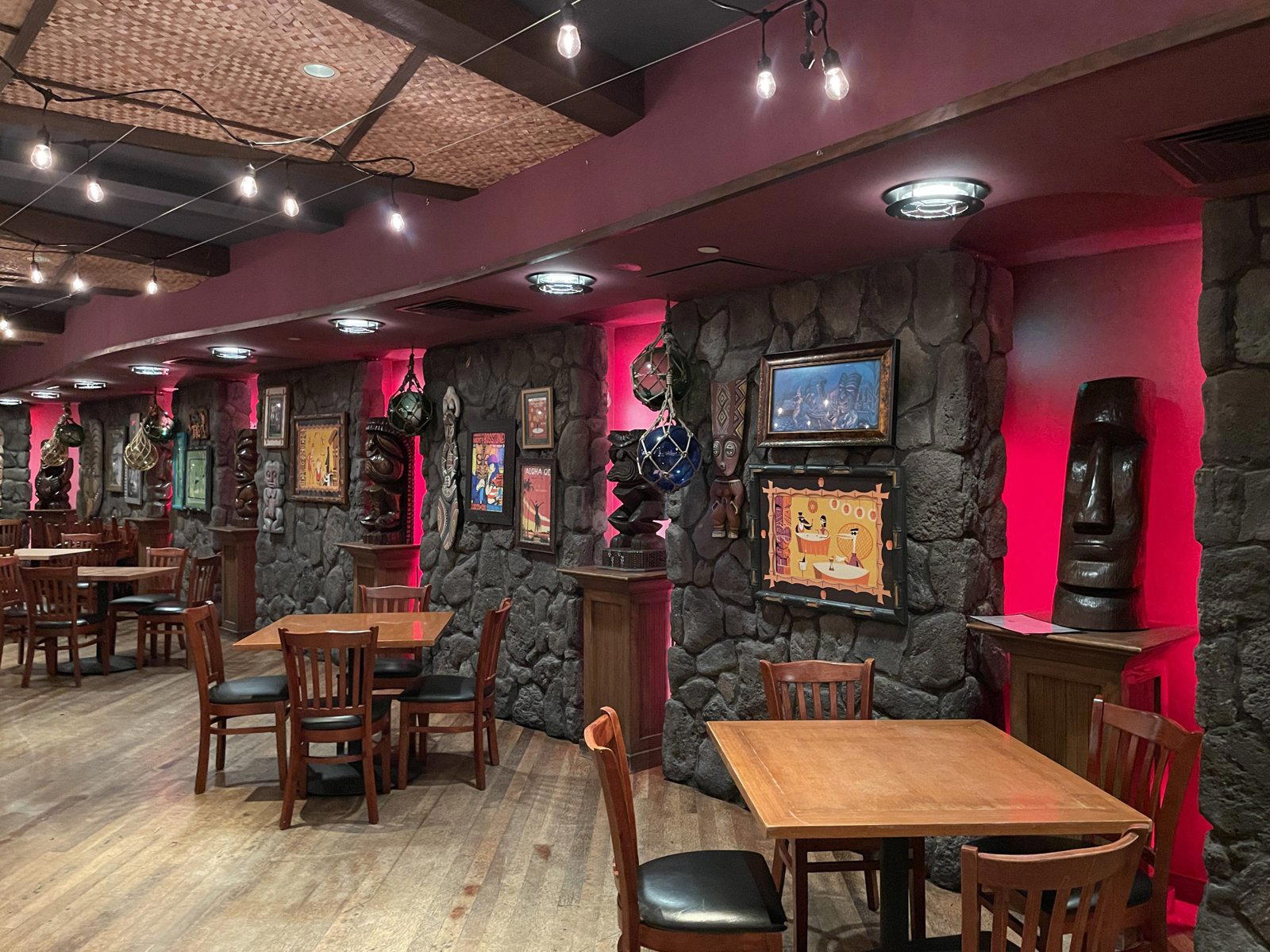
Moderate noise level with an upscale casual atmosphere focused on grilled premium meats.
Know Before You Go
- Getting there
- 2380 Kūhiō Ave. #104, Honolulu, HI 96815