Our verdict
Hanmoto occupies a compact room on Lakeview Avenue in Toronto's Dovercourt Village, drawing a neighbourhood crowd that has learned to plan ahead. The restaurant sits in a mid-market tier that Toronto's west end has made its own, serious cooking without the formality or price ceiling of the city's downtown tasting-menu circuit. Booking strategy matters here more than most.

Pearl is the En Primeur Club membership app, where members save venues, book tables and use the concierge.

The menu
What to order
- Dyno Wings
- Katsu Bun
- Nasu Dengaku
- Enoki Mushrooms
West End Commitment: How Dovercourt Village Earned Its Dining Reputation
Toronto's premium dining conversation tends to anchor itself downtown: the tasting-menu circuit around Alo (Contemporary), the high-end Japanese counters like Sushi Masaki Saito and Aburi Hana, the formal Italian rooms including DaNico and Don Alfonso 1890. But for the past decade, the city's west end has been building a parallel track, one where the rooms are smaller, the price points are lower, and the cooking is no less considered. Dovercourt Village sits at the centre of that shift, and Hanmoto, on Lakeview Avenue, is among the addresses that regulars cite first when explaining why.
The neighbourhood dynamic matters for understanding what Hanmoto is and how it operates. West-end Toronto restaurant culture rewards consistency over spectacle. The rooms are rarely designed to impress on a first visit; they earn loyalty through repeat experiences. That model suits a particular kind of diner, someone who has already worked through the downtown tasting-menu tier and is looking for somewhere to eat every few weeks rather than twice a year. Hanmoto appears to occupy exactly that position in its local ecosystem.
The Address and What It Signals
Lakeview Avenue is a residential side street off Ossington, close enough to the strip's concentration of bars and restaurants to benefit from foot traffic, but set back enough to feel intentional rather than opportunistic. Arriving here on a weeknight, the immediate signal is neighbourhood permanence rather than trend-chasing. The building doesn't announce itself, and that restraint tends to correlate with a certain confidence in the kitchen's ability to do the work without theatrical framing.
For context, this part of Toronto's west end places restaurants in a competitive set that includes Ossington Avenue's more established names and the broader Parkdale-to-Dufferin corridor that has absorbed significant dining energy over the last several years. Hanmoto's position within this geography says something about its intended audience: local first, destination second. That ordering has implications for how you should plan a visit, which is to say, you need to plan it deliberately.
The Booking Reality
The editorial angle that applies most directly to Hanmoto is one that applies broadly to this class of Toronto restaurant: the booking experience is not incidental, it is part of the visit itself. Smaller west-end rooms in this tier, typically running fewer than 40 covers, tend to turn reservations over quickly and maintain tight windows. The demand-to-capacity ratio at addresses like this one frequently exceeds what walk-in dining can absorb, particularly on Thursday through Saturday evenings.
For a diner who has spent time in comparable cities, this pattern is recognisable. AnnaLena in Vancouver operates in a similar mode: neighbourhood-anchored, mid-market in price, oversubscribed in demand. Lazy Bear in San Francisco represents a more formal version of the same phenomenon at a higher price point. The common thread is that the restaurant's reputation has outpaced its physical capacity, and the booking window becomes the governing constraint for the visit. At Hanmoto, the practical advice is to check availability well ahead of your intended date rather than assuming walk-in access on a weekend evening.
Timing your visit toward earlier seatings or mid-week slots tends to open more availability at restaurants in this tier across Toronto's west end. The room's size means a single reservation block can close an entire service period to newcomers, so flexibility in date is more valuable than flexibility in time.
What the Scene Reflects
Hanmoto exists in a moment when Toronto's casual-serious dining tier has become genuinely interesting to watch. The city is producing more neighbourhood restaurants with kitchen ambitions that exceed their room size and price point, a pattern visible in other Canadian cities too. Jérôme Ferrer's Europea in Montreal operates at a different scale and formality, but reflects the same national trend toward cooking that prioritises quality of sourcing and technique over dining-room theatre. Tanière³ in Quebec City pushes that ambition further into tasting-menu territory. Further out in Ontario, Restaurant Pearl Morissette in Lincoln and Eigensinn Farm in Singhampton represent how far that commitment can travel from an urban centre.
Hanmoto's place in this broader picture is that of a neighbourhood anchor doing the work that sustains a local dining culture between the headline addresses. Without venues at this tier operating consistently, the ecosystem thins. The fact that it maintains enough demand to require advance planning is the relevant credential here, not a single award or a named chef, but a sustained local reputation built through repeat visits rather than press cycles.
For readers building a broader Canadian itinerary, it's worth noting the contrast with more remote dining destinations. Fogo Island Inn Dining Room in Joe Batt's Arm and Narval in Rimouski require genuine travel commitment; The Pine in Creemore sits at a day-trip distance from Toronto. Hanmoto, by contrast, rewards those already in the city who are willing to do the booking work to access what the west end has built.
Planning Your Visit
Lakeview Avenue is accessible from Ossington Avenue, a short walk from the Ossington bus route connecting to Bloor-Yonge. The address places you within a neighbourhood dense enough with other bars and restaurants that an early dinner here fits naturally into a longer evening on the Ossington strip. Reservations are the governing practical detail: given the room's scale and the neighbourhood's established dining culture, securing a table in advance rather than attempting a walk-in is the approach that actually results in eating here. For those building a Toronto west-end evening, pairing a confirmed booking with later drinks at one of the Ossington bars keeps the logistics direct.
For broader Toronto context and additional neighbourhood-level recommendations, the EP Club Toronto restaurants guide covers the full city by area and tier. Internationally, the booking-first model Hanmoto operates on has close analogues at Le Bernardin in New York City, though at a dramatically different price point, and the community-dinner format of Lazy Bear in San Francisco, where the reservation is similarly the first act of the experience.
For readers drawn to the value end of serious Canadian cooking outside major cities, Cafe Brio in Victoria and Busters Barbeque in Kenora offer two very different registers of the same impulse: cooking that earns its local following through consistency rather than profile.
Frequently asked questions
What dish is Hanmoto famous for?
Hanmoto has built its following in Toronto's Dovercourt Village through consistent kitchen output in the casual-serious tier rather than through a single signature dish that drives destination visits. For the most current menu, checking directly with the restaurant before visiting is the practical approach.
Do I need a reservation for Hanmoto?
Given the room's scale and the demand that west-end Toronto restaurants in this tier consistently generate, booking ahead is the approach that reliably results in a seat. Walk-in access is most viable at off-peak times, early weekday seatings, for instance, but Thursday through Saturday evenings at small Ossington-adjacent rooms like Hanmoto tend to fill before service begins. Toronto's mid-market west-end tier, which sits below the $$$$ tasting-menu circuit of venues like Alo, carries high local demand relative to capacity.
What do critics highlight about Hanmoto?
Public critical documentation specific to Hanmoto is limited in the available record, which itself is a signal worth reading: restaurants in this neighbourhood tier build reputation through local word-of-mouth and repeat visits rather than through sustained national press coverage. That pattern is common across Toronto's west end and is not a mark against the room. The relevant credential is sustained local demand, which at a small Lakeview Avenue address is harder to maintain than a single positive review cycle.
Is Hanmoto suitable for a first visit to Toronto's west-end dining scene?
Hanmoto sits on Lakeview Avenue near Ossington, which positions it well for a first encounter with what Dovercourt Village and the broader Ossington corridor have built over the past decade. The west end's casual-serious tier differs from downtown Toronto's tasting-menu circuit in price point and formality, making it a useful entry point for readers who want to understand how neighbourhood dining operates in the city at a register below venues like Alo or the premium Japanese counters. Securing a reservation before arriving is the single most important logistical step for a first-time visit.
Credentials Lens
Comparable venues nearby, for context on price, style, and recognition.
| Venue | Cuisine | Price | Notes |
|---|---|---|---|
| HanmotoThis venue (the venue you are viewing) | Japanese-American Fusion Izakaya | $20–30 | Not listed |
| Yamato Japanese Restaurant | Authentic Japanese Teppanyaki and Sushi | $30–50 | Yorkville |
| Skippa | Seasonal Japanese Omakase | Not listed | Palmerston-Little Italy |
| Black Sheep | Gourmet Burgers | $20–30 | Liberty Village |
| Curryish Tavern | Modern Indian Gastropub | $50–100 | Trinity Bellwoods |
| Burdock Brewery | Contemporary Canadian Gastropub | $20–30 | Wallace Emerson |
Continue exploring
More in Toronto
Restaurants in Toronto
All restaurants in Toronto →
Bars in Toronto
All bars in Toronto →

Details
- Cozy
- Trendy
- Intimate
- Date Night
- Casual Hangout
- After Work
- Open Kitchen
- Craft Cocktails
- Beer Program
- Small Plates
- A La Carte
- Craft Cocktails
- Beer
Current opening hours
- Monday
- 5 PM–12 AM
- Tuesday
- 5 PM–12 AM
- Wednesday
- 5 PM–12 AM
- Thursday
- 5 PM–12 AM
- Friday
- 6 PM–2 AM
- Saturday
- 6 PM–2 AM
- Sunday
- Closed
Hours can change for holidays and private events. Hours as of .
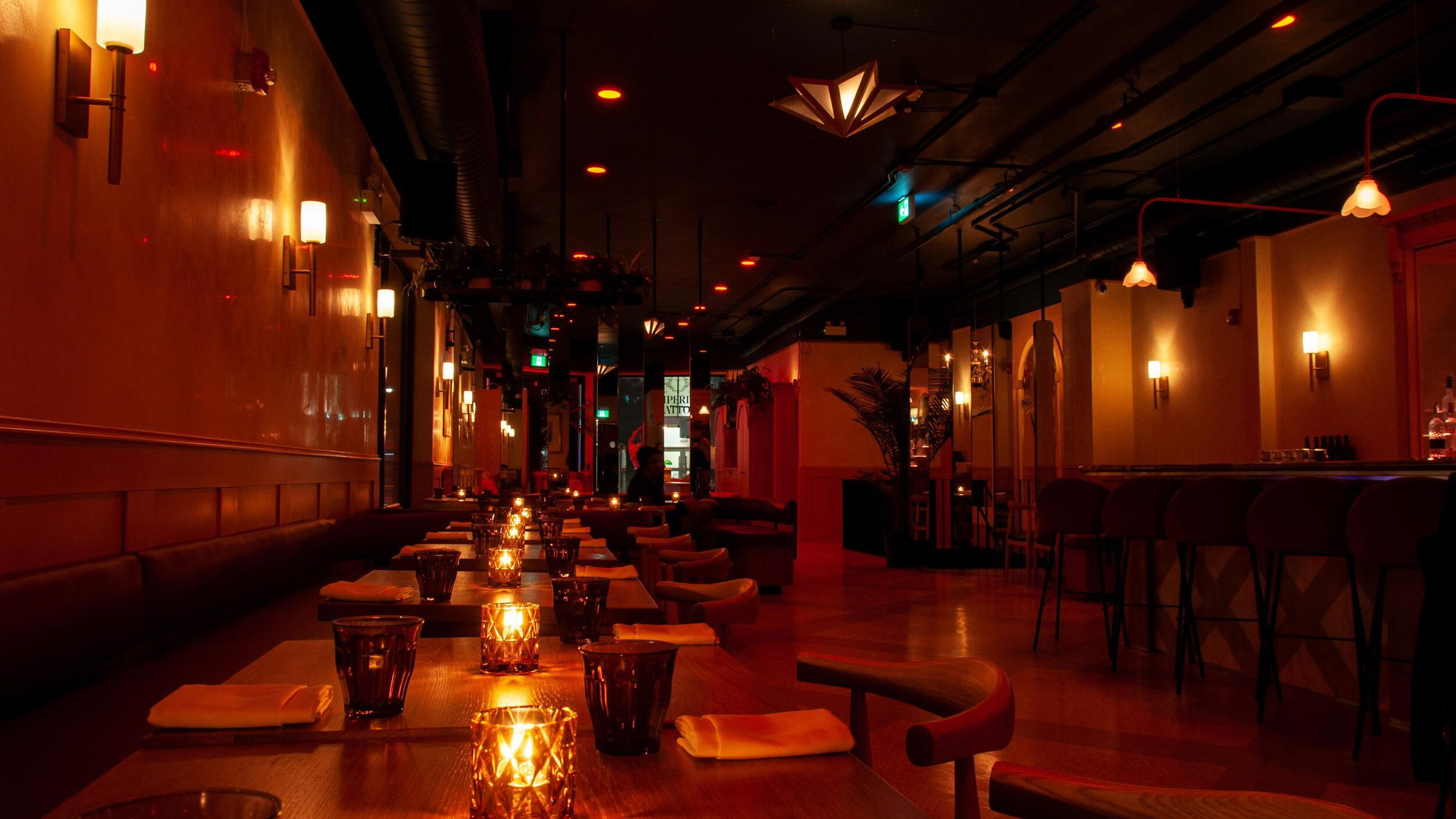
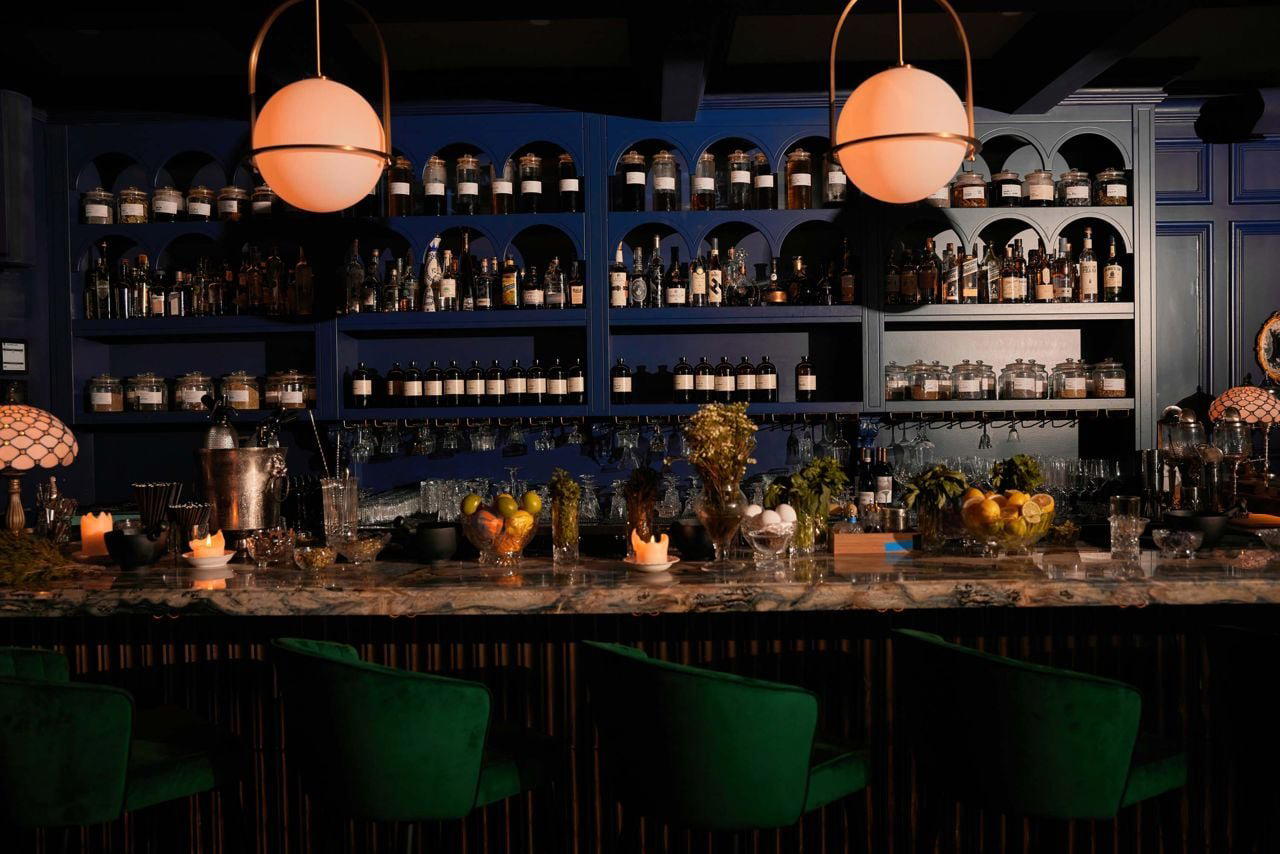
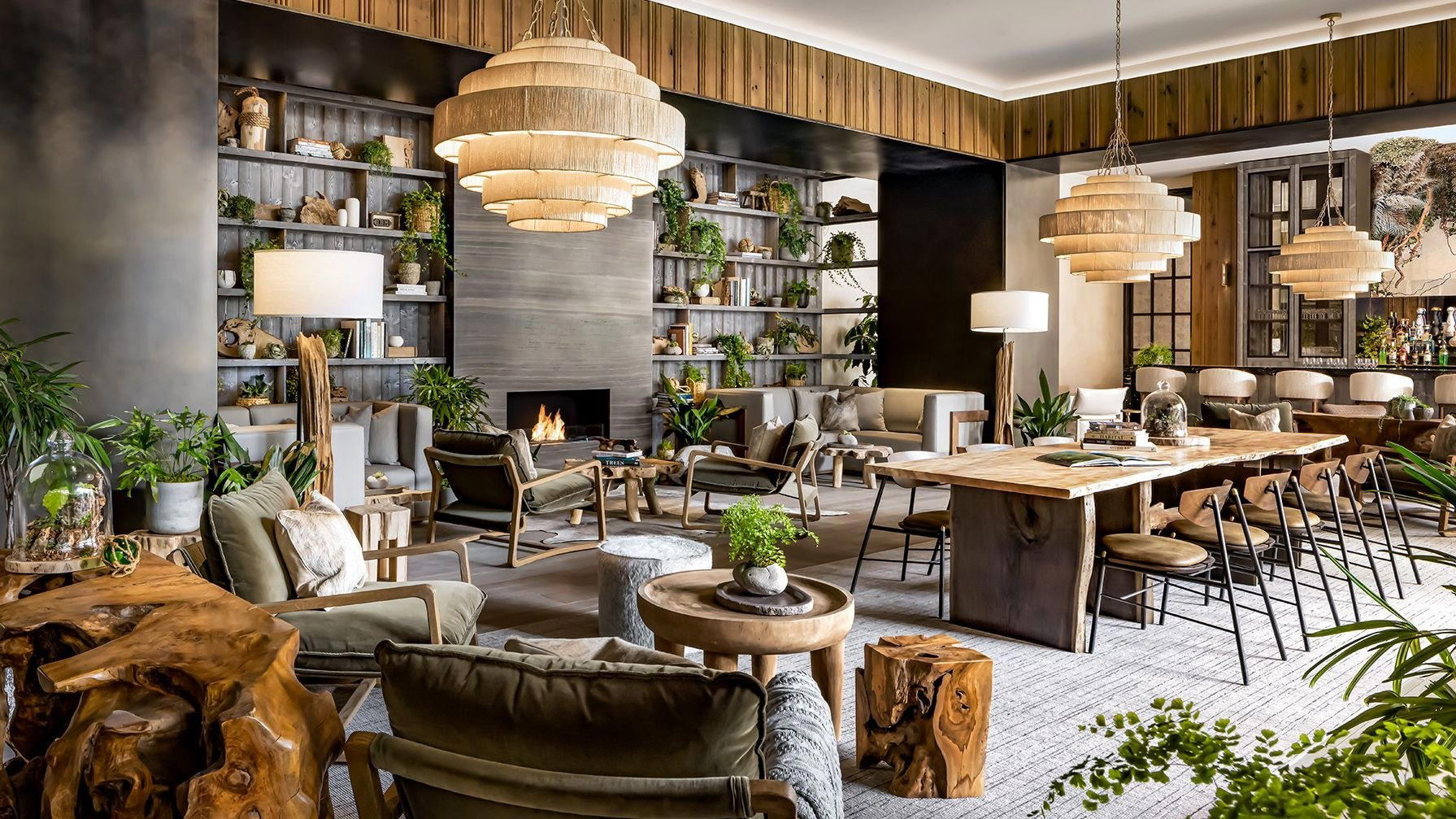
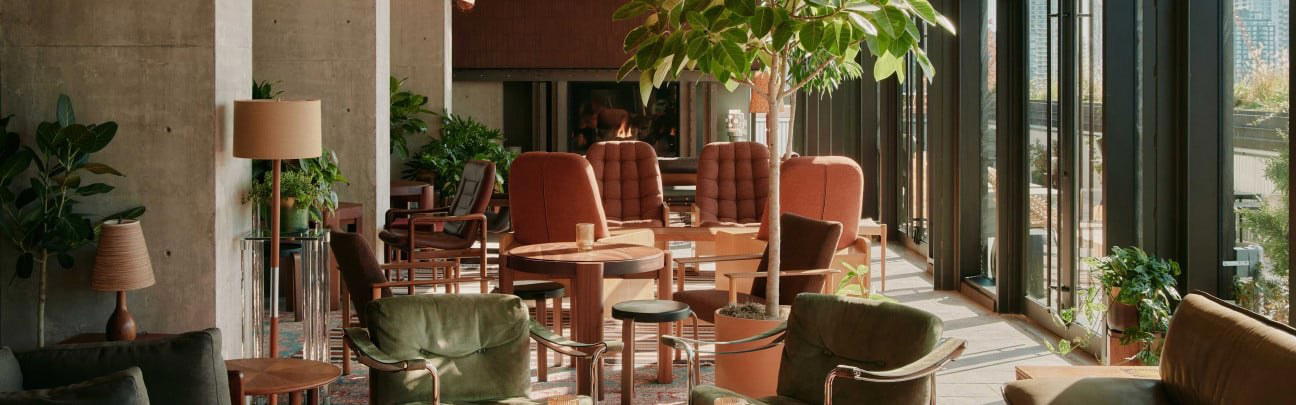
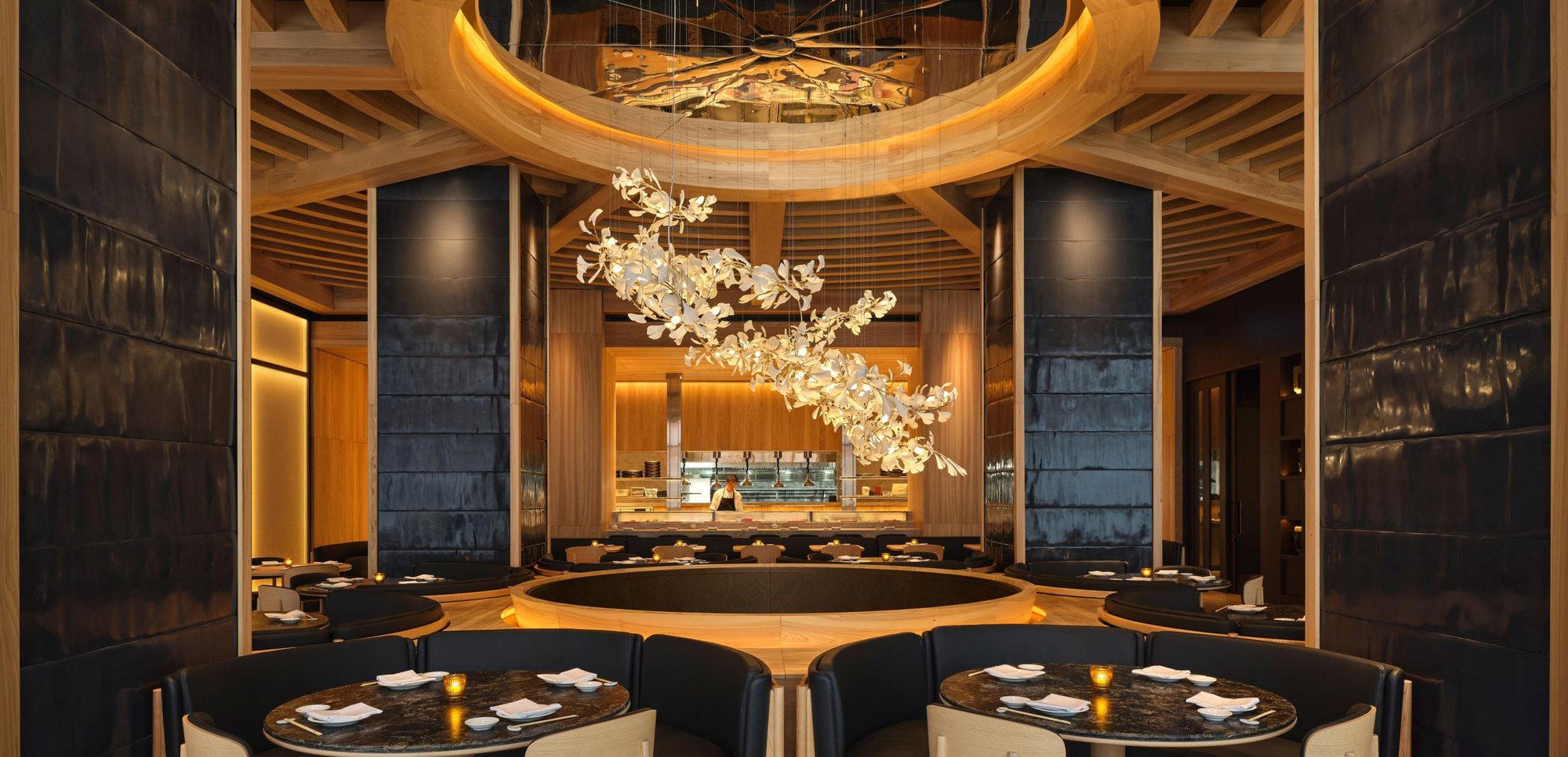
Eclectic and warm with mismatched vintage furniture, open kitchen, spider plants hanging from rafters, and dim lighting that creates an intimate, slightly edgy atmosphere reminiscent of a Korean gangster film set.