Hana
Located on Hampson Street in the Riverbend neighbourhood, Hana occupies a quieter corner of New Orleans' dining scene, away from the French Quarter circuit. The restaurant draws a local following in a city where neighbourhood spots often outlast the celebrated downtown addresses. For visitors willing to cross the parish of hype, it rewards the detour.
Pearl is the En Primeur Club membership app — saves, bookings, and concierge access live there. Same editors, same standards.
- Address
- 8116 Hampson St, New Orleans, LA 70118
- Phone
- +15048651634
- Website
- hanasushinola.com
- Directions
- Get directions
 Saves & bookings on Pearl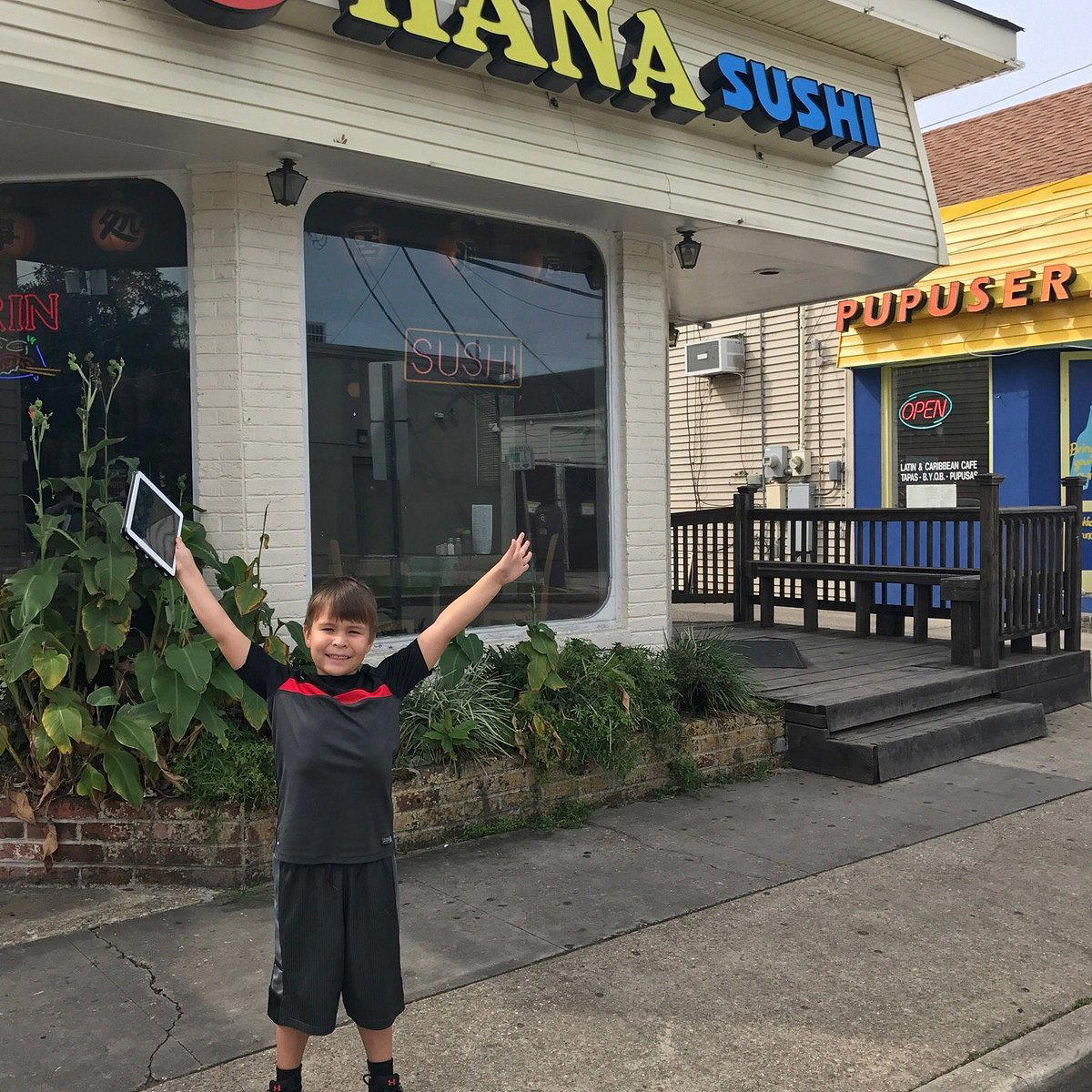
Riverbend and the Case for Neighbourhood Dining in New Orleans
New Orleans has always operated on two parallel dining tracks. The first runs through the French Quarter and Warehouse District, where national press and tourist foot traffic concentrate around places like Emeril's and Re Santi e Leoni. The second runs through the residential neighbourhoods, where locals have always eaten without fanfare and where the city's most honest dining often happens. Hana, at 8116 Hampson Street in the Riverbend area near Carrollton, belongs to the second track.
Riverbend sits at the curve where the Mississippi bends northward, giving the neighbourhood its name and its geography. The streets here are lined with oak canopy and double-shotgun houses rather than hotel lobbies and valet stands. Arriving on Hampson Street is nothing like arriving at Saint-Germain or Bayona, where the rooms themselves signal occasion. Hana's address suggests something more provisional, more local, more concerned with the food than with the staging around it. That compression of expectation is, in the context of New Orleans dining culture, a feature rather than a limitation.
What the Wine List Signals About a Restaurant's Ambitions
In cities where dining culture has matured past the point of novelty, the wine list is often one reliable indicator of a kitchen's seriousness. A cursory list of commercial labels says the room runs on kitchen confidence alone. A list that demonstrates genuine curation, whether by region, producer philosophy, or vintage depth, signals that the operation views the table as a complete experience rather than a delivery mechanism for plates.
New Orleans has historically been a cocktail city. The Sazerac, the Vieux Carré, and the Ramos Gin Fizz are not tourist confections but genuine expressions of the city's palate. Wine culture has developed more slowly here than in, say, San Francisco or New York, which makes restaurants that invest in their cellar programs stand apart from the broader market. In that context, what a place like Hana chooses to pour matters as a signal of how seriously the kitchen takes its own output.
Le Bernardin in New York City and The French Laundry in Napa are the obvious reference points at the formal end, but the principle applies equally at the neighbourhood scale. Lazy Bear in San Francisco and Blue Hill at Stone Barns in Tarrytown both demonstrate that wine curation at the mid-tier neighbourhood level can anchor a dining identity as effectively as any award.
New Orleans' Evolving Dining comparable set
The restaurants that New Orleans diners now measure themselves against have shifted considerably over the past decade. The city's canonical Creole tradition, anchored by Commander's Palace and places with comparable institutional weight, remains the reference point for heritage dining. But a younger generation of restaurants has introduced formats and ambitions that put New Orleans in conversation with the national fine-dining circuit more directly. Zasu on the American Contemporary side and comparable neighbourhood-rooted operations across the city represent a broader shift toward local, ingredient-led cooking that doesn't require the formality of the historic dining rooms to justify its prices.
That shift matters for how visitors approach the city's residential neighbourhoods. The assumption that serious dining only happens downtown or in the Quarter is increasingly outdated. Places in Mid-City, the Bywater, and Riverbend operate with kitchen seriousness that matches anything closer to Canal Street, often with shorter queues and more honest pricing. Alinea in Chicago or Atomix in New York City anchor their respective city's premium tiers, New Orleans' leading neighbourhood restaurants anchor a different but equally legitimate tier where the cooking is the point and the room is secondary.
Placing Hana in That Conversation
Hana occupies the Hampson Street address in a part of the city that has long supported independent restaurants without the infrastructure of the dining districts. That address in itself places the venue inside a dining tradition that values repeat local custom over destination traffic, which tends to produce leaner menus and more careful sourcing decisions over time. The restaurants that survive in residential New Orleans do so because they earn neighbourhood loyalty rather than tourist capture.
For comparison, the same dynamic plays out in cities like Atlanta at Bacchanalia, in San Diego at Addison, and at Single Thread Farm in Healdsburg, where geographic remove from the obvious dining corridor forces a kind of discipline. You don't survive on walk-ins when your location requires a deliberate choice to visit.
Beyond the American context, the same principle operates at the international level. 8 1/2 Otto e Mezzo Bombana in Hong Kong and Providence in Los Angeles both demonstrate that formal ambition and neighbourhood-adjacent positioning are not mutually exclusive. The Inn at Little Washington in Washington makes the same argument at the extreme end of destination dining: remove from the city centre is not a handicap if the cooking earns the journey.
Planning a Visit
Hana is located at 8116 Hampson Street, accessible from the St. Charles Avenue streetcar line, which runs along the edge of Riverbend and connects to the Garden District and downtown. Hana is open Tuesday through Sunday and closed Monday, with lunch and dinner service most days and a later Friday and weekend schedule. It is walk-in friendly, though calling ahead is sensible on busy nights. New Orleans neighbourhood restaurants operate on schedules that reflect local rhythms rather than tourist demand, meaning midweek visits often yield a more attentive experience than weekend evenings when the city's dining rooms fill across all neighbourhoods simultaneously.
For visitors building a broader New Orleans itinerary, the EP Club full New Orleans restaurants guide maps the city's dining scene by neighbourhood, price tier, and cuisine type, which helps contextualise where a Riverbend stop fits within a longer itinerary.
Side-by-Side Snapshot
Comparable venues nearby, for context on price, style, and recognition.
| Venue | Cuisine | Price | Notes |
|---|---|---|---|
| HanaThis venue — the venue you are viewing | Neighborhood Sushi Bar | $$ | Not listed |
| Wasabi Sushi & Asian Grill | Japanese Sushi & Asian Grill | $$ | Marigny |
| Sake Cafe | Modern Japanese Sushi Fusion | $$$ | Garden District |
| Rock 'n' Sake | Modern Japanese Sushi & Sake Bar | $$ | Arts District |
| Jeri Nims Soda Shop | Classic American Diner | $$ | Arts District |
| Green Goddess | Modern New Orleans Eclectic | $$ | French Quarter |
Continue exploring
More in New Orleans
Restaurants in New Orleans
Browse all →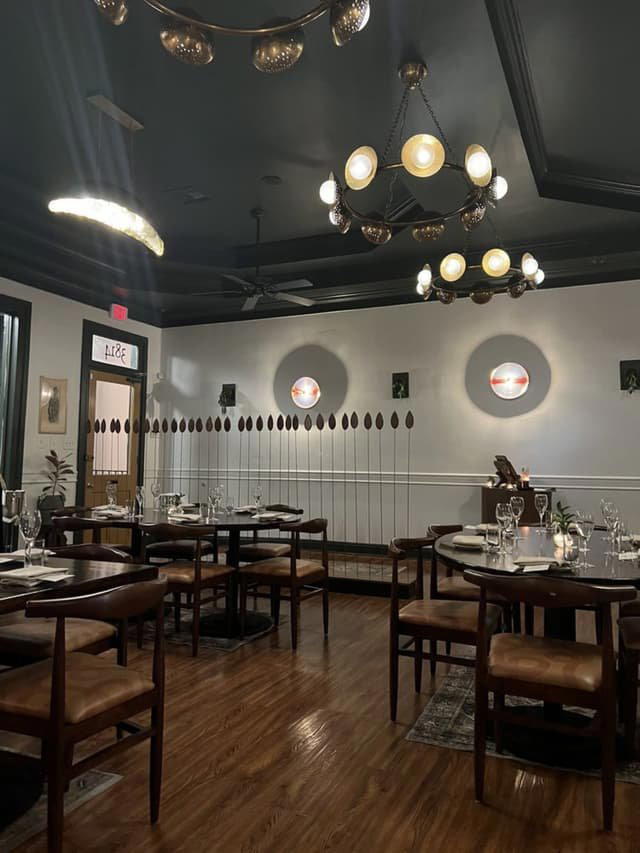
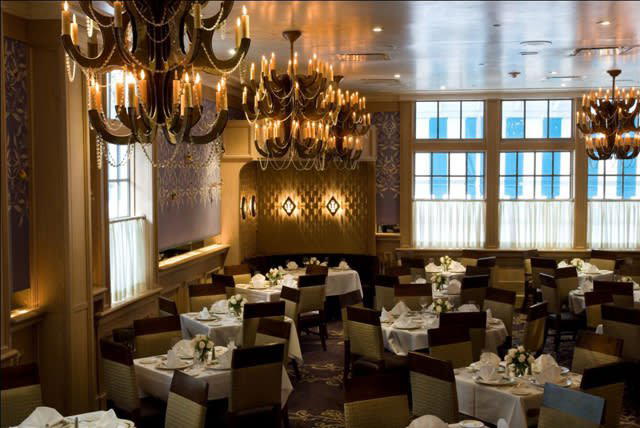
Bars in New Orleans
Browse all →
At a Glance
- Cozy
- Casual
- Casual Hangout
- Date Night
- Standalone
Current opening hours
- Monday
- Closed
- Tuesday
- 11:30 AM–2:30 PM, 4:30–8:30 PM
- Wednesday
- 11:30 AM–2:30 PM, 4:30–8:30 PM
- Thursday
- 11:30 AM–2:30 PM, 4:30–8:30 PM
- Friday
- 11:30 AM–2:30 PM, 4:30–9 PM
- Saturday
- 12–9 PM
- Sunday
- 12–8:30 PM
Hours can change for holidays and private events. Last verified .
Cozy neighborhood sushi bar with friendly service and a welcoming casual atmosphere.