Hanmiok
Hanmiok occupies a quietly serious position in Cheongdam-dong, where Korean culinary tradition is framed through an environmental lens rather than spectacle. Set against the premium dining corridor of Gangnam District, it operates in a peer group that includes Seoul's most considered Korean tables, with a focus on sourcing and material integrity that runs through every element of the experience.
Pearl is the En Primeur Club membership app — saves, bookings, and concierge access live there. Same editors, same standards.
- Address
- 85-2 Cheongdam-dong, Gangnam District, Seoul, South Korea
- Phone
- +82 2-545-4622
- Website
- url.kr
- Directions
- Get directions
 Saves & bookings on Pearl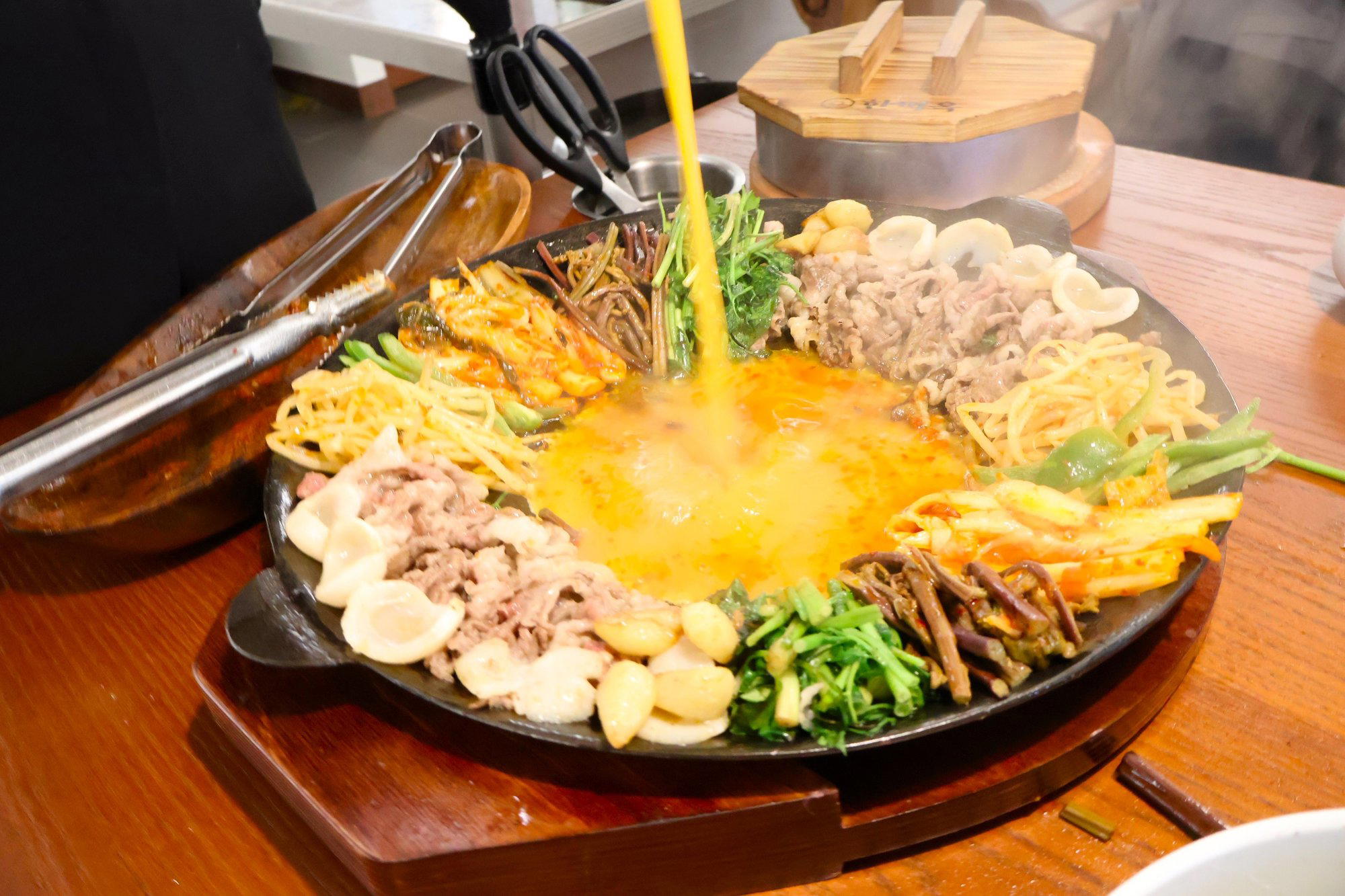
Cheongdam-dong and the Ethics of Korean Fine Dining
Hanmiok is a Modern Korean BBQ restaurant in Cheongdam-dong, Gangnam District, Seoul. The neighbourhood's dining corridor, running through the broader Gangnam District, now contains particularly technically demanding Korean restaurant work in the country, tables at Mingles, Jungsik, and Kwonsooksoo have each, in different ways, defined what it means to cook Korean food at a premium register. Within that conversation, a smaller subset of restaurants has moved the argument further: not just how refined the food can be, but where it comes from and what it costs the land to produce it. Hanmiok, at 85-2 Cheongdam-dong, belongs to that subset.
The address itself signals something. Cheongdam-dong real estate is expensive and competitive, and restaurants that survive there without the amplification of a large hospitality group tend to do so on the strength of a clear, consistent proposition. At Hanmiok, that proposition is rooted in Korean culinary heritage interpreted through an environmental consciousness that shapes sourcing decisions, preparation methods, and the logic of what appears on the menu in any given season.
The Environmental Frame: Sourcing as Culinary Argument
Across the better Korean fine-dining tables in Seoul, ingredient provenance has become a standard talking point. The more interesting question is which restaurants actually structure their menus around supply-chain discipline rather than simply invoking the language of terroir. In the tier occupied by venues like Soigné and alla prima, sourcing tends to inform individual dishes. At the table Hanmiok appears to occupy, sourcing is the editorial position from which every decision follows.
Korean cuisine carries deep structural advantages for this kind of approach. The traditional emphasis on fermentation, preserved vegetables, and grain-forward preparation means that the ratio of high-carbon animal protein to plant material is, historically, lower than in Western fine dining. Doenjang, ganjang, gochujang, the fermented paste and sauce foundations of Korean cooking, represent weeks or months of controlled microbial work rather than resource-intensive reduction. A kitchen committed to environmental accountability finds these traditions a usable architecture, not a constraint.
Seasonal produce from regional Korean agriculture similarly plays a role at this level of the market. Korea's growing regions, from the volcanic soils of Jeju to the mountain valleys of Gangwon Province, produce ingredients with sufficient distinctiveness that a sourcing-led menu can shift substantially across the year without losing coherence. For context on what that regional specificity looks like in practice, venues like Mori in Busan and the Jeju-based Badang Lounge each demonstrate how Korean regional identity can anchor a serious dining offer.
Positioning Within the Gangnam Premium Tier
The comparison set for Hanmiok is instructive. Seoul's upper Korean dining tier currently includes venues like Onjium, which operates as a reconstructed joseon-era court cuisine project, and 7th Door, which layers contemporary Korean with a ₩₩₩₩ price point and formal tasting structure. Eatanic Garden and Zero Complex approach the same price bracket from different creative positions. Hanmiok's address and category place it in conversation with all of these, restaurants that price against seriousness rather than volume, where the experience is determined by a kitchen's point of view rather than a dining room's capacity to turn covers.
That positioning carries practical implications. Booking at this level of Seoul dining typically requires advance planning, and the Cheongdam-dong corridor in particular draws a dining public that includes both local regulars and visitors who have done enough research to understand what distinguishes these tables from the broader market. For those building a Seoul itinerary around food, maps the category in more detail.
The Traditional Korean Table in a Modern City
There is a broader question running through Hanmiok's category: what does it mean to serve traditional Korean food, hansik, in a contemporary fine-dining frame, without reducing it to nostalgia or overcomplicating it into abstraction? The venues doing this most convincingly tend to be those that treat the traditional form as a living practice rather than a reference point. Fermentation schedules matter. Seasonal calendars matter. The sourcing relationship with specific farms or producers becomes part of the restaurant's identity in the same way that a winery's relationship with its vineyards defines what ends up in the glass.
Internationally, Korean fine dining has found serious audiences in cities where that argument has already been made with full conviction. Atomix in New York and the broader conversation around Korean tasting menus in American cities has shifted the global frame for what this cuisine can accomplish at the summit of the market. Closer to home, that shift has created both opportunity and expectation for Seoul's own premium tables. The city now receives diners who arrive with a developed understanding of what Korean haute cuisine can be, not just visitors looking for an approximation of something they encountered abroad, but people who want the original argument made in full.
What to Know Before You Go
Hanmiok sits at 85-2 Cheongdam-dong in the Gangnam District, a neighbourhood in Gangnam District. The restaurant operates in a price and format tier consistent with Cheongdam-dong's fine-dining corridor, where the expectation is a structured meal rather than an à la carte drop-in. Reservations are recommended. Gobojeong Galbi in Suwon and Doosoogobang offer a useful contrast for those interested in how Korean meat traditions operate at a different register and price point, while Hwangnam Bread and Busan Steamed Bun in Gyeongju demonstrates the depth of Korean food culture outside the capital. For those extending a Korea trip beyond Seoul, 88돼지 in Jeju, Black Pork BBQ in Seogwipo, and Hinode in Seogwipo each offer distinct windows into how Korean culinary identity plays outside the Gangnam frame. Dining Room in Busan and Gyeongju Wonjo Kongguk round out a picture of Korea's regional dining range that no Seoul-only itinerary fully captures. Le Bernardin in New York represents the Western fine-dining standard against which international critics often position Asian tasting-menu restaurants.
The Quick Read
Comparable venues nearby, for context on price, style, and recognition.
| Venue | Cuisine | Price | Notes |
|---|---|---|---|
| HanmiokThis venue — the venue you are viewing | 압구정동, Modern Korean BBQ | $$$ | Not listed |
| 뜨락 | 청담동, Premium Hanwoo Grill | $$$ | Not listed |
| 우정양곱창 | Not listed | $$$ | 논현동, Korean Beef Intestines (Yang Gopchang) |
| 영동 설렁탕 | Not listed | $$$ | Jamwon-dong, Seocho-gu, Traditional Korean Seolleongtang |
| Jinju Jip | Not listed | $$ | 용강동, Traditional Korean Kongguksu & Noodle Soup |
| 진전복삼계탕 신사직영점 | Not listed | $$ | Sinsa-dong, Premium Abalone Ginseng Chicken Soup |
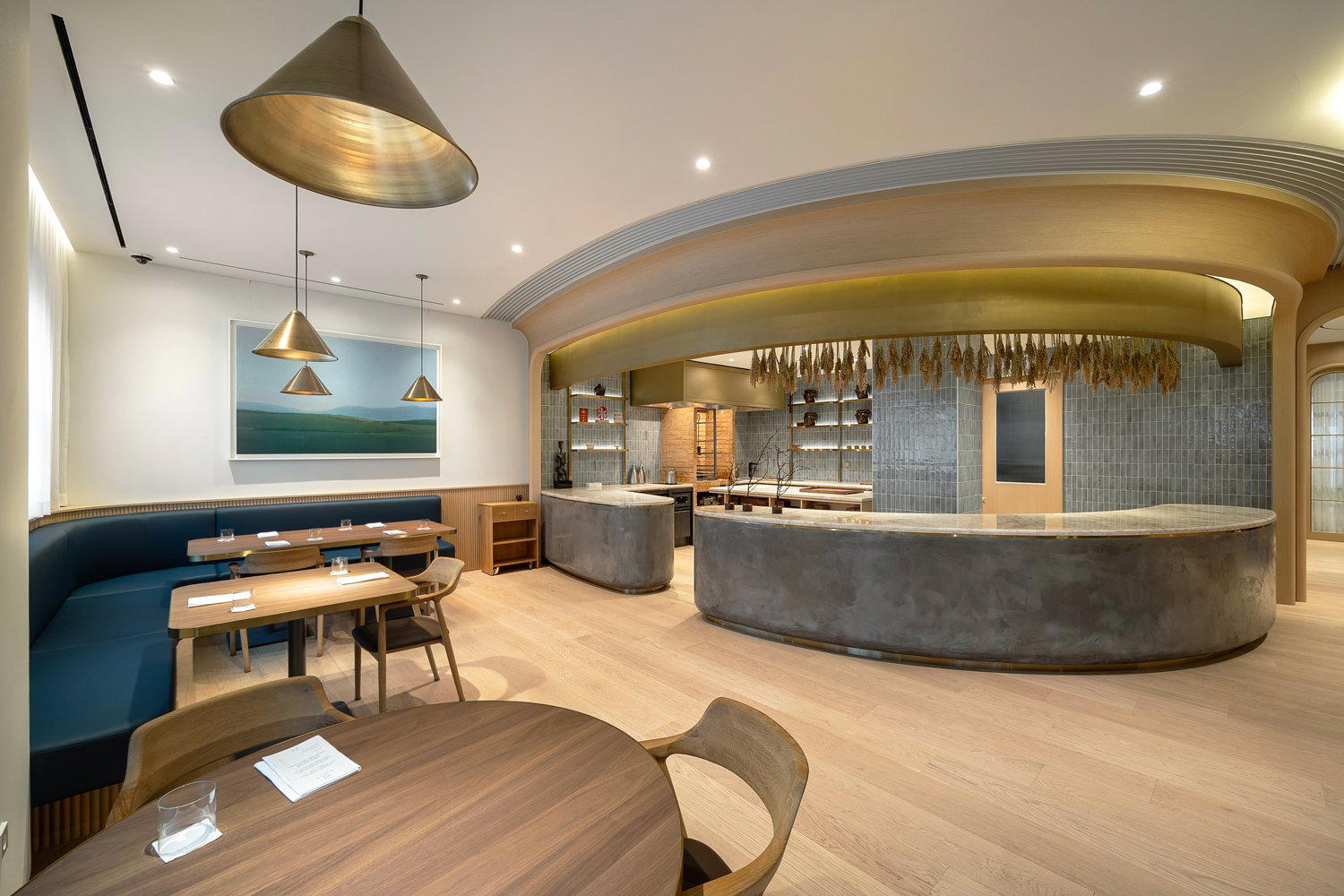
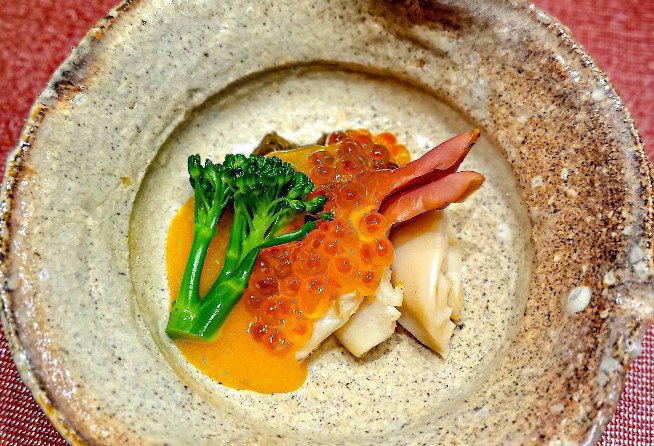
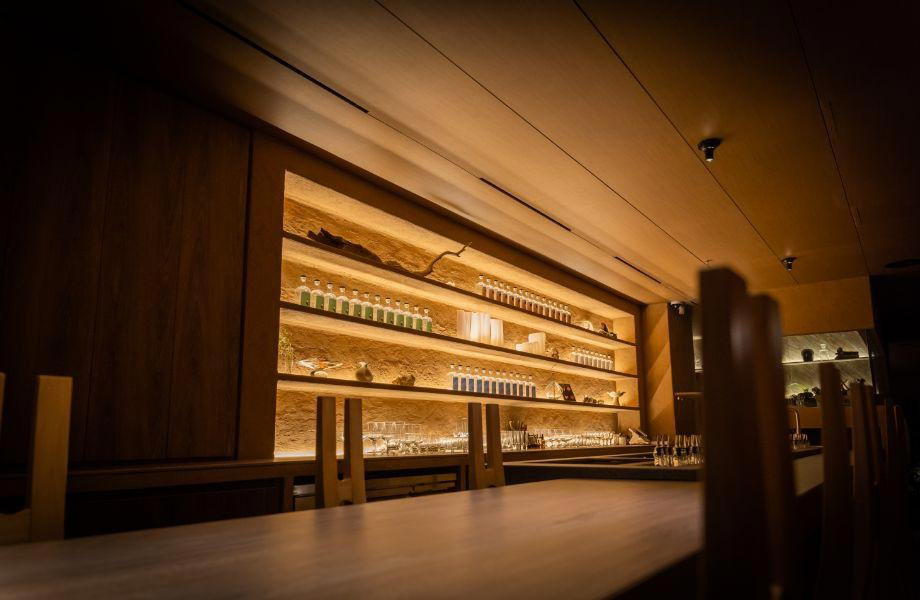
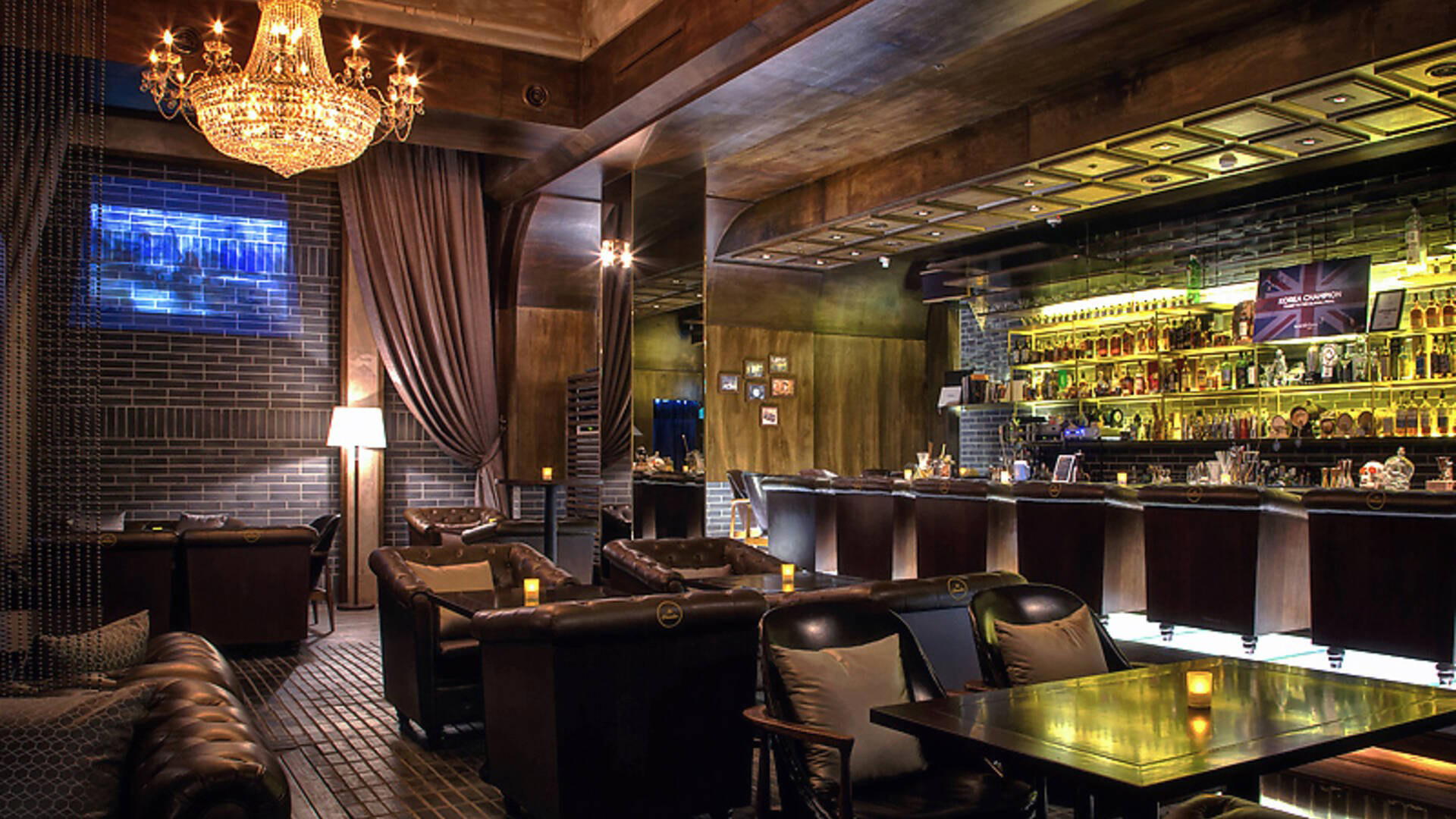
At a Glance
- Trendy
- Modern
- Group Dining
- Special Occasion
- Open Kitchen
Current opening hours
- Monday
- 11 AM–2:30 PM, 5–10 PM
- Tuesday
- 11 AM–2:30 PM, 5–10 PM
- Wednesday
- 11 AM–2:30 PM, 5–10 PM
- Thursday
- 11 AM–2:30 PM, 5–10 PM
- Friday
- 11 AM–2:30 PM, 5–10 PM
- Saturday
- 12–3 PM, 5–10 PM
- Sunday
- 12–3 PM, 5–10 PM
Hours can change for holidays and private events. Last verified .
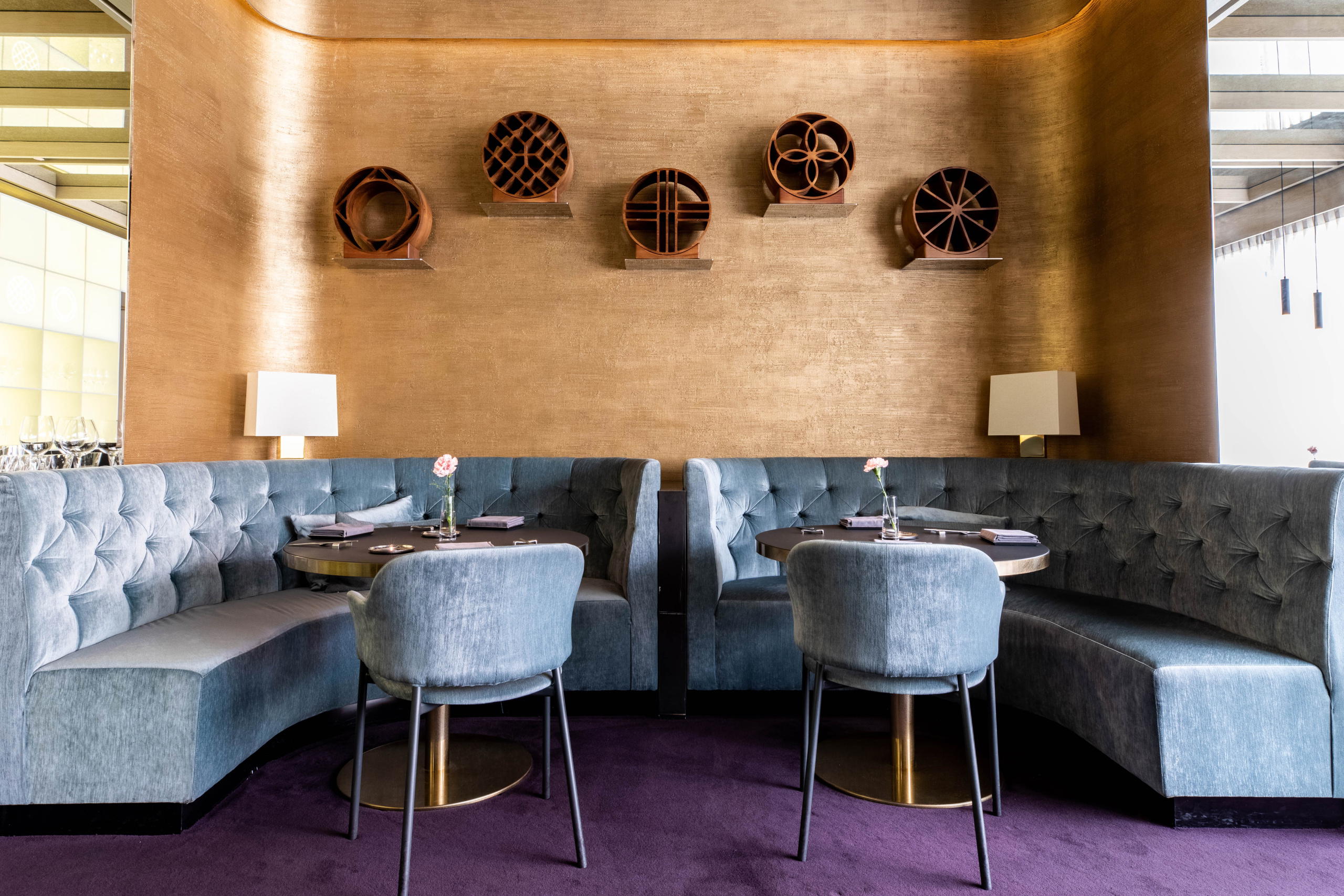
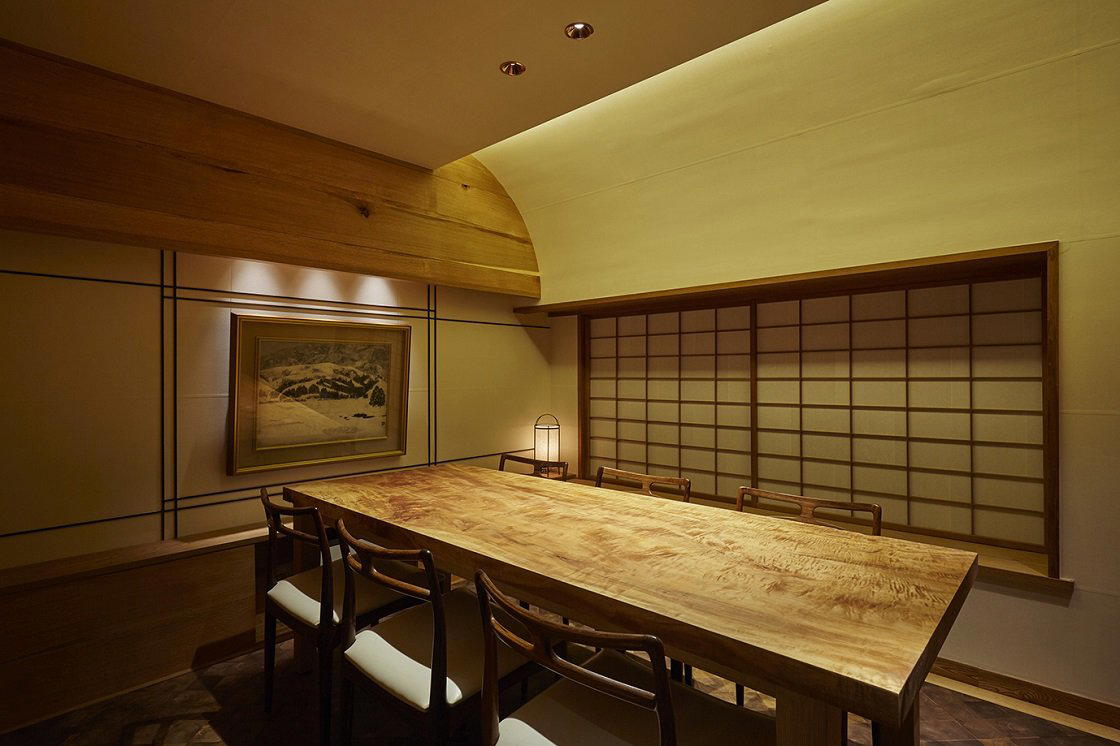
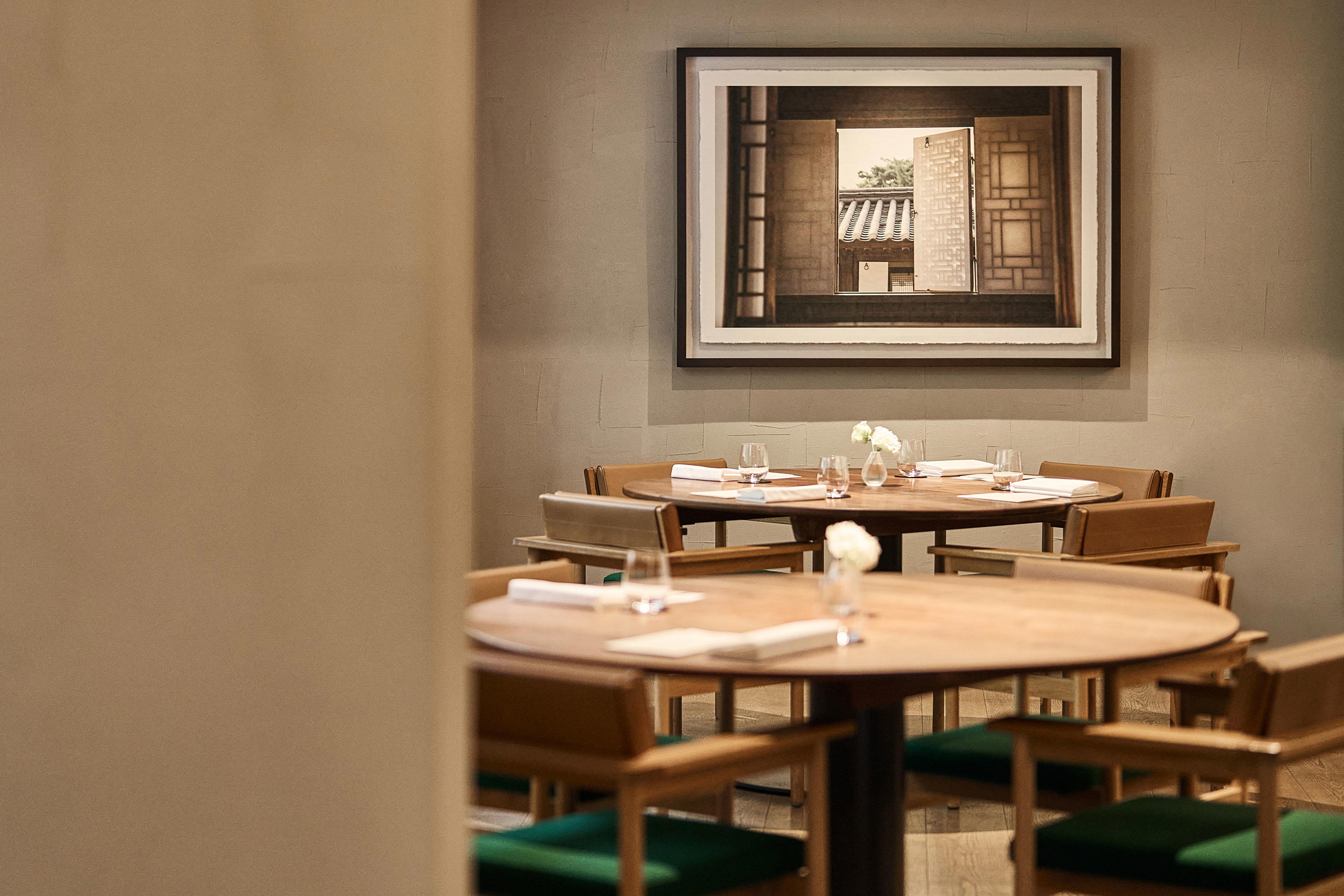
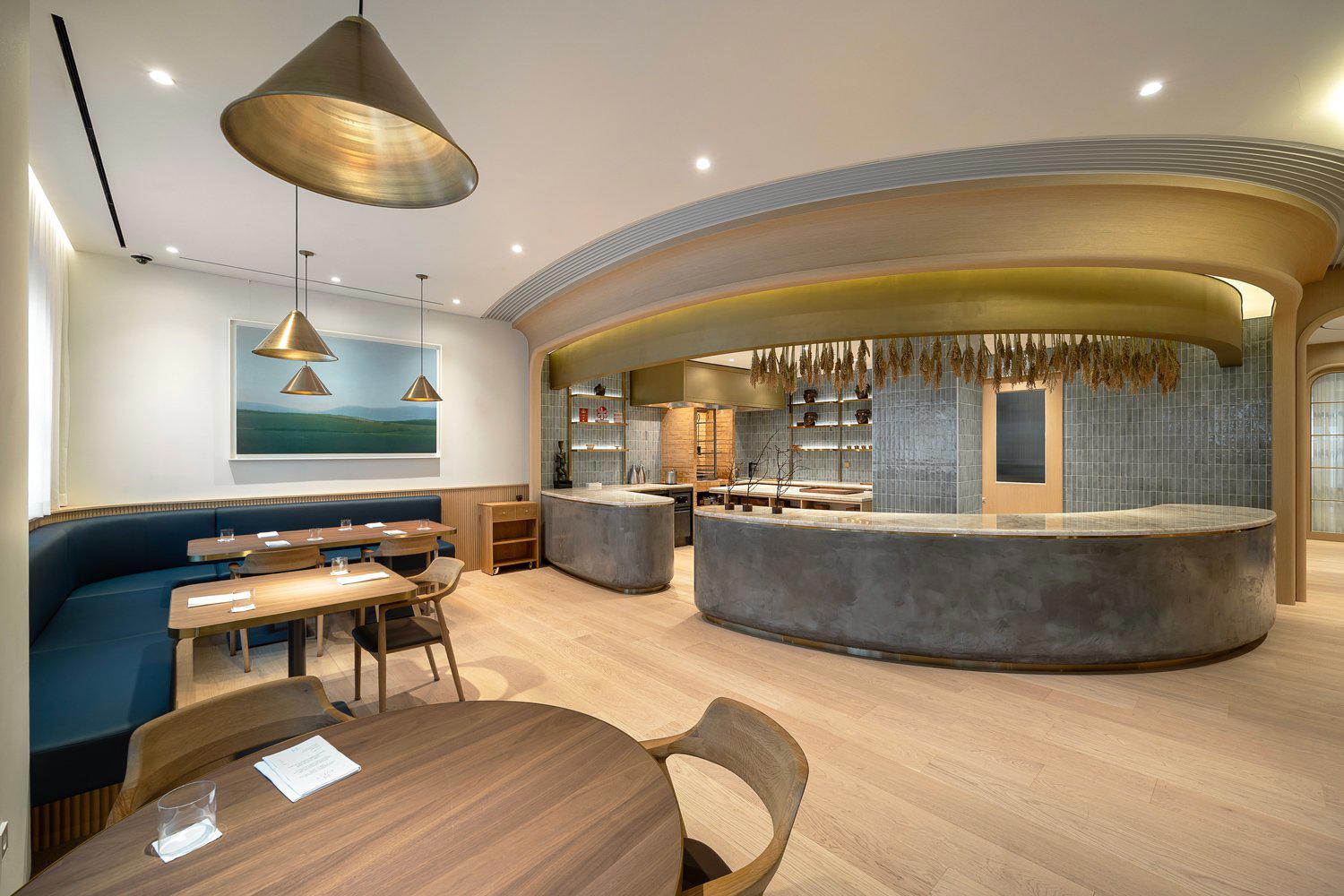
Modern Korean atmosphere with table-side grilling and attentive service.