Our verdict
Hao Canteen sits inside Starlight City on Wensan Road, placing it within Xihu district's growing cluster of mid-to-upper casual dining. The address signals a venue pitched at Hangzhou's urban professional crowd rather than the tourist circuit around West Lake. How it distinguishes itself within that increasingly competitive tier is the more interesting question.

Pearl is the En Primeur Club membership app — saves, bookings, and concierge access live there. Same editors, same standards.
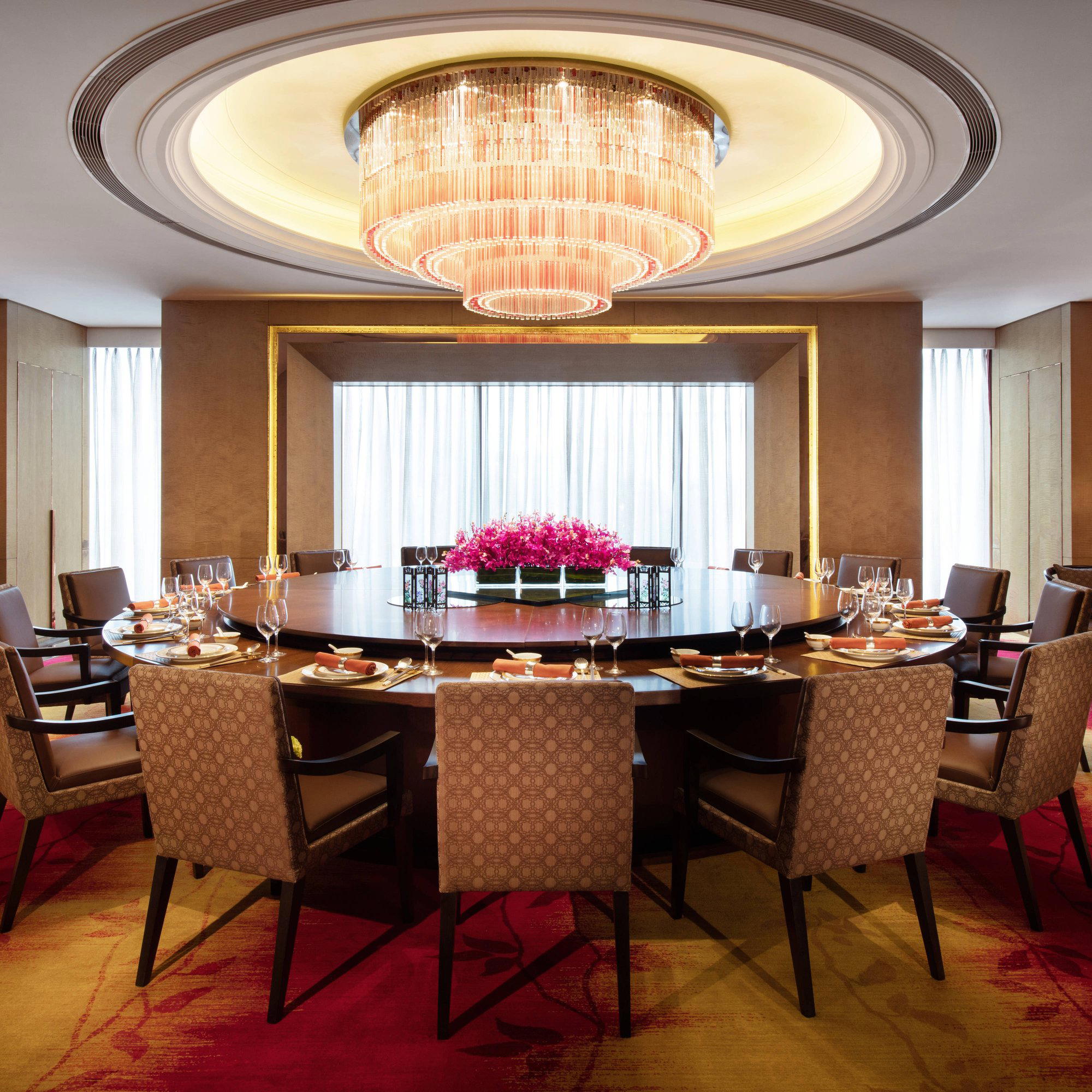
Wensan Road and the Canteen Format
Along Wensan Road in Xihu district, the dining vernacular has shifted considerably over the past decade. What was once a corridor of neighbourhood teahouses and functional lunch spots now accommodates a more layered mix of formats: casual concept restaurants, regional specialists, and hybrid spaces that blur the line between canteen efficiency and considered cooking. Hao Canteen, inside the Starlight City complex at No. 500, arrives in that context as a venue name that signals accessibility but sits within a commercial development that pitches firmly at Hangzhou's urban professional demographic.
The canteen format carries specific expectations across Chinese dining culture. At its most democratic, the canteen implies volume, speed, and shared tables. At its more considered end, the format borrows the approachability of that tradition while applying tighter editorial control to what arrives on the table. In Hangzhou, where Zhejiang cuisine's reputation for precision and clean flavour profiles sets a high baseline, even casual formats are under pressure to perform. The comparison set for a venue on this stretch includes established Zhejiang operators and the city's growing roster of concept-driven rooms.
The Ritual of Eating in Hangzhou
Zhejiang dining has its own pacing, distinct from the banquet traditions of Cantonese tables or the aggressive heat cycles of Sichuan service. At the better end of Hangzhou's casual-to-mid tier, a meal tends to move in deliberate waves: cold starters that let the kitchen establish its sourcing credentials, then warmer dishes that build in complexity, then a close that often arrives with rice or noodles that function as a palate reset rather than a carbohydrate obligation. The ritual is less ceremonial than a formal Zhejiang tasting sequence but more intentional than the plate-and-go efficiency of a fast-casual operation.
This matters for how a diner should approach Hao Canteen. The Wensan Road location and the Starlight City context suggest a room that is built for repeat visits from the surrounding office and residential catchment, which typically means a menu designed for familiarity rather than surprise. In Hangzhou's dining culture, that is not a criticism: the most trusted neighbourhood restaurants are trusted precisely because they execute a defined repertoire reliably. The standard against which they are measured is consistency, not novelty.
Venues in this category sit below the Michelin-tracked rooms in Hangzhou's formal hierarchy but above the entirely undifferentiated mid-market. Ru Yuan, operating at the ¥¥¥¥ tier, and Guiyu (Xihu), another Zhejiang specialist in the district, represent the more formal ceiling of regional cooking in the area. Hao Canteen operates in a different register, where the expectation is a lower threshold for booking complexity and a higher tolerance for walk-in traffic.
Xihu District as a Dining Address
Xihu district carries West Lake's cultural gravity even for restaurants that sit several kilometres from the lake itself. The address confers a certain kind of visitor, one who has already spent time in Hangzhou, knows the city beyond its tourist surface, and is looking for something that reflects daily life rather than a postcard version of Zhejiang cuisine. Wensan Road specifically has developed a reputation for serving that audience: educated, local-leaning, and resistant to the kind of pricing that comes attached to lakefront views.
Within that neighbourhood logic, the Starlight City building functions as a vertical dining cluster, which in Hangzhou, as in Shanghai and Chengdu, has become the dominant model for mid-market food retail. The format concentrates footfall and reduces discovery friction, but it also means that any individual venue inside such a development is competing with immediate neighbours for the same customer at the same meal occasion. Differentiation at the dish level, at the service rhythm, or at the visual identity of the room becomes more important, not less, when the external address is shared.
For reference, other Hangzhou addresses in the same conversational tier include Hangzhou House and Jie Xiang Lou, both of which have built followings on Zhejiang cooking without the formal recognition tier. Ambré Ciel operates in the innovative category at the upper end and represents a different competitive set entirely. Our full Hangzhou restaurants guide maps these tiers in more detail.
Where the Canteen Sits Regionally
The canteen-concept format has had strong traction across eastern China's Yangtze Delta cities. In Shanghai, venues like 102 House have shown how a casual register can sit alongside serious cooking without contradiction. In Nanjing, Dai Yuet Heen applies Cantonese discipline to a market that also reads Jiangnan food traditions. In Suzhou, Dingshan·Jiangyan operates in the regional-specialist tier. Across all of these, the common thread is a dining culture that takes the sourcing and execution of Jiangnan ingredients seriously regardless of format.
The highest-profile comparators in formal Chinese fine dining, including Xin Rong Ji in Beijing, Chef Tam's Seasons in Macau, and Imperial Treasure in Guangzhou, operate several tiers above the casual canteen model, but they share the underlying philosophy that regional Chinese cooking rewards specificity over generalism. Even at the accessible end, that pressure filters down. A Hangzhou canteen that can articulate its relationship to Zhejiang ingredients, to the local sourcing of freshwater fish, to the particular sweetness of Longjing-adjacent cooking, occupies a more defensible position than one that simply offers a broad Chinese menu at a convenient address. Outside the region entirely, the contrast with tasting-menu formats like Atomix in New York City or the classical rigour of Le Bernardin makes clear how differently the canteen form codes across global dining cultures: in Hangzhou, the format implies community and repetition, not compromise.
For those exploring the broader Yangtze Delta dining circuit, Xin Rong Ji in Chengdu, Jiangnan Wok·Rong in Fuzhou, Fleurs Et Festin in Xiamen, and Shang Palace in Yangzhou each offer a different angle on how regional Chinese cooking performs across formats and price tiers.
Planning a Visit
Hao Canteen is at Starlight City Building B, 500 Wensan Road, Xihu district, Hangzhou. The Wensan Road corridor is accessible by metro and by the city's dense bus network. As a commercial complex restaurant, the practical expectation is that walk-in access is more available than at the city's reservation-heavy fine dining rooms, though weekend lunch periods on Wensan Road, where office traffic is replaced by neighbourhood and family dining, can generate meaningful demand. Arriving outside the 12:00 to 13:30 and 18:00 to 19:30 peak windows is the standard approach for avoiding queues at venues of this format.
Frequently asked questions
Where exactly is Hao Canteen?
Hao Canteen is located at Starlight City Building B, 1å±500 Wensan Rd, 500, Xihu, Hangzhou, Zhejiang, China, 310058, Hangzhou.
How does Hao Canteen's location in Starlight City on Wensan Road affect the dining experience?
Starlight City places Hao Canteen inside a commercial retail complex on Wensan Road, which shapes the format toward accessible, repeatable meals rather than destination dining. Wensan Road in Xihu district sits within walking distance of metro access and the city's broader transit grid, making it a practical lunch or casual dinner stop for both residents and visitors to the West Lake area. The Xihu address carries neighbourhood credibility even for venues several kilometres from the lake itself.
Is Hao Canteen reservation-only?
No reservation policy is confirmed for Hao Canteen at this time. Canteen-format venues inside commercial complexes like Starlight City on Wensan Road typically operate walk-in, particularly at lunch, though peak dinner hours in Xihu district can create waits. Checking directly at the Starlight City Building B address on arrival remains the most reliable approach.
Cuisine-First Comparison
| Venue | Cuisine | Price | Awards | Notes |
|---|---|---|---|---|
| Hao CanteenThis venue — the venue you are viewing | Authentic Hangzhou Cuisine | Not listed | Not listed | Not listed |
| Xin Rong Ji | Taizhou Cuisine | $50–100 | 1 Michelin Star · La Liste Top Restaurants | Taizhou |
| 28 Hubin Road | Modern Zhejiang Fine Dining | $50–100 | Michelin Plate · La Liste Top Restaurants | Not listed |
| Ru Yuan | Modern Hangzhou Fine Dining | $150–200 | 2 Michelin Stars · World's 50 Best #10 | Zhejiang |
| L'éclat 19 | French-Chinese Fusion Fine Dining | Not listed | 1 Michelin Star | French Contemporary |
| Wild Yeast | Tai-French Chinese Contemporary | Not listed | 1 Michelin Star · Black Pearl 1 Diamond | Chinese Contemporary |
Continue exploring
More in Hangzhou
Restaurants in Hangzhou
All restaurants in Hangzhou →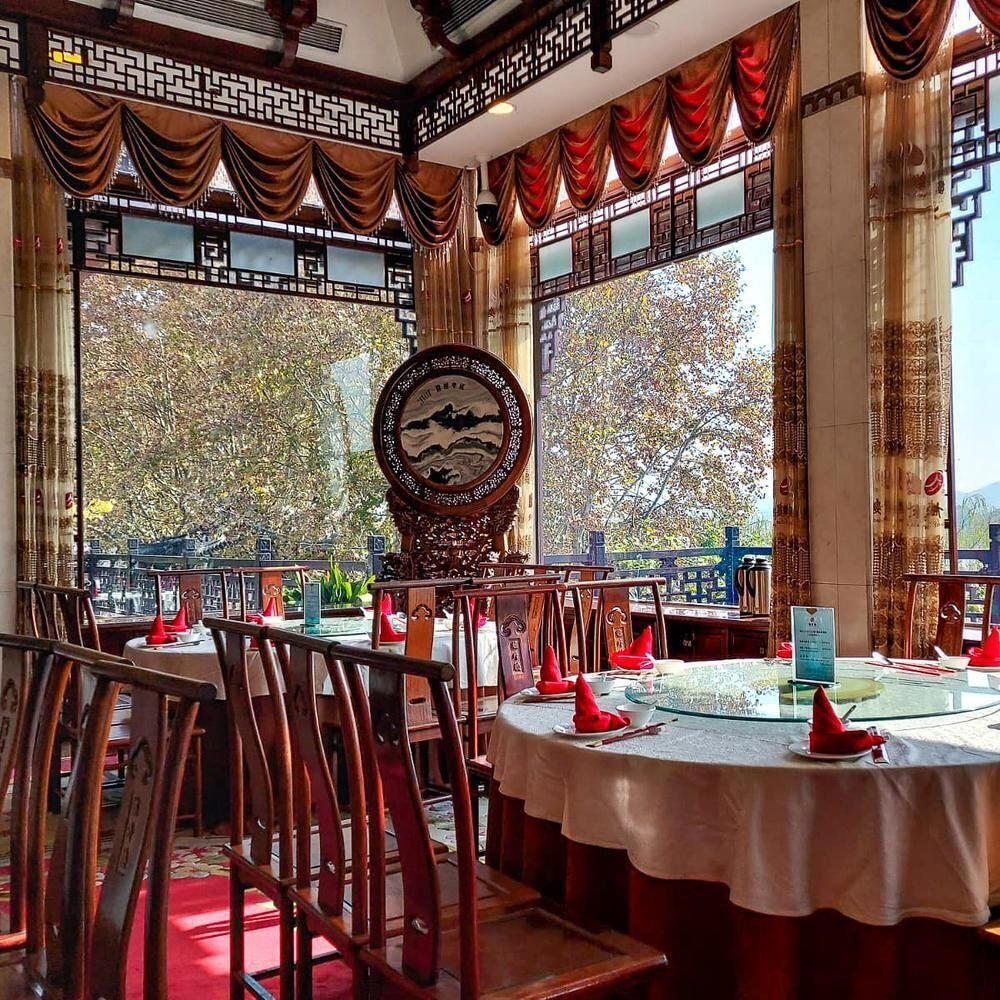
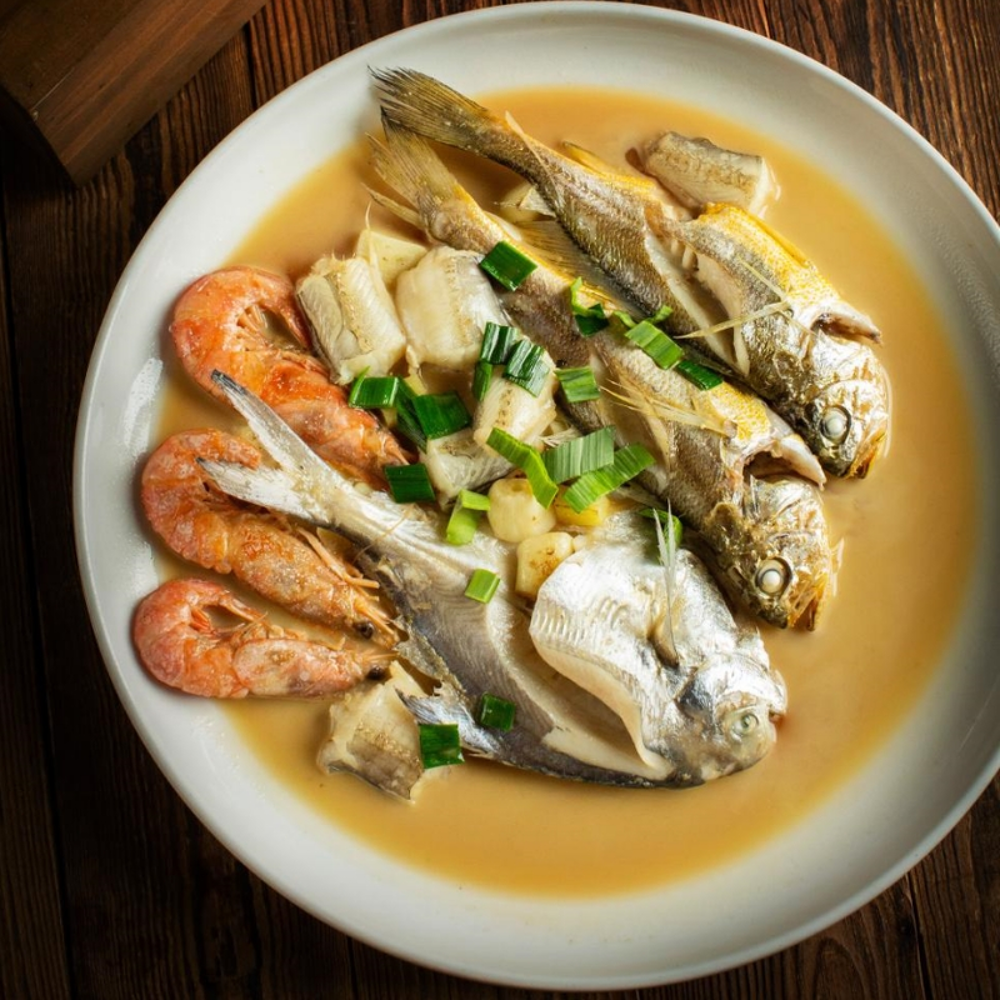
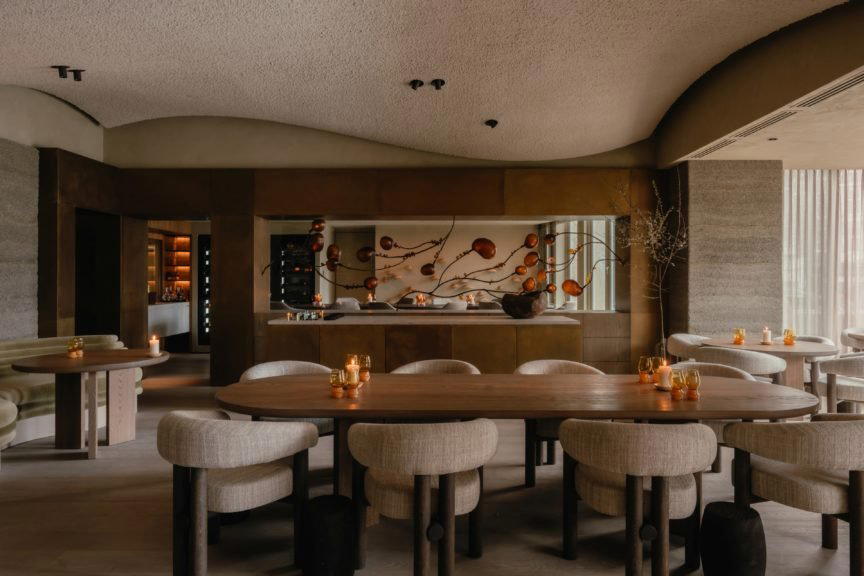
Bars in Hangzhou
All bars in Hangzhou →
Details
- Cozy
- Casual Hangout
- Standalone
- A La Carte
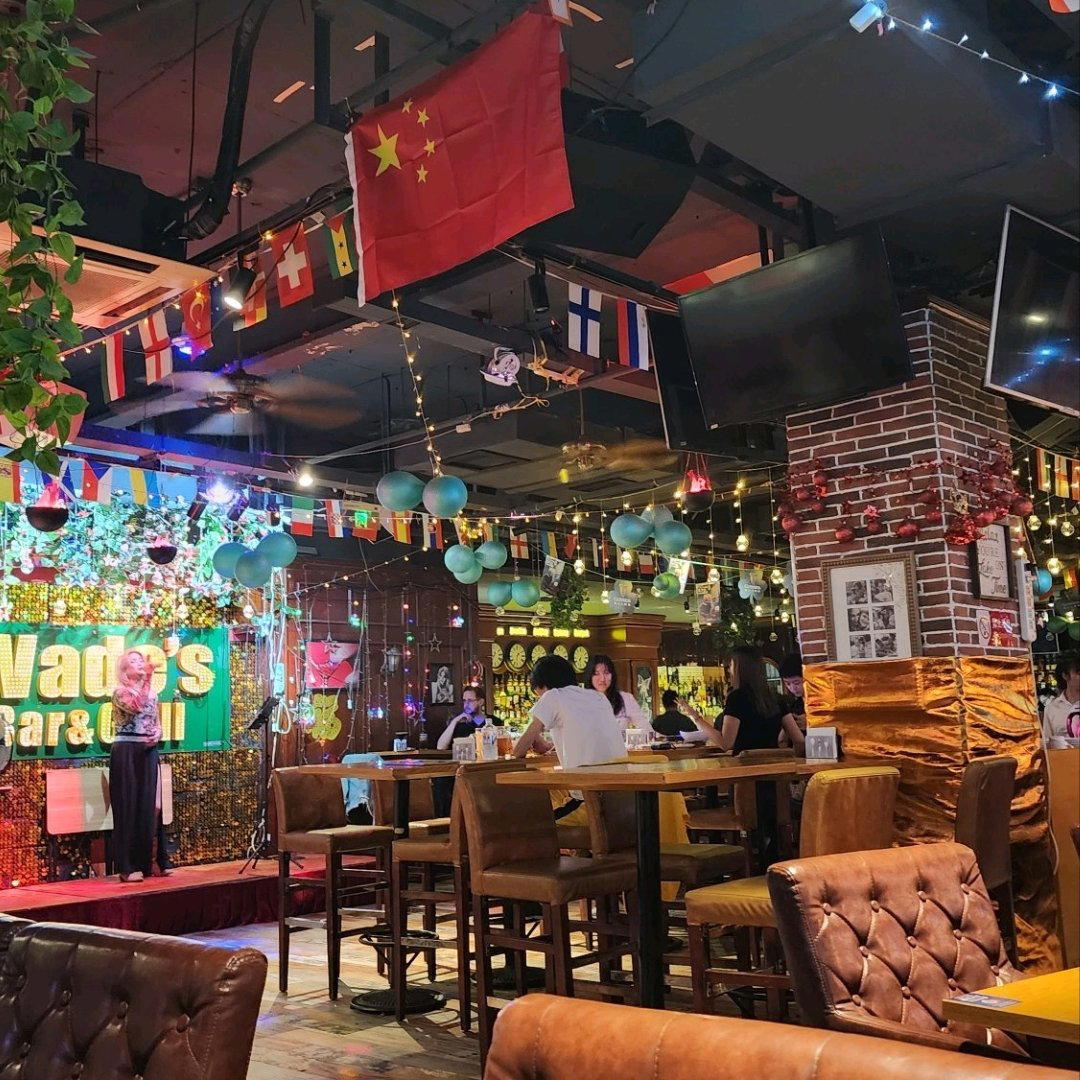
Casual neighborhood atmosphere focused on fresh, bargain-priced local dishes.