Hannam Oriental Roast Chicken
In Seoul's Hannam neighbourhood, where casual dining and destination-grade cooking sit within blocks of each other, Hannam Oriental Roast Chicken occupies the specialist end of the Korean roast chicken tradition. The menu is built around the architecture of a single protein treated with regional technique, positioning it differently from the city's multi-course tasting rooms and its street-level fried chicken chains.
Pearl is the En Primeur Club membership app — saves, bookings, and concierge access live there. Same editors, same standards.
- Address
- 12 Daesagwan-ro 34-gil, Yongsan District, Seoul, South Korea
- Phone
- +82 2-797-8677
- Website
- instagram.com
- Directions
- Get directions
 Saves & bookings on Pearl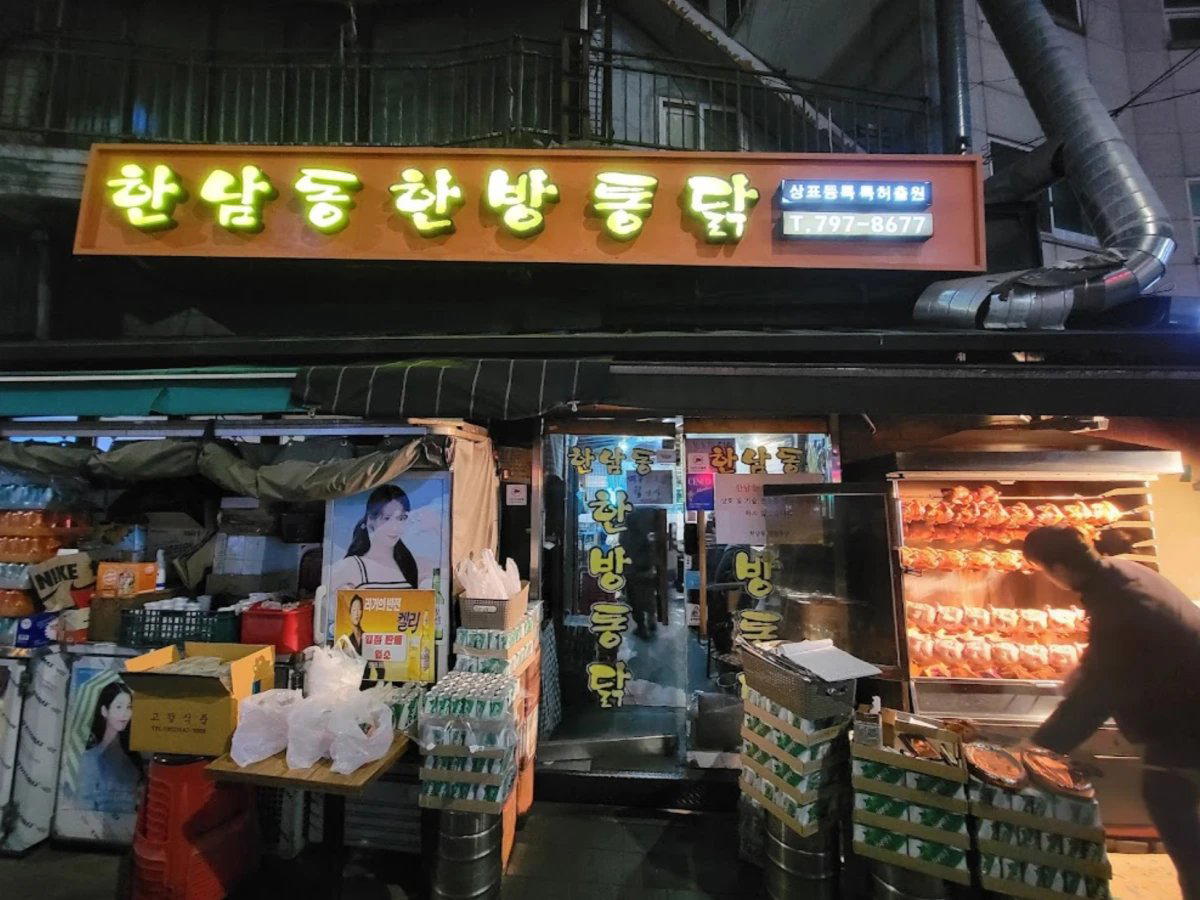
Roast Chicken as a Serious Subject in Seoul
Seoul's dining culture has spent the past decade splitting cleanly between two modes: the internationally recognised tasting-menu circuit, represented by addresses like Mingles, Jungsik, and Soigné, and a parallel tier of specialist single-subject restaurants where the ambition is focused rather than expansive. Hannam Oriental Roast Chicken belongs to the second category. Where the multi-course rooms ask diners to spend an evening moving through a chef's full vocabulary, a roast chicken specialist makes a different kind of argument: that one dish, executed with enough precision and contextual understanding, can anchor an entire meal.
That argument has precedent across multiple culinary traditions. In France, the poulet rôti has long functioned as a benchmark dish, the thing serious cooks use to demonstrate heat control and restraint. In Korea, the chicken tradition runs through different registers, from soy-braised preparations to the gochujang-glazed rotisserie formats common in neighbourhood restaurants across Seoul. The word "oriental" in this context points toward an older Korean-Chinese flavour register, one that draws on aromatics and roasting techniques with a different lineage than either Western rotisserie or contemporary Korean fried chicken.
What the Menu Structure Reveals
A menu built around roast chicken as its organising principle tells you something specific about the kitchen's priorities. Unlike the broad-canvas approach at venues such as alla prima or Kwonsooksoo, where the menu traces a wide arc of Korean culinary language, a single-protein format concentrates decision-making onto variables the diner can actually perceive: the quality of the bird, the seasoning depth, the precision of the cook, the balance of the accompaniments.
In practice, this means the supporting elements carry more weight than they might in a sprawling menu. Banchan choices, sauce constructions, and side preparations are not filler; they are the framing that makes the central dish legible. A roast chicken without a considered accompaniment structure is just a bird on a plate. With one, it becomes a statement about what the kitchen thinks the dish needs around it. The menu architecture at a specialist like this functions as a kind of editorial argument, each component placed in deliberate relationship to the others.
This format also clarifies the competitive set. Hannam Oriental Roast Chicken is not competing with the ₩₩₩₩ tasting rooms or with the late-night fried chicken chains that define Seoul's most exported food image. It occupies a middle register where the quality signals are subtler and the value proposition rests on depth of execution rather than either price-point accessibility or multi-course spectacle. For context on how Seoul's dining scene distributes across these tiers, our full Seoul restaurants guide maps the range in detail.
Hannam as a Dining Neighbourhood
The Hannam neighbourhood sits between Itaewon and Apgujeong, a position that has made it one of Seoul's more interesting dining corridors over the past several years. International residents, returning Koreans with overseas food experience, and a design-conscious local demographic have collectively shaped a neighbourhood where casual formats and serious cooking coexist without much friction. Restaurants here tend to avoid the performance mode of Cheongdam or the tourist-facing energy of Insadong; the clientele knows what it wants and the kitchens respond accordingly.
For visitors building a Seoul itinerary around food, Hannam works well as an anchor neighbourhood because the density of interesting addresses within walking distance means a single evening can move between formats without requiring a taxi. A roast chicken dinner here fits naturally into that kind of loose itinerary, particularly as a counter to the more structured tasting-room experiences that dominate Seoul's international press coverage.
The Wider Korean Roast Tradition
Understanding where Hannam Oriental Roast Chicken sits requires some familiarity with how roast chicken functions across Korean culinary geography. Beyond Seoul, the Korean treatment of chicken spans significant regional variation. Jeju's barbecue culture, represented by venues like 88돼지 and Black Pork BBQ, prioritises the grill over the oven, while Busan's dining culture, visible at addresses like Mori and Dining Room, reflects a port city's relationship with seafood and fermentation more than poultry.
The "oriental" framing in this restaurant's name signals a connection to Korea's Jajangmyeon-era Chinese-Korean culinary crossover, a tradition that developed through the 20th century as Chinese immigrants adapted their techniques to Korean ingredients and palates. Roasting methods that came through that exchange carry different flavour signatures than either purely Korean preparations or European rotisserie traditions. The aromatic profile leans toward star anise, soy, and ginger registers rather than herb-butter or paprika crusts, and the texture targets tend toward a lacquered exterior with rendered fat rather than a crackled, dry-heat crust.
Contextualising Against Seoul's Specialist Tier
Seoul has produced internationally recognised specialist-format restaurants across multiple categories. Atomix in New York, founded by a Korean chef, demonstrates how Korean culinary language translates into a high-precision tasting format for international audiences. Within Seoul itself, the progression from street-level specialists to destination-grade single-subject restaurants has accelerated, with addresses gaining regional attention for treating a single ingredient or technique with the same seriousness that fine dining typically reserves for multi-course menus.
The Korean meat specialist category has particular depth, from the galbi houses of Suwon, where Gobojeong Galbi and Doosoogobang represent a regional grilling tradition with decades of local authority, to contemporary Seoul addresses reworking those traditions through a more modern lens. Chicken, relative to beef, occupies a different cultural register in Korea, one that has historically been more casual but is increasingly the subject of serious culinary attention as chefs recognise the technical challenge involved in doing it well at a high level.
For reference on how Korean culinary seriousness manifests at the highest international level, Le Bernardin in New York remains a useful benchmark for what it means to build an entire restaurant's identity around a single protein category treated with uncompromising technical rigour, a model that translates across cuisines and price points.
Planning a Visit
Hannam Oriental Roast Chicken is a neighbourhood specialist rather than a destination tasting room, which shapes how a visit should be planned. Walk-in availability varies by time of day and day of the week; arriving early in the dinner service or at lunch tends to reduce waiting time at single-subject casual formats like this. The Hannam area is accessible via the Hangangjin subway station on Line 6, placing it within easy reach of central Seoul hotel clusters. For visitors extending their Seoul itinerary beyond the city, Gyeongju's food culture, anchored by addresses like Hwangnam Bread and Busan Steamed Bun and Gyeongju Wonjo Kongguk, offers a contrasting register of Korean food tradition within a half-day's travel from Seoul.
A Lean Comparison
Comparable venues nearby, for context on price, style, and recognition.
| Venue | Cuisine | Price | Notes |
|---|---|---|---|
| Hannam Oriental Roast ChickenThis venue — the venue you are viewing | Hannam, Korean Herbal Roast Chicken | $$ | Not listed |
| Parc Seoul | Not listed | $$ | 이태원동, Traditional Korean Home-Style Comfort Food |
| Hyodo Chicken | Jongno-gu, Korean Fried Chicken | $$ | Not listed |
| 최순옥 명품국밥 선릉점 | 대치동, 명품 국밥 | $$ | Not listed |
| Seasons Table buffet | 가회동, Seasonal Korean Buffet | $$ | Not listed |
| Jinju Jip | Not listed | $$ | 용강동, Traditional Korean Kongguksu & Noodle Soup |
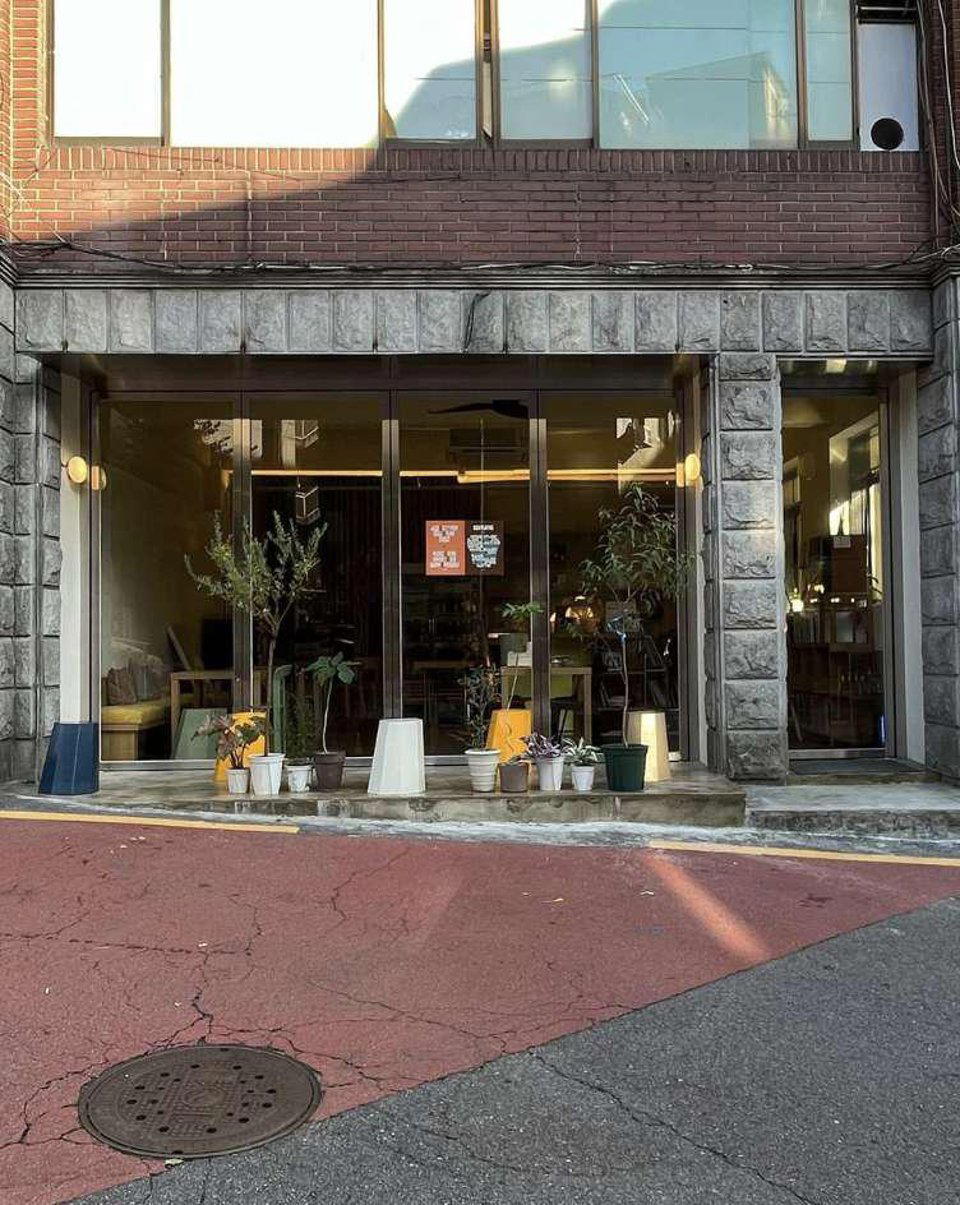
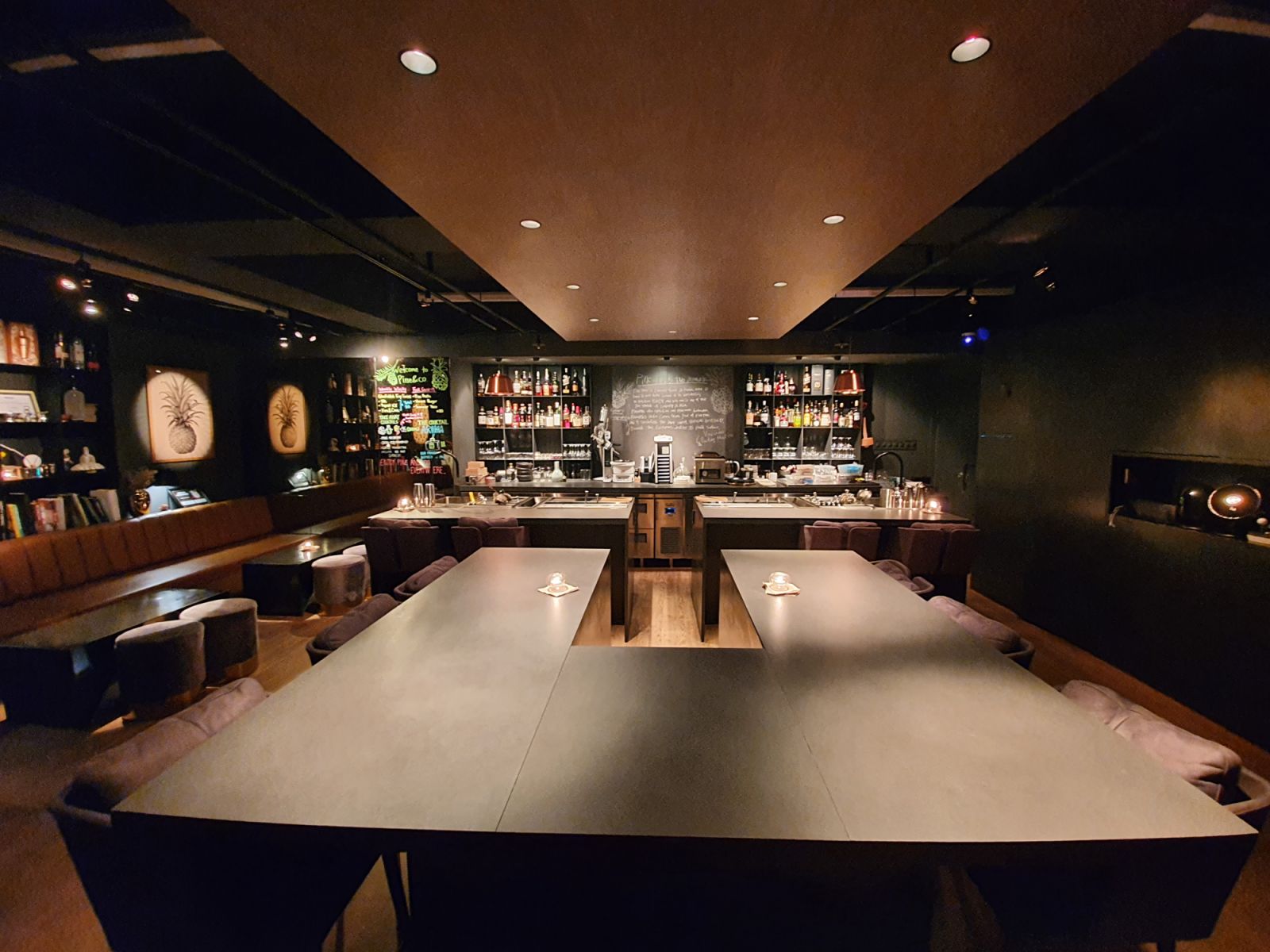
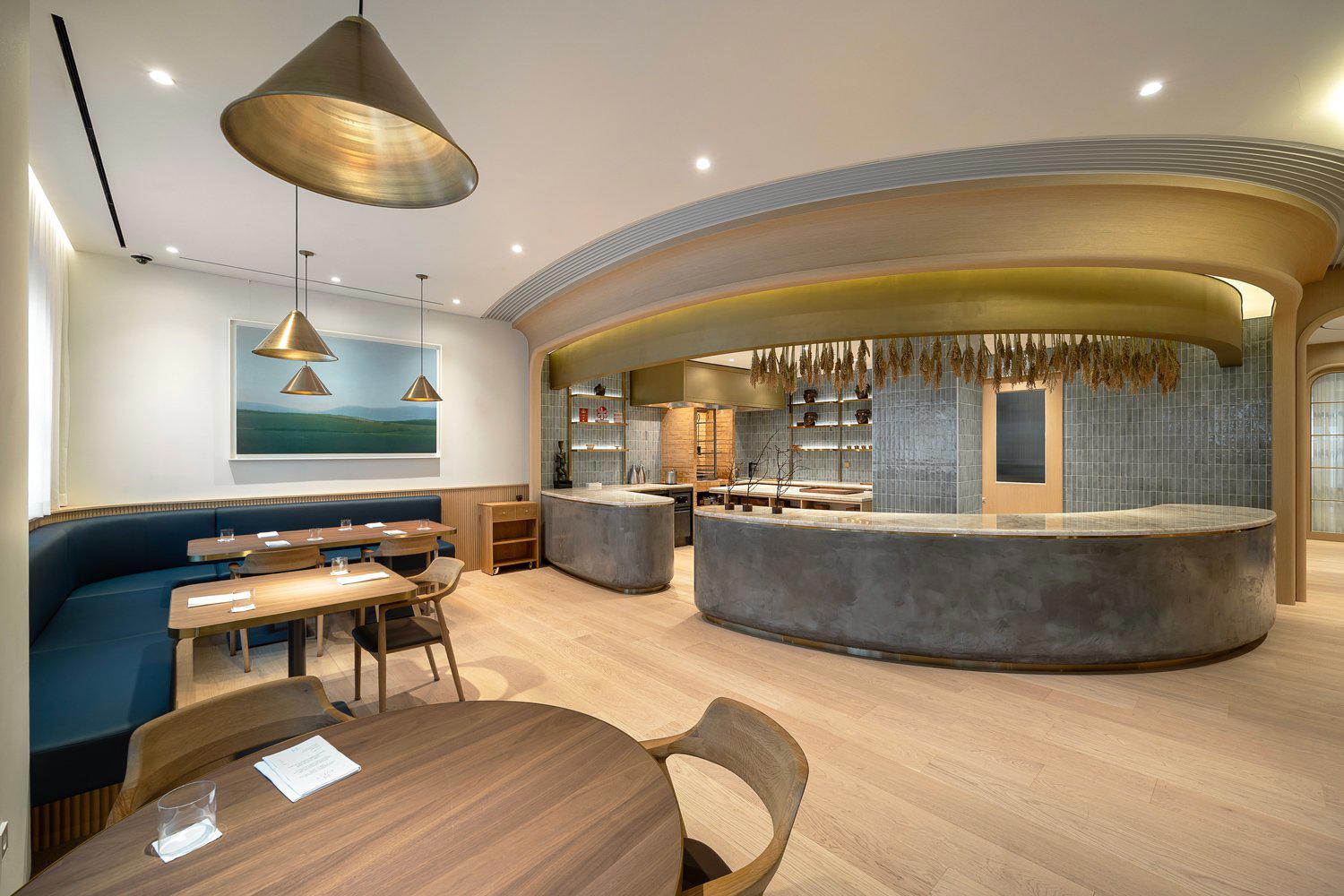
At a Glance
- Cozy
- Casual Hangout
- Standalone
Current opening hours
- Monday
- 4:10 PM–12:30 AM
- Tuesday
- 4:10 PM–12:30 AM
- Wednesday
- 4:10 PM–12:30 AM
- Thursday
- 4:10 PM–12:30 AM
- Friday
- 4:10 PM–1:30 AM
- Saturday
- 4:10 PM–1:30 AM
- Sunday
- Closed
Hours can change for holidays and private events. Last verified .
Humble, tiny eatery with an authentic local vibe filled with K-star autographs.
Know Before You Go
- Getting there
- 12 Daesagwan-ro 34-gil, Yongsan District, Seoul, South Korea