Our verdict
On Capel Street, Dublin's most internationally textured dining strip, Hana Izakaya brings the izakaya format to a city still building its relationship with Japanese drinking-kitchen culture. The kitchen leans into the tradition's core logic: small plates, high-quality ingredients, and a format designed for sharing rather than ceremony. For Dublin, that combination sits in a distinct niche.

Pearl is the En Primeur Club membership app — saves, bookings, and concierge access live there. Same editors, same standards.
- Address
- 154-155 Capel St, North City, Dublin 1, D01 RT73, Ireland
- Phone
- +35315156523
- Hours
- Mon–Thu 12–10 PMFri–Sat 12–10:30 PMSun 12–10 PM
- Website
- hanaizakaya.ie
- Directions
- Get directions
- Booking
- Book on the venue's website
Capel Street and the Shift in Dublin's Dining Geography
A decade ago, the gravitational pull of Dublin dining ran southward: Merrion Street, Stephen's Green, the well-worn triangle of Georgian restaurants where Patrick Guilbaud and its peers set the city's formal register. That pull has been redistributing. Capel Street and the wider north inner city have absorbed a wave of independent operators — many of them international in focus — and the street now functions as one of Dublin's most reliable stretches for non-European cooking. Hana Izakaya sits at 154-155 Capel Street, D01, inside that shift.
The izakaya format is worth understanding before you arrive, because it changes what you should order and how long you should plan to stay. In Japan, izakayas are drinking establishments that serve food, the inverse of restaurants that serve drink. Dishes arrive as they are ready, portions are designed for the table rather than the individual, and the evening has a cumulative, unhurried logic. Dublin's restaurant culture has largely defaulted to the European tasting menu or the a la carte format; the izakaya sits outside both, and that distinction matters for how the meal unfolds.
Ingredient Logic in the Izakaya Tradition
The editorial angle that matters most for an izakaya is sourcing, because the format's credibility rests almost entirely on ingredient quality. Where a tasting menu kitchen can construct complexity through technique, the kind of layered ambition visible at Chapter One by Mickael Viljanen or Glovers Alley, an izakaya's smaller, more direct plates ask ingredients to carry more of the load. The yakitori skewer, the sashimi cut, the gyoza fold: each leaves less room for technique to compensate for inferior produce.
Ireland's position as a sourcing environment for a Japanese-format kitchen is, on paper, stronger than it might appear. The country has a well-documented supply chain for high-quality seafood, beef, and pork, and chefs at venues such as Bastible and Liath in Blackrock have spent years demonstrating what Irish produce can do under precise, restrained cooking. The question for any Japanese-format kitchen in Ireland is how much of that local supply chain it draws on, and how it integrates with the imported Japanese pantry, the miso, the sake, the dashi, that gives the cuisine its character. The two sourcing streams are not in conflict; the more considered the kitchen, the more deliberately it handles both.
This is a pattern visible across Ireland's more serious independent restaurants. Aniar in Galway has built an entire culinary identity around hyper-local sourcing. dede in Baltimore draws on West Cork's coastal supply with precision. Even in smaller towns, places like Chestnut in Ballydehob and Bastion in Kinsale have made sourcing transparency a core part of their identity. The izakaya format in Ireland inherits that expectation, whether or not it courts it directly.
How Capel Street Positions the Experience
The neighbourhood context shapes the offer. Capel Street is not a destination dining street in the way that Merrion Row is, the overhead structure is different, the foot traffic is more local, and the clientele skews younger and more price-conscious. That context tends to produce more relaxed, higher-value-per-euro dining, which aligns reasonably well with what izakayas are designed to do. The format is inherently democratic: you can spend modestly across a few plates and drinks, or extend the evening across many rounds. Compare this with the fixed-price architecture of D'Olier Street or the more formal dining contract implied by a table at Lady Helen in Thomastown, and Hana Izakaya belongs to a clearly different tier of intention and occasion.
For reference, Japanese dining in the formal register, kaiseki, omakase, operates at price points that position it alongside Michelin-starred European tasting menus. Venues like Atomix in New York City or, in the European context, kaiseki-format restaurants, represent one end of that spectrum. The izakaya sits at the other: accessible, ingredient-driven, built for repetition rather than ceremony. That is not a lower ambition, it is a different ambition, and one that suits Dublin's Capel Street address.
Planning a Visit
Capel Street is served by multiple Dublin Bus routes along the north quays and is a short walk from the Luas Red Line at Jervis or the Four Courts stop. The street runs north from Grattan Bridge and Hana Izakaya occupies a mid-stretch position, D01 RT73. Timing your visit mid-week reduces the likelihood of a wait at the door.
For context on how this fits Dublin's broader dining picture, the full Dublin restaurants guide maps the city's current landscape across price tiers and cuisine types. Readers planning a wider Irish itinerary will find the sourcing-led cooking at Terre in Castlemartyr, Campagne in Kilkenny, and Homestead Cottage in Doolin instructive comparison points for what Ireland's independent dining culture is doing at its most committed. House in Ardmore is another reference point for the coastal sourcing conversation that runs through so much of the country's leading cooking. For those interested in how high-end European kitchens handle similarly rigorous sourcing frameworks, Le Bernardin in New York City remains a useful international benchmark.
Frequently asked questions
What's Hana Izakaya's location?
Hana Izakaya is located at 154-155 Capel St, North City, Dublin 1, D01 RT73, Ireland, Dublin.
Is Hana Izakaya the only izakaya-style restaurant on Dublin's northside?
Dedicated izakaya venues are sparse in Dublin as a whole, and the format is even less represented north of the Liffey. Hana Izakaya at 154-155 Capel Street, Dublin 1 occupies a category with few direct local comparators — most Japanese dining in the city has historically concentrated on sushi or ramen formats rather than the shared small-plates structure that defines the izakaya tradition. That positioning alone makes it a reference point for the style on the northside.
What should I eat at Hana Izakaya?
Hana Izakaya follows the izakaya format, which means the menu is structured around shareable small plates rather than a single main course per diner. The approach centres on ingredient quality — the credibility of this format depends on sourcing, so dishes rotate with what is available and in season. Order broadly across the menu rather than anchoring to one or two dishes; the format rewards grazing.
Is Hana Izakaya reservation-only?
Booking details for Hana Izakaya are not listed publicly, and the venue operates on Capel Street, a neighbourhood where walk-in culture is more common than on Dublin's destination dining streets further south. Contacting the venue directly at 154-155 Capel Street, Dublin 1 is the most reliable way to confirm availability before visiting.
What makes Hana Izakaya worth seeking out?
Capel Street is not where most Dublin diners instinctively look for Japanese food, which is part of why Hana Izakaya draws attention from those who track where the city's dining geography is actually shifting. The izakaya format — informal, ingredient-focused, designed for groups sharing multiple plates — is still underrepresented in Dublin relative to the city's appetite for it. The Capel Street address reflects a broader northward movement in where credible independent restaurants are opening.
Can Hana Izakaya accommodate dietary restrictions?
Specific dietary accommodation details are published details are limited for Hana Izakaya. The izakaya format typically gives kitchens reasonable flexibility, as dishes arrive separately rather than as a fixed tasting structure. The most direct approach is to contact the venue at 154-155 Capel Street, Dublin 1 before your visit to confirm what can be adjusted. Check the venue's official channels for the latest details.
Is Hana Izakaya overpriced or worth every penny?
Pricing details are not publicly listed for Hana Izakaya. Capel Street's lower commercial overhead compared to Merrion Row or St Stephen's Green tends to keep neighbourhood restaurants more competitive on price, and the izakaya format — where diners self-select how many plates they order — gives you natural control over the final bill. That said, confirming current pricing directly with the venue is advisable before visiting.
Comparable Venues
Comparable venues nearby, for context on price, style, and recognition.
| Venue | Cuisine | Price | Awards | Notes |
|---|---|---|---|---|
| Hana IzakayaThis venue — the venue you are viewing | Japanese Izakaya | $30–50 | Not listed | Not listed |
| Zakura Noodle & Sushi Restaurant | Japanese Noodle & Sushi | $20–30 | Not listed | Royal Exchange B |
| Yamamori Sushi | Authentic Japanese Sushi & Izakaya | $30–50 | Not listed | North City |
| Maneki | Modern Japanese Sushi & Karaoke | $50–100 | Not listed | Mansion House B |
| Layla's Rooftop Restaurant | Modern Italian with Pizza | $50–100 | Not listed | Rathmines East A |
| BANG Restaurant & Wine Bar | Modern Iberian | $50–100 | Star Wine List | Mansion House B |
Continue exploring
More in Dublin
Restaurants in Dublin
Browse all →
Bars in Dublin
Browse all →
Hotels in Dublin
Browse all →
Wineries in Dublin
Browse all →
Details
- Cozy
- Lively
- Trendy
- Casual Hangout
- Group Dining
- Late Night
- Open Kitchen
- Sake Program
- Craft Cocktails
- Small Plates
- A La Carte
- Sake
- Cocktails
Current opening hours
- Monday
- 12–10 PM
- Tuesday
- 12–10 PM
- Wednesday
- 12–10 PM
- Thursday
- 12–10 PM
- Friday
- 12–10:30 PM
- Saturday
- 12–10:30 PM
- Sunday
- 12–10 PM
Hours can change for holidays and private events. Last verified .
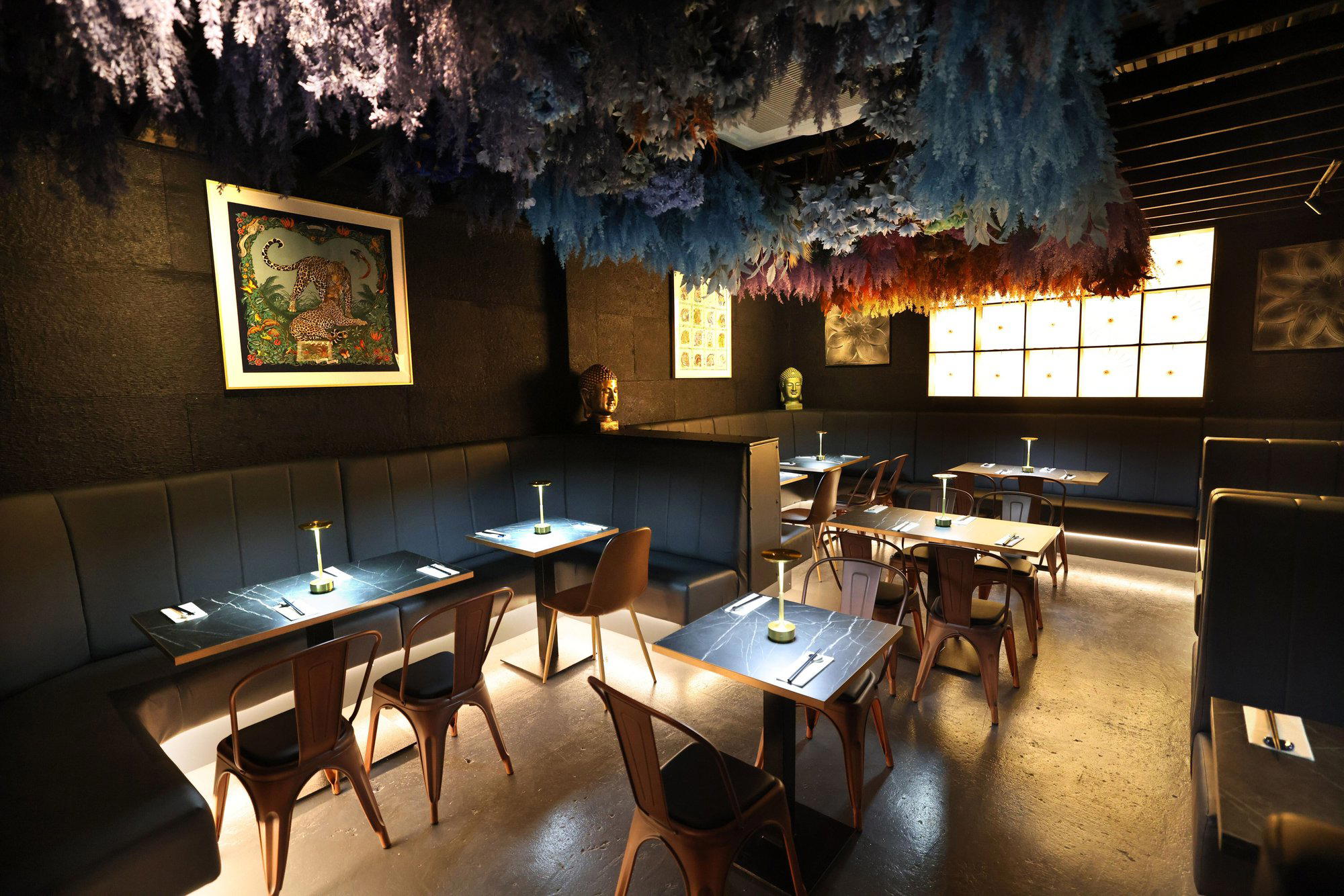
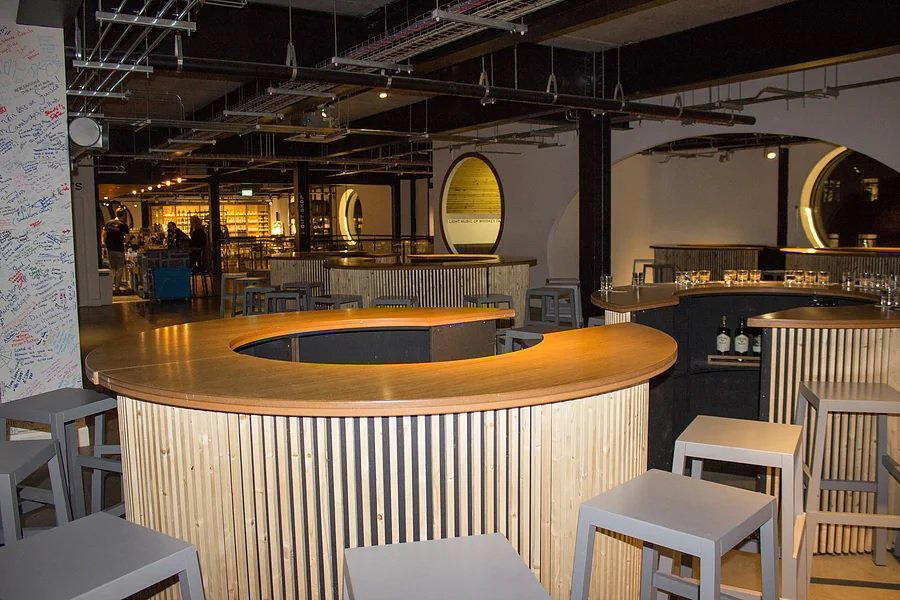
Cozy izakaya vibes with elegance and tranquility, attractively decorated space reflecting refined taste.