Happy Crab
On Seaview Avenue NW along the Shilshole waterfront, Happy Crab occupies a stretch of Seattle where the catch still shapes what ends up on the table. The focus is crab, served in formats that follow what the boats bring in rather than a fixed seasonal template. For anyone tracking Pacific Northwest seafood at its least ceremonious, this is a reliable address.
Pearl is the En Primeur Club membership app — saves, bookings, and concierge access live there. Same editors, same standards.
- Address
- 6135 Seaview Ave NW, Seattle, WA 98107
- Phone
- (206) 360-7777
- Website
- happycrab.com
- Directions
- Get directions
 Saves & bookings on Pearl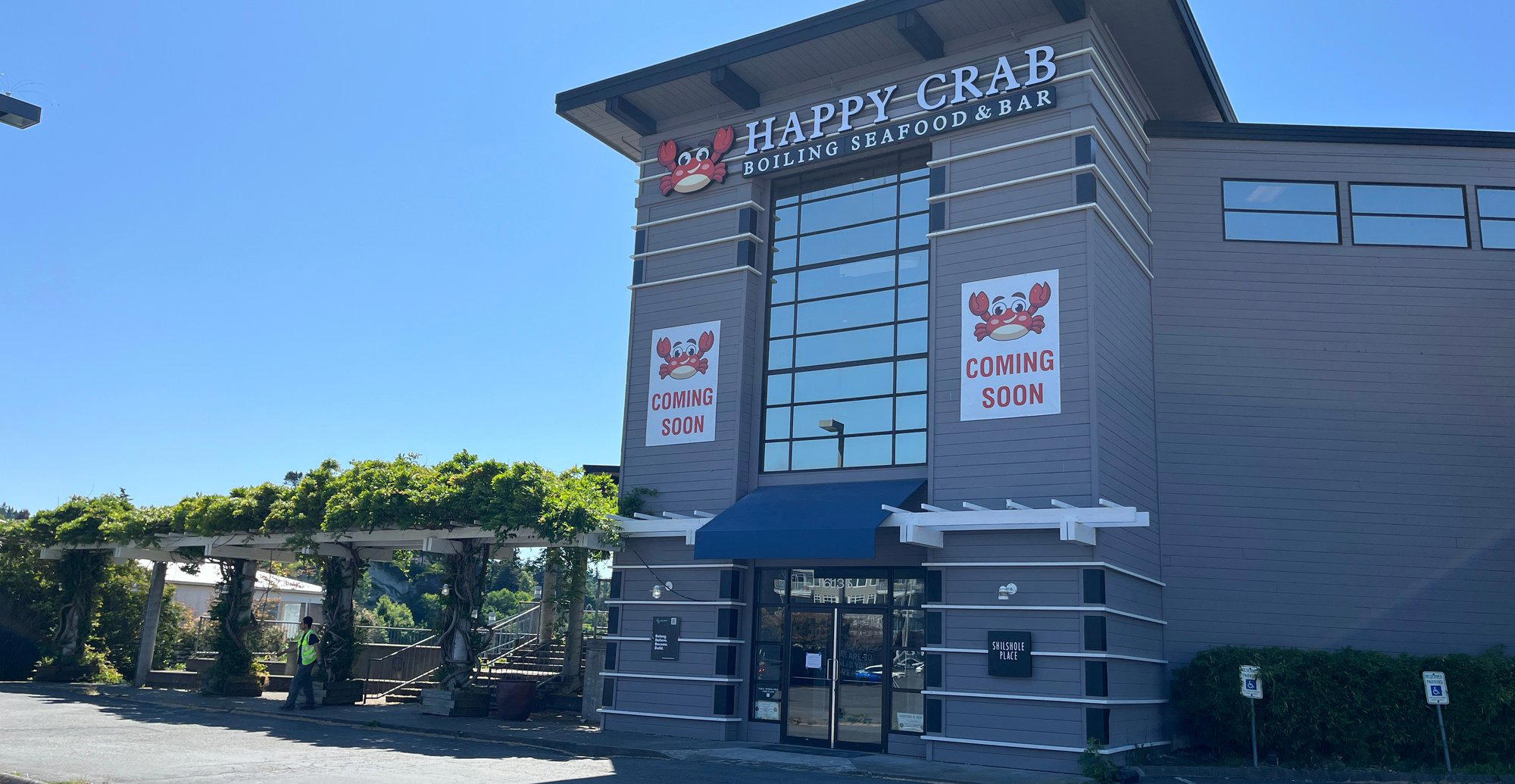
Where the Water Decides the Menu
Seaview Avenue NW runs along the western edge of Ballard, close enough to the Shilshole Bay marina that the smell of salt water and diesel is part of arriving. In Seattle's seafood geography, this corridor sits outside the tourist-facing Pike Place orbit and closer to the working waterfront. Happy Crab occupies that zone at 6135 Seaview Ave NW.
That proximity is the editorial point. In cities with serious seafood cultures, instructive dining formats are often the ones where the menu is less a fixed document and more a daily account of what came off the water. Seattle operates several tiers of this logic. At the high end, kitchens like Canlis and Archipelago treat Pacific Northwest provenance as a design principle, with sourcing stories woven into tasting menus. Further down the formality register, crab-focused houses like Happy Crab operate on a different premise: the product is the point, and what you eat tonight depends on what was available this morning.
The Market-Driven Model and Why It Still Works
The market-driven approach to seafood menus is sometimes romanticised and sometimes misunderstood. What it actually means in a port-adjacent city like Seattle is that a kitchen specialising in crab must track Dungeness cycles, red rock availability, and seasonal closures with the same attention a sommelier gives to vintage variation. Dungeness crab, the Pacific Northwest's most commercially significant shellfish, runs through a regulated season that shapes supply in ways no kitchen can override. The practical result for diners is a menu shaped by supply conditions rather than a fixed menu philosophy.
This is how most serious seafood houses in coastal American cities have always operated, even when the surrounding restaurant culture has moved toward scripted tasting formats. Compare the approach to how Le Bernardin in New York City or The French Laundry in Napa handle seafood: both treat fish and shellfish as premium ingredients inside a controlled chef-driven framework. The crab-house model inverts that hierarchy. Supply dictates; the kitchen responds. There is less theatre but often more direct contact with what the Pacific actually produces at a given moment in the year.
For a city that has made Pacific Northwest provenance central to its culinary identity, this is the format where that identity is most direct. Restaurants like Joule and Altura use local seafood as one element inside a broader contemporary menu. A crab-focused address uses it as the entire premise.
Crab in the Pacific Northwest Context
Dungeness crab has been commercially fished off the Washington and Oregon coasts for more than a century. The fishery is managed under a cooperative framework between state and federal agencies, with season openings that can shift by weeks depending on crab size and quality assessments. For consumers, this means the window for peak Dungeness is real and finite, typically running strongest from late autumn through winter into early spring, with regional variation based on which fishing grounds are active.
Seattle restaurants that centre their identity on crab are therefore operating in an ingredient category with more genuine seasonality than most proteins. This is not a marketing construct. A kitchen buying off the Shilshole docks in December is working with different supply conditions than the same kitchen in July. The menu should reflect that, and at crab-focused houses, it usually does.
How Happy Crab Sits in Its Competitive Set
The Ballard and Shilshole waterfront area supports a cluster of seafood-focused restaurants that compete less on tasting menu ambition and more on product quality, format directness, and price accessibility. This is a different competitive tier than the award-circuit venues that appear in guides to American fine dining, places like Lazy Bear in San Francisco, Alinea in Chicago, or Single Thread Farm in Healdsburg. The restaurant operates in the tier where the editorial test is simpler: is the crab fresh, is it handled correctly, and does the format let the ingredient speak without too much interference.
By the standards of that tier, waterfront proximity and a focused menu are meaningful signals. A kitchen that does not try to be everything, at a location close to the source, is describing a value proposition that holds up when the product is genuinely good. That is a different calculation than the one made by restaurants like A.K. Pizza or Emeril's in New Orleans, where the ingredient story is secondary to a culinary personality or a specific regional tradition. At crab houses, the ingredient is the personality.
Internationally, the crab-as-centrepiece format exists across dining cultures at different price points. The chilli crab tradition in Singapore, the snow crab counters of Hokkaido, and the Dungeness-focused spots of the Pacific Northwest all share the logic that certain shellfish are interesting enough to anchor an entire restaurant's identity. Fine dining addresses like 8½ Otto e Mezzo Bombana in Hong Kong or Alain Ducasse's Louis XV in Monte Carlo occasionally work with premium shellfish inside ambitious tasting frameworks, but that is a fundamentally different proposition. The restaurant is the Seattle version of the accessible, ingredient-centred end of that spectrum.
Planning Your Visit
The restaurant is located at 6135 Seaview Ave NW in the Shilshole area of Ballard, reachable by car from central Seattle in roughly 20 to 30 minutes depending on traffic. Given the waterfront location and the neighbourhood's parking patterns, arriving by car is practical; the Seaview corridor is less served by frequent transit than central Ballard. The restaurant is recommended for reservations, and current hours are Mon to Thu 11 AM to 9:30 PM, Fri and Sat 11 AM to 10 PM, and Sun 11:30 AM to 9:30 PM. Given the crab-driven focus and market-led menu, seasonal timing matters for crab availability.
Cuisine Lens
Comparable venues nearby, for context on price, style, and recognition.
| Venue | Cuisine | Price | Notes |
|---|---|---|---|
| Happy CrabThis venue — the venue you are viewing | Cajun Seafood Boil with Asian Fusion | $$ | Not listed |
| Mr. Fish Chips & Chowder | Pacific Northwest Fish & Chips and Chowder | $$ | Pike Place Market |
| The Fisherman's Restaurant Seattle | Northwest Seafood | $$ | Seattle Waterfront |
| Chinook's At Salmon Bay | Pacific Northwest Seafood | $$ | Salmon Bay |
| Taylor Shellfish Oyster Bar | Pacific Northwest Raw Shellfish & Oyster Bar | $$ | Pioneer Square |
| Duke's Seafood Greenlake | Pacific Northwest Sustainable Seafood | $$$ | Green Lake |
Continue exploring
More in Seattle
Restaurants in Seattle
Browse all →
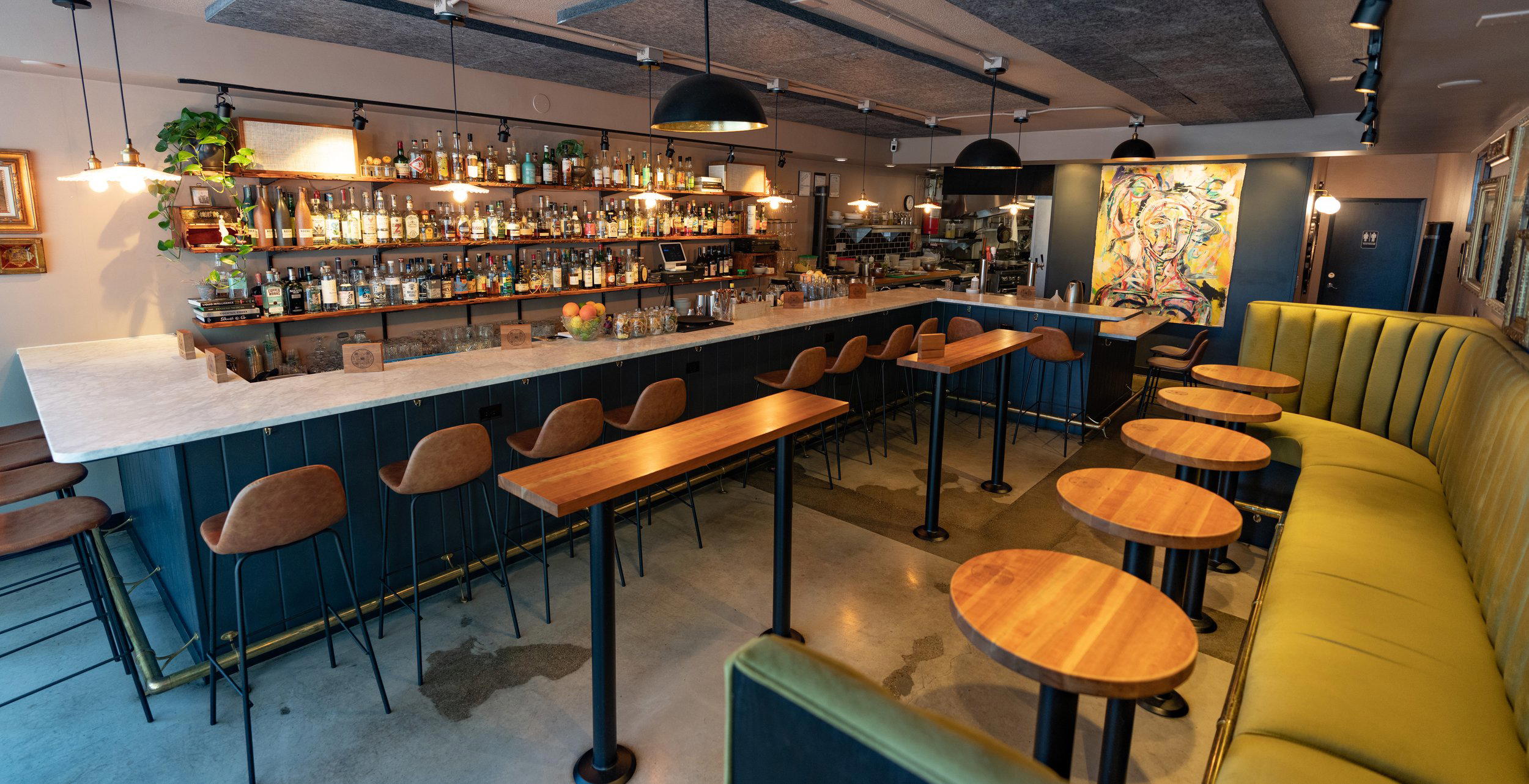
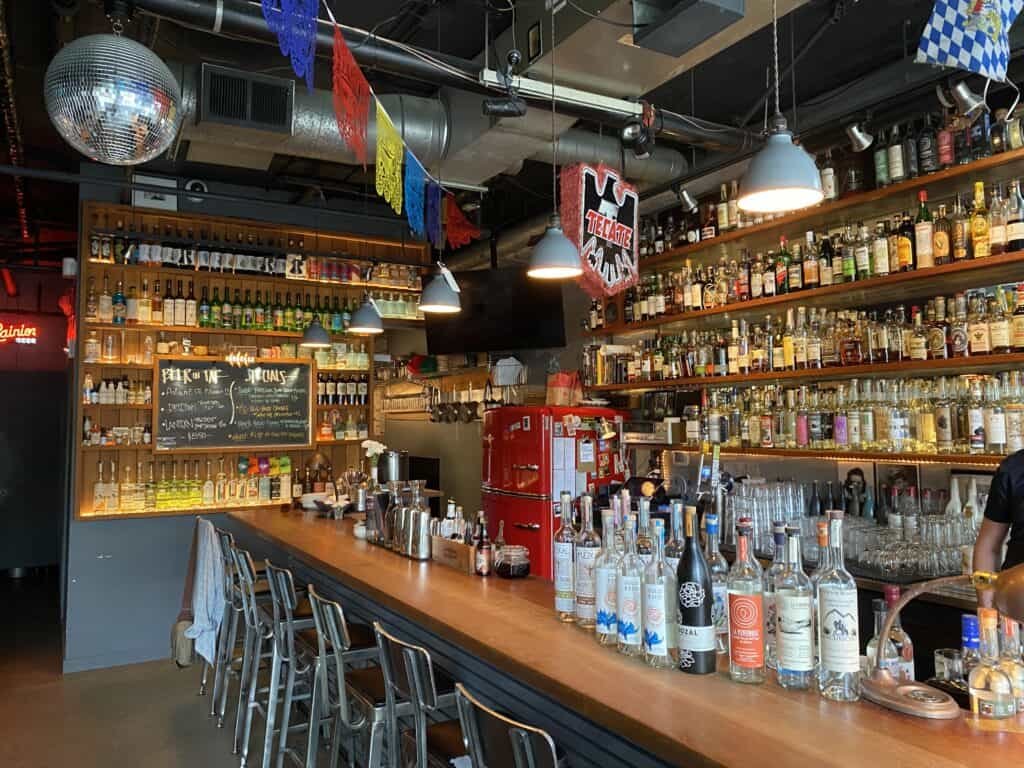
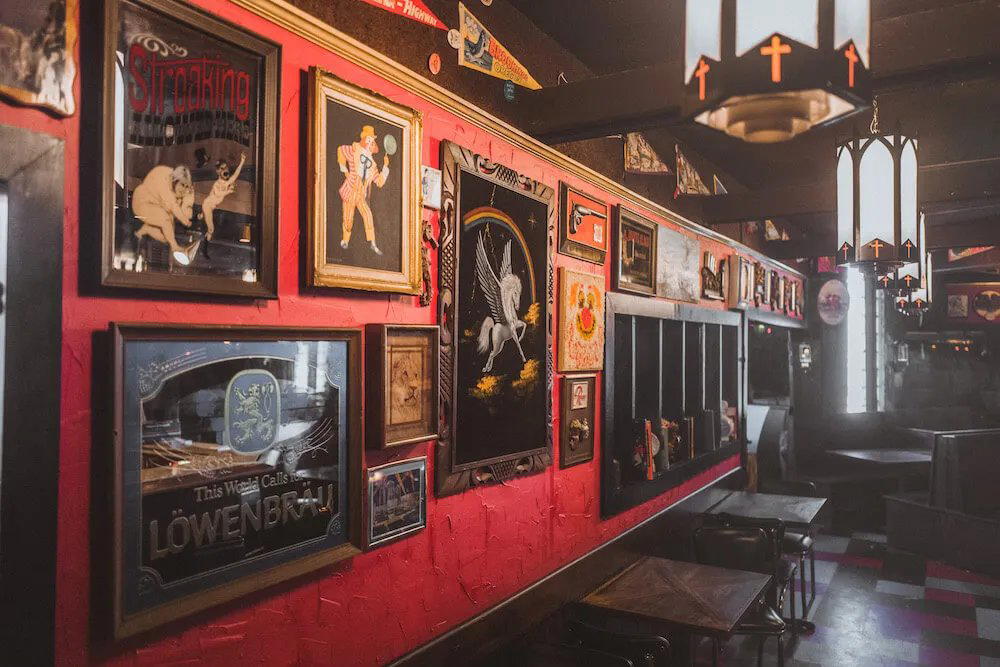
Bars in Seattle
Browse all →
Hotels in Seattle
Browse all →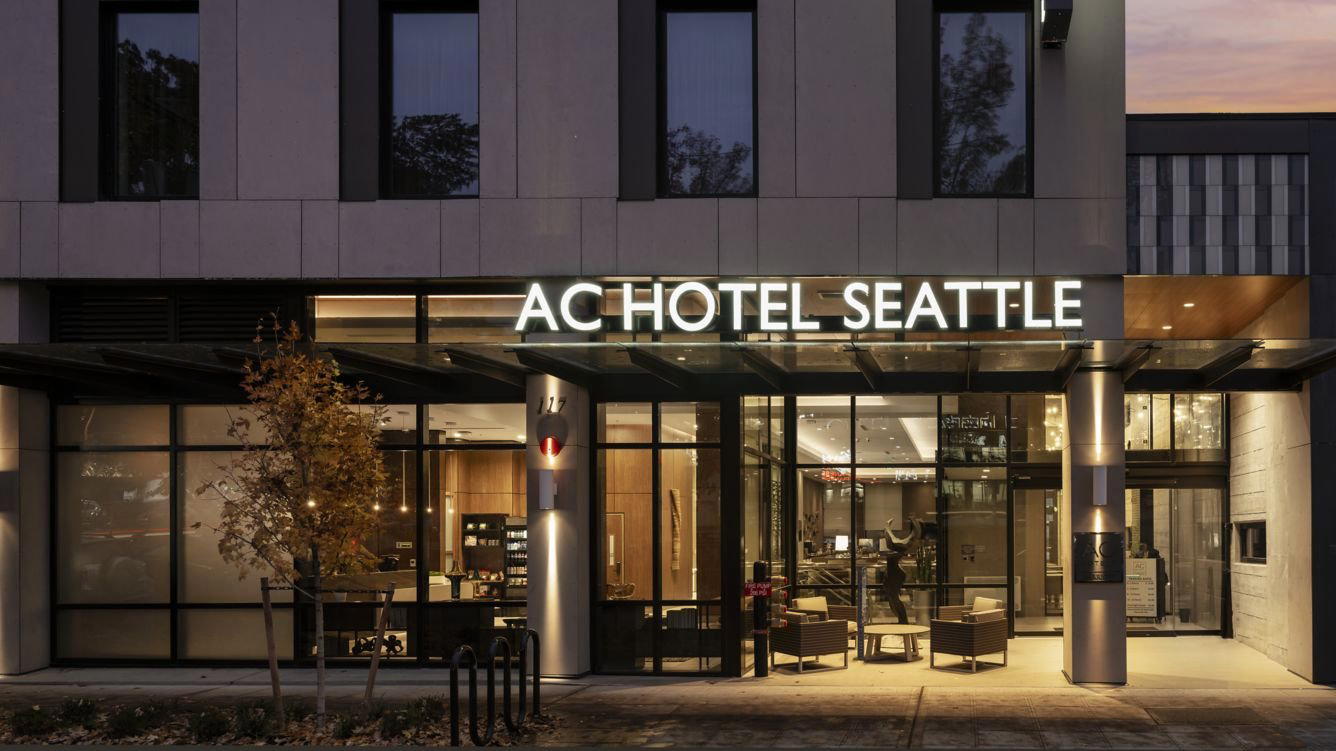
At a Glance
- Lively
- Scenic
- Trendy
- Group Dining
- Casual Hangout
- Date Night
- Waterfront
- Open Kitchen
- Craft Cocktails
- Sustainable Seafood
- Waterfront
Current opening hours
- Monday
- 11 AM–9:30 PM
- Tuesday
- 11 AM–9:30 PM
- Wednesday
- 11 AM–9:30 PM
- Thursday
- 11 AM–9:30 PM
- Friday
- 11 AM–10 PM
- Saturday
- 11 AM–10 PM
- Sunday
- 11:30 AM–9:30 PM
Hours can change for holidays and private events. Last verified .
Far-reaching waterfront views of shoreline mansions and sea lions, massive dining room with giant lobster statues and robots delivering food.