Hana Japanese Eatery
On North 7th Avenue, one of Phoenix's most eclectic dining corridors, Hana Japanese Eatery occupies a position that the broader city still undervalues: a Japanese restaurant operating outside the downtown core, in a neighbourhood defined by independent operators rather than hospitality groups. The address places it alongside some of the most interesting cooking in Phoenix — accessible, neighbourhood-scaled, and worth the detour.
Pearl is the En Primeur Club membership app — saves, bookings, and concierge access live there. Same editors, same standards.
- Address
- 5524 N 7th Ave, Phoenix, AZ 85013
- Phone
- +16029731238
- Website
- hanajapaneseeatery.com
- Directions
- Get directions
 Saves & bookings on Pearl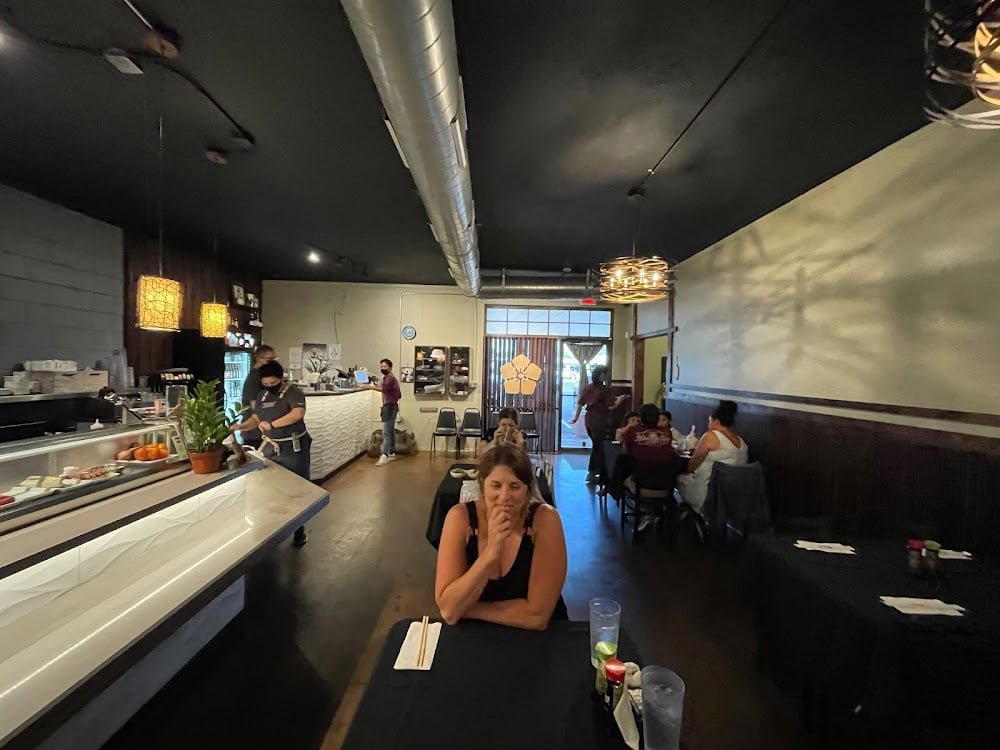
North 7th Avenue and the Case for Phoenix's Independent Dining Strip
Phoenix's dining conversation tends to cluster around Scottsdale or the downtown corridor, but North 7th Avenue has quietly accumulated a run of independent restaurants that reward attention in a way that larger, more marketed strips rarely do. The stretch between McDowell and Camelback is less a destination district than a working neighbourhood of modest storefronts, converted bungalows, and the kind of foot-traffic mix that produces long-running local institutions rather than concept restaurants on two-year leases. Hana Japanese Eatery, at 5524 N 7th Ave, sits inside that fabric. Its address says something about what kind of restaurant it is before you walk through the door.
This part of Phoenix is home to some of the city's most consistent operators. Pane Bianco, the sandwich shop that built its reputation on a focused, short menu and premium sourcing, operates in the same general corridor. 5 & Diner has maintained its position as a neighbourhood anchor for years. The pattern here is durability over novelty, which is the frame through which Hana is leading understood. Japanese restaurants in this tier — neighbourhood-scaled, not hotel-backed, not riding a media cycle — earn their following through repeat diners rather than opening-week coverage.
Japanese Dining in a Sun Belt City: What the Context Tells You
Phoenix is not a city with a deep historical Japanese dining tradition in the way that Los Angeles or San Francisco does, where decades of Japanese-American communities shaped a tiered restaurant ecology from izakayas to omakase counters. In Phoenix, the Japanese restaurant scene is younger and less stratified. The upper end of the market, omakase formats with counter seating, reservation queues, and Michelin-circuit pricing, has grown in recent years, but the mid-tier neighbourhood Japanese restaurant remains the category most Phoenicians actually use. That is the category Hana appears to occupy, though the venue database does not provide enough specifics on format, price range, or menu structure to place it precisely within the tier.
What the address and neighbourhood character do suggest is a restaurant that operates outside the expense-account dining circuit. Compare that positioning to something like Vincent Guerithault on Camelback, a French Southwestern institution that draws a different kind of diner and occupies a different price bracket. Or Bacanora, which has built a following on Sonoran cooking and a specific cultural identity. Hana's 7th Avenue location implies a more accessible register, the kind of restaurant where the regulars come twice a month rather than twice a year.
What Japanese Neighbourhood Restaurants Actually Do Well
In cities where the top end of Japanese dining is well-documented, the omakase counters that operate allocation lists, the sushi bars whose chefs trained under named lineages, it is easy to undervalue the neighbourhood format. But the neighbourhood Japanese restaurant in the American context often carries a more complex culinary range than any single fine-dining format. Ramen, donburi, tempura, izakaya-style small plates, and sushi can all coexist on a menu that would be considered incoherent at a high-end counter but makes complete sense for a table that wants to eat and drink casually over two hours.
That range matters for a city like Phoenix, where the dining population is large, suburban, and used to driving. The question for any neighbourhood Japanese restaurant in a mid-tier American city is not whether it competes with Atomix in New York or the kaiseki counter tradition, but whether it offers something honest, consistent, and worth returning to inside its own competitive set. The venues that answer yes to that question, and do so without the support of a hotel group or celebrity chef profile, tend to be the ones that last on strips like North 7th Avenue.
The same logic applies to peers across the broader Phoenix independent scene. Lom Wong, operating as a Thai restaurant in a similar independent mode, has built its following through a specific cuisine focus and consistent execution. That model, cuisine-led, neighbourhood-anchored, not trend-driven, is the one Hana appears to belong to.
Planning a Visit: What to Know Before You Go
The 7th Avenue corridor is car-accessible with street parking typical of the neighbourhood, and the area is driveable from most of central Phoenix in under fifteen minutes. For context on where Hana fits within the wider Phoenix dining picture, our full Phoenix restaurants guide covers the city's range from neighbourhood independents through the higher-end tier.
Diners with dietary restrictions or allergy concerns should contact the restaurant directly before visiting, as the venue database does not include menu specifics or a confirmed website through which to review allergen information in advance. Japanese restaurant menus frequently involve soy, gluten, and shellfish in ways that are not always apparent from dish names alone, so a direct conversation with the restaurant is the practical baseline for anyone managing a serious allergy.
For those who want to extend the visit into a longer neighbourhood evening, the 7th Avenue strip rewards walking. The concentration of independent operators in this stretch makes it one of the more interesting corridors in central Phoenix for dining without a set itinerary, which is an increasingly rare quality in a city where most dining development happens inside master-planned environments or hotel F&B programs.
The Broader Scene: Japanese Cooking Across the EP Club Network
For readers who move between cities and want to calibrate where neighbourhood Japanese dining sits against the broader range of the format, the EP Club network covers the full spectrum. At the technical upper end, The French Laundry in Napa and Alinea in Chicago represent the kind of multi-year reputation building that comes from decades of consistent recognition. Lazy Bear in San Francisco shows what a chef-driven format outside formal fine dining can achieve in terms of critical standing. On the seafood-focused side, Le Bernardin in New York City and Providence in Los Angeles set the reference point for precision fish cookery in the American context.
At a different scale, Single Thread Farm in Healdsburg and Blue Hill at Stone Barns in Tarrytown demonstrate how farm-to-table premises translate into destination-level dining programs. Addison in San Diego and The Inn at Little Washington mark the Southern California and Mid-Atlantic versions of that tier. Emeril's in New Orleans and 8 1/2 Otto e Mezzo Bombana in Hong Kong round out a global comparison set that places Phoenix's neighbourhood independents in useful relief. None of that diminishes what a well-run local Japanese restaurant on a working-class commercial strip does for the city it actually lives in.
At a Glance
- Casual
- Cozy
- Classic
- Casual Hangout
- Family
- Group Dining
- Open Kitchen
- Standalone
- Sake Program
- Beer Program
- Craft Cocktails
Current opening hours
- Monday
- Closed
- Tuesday
- 5–9 PM
- Wednesday
- 5–9 PM
- Thursday
- 5–9 PM
- Friday
- 5–9 PM
- Saturday
- 5–9 PM
- Sunday
- 5–9 PM
Hours can change for holidays and private events. Last verified .
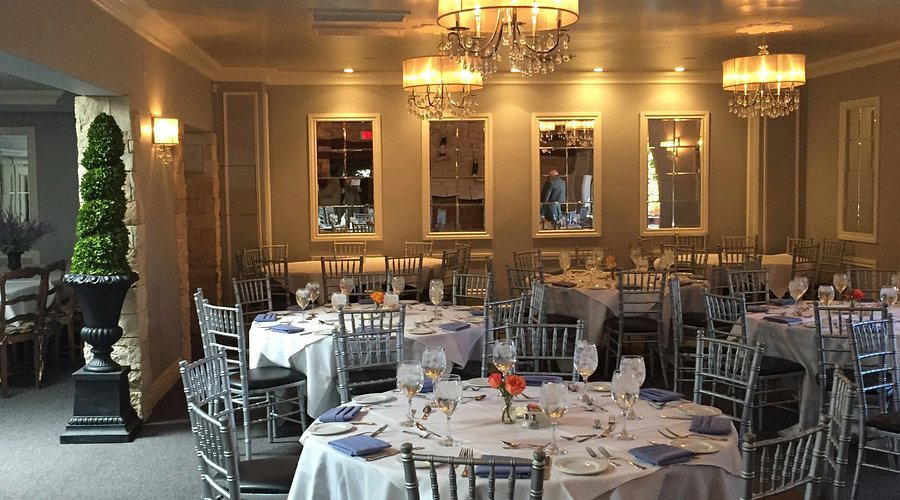
Busy, casual family-oriented atmosphere with a welcoming neighborhood feel; casual seating with a nice selection of traditional Japanese fare.
Know Before You Go
- Getting there
- 5524 N 7th Ave, Phoenix, AZ 85013