Hanks Chop Shop
Our verdict
A steakhouse on West Yellowstone's main corridor, Hanks Chop Shop draws on the region's ranching tradition to anchor a menu built around beef. Gateway-town dining in Montana often punches below expectations, but the chop shop format here aligns with a wider American movement that treats provenance as the organizing principle of a menu rather than an afterthought.

Pearl is the En Primeur Club membership app — saves, bookings, and concierge access live there. Same editors, same standards.
- Address
- 221 N Canyon St, West Yellowstone, MT 59758
- Phone
- (406) 646-9664
- Hours
- Daily 10 AM–2 AM
- Website
- hanksyellowstone.com
- Directions
- Get directions
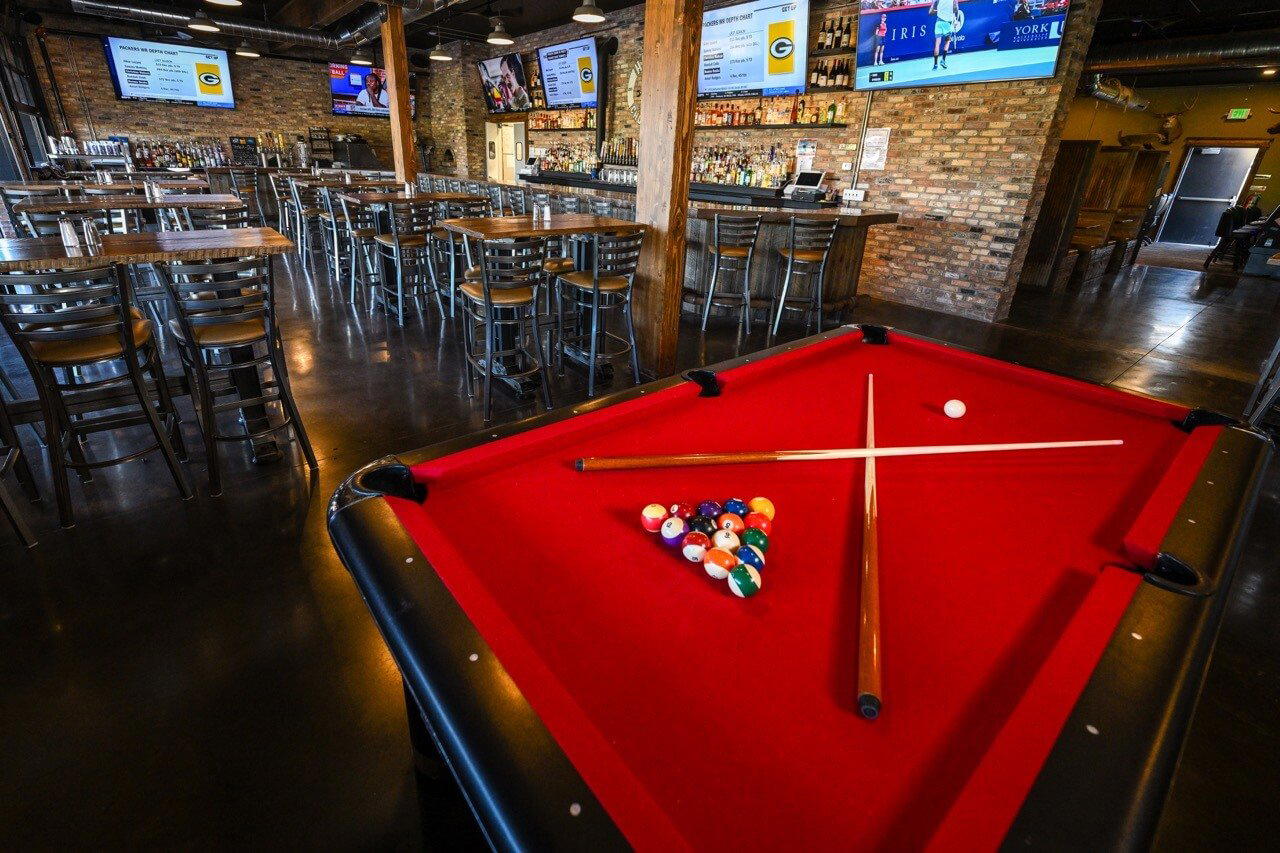
Where Ranch Country Meets the Gateway Town
West Yellowstone sits at the western entrance to the park, a town of roughly 1,200 permanent residents that swells dramatically each summer as visitors pass through on their way to geysers and wildlife corridors. The dining scene here has historically trailed the landscape in ambition, defaulting to the burger-and-pizza formats that gateway towns across the American West tend to favor. Hanks Chop Shop, at 221 N Canyon St, occupies a different position in that local hierarchy: the chop shop format is a deliberate choice, one that puts beef at the center and asks the kitchen to be serious about it. In a town where most restaurants treat food as fuel between park visits, that orientation matters.
The broader American steakhouse tradition has been splitting along provenance lines for the better part of two decades. At the high end, restaurants like Blue Hill at Stone Barns in Tarrytown and Single Thread Farm in Healdsburg have made ingredient sourcing the architectural spine of their menus, tracing every protein to a named farm and treating the supply chain as part of the editorial statement. That movement has filtered down into regional dining, including in the Mountain West, where proximity to cattle ranching gives local restaurants a geographic advantage that coastal kitchens have to work harder to claim.
The Ingredient Logic of a Montana Chop Shop
Montana's ranching infrastructure is not incidental to what a restaurant like Hanks Chop Shop can offer. The state runs approximately 2.5 million head of cattle, one of the higher densities in the country relative to its human population, and much of that production happens within a reasonable radius of Gallatin and Madison counties. For a steakhouse operating in this geography, the question of sourcing is less about whether local beef exists and more about whether the kitchen has bothered to connect with it. The chop shop format, which traditionally emphasizes cuts and their preparation over elaborate accompaniment, creates a menu structure where the quality of the primary ingredient is immediately exposed. There is nowhere to hide behind a reduction or a composed plate when the format is built around the cut itself.
This stands in contrast to what progressive American kitchens are doing at venues like Lazy Bear in San Francisco or Brutø in Denver, where sourcing is embedded in a larger narrative about technique and transformation. At a chop shop, the sourcing argument is made more directly: the beef either speaks for itself or it does not. That directness suits the West Yellowstone visitor, who has typically spent the day in the open air and arrives at dinner ready for something substantive rather than conceptual.
Gateway Dining in a New Register
The gateway town restaurant occupies a peculiar position in American dining geography. It must serve a transient population with high expectations shaped by wherever they flew in from, while also anchoring itself to the local community that keeps it running through the shoulder seasons. Restaurants that solve this problem well tend to do so by finding a format that travels well across both audiences: something specific enough to feel intentional, but legible enough not to require a glossary. The chop shop format fits that template. It references a recognizable American dining tradition while leaving room for local character in the sourcing and execution.
Compare this to how destination-driven restaurants in other regions handle the same challenge. Frasca Food and Wine in Boulder built a Friulian framework around a Colorado audience that was already restaurant-literate. Addison in San Diego operates within a luxury resort context that insulates it from the gateway problem entirely. West Yellowstone has neither the urban sophistication of Boulder nor the resort infrastructure of San Diego, which means a restaurant like Hanks Chop Shop is operating in a more constrained and, in some ways, more demanding context.
Planning a Visit
Hanks Chop Shop is located at 221 N Canyon St in West Yellowstone, Montana, a short walk from the park's west entrance and within easy reach of the town's lodging corridor. West Yellowstone's peak season runs from late May through early September, when the town's population and visitor count increase sharply and restaurant capacity tightens. Visitors planning a summer trip should factor in the town's compressed dining window: many establishments run at full capacity during July and August, and walk-in tables at dinner can require patience. The shoulder seasons, particularly late September and October before the seasonal closures, tend to offer a quieter and often more considered dining experience. For a broader picture of where Hanks Chop Shop sits within the local dining options, see our full West Yellowstone restaurants guide.
For travelers whose itinerary extends beyond the park, the Mountain West dining circuit has expanded considerably. Brutø in Denver and Frasca Food and Wine in Boulder represent the more technically ambitious end of the regional spectrum. Those planning broader American itineraries might also consider Le Bernardin in New York City, Alinea in Chicago, The French Laundry in Napa, Providence in Los Angeles, Emeril's in New Orleans, Bacchanalia in Atlanta, The Inn at Little Washington, Causa in Washington, D.C., ITAMAE in Miami, Atomix in New York City, or 8 1/2 Otto e Mezzo Bombana in Hong Kong for reference points at different price tiers and culinary traditions.
Frequently asked questions
Is Hanks Chop Shop child-friendly?
West Yellowstone is a family-driven gateway town, and most sit-down restaurants along Canyon St accommodate families with children. A chop shop format built around grilled and roasted proteins tends to offer straightforward plates that younger diners handle well.
What kind of setting is Hanks Chop Shop?
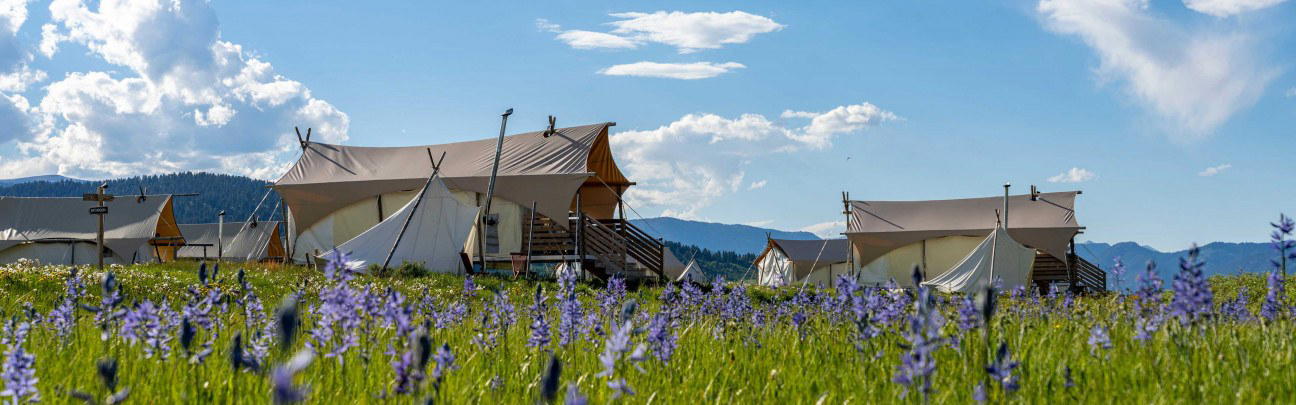
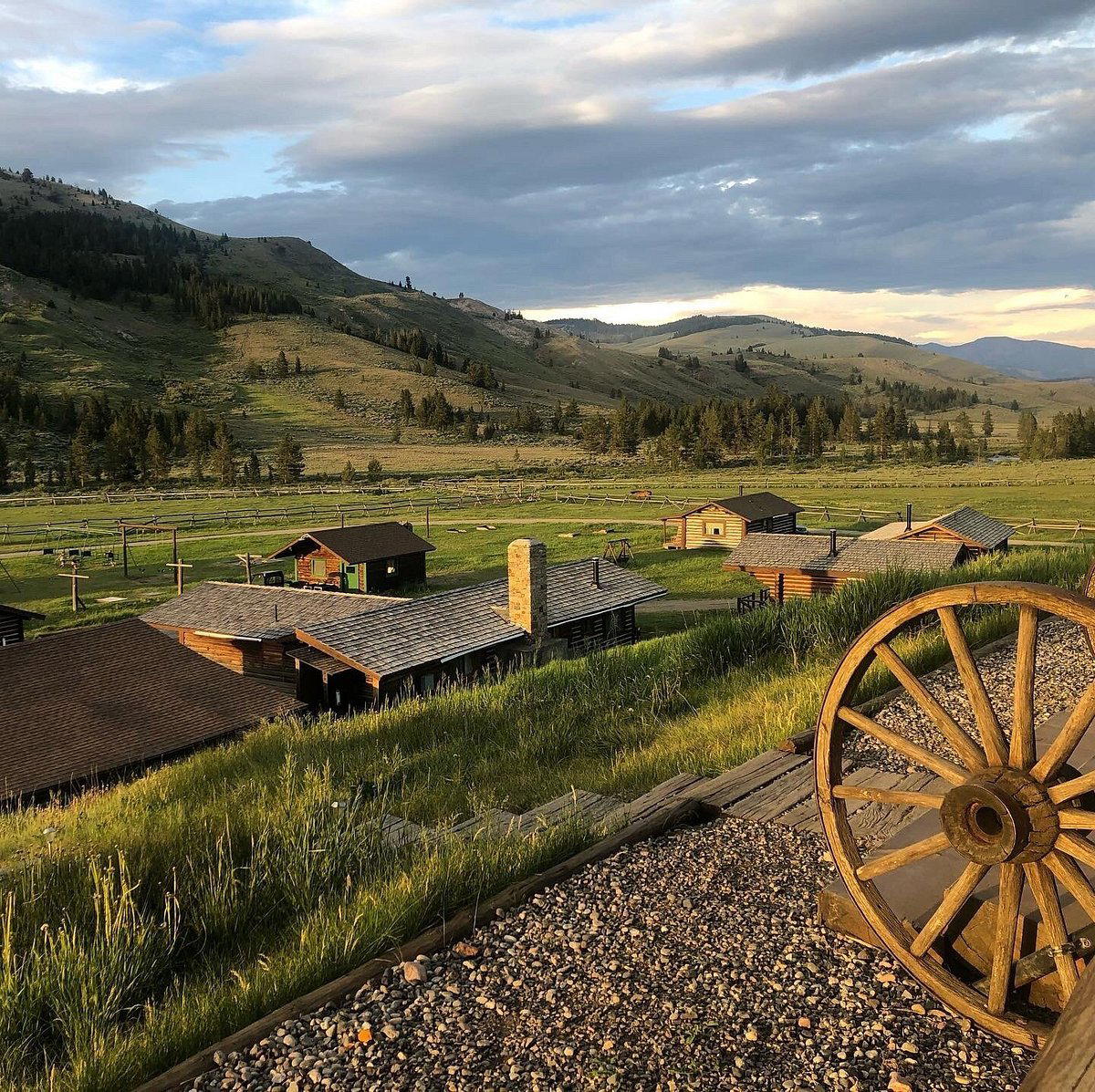
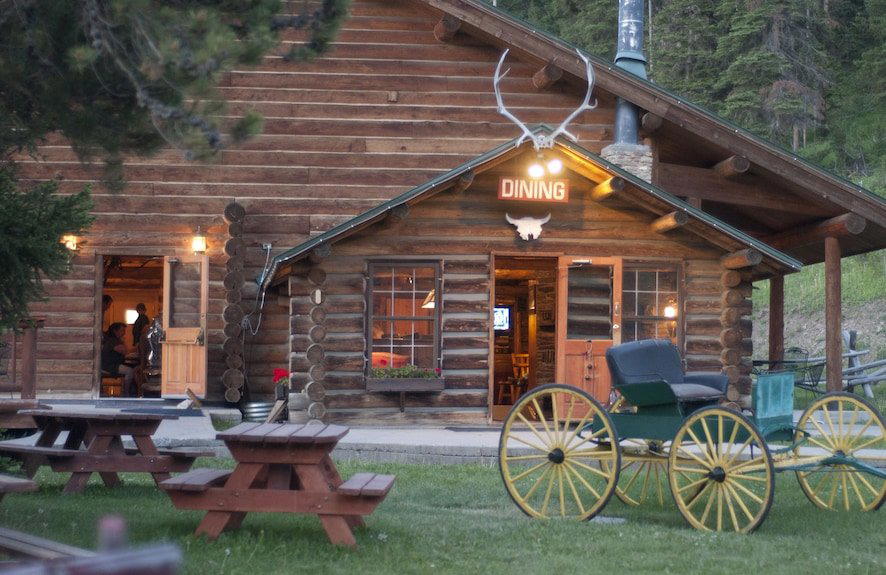
Located at 221 N Canyon St in West Yellowstone, Montana, the venue sits within a working gateway town of roughly 1,200 permanent residents that serves a high-volume summer visitor population. The chop shop format signals a no-nonsense, protein-forward room oriented around the meal rather than the atmosphere. Expect the feel of a town built on ranching proximity rather than resort polish.
Is Hanks Chop Shop a good option for dinner after a day in Yellowstone National Park?
The address at 221 N Canyon St places Hanks Chop Shop within walking distance of Yellowstone's west entrance, making it one of the more convenient sit-down options for visitors finishing a day in the park. West Yellowstone's dining options are concentrated in a compact commercial strip, and a chop shop built around Montana ranch beef offers a more substantive end-of-day meal than the fast-casual alternatives along the same corridor. Check current hours directly with the venue before planning your visit.
What do regulars order at Hanks Chop Shop?
The chop shop name points directly at the menu's center of gravity: cuts of Montana beef, a state that runs approximately 2.5 million head of cattle. Regulars in a restaurant of this type typically anchor their order around a primary cut rather than composed dishes. Specific menu items and current offerings are best confirmed with the restaurant at 221 N Canyon St, West Yellowstone.
What part of town is Hanks Chop Shop in?
Hanks Chop Shop is located at 221 N Canyon St, West Yellowstone, MT 59758, West Yellowstone.
At-a-Glance Comparison
Comparable venues nearby, for context on price, style, and recognition.
| Venue | Cuisine | Price | Notes |
|---|---|---|---|
| Hanks Chop ShopThis venue — the venue you are viewing | American Steakhouse | Not listed | Not listed |
| Tumbleweed Cafe | American Cafe | $10–20 | Gardiner |
| Yellowstone Grill | American Cafe Breakfast | $10–20 | Gardiner |
| Montana Ale Works | Montana-Inspired Gastropub | $20–30 | downtown |
| Iron Horse Bar and Grill | American Grill with Wild Game | $20–30 | Gardiner |
| K-Bar Restaurant | American Pizza Dive Bar | Not listed | Gardiner |
Continue exploring
More in West Yellowstone
Restaurants in West Yellowstone
Browse all →
Bars in West Yellowstone
Browse all →
Details
- Lively
- Rustic
- Energetic
- Group Dining
- Casual Hangout
- Late Night
- Open Kitchen
- Terrace
- Beer Program
- Local Sourcing
- A La Carte
- Beer Program
Current opening hours
- Monday
- 10 AM–2 AM
- Tuesday
- 10 AM–2 AM
- Wednesday
- 10 AM–2 AM
- Thursday
- 10 AM–2 AM
- Friday
- 10 AM–2 AM
- Saturday
- 10 AM–2 AM
- Sunday
- 10 AM–2 AM
Hours can change for holidays and private events. Last verified .
Lively sports bar atmosphere with 87" TVs on the walls, pool table, great music, and a spacious pet-friendly patio.