Our verdict
In Takayama's tradition of deeply regional hospitality, Hanaougi Bettei Iiyama Ryokan represents the kind of accommodation where the kitchen and the surrounding mountain terrain are inseparable. The Hida region's emphasis on hyper-local ingredients — Hida beef, mountain vegetables, river fish — shapes the kaiseki experience here. For those drawn to Japan's most ingredient-driven ryokan culture, this is a property worth serious consideration.

Pearl is the En Primeur Club membership app — saves, bookings, and concierge access live there. Same editors, same standards.
- Address
- Takayama, Japan
- Directions
- Get directions
The menu
What to order
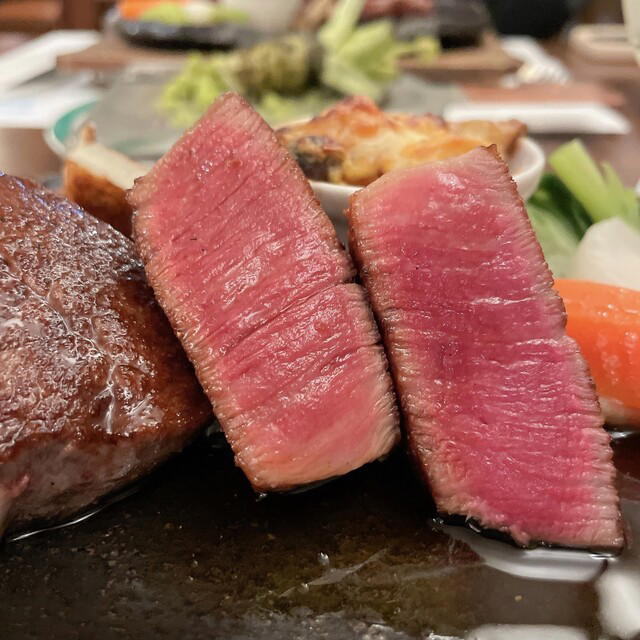
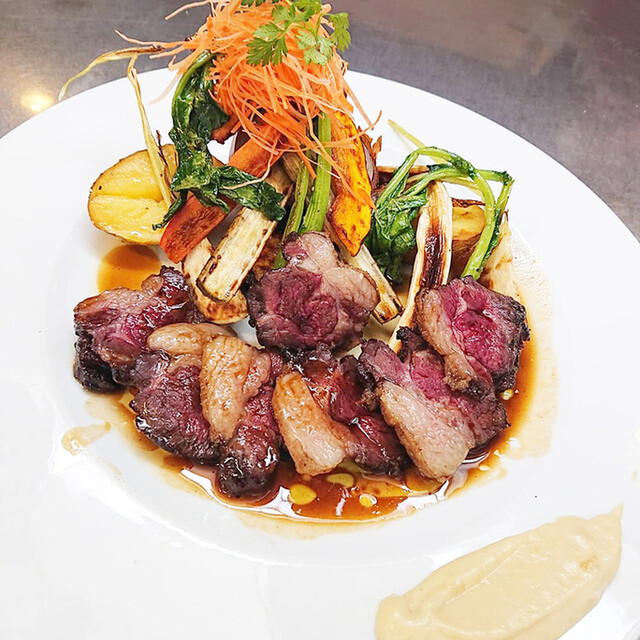
- Hida beef
- Mountain vegetables
- River fish
Where the Hida Mountains Set the Menu
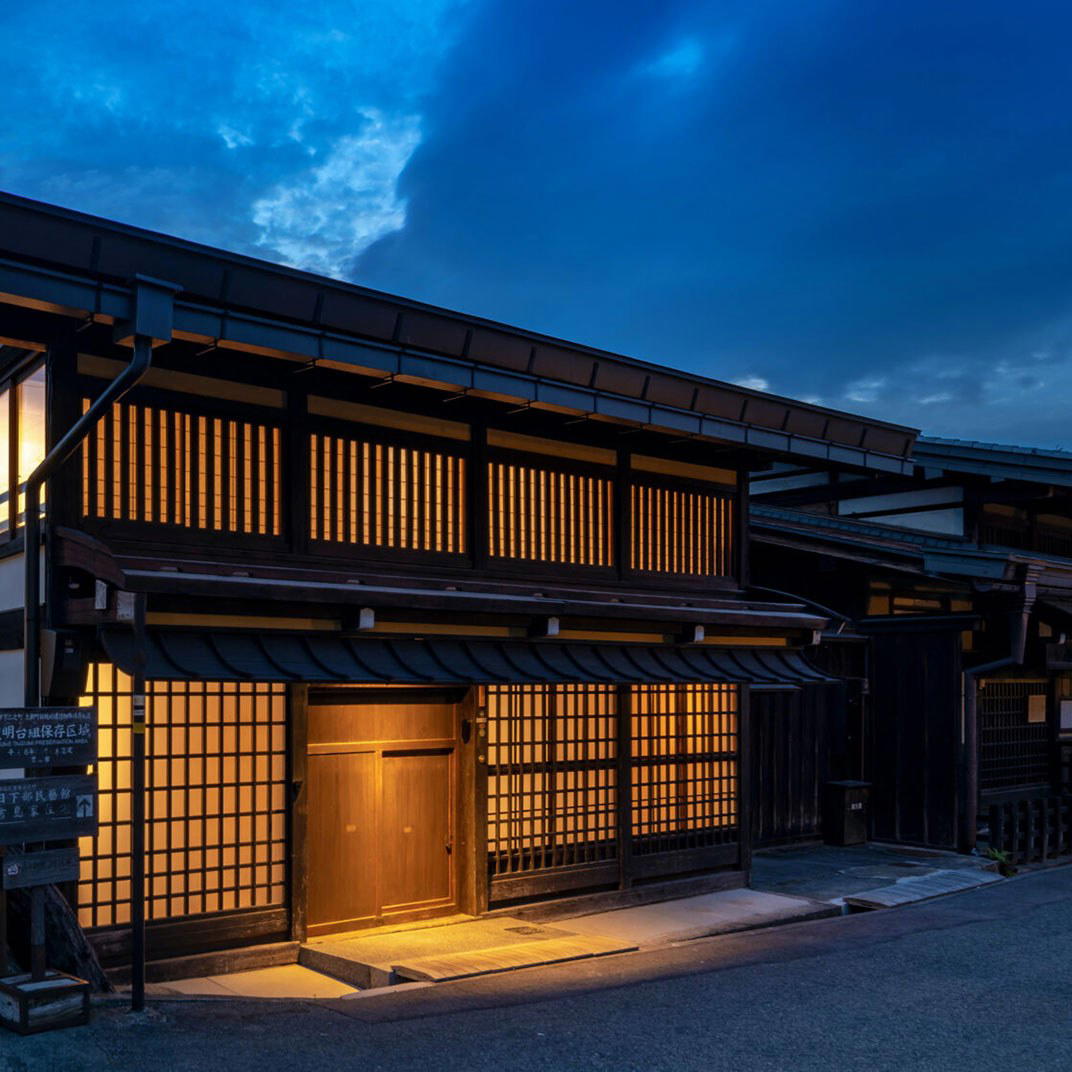
Takayama has long occupied a particular position in Japan's ryokan hierarchy. The city sits in the Hida highlands, roughly 700 metres above sea level, ringed by ranges that functioned for centuries as both barrier and larder. The isolation that kept Edo-period merchants wealthy enough to build the preserved machiya townhouses along Sanmachi Suji also meant that Hida's cooks developed a culinary vocabulary tied tightly to what grew, ran, and swam within reach. Hanaougi Bettei Iiyama Ryokan operates within that tradition — a property where what arrives at the table is inseparable from the terrain immediately outside.
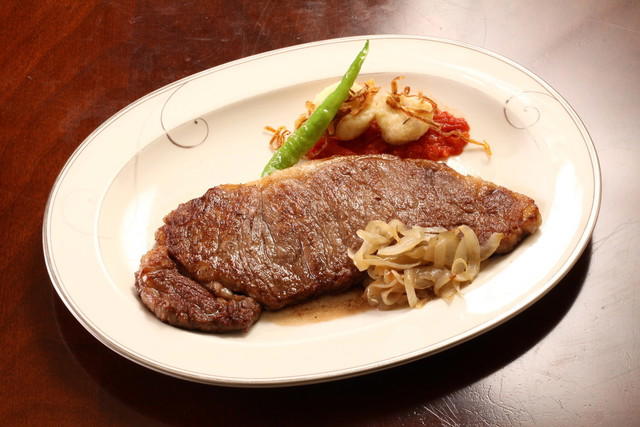
This is not incidental to the experience. In the competitive tier of Takayama ryokan dining, the properties that hold serious reputations do so because their kitchens treat sourcing as the primary creative act. A chef working with Hida-gyu beef, for instance, is working with cattle that have grazed at altitude on specific grasses, producing a fat structure distinct from the Wagyu of Kobe or Matsusaka. The difference is measurable and visible on the plate. The same logic applies to sansai — the mountain vegetables that appear through spring and into early summer, and to the ayu sweetfish pulled from the Miyagawa river that bisects the city.
The Ryokan as an Ingredient-Delivery System
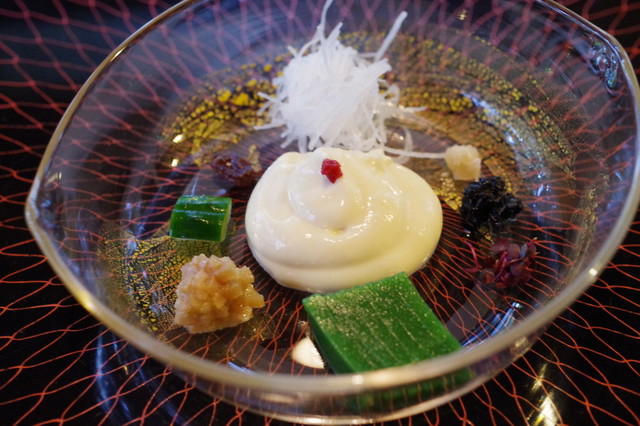
Japan's kaiseki tradition, in its fullest expression, functions as a sequential argument about seasonal produce. Each course is an edited statement: this is what is available now, this is how restraint makes it legible. The ryokan context adds a layer that restaurant kaiseki cannot replicate, you eat, sleep, and wake inside the same logic. Morning breakfast at a Takayama ryokan often arrives with fermented miso made from regional soybeans, grilled river fish, and pickled vegetables that have been in preparation for months. The menu does not end with dinner.
Hanaougi Bettei Iiyama Ryokan sits within this broader framework. Takayama's premium ryokan tier has grown more competitive over the past decade, as international interest in the city, driven partly by its consistent appearance on curated Japan itineraries and partly by improved rail connections via the Hida limited express from Nagoya, has pushed quality upward across the category. Properties that once relied on location alone now compete on kitchen seriousness, bath quality, and the precision of their hospitality. For travellers comparing options, that shift matters: the baseline is higher, and the differentiators are more specific.
Venues like Amane Dining and 飛騨季節料理ひだ賛 represent the city's standalone restaurant tier, where ingredient sourcing is equally deliberate but the experience is anchored to a single meal rather than a full stay. TEPPAN たなか takes a different angle, teppanyaki technique applied to Hida beef in a format that isolates the ingredient from the kaiseki structure. Each approach has its own discipline. What the ryokan format offers that none of these can is time: time for the kitchen to build across courses, and time for the guest to absorb the region rather than transit through it.
Hida Beef and the Logic of Altitude
Any serious engagement with Takayama's food culture runs through Hida-gyu. The cattle are a designated regional breed, raised under strict prefecture guidelines, and the beef carries a geographical indication that limits production. In practical terms, this means the supply chain from farm to ryokan kitchen is short enough that quality verification is routine rather than aspirational. Cooks know the producers. In some cases, the relationship has existed across generations.
The same principle extends to Hida's mountain vegetables. Warabi (bracken fern), kogomi (ostrich fern), and taranome (angelica shoots) arrive through spring in a sequence that functions almost like a countdown calendar for the kitchen. A guest arriving in late April eats a different menu than one arriving in late May, not because the kitchen has changed its philosophy, but because the mountain has changed its output. This seasonal granularity is one of the genuine distinctions between Takayama and cities where imported or greenhouse produce softens the seasonal edges.
For context on how ingredient-driven kaiseki operates at its most refined elsewhere in Japan, Gion Sasaki in Kyoto and HAJIME in Osaka represent different points on the spectrum, Gion Sasaki through deep classical technique, HAJIME through a more conceptual interpretation of Japanese seasonal logic. Harutaka in Tokyo shows how the omakase format applies similar sourcing discipline to seafood. Each of these operates in a different city context, but the underlying commitment to provenance is the common thread. In Takayama, that commitment runs through the ryokan kitchen as naturally as anywhere in Japan.
Positioning Within Takayama's Accommodation Tier
Takayama's ryokan market has stratified in ways that mirror what has happened in Kyoto, a small number of properties competing at the highest service and ingredient tier, a larger mid-market, and a growing boutique segment. The city also supports a range of dining formats beyond the ryokan: オステリア・ラ・フォルケッタ brings an Italian frame to local produce, while ニム occupies a more contemporary register. The existence of these alternatives suggests that Takayama's food scene has developed enough depth that a multi-day stay rewards exploration beyond the ryokan dining room.
For those building an itinerary across Japan's regional food destinations, Takayama sits naturally alongside Nanao (一本木 石川制), Nara (akordu), and Nishikawa Machi (庄羽屋) as cities where the food is explicitly tied to local geography rather than national trend. Further afield, Goh in Fukuoka and 古仁山乃 in Sapporo demonstrate how the northern and southern extremes of Japan apply their own regional logic. 湖畔荘 in Takashima offers another lakeside-regional comparison point. Takayama's position among these is defined by the mountains: they constrain and concentrate the larder in ways flatland cities cannot replicate.
Planning a Stay
Takayama is reached most easily by the Hida limited express from Nagoya, a journey of approximately two and a half hours that passes through increasingly dramatic mountain scenery as it climbs the Hida range. From Tokyo, the Shinkansen to Nagoya followed by the Hida express is the standard route. The city also connects to Kanazawa via the scenic Nohi Bus route through Shirakawa-go, a logical pairing for travellers combining both cities. Ryokan bookings in Takayama, particularly for properties with serious kaiseki programs, warrant advance planning of at least two to three months during peak foliage season (late October to mid-November) and cherry blossom period (early April). Spring and autumn represent the kitchen's most expressive seasons, when the mountain produce cycle is at its most defined. For the full picture of where Hanaougi Bettei Iiyama Ryokan sits among the city's options, the EP Club Takayama restaurants and dining guide covers the category in depth. For international reference points on the kind of ingredient-driven ambition that defines Japan's leading tables, Le Bernardin in New York and Atomix in New York illustrate what that commitment looks like at the level of global critical recognition.
Frequently asked questions
How does staying at a Takayama ryokan like Hanaougi Bettei Iiyama differ from a Kyoto ryokan?
Takayama's ryokan scene operates at altitude in the Hida mountains, which shapes both the ingredient palette and the pace of a stay in ways that differ from the better-documented Kyoto market. Where Kyoto properties often draw from a dense urban supplier network, Takayama kitchens rely on highland produce, mountain river fish, and Hida-gyu — a regional cattle breed unavailable outside Gifu prefecture. The city also attracts fewer international visitors than Kyoto, so the rhythms of a stay tend to feel less curated around tourism and more rooted in local practice.
What should I eat at Hanaougi Bettei Iiyama Ryokan?
Ryokan kaiseki in Takayama follows the logic of the Hida highlands: expect seasonal mountain vegetables, river fish, and Hida-gyu beef, the prefecture's designated regional breed, to anchor the meal. Courses are structured sequentially around what is available at altitude rather than a fixed house menu. The kaiseki format means the kitchen's argument shifts course to course, with each dish functioning as a statement about the current season rather than a standalone plate.
Should I book Hanaougi Bettei Iiyama Ryokan in advance?
Takayama's top-tier ryokan properties run with limited room counts by design, which means availability compresses quickly during autumn foliage season (late October to early November) and the spring festival windows in April. Booking several months ahead is standard practice for properties at this level in the city. If specific dates matter, confirm directly with the ryokan as early as possible.
What's the signature at Hanaougi Bettei Iiyama Ryokan?
For ryokan of this type in Takayama, the defining offer is the confluence of kaiseki dining and omotenashi hospitality — the two are inseparable in the Hida highland tradition. Hida-gyu, raised under strict prefectural designation, is the ingredient that most differentiates this region's table from comparable properties in Kyoto or Hakone. The ryokan setting means the meal is not a restaurant booking but an extension of the stay itself.
A Quick Peer Check
Comparable venues nearby, for context on price, style, and recognition.
| Venue | Cuisine | Price | Awards | Notes |
|---|---|---|---|---|
| Hanaougi Bettei Iiyama RyokanThis venue — the venue you are viewing | Traditional Japanese Kaiseki Ryokan | $200–300 | Not listed | Not listed |
| TEPPAN たなか | Premium Teppanyaki Kaiseki with A5 Hida Wagyu | $300–500 | Not listed | Enakomachi, Takayama |
| 飛騨季節料理 肴 | Hida Beef Kaiseki | $100–150 | Not listed | Old Town |
| Kin no Kotteushi (金乃こって牛) | Hida Beef Nigiri Sushi | $10–20 | Not listed | 上二之町 |
| 洲さき | Traditional Sōwa-ryū Honzen Ryori | $100–150 | Tabelog 100 #10 | Shinmeimachi |
| オステリア・ラ・フォルケッタ | Seasonal Italian Trattoria | $30–50 | Not listed | Takayama |
Continue exploring
More in Takayama
Restaurants in Takayama
Browse all →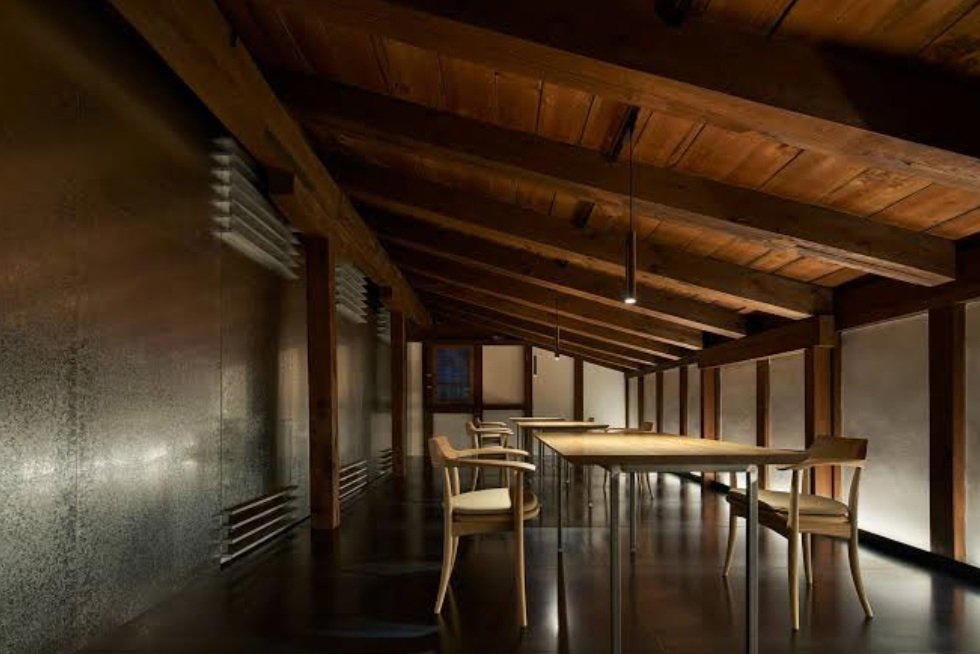
Details
- Quiet
- Romantic
- Intimate
- Classic
- Elegant
- Scenic
- Special Occasion
- Date Night
- Celebration
- Hotel Restaurant
- Private Dining
- Sake Program
- Local Sourcing
- Mountain
- Set Menu
- Prix Fixe
- Sake
- Vegetarian Friendly
- Allergy Accommodating
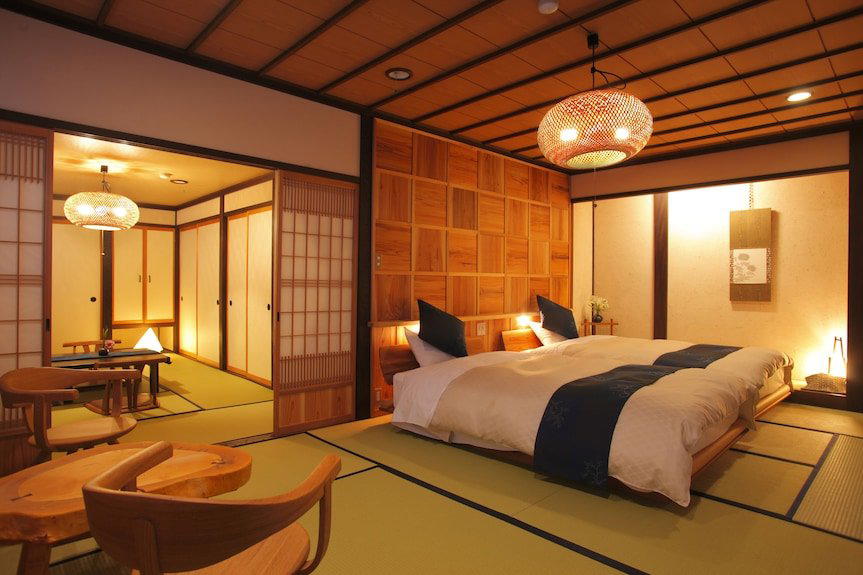
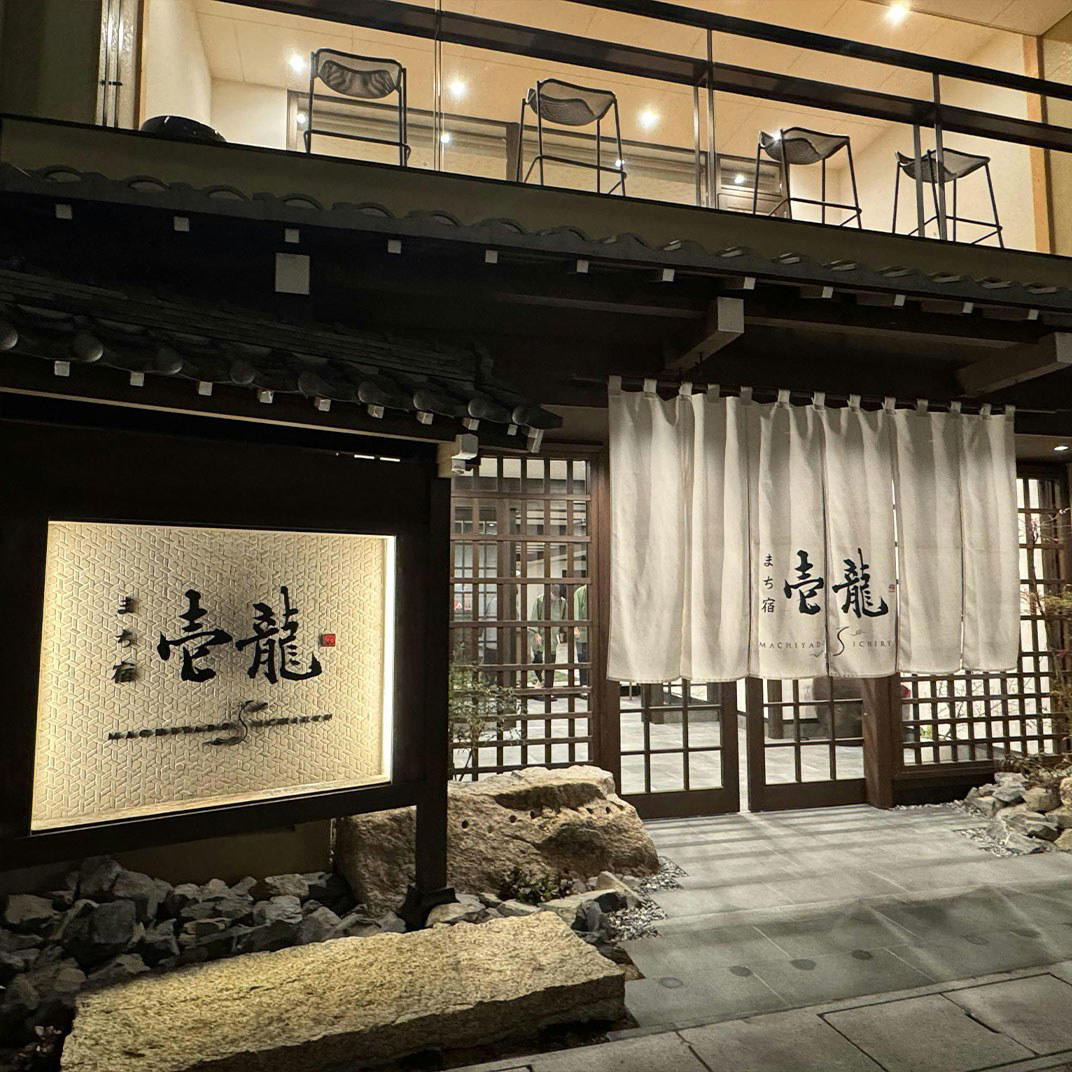
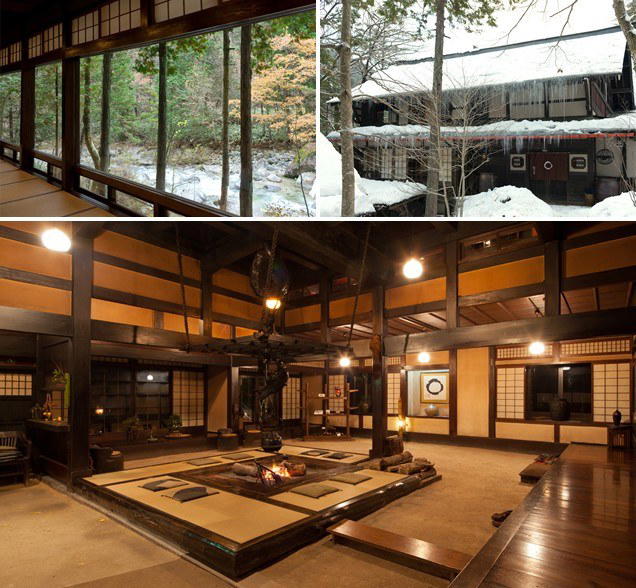
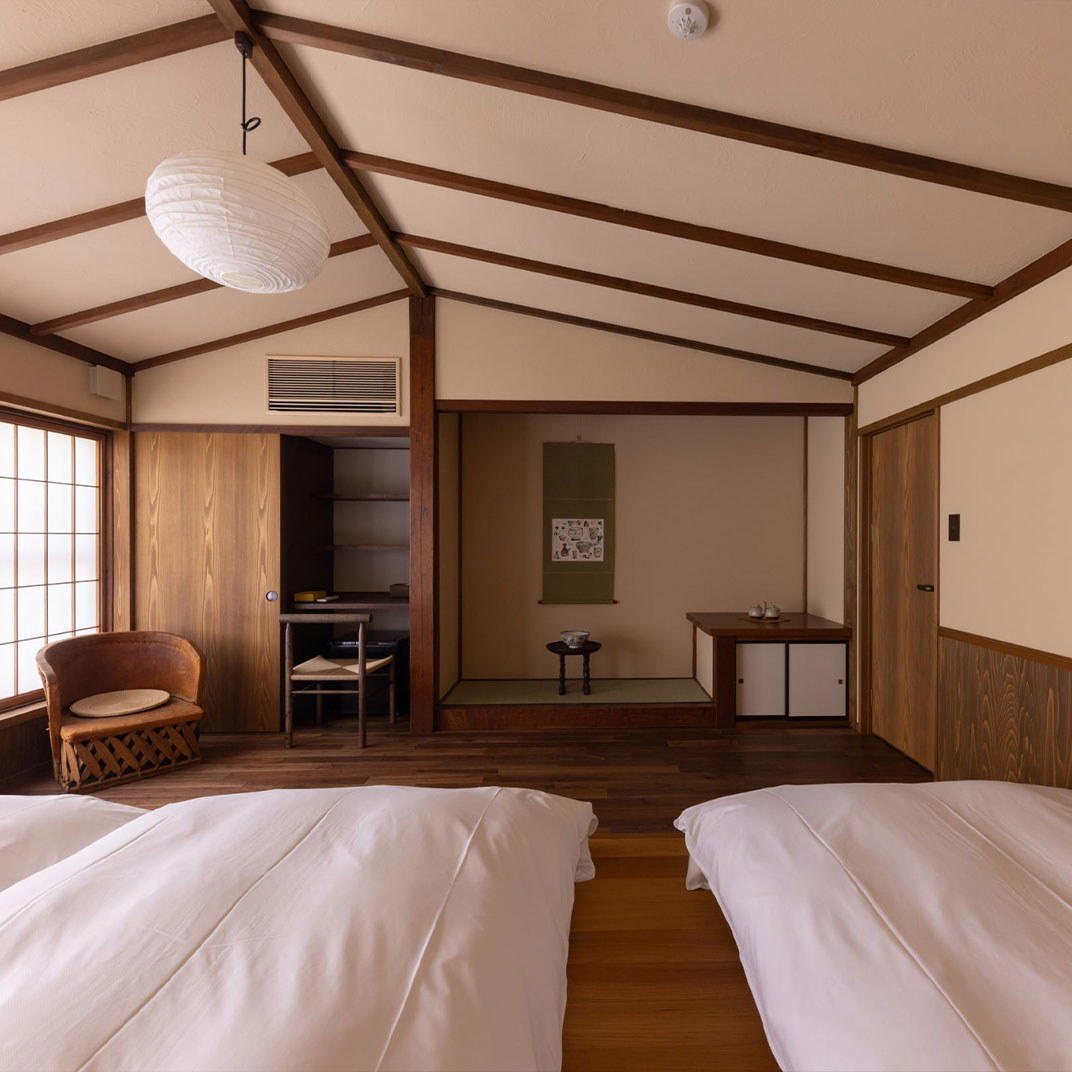
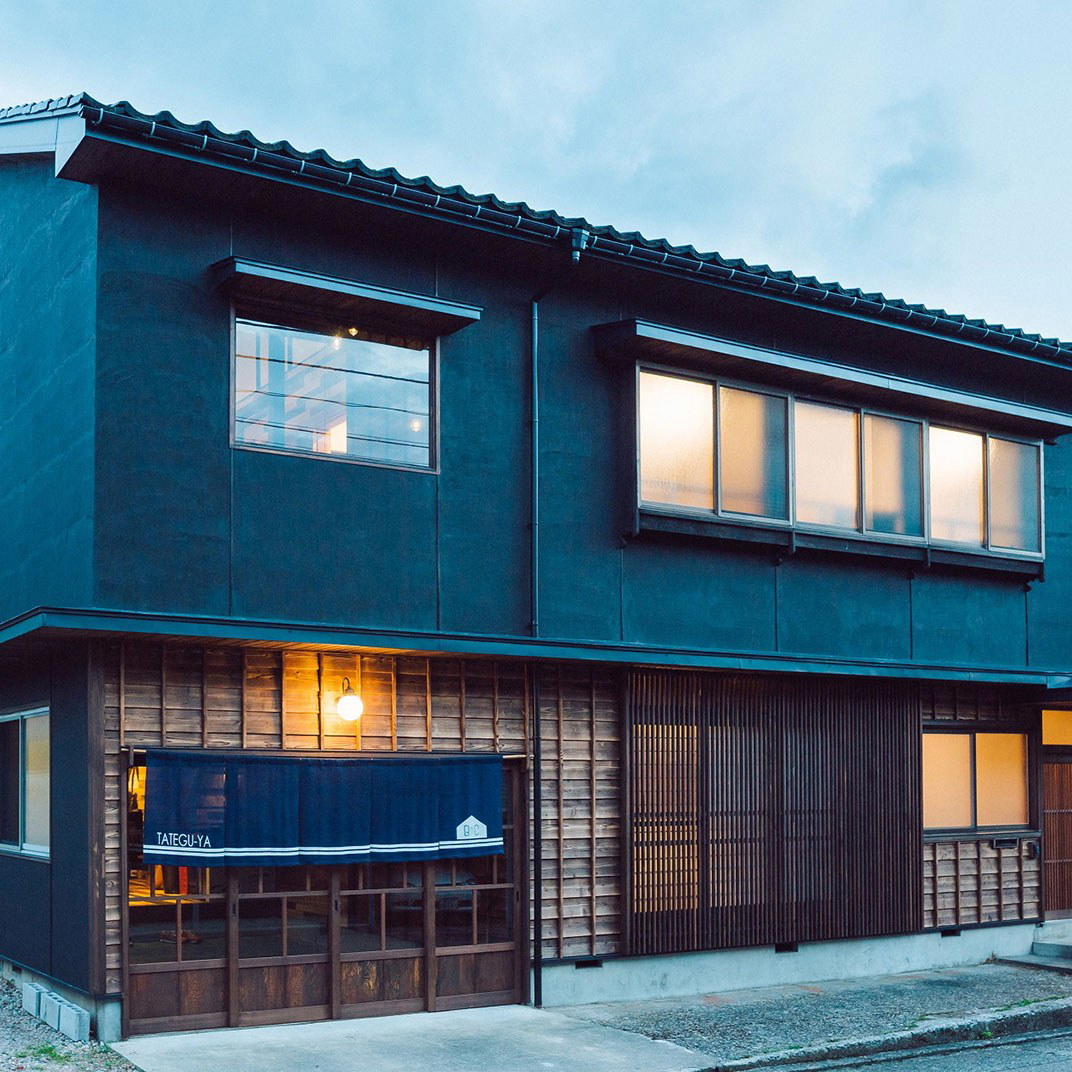
Quiet, secluded, and traditional, with tatami rooms, earthy tones, old folk-house-style construction, open-hearth touches, and a serene onsen-ryokan atmosphere.