Set within Amanfayun's preserved Tang dynasty village on the forested western edge of West Lake, Hangzhou House occupies a position where setting and sourcing are inseparable. The kitchen draws on Zhejiang's agricultural traditions, placing it alongside the serious Hangzhou dining addresses rather than hotel-restaurant afterthoughts. For anyone moving through the city's premium dining circuit, it warrants attention.
Pearl is the En Primeur Club membership app — saves, bookings, and concierge access live there. Same editors, same standards.
- Address
- Hangzhou, China
- Directions
- Get directions
 Saves & bookings on Pearl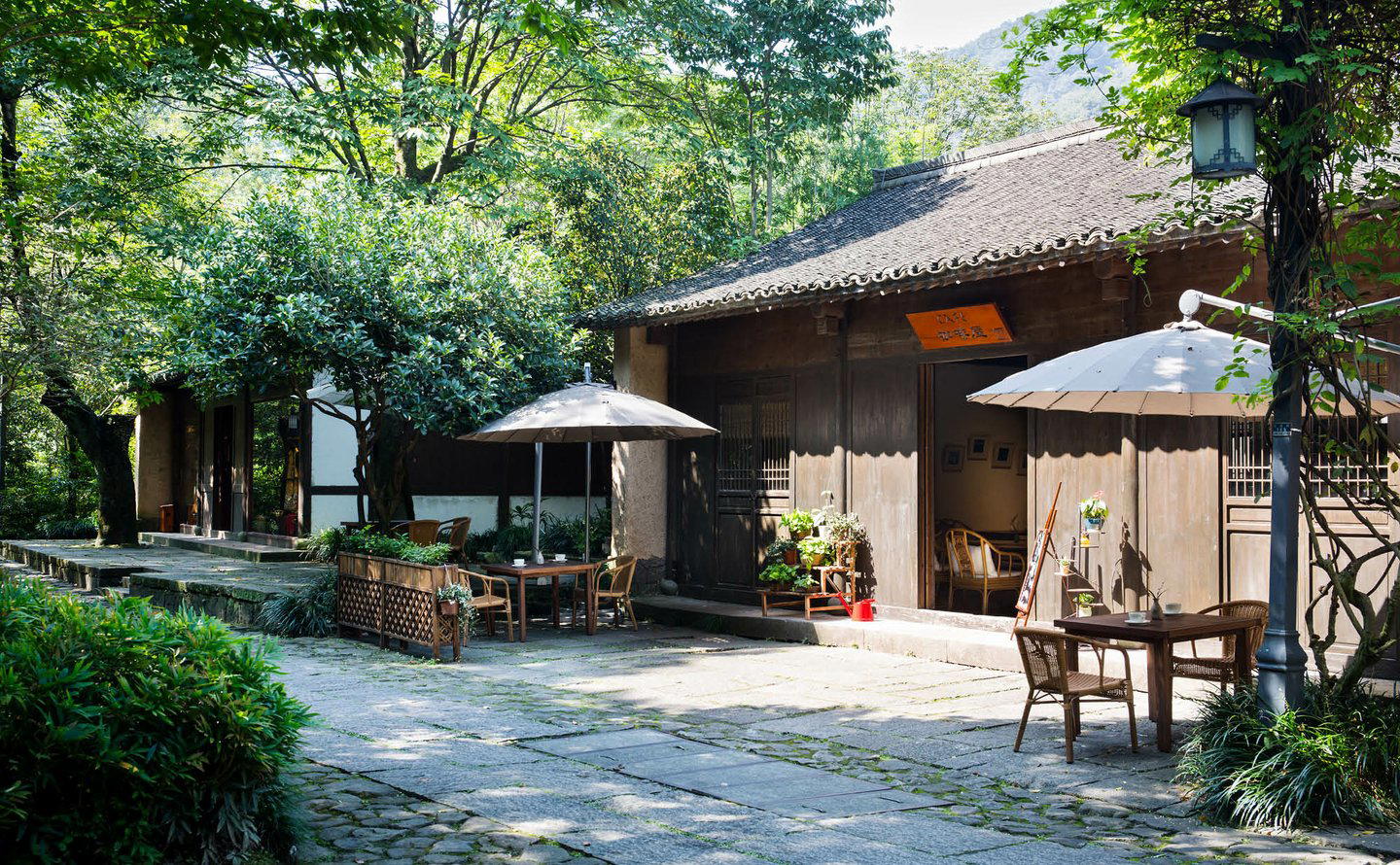
Where a Village Becomes the Dining Room
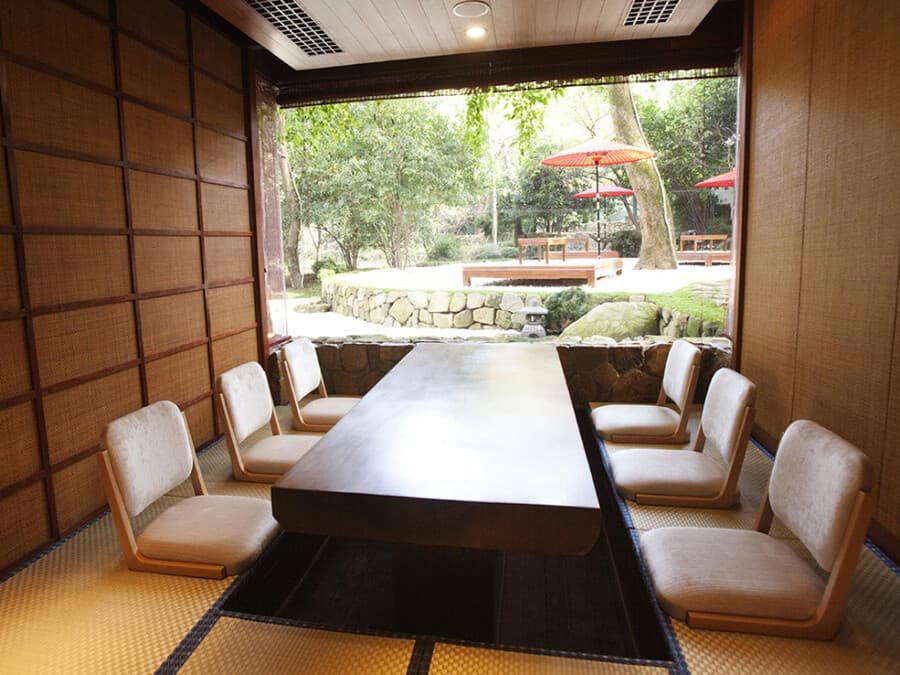
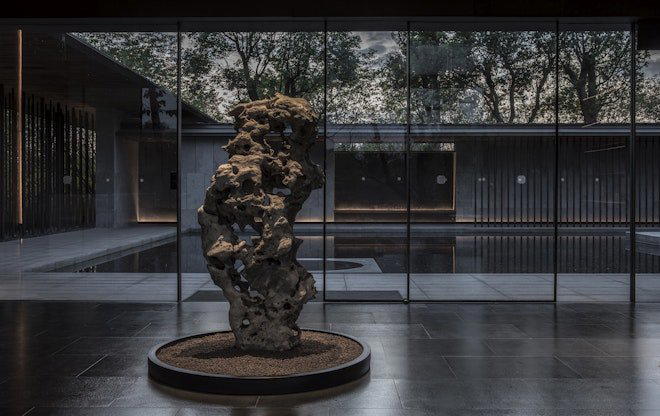
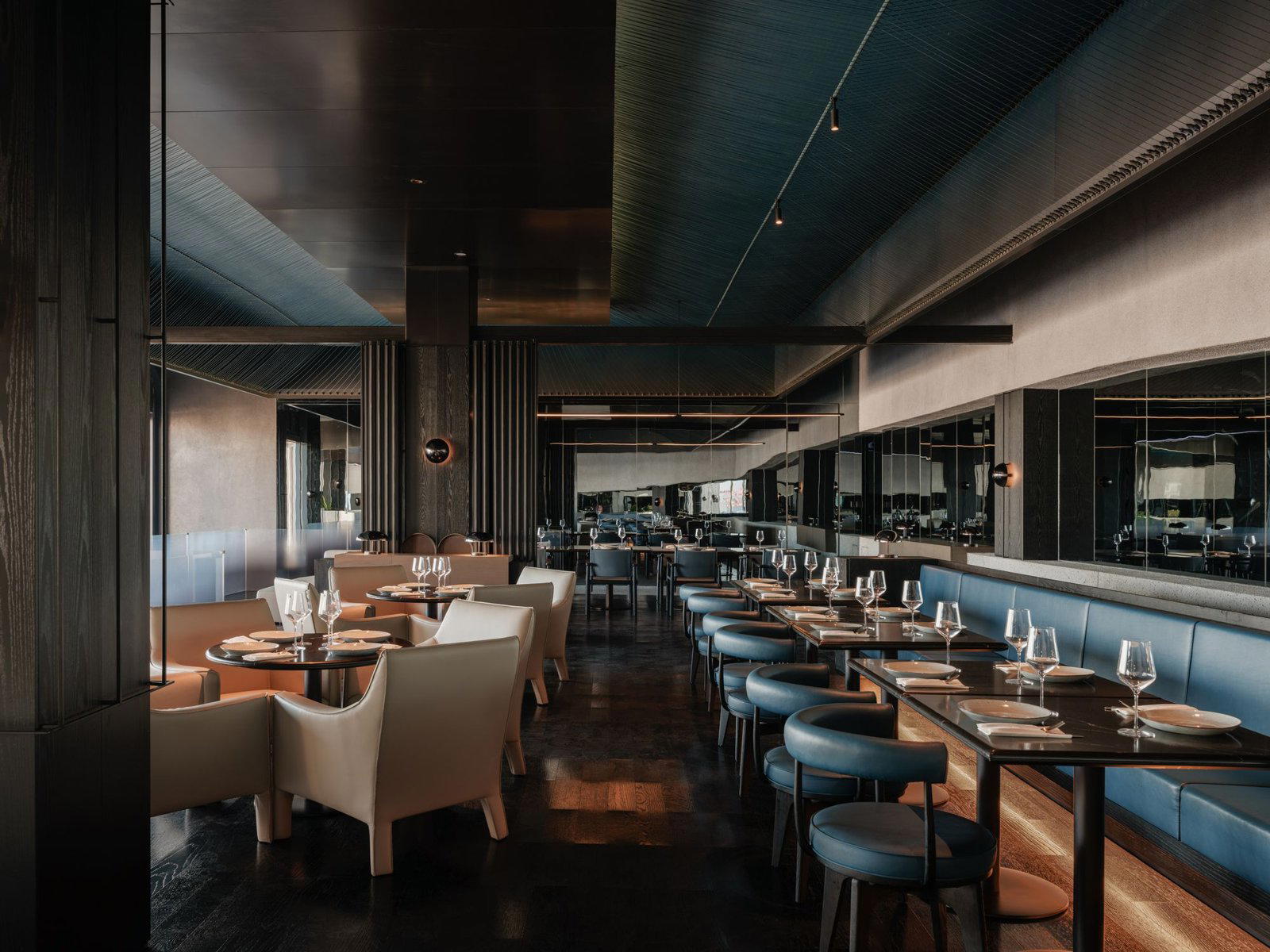
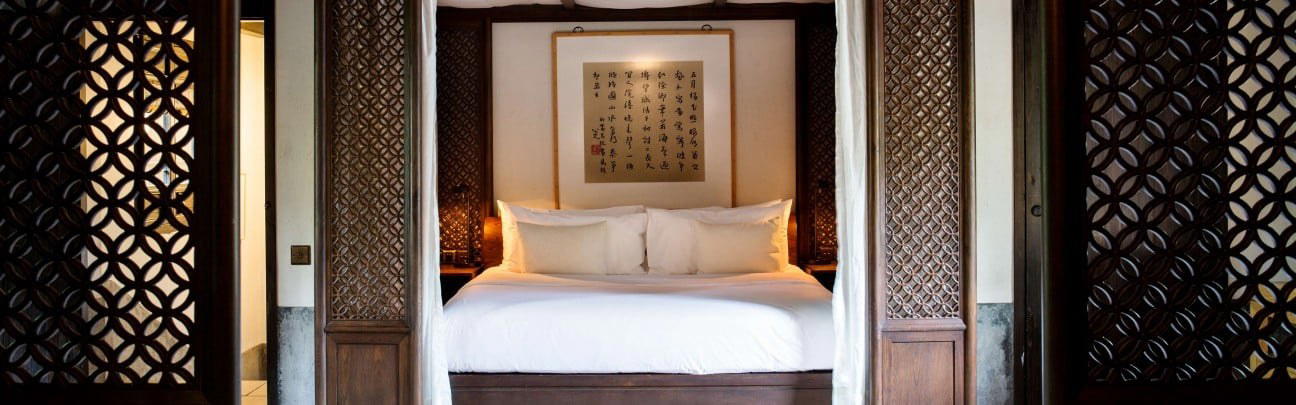
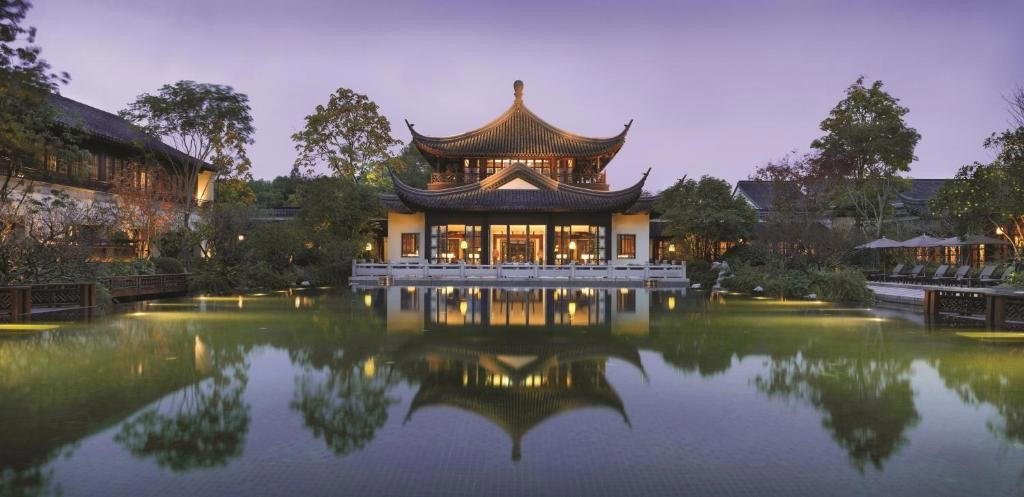
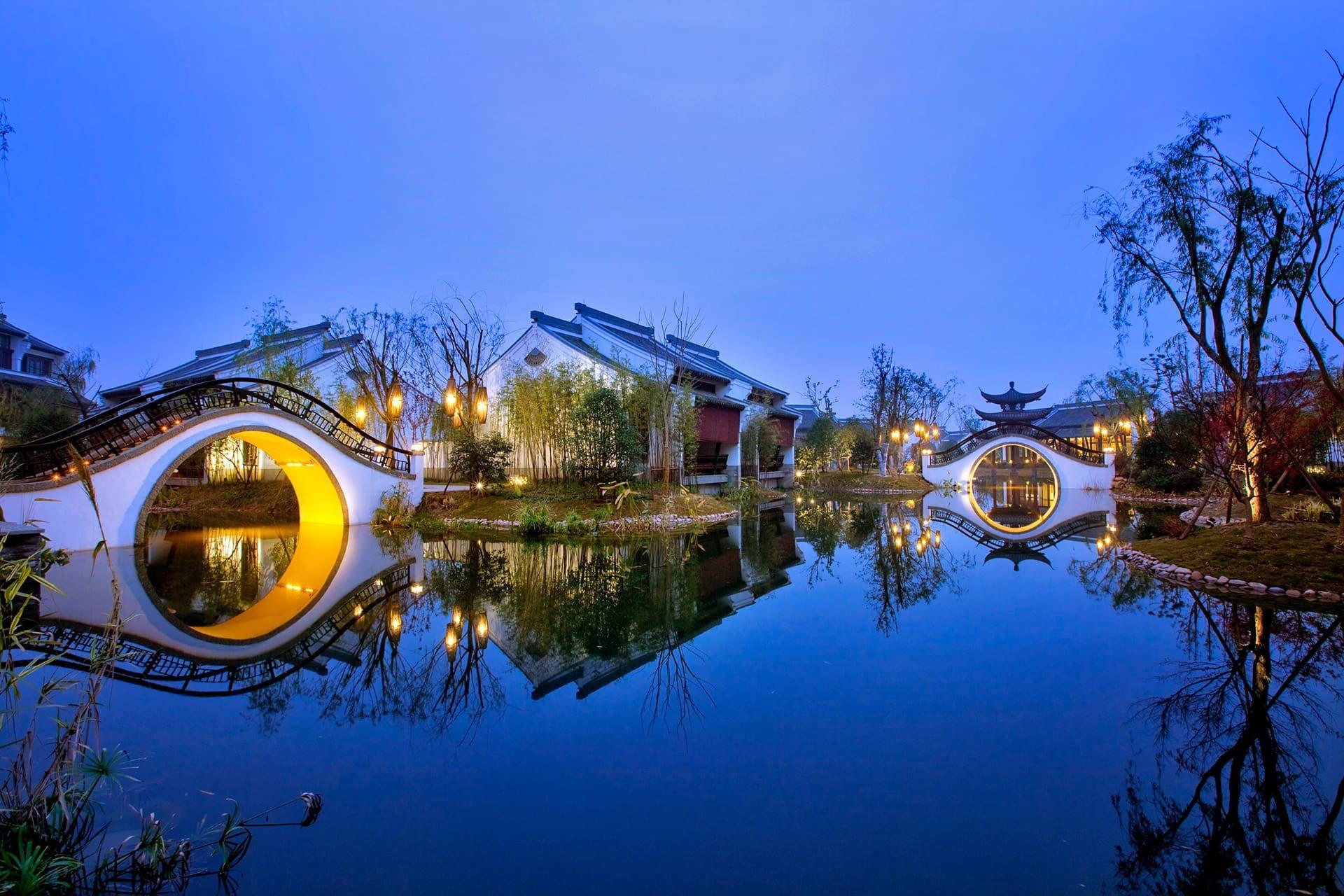
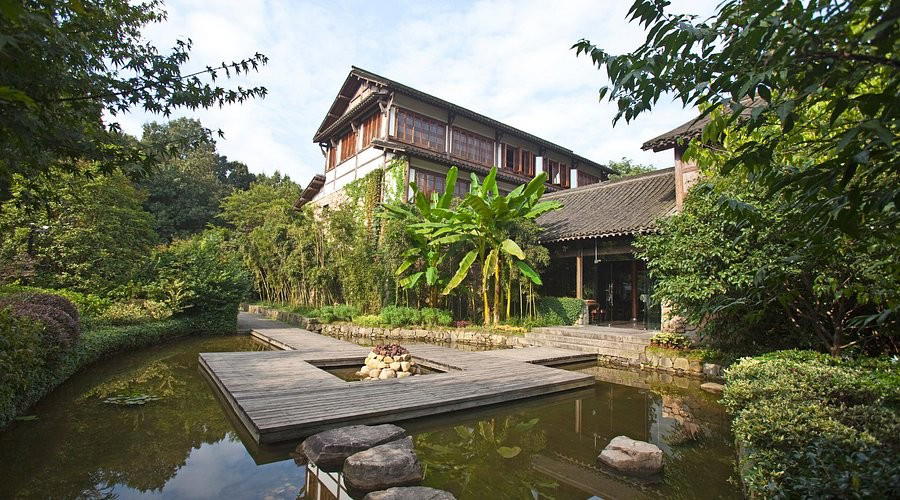
Amanfayun sits on the western fringe of West Lake, inside a cluster of restored Tang and Song dynasty structures that once housed tea farmers and pilgrims traveling to Lingyin Temple. The property operates as a small luxury hotel, but the spatial logic is unusual: guests move between individual village cottages rather than floors of a tower, and the restaurant inherits that same sense of discrete, unhurried enclosure. Approaching Hangzhou House, the transition from tree-canopied path to interior is gradual enough that the room arrives before you fully register having entered it. Stone, timber, and low ambient light define the atmosphere, not as design gestures, but as what remained when the original structures were carefully adapted rather than rebuilt.
That physical context matters for understanding where this restaurant sits in Hangzhou's dining order. The city has produced some of China's most serious regional cooking, Longjing prawns, West Lake vinegar fish, dongpo pork, and a growing number of addresses are now competing for the premium tier of that tradition. Among the more prominent Zhejiang-focused rooms in Hangzhou, Ru Yuan operates at ¥¥¥¥ and positions itself squarely in the classical canon. Guiyu (Xihu) takes a comparable Zhejiang-rooted approach. Hangzhou House at Amanfayun competes in that register, where the expectation is that sourcing, technique, and setting each carry equal weight.
The Sourcing Logic Behind Zhejiang Cuisine
Zhejiang cooking is, at its core, an agricultural tradition. The province's geography, coastal flatlands, river deltas, forested hillsides, and West Lake itself, produces a specific set of ingredients that the cuisine has organized itself around for centuries. Longjing tea leaves, harvested from the hillside plantations minutes from Amanfayun's grounds, appear in dishes rather than just cups. Freshwater fish from the lake, river shrimp, bamboo shoots from surrounding forests, shaoxing wine from further east in the province: these are not interchangeable pantry items but the material logic of the cuisine itself.
For a restaurant embedded in a preserved village at the edge of those same hillside plantations, the sourcing relationship is structural rather than incidental. The Longjing gardens that surround Amanfayun are among the more closely managed tea-producing plots in China, the region's first-harvest leaves command premium prices and are subject to strict geographic designation. A kitchen operating within that landscape has direct access to ingredients that urban Zhejiang restaurants source through supply chains. That proximity shapes what a menu can credibly offer and what it can claim about freshness and seasonality in a way that goes beyond marketing language.
This is the standard against which serious Zhejiang cooking is now being measured across the region. Xin Rong Ji in Beijing and Xin Rong Ji in Chengdu have both demonstrated that Taizhou and broader Zhejiang cuisine can hold its own in high-scrutiny dining markets far from the province. 102 House in Shanghai has pushed the question of what regional Chinese cooking means in a cosmopolitan context. Hangzhou House operates closer to the source, which is both its clearest credential and its most direct editorial argument.
How the Room Positions Itself
Within Hangzhou's own competitive set, the distinction between Hangzhou House at Amanfayun and addresses like Hangzhou House on Hubin Road or Jie Xiang Lou is partly about format and partly about context. A hotel restaurant inside a property at Amanfayun's price tier operates under different constraints than a standalone room: the guest experience is managed end-to-end, the setting is controlled and unhurried, and the kitchen serves a clientele that is already committed to a particular level of spending and attention. That creates conditions for slower-paced, more ingredient-focused cooking that a high-turnover urban address cannot easily replicate.
The comparison to Ambré Ciel, which takes a contemporary innovative approach rather than a regional one, illustrates the fork in the road that Hangzhou's premium dining scene now presents. One direction pursues contemporary global technique applied to Chinese ingredients; the other pursues depth within a regional tradition. Hangzhou House at Amanfayun reads as a committed position in the second camp. The room's physical setting makes that positioning coherent in a way that would be harder to sustain in a modern building across town.
Across greater China, this kind of embedded regional restaurant has developed a recognizable comparable set. Chef Tam's Seasons in Macau, Imperial Treasure Fine Chinese Cuisine in Guangzhou, and Dai Yuet Heen in Nanjing each occupy serious positions in their respective cities' regional cooking hierarchies. Hangzhou House at Amanfayun belongs in that conversation, even if its profile outside the hotel circuit has been quieter than those addresses.
The Wider Zhejiang Table
Hangzhou does not exist in isolation as a dining destination. The broader Yangtze River Delta corridor, connecting Hangzhou to Suzhou, Nanjing, and Shanghai, has produced particularly historically significant cooking in China, and that network now has serious restaurant representation across the region. Dingshan·Jiangyan in Suzhou and Shang Palace in Yangzhou both address the same broad tradition from their respective city bases. Further south, Fleurs Et Festin in Xiamen and Jiangnan Wok·Rong in Fuzhou show how Jiangnan culinary identity travels and adapts along the coast.
The restaurant is not a casual drop-in; it is a considered destination that rewards planning and works well for travelers who have committed to the Amanfayun experience rather than passing through for a single meal.
Planning a Visit
Amanfayun sits on Fuyangshan Road on the western edge of West Lake, roughly 20 to 25 minutes from Hangzhou's downtown core by car, and closer to Longjing village than to the city's commercial center. Access is direct by taxi or car; the road passes through green-shaded residential and tea-garden territory that signals the shift from city to landscape well before arrival. Given that Amanfayun operates at the higher end of the Aman network's global portfolio, meal pricing at Hangzhou House will align with that tier rather than with Hangzhou's mid-market Zhejiang options. Reservations through the hotel are advisable, particularly during spring tea season (March through May) and the Golden Week holiday periods in October, when both the property and the surrounding Longjing area attract significant visitor traffic.
Quick Comparison
Comparable venues nearby, for context on price, style, and recognition.
| Venue | Cuisine | Price | Notes |
|---|---|---|---|
| Hangzhou House at AmanfayunThis venue — the venue you are viewing | Refined Zhejiang Cuisine | $$$$ | Not listed |
| Puzhu - Plant - based | Plant-Based Chinese Fine Dining | $$$$ | Hangzhoushi |
| Seven Villas | Modern Zhejiang (Jiangnan) | $$$$ | Hangzhoushi |
| Jiexianglou at Seven Villas | Modern Jiangnan Cuisine | $$$$ | Hangzhoushi |
| Tianlunli | Jiangnan Crab Specialist | $$$ | Hangzhoushi |
| Four Seasons Jin Sha Restaurant (金沙厅) | Zhejiang Neo-Classics with Shanghainese & Cantonese Influences | $$$$ | Xihu (West Lake) |
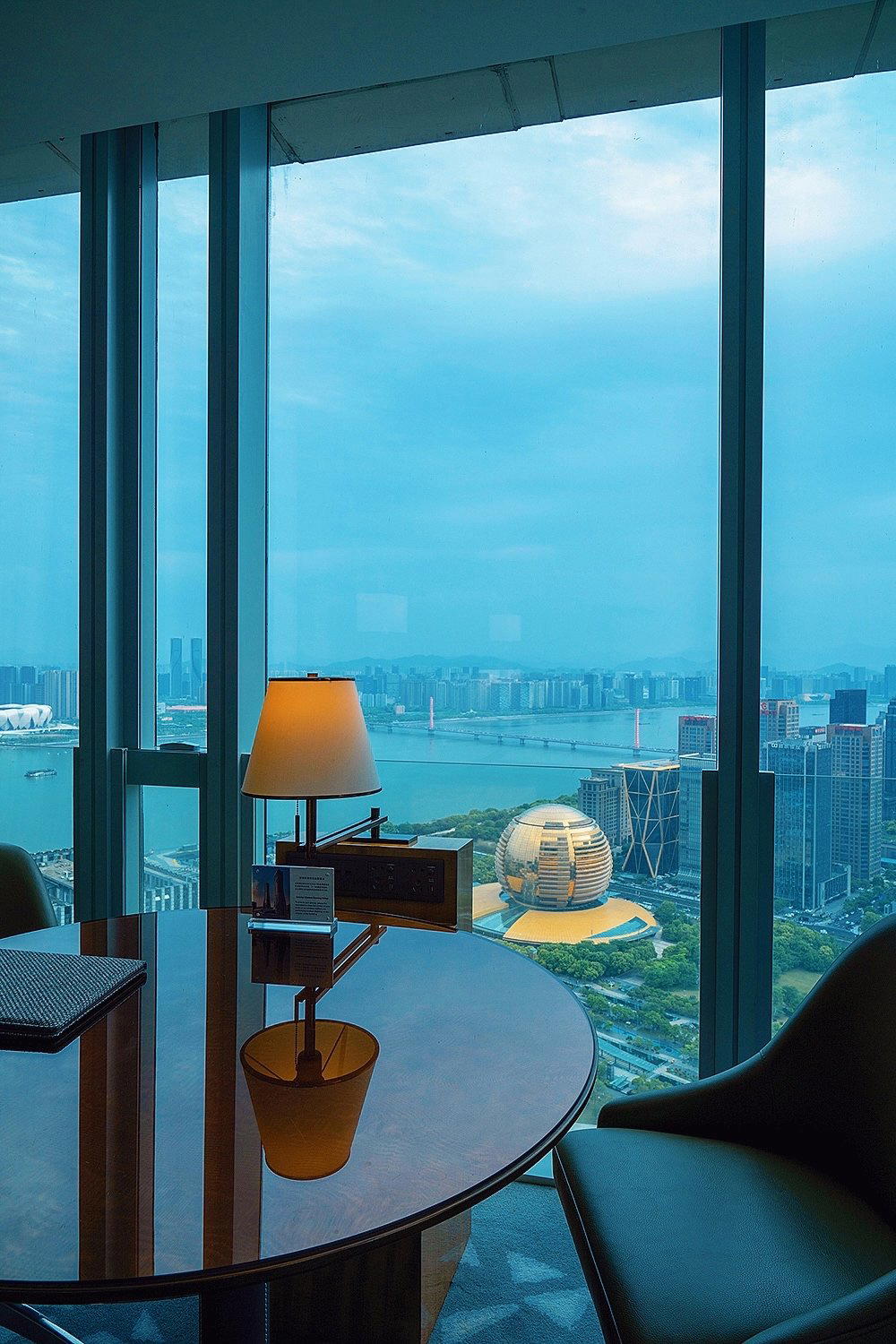
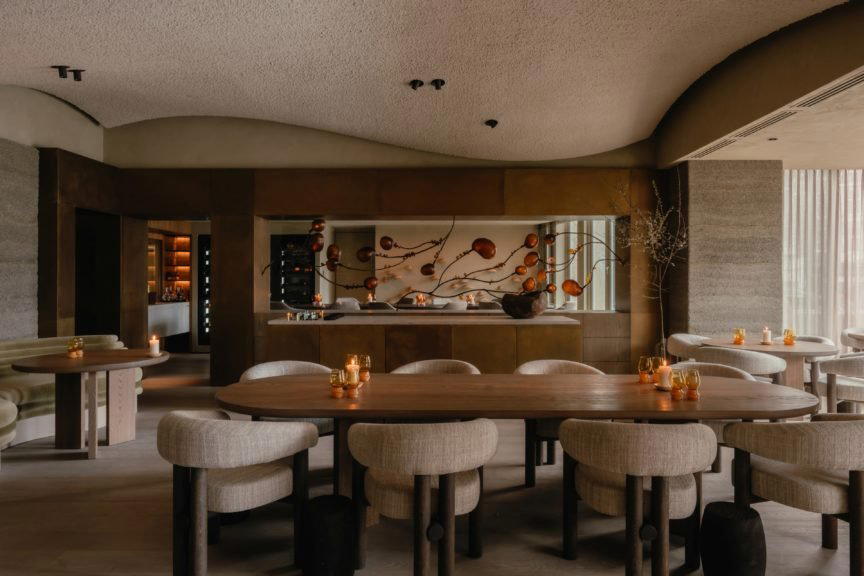
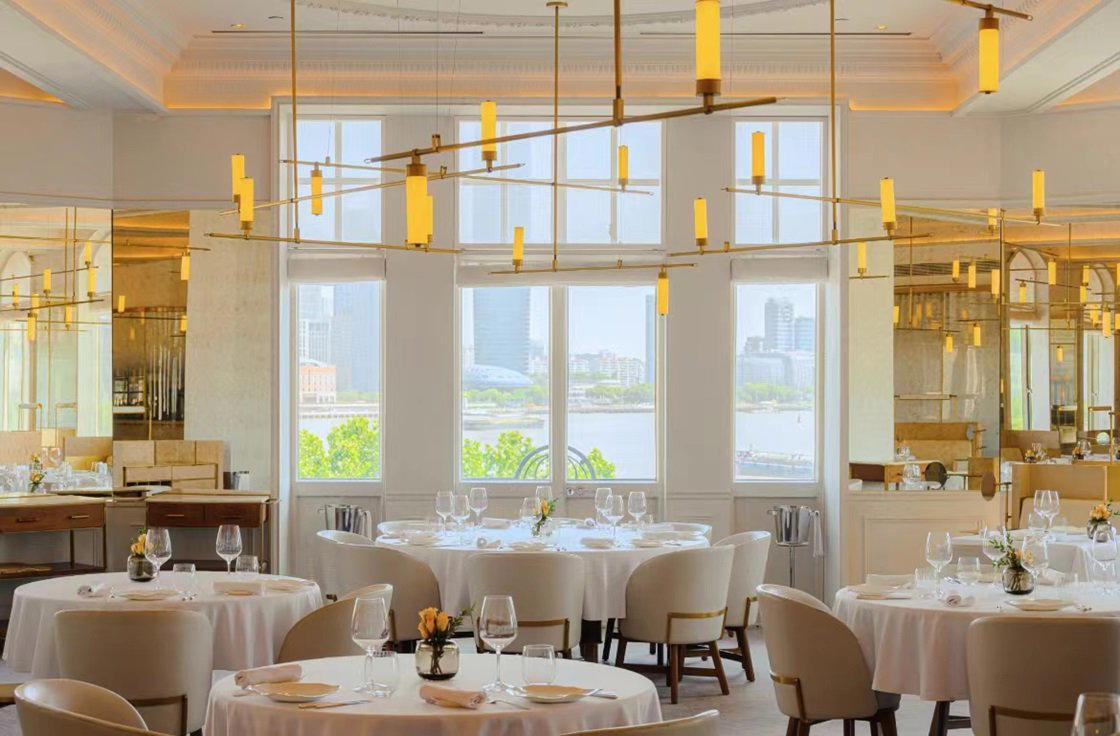
At a Glance
- Rustic
- Serene
- Elegant
- Scenic
- Intimate
- Special Occasion
- Date Night
- Business Dinner
- Hotel Restaurant
- Courtyard
- Historic Building
- Sake Program
- Local Sourcing
- Garden
- Mountain
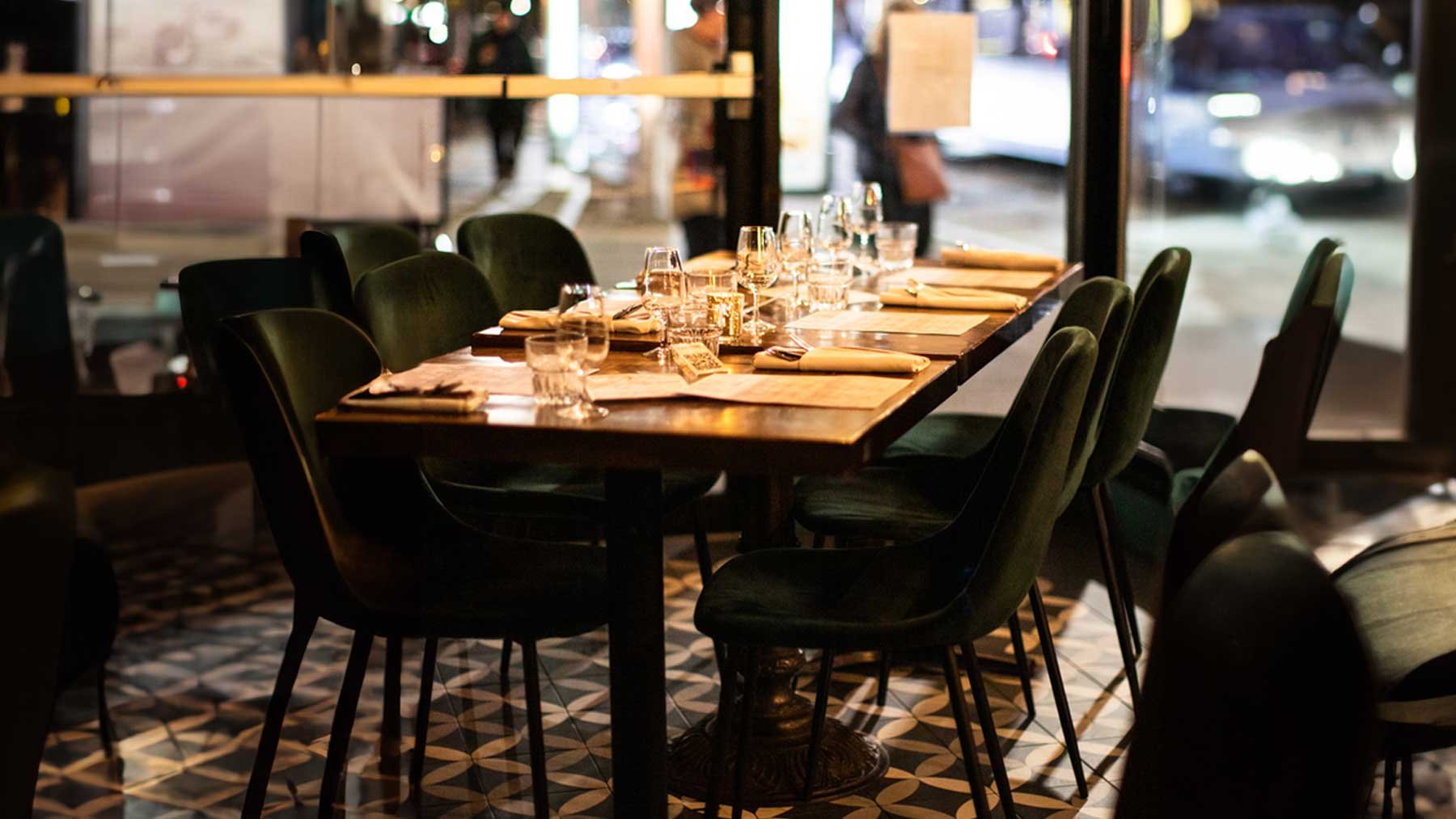
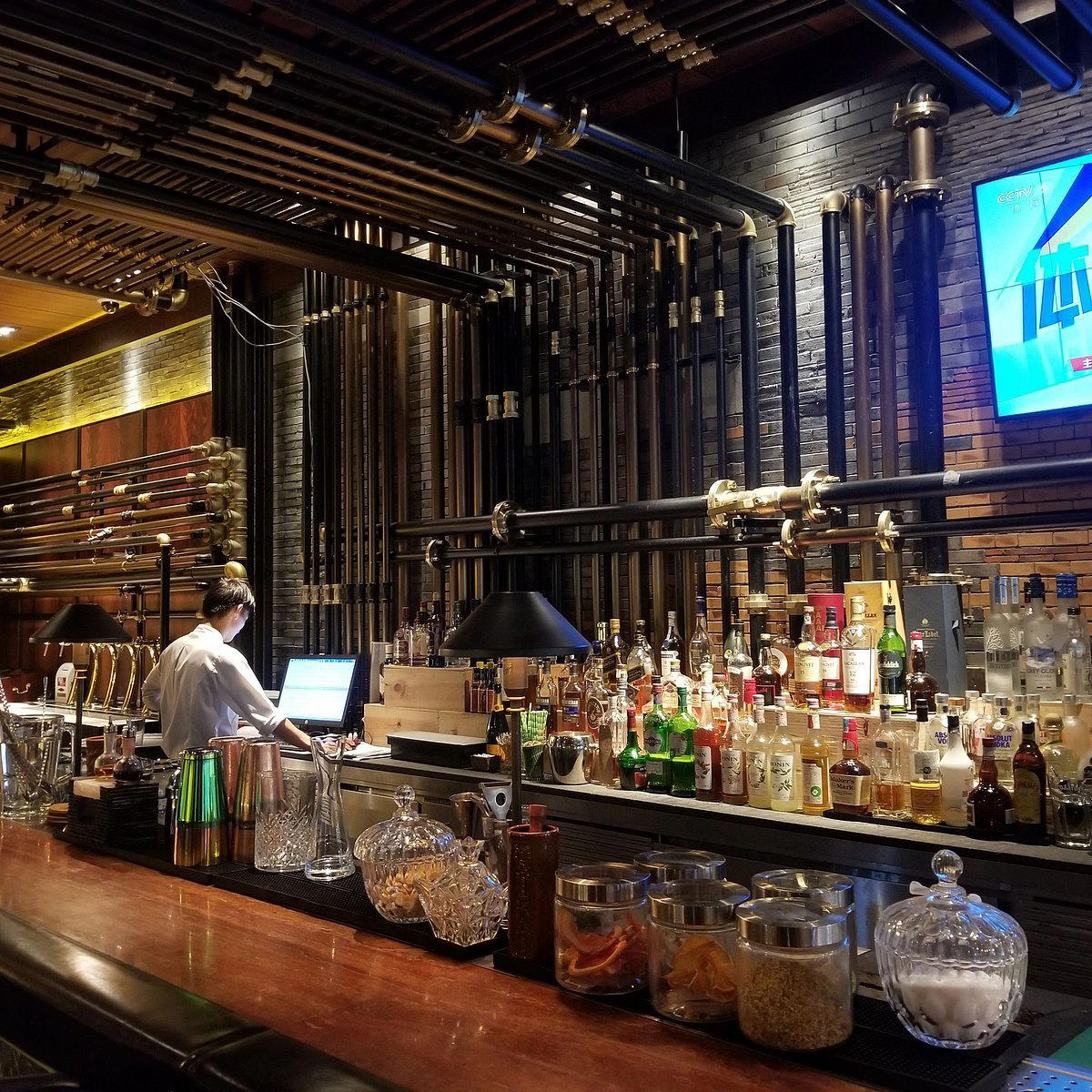
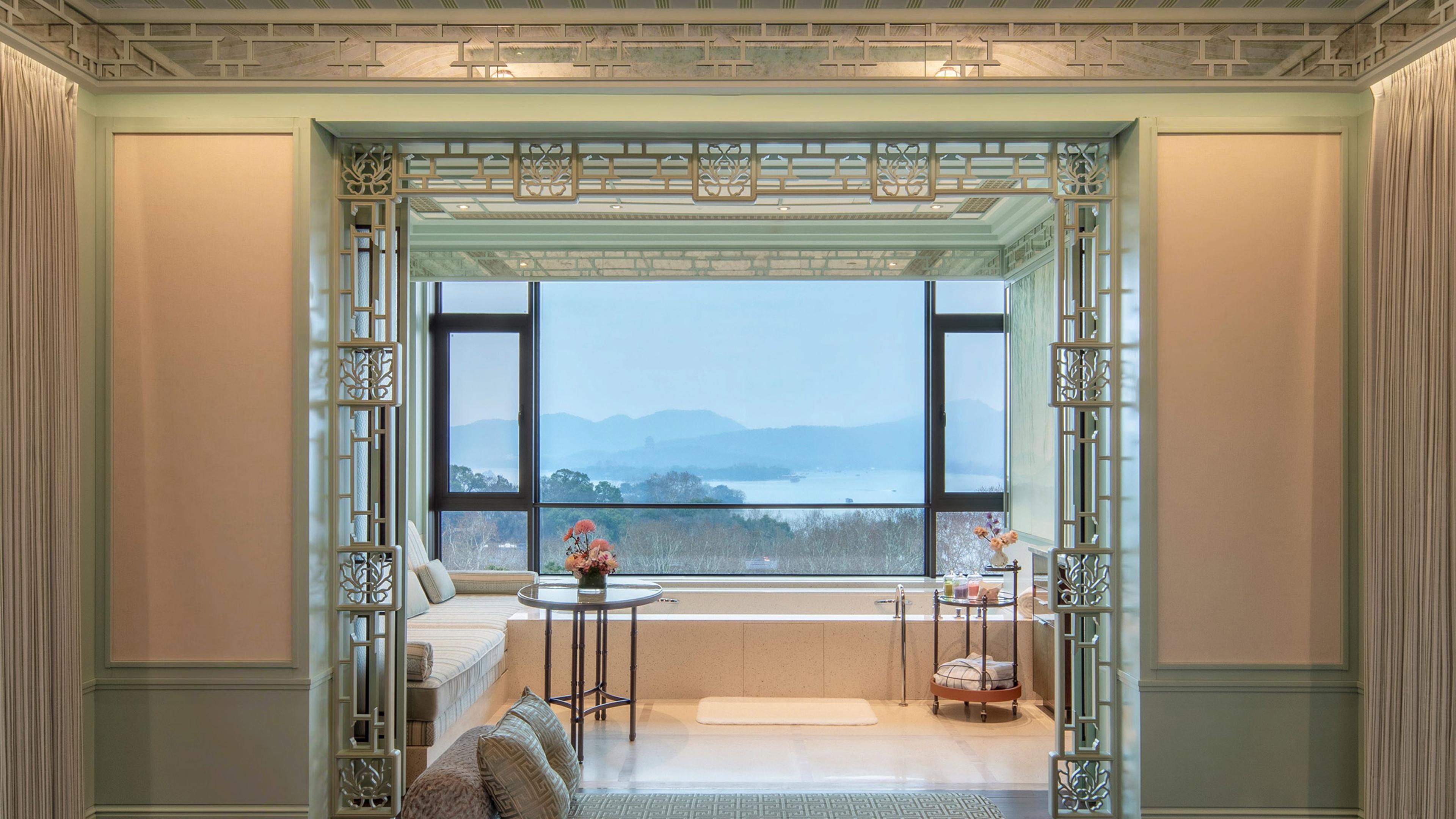
Serene and rustic with tranquil courtyard dining, woodland views, and a peaceful atmosphere amid tea plantations and historic surroundings.