On Avenue Victor Hugo in the 16th arrondissement, Hansan occupies a quieter stratum of Paris dining where the sourcing story carries as much weight as the technique on the plate. The address places it in a neighbourhood shaped by old-money restraint rather than Michelin theatrics, making it a reference point for readers tracking where ingredient-led cooking is taking root outside the grand dining rooms of the 8th.
Pearl is the En Primeur Club membership app — saves, bookings, and concierge access live there. Same editors, same standards.
- Address
- 192 Av. Victor Hugo, 75116 Paris, France
- Phone
- +33145040431
- Directions
- Get directions
 Saves & bookings on Pearl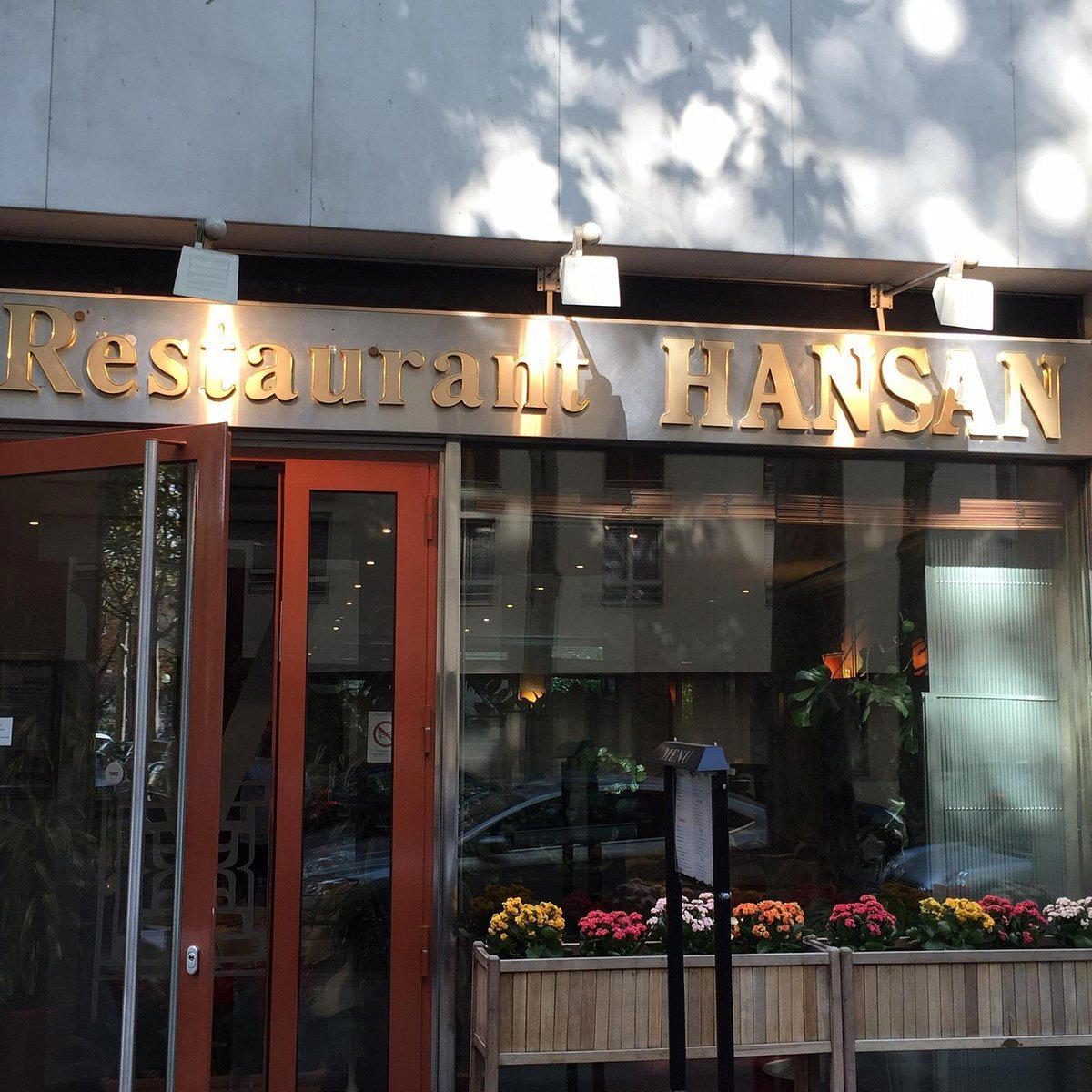
The 16th Arrondissement and the Case for Quiet Sourcing
Avenue Victor Hugo runs through one of Paris's most residential corners of the 16th arrondissement, a stretch where the dining rooms tend toward the unhurried and the clientele toward the local. This is not the address you find when chasing the spectacle tier of Parisian fine dining. Le Cinq at Four Seasons Hôtel George V and Alléno Paris au Pavillon Ledoyen operate a different register entirely, with grand-room formality and four-figure tasting menus priced at €€€€. The 16th, by contrast, has long sustained a cohort of restaurants where the point is not the room or the ceremony but the quality of what arrives on the plate and where it came from. Hansan, at 192 Avenue Victor Hugo, belongs to that tradition.
Across French fine dining, the sourcing conversation has shifted considerably over the past decade. What was once the exclusive language of farm-to-table evangelists in the natural wine circuit now runs through serious kitchen programs at every price point. The most instructive comparison is with restaurants outside Paris: Bras in Laguiole built an entire culinary identity around the specific flora of the Aubrac plateau, while Mirazur in Menton structured its menus around biodynamic garden produce with calendar-level precision. Urban kitchens face a different version of the same challenge: in a city without a garden or a coastline at the back door, the sourcing decision is a deliberate act of curation rather than geography.
Ingredient-Led Cooking in a City Built on Technique
Paris's reputation as a dining capital rests more on technique than terroir. The classical tradition, codified through kitchens like L'Ambroisie, prizes the transformation of ingredients over their provenance. What has changed in the past fifteen years is a growing counterweight: kitchens that foreground the supply chain as part of the dining argument. This is partly a response to pressure from diners who arrived at fine dining through farmers' markets and organic grocers, and partly a genuine generational shift among chefs trained to think about the field as much as the stove.
The Korean and broader East Asian dining scene in Paris has contributed something specific to this shift. Restaurants that draw from Korean culinary traditions, as Hansan does with its address in the 16th, often import a different relationship with fermentation, seasonal vegetable preparation, and the use of whole ingredients. Fermented pastes built over months, dried and cured components that carry the weight of a season's work, and the prioritisation of specific regional producers are structural features of Korean cooking that sit naturally within the ingredient-sourcing conversation now driving parts of the Paris scene. The contrast with technique-forward French peers is instructive: where a kitchen like Kei synthesises French and Japanese approaches at the luxury tier, a Korean-influenced kitchen at a neighbourhood scale often grounds itself differently, with sourcing logic embedded in the cooking's cultural DNA rather than grafted on as a positioning choice.
For comparison with international peers working a similar sourcing-first framework, Atomix in New York City has demonstrated how Korean fine dining can hold both cultural rigour and ingredient provenance at the centre of a tasting format, earning sustained critical recognition in doing so. The Paris version of that conversation is still developing, and the 16th arrondissement is not its most visible address. That relative obscurity is, in itself, a signal worth reading.
The Neighbourhood as Context
The 16th has historically been the arrondissement where Paris's established bourgeoisie eats without performance. It is not where critics camp out hunting for the next disruption. The result is a dining environment where longevity matters more than launch-month buzz, and where a restaurant's continued presence on a residential avenue is a more meaningful indicator of quality than any opening-week column. Regulars in these rooms tend to know what they are ordering and why. The street-level experience on Avenue Victor Hugo reflects that: wide pavements, low foot-traffic relative to the 8th or 11th, and a pace that rewards the kind of attention ingredient-led cooking asks of its audience.
Compared to the more heavily scrutinised corridors of Paris dining, the 16th operates with less external noise. That is not the same as operating below the standard. Restaurants in this arrondissement that have built a return clientele have done so through consistency and substance, not through the kind of media-cycle energy that moves through places like Arpège or the address-driven prestige of the grand establishments. It is worth noting that ingredient-sourcing as a narrative is also stronger in kitchens that don't rely on the room or the label to justify the price. When the dining room is not the spectacle, the sourcing has to be.
Positioning Within the Paris Scene
French regional kitchens have shown how deeply ingredient geography can drive a restaurant's identity. Flocons de Sel in Megève, Auberge de l'Ill in Illhaeusern, and Troisgros in Ouches each operate in environments where the land around them shapes what goes on the plate. A Paris restaurant working with imported or specifically sourced Korean ingredients, or with a sourcing philosophy drawn from Korean culinary traditions, faces a different version of that challenge: the ingredient story has to be built, not harvested from the surrounding landscape. The effort involved in that construction is part of what gives ingredient-led urban kitchens their credibility signal. It is a choice, not a convenience, and diners who track sourcing know the difference.
For readers building a Paris itinerary around the full range of serious French and cross-cultural dining, our full Paris restaurants guide maps the city's current options across cuisine type, price tier, and neighbourhood. Hansan on Avenue Victor Hugo represents a specific, quieter node in that map: an address in the 16th where the sourcing argument is the point, and where the absence of grand-room theatrics is a feature rather than a gap.
Planning Your Visit
| Venue | Arrondissement | Price Tier | Format | Booking Lead Time |
|---|---|---|---|---|
| Hansan | 16th | Not disclosed | Ingredient-led, neighbourhood scale | Contact directly |
| Kei | 1st | €€€€ | French-Japanese tasting menu | Several weeks ahead |
| L'Ambroisie | 4th | €€€€ | Classic French, à la carte and menu | Several weeks ahead |
| Le Cinq | 8th | €€€€ | Grand-room modern French | Several weeks ahead |
Hansan's address at 192 Avenue Victor Hugo is accessible from the Victor Hugo or Rue de la Pompe metro stations on Line 2. Given the neighbourhood's residential rhythm, visits mid-week tend to reflect the room's character more accurately than weekend evenings, when foot traffic across the 16th increases.
How Hansan Paris compares with similar nearby venues.
| Venue | Cuisine | Price |
|---|---|---|
| Brach | Mediterranean Cuisine | €€€ |
| L'Archeste | Modern Cuisine | €€€€ |
Continue exploring
More in Paris
Restaurants in Paris
Browse all →

Bars in Paris
Browse all →
Hotels in Paris
Browse all →



At a Glance
- Elegant
- Sophisticated
- Classic
- Family
- Group Dining
- Casual Hangout
- Date Night
- Standalone
- Extensive Wine List
Current opening hours
- Monday
- Closed
- Tuesday
- 12–3 PM, 7–10:30 PM
- Wednesday
- 12–3 PM, 7–10:30 PM
- Thursday
- 12–3 PM, 7–10:30 PM
- Friday
- 12–3 PM, 7–10:30 PM
- Saturday
- 12–3 PM, 7–10:30 PM
- Sunday
- 12–3 PM, 7–10:30 PM
Hours can change for holidays and private events. Last verified .
Cool and relaxed atmosphere with sober, warm setting in an elegant neighborhood restaurant.
Know Before You Go
- Getting there
- 192 Av. Victor Hugo, 75116 Paris, France