Hanoi Bistro & Kitchen
Our verdict
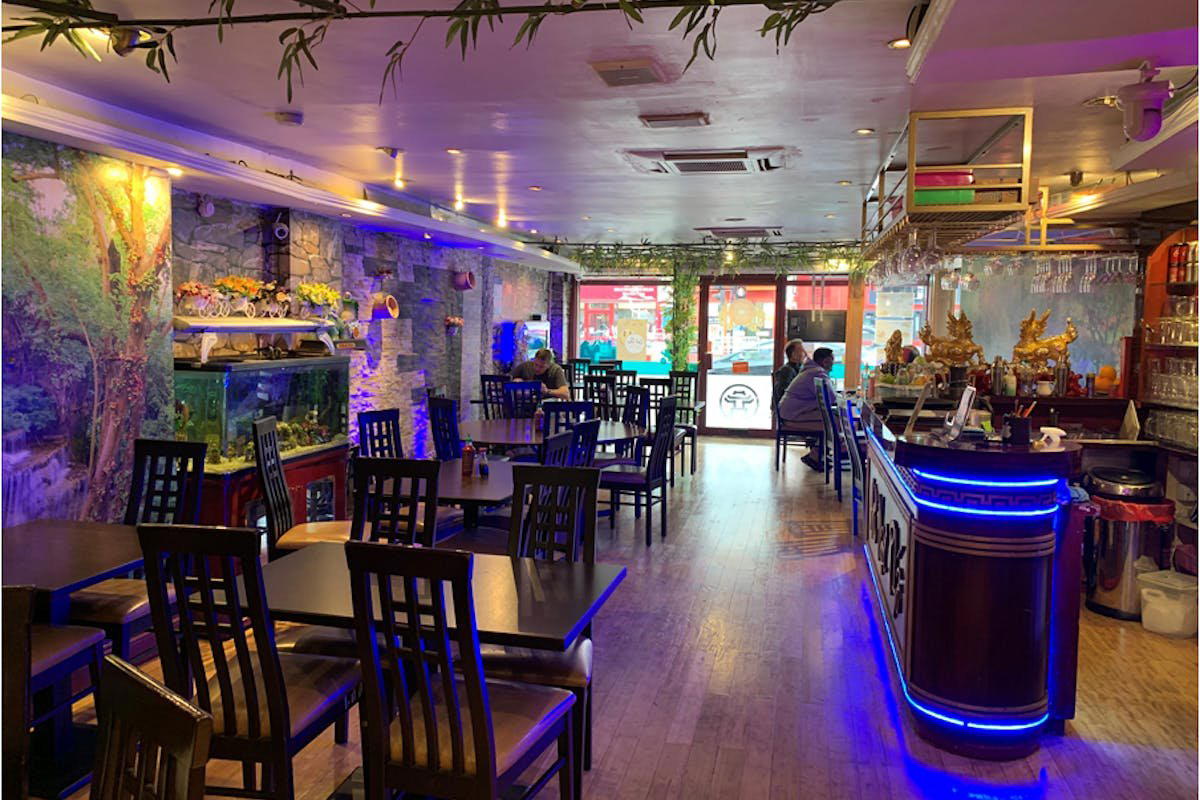
On Mare Street in Hackney, Hanoi Bistro and Kitchen occupies a stretch of east London where Vietnamese cooking has moved well beyond the pho-and-spring-roll shorthand. The kitchen works within a tradition that prizes ingredient integrity and layered broth technique, placing it in a neighbourhood conversation about how Southeast Asian food earns its place in a serious dining city.

Pearl is the En Primeur Club membership app, where members save venues, book tables and use the concierge.
The menu
What to order
- Nem Cua Bể Hà Nội
- Bún Chả Hà Nội
- Bánh Xèo
Mare Street and the Vietnamese Dining Shift in East London
Mare Street in Hackney has spent the better part of a decade reshuffling its identity, and the food on its pavements reflects that process in real time. The stretch around E8 sits at an intersection of long-established Vietnamese communities to the east and west, a newer wave of food-conscious residents, and a dining culture that increasingly demands specificity rather than approximation. Hanoi Bistro and Kitchen, at 179 Mare Street, sits inside that shift. The address alone signals something: this is not the tourist-facing Vietnamese strip of the West End, nor the utilitarian canteen model that served working-class communities faithfully for decades. It belongs to a third category, one that has been quietly consolidating across east London, where Vietnamese kitchens are being taken more seriously as expressions of a regional cooking tradition.
Vietnamese cuisine in London has historically been compressed into a handful of familiar formats. Pho houses, banh mi counters, and family-run cafes have all earned their place, and many are excellent on their own terms. But the cooking tradition that Hanoi-style food represents is considerably more complex than those formats typically allow. Northern Vietnamese cooking in particular, the style associated with the capital, is defined by restraint: cleaner broths, less sweetness, a preference for fresh herbs over the sweeter, more assertive condiments common in southern Vietnamese kitchens. Understanding that regional distinction is the starting point for reading what a Hanoi-named bistro is positioning itself to do.
Ingredient Logic and the Northern Vietnamese Kitchen
The editorial angle on Hanoi-style cooking is really an ingredient argument. The tradition prizes sourcing honesty: pho broth built from bones charred over direct flame and simmered over hours rather than days; herbs used fresh and in quantity rather than dried or decorative; proteins chosen for textural precision rather than volume. In the broader London Vietnamese scene, the kitchens that have attracted serious attention are the ones that have understood this hierarchy and refused to shortcut it. The question that matters for any Hanoi-named kitchen in London is whether the sourcing discipline that defines northern Vietnamese cooking is present or gestured toward.
Hackney's food economy gives a kitchen like this certain advantages. The east London supply infrastructure, particularly access to specialist Asian produce through wholesale networks in Bethnal Green and beyond, means that getting the right herbs, the right cuts, and the right aromatics is genuinely possible without the compromises that plagued Vietnamese restaurants in less connected parts of the city even ten years ago. That access does not guarantee quality, but it does remove the logistical excuses that once allowed approximation to pass for authenticity.
This matters in a broader London context where the top end of the restaurant spectrum, venues like CORE by Clare Smyth, The Ledbury, Sketch, The Lecture Room and Library, Restaurant Gordon Ramsay, and Dinner by Heston Blumenthal, have pushed ingredient provenance to the centre of their editorial identity. That standard has created a gravitational pull across London dining. Kitchens that once got away with generic sourcing are now competing in a city where consumers have been trained, by decades of quality journalism and restaurant culture, to notice the difference. Vietnamese cooking at its most serious is not immune to that expectation.
The Hackney Context and What It Demands
Mare Street functions as a kind of stress test for independent restaurants. Foot traffic is genuine but not guaranteed; the neighbourhood draws people with specific intentions rather than passing tourist volume. The restaurants that have built consistent followings on this stretch tend to share a quality: they are specific about what they do rather than trying to cover every occasion. The format of a bistro and kitchen, a hybrid that implies both casual counter eating and more considered sit-down dining, suits that neighbourhood character. It positions the venue as something you can return to in different modes, for a quick lunch bowl or a longer evening meal, without feeling like either visit is the wrong use of the space.
For context on the broader UK dining scene and how neighbourhood restaurants in cities beyond London have developed their own regional identities, venues like Midsummer House in Cambridge, Opheem in Birmingham, and L'Enclume in Cartmel each demonstrate how a kitchen defined by a clear culinary point of view earns loyalty that transcends location. The same logic applies at a more accessible price point in east London. A Vietnamese kitchen on Mare Street does not need Michelin validation to be taken seriously, but it does need to be coherent about what it is arguing for on the plate.
Where Hanoi Bistro and Kitchen Sits in the Conversation
Positioning a Vietnamese bistro in Hackney requires reading a competitive set that is not limited to other Vietnamese restaurants. The relevant peer group on and around Mare Street includes kitchens from across Southeast and East Asia, alongside a wave of independently owned European-influenced restaurants that have colonised the borough over the past decade. Within that set, a kitchen operating under a Hanoi identity carries a specific responsibility: to demonstrate that the northern Vietnamese culinary tradition is something more than a branding choice. The restaurants that have done this successfully elsewhere in London, whether in Shoreditch, Kingsland Road, or the smaller Vietnamese pockets of south London, have done so by being consistent in a handful of things rather than comprehensive across many.
The wider UK dining conversation rewards this kind of focus. Across the country, from the Waterside Inn in Bray to Moor Hall in Aughton, Le Manoir aux Quat'Saisons in Oxford, Gidleigh Park in Chagford, Hand and Flowers in Marlow, hide and fox in Saltwood, and Restaurant Andrew Fairlie in Auchterarder, the pattern is consistent: kitchens that know their culinary argument and execute it without distraction earn repeat visitors. That principle holds whether the price point is three figures or three digits per head. Internationally, the same discipline is visible at venues like Le Bernardin in New York City and Atomix in New York City, where genre precision is the foundation of reputation.
Planning a Visit
Hanoi Bistro and Kitchen is located at 179 Mare Street, London E8 3QE, accessible via Hackney Central Overground station, which sits a short walk from the address. Mare Street is served by several bus routes and is easily reached from Bethnal Green or London Fields depending on direction. The bistro format suggests a degree of walk-in flexibility, particularly earlier in the week, though weekend evenings on this stretch fill quickly. For a broader view of London's dining scene and how to plan across multiple neighbourhoods, the EP Club full London restaurants guide provides context on peer venues across the city.
Frequently asked questions
What's the must-try dish at Hanoi Bistro and Kitchen?
Do they take walk-ins at Hanoi Bistro and Kitchen?
What's the defining dish or idea at Hanoi Bistro and Kitchen?
Can Hanoi Bistro and Kitchen adjust for dietary needs?
Does Hanoi Bistro and Kitchen justify its prices?
How does Hanoi Bistro and Kitchen compare to other Vietnamese restaurants in east London?
Awards and Standing
Comparable venues nearby, for context on price, style, and recognition.
| Venue | Cuisine | Price | Notes |
|---|---|---|---|
| Hanoi Bistro & KitchenThis venue (the venue you are viewing) | Vietnamese Bistro | $20–30 | Not listed |
| Pho Fulham | Healthy Vietnamese Pho | $20–30 | Walham Green |
| Da Nang Kitchen and Bar | Traditional Vietnamese | $30–50 | Woolwich |
| The Pizza Room - Hackney | Authentic Italian Pizza | $20–30 | Hackney Central |
| Damascus Bite | Authentic Syrian | $20–30 | Bethnal Green |


Continue exploring
More in London
Restaurants in London
All restaurants in London →
Bars in London
All bars in London →



Details
- Group Dining
- Casual Hangout
- A La Carte
- Vegetarian Friendly
Current opening hours
- Monday
- 12–3 PM, 5–11 PM
- Tuesday
- 12–3 PM, 5–11 PM
- Wednesday
- 12–3 PM, 5–11 PM
- Thursday
- 12–3 PM, 5–11 PM
- Friday
- 12–3 PM, 5–11 PM
- Saturday
- 12–11 PM
- Sunday
- 12–10 PM
Hours can change for holidays and private events. Hours as of .