Our verdict
On a narrow lane in Hoàn Kiếm, Hanoi Cuisine 1925 sits within walking distance of Hoan Kiem Lake and the Old Quarter's densest concentration of traditional eating houses. The name signals a historical claim — 1925 as a reference point for northern Vietnamese cooking traditions — placing it in a category of Hanoi restaurants that frame heritage as the primary credential. Visitors should plan logistics carefully, as the address puts it inside one of the capital's most navigated dining corridors.

Pearl is the En Primeur Club membership app — saves, bookings, and concierge access live there. Same editors, same standards.
- Address
- 50B P. Hàng Bè, Hàng Bạc, Hoàn Kiếm, Hà Nội 100000, Vietnam
- Phone
- +84835073388
- Hours
- Daily 10 AM–11 PM
- Website
- hanoicuisine1925.com
- Directions
- Get directions
- Booking
- Book on the venue's website
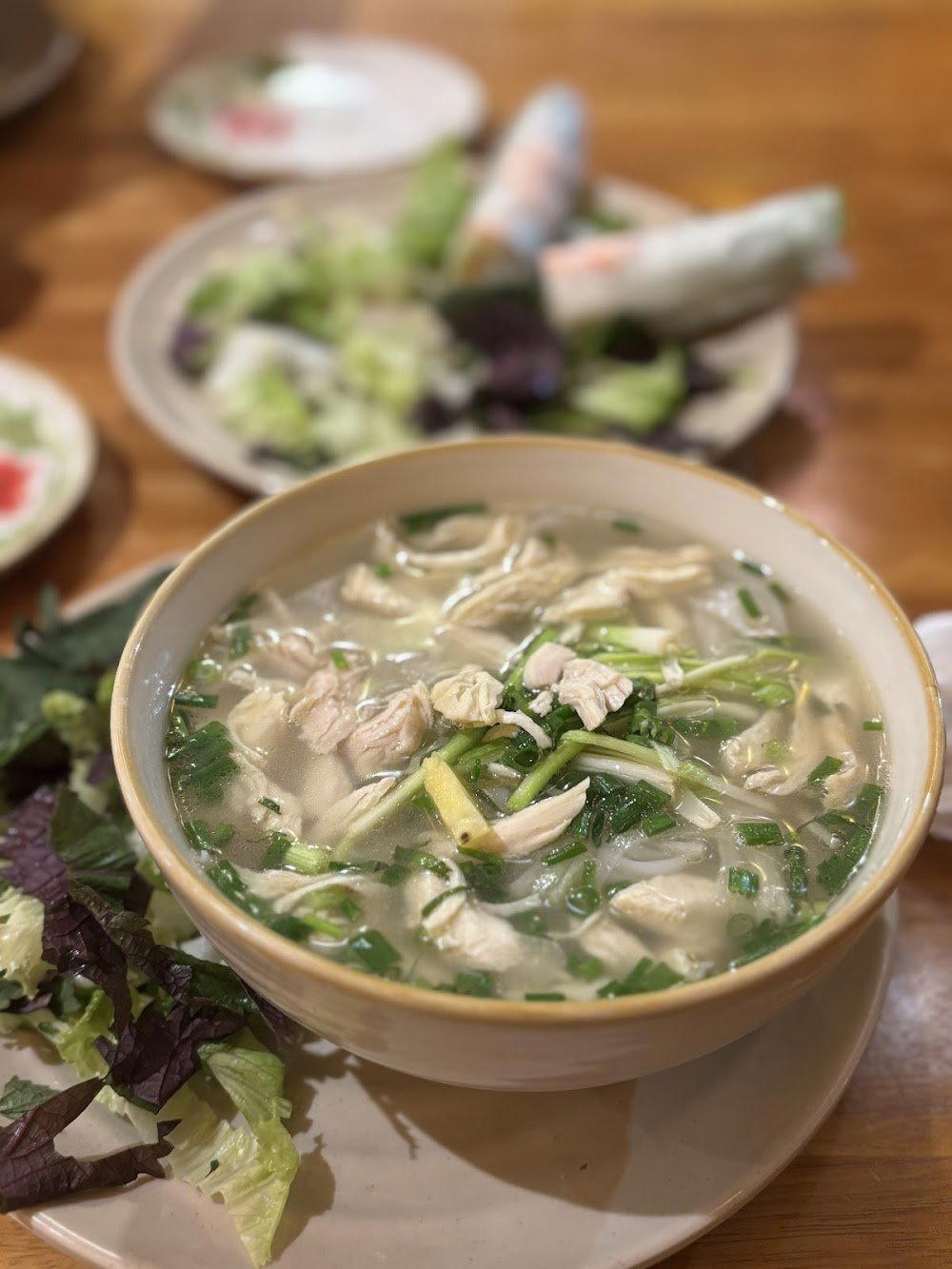
The menu
What to order
- Bún chả
- Pho
- Spring rolls
- Pancakes
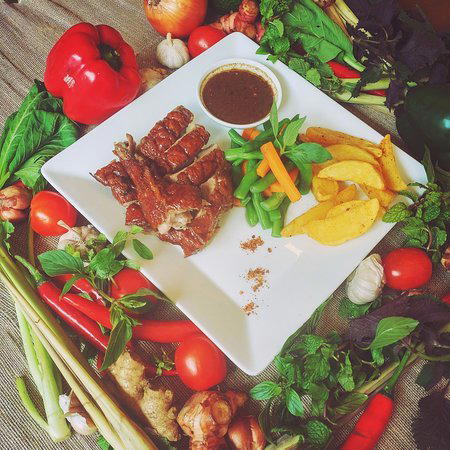
- Stir-fried beef rolls
- Seafood noodle soup
- Crab noodle soup
Where Hoàn Kiếm's Eating Tradition Runs Deepest
Hàng Bè Street cuts through the eastern edge of Hanoi's Old Quarter, a district where the logic of dining is still shaped by neighbourhood specialisation that dates back centuries. Streets named for the goods once traded there — silk, paper, tin — gave way over generations to food stalls, family kitchens, and sit-down houses that occupy the same narrow shophouse formats the traders used. Hanoi Cuisine 1925 sits at number 50B on this street, inside a corridor that connects Hoan Kiem Lake's northern bank to the market lanes of Hàng Bạc. The address is not incidental: this part of Hoàn Kiếm is where the argument for traditional northern Vietnamese cooking is made most consistently, and where a restaurant's name, particularly one invoking a year from the early twentieth century, is read as a statement of positioning, not just branding.
That positioning places Hanoi Cuisine 1925 in a specific tier of the city's dining scene: establishments that treat historical continuity as their primary credential, as distinct from the contemporary Vietnamese restaurants that have emerged around Tây Hồ and the French Quarter. Venues like Gia (Vietnamese Contemporary) operate at the premium end of that modernist register, presenting Vietnamese ingredients through a refined tasting-menu format. Hanoi Cuisine 1925, by contrast, anchors itself to the older end of the spectrum, where the legitimacy of a dish comes from its fidelity to regional tradition rather than its reinterpretation of it.
The Old Quarter as Dining Context
Understanding what Hanoi Cuisine 1925 is requires understanding what the Old Quarter has become as a dining district. Through the 1990s and into the 2000s, international visitors concentrated around Hoàn Kiếm largely for phở, bún chả, and bánh mì, a simplified version of northern Vietnamese cooking that the district's street-food culture genuinely delivers. Over the past decade, a more layered offer has developed: heritage-focused sit-down restaurants that present the fuller range of Hanoian table cuisine, including dishes less visible in the street-food tier, have established themselves as a distinct sub-category.
This sub-category competes on depth rather than novelty. A restaurant invoking 1925 as its frame of reference is signalling a claim to pre-partition, pre-war northern Vietnamese cooking, the cuisine of a Hanoi that existed before the social and economic disruptions that reshaped what and how the city ate. Whether that claim is fully substantiated in the kitchen is something each visitor must assess directly. What the name establishes is a clear intent and a competitive positioning: this is not a restaurant chasing the contemporary Vietnamese tasting-menu format explored at venues like Tầm Vị (Vietnamese) or the heritage-priced formality of 1946 Cua Bac, which uses a similar year-as-brand approach at the entry price tier.
Planning the Visit: Logistics in a High-Demand Corridor
The editorial angle most relevant to Hanoi Cuisine 1925 is planning: the restaurant sits inside one of Hanoi's highest-footfall dining zones, and the practical logistics of visiting it require more forethought than many visitors apply. Hàng Bè and its surrounding streets see significant pedestrian and motorbike traffic, particularly between 11am and 2pm and again from 6pm onward, when the Old Quarter's combination of tourist flow and local dining peaks simultaneously. Arriving without a reservation or confirmed table at peak times in this part of Hoàn Kiếm is a common source of frustration, particularly for groups larger than two.
The address at 50B Hàng Bè is accessible on foot from Hoan Kiem Lake's northern end in under five minutes, making it a logical stop for visitors already oriented around the lake circuit. For those arriving by taxi or ride-share, the narrowness of the Old Quarter streets means the most practical drop-off points are on Đinh Tiên Hoàng or Hàng Bạc, with a short walk from either. The Hibana by Koki (Teppanyaki) and other hotel-based restaurants in the Hoàn Kiếm area operate with reservation systems that buffer against these access complications; a street-level Old Quarter restaurant requires the visitor to manage that friction independently.
For those building a broader Hanoi itinerary around serious eating, the full Hanoi restaurants guide maps the city's dining tiers across neighbourhoods. Visitors comparing the northern Vietnamese heritage approach with what is being done elsewhere in Vietnam can cross-reference against La Maison 1888 in Da Nang or, for a different register entirely, Akuna in Ho Chi Minh City. The contrast between Hanoi's heritage-framed eating houses and what the southern city's contemporary dining scene is producing is one of the more instructive comparisons available to a traveller covering Vietnam seriously.
Internationally, the question of how historical framing functions as a restaurant credential appears in very different contexts, the way Le Bernardin in New York City trades on decades of documented consistency, or how Atomix in New York City builds authority through an entirely different mechanism of tasting-menu precision. In Hanoi's Old Quarter, the credential is typically the address, the name, and the cooking tradition the kitchen claims to represent. Those are worth evaluating on their own terms.
Visitors to the Old Quarter eating scene who want to compare across the 19 P. Ngũ Xã format, or who are building a multi-day Vietnam eating itinerary that includes stops in Hoi An at White Rose (Bông Hồng Trắng), will find that Hanoi Cuisine 1925's approach to northern cooking sits at a meaningful distance from the central and southern Vietnamese traditions those venues represent.
Frequently asked questions
Where is Hanoi Cuisine 1925 in Hanoi?
Hanoi Cuisine 1925 is located at 50B P. Hàng Bè, Hàng Bạc, Hoàn Kiếm, Hà Nội 100000, Vietnam, Hanoi.
What does the 1925 date in Hanoi Cuisine 1925's name refer to?
The year 1925 places the restaurant's identity within early 20th-century Hanoi, a period when the city operated as the administrative capital of French Indochina and its Old Quarter food culture was already distinct from the rest of the country. For a restaurant on Hàng Bè Street in Hoàn Kiếm — a district where guild-based trade and neighbourhood cooking traditions developed over centuries — that date signals an alignment with pre-modern culinary continuity rather than contemporary reinvention. It is a common framing device among Hanoi establishments that want to foreground heritage over novelty.
What's the signature dish at Hanoi Cuisine 1925?
Specific menu details are not published for Hanoi Cuisine 1925, but the restaurant's name and 1925 reference situate it firmly within the Old Quarter's tradition of northern Vietnamese cooking — a canon that centres on pho, bun cha, and cha ca. Dishes from this lineage prioritise restrained, herb-forward profiles rather than the sweeter, bolder palate of southern Vietnamese cuisine. Hàng Bè Street, where the restaurant sits, has long been associated with neighbourhood-specific preparations rather than tourist-facing interpretations.
How far ahead should I plan for Hanoi Cuisine 1925?
Hàng Bè Street runs through one of Hanoi's highest-footfall dining zones, where demand at well-regarded addresses routinely outpaces available seating, particularly during peak tourist periods from October to April. The Old Quarter's street grid also makes approach on foot from the Hoàn Kiếm lakefront relatively direct.
What's the defining dish or idea at Hanoi Cuisine 1925?
The 1925 in the name functions as a positioning statement: it anchors the restaurant to a pre-partition Hanoi culinary identity, before southern influence and wartime disruption reshaped the city's food culture. That framing suggests a menu built around the northern Vietnamese canon rather than pan-Vietnamese fusion. In the Old Quarter context, that distinction matters — Hoàn Kiếm has absorbed significant commercialisation since the 1990s, and restaurants that hold to neighbourhood-specific preparations occupy a different role than those pitching to broader tourist expectations.
Is Hanoi Cuisine 1925 good for vegetarians?
Northern Vietnamese cooking as practised in the Old Quarter is historically meat- and fish sauce-forward, with vegetarian options typically limited to tofu preparations or temple-style dishes rather than a dedicated menu section. No specific vegetarian or dietary accommodation information is published for Hanoi Cuisine 1925 at 50B Hàng Bè. Visitors with strict dietary requirements would be well served by confirming options directly at the restaurant before being seated, as Old Quarter venues in Hoàn Kiếm vary considerably in their flexibility.
A Quick Peer Check
Comparable venues nearby, for context on price, style, and recognition.
| Venue | Cuisine | Price | Awards | Notes |
|---|---|---|---|---|
| Hanoi Cuisine 1925This venue — the venue you are viewing | Traditional Vietnamese | $10–20 | Not listed | Not listed |
| Hanoi Cooking Centre | Traditional Vietnamese Cooking School | Not listed | Not listed | Ba Dinh |
| Cau Go Vietnamese Cuisine | Authentic Regional Vietnamese Cuisine | $10–20 | Michelin Plate | Hoan Kiem |
| Koto Villa | Modern Vietnamese Fusion | Not listed | Not listed | Tay Ho |
| CHA CA TANG LONG | Hanoi Cha Ca (Turmeric Fish with Dill) | $10–20 | Not listed | Hoan Kiem |
| Madame Hien - Vietnamese Restaurant Hanoi | Authentic Vietnamese Fine Dining | $20–30 | Not listed | Hoan Kiem |

Details
- Classic
- Cozy
- Casual Hangout
- Group Dining
- Family
- Historic Building
- Private Dining
- Local Sourcing
- A La Carte
- Family Style
- Vegetarian Friendly
- Vegan Options
- Gluten Free Options
- Halal
Current opening hours
- Monday
- 10 AM–11 PM
- Tuesday
- 10 AM–11 PM
- Wednesday
- 10 AM–11 PM
- Thursday
- 10 AM–11 PM
- Friday
- 10 AM–11 PM
- Saturday
- 10 AM–11 PM
- Sunday
- 10 AM–11 PM
Hours can change for holidays and private events. Last verified .
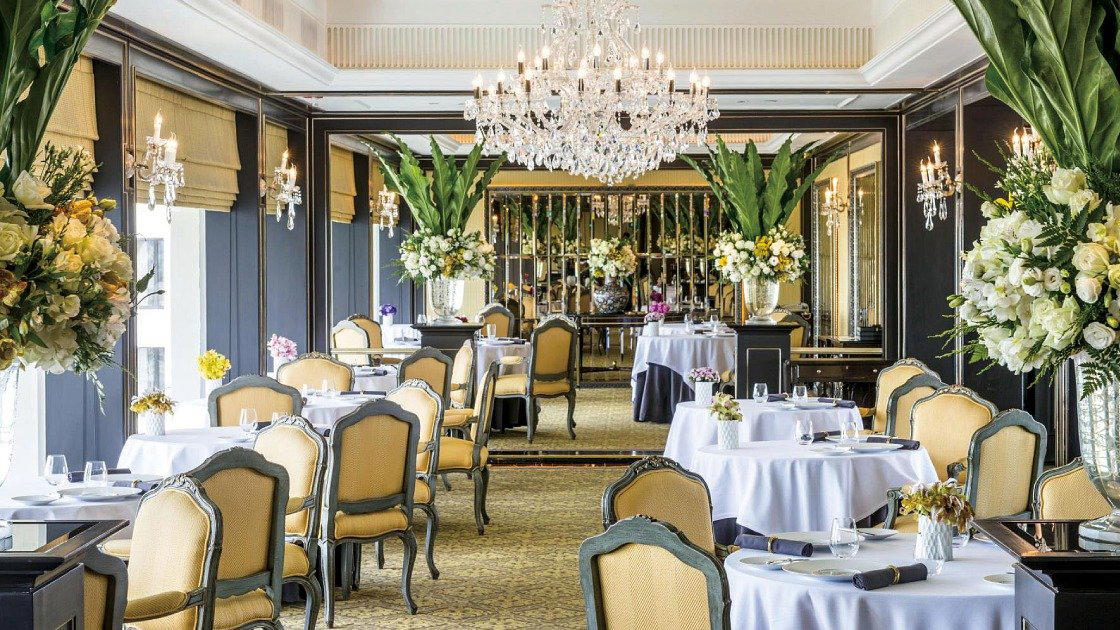
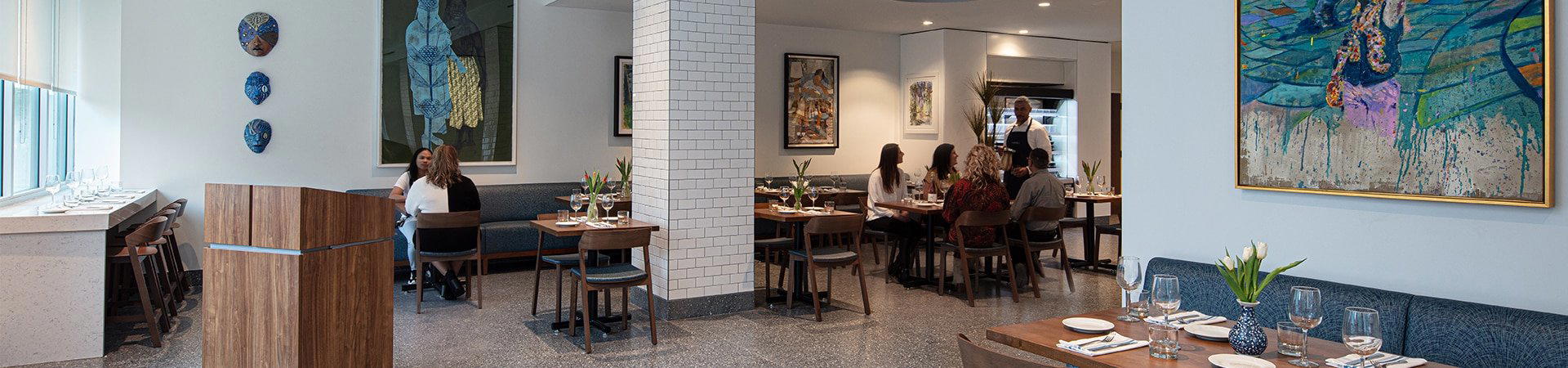
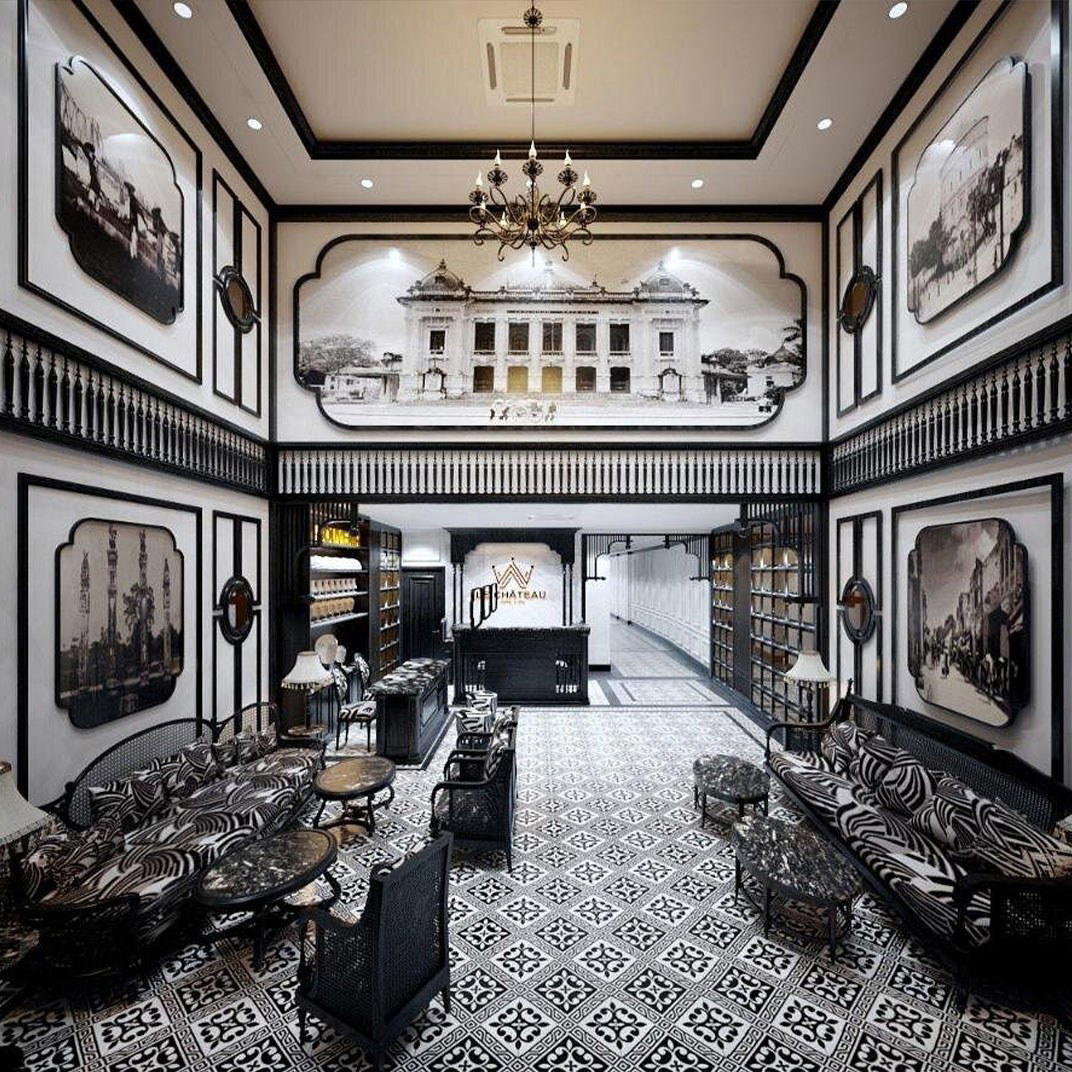
Cool and spacious with a great atmosphere; historic building setting amid quaint winding streets of the Old Quarter providing an oasis of peace amid the city's hustle and bustle.