Hang Ten Boiler
Our verdict
On Santa Clara Avenue in Alameda, Hang Ten Boiler sits at the intersection of East Bay casual dining and the nationwide crawfish boil tradition that has moved steadily up the California coast. The format is communal, the sourcing conversation is central to what the kitchen does, and the address puts it squarely in a neighborhood where seafood-forward concepts have found a consistent audience.

Pearl is the En Primeur Club membership app, where members save venues, book tables and use the concierge.

The menu
What to order
- Lau Lau
- Kalua Pig
- Hawaiian Teriyaki Steak
- Cajun seafood boil
Santa Clara Avenue and the Bay Area Boil Tradition
Alameda's dining corridor on Santa Clara Avenue has quietly assembled a range of formats that would be harder to sustain in Oakland or San Francisco proper, where rent pressure compresses menus toward the commercially safe. The seafood boil category fits that pattern well. It requires space, a tolerance for noise, and a customer base willing to commit to a communal, tactile format. Hang Ten Boiler, at 2315 Santa Clara Ave, occupies that space on the island, positioned within a neighborhood that has supported everything from Cantonese banquet dining at East Ocean Seafood Restaurant to the Southeast Asian flavors of Burma Superstar.
The seafood boil as a format arrived in California carrying Gulf Coast DNA. The Louisiana crawfish boil, the Low Country crab boil, and the Cajun-spiced shellfish traditions of the American South all fed into what became, over the past decade, a distinct West Coast genre. California versions tend to incorporate Pacific ingredients, Dungeness crab especially, and layer Southeast Asian spice profiles alongside the classic Cajun seasoning blends. That fusion is the product of the Bay Area's culinary geography as much as any deliberate innovation. The communities that developed the tradition here drew on Vietnamese, Filipino, and Creole influences in roughly equal measure.
Where the Ingredients Come From
The sourcing argument for a seafood boil concept on the Alameda waterfront is stronger than it would be almost anywhere else in the country. Northern California sits at the edge of some of the most productive cold-water fisheries in the Pacific. Dungeness crab season, which typically runs from late autumn through spring, produces shellfish with a sweetness and firmness that warm-water alternatives rarely match. That seasonal reality shapes the rhythm of any serious boil program in this region in ways that a Gulf Coast operation simply does not face.
Broader East Bay seafood supply chain, connecting operators to Monterey Bay, Bodega Bay, and the Pacific Coast wholesale markets, gives Alameda restaurants access to product that chefs at Le Bernardin in New York City or Emeril's in New Orleans would need to fly in. That proximity is an operational advantage, but it also creates an expectation among local diners. Bay Area customers asking about the crab on a boil menu are often asking about origin, season, and method, not just price. Concepts that treat sourcing as a marketing line rather than an operational reality tend to lose the local audience quickly.
Shellfish-forward formats are also unusually transparent about ingredient quality. A boil does not hide its raw material behind sauce, reduction, or technique in the way a composed plate can. The seasoning blend matters, but the quality of the shellfish itself is the dominant variable. That transparency makes sourcing a real editorial subject at places like Hang Ten Boiler in a way it might not be at a restaurant where protein is one layer among many.
Format, Atmosphere, and the Communal Table
The boil format is inherently democratic. Paper-lined tables, communal trays of shellfish, corn, and potatoes, and the expectation that everyone at the table will eat with their hands establish an atmosphere that formal dining concepts cannot replicate and would not attempt to. Among Alameda's current lineup, which includes the Korean barbecue energy of Fikscue, the noodle discipline of Chong Qing Noodles House, and the Californian cooking at Spinning Bones, Hang Ten Boiler occupies a different register entirely. It is not a place that competes with Lazy Bear in San Francisco or Alinea in Chicago for the special-occasion tasting menu audience. It competes for the group dinner, the celebration-without-formality, the meal where the table matters as much as any individual dish.
That positioning is a deliberate category choice, and it carries its own set of quality signals. The boil's spice blend, the calibration of butter and seasoning, and the timing of the shellfish cook are all technical decisions that separate a careful operator from a careless one. Overcooked shrimp or a flat seasoning blend are immediately obvious in a format where nothing is hidden. The venue's address on Santa Clara Ave places it within walking distance of a residential Alameda population that eats out regularly and holds repeat-visit standards accordingly.
Alameda's Position in the Bay Area Dining Map
Alameda rarely appears in the same conversation as the city's destination-dining tier. The Bay Area's most discussed concepts tend to cluster in San Francisco's Hayes Valley and the Mission, in Berkeley's Gourmet Ghetto, or in the broader Napa and Sonoma corridors represented by places like Single Thread Farm in Healdsburg and The French Laundry in Napa. Alameda operates at a different scale and with a different mandate. Its restaurant economy is built around neighborhood regulars, not destination diners flying in from other markets the way the audience for Providence in Los Angeles, Blue Hill at Stone Barns in Tarrytown, Addison in San Diego, The Inn at Little Washington, Atomix in New York City, or 8 1/2 Otto e Mezzo Bombana in Hong Kong often does.
That neighborhood-first economy is not a limitation. It is a different set of pressures that often produces more honest cooking. A concept in Alameda that fails its regular Tuesday-night customers does not survive on the strength of a favorable press cycle. The feedback loop is tighter, and the margin for inconsistency is smaller. For a boil concept specifically, that regular-customer accountability shapes the product in practical ways: the sourcing has to be consistent because the same diners will notice when it shifts.
For visitors from across the Bay, the venue sits about two miles from the Park Street Bridge, the primary entry point from Oakland. The surrounding stretch of Santa Clara Ave includes parking and is accessible by AC Transit from the Fruitvale BART station. Reservations or walk-in availability is best confirmed directly through the venue ahead of a group visit, particularly for larger parties where table configuration matters.
For a broader picture of what the island's restaurant scene looks like across formats and price points, the full Alameda restaurants guide maps the current lineup alongside venues including Ceron Kitchen.
Planning Your Visit
Hang Ten Boiler is at 2315 Santa Clara Ave, Alameda, CA 94501.
Frequently asked questions
Is Hang Ten Boiler formal or casual?
Hang Ten Boiler operates in the casual register that the seafood boil format demands: paper-lined tables, shared trays, and hands-on eating are standard. Located at 2315 Santa Clara Ave in Alameda, it fits the same communal, unpretentious model found at boil houses up and down the California coast. Leave the dress code concerns at home.
What part of town is Hang Ten Boiler in?
Hang Ten Boiler is located at 2315 Santa Clara Ave, Alameda, CA 94501, Alameda.
How does Hang Ten Boiler compare to other seafood options in Alameda?
Alameda carries more seafood depth than its profile in Bay Area dining coverage would suggest, with Cantonese-style seafood restaurants on the island representing a long-standing tradition. Hang Ten Boiler occupies a distinct format within that mix: the Gulf Coast-influenced boil model, emphasizing seasonings, communal portions, and shellfish by weight, sits apart from the tablecloth seafood or dim sum contexts nearby. For diners coming from Oakland or San Francisco, the Santa Clara Ave corridor offers a lower-pressure, neighbourhood-scaled alternative to the city's destination dining tier.
What's the best thing to order at Hang Ten Boiler?
That said, any Bay Area seafood boil operating this close to Northern California's commercial fishing routes has a credible claim on Dungeness crab, which runs peak season from roughly November through June. Start there and build around it.
Do they take walk-ins at Hang Ten Boiler?
Seafood boil spots in the Bay Area split roughly between reservation-required and walk-in-friendly models, often depending on size and weekend demand. Contacting the venue directly at 2315 Santa Clara Ave, Alameda before visiting on a Friday or Saturday evening is the practical move.
At-a-Glance Comparison
Comparable venues nearby, for context on price, style, and recognition.
| Venue | Cuisine | Price | Notes |
|---|---|---|---|
| Hang Ten BoilerThis venue (the venue you are viewing) | Hawaiian Cajun Seafood Fusion | $20–30 | Not listed |
| Sidestreet Pho | Authentic Vietnamese Pho & Noodles | $20–30 | Encinal |
| Wild Ginger | Xi'an Street Food Noodles | $10–20 | Downtown Alameda |
| Pizzeria Pappo | Italian Pizzeria | $20–30 | Alameda |
| Urban Ka-Re House | Japanese Curry House | $10–20 | South Shore Center |
| Trabocco | Contemporary Italian | $30–50 | South Shore Center |
Continue exploring
More in Alameda
Restaurants in Alameda
All restaurants in Alameda →
Bars in Alameda
All bars in Alameda →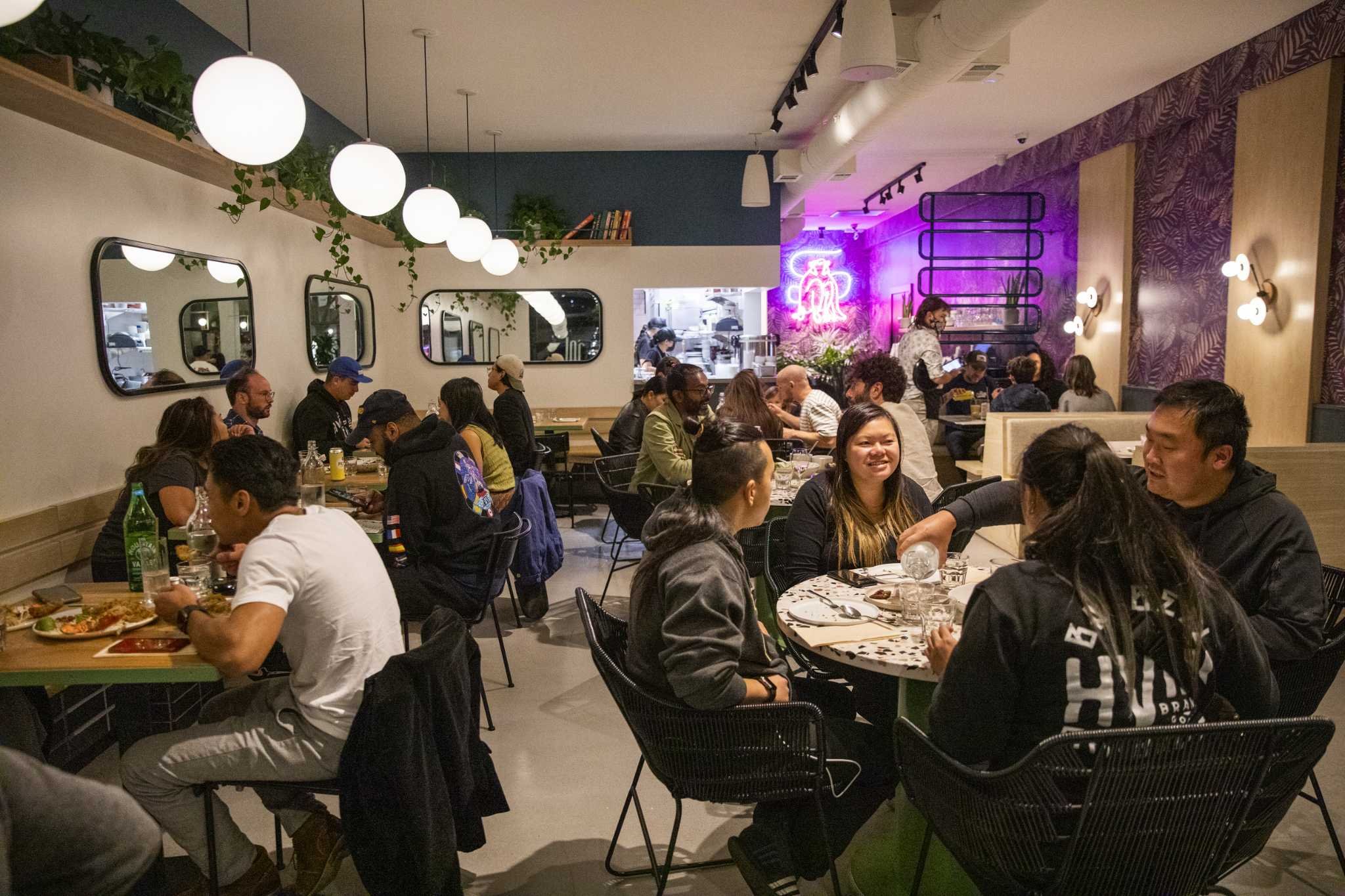


Details
- Lively
- Casual
- Group Dining
- Casual Hangout
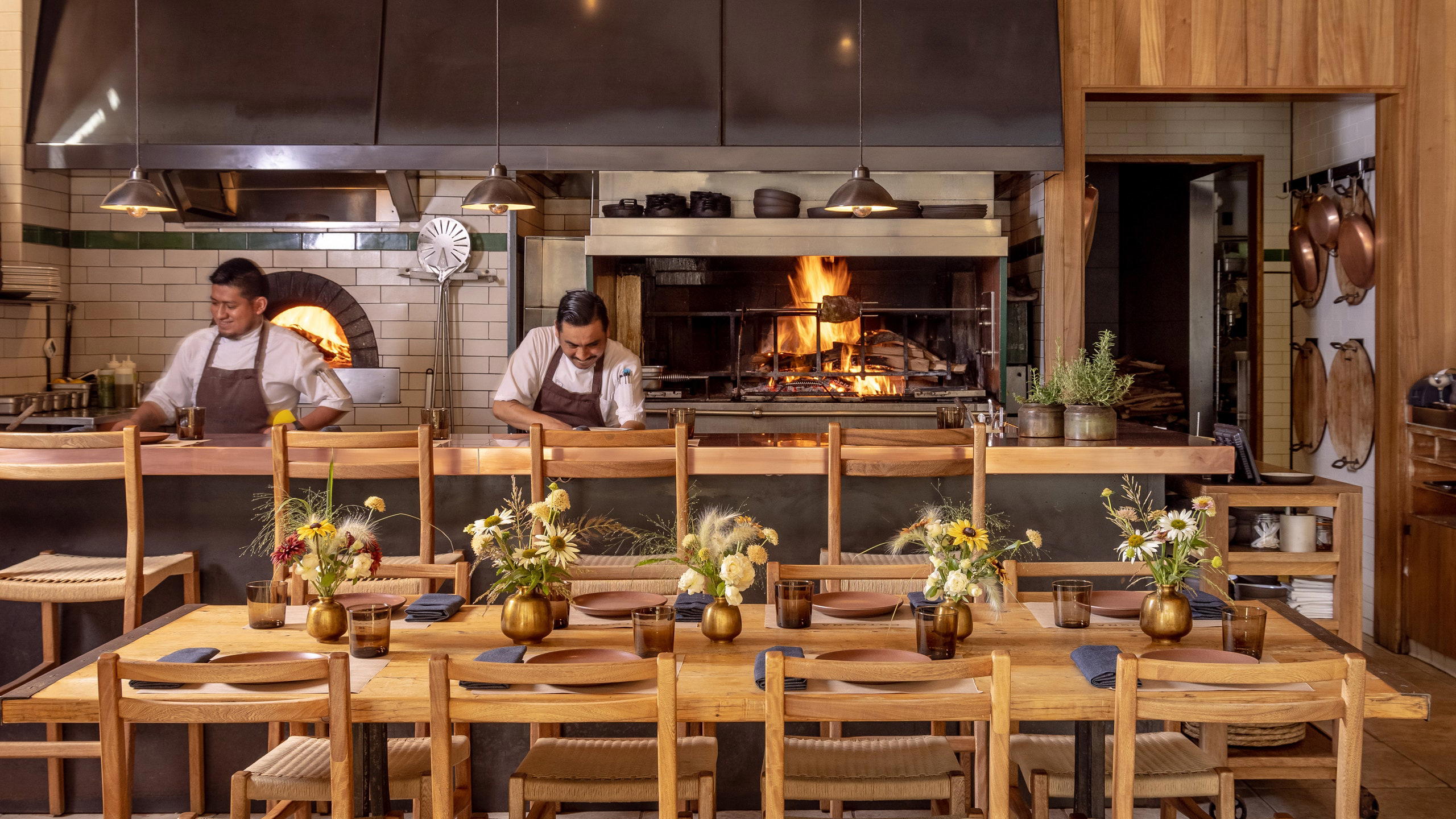
- Open Kitchen
- A La Carte
Current opening hours
- Monday
- 11 AM–9 PM
- Tuesday
- 11 AM–9 PM
- Wednesday
- 11 AM–9 PM
- Thursday
- 11 AM–9 PM
- Friday
- 11 AM–9 PM
- Saturday
- 11 AM–9 PM
- Sunday
- 11 AM–9 PM
Hours can change for holidays and private events. Hours as of .
Casual and lively atmosphere well-suited for down-home, shareable seafood boils and hearty Hawaiian plates.