Hapa Toronto serves modern Japanese izakaya tapas at 602 College St, with an open kitchen, an extensive wine list, and sake for dinner or late night.
Pearl is the En Primeur Club membership app — saves, bookings, and concierge access live there. Same editors, same standards.
- Address
- 602 College St, Toronto, ON M6G 1B4, Canada
- Phone
- +16477484272
- Website
- hapatoronto.com
- Directions
- Get directions
 Saves & bookings on Pearl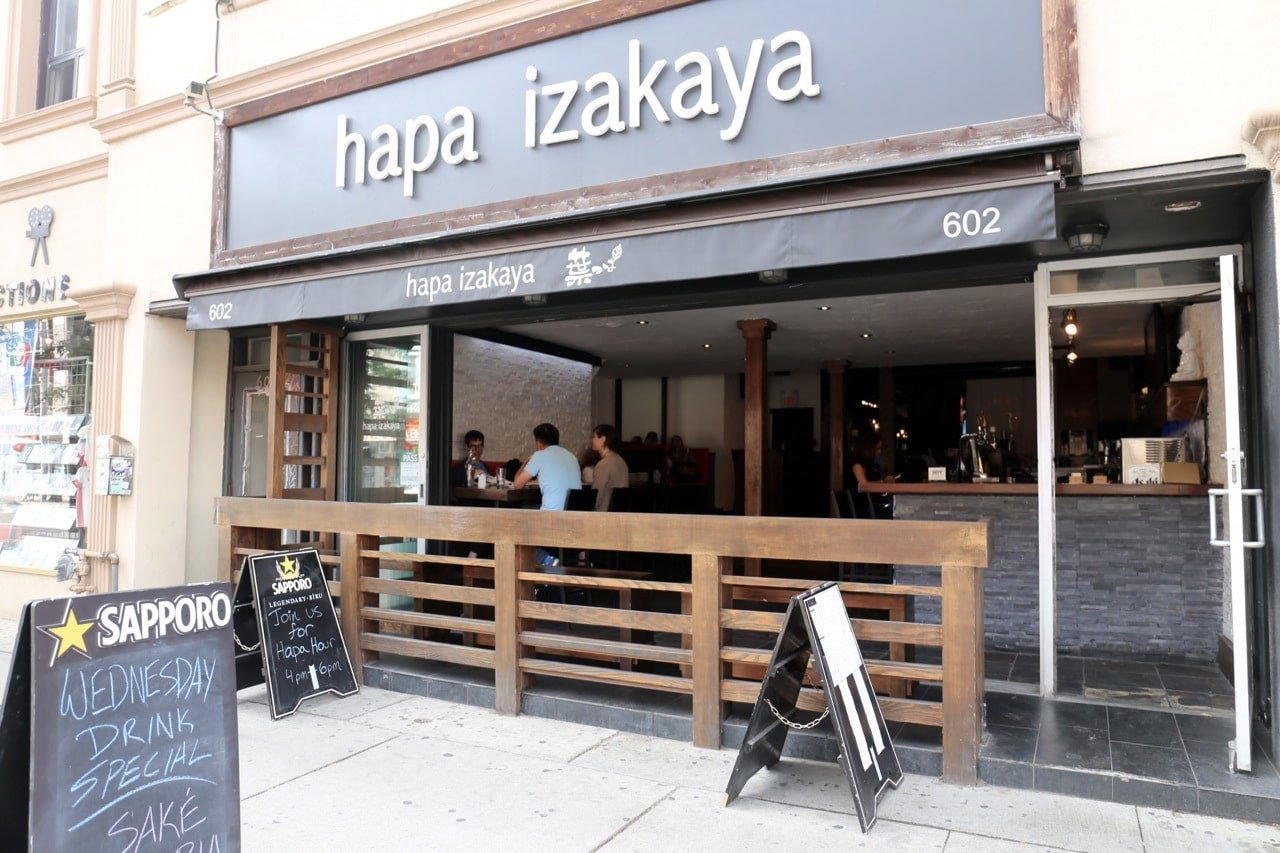
College Street and the Case for Neighbourhood-Scale Dining
Hapa Toronto is a Modern Japanese Izakaya Tapas restaurant at 602 College St in Toronto. It lacks the curatorial self-consciousness of King West and the tourism traffic of the Distillery District. What it has instead is density of purpose: small rooms, regular clientele, kitchens that rely on repeat business rather than novelty cycles. Hapa Toronto, at 602 College St, sits inside that logic. The address places it in a stretch where the room size, the pricing, and the sourcing philosophy all tend to reflect what the neighbourhood will actually sustain over years rather than quarters.
Ethical Sourcing as Structural Commitment
Across Toronto's higher-attention dining tier, sustainability language has become near-universal. The former attach provenance notes to menus. The latter make sourcing choices that constrain what they can serve and when. College Street's smaller-format restaurants have generally trended toward the latter approach, partly because their scale makes the economics of direct supplier relationships more manageable, and partly because their clientele tends to notice the difference.
Hapa Toronto's position on this corridor places it in conversation with that pattern. The name itself references hapa, the Japanese-Hawaiian term for mixed heritage, which signals a kitchen orientation that draws across culinary traditions rather than planting a flag in one. That kind of hybridity, when it functions well, creates more flexibility in ingredient sourcing: a kitchen not locked to one regional cuisine can follow seasonal availability rather than forcing a fixed menu into whatever the season allows. Kitchens doing this credibly tend to work with shorter supply chains, smaller producer relationships, and a higher tolerance for menu change than their more concept-rigid peers.
College Street operations like Hapa Toronto exist in a different tier by price and format but share the underlying orientation toward ingredient provenance as a non-negotiable rather than a marketing layer.
Where Hapa Toronto Sits in the Toronto Dining Spectrum
Toronto's upper dining tier is well-documented. Alo operates at the summit of the contemporary tasting-menu segment. Sushi Masaki Saito and Aburi Hana represent the city's serious Japanese counter tier. DaNico and Don Alfonso 1890 anchor the Italian fine-dining bracket. These are all $$$$ operations with booking lead times, dress expectations, and meal durations that signal a particular category of occasion dining.
The restaurant operates in a different register. College Street's dining rooms tend to be accessible rather than aspirational, which does not diminish their seriousness. The trade-off is different: less ceremony, more frequency. Regulars rather than one-time milestone diners. That format, when executed with genuine sourcing discipline and culinary coherence, produces restaurants with longer lifespans and more consistent quality than their higher-profile counterparts, who can sometimes drift as media attention fades. The neighbourhood-scale model has produced some of Canada's most durable dining institutions, from Aux Anciens Canadiens in Quebec to local operators who outlast several generations of splashier competitors.
The Broader Canadian Context
Canada's most compelling sustainability-committed kitchens are distributed unevenly across the country. Quebec has developed a particularly strong tradition, visible in operations like Tanière³ in Quebec City and Jérôme Ferrer's Europea in Montreal, where terroir-connected cooking has become part of the regional culinary identity. On the West Coast, AnnaLena in Vancouver represents a model of ingredient-forward cooking that treats provenance as structure rather than decoration. Ontario's contribution to this conversation includes both rural operators and urban kitchens that manage supplier relationships across the province's agricultural zones.
Toronto's role in that ecosystem is primarily as a market: large enough to sustain suppliers through volume, diverse enough to support culinary hybridity. Restaurants on College Street benefit from proximity to the city's wholesale infrastructure while maintaining the scale that allows for more selective purchasing. That combination, urban access with neighbourhood-restaurant discipline, is what allows a kitchen like Hapa Toronto to sit at a different price point than the city's trophy tables while potentially operating with comparable sourcing seriousness.
For readers tracking the broader Ontario dining scene, Narval in Rimouski and Barra Fion in Burlington offer additional reference points for how smaller-market kitchens approach local sourcing differently from their metropolitan counterparts. And for North American comparisons at the highest level, Le Bernardin in New York City and Atomix in New York City demonstrate how ingredient discipline and cultural hybridity operate at the summit of the fine-dining tier, providing a useful benchmark for what College Street kitchens are working toward at a different scale.
Planning a Visit
The restaurant is located at 602 College St in Toronto's west end, within walking distance of Ossington Station and well-served by the College streetcar. The neighbourhood rewards arriving early enough to explore the surrounding block before dinner. Given the format and the street's general booking patterns, reservations are advisable for weekend visits, though the restaurant's College Street context suggests a more accessible booking window than the city's tasting-menu operations. Reservations are recommended. For a complete picture of the city's dining options across price tiers and cuisine types, the EP Club Toronto guide covers the full range alongside properties like Bearspaw Golf Club in Calgary for readers planning broader Canadian itineraries.
- Hamachi Oshisushi
- Tonfisk Carpaccio
- Kyckling Yakitori
- Ebi Mayo
- Habanero Kamikaze Karaage
- Wagyu Meatballs
A Minimal comparable set
Comparable venues nearby, for context on price, style, and recognition.
| Venue | Cuisine | Price | Notes |
|---|---|---|---|
| Hapa TorontoThis venue — the venue you are viewing | Not listed | $$ | Not listed |
| Boku | Not listed | $$ | Waterfront Communities-The Island, Pan-Asian Ramen & Noodle Bar |
| Fonda Balam | Little Italy, Authentic Mexican Taqueria | $$ | Not listed |
| Levant | Not listed | $$ | Dovercourt-Wallace Emerson-Junction, Levantine Sicilian Pizza Fusion |
| Aloette Go | Not listed | $$ | Liberty Village, Modern American Burgers & Fried Chicken |
| Burdock Brewery | Not listed | $$ | Wallace Emerson, Contemporary Canadian Gastropub |
Continue exploring
More in Toronto
Restaurants in Toronto
Browse all →

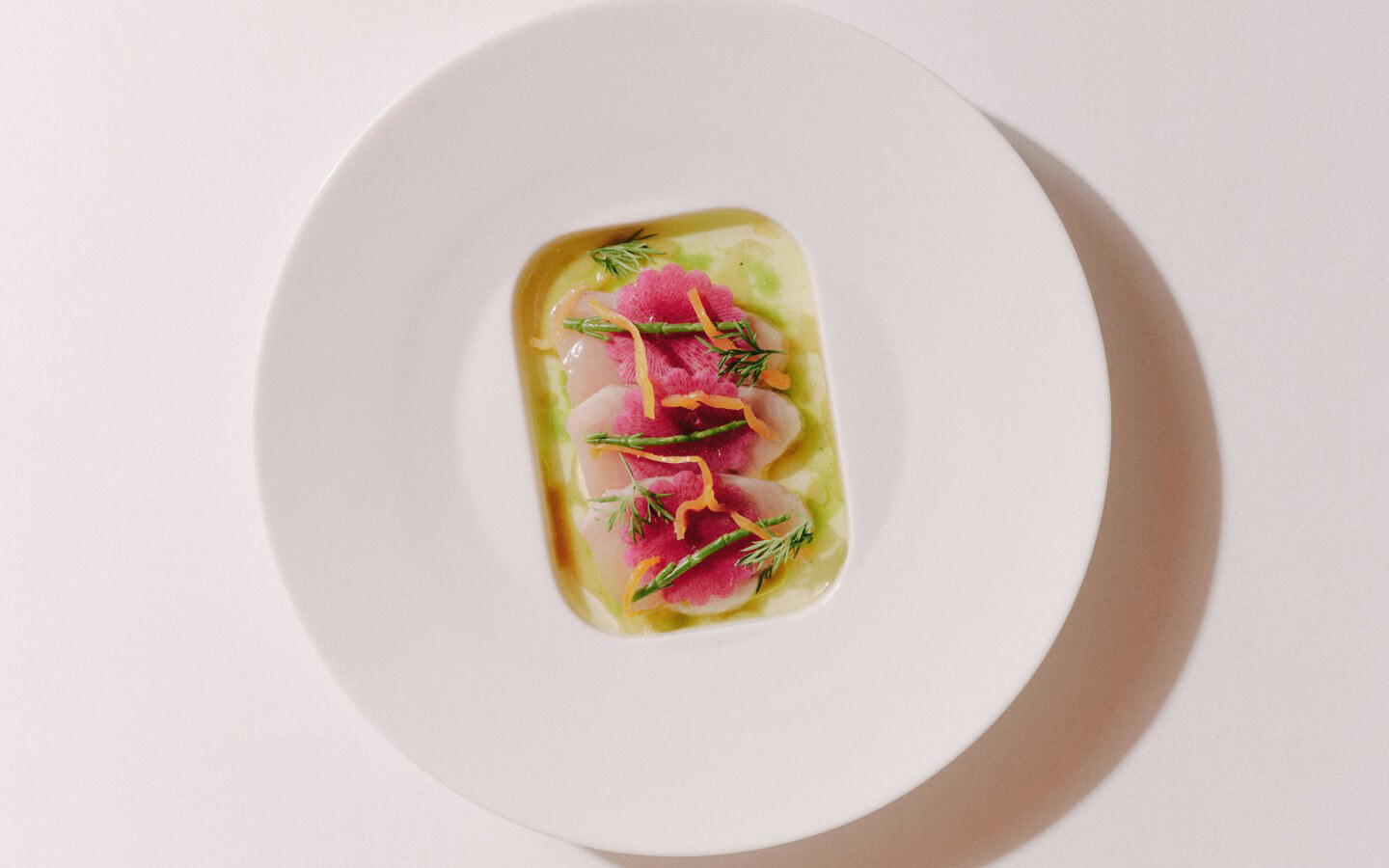
Bars in Toronto
Browse all →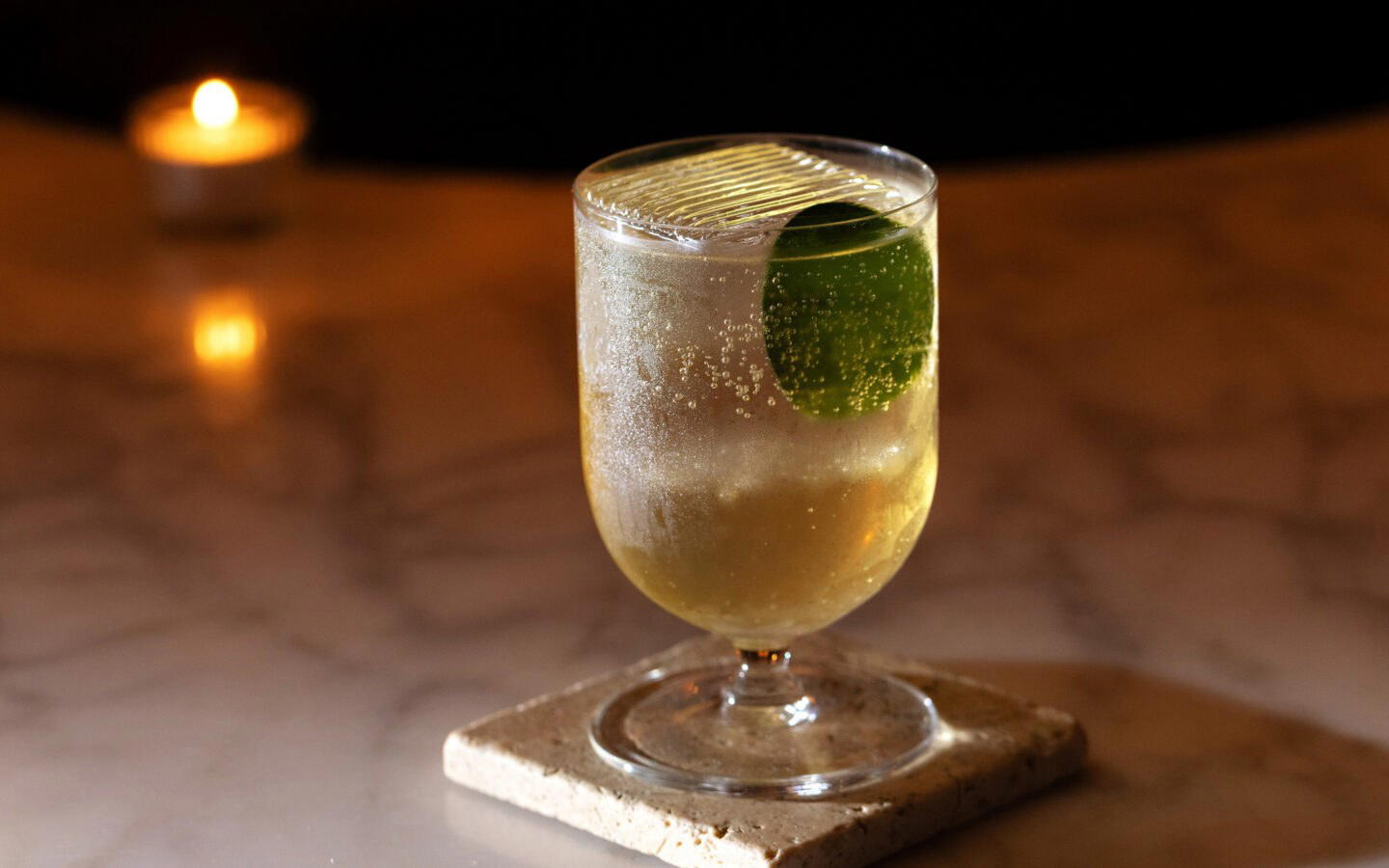

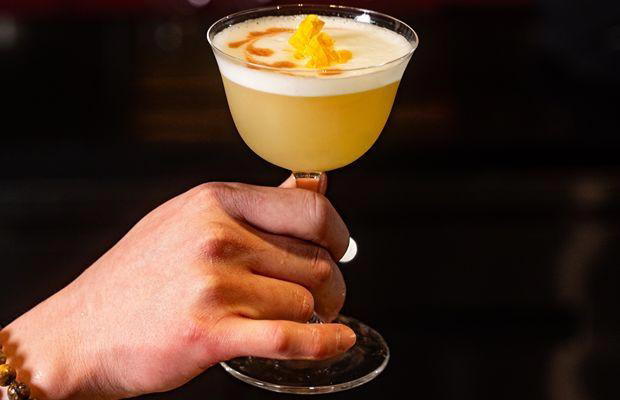
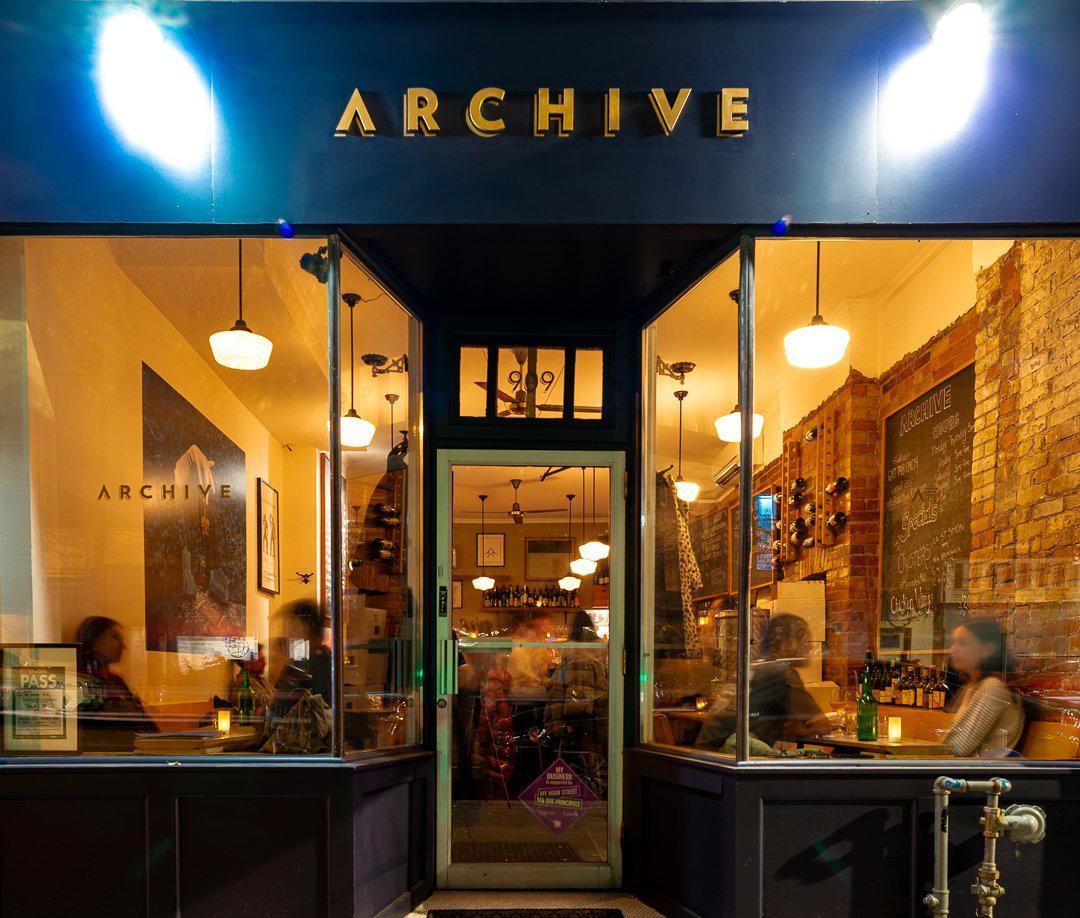
Hotels in Toronto
Browse all →


At a Glance
- Lively
- Trendy
- Energetic
- Modern
- Casual Hangout
- Group Dining
- After Work
- Late Night
- Open Kitchen
- Standalone
- Extensive Wine List
- Sake Program
- Craft Cocktails
- Beer Program
- Sustainable Seafood
- Local Sourcing
Current opening hours
- Monday
- Closed
- Tuesday
- Closed
- Wednesday
- 5 PM–2 AM
- Thursday
- 5 PM–2 AM
- Friday
- 5 PM–2 AM
- Saturday
- 5 PM–2 AM
- Sunday
- 5 PM–2 AM
Hours can change for holidays and private events. Last verified .
Lively neighborhood izakaya with a playful, modern Japanese pub atmosphere; lively noise level with late-night energy.