Our verdict
Hanabusa occupies the second floor of a low-key building in Azabu-Juban, one of Minato's most considered dining neighbourhoods. The address places it in close proximity to some of Tokyo's most demanding restaurant rooms, where collaborative floor-to-kitchen execution is the standard by which everything is measured. Booking ahead is advisable for this Azabu-Juban address.

Pearl is the En Primeur Club membership app — saves, bookings, and concierge access live there. Same editors, same standards.
Azabu-Juban and the Architecture of Collaborative Dining
There is a particular kind of restaurant that Tokyo does better than almost any other city: the second-floor room that reveals itself slowly, reached by a narrow staircase off a residential side street, with nothing at street level to signal what lies above. Azabu-Juban has long been one of the neighbourhoods where this format concentrates. It sits at a remove from the louder dining corridors of Roppongi and Nishi-Azabu, with a residential permanence that tends to attract restaurants built around repetition and regularity rather than spectacle. Hanabusa, at 2 Chome-7-11 in the building that bears its name, fits that pattern precisely.
The neighbourhood itself sets the frame. Azabu-Juban has a dual character that is worth understanding before you arrive: it functions as a local shopping street with old-school shotengai rhythm during the day, then shifts register entirely by evening, when the side streets fill with the kind of quiet, purposeful diners who have a reservation and know exactly why they made it. The area draws comparison to certain arrondissements in Paris where proximity to embassies and foreign residents has historically pushed restaurant standards upward. That pressure is still visible in Minato's dining culture, and Hanabusa sits within it.
The Logic of Team-Driven Service in Tokyo's Mid-Scale Tier
Tokyo's premium dining has long been read through the lens of the individual itamae or chef-patron, but the more instructive pattern in recent years is how much the city's better rooms have shifted toward ensemble execution. The floor-to-kitchen relationship at a well-run Tokyo restaurant is not incidental to the meal; it is structural. Timing, pacing, the decision about when to pour and when to hold, the way a dish is introduced or left to speak without commentary — these are choreographic choices made by a team in real time. Venues in the Azabu-Juban and surrounding Minato neighbourhoods operate in an environment where that expectation is baseline rather than exceptional.
At the high end of this spectrum, counters like Harutaka demonstrate how a tightly coordinated small team can compress the distance between kitchen intention and table experience to near zero. Further along the stylistic range, L'Effervescence shows how French technique, when filtered through a Japanese hospitality sensibility, produces service pacing that Western-trained diners often find disorienting at first and then impossible to forget. RyuGin operates at the kaiseki end of the same spectrum, where the front-of-house team functions almost as interpreters between a highly technical kitchen and guests who may not have the cultural vocabulary to read what is on the plate without guidance. These are the rooms against which any serious Minato-area restaurant is implicitly measured.
What the Address Implies
Hanabusa's location on the second floor of its own named building in Azabu-Juban is a logistical detail that carries meaning. Restaurants that occupy purpose-named buildings in this part of Tokyo are typically owner-operated over a long period; the building name is a statement of commitment rather than convenience. The Azabu-Juban address also positions the venue within easy reach of Azabu-Juban Station on the Namboku and Oedo lines, making it accessible from Roppongi, Hiroo, and the broader Minato network without requiring the navigational patience that some outer-neighbourhood restaurants demand.
For visitors arriving from outside Tokyo, the broader Japan dining network provides useful calibration. HAJIME in Osaka and Gion Sasaki in Kyoto represent the kind of region-defining restaurants that set a national register; Tokyo's neighbourhood rooms operate with awareness of that broader standard, even when they are smaller and less decorated. akordu in Nara and Goh in Fukuoka show how cities beyond the major triangle are producing technically serious cooking that travels well as a reference point. Hanabusa, as a Minato address, competes in a conversation that extends well beyond its postcode.
Seasonal Timing and When to Go
Azabu-Juban restaurants tend to track Tokyo's culinary seasons closely, because the neighbourhood's clientele is both local enough to expect seasonal responsiveness and internationally connected enough to bring comparative expectations. Spring, when cherry blossom season drives significant visitor volume across the city, is also the period when Tokyo kitchens shift toward lighter, more ingredient-forward formats. Autumn is the other peak: the city's dining culture intensifies in September and October, reservation windows tighten, and the cooking at serious rooms typically reflects the shift in available produce with notable sharpness. Planning a visit to this part of Minato in either season, and booking as far in advance as the venue's policy allows, is the direct approach.
For the wider Tokyo picture, our full Tokyo restaurants guide maps the city's dining by neighbourhood and format. Cross-referencing with venues like Sézanne and Crony gives a sense of where French-influenced and innovative cooking sits in the current Tokyo hierarchy. For comparison outside Japan, the collaborative service model that Tokyo executes with particular discipline also defines rooms like Le Bernardin in New York and Atomix, where Korean technique meets a similarly choreographed front-of-house standard.
Elsewhere across Japan, the range of serious regional cooking is wider than many visitors initially account for. Nanao's dining scene, Sapporo's evolving restaurant culture, Takashima, and Nishikawa Machi each represent formats worth understanding before assuming that Tokyo holds a monopoly on precision. Birdland in Sakai and Bistro Ange in Toyohashi fill out the picture of how Japan's secondary cities have built distinct dining identities that resist easy categorisation.
Planning Your Visit
Hanabusa is located at 2 Chome-7-11 Azabujuban, Minato City, Tokyo, on the second floor of the Hanabusa Building. Azabu-Juban Station (Namboku Line, Oedo Line) is the nearest transit point. The neighbourhood rewards arriving with time to walk the surrounding streets before a reservation; the transition from the shotengai atmosphere to the quieter restaurant-lined side streets is part of understanding why this part of Minato has sustained its dining reputation across decades.
Frequently asked questions
Is Hanabusa suitable for a first visit to Tokyo's serious dining scene?
Azabu-Juban as a neighbourhood is often a sensible entry point into Tokyo's more considered restaurant culture precisely because it is less saturated with tourist-facing venues than Roppongi or Ginza. A second-floor room in a named building in this part of Minato is more likely to reflect the rhythms of the local dining public than the expectations of the international press circuit. For visitors building familiarity with the city's restaurant culture, cross-referencing Hanabusa with nearby addresses and the broader Tokyo restaurants guide will help calibrate where it sits in the full picture.
City Peers
Comparable venues nearby, for context on price, style, and recognition.
| Venue | Cuisine | Price | Awards | Notes |
|---|---|---|---|---|
| HanabusaThis venue — the venue you are viewing | Edomae Sushi Omakase | $200–300 | Not listed | Not listed |
| くろぎ | Tokyo Kappo Kaiseki | $300–500 | Not listed | Hamamatsucho |
| Hatanaka | Traditional Tempura Omakase | $150–200 | Not listed | Minato |
| 霞町 やまがみ | Seasonal Japanese Kaiseki Omakase | $300–500 | 1 Michelin Star · Tabelog 100 #44 | Minato |
| Yakiniku Ushigoro Nishiazabu | Premium Yakiniku (Japanese BBQ) | $150–200 | Tabelog 100 #49 | Minato |
| CHIKAMINE | Seasonal Tempura Omakase | $100–150 | Tabelog 100 #76 | Shibuya |
Continue exploring
More in Tokyo
Restaurants in Tokyo
All restaurants in Tokyo →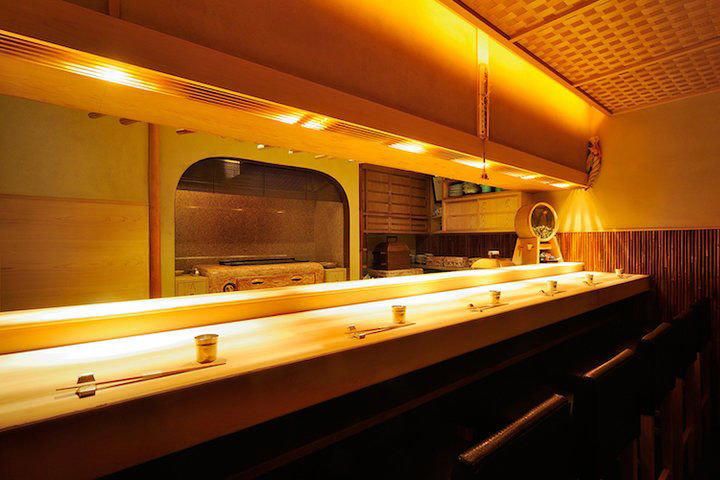

Bars in Tokyo
All bars in Tokyo →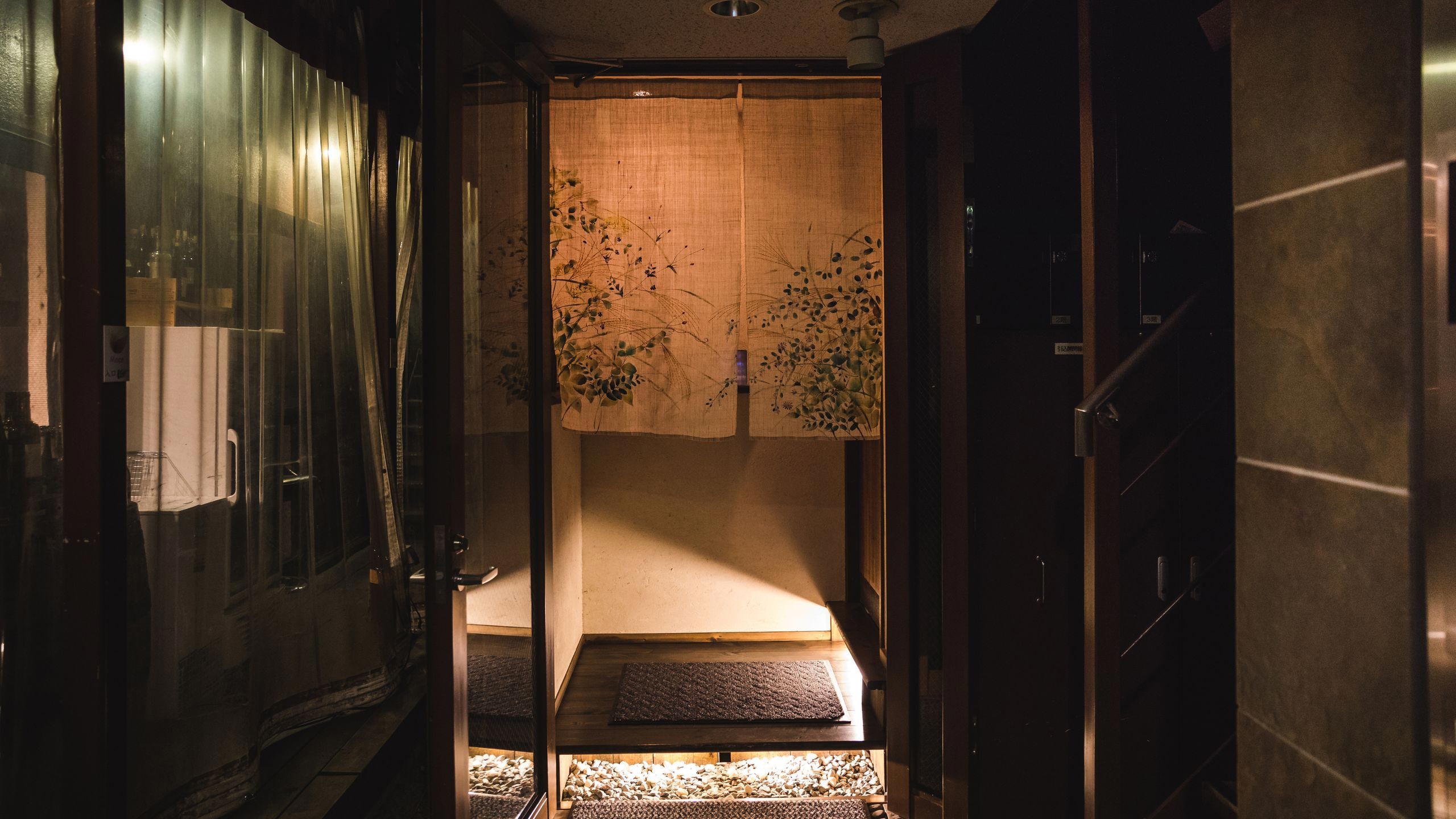



Details
- Classic
- Intimate
- Elegant
- Date Night
- Special Occasion
- Chefs Counter
- Sake Program
- Omakase
- Counter Dining
- Sake
- Japanese Beer
Current opening hours
- Monday
- 11:30 AM–3 PM, 5:30–10 PM
- Tuesday
- 11:30 AM–3 PM, 5:30–10 PM
- Wednesday
- 11:30 AM–3 PM, 5:30–10 PM
- Thursday
- 11:30 AM–3 PM, 5:30–10 PM
- Friday
- 11:30 AM–3 PM, 5:30–10 PM
- Saturday
- 11:30 AM–3 PM, 5:30–10 PM
- Sunday
- 11:30 AM–3 PM, 5:30–10 PM
Hours can change for holidays and private events. Last verified .
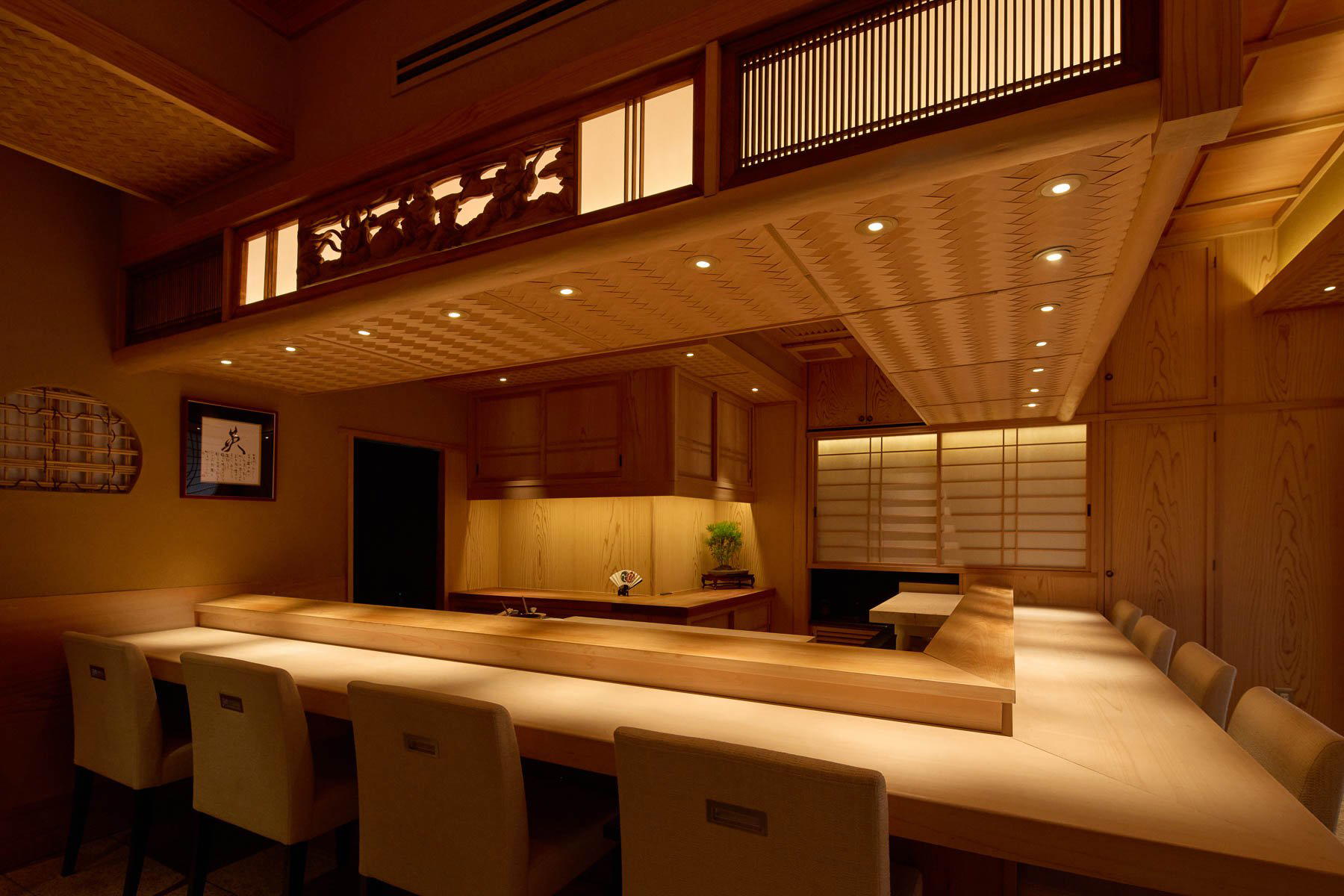
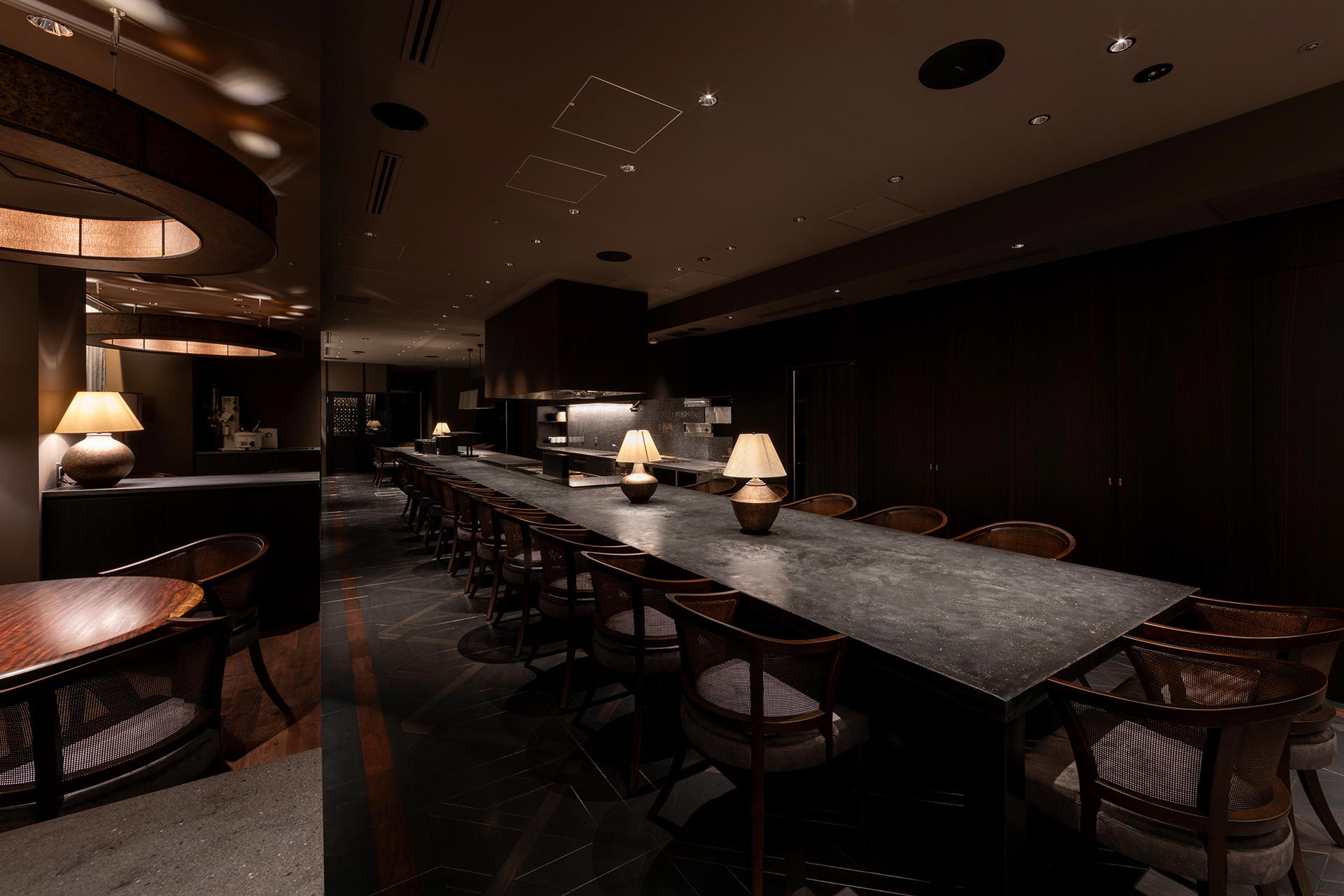
Old-timey wooden counter in a cozy, quiet setting evoking Edo-era sushi tradition.