Handi
Our verdict
Handi occupies a spot on Rua Vitorino Costa in Bissau, where Guinea-Bissau's Portuguese colonial history and West African culinary traditions converge on the same table. The restaurant sits within a dining scene that remains largely undocumented by international guides, making it one of the few named reference points for the city's mid-range eating culture. Visitors looking for an anchor in Bissau's restaurant circuit will find Handi a practical starting point.

Pearl is the En Primeur Club membership app — saves, bookings, and concierge access live there. Same editors, same standards.
- Address
- Rua Vitorino Costa, Bissau, Guinea-Bissau
- Phone
- +245 965 131 775
- Hours
- Daily 11 AM–11:30 PM
- Directions
- Get directions
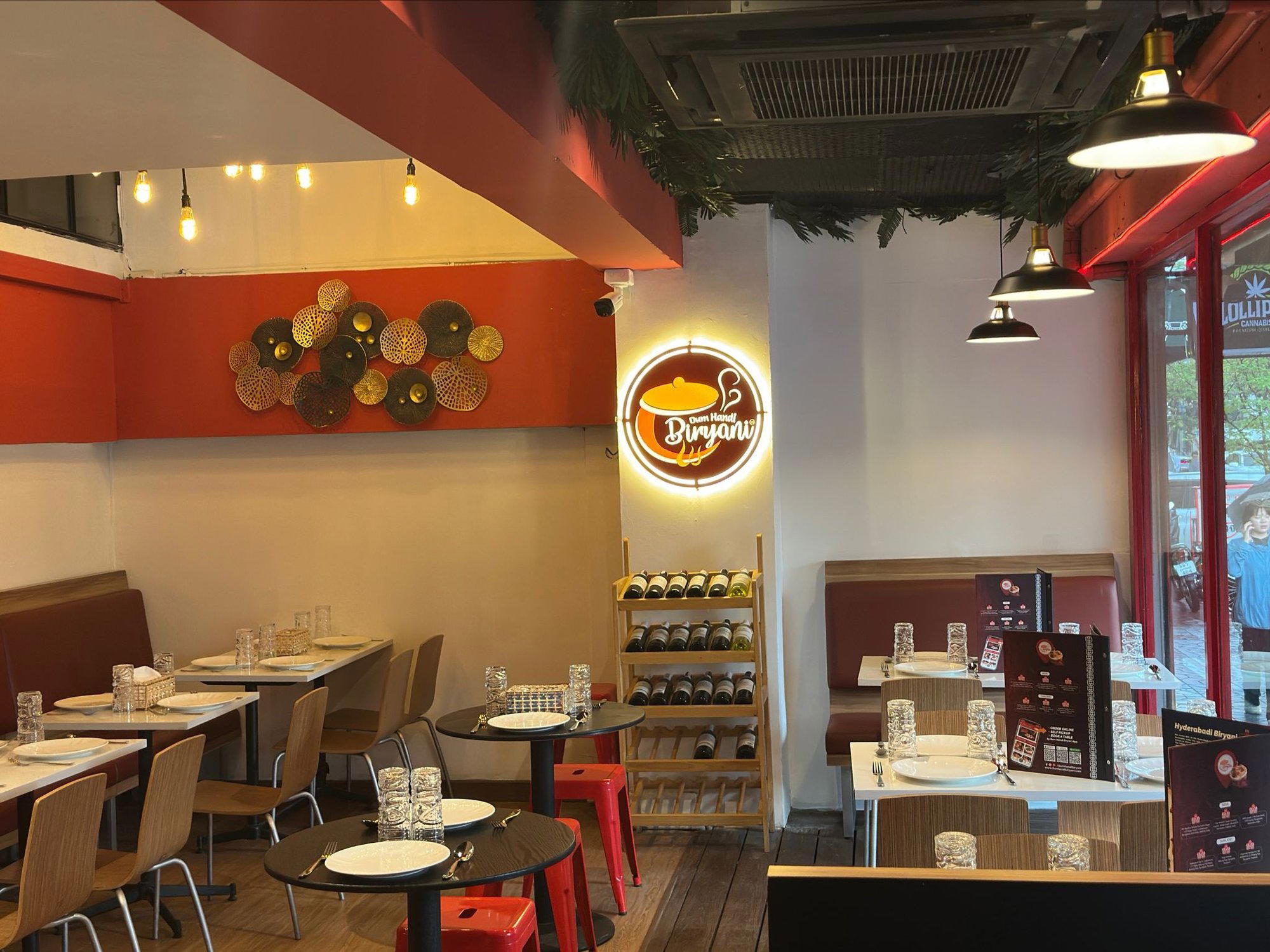
Eating in Bissau: What the City's Dining Scene Actually Looks Like
Guinea-Bissau's capital sits at the intersection of Mandinka, Fula, Balanta, and Portuguese culinary influences, and that convergence shapes every meal the city produces. Bissau is not a city that appears on the itineraries of food-focused travellers who follow the award circuits. There are no Michelin inspectors on the ground here, no 50 Best voters filing reports. What exists instead is a local eating culture shaped by Atlantic seafood, cashew-farming communities, and a colonial past that left Portuguese techniques woven through the way rice, fish, and palm oil get handled in kitchens across the city. Handi, on Rua Vitorino Costa, is one of the named reference points within that scene — a place that surfaces when residents and arriving visitors try to orient themselves in a city with very little published dining infrastructure.
The Cultural Weight Behind the Food
To understand what a restaurant in Bissau is doing, you need to understand the food traditions it draws from. West African coastal cooking in this part of the continent places heavy emphasis on slow-cooked stews, fermented condiments, freshwater and saltwater fish, and grains other than the wheat that European fine dining built itself around. Rice is foundational in Guinea-Bissau — not as a side, but as the structural centre of a meal. Palm oil, smoked fish, and peanut-based sauces carry flavour in ways that have no direct European parallel. Against that backdrop, the Portuguese influence shows up in the form of grilled preparations, vinegar-based marinades, and a general comfort with seafood that mirrors what you find in Lisbon's tascas, even if the specific species and spicing move in a different direction.
This double inheritance is what gives Bissau's restaurant scene its particular character. You are not eating a cuisine that has been codified, exported, and refined through international competition the way that, say, the tasting menu format at Atomix in New York City represents a Korean-influenced fine dining tradition, or the way Arzak in San Sebastián sits at the apex of a decades-long Basque culinary conversation. Bissau's food culture is local, adaptive, and largely oral, passed through households and market kitchens rather than culinary schools or tasting-menu laboratories.
Where Handi Sits in the City's Dining Structure
Bissau's restaurant circuit is small enough that a handful of addresses account for most of what visiting travellers encounter. Bioko and Larosa are the other named establishments that appear alongside Handi in the same general conversation about where to eat in the city. None of these venues operate in a context of abundant competition, and none carry formal international recognition. The absence of awards data, published price tiers, or verified capacity figures for Handi reflects the broader documentary gap in how West African capital-city dining gets recorded internationally rather than anything specific to the restaurant itself.
For comparison, even within West Africa, cities like Dakar and Abidjan have attracted more international food writing than Bissau, despite Guinea-Bissau's Atlantic seafood access being arguably comparable. That asymmetry is about economic scale and tourism infrastructure, not about the food itself. Travellers who reach Bissau, whether for business connected to the cashew export economy, NGO work, or regional travel through the archipelago that includes Restaurante in Bolama on Bolama Island, tend to work from word-of-mouth recommendations rather than review aggregators.
What to Expect When You Arrive
Rua Vitorino Costa is a named street in central Bissau, and Handi's presence on it places the restaurant within the walkable urban core rather than in a peripheral neighbourhood. This is consistent with how dining in Bissau generally functions: the formal booking culture that governs access to a counter at Le Bernardin in New York City or the months-long lead time required for certain tasting menus at Lazy Bear in San Francisco simply does not apply here. The friction is different, finding reliable transport, confirming the kitchen is open on a given afternoon, understanding whether a dish requires advance notice, but the reward is proportionally more direct: you are eating in a city where the food has not been shaped by the expectation of outside evaluation.
The Larger West African Dining Conversation
Guinea-Bissau's cuisine exists within a West African food tradition that is receiving growing international attention, even if the country itself remains peripheral to that attention. The techniques and ingredients that appear in Bissau kitchens, fermented locust beans, dried shrimp, palm wine, baobab preparations, are increasingly discussed in the same conversations that surround the formal recognition of African culinary traditions at institutions elsewhere. Restaurants like Aponiente in El Puerto de Santa María have demonstrated how overlooked coastal ingredients can be repositioned within fine dining contexts. The ingredients available in Guinea-Bissau's markets carry the same potential, Atlantic bivalves, river fish, cashew fruit, but the local restaurant culture is not currently oriented toward that kind of repositioning. It is oriented toward feeding people well, which is a different and arguably more durable objective.
For the traveller coming from a context of highly documented dining, the kind of reader who tracks the programmes at Alinea in Chicago, Alléno Paris au Pavillon Ledoyen, or Arpège in Paris, Handi and the handful of comparable Bissau addresses require a recalibration of the evaluation framework. The relevant questions are not about tasting menu coherence, sommelier depth, or kitchen brigade credentials. They are about whether the fish is fresh, whether the rice has been cooked with care, and whether the kitchen reflects the ingredients available at the Bandim market that morning. Those are not lesser questions. They are older ones.
Planning a Meal at Handi
Bissau's infrastructure means that conditions at any given restaurant can shift seasonally or week to week in ways that static listings do not capture. Visitors arriving from elsewhere in the region, including those transiting through the Bijagós Archipelago or the island circuit, should treat Handi as one point within a wider exploration of the city's eating options. For a fuller picture of where to eat across the capital, the EP Club full Bissau restaurants guide maps the available options against neighbourhood context and category. Peer venues including Bioko and Larosa are worth cross-referencing when building a multi-day eating itinerary in the city.
Frequently asked questions
What's the address for Handi?
Handi is located at Rua Vitorino Costa, Bissau, Guinea-Bissau, Bissau.
Is Handi a good option for travellers visiting Guinea-Bissau for the first time?
For first-time visitors to Guinea-Bissau, Handi's central Bissau address on Rua Vitorino Costa makes it a practical entry point into the city's food culture without requiring transport to peripheral neighbourhoods. Guinea-Bissau's cuisine draws on one of West Africa's more distinctive coastal traditions, shaped by Balanta, Mandinka, Fula, and Portuguese influences — a combination you won't encounter in the same form elsewhere in the region. No pricing or hours data is currently confirmed, so factor flexibility into your schedule.
What's the signature dish at Handi?
Given Bissau's culinary context — where Mandinka, Fula, Balanta, and Portuguese influences converge — expect preparations rooted in West African coastal cooking traditions. Ask the staff directly when you arrive on Rua Vitorino Costa for what is being served that day.
Should I book Handi in advance?
In Bissau's compact dining circuit, the standard practice is to enquire at your accommodation — a hotel concierge or guesthouse host will typically know whether a walk-in works or whether a same-day visit to the restaurant on Rua Vitorino Costa is advisable.
What's Handi best at?
Handi sits within central Bissau's walkable urban core, placing it among the handful of addresses that make up the city's accessible restaurant circuit. Its position on Rua Vitorino Costa puts it closer to the daily rhythms of the city than outlying spots, which in a capital like Bissau often means a more grounded, locally oriented table than those aimed primarily at visitors.
Cost Snapshot
Comparable venues nearby, for context on price, style, and recognition.
| Venue | Cuisine | Price | Notes |
|---|---|---|---|
| HandiThis venue — the venue you are viewing | Authentic Indian Cuisine | Not listed | Not listed |
| Bioko | Contemporary African with Avant-Garde Rice Specialization | Not listed | Not listed |
| Larosa | Lebanese | $10–20 | Bissau, Lebanese |
| Restaurante | Guinean-Bissauan | $1–10 | Bolama, Guinean-Bissauan |
Continue exploring
More in Bissau
Restaurants in Bissau
Browse all →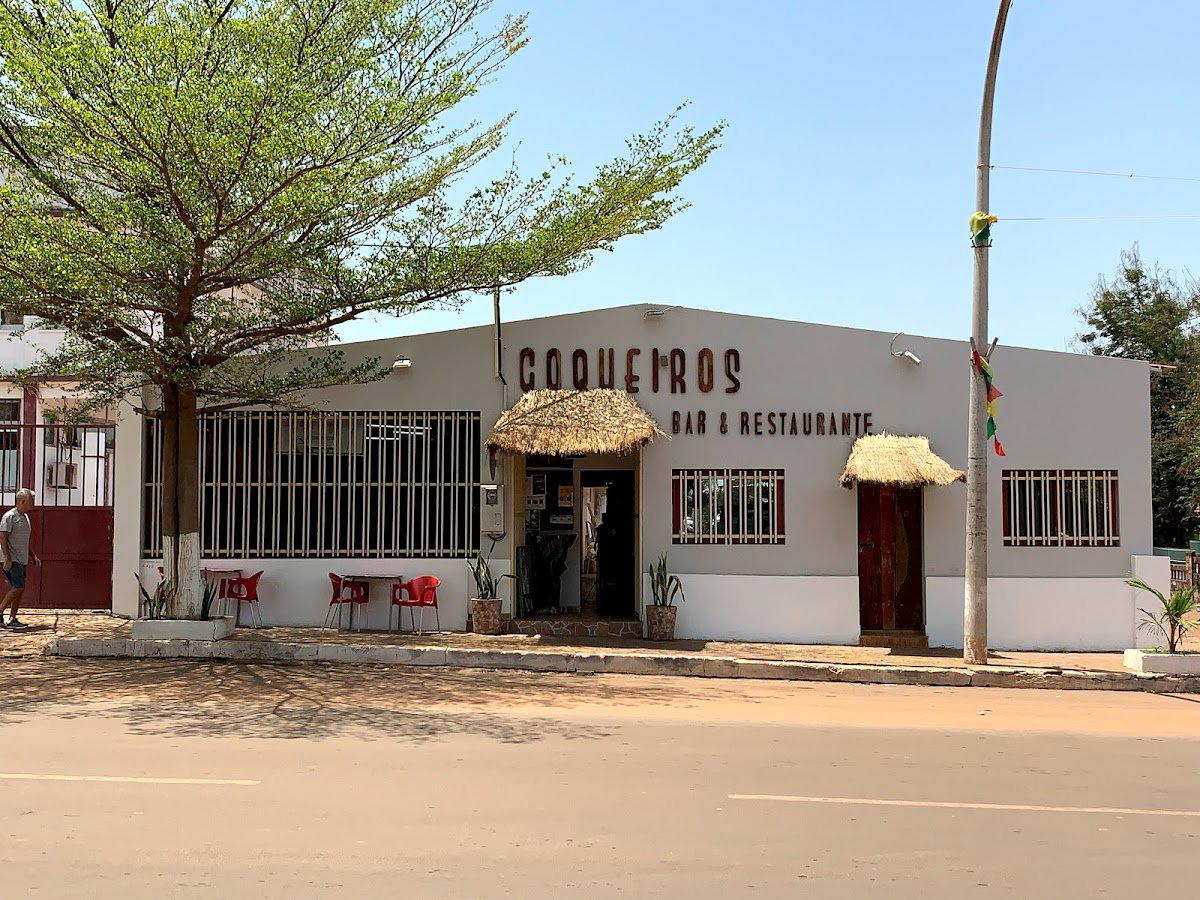
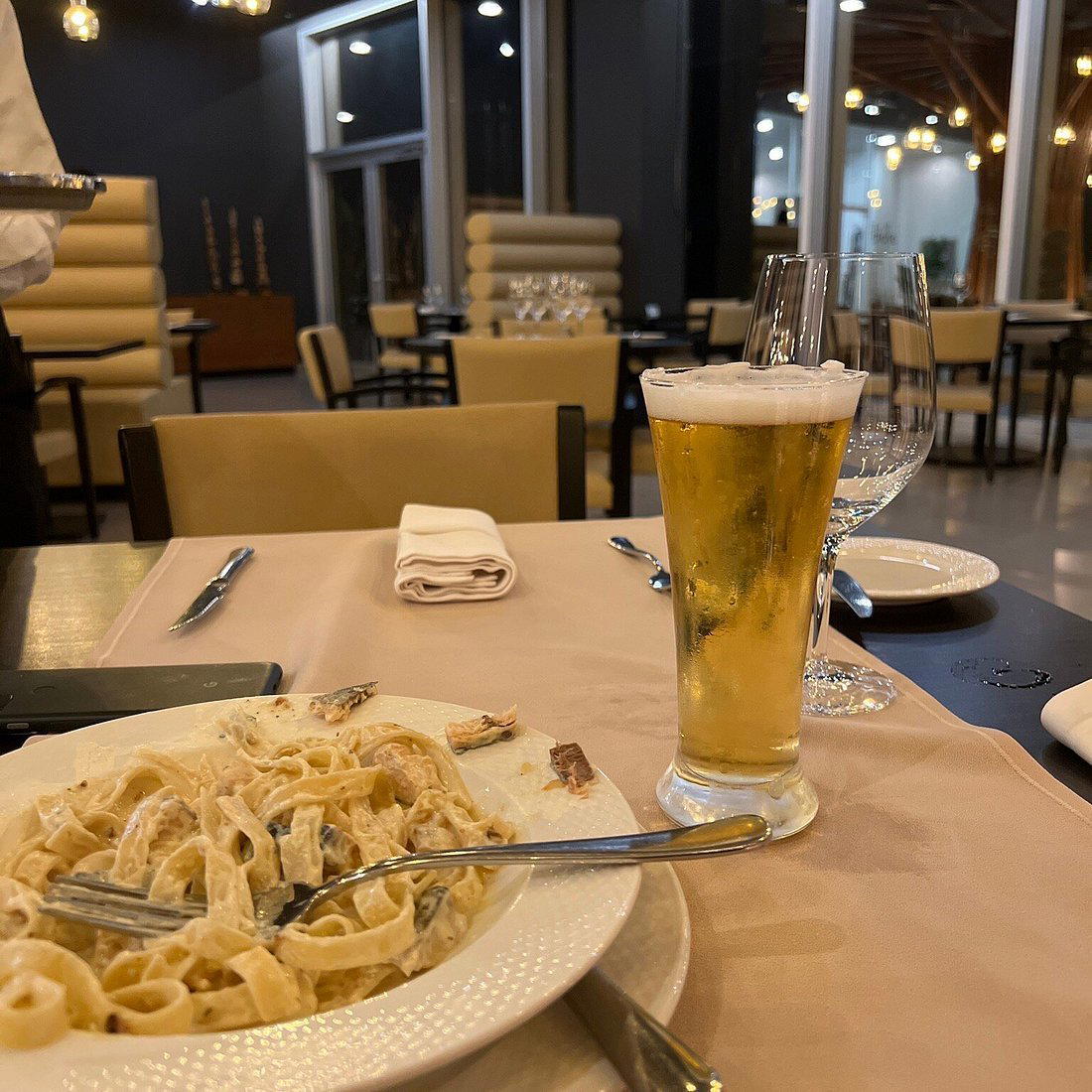
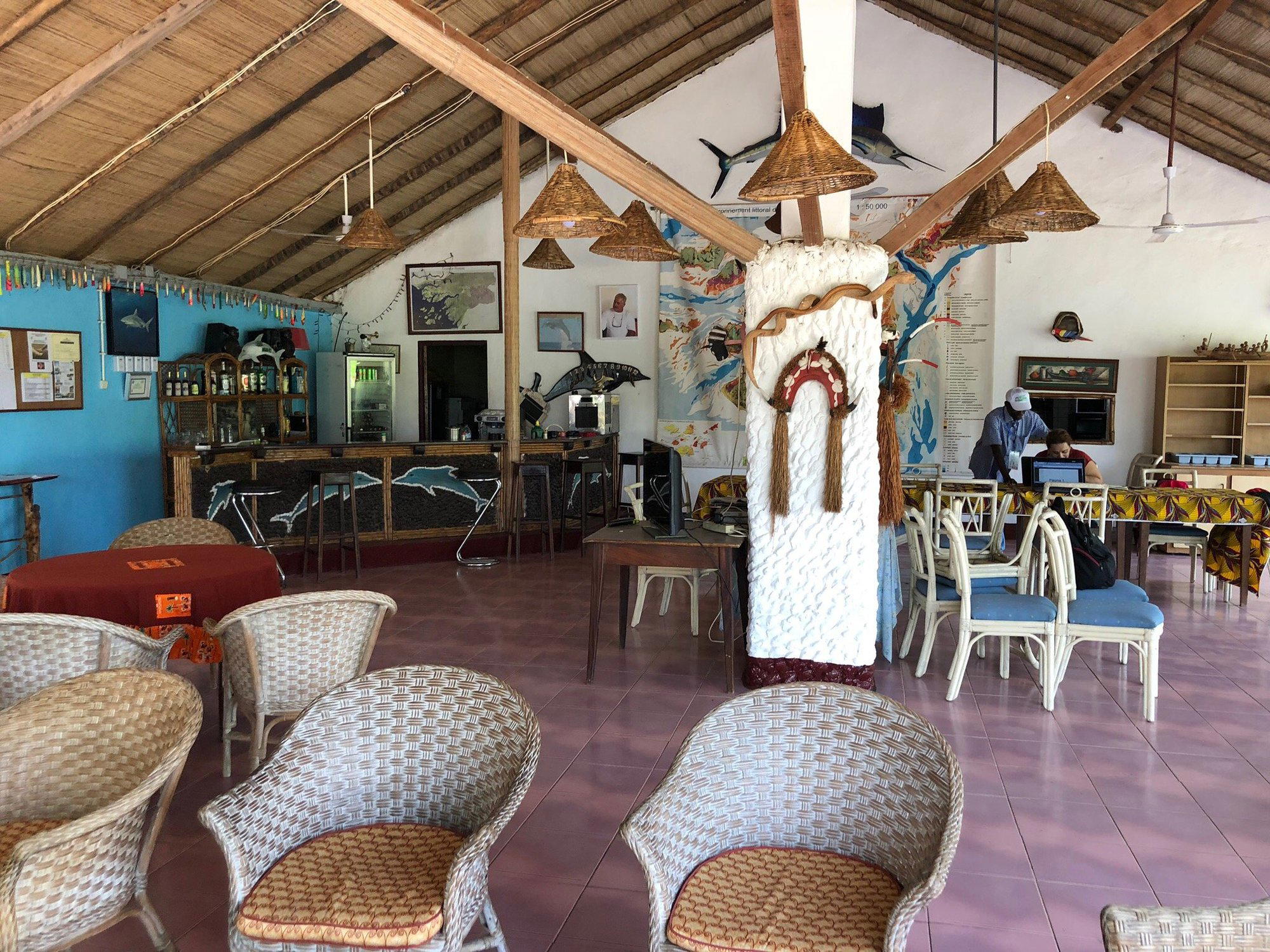
Details
- Cozy
- Casual Hangout
- A La Carte
- Vegetarian Friendly
Current opening hours
- Monday
- 11 AM–11:30 PM
- Tuesday
- 11 AM–11:30 PM
- Wednesday
- 11 AM–11:30 PM
- Thursday
- 11 AM–11:30 PM
- Friday
- 11 AM–11:30 PM
- Saturday
- 11 AM–11:30 PM
- Sunday
- 11 AM–11:30 PM
Hours can change for holidays and private events. Last verified .
Warm and welcoming with aromatic spices greeting visitors.