Hanoi Cà Phê occupies a ground-floor address on Cours Saint-Émilion in Paris's 12th arrondissement, one of the Right Bank's more quietly active dining corridors. The café sits in the Vietnamese coffee tradition, offering a counterpoint to the grand brasserie formats that dominate central Paris. It is a useful reference point for understanding how Southeast Asian café culture has translated into the French capital.
Pearl is the En Primeur Club membership app — saves, bookings, and concierge access live there. Same editors, same standards.
- Address
- 26 Cr Saint-Emilion, 75012 Paris, France
- Phone
- +33 1 44 74 09 09
- Website
- hanoi-caphe.com
- Directions
- Get directions
 Saves & bookings on Pearl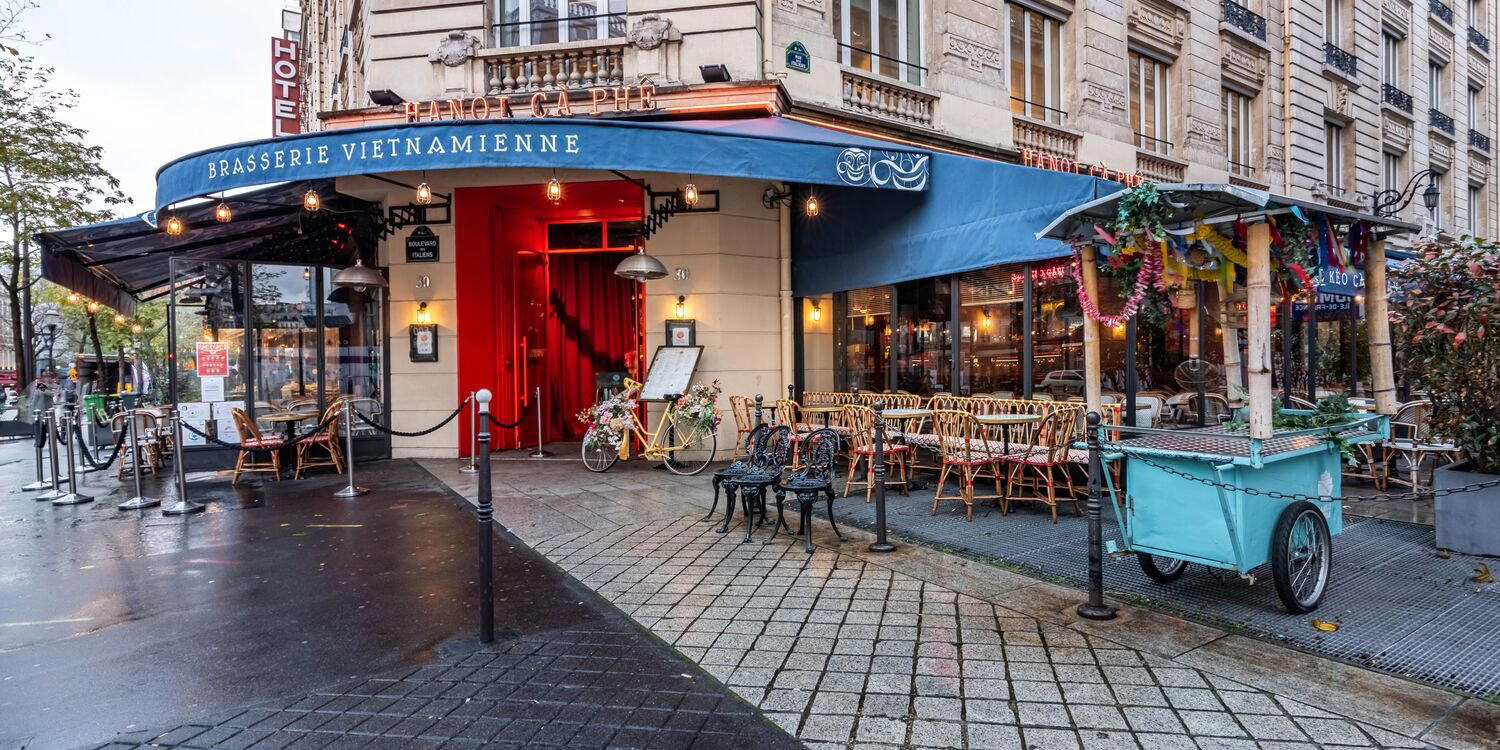
The 12th Arrondissement and the Architecture of the Everyday Café
Cours Saint-Émilion is not the Paris of postcard fantasy. The 12th arrondissement's main pedestrian spine runs through what was once the Bercy wine warehouses district, a stretch of repurposed brick and cobblestone that now houses a particular kind of commercial density: wine bars, casual restaurants, and concept-driven food businesses that serve a local rather than tourist clientele. The physical environment here is lower and wider than the compressed Haussmannian corridors of the central arrondissements, and that spatial openness shapes the rhythm of the street. Venues along Cours Saint-Émilion tend to have ground-floor access, outdoor terracing, and a format built around movement rather than occasion dining.
Hanoi Cà Phê at number 26 belongs to that format. The name signals its orientation directly: cà phê is the Vietnamese word for coffee, itself a phonetic inheritance from the French café, a linguistic loop that closes neatly in a Parisian address. Vietnamese coffee culture, which developed under French colonial influence and then diverged sharply from it, now returns to France in the form of specialty cafés that carry its own distinct set of rituals. In Paris, where the standalone coffee shop has historically existed in the shadow of the brasserie and the café-tabac, Vietnamese-style coffee venues occupy a specific niche: they offer a different pace, a different brew philosophy, and a physical setup calibrated for a different kind of visitor.
Space as Editorial Statement
The design logic of a Vietnamese café in Paris tends to resist the maximalist impulse. Where the traditional Parisian grand café deploys mirrored walls, banquettes, marble tops, and a density of seating that signals permanence and ceremony, the Vietnamese café format leans toward stripped materiality: raw wood, ceramic, filtered light, and a counter-forward layout that places the brewing process in view. The space functions as an argument about what coffee drinking can look like when the beverage is the primary object rather than the backdrop to a multi-hour table hold.
At Cours Saint-Émilion, this spatial sensibility maps onto a neighbourhood already oriented toward the informal. The Bercy Village area, of which this stretch forms part, was developed with a pedestrian-friendly scale that suits ground-level, open-access venues. For a café operating in the Vietnamese tradition, the address provides physical conditions that align with the format's social logic: approachable from the street, readable at a glance, and structured for visits measured in minutes or a focused half-hour rather than in the multi-course tempo of the Left Bank dining room.
This contrasts sharply with the format of the grand Parisian dining addresses. At the Michelin-starred tier, where venues like Alléno Paris au Pavillon Ledoyen, L'Ambroisie, and Le Cinq at the Four Seasons Hôtel George V operate, the physical container is itself part of the proposition: high ceilings, formal table spacing, room acoustics engineered for discretion. Even the more experimentally positioned tables, such as those at Kei or Arpège, carry a spatial seriousness that frames the kitchen's ambitions. A Vietnamese café operates in a different register entirely, and understanding where Hanoi Cà Phê sits in Paris's broader food infrastructure requires holding that distinction clearly.
Vietnamese Coffee in the French Context
The coffee traditions that developed in Vietnam under French colonial influence produced a beverage culture distinct from both European espresso-based formats and East Asian tea-led café models. The characteristic preparations, including cà phê sữa đá (iced coffee with condensed milk) and the slow-drip phin filter method, require patience built into the physical act of waiting for the metal filter to exhaust itself into the glass. That built-in pause shapes the space around it: the café must accommodate a visitor who is watching something happen, not simply receiving a finished product across a counter.
In Paris, where specialty coffee has expanded steadily through the 2010s and into the 2020s, Vietnamese-format venues occupy a specific position in that growth story. They are not third-wave roastery showcases in the Scandinavian mold, nor are they traditional Vietnamese quan cà phê transplanted wholesale. They exist in a hybrid register, calibrated for a Parisian public that understands café culture as social infrastructure but may be new to the specific textures and pace of the Vietnamese version. For travelers and locals, this distinction matters when setting expectations about format and visit tempo.
The Vietnamese café model also positions itself differently from France's broader fine-dining architecture. At the regional level, French gastronomy carries considerable weight, from Mirazur in Menton and Flocons de Sel in Megève to the historical anchors like Paul Bocuse's Auberge du Pont de Collonges and Troisgros in Ouches, or the quiet institution of Auberge de l'Ill in Illhaeusern. Internationally, the comparison set expands further to places like Le Bernardin in New York or Atomix, which frames Korean fine dining within the American metropolitan context in a way that rhymes, structurally, with what Vietnamese cafés do within Paris: bring a non-European food tradition into a European city's dining infrastructure without subordinating it to that city's dominant codes.
Planning a Visit to Cours Saint-Émilion
Cours Saint-Émilion is accessible by Métro line 6 at the Cours Saint-Émilion station, making it one of the more direct addresses to reach from central Paris without a transfer. The Bercy Village area is walkable and largely pedestrianised, which means the approach to number 26 is on foot from the station, across open stone-paved ground rather than through narrow streets. For travelers also covering the 12th's restaurant and bar scene, the area clusters enough casual and mid-range options that a half-day in the district is coherent as an itinerary rather than a detour. Visitors with broader French regional dining on their agenda might use this as an afternoon stop, particularly when building a trip that also includes destinations like Bras in Laguiole, Assiette Champenoise in Reims, Au Crocodile in Strasbourg, Auberge du Vieux Puits in Fontjoncouse, or AM par Alexandre Mazzia in Marseille. Those venues operate at different price tiers and format scales, but the common thread is a commitment to a specific culinary tradition executed with discipline, which is what a well-run Vietnamese café shares with that broader dining infrastructure, even if the price point and ceremony are calibrated differently.
Budget Reality Check
Comparable venues nearby, for context on price, style, and recognition.
| Venue | Cuisine | Price |
|---|---|---|
| Hanoi Cà PhêThis venue — the venue you are viewing | Not listed | $$ |
| S69 francoviet | Auteuil, Franco-Vietnamese | $$ |
| Entre 2 Rives | Gaillon, Authentic Vietnamese | $$ |
| Paris Hanoï | Bastille, Traditional Vietnamese | $$ |
| K&B restaurant | Bercy, French Bistro | $$ |
| Ethiopia | Roquette, Traditional Ethiopian | $$ |
Continue exploring
More in Paris
Restaurants in Paris
Browse all →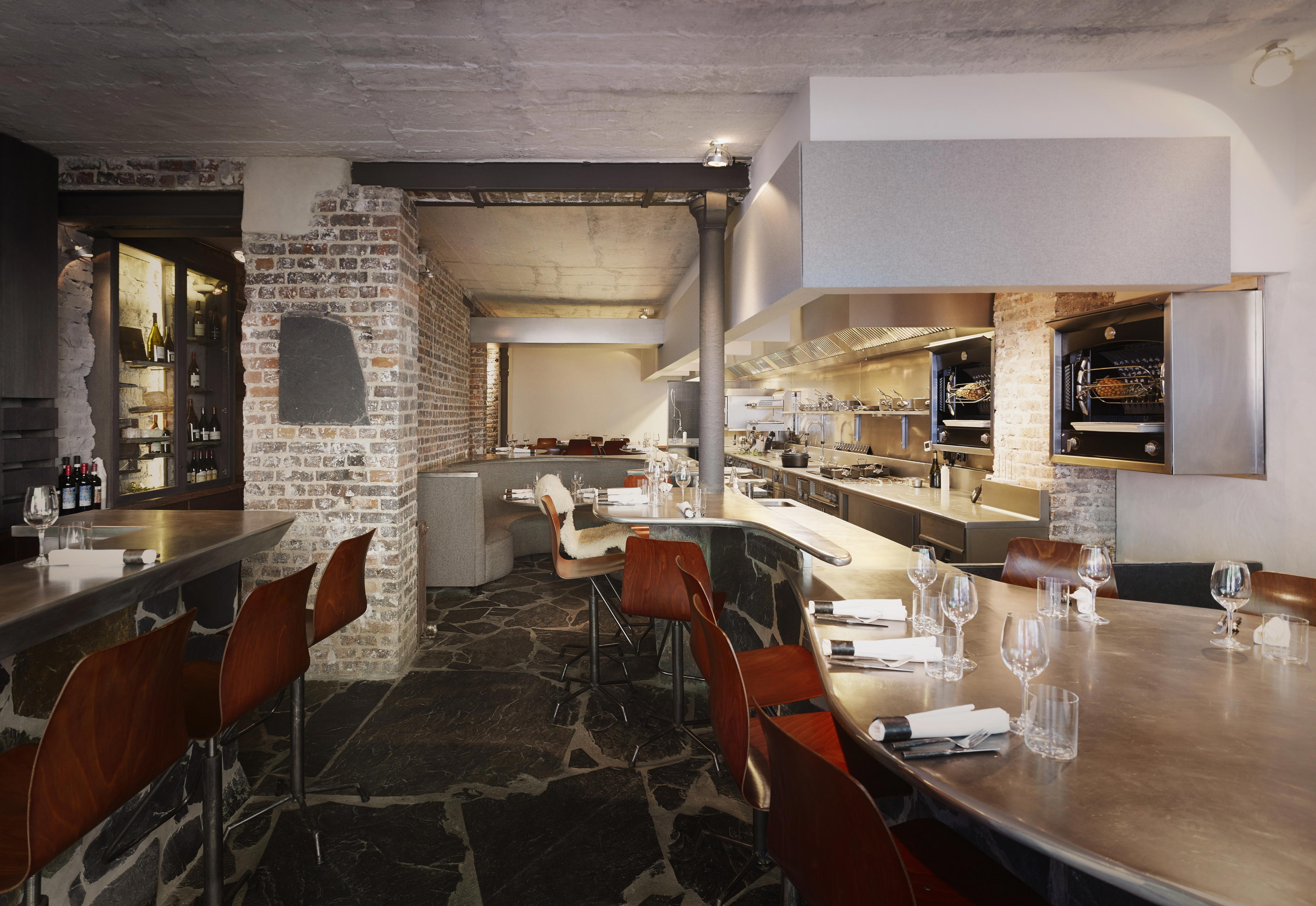
Bars in Paris
Browse all →
Hotels in Paris
Browse all →
Wineries in Paris
Browse all →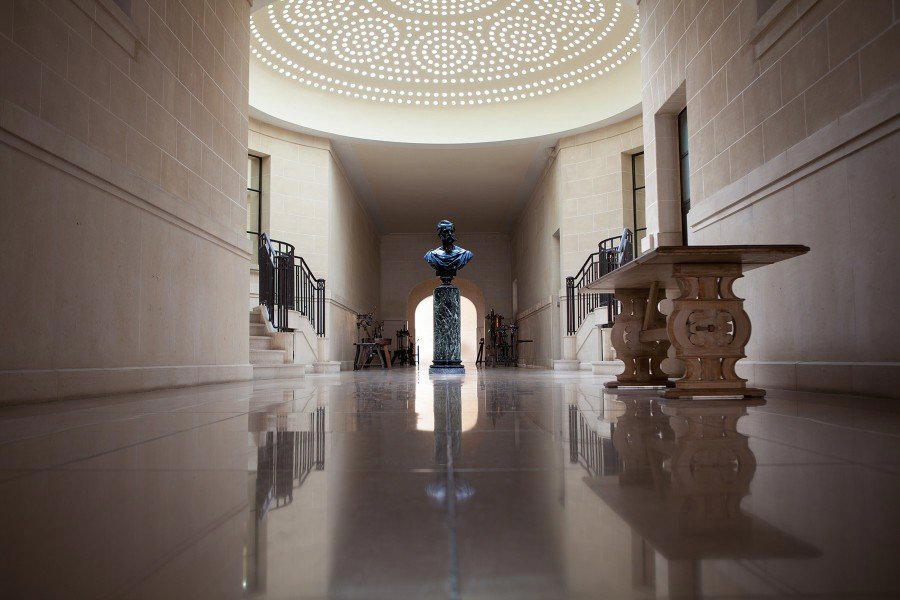
At a Glance
- Trendy
- Lively
- Modern
- Casual Hangout
- Date Night
- Late Night
- Open Kitchen
Current opening hours
- Monday
- 11:30 AM–11:30 PM
- Tuesday
- 11:30 AM–11:30 PM
- Wednesday
- 11:30 AM–11:30 PM
- Thursday
- 11:30 AM–11:30 PM
- Friday
- 11:30 AM–12:30 AM
- Saturday
- 11:30 AM–12:30 AM
- Sunday
- 11:30 AM–12 AM
Hours can change for holidays and private events. Last verified .
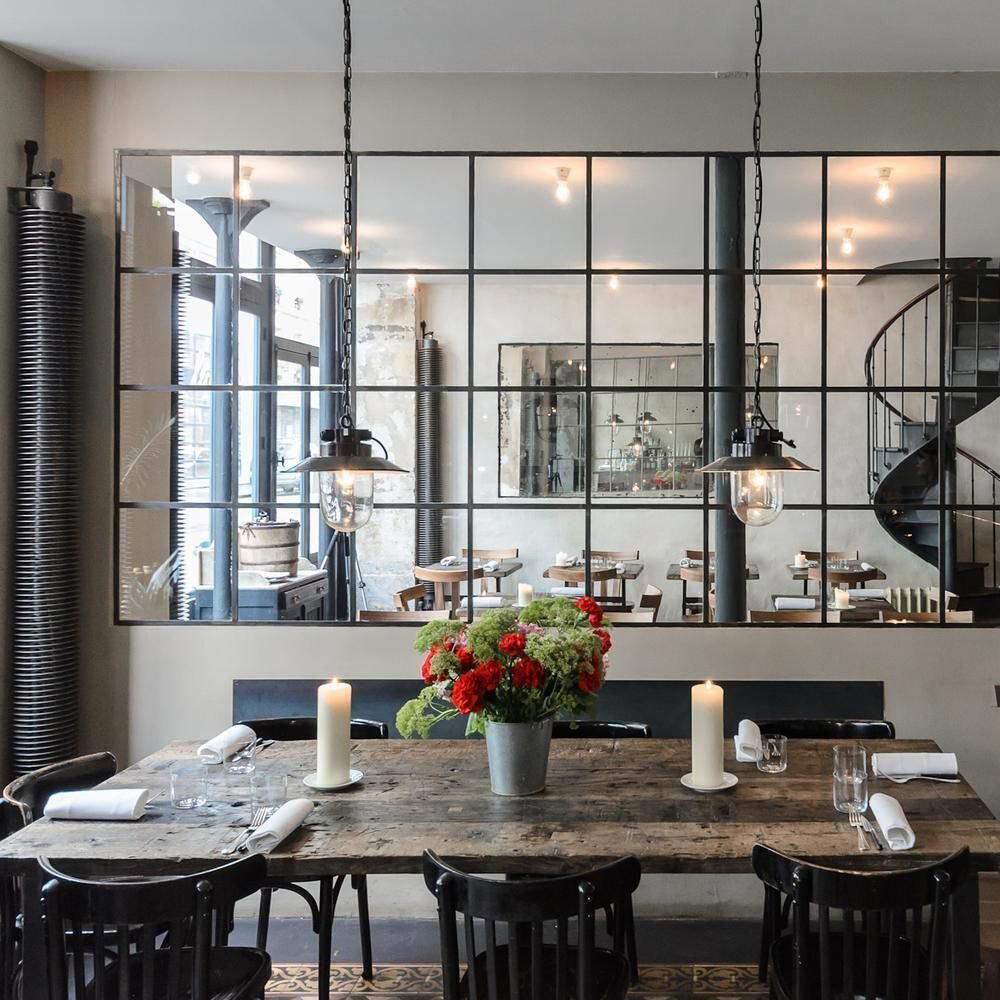
Colorful decor with humorous nooks, photography lighting umbrellas as lamps, stone tables, and lively positive vibes.