winery
Montalcino, Italy
Castello Banfi
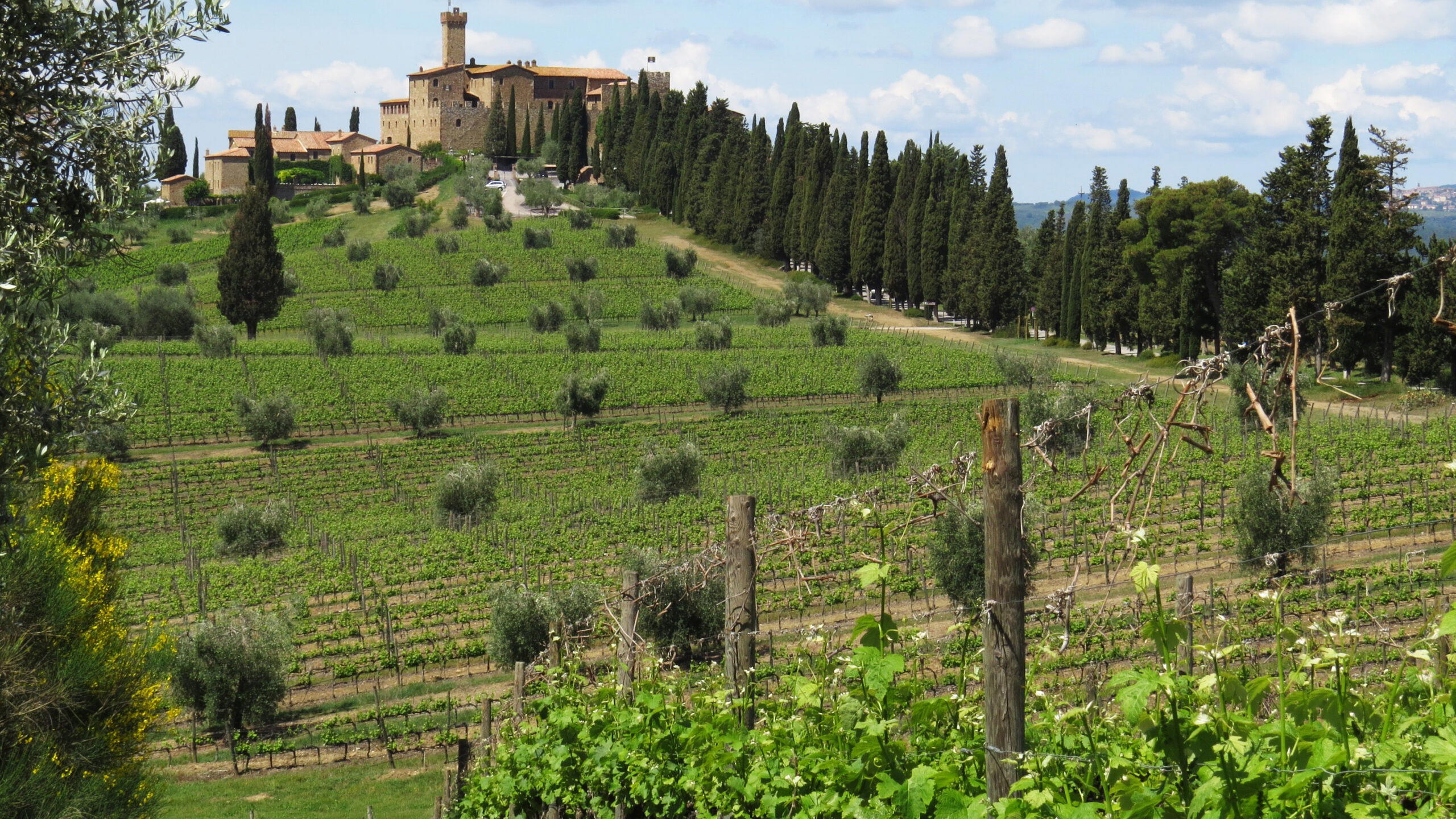
A medieval castle estate in the hills above Montalcino, Castello Banfi operates as a wine resort and hospitality destination at the serious end of Brunello di Montalcino production..
View entry
The Destination Brief
Tuscany: A Precise Symphony of Gastronomy, Wine, and Spirits
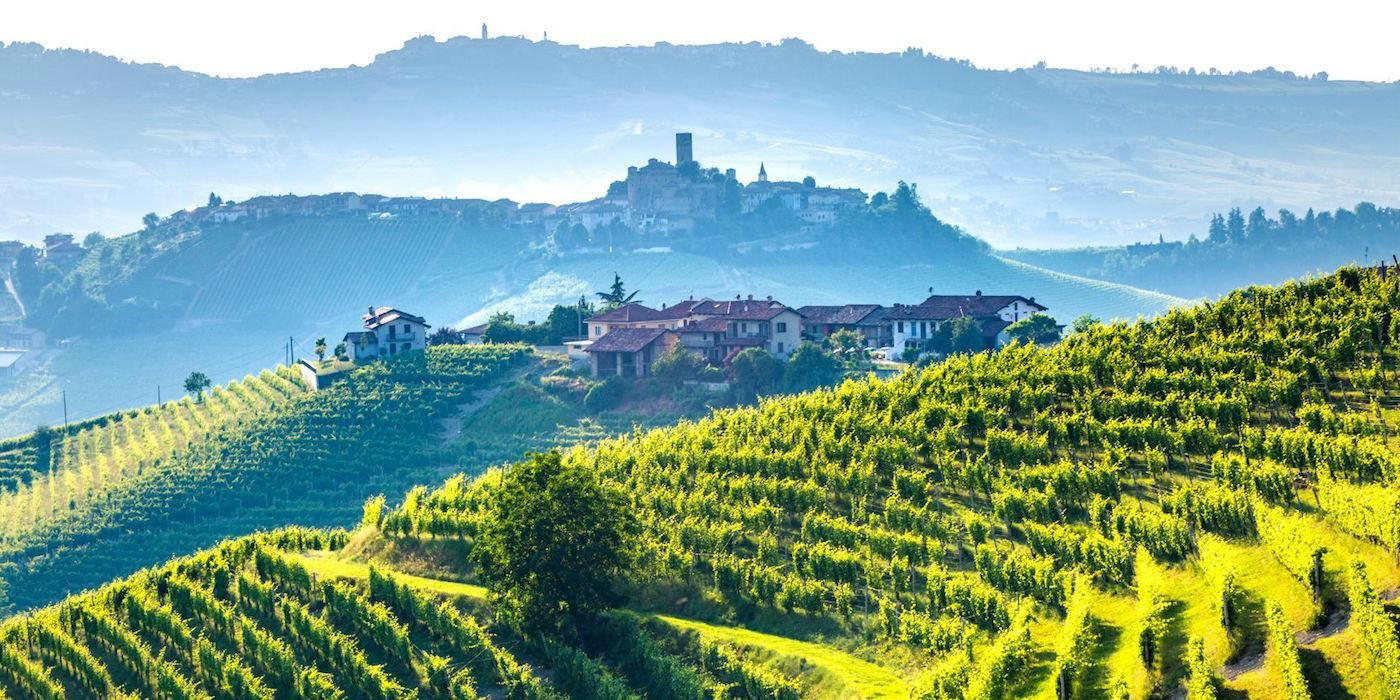
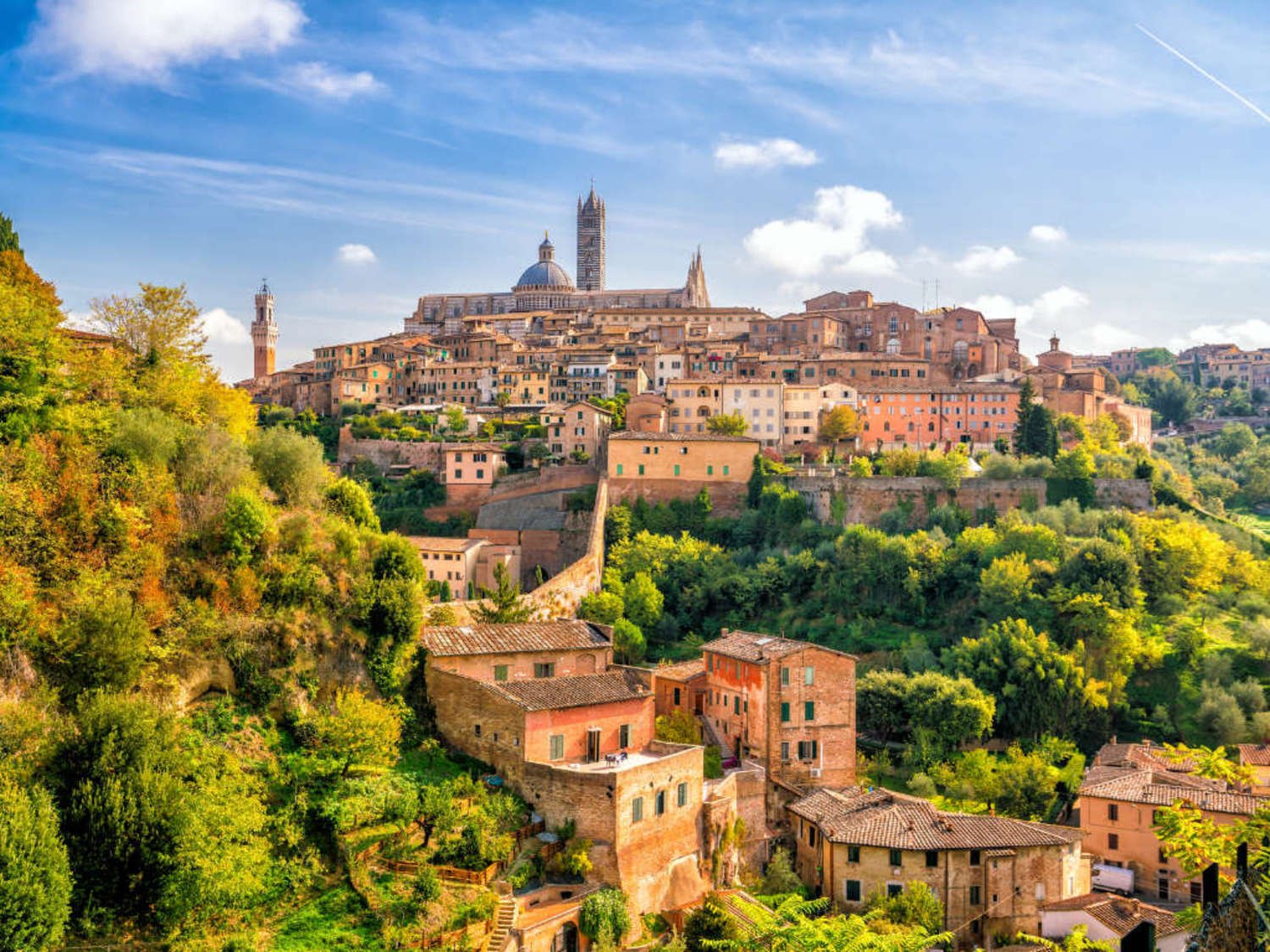
Tuscany, a viticultural jewel set in central Italy, is a region that's synonymous with gastronomic luxury. Known for its far-reaching vistas of rolling vineyards, olive groves, and medieval hilltop villages, Tuscany is also home to one of the world’s most renowned culinary scenes.
Tuscany’s wine scene is simply unusual. The region is famous for its leading red wines, including the famed "Super Tuscans," Brunello Di Montalcino, and Chianti Classico. These wines are revered for their elegance, complexity, and depth, crafted with care from the local Sangiovese grape variety. Moreover, Tuscany is likewise esteemed for its crisp white wines like the revered Vernaccia di San Gimignano and the sweet Vin Santo, often served with Cantucci biscuits.
Tuscany’s spirit world is equally alluring. From the herb-infused Amaro, the traditional digestivo, to the sweet and wild honey-laced liquors like the intriguing Acquacotta, Tuscany offers an intoxicating array of spirits that both soothe and celebrate the palate. Tuscan grappas, distilled from grape pomace, are a testament to the region's skill in creating fine spirits, often enjoyed as a post-dinner digestivo.
As for food, Tuscany's cuisine is an epicurean adventure. Simplicity is the key to its culinary philosophy, showcasing fresh, local ingredients that change with the seasons. You'll experience fragrant olive oils from Lucca, succulent lamb from the Maremma area, and the catch of the day from the Tuscan coast. Truffle lovers will delight in the winter months, when they can savor the earthy treasures hunted from the region's forests, and the hearty Ribollita soup is a comforting specialty not to be missed. Cheese enthusiasts will relish the region’s Pecorino, while Tuscany's famed Bistecca alla Fiorentina, a rustic style T-bone steak, remains a focal point of Tuscan gastronomy.
Whether you're indulging in a glass of velvety Brunello, savoring a bite of artisan Pecorino, or reveling in the rich, earthy tones of a lovingly prepared truffle dish, Tuscany offers an immersive, sensory journey that elegantly marries tradition with innovation and simplicity with sophistication. It's no wonder this region remains a beloved destination for informed travelers and gastronomes alike.
Awards in Tuscany
Hover any badge for the full award name. Counts reflect venues holding each accolade in Tuscany.
Tuscany
Selected entries from the current guide for Tuscany.
Montalcino, Italy
A medieval castle estate in the hills above Montalcino, Castello Banfi operates as a wine resort and hospitality destination at the serious end of Brunello di Montalcino production..
Montalcino, Italy
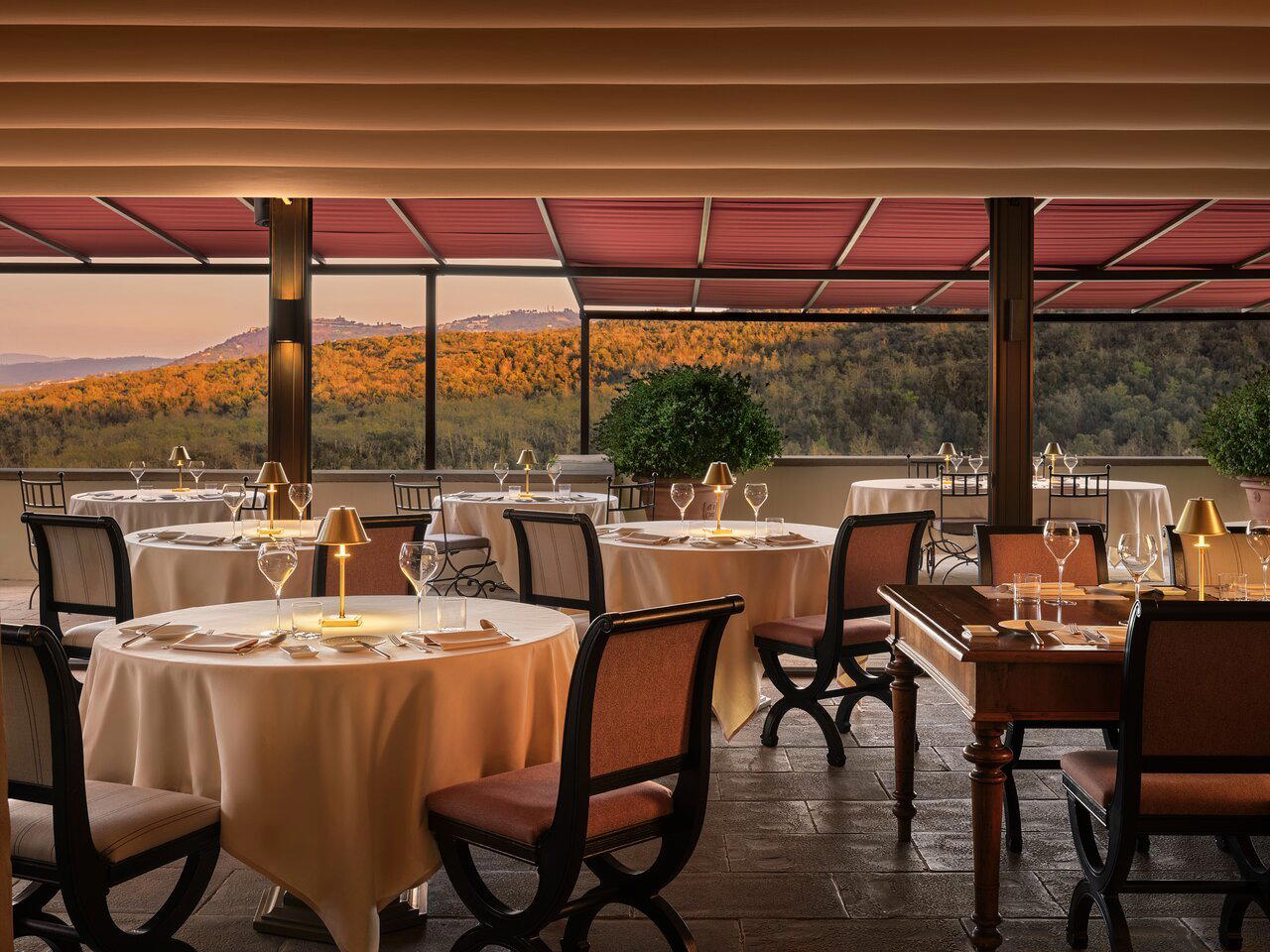
A two-Michelin-star restaurant within the Rosewood Castiglion del Bosco estate in Montalcino, Campo del Drago reaches the table via a dirt track through Val d'Orcia and a medieval hilltop village. Chef Matteo Temperini builds his contemporary menus around produce from the estate's own kitchen garden, backed by a wine list of over 700 labels weighted toward Brunello di Montalcino.
Greve in Chianti, Italy
A Michelin-starred trattoria in the hills outside Bologna, Amerigo operates from a converted village building in Savigno where the entrance passes through a shop selling local wines and preserves. The menu follows Emilian tradition closely, with tomato-free lasagne, pumpkin-filled pasta with game ragù, and tigelle flatbread served alongside 56-month-aged Mora Romagnola ham. Ranked 60th in the Opinionated About Dining Casual Europe list for 2024, it sits in a small category of starred restaurants that have resisted format drift.
Castelnuovo Berardenga, Italy
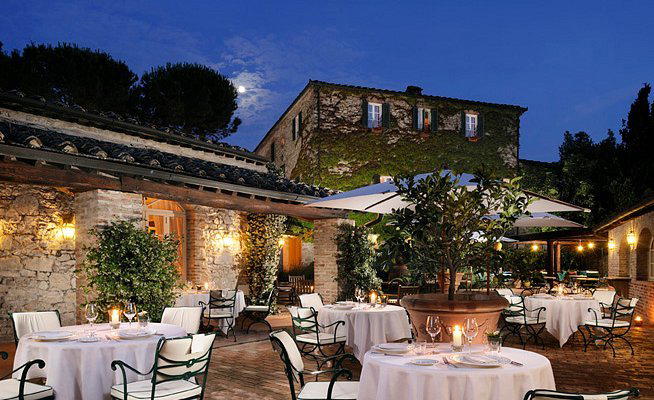
Set within Borgo San Felice, a medieval hamlet in the Sienese hills, Il Poggio Rosso holds a Michelin star under Chef Stelios Sakalis, whose training across France, England, and Italy informs a creative menu that reads Tuscan in its foundations but wider in its reach. At the €€€€ tier, it sits at the summit of Castelnuovo Berardenga's dining options and competes with Siena's leading creative tables.
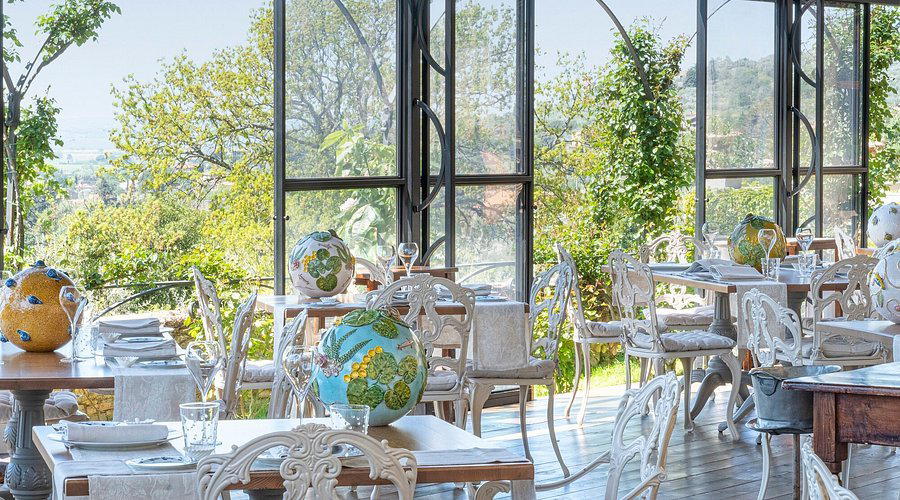
Cortona, Italy
A one-Michelin-starred restaurant on the Baracchi estate outside Cortona, Il Falconiere earns its recognition through deep-rooted Tuscan cooking: Chianina beef, pici pasta, and estate-produced wine and olive oil form the backbone of a menu shaped by the surrounding farmland. Chef Silvia Regi Baracchi leads a kitchen where the distance between field and plate is measured in footsteps rather than supply chains.
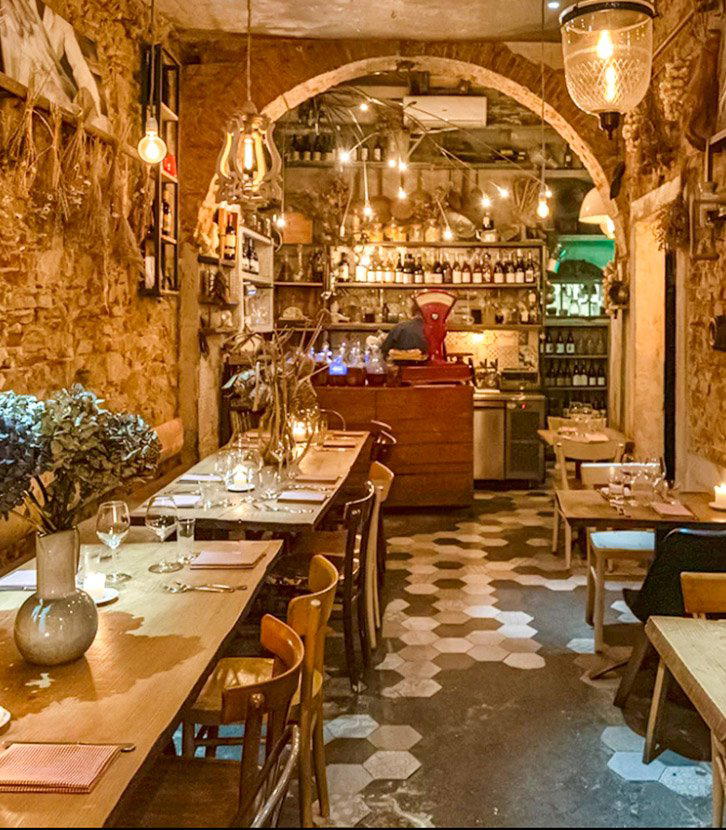
Castelnuovo Berardenga, Italy
Set within a restored hamlet outside Castelnuovo Berardenga, Contrada holds a Michelin star (2024) and pitches itself squarely at the intersection of Tuscan produce and contemporary technique. Chef Davide Canella runs a dual-format menu — tasting and à la carte — built around meat-led dishes with selective fish appearances. The €€€ pricing sits a tier below the commune's €€€€ Michelin peers, making it the area's most accessible starred option.
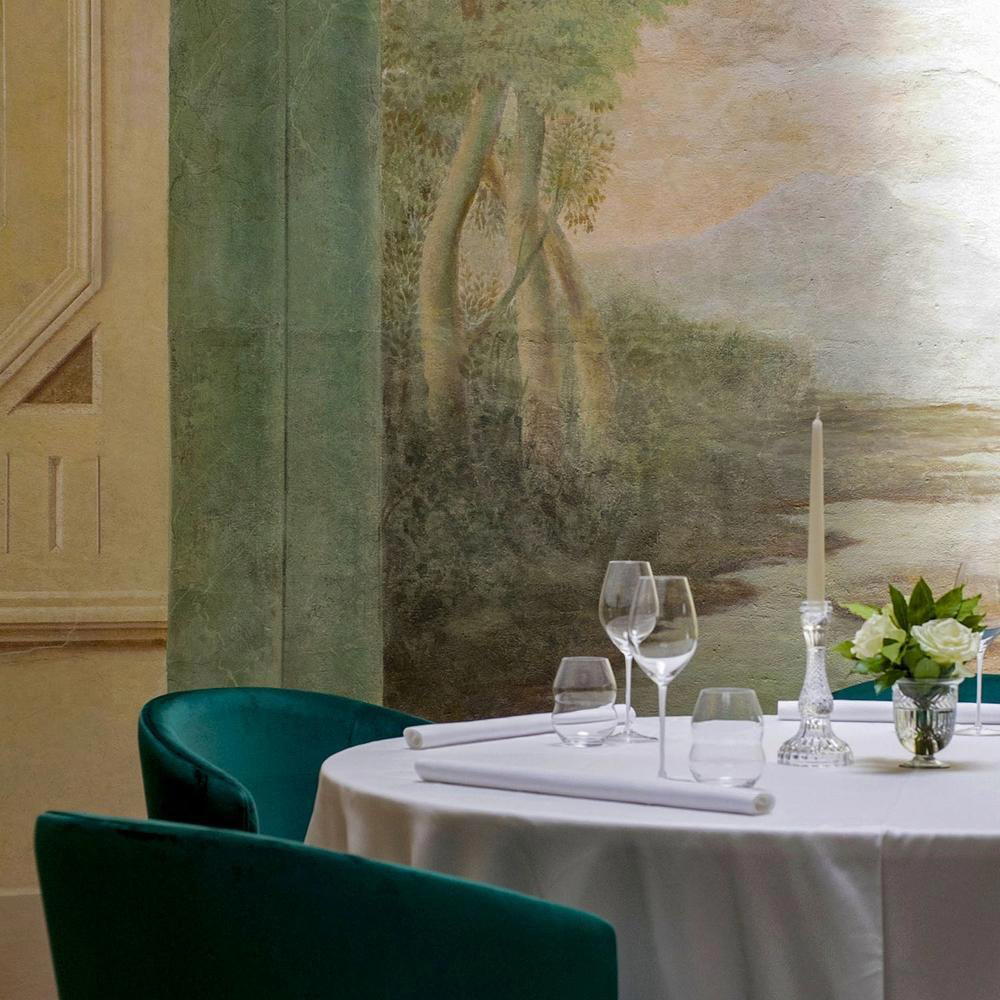
Gaiole in Chianti, Italy
A Michelin-starred kitchen inside a medieval Chianti castle, Il Pievano pairs Antonio Iacoviello's Campanian-Mediterranean cooking with Tuscany's deep larder and a wine list of over 800 labels. Three distinct tasting menus serve Wednesday through Sunday evenings, making it one of the more purposeful dining destinations in the Siena countryside.
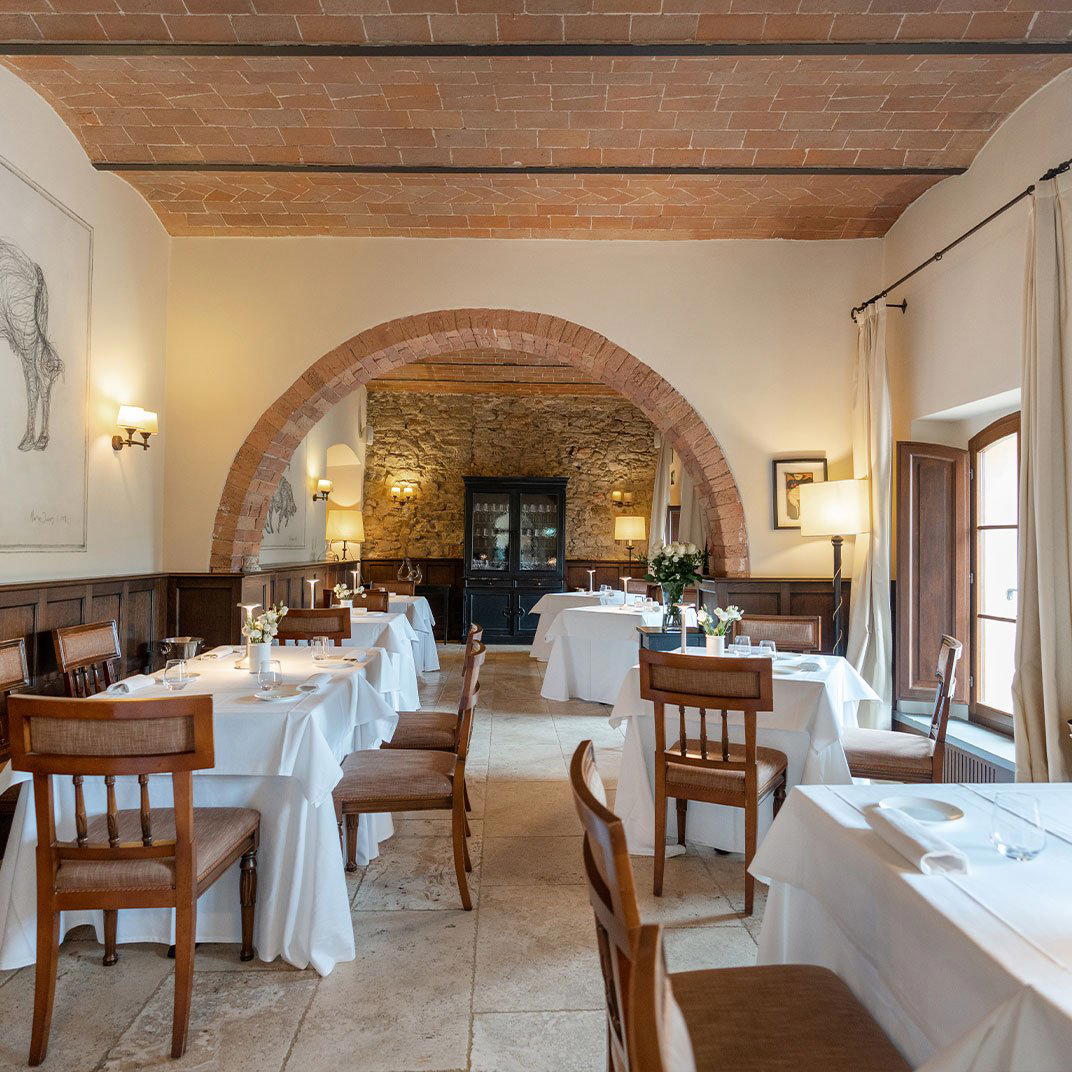
Castelnuovo Berardenga, Italy
A Michelin-starred gourmet restaurant inside The Club House hotel, Il Visibilio sits at the end of a dirt track in the hills above Pievasciata, serving a single blind tasting menu developed through a collaboration between Tuscan chef Daniele Canella and two-Michelin-starred Giuseppe Iannotti of Krèsios. The format mirrors Iannotti's Campanian model: no choices, no printed menu, just a long sequence of technical cooking that moves freely between meat, fish, and vegetables.
Castelnuovo Berardenga, Italy
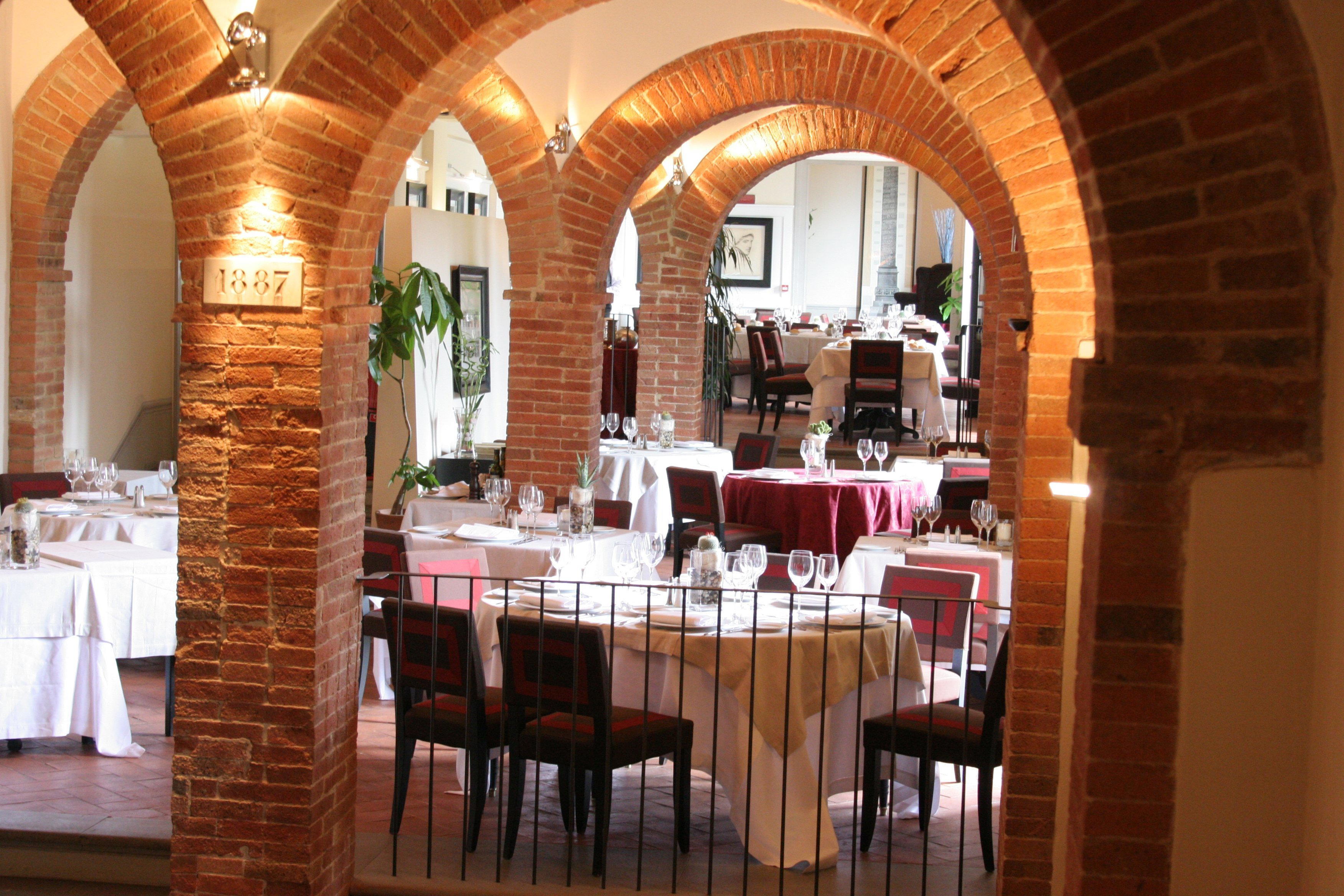
A Michelin-starred address in the Chianti countryside, L'Asinello occupies a converted stable at the edge of Castelnuovo Berardenga, where a menu built on restraint and precise, minimal ingredients reads as a quiet argument for what traditional Tuscan cooking can still achieve. Dinner service runs Tuesday through Saturday from 7:30 PM, with Sunday lunch also available. The garden, maintained by the chef himself, becomes the heart of the experience in summer.
San Gimignano, Italy
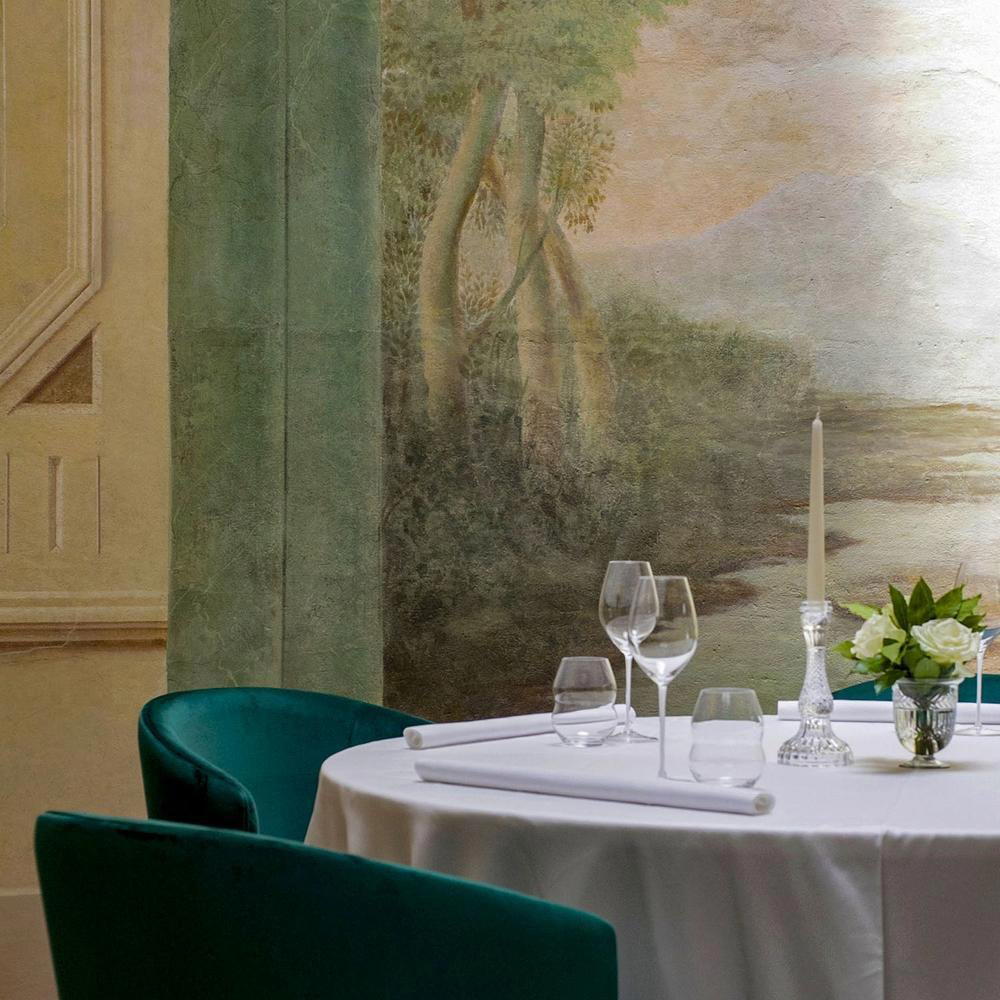
Linfa holds a Michelin star (2024) and a Star Wine List White Star inside the medieval walls of San Gimignano. Chef Giovanni Cerroni runs two tasting menus — the classical Mimesis and the free-form A mano libera — at €€€€ pricing. Open Wednesday through Sunday for lunch and dinner, with a wine program led by sommelier Cesario Delle Donne.
Arezzo, Italy
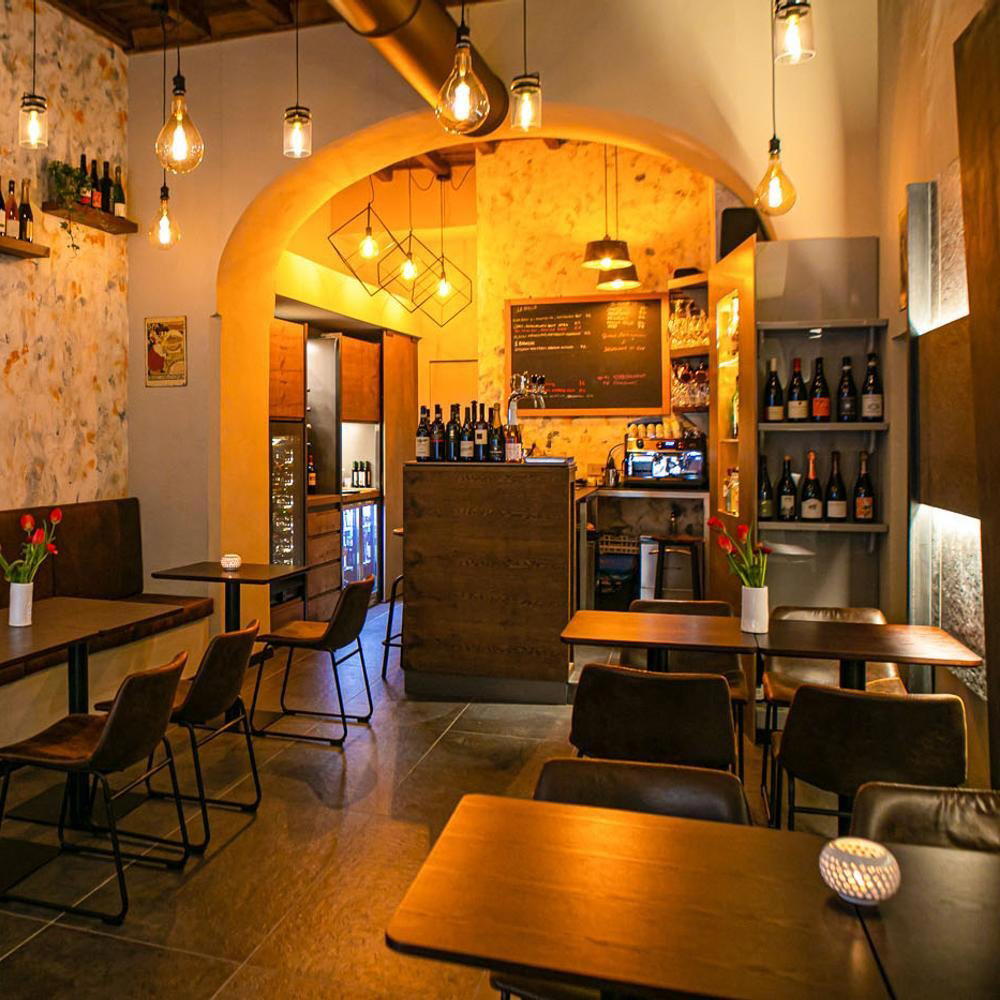
A 20-seat creative restaurant inside a medieval palazzo on a quiet Arezzo stairway, Octavin holds a Michelin star (2024) for a kitchen that revives forgotten Tuscan ingredients and techniques. Chef Luca Fracassi works from the province's varied geography, bringing snails, game, and foraged materials into a menu shaped by zero-waste principles and occasional Eastern inflection. At €€€€, this is Arezzo's most considered dining room.
Montepulciano, Italy
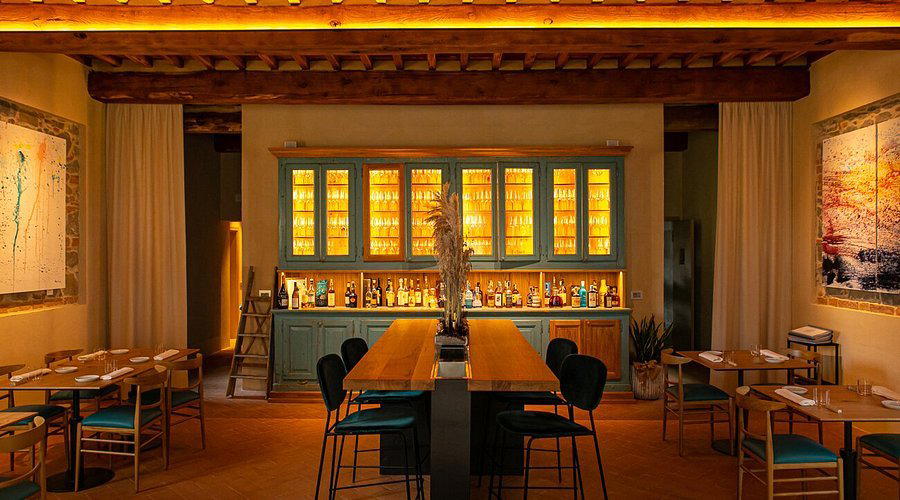
Set within the historic Villa Svetoni estate above Montepulciano, Osmosi sits where a winery founded in 1865 meets contemporary Italian cooking. Chef Mirko Marcelli combines regional ingredients — Chianina beef, local grains — with international technique, across three tasting menus that can also be navigated à la carte.
Panzano, Italy
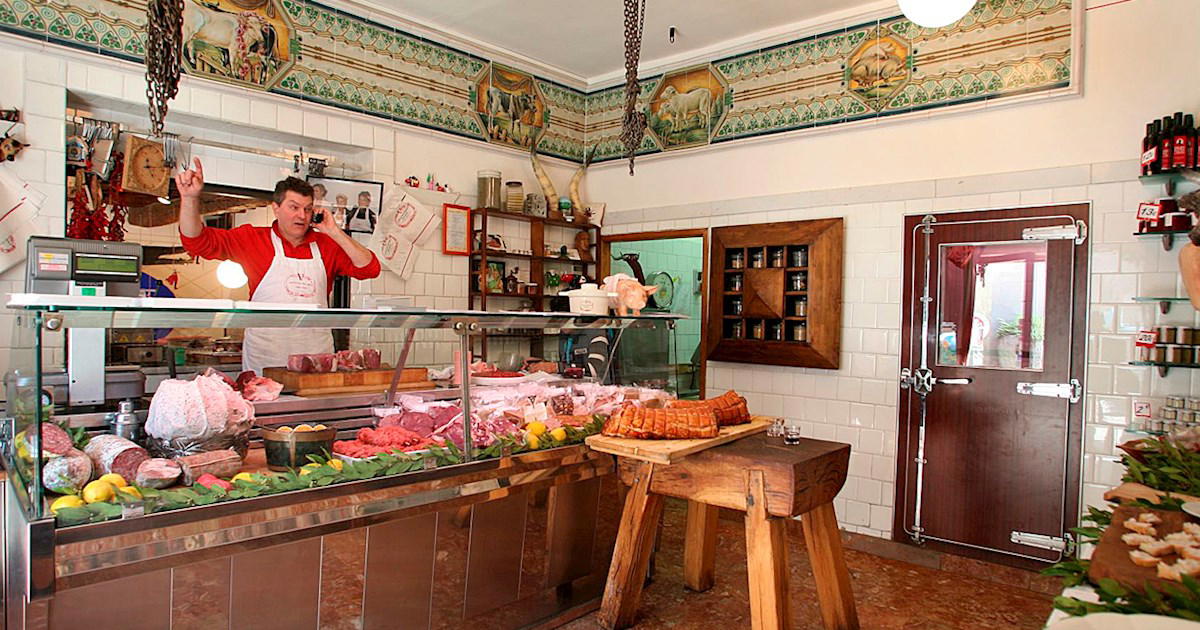
Solociccia sits across the road from Dario Cecchini's eighth-generation butcher shop on the SR 222 Chiantigiana in Panzano in Chianti, serving a fixed-price, communal lunch built around lesser-known beef cuts and a nose-to-tail philosophy. Recognised with a Michelin Plate in both 2024 and 2025, and featured in Chef's Table Volume 6, it operates a single lunch service with a set meat or vegetarian menu — book well ahead.
Arezzo, Italy
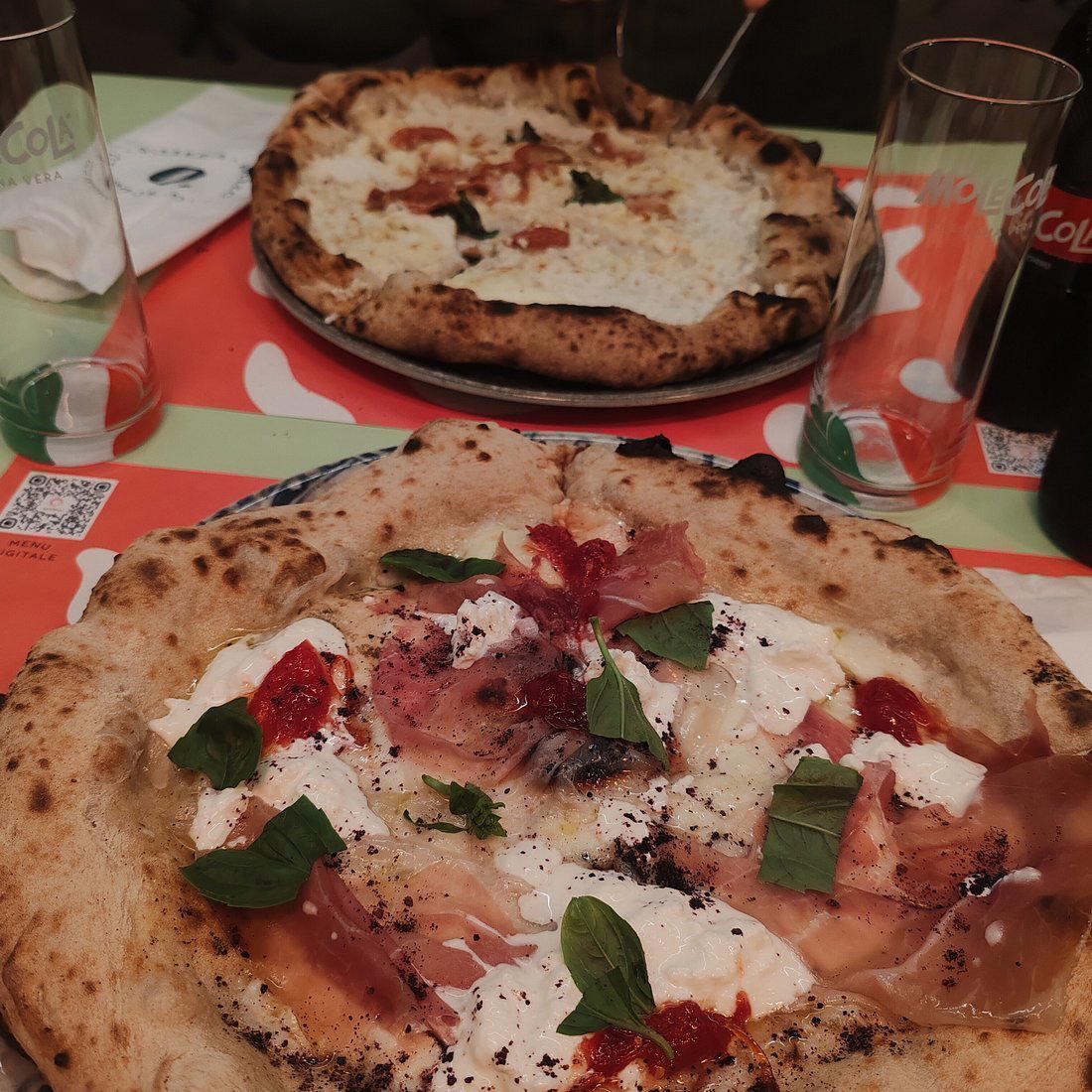
Gambero Rosso's Tre Spicchi award is not handed to Neapolitan-style pizzerias in Tuscan hilltowns lightly. At 'O Scugnizzo on Via de' Redi, the Police family — father Gennaro and son Pierluigi — has made their restaurant the reference point for serious pizza in central Arezzo, drawing locals and visitors alike with dough technique and sourcing that would hold its own in Naples itself.
Bolgheri, Italy
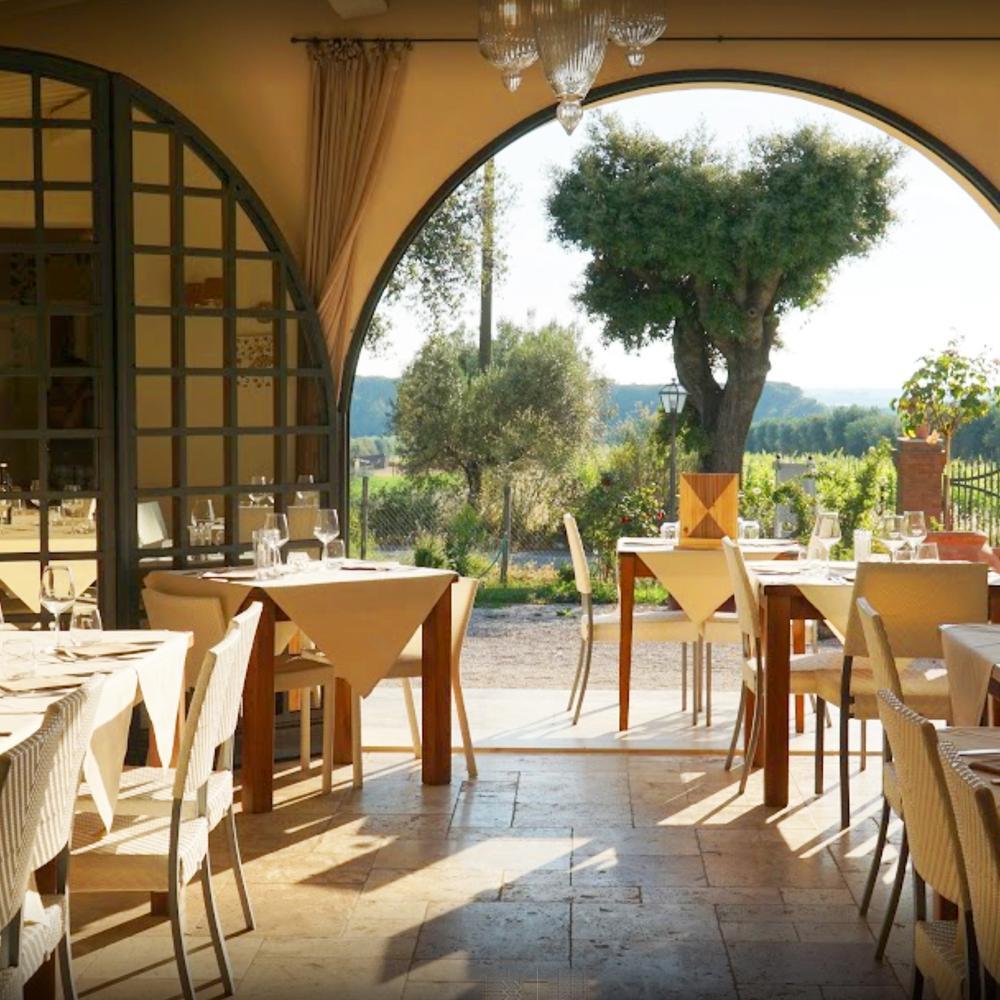
A Michelin Bib Gourmand-recognised osteria on the road through Bolgheri's vine country, Osteria Magona serves deeply rooted Tuscan cooking — ribollita, pappa al pomodoro, gnudi, fresh pasta — at prices that sit well below the area's premium wine-tourism tier. With a 4.,200 reviews and a wine list focused on Bolgheri DOC labels, it occupies a specific and underserved position in the local dining scene.
Bolgheri, Italy
The menu leans traditional, with cured hams, grilled dishes, and regional staples prepared without complication. Alfresco dining beneath plane trees, looking out over the vineyards, is the defining draw in warmer months.
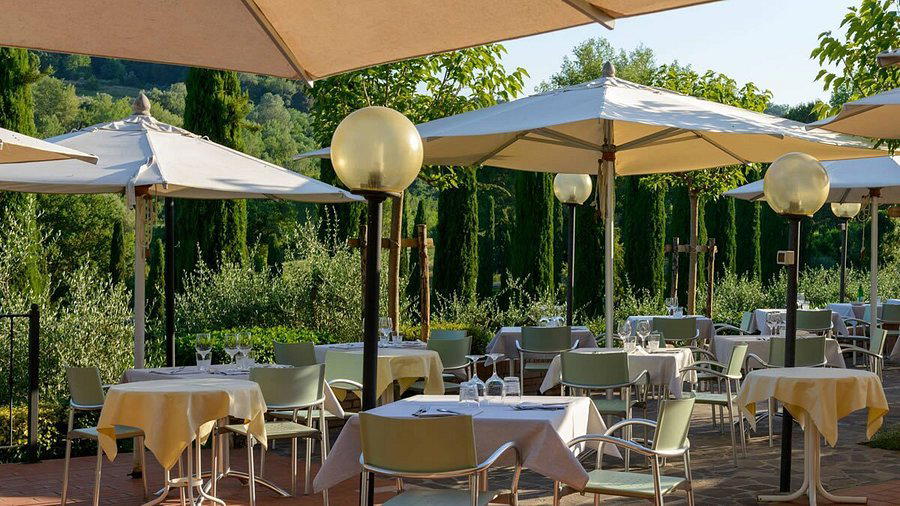
San Gimignano, Italy
A Michelin Bib Gourmand-recognised farmhouse outside San Gimignano's walls, Da Pode delivers Tuscan cucina povera at its most direct: produce from the surrounding land, preparations rooted in local tradition, and cooking by Signora Lucia that has earned consecutive Michelin recognition in 2024 and 2025. The €€ price point and rural setting place it firmly outside the town's tourist circuit — and closer to how the valley actually eats.
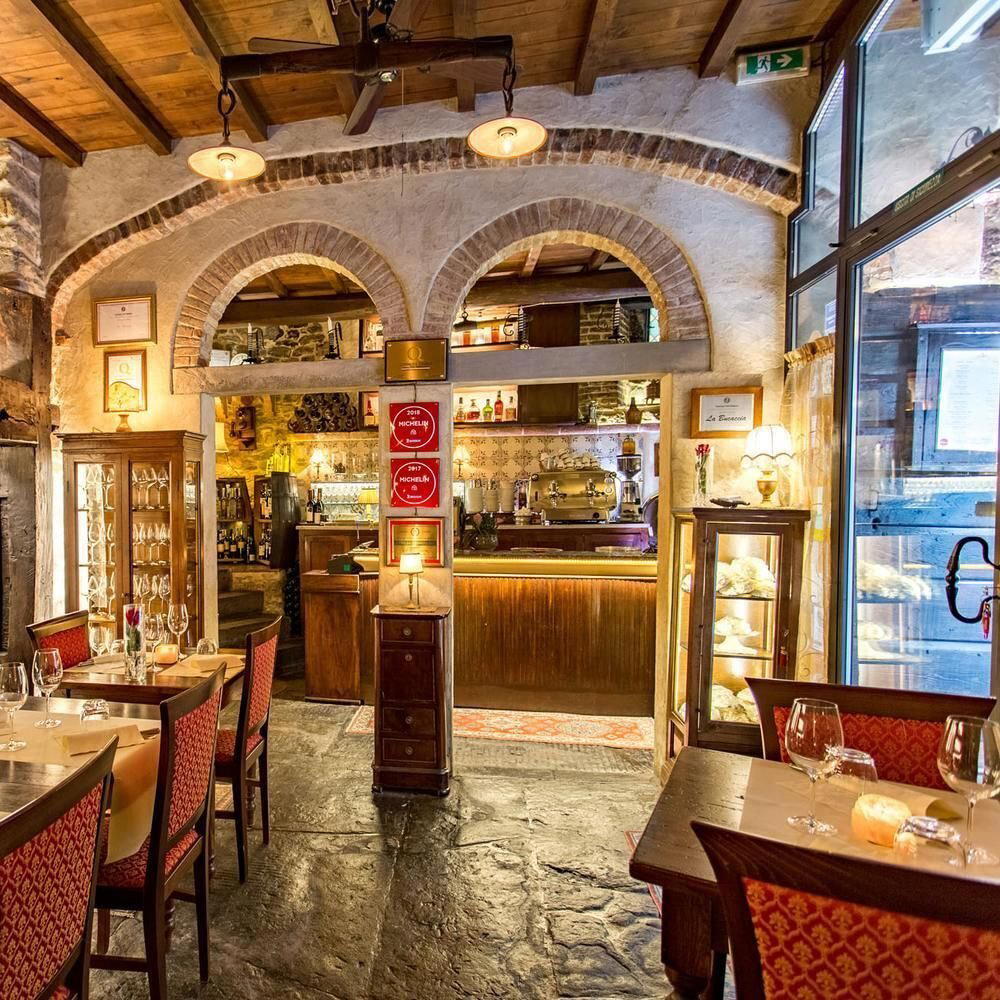
Cortona, Italy
A Michelin Bib Gourmand holder for consecutive years, La Bucaccia on Via Ghibellina is one of Cortona's most consistent addresses for Aretine Tuscan cooking. A handful of tables on the main street and two rustic interior rooms set the scene, with chef Agostina in the kitchen and an owner whose hospitality defines the pace of the meal. The price point sits at the accessible end of Cortona's dining range.
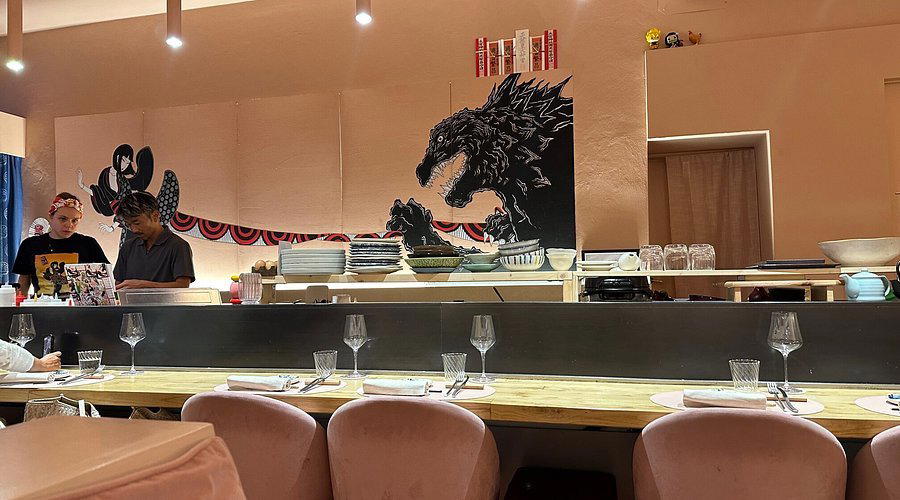
Lucca, Italy
A Michelin Bib Gourmand recipient in both 2024 and 2025, Nida sits roughly a kilometre outside Lucca's city walls and serves traditional Japanese cuisine rooted in the southern Japanese upbringing of chef Masaki Kuroda. The menu runs from sashimi and nigiri to gyoza and tonkotsu-style ramen, with a lunchtime teishoku set that represents particularly considered Japanese cooking in Tuscany at a mid-range price point.
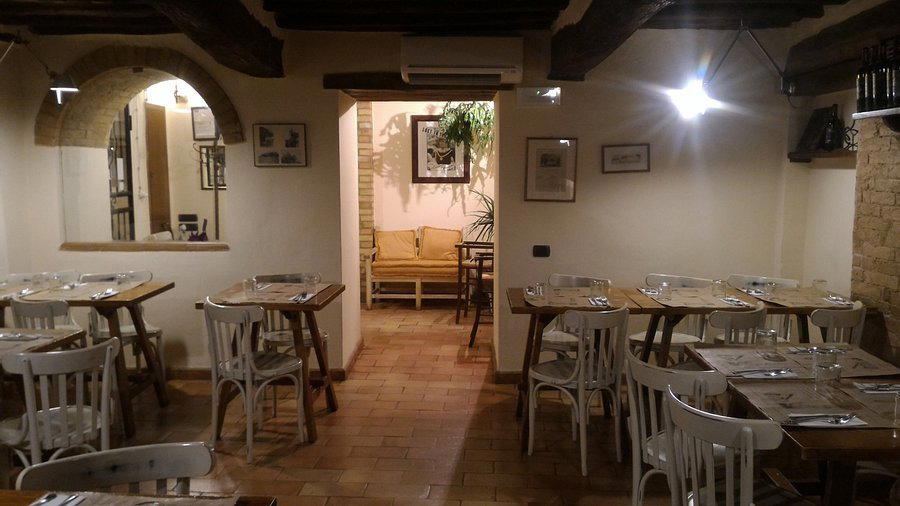
Montalcino, Italy
Reached by a steep flight of stone steps off one of Montalcino's narrow lanes, Taverna del Grappolo Blu has held Michelin Bib Gourmand recognition in both 2024 and 2025 for its direct Tuscan cooking and a wine list of around 1,085 selections weighted toward Brunello. Pici with ragù and tripe anchor the menu; the atmosphere is informal, the service attentive, and the pricing stays at the accessible end of the town's dining spectrum.
Lucca, Italy
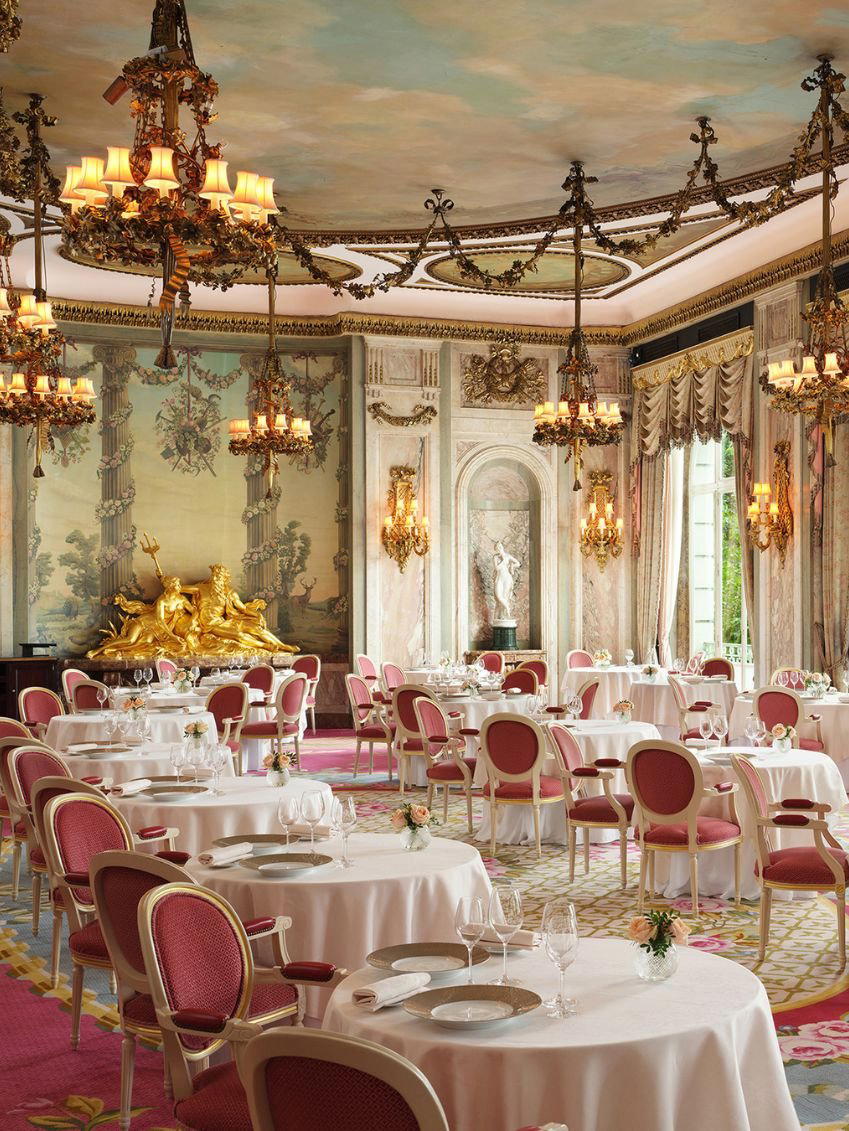
Set in a hillside farmhouse just outside Lucca's medieval walls, L'Imbuto is Cristiano Tomei's creative Italian restaurant where the number of courses is chosen blind and the kitchen's generosity tends to make that number irrelevant. The format is built around bitter notes, Parmigiano Reggiano, and a cooking sensibility that resists easy categorisation. Recognised by Michelin and ranked among Europe's top restaurants by Opinionated About Dining in 2025, it occupies a distinct tier in Lucca's dining scene.
Volterra, Italy
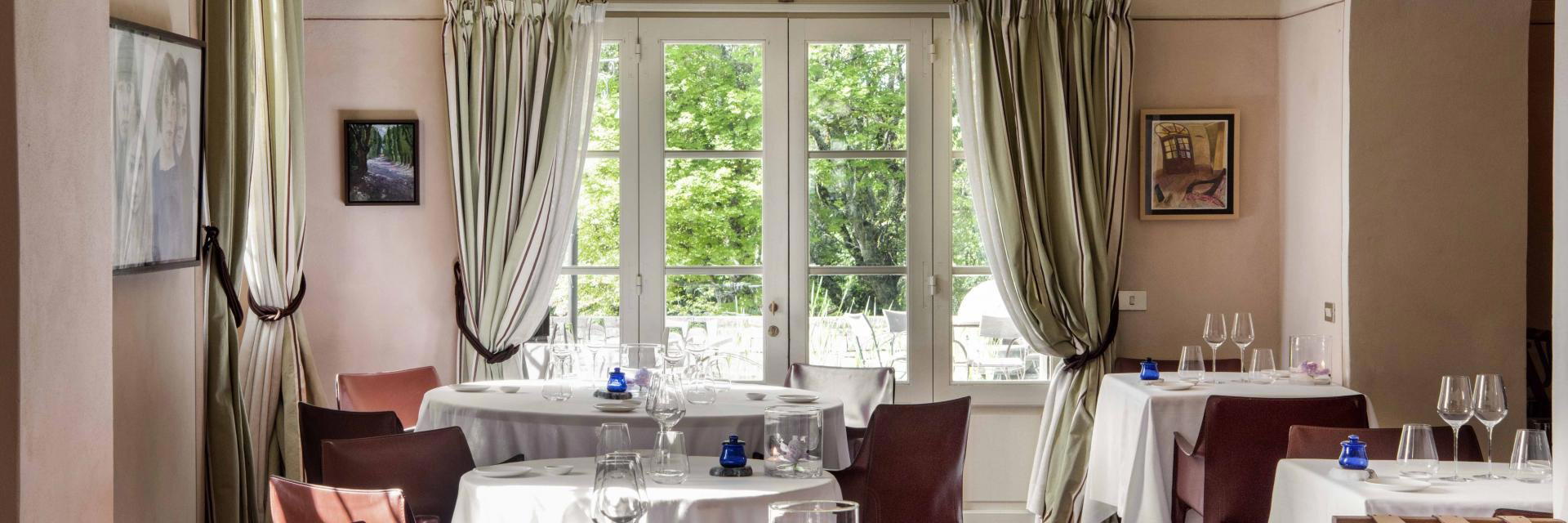
Set on a 300-hectare estate 15km from Volterra, Villa Pignano holds a Michelin Plate (2025) for contemporary cuisine built on a strict zero-mile philosophy. Vegetables, olives, grains, chicken, pork, and honey come from the estate itself, while the wine list draws on Tuscany's organic producers alongside the estate's own vines. Lunch runs a simpler format; dinner moves into more elaborate, technically considered territory.
Lucca, Italy
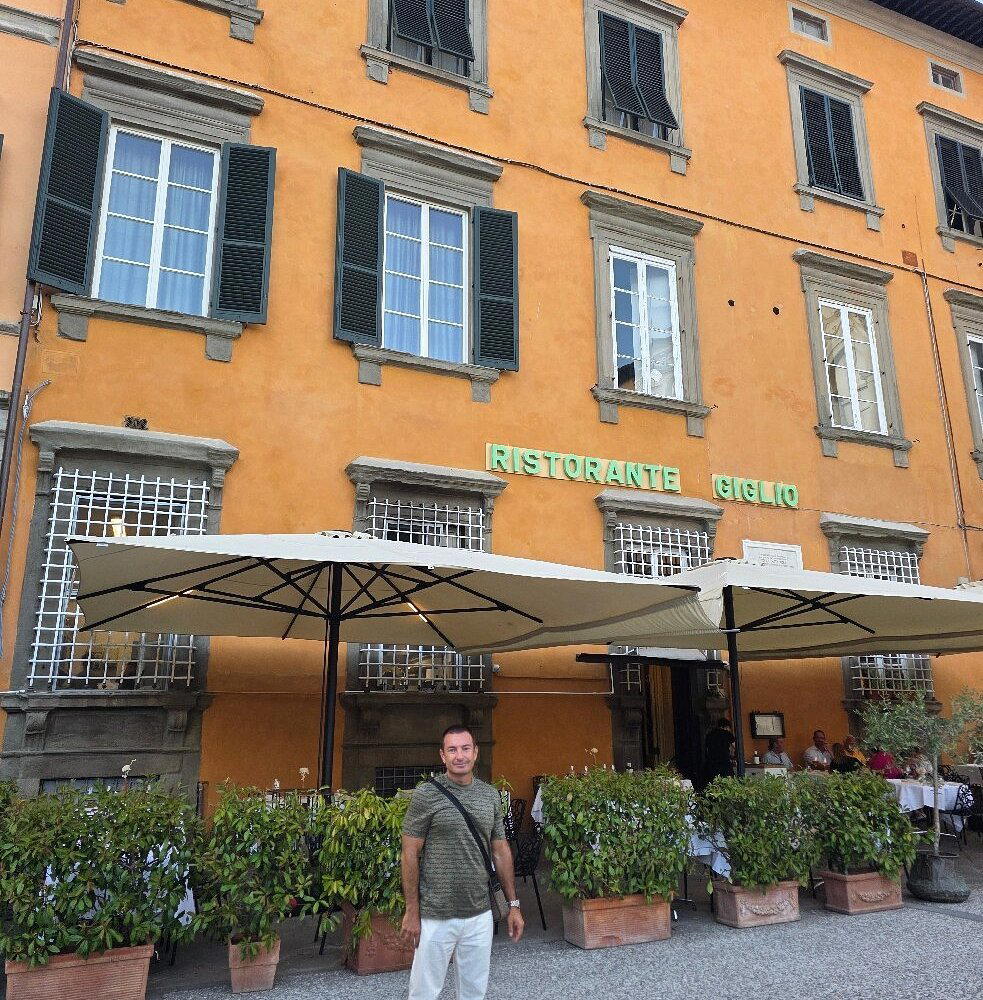
Occupying a handsome 18th-century palazzo on one of Lucca's central piazzas, Giglio holds a Michelin Plate for two consecutive years and serves classic Italian cooking reinterpreted with a measured modern hand. Meat and fish dishes draw on regional traditions, with technique applied selectively rather than showily. The setting — a formal dining room opening onto an outdoor terrace — frames a meal that moves at the unhurried pace Lucca rewards.
Cortona, Italy
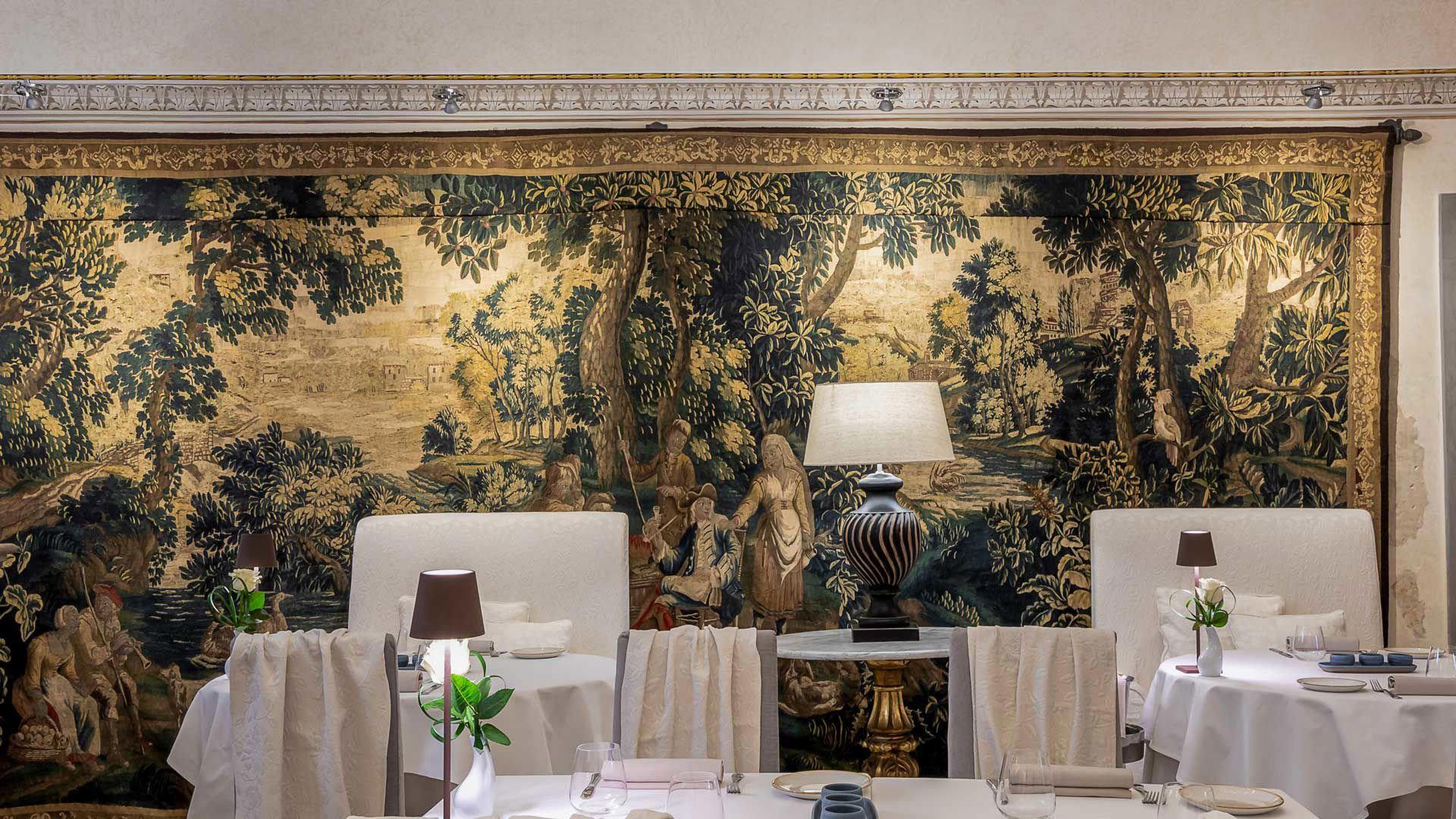
Ristorante Gli Affreschi holds a 2-Star Accreditation from the World of Fine Wine & Dining Awards, placing it among a select tier of recognised restaurants in Cortona, Tuscany. Located on Via del Salvatore, the restaurant operates within a town defined by medieval architecture and centuries of Tuscan agricultural tradition. For travellers seeking accredited dining in the Val di Chiana, Gli Affreschi is a clear reference point.
Tuscany
Selected entries from the current guide for Tuscany.
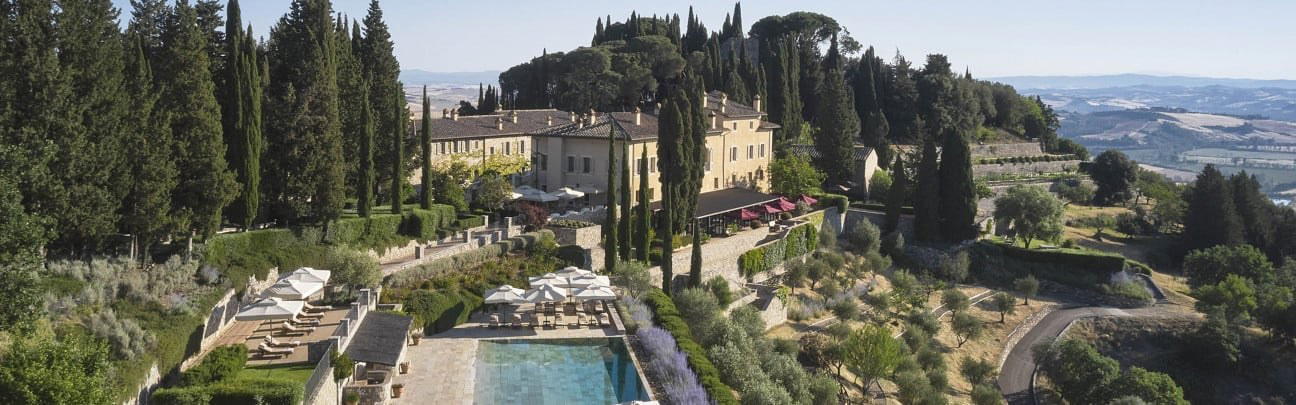
Montalcino, Italy
Set within a 5,000-acre UNESCO-protected estate in Val d'Orcia, Rosewood Castiglion Del Bosco combines nine centuries of Tuscan agricultural history with Michelin-starred dining, a private 18-hole golf course, and an on-site Brunello di Montalcino winery. With 42 suites and 11 restored villas, it occupies a different tier from conventional Tuscany resort hotels — closer in concept to a working estate that happens to accommodate guests than a hotel that borrows countryside aesthetics.
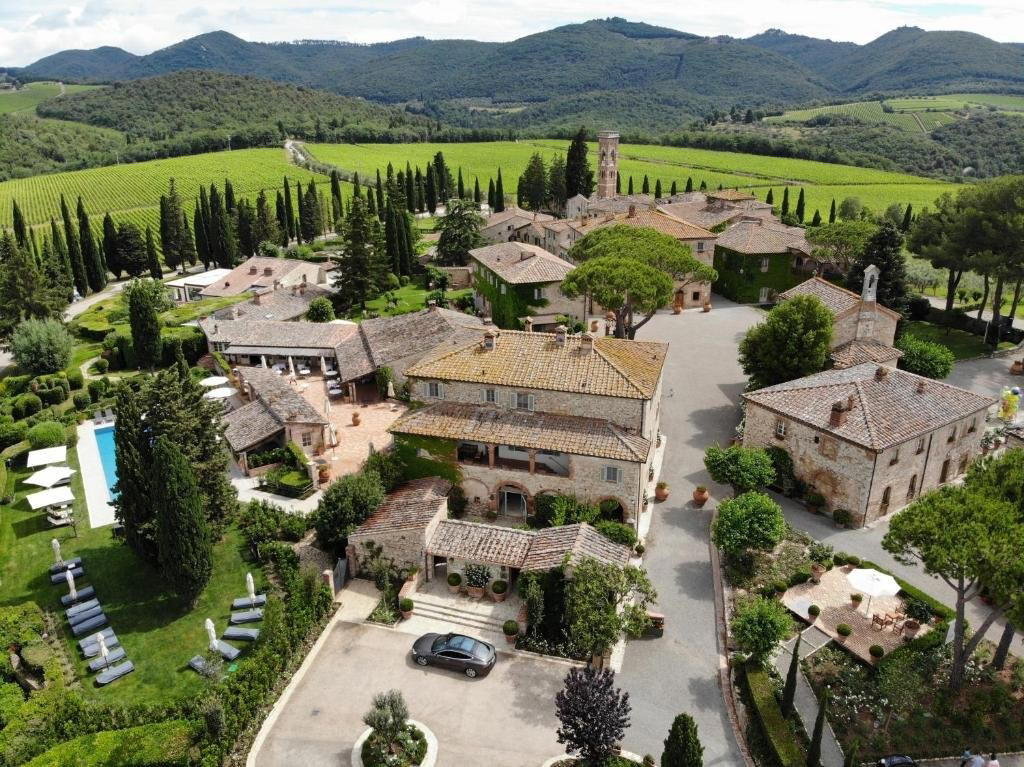
Castelnuovo Berardenga, Italy
A medieval hamlet in the heart of Chianti Classico, Borgo San Felice Resort converts an 11th-century village into 63 rooms and suites across a Relais & Châteaux property that holds a Michelin star, two Michelin Keys, and its own wine production. Rates from US$609 per night place it firmly in the upper tier of rural Tuscan luxury, with Siena 22 kilometres away and Florence Airport 90 kilometres by road.
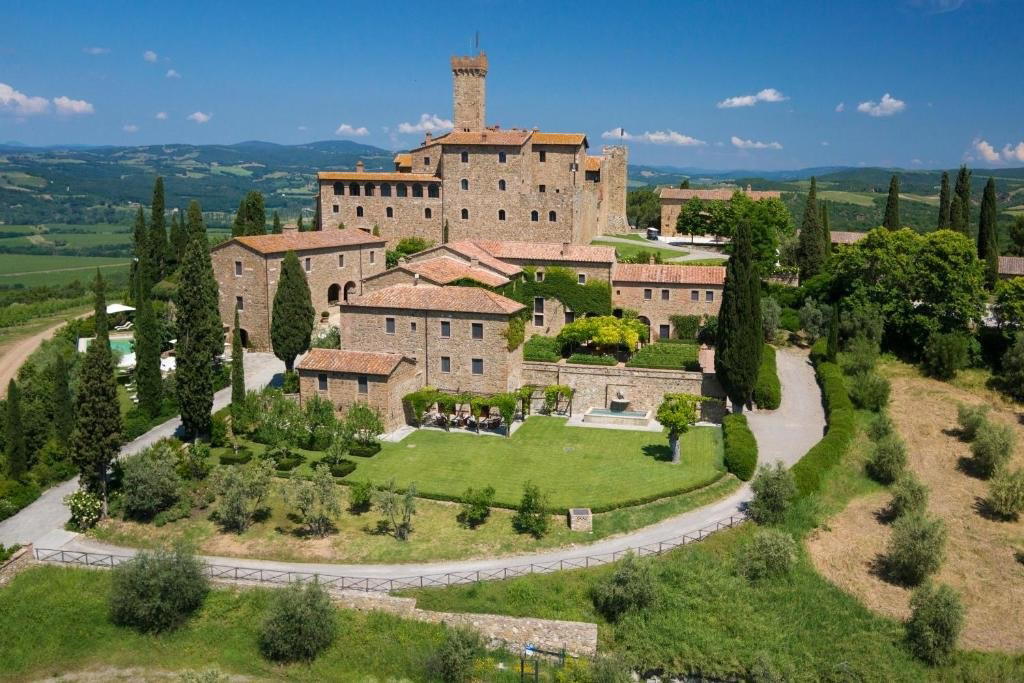
Montalcino, Italy
A 14-room Relais & Chateaux property occupying the stone borgo adjoining a medieval castle in the southwest corner of the Brunello di Montalcino growing zone, Castello Banfi Il Borgo pairs a Michelin-starred restaurant and a working two-thousand-acre vineyard estate with rooms that read like well-preserved chapters of Tuscan agricultural history. Rates from USD 1,014 per night reflect its position in the upper tier of wine-country accommodation in central Italy.
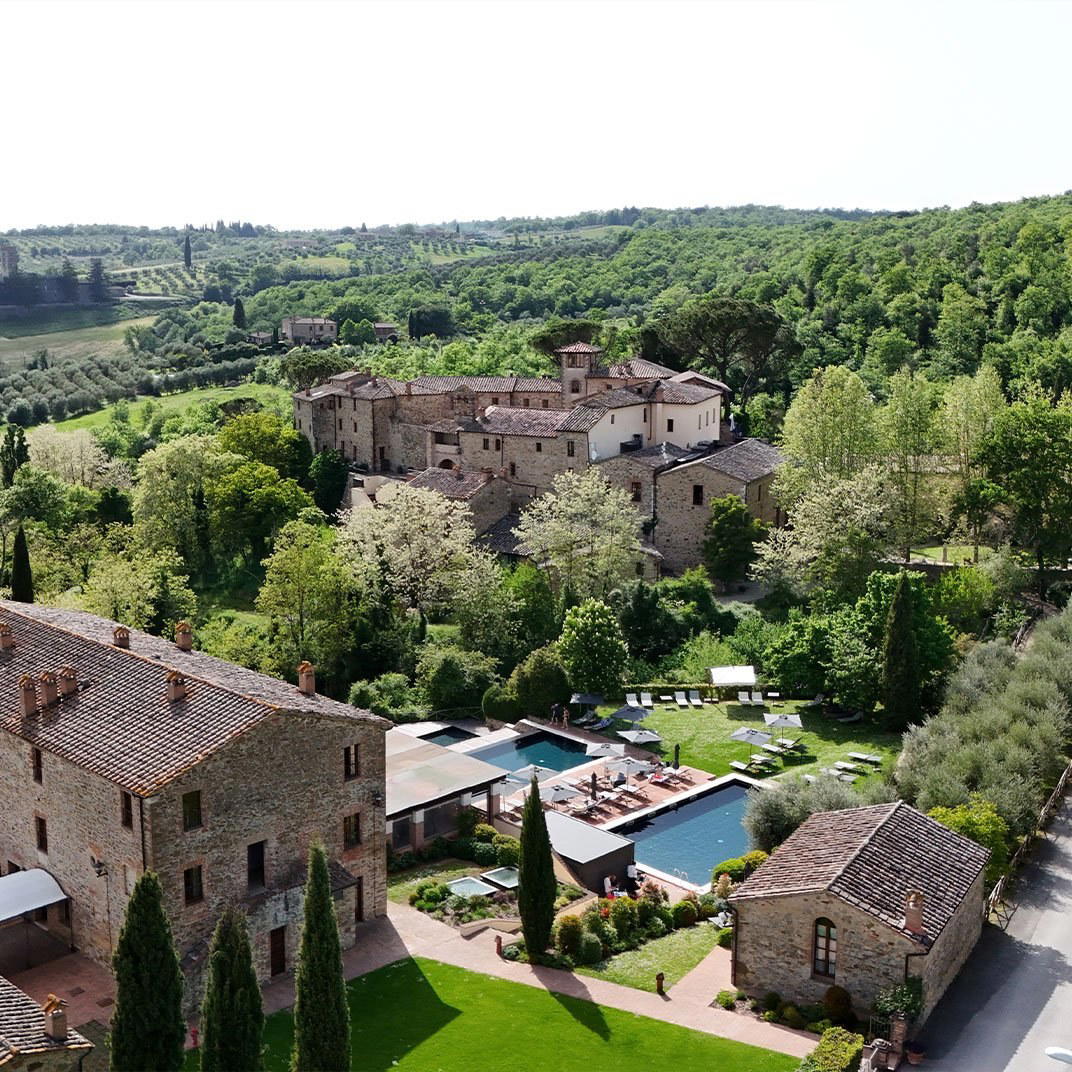
Castelnuovo Berardenga, Italy
A restored eleventh-century monastery village in Chianti, Castel Monastero sits 23 km from Siena with 70 rooms and suites spread across its medieval hamlet, two restaurants, and a 1,500 square metre spa. A Leading Hotels of the World member priced from $564 per night, it operates seasonally from late March through December. The property is 100 km from Florence airport.
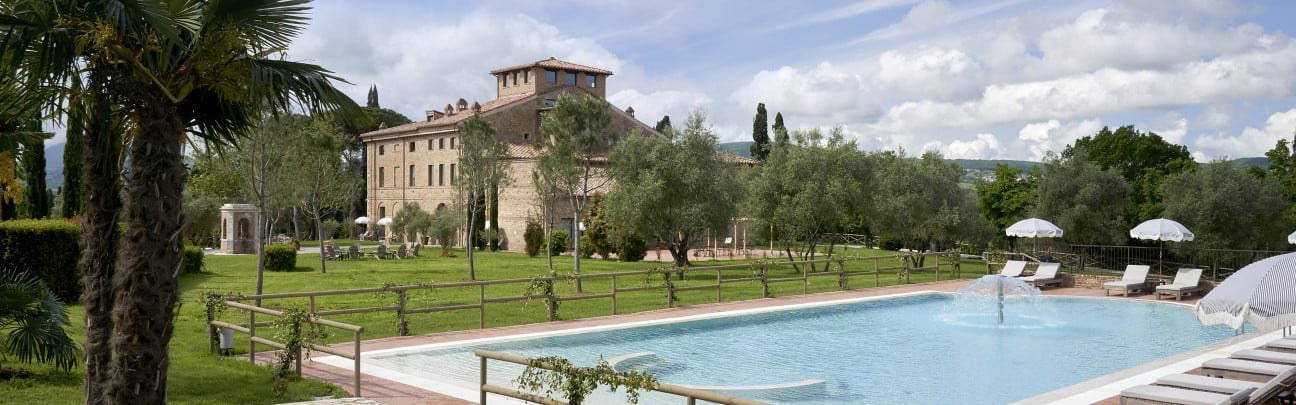
Montepulciano, Italy
Set among cypress and olive groves minutes from Montepulciano, Precise Tale Poggio Alla Sala is a 71-room property that earned a Michelin Key in 2024. Its design draws on Silk Route references spanning Istanbul to Shanghai, layering Eastern influences over a Tuscan base. The restaurant, La Via Della Seta, applies the same logic to its kitchen, pairing local ingredients with subtle Eastern inflection and fine Italian wines.
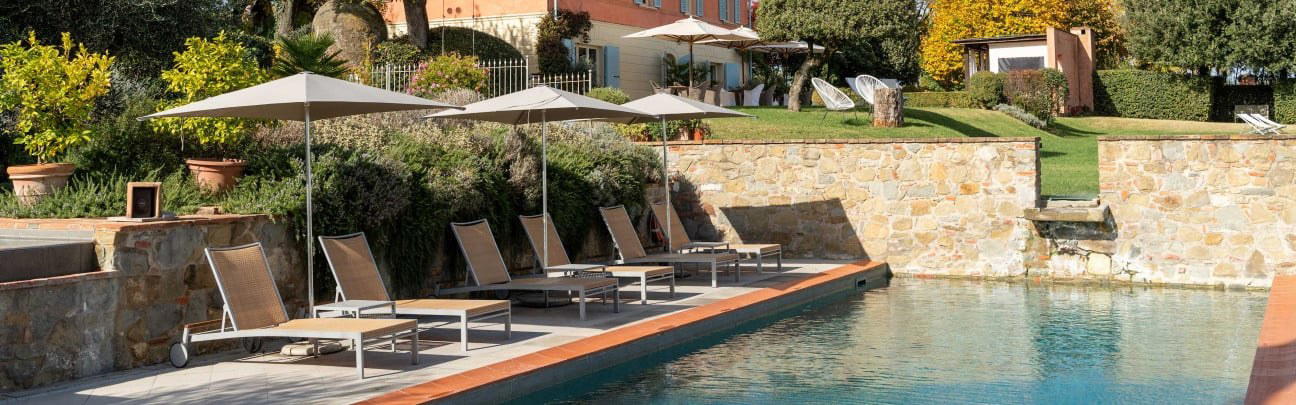
Arezzo, Italy
A nine-room Padronale residence in the Val di Chiana, Villa Fontelunga earned a Michelin Key in 2024 and occupies a distinct position among Tuscan small hotels: contemporary in spirit, with design by Philippe Starck and Arne Jacobsen alongside traditional antique furniture, open seasonally from March through November, and oriented toward the quiet rhythms of the countryside around Arezzo rather than the theatre of mainstream Tuscan luxury travel.
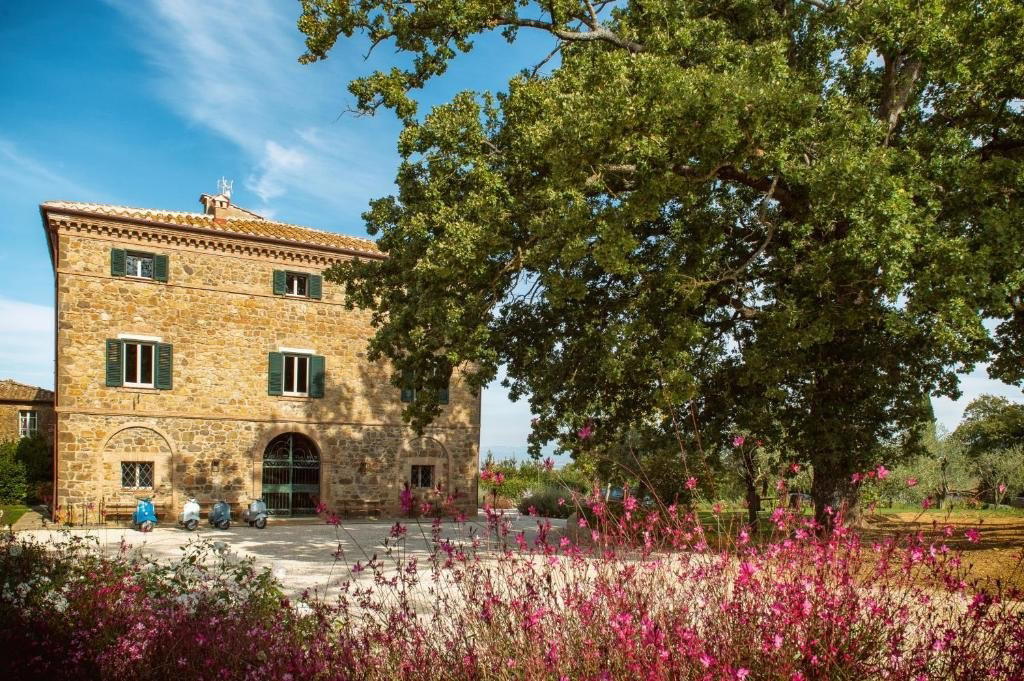
Montalcino, Italy
A Michelin Key-awarded estate five minutes from Montalcino's walls, Villa le Prata occupies a 19th-century hunting lodge on a working Brunello di Montalcino wine estate. Eight named rooms, garden breakfasts, and daily transport into the hilltop city place it firmly in the small-scale, agricultural-luxury tier that defines one considered agriturismo category in Tuscany. Rates from $483 per night.
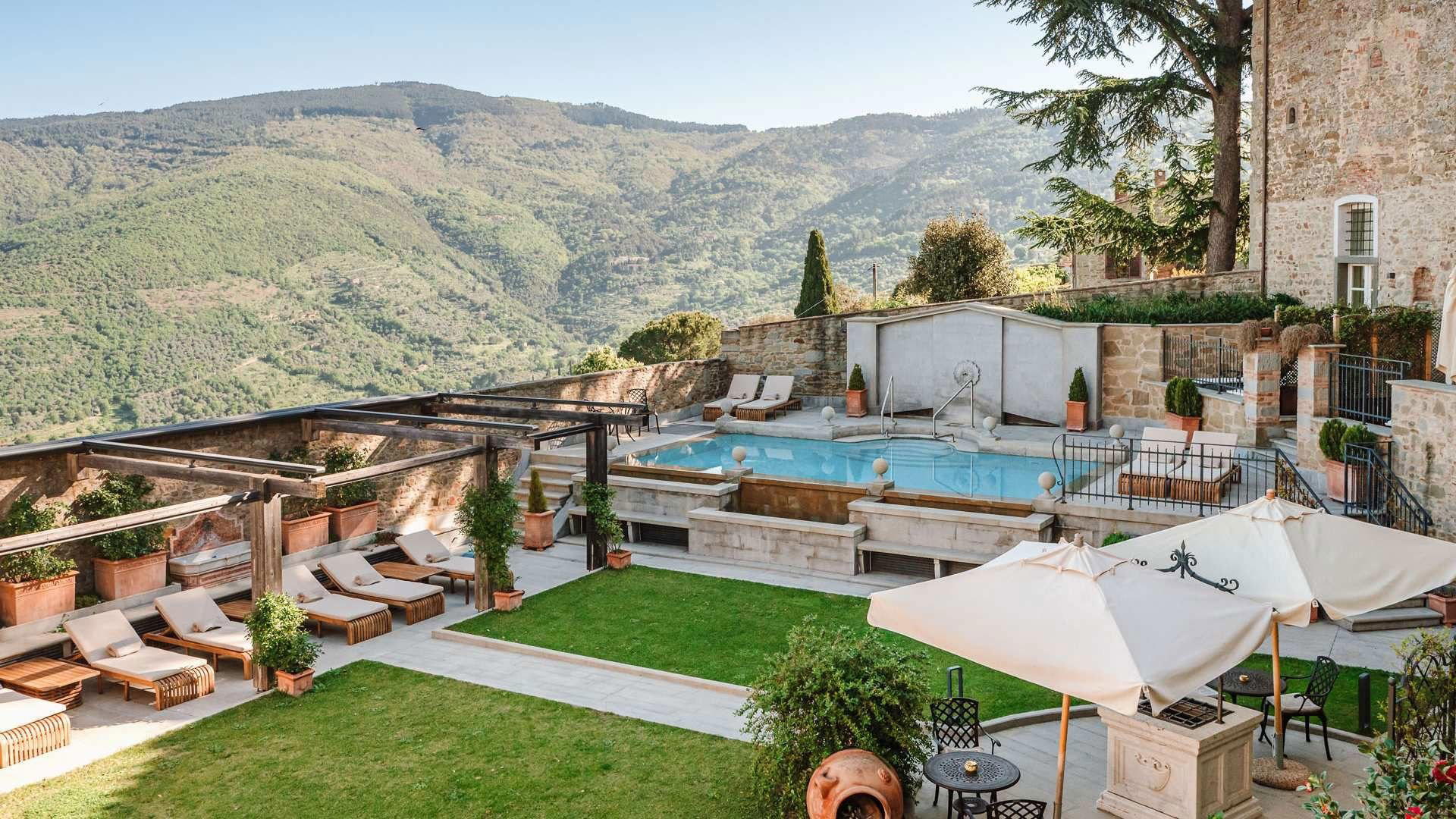
Cortona, Italy
A 15th-century monastery converted into a 40-room luxury boutique hotel in 2019, Monastero di Cortona sits on Cortona's hilltop with original frescoes, vaulted ceilings, and a sun-drenched terrace pool. Rooms from $369 per night range from beamed attic retreats to suites with private terraces. The rooftop garden and Tuscan negroni program make it a compelling base for the Val di Chiana.
Volterra, Italy
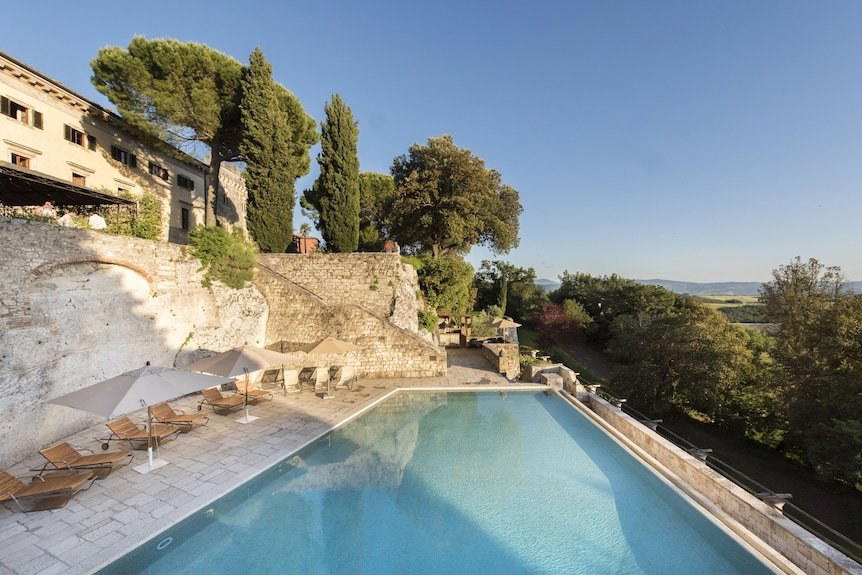
A 750-acre organic estate between Volterra and San Gimignano, Borgo Pignano occupies an 18th-century villa and hamlet with Etruscan foundations, restored to function as both a working farm and a privately-owned retreat. A founding member of Beyond Green, it earned 91.5 points in the La Liste Top Hotels 2026 ranking. Fourteen rooms and eight villas accommodate guests ranging from couples to large-group celebrations.
Arezzo, Italy
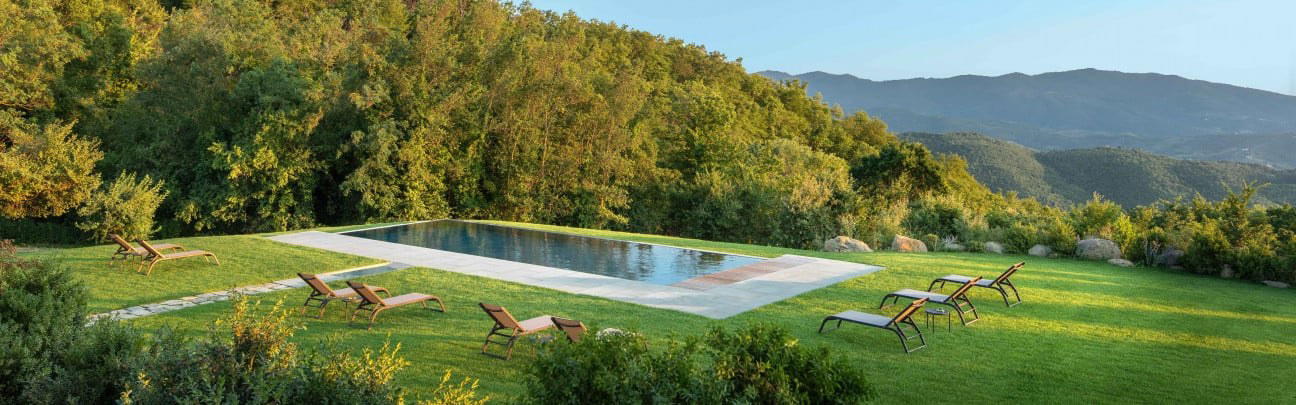
A restored 17th-century abbey set on a mountainside above Arezzo, Badia di Pomaio occupies a tier of Tuscan accommodation where the architecture is the primary argument. The stone buildings, hilltop position, and views across the rolling Tuscan hills place it within a cohort of converted heritage properties that compete on provenance and setting rather than branded amenity stacks.
Radda in Chianti, Italy
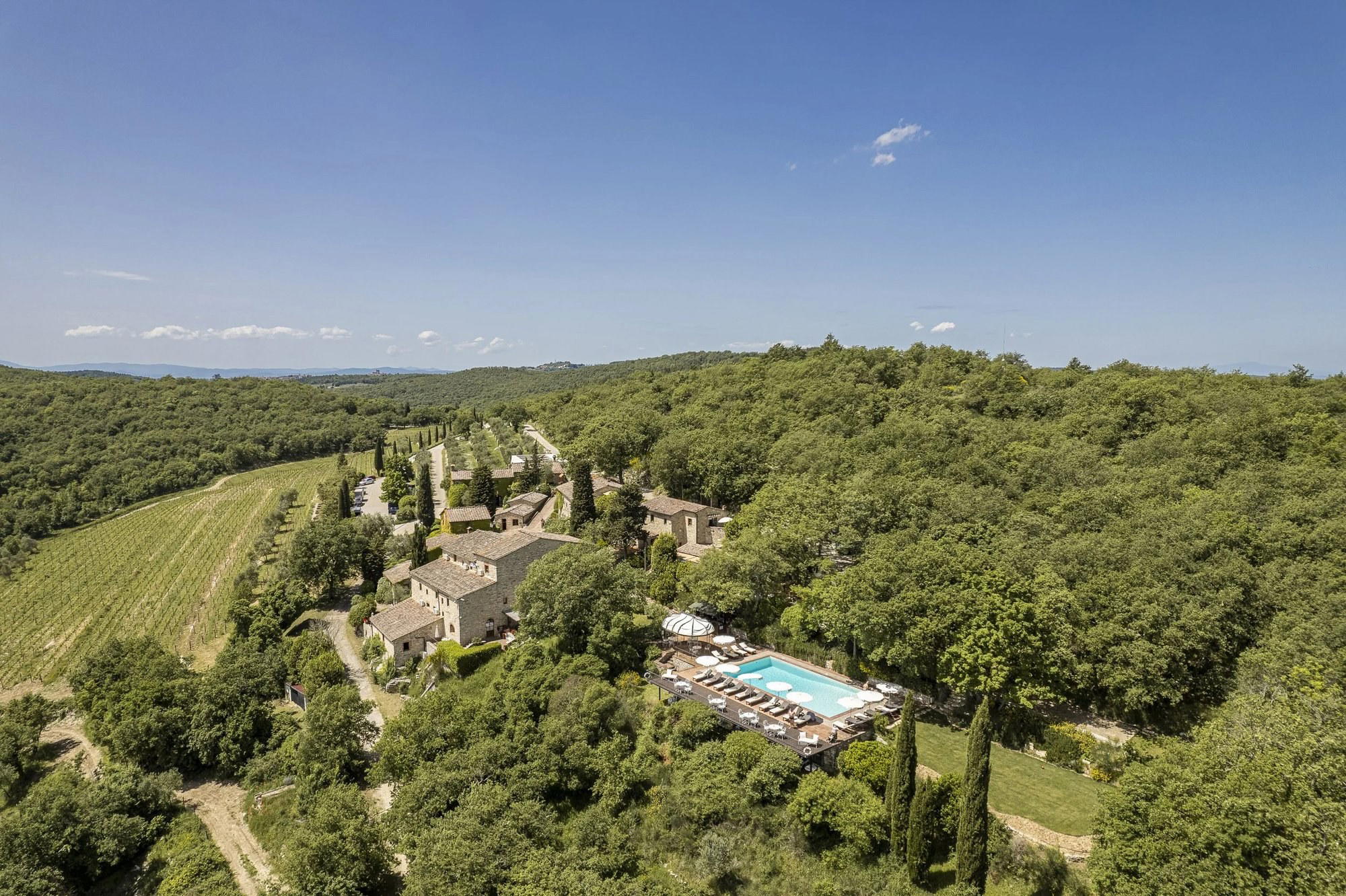
A five-star medieval hamlet in the heart of Chianti Classico, Relais Borgo Vescine occupies restored stone buildings surrounded by vineyards outside Radda in Chianti. The property sits within a tier of Tuscan estate hotels where architectural authenticity and rural seclusion define the offer rather than resort-scale amenities. For guests arriving from Florence, it represents a shift from urban grandeur to something older and more deliberately still.
Montalcino, Italy
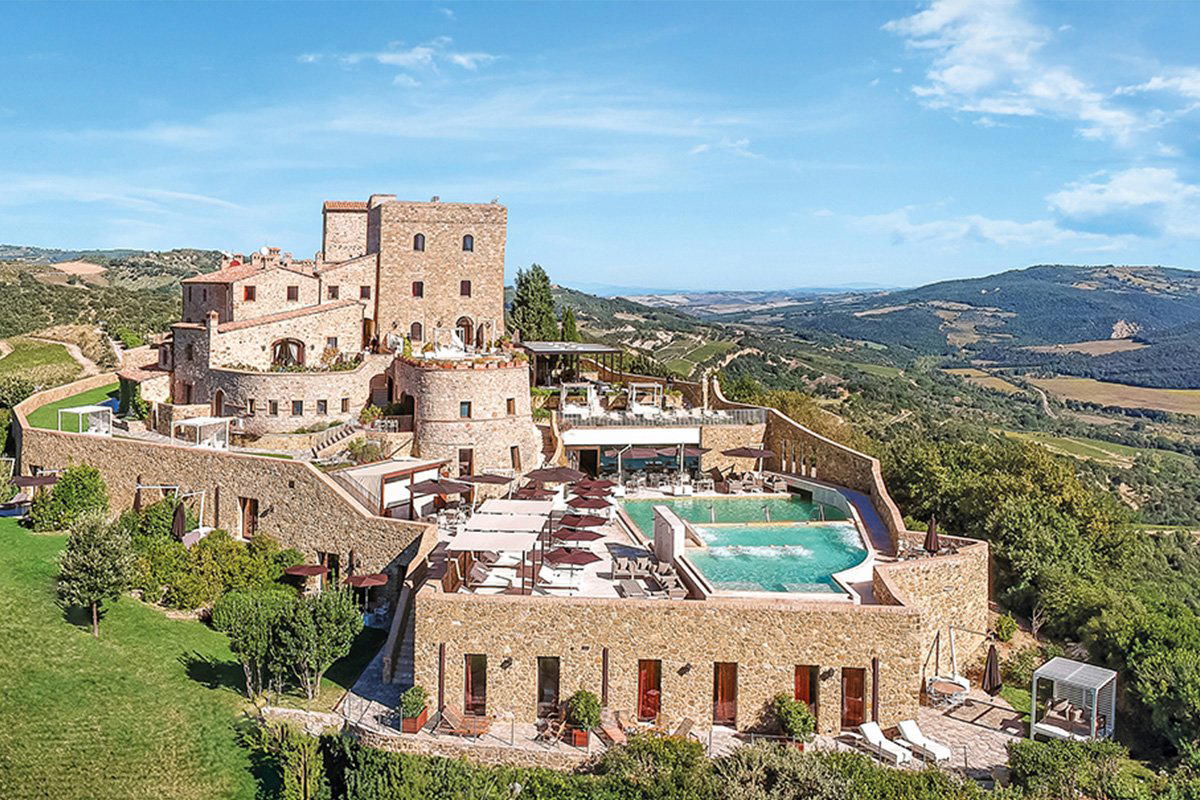
A restored 11th-century castle perched above the UNESCO-listed Val d'Orcia, Castello di Velona combines an estate winery, thermal spa fed by Mount Amiata waters, and two distinct restaurants within 45 rooms and suites. Positioned 8 km from Montalcino in Brunello di Montalcino country, it occupies a tier of Tuscan castle hotels where the wine program, thermal infrastructure, and dining format all connect directly to the surrounding land.
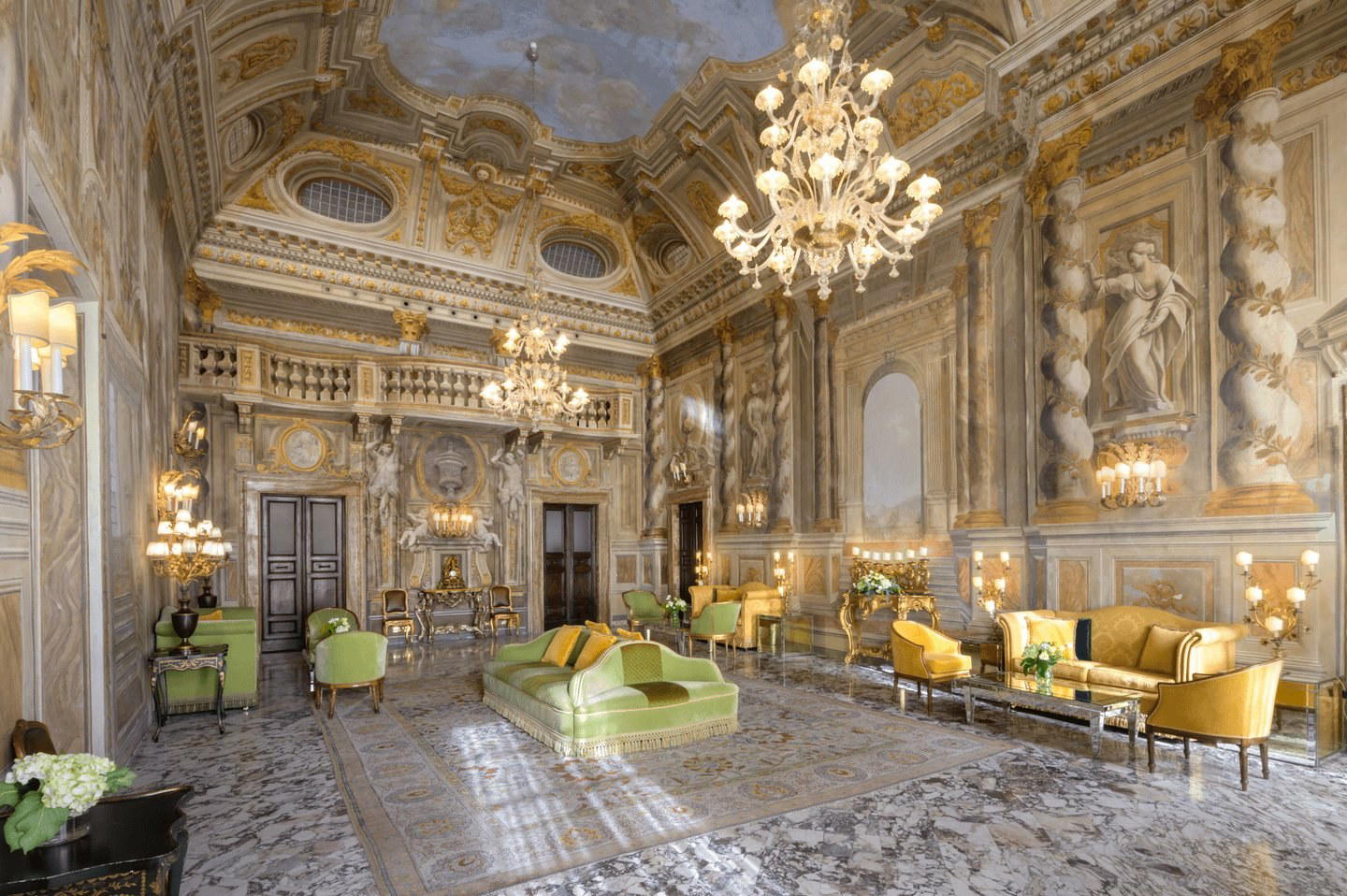
Siena, Italy
Siena's first five-star hotel in the city centre occupies a restored 17th-century palace steps from Piazza del Campo, with 51 rooms framed by original frescoes, vaulted ceilings, and a wine cellar carved into medieval limestone. A Leading Hotels of the World member since 2025, it positions itself at the upper tier of Tuscan urban hospitality, where architecture and location do the primary work.
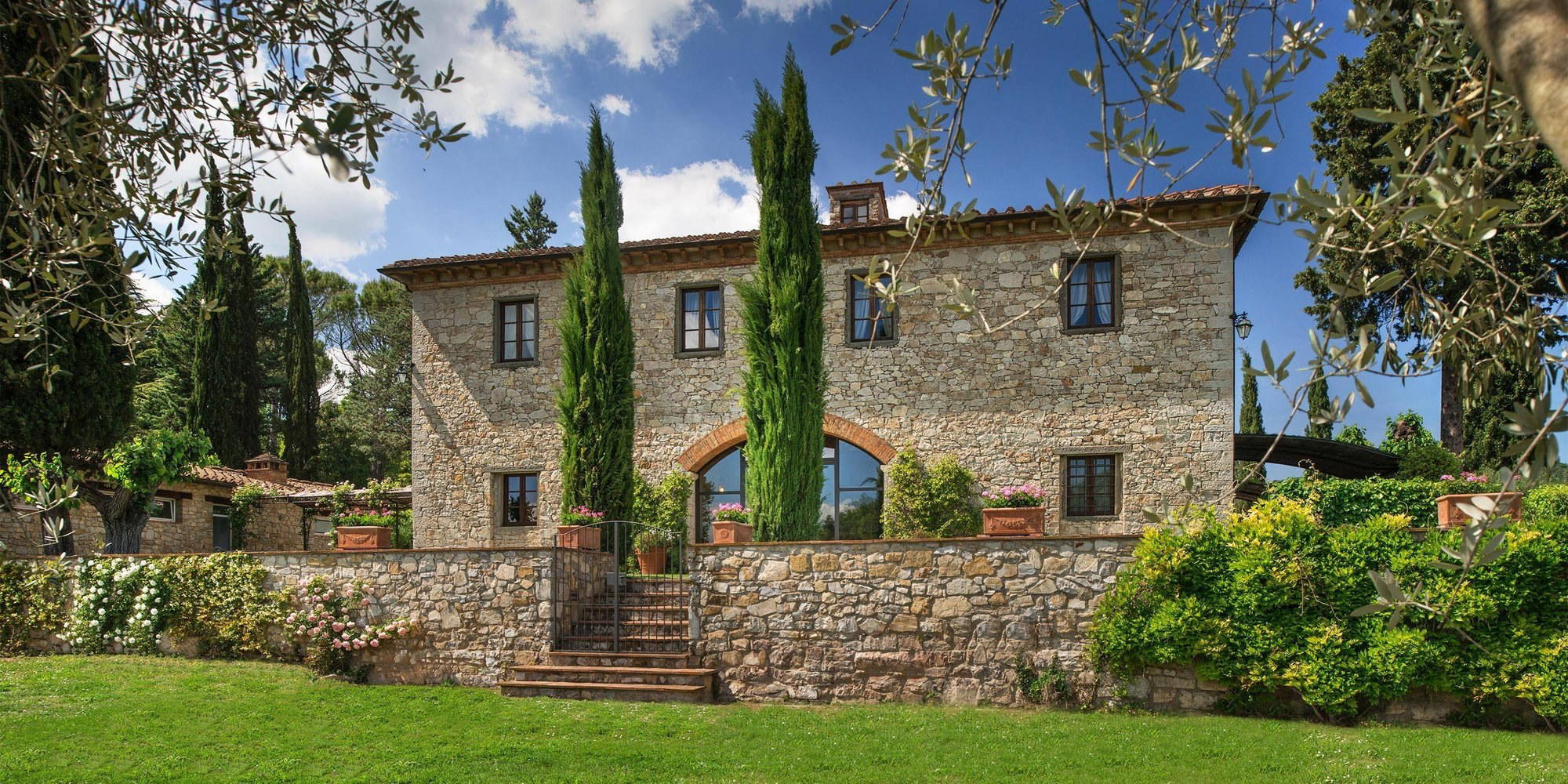
Gaiole in Chianti, Italy
Castello di Spaltenna puts the Chianti hotel fantasy in a fortified setting: stone architecture, olive groves, and views across Sangiovese vineyards near Gaiole in Chianti. Its MICHELIN Selected hotel recognition places it within the more scrutinised tier of Tuscan country stays, where architecture and setting carry as much weight as service polish.
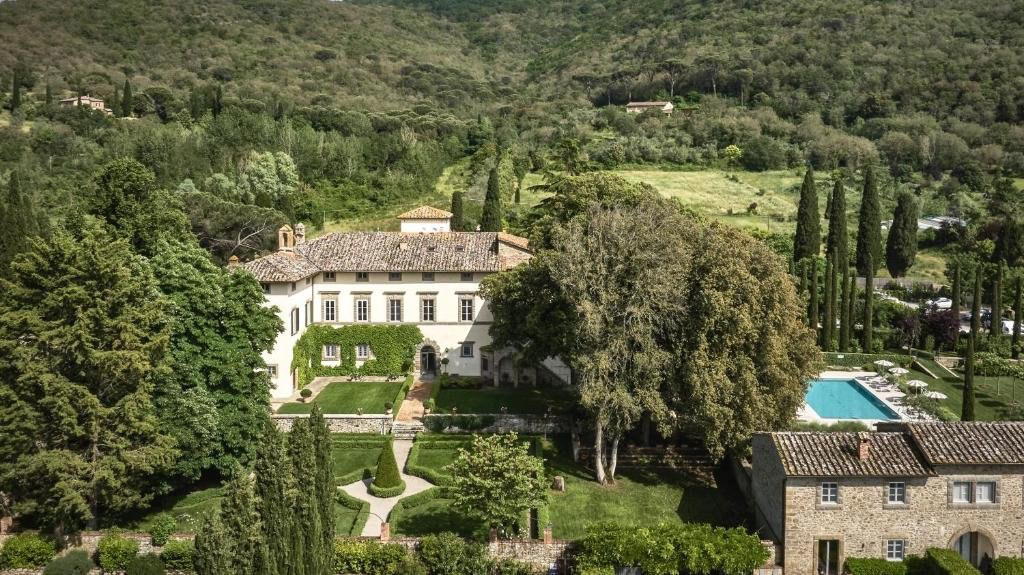
Cortona, Italy
Compared to Cortona's larger monastery conversions and wine-estate hotels, Villa di Piazzano operates at smaller scale, with Small Luxury Hotels of the World membership (2025) placing it in a curated tier of independently spirited properties. Its position between Cortona and Lake Trasimeno gives guests proximity to both the hilltop town's Etruscan heritage and the lake's quieter agricultural edges — a geography few properties in this corridor can match.
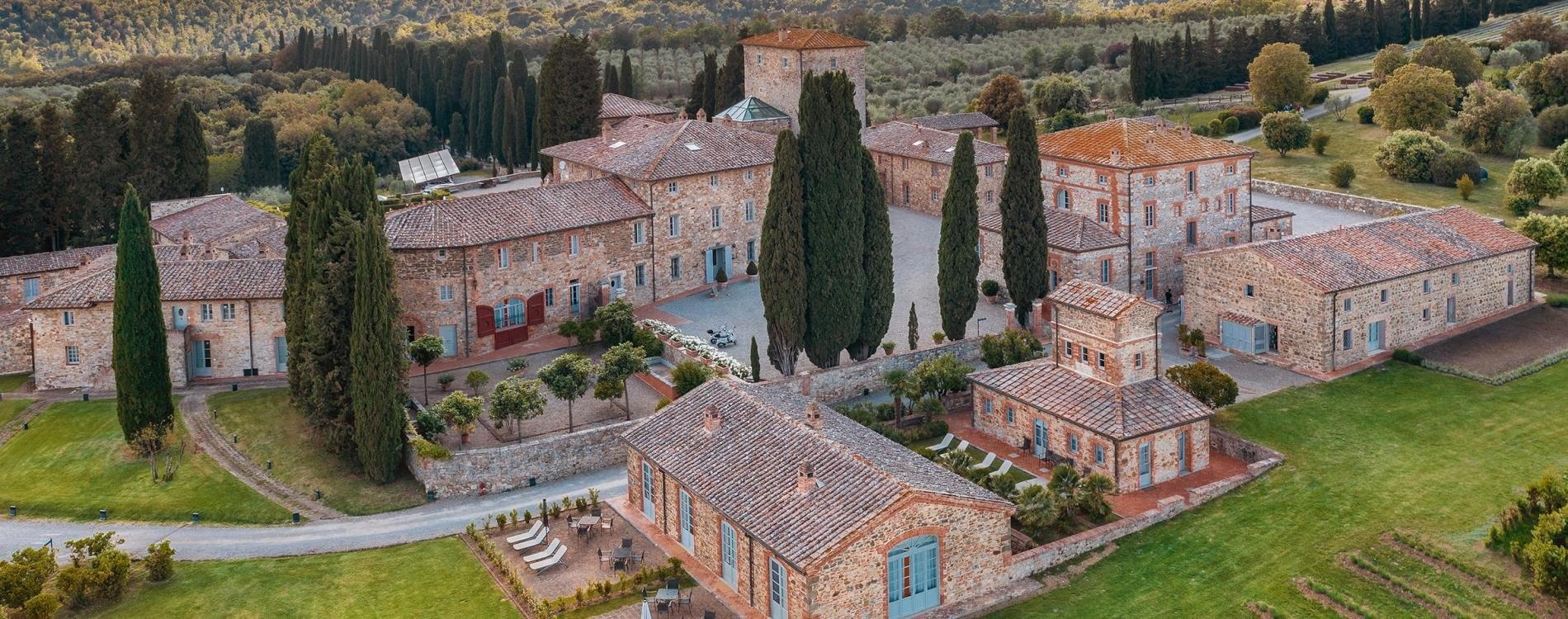
Siena, Italy
A restored medieval borgo set among the Chianti Classico vineyards between Siena and Castelnuovo Berardenga, Borgo Scopeto Wine & Country Relais offers 52 rooms across stone farmhouse buildings that have been converted with the kind of restraint that lets the agricultural landscape do most of the work. It sits in the smaller, design-conscious tier of Tuscan country retreats, closer in spirit to a working estate than a resort.
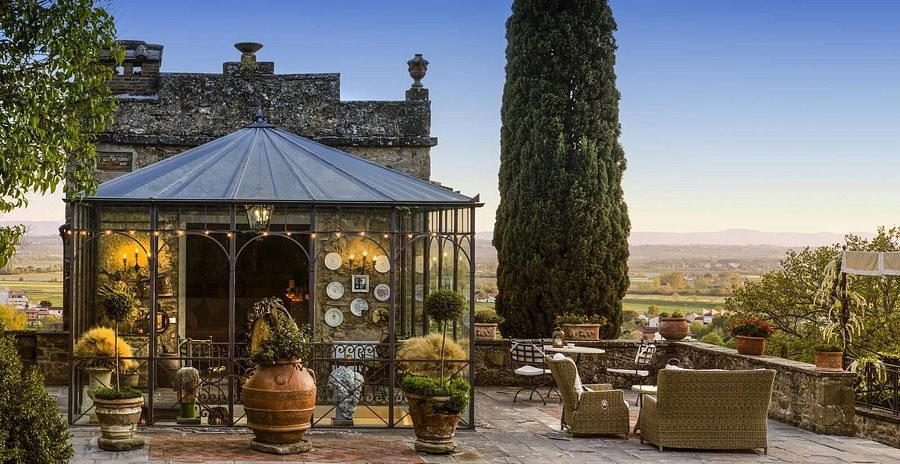
Cortona, Italy
A seventeenth-century Tuscan manor on a hill above Cortona, Relais Il Falconiere has been held by the Baracchi family since 1860 and now operates as a wine-producing Relais & Chateaux property with a Michelin-starred restaurant. Thirty rooms are distributed across the villa, a chapel annex, and a cottage, priced from US$398 per night, with a full-service spa and an estate vineyard that feeds directly into the table.
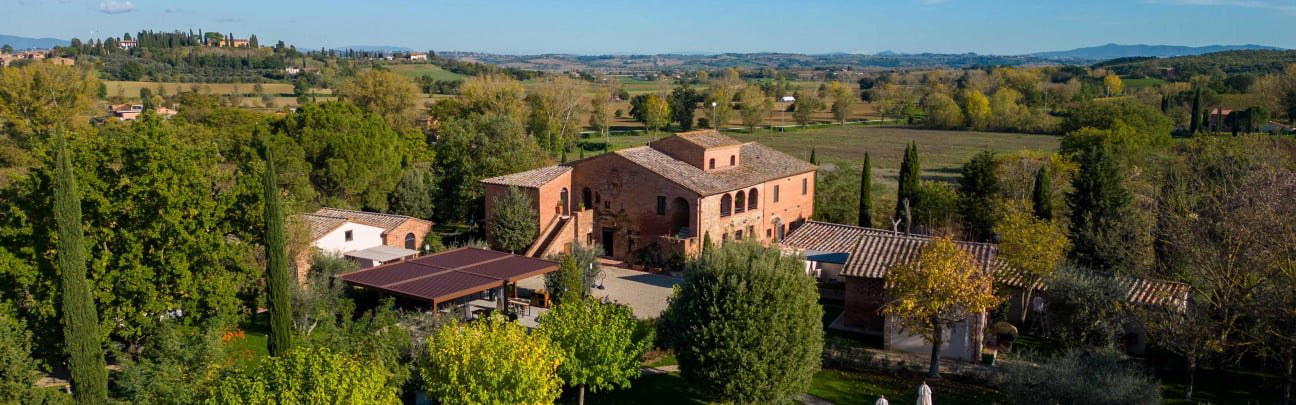
Montepulciano, Italy
A Michelin Selected property set along Via di Montenero on the slopes above Montepulciano, Borgo San Vincenzo represents the smaller, place-rooted tier of Tuscan accommodation — where the surrounding Vino Nobile vineyards and hilltop townscape do much of the storytelling.
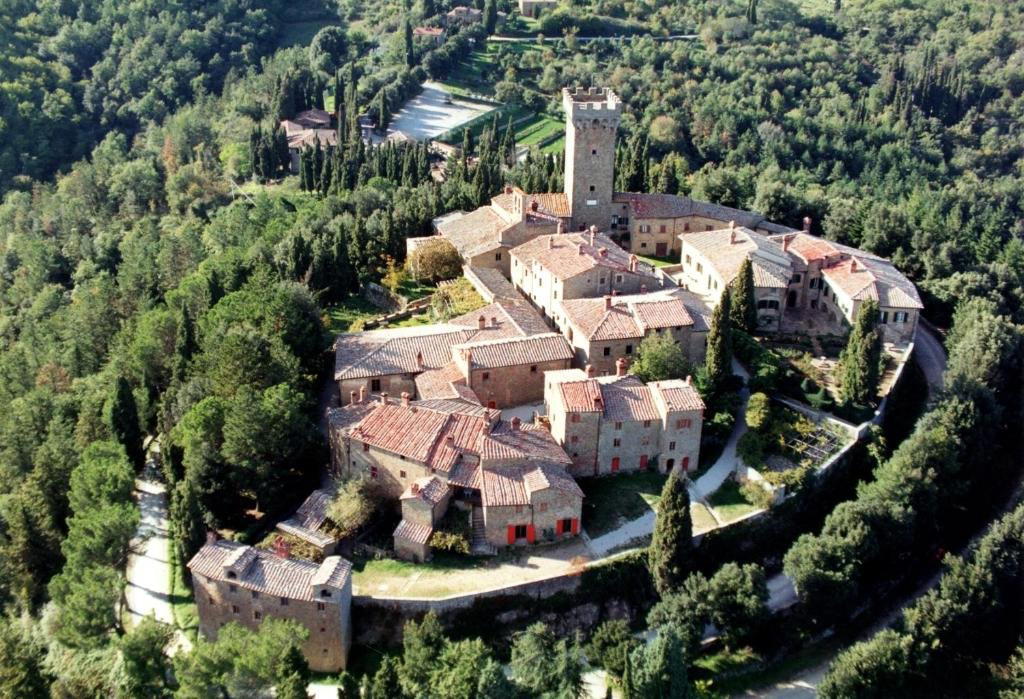
Gaiole in Chianti, Italy
A five-star castle property in the Gaiole in Chianti hills, Castello di Garga belongs to the Great Hotels of the World collection and holds 47 rooms across medieval fortified architecture. It operates at the quieter, estate-scale end of Chianti luxury, where the physical fabric of the building does as much editorial work as any amenity list.
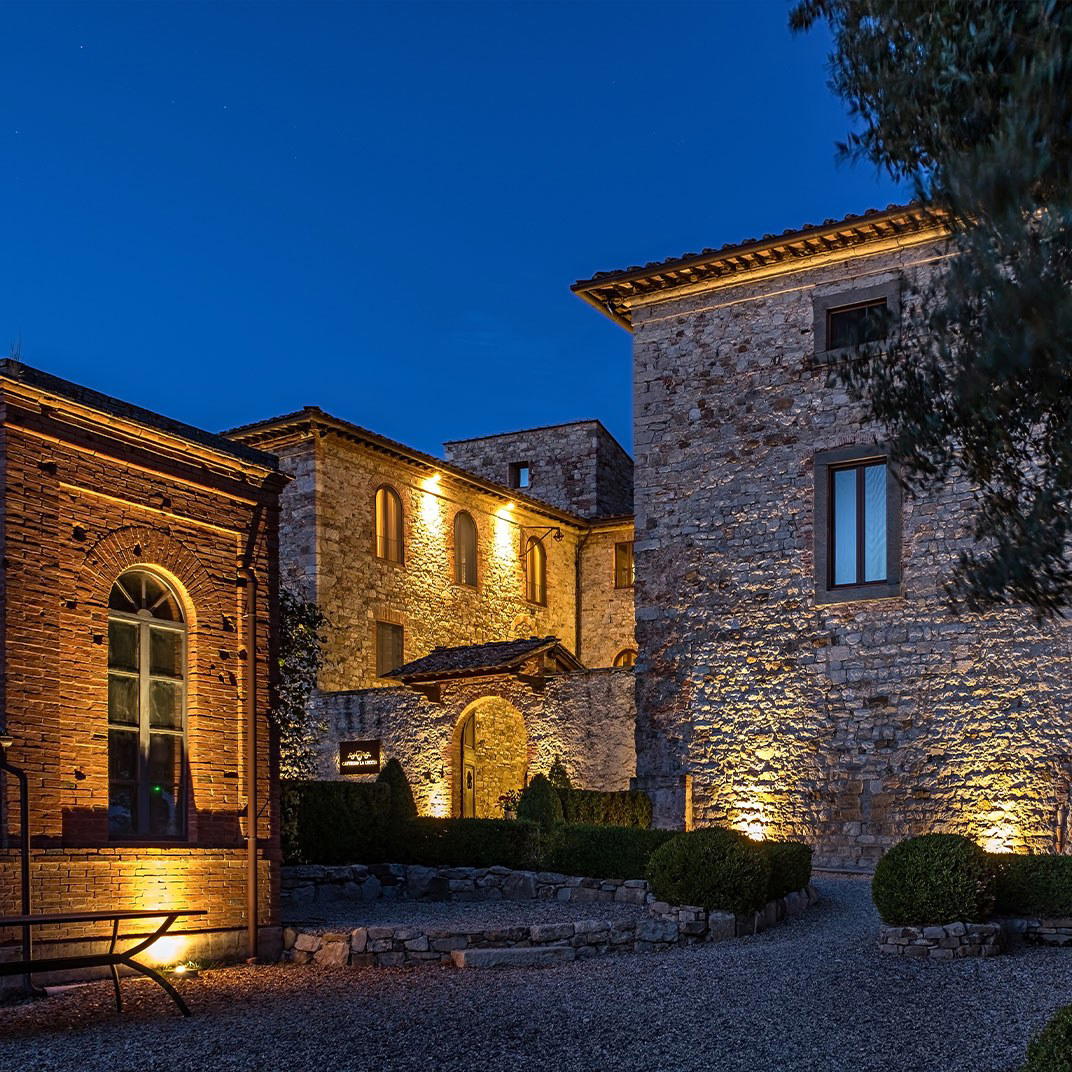
Castellina in Chianti, Italy
A medieval castle in the Chianti Classico hills, Castello La Leccia carries Michelin Selected recognition for 2025 and sits within one of Tuscany's most coherent wine and landscape traditions. The property occupies the agricultural estate of Loc. La Leccia outside Castellina in Chianti, where fortress architecture and working vineyards share the same ridgeline. For travellers calibrating between larger resort compounds and genuinely historic rural stays, it occupies a distinct position.
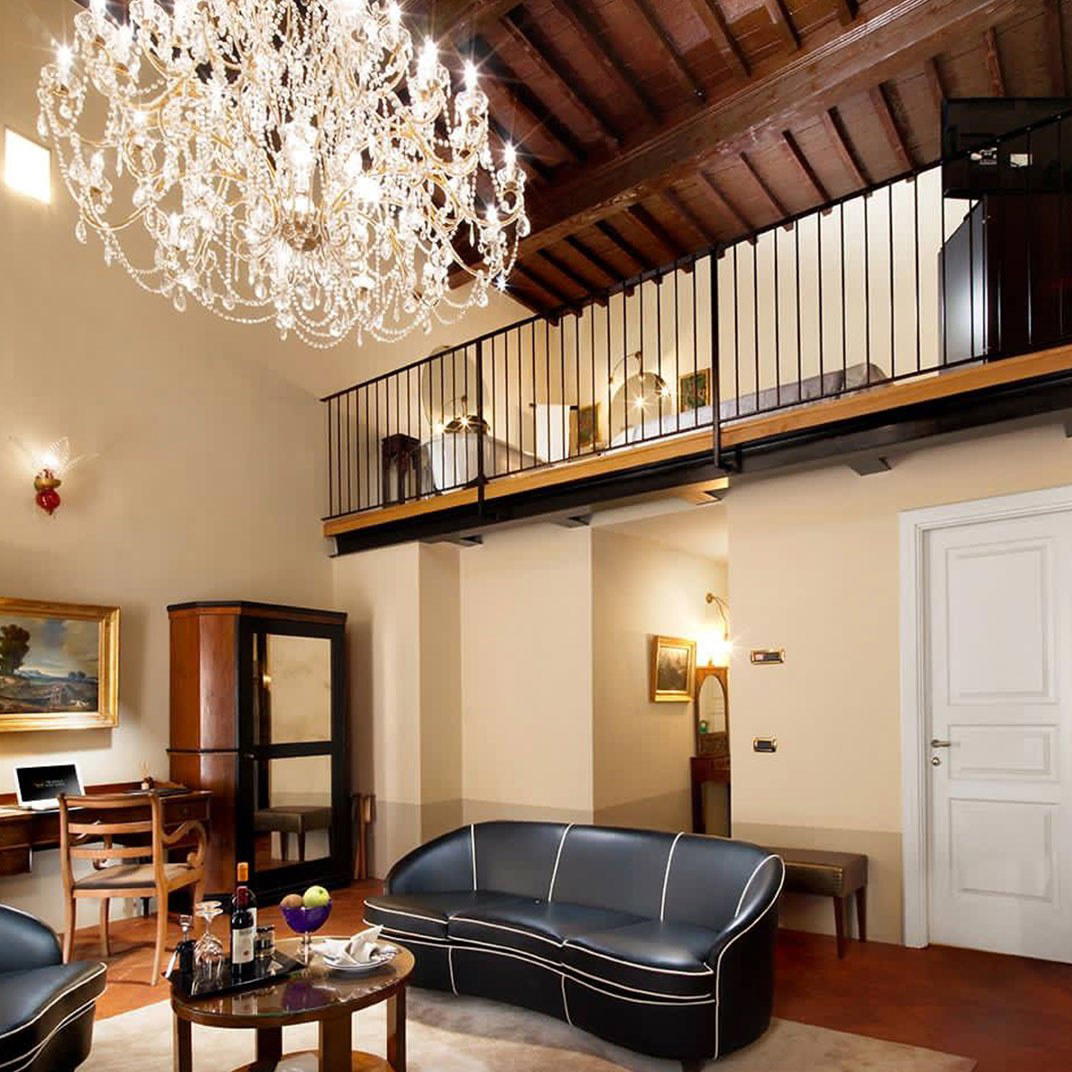
Arezzo, Italy
A Michelin Selected hotel on Via Cavour in the historic centre of Arezzo, the Graziella Patio Hotel occupies a converted palazzo where the design takes its cues from the building's medieval bones rather than obscuring them. For travellers using Arezzo as a base for eastern Tuscany, it sits in a different tier from rural agriturismo options, offering urban access with architectural character.
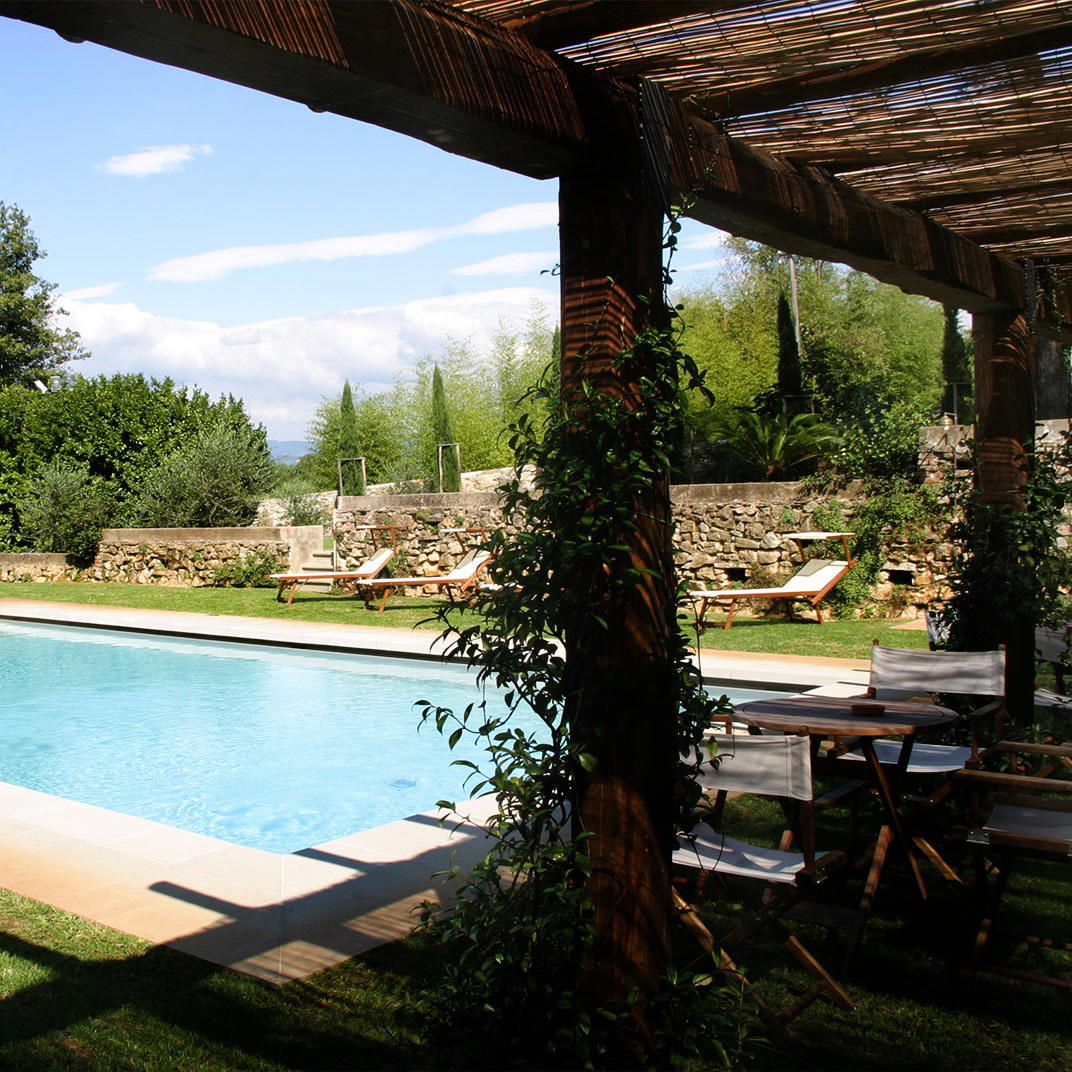
Lucca, Italy
A Michelin Selected villa hotel on the outskirts of Lucca, Hotel Albergo Villa Marta occupies a restored country property within easy reach of the walled city centre. Carrying Michelin's 2025 hotel recognition, it sits in the quieter, estate-style tier of Tuscan accommodation, where the draw is landscape proximity and architectural character rather than branded amenity stacks.
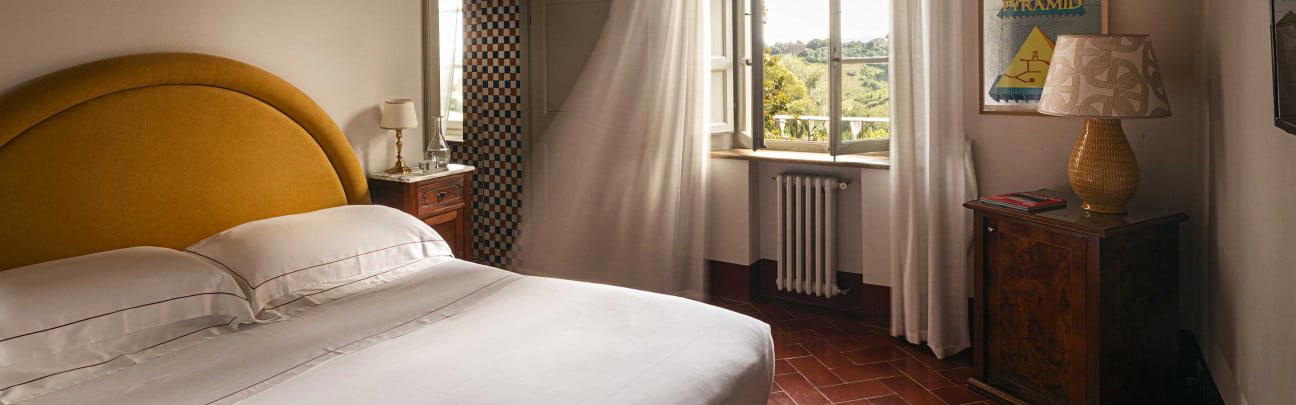
Siena, Italy
A Michelin Selected former Carthusian monastery set on the southern edge of Siena, Hotel Certosa di Maggiano trades on centuries of monastic architecture and Tuscan quiet that few city-fringe properties can match. The property sits inside a 14th-century certosa, offering a degree of historical depth and physical remove that positions it apart from the palazzo hotels within the city walls.
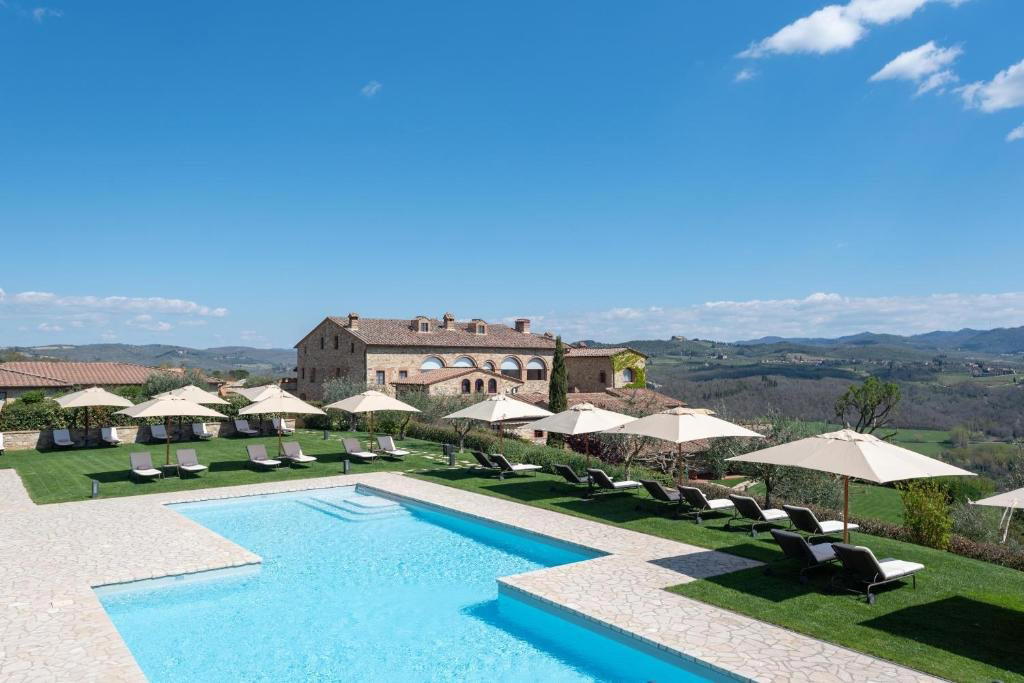
Castelnuovo Berardenga, Italy
A 13th-century farmhouse in the hills of Castelnuovo Berardenga, Hotel Le Fontanelle opened in 2006 after seven years of careful restoration. Thirty-six rooms across five categories sit inside stone walls built with regional timber and terracotta floors aligned with Chianti's architectural tradition, supported by a restaurant, pool bar, estate winery, and a full wellness club.
Tuscany
Selected entries from the current guide for Tuscany.
Siena, Italy
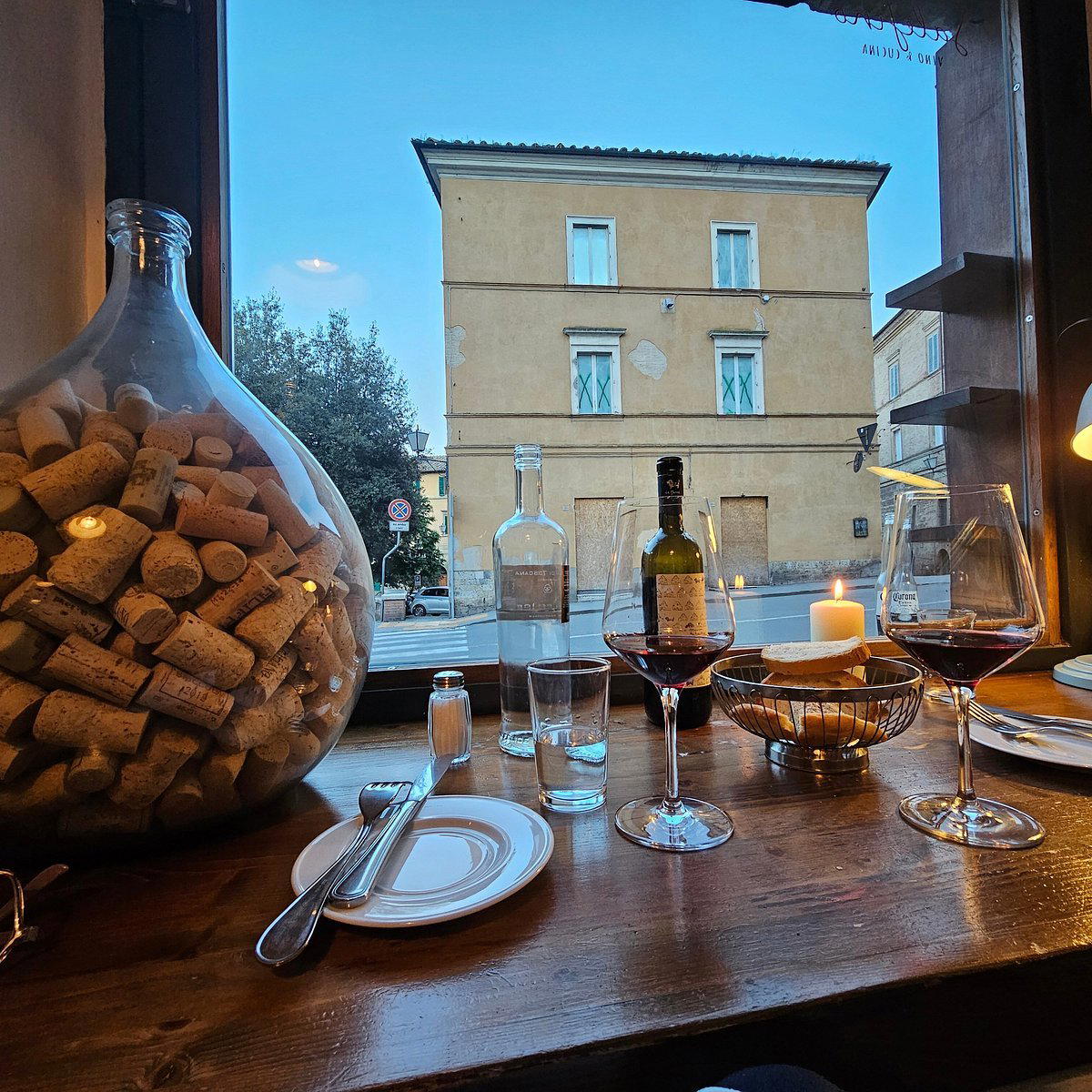
A decade into its run, Salefino Vino&Cucina has carved a clear identity in Siena's dining scene: a wine-forward osteria where the bottle list and the kitchen operate at the same register. Alice Dal Dosso and Claudio Di Sante opened it with a point of view that still holds, making it one of the more considered addresses in a city that can default to tourist-facing tradition.
Montalcino, Italy
In the hills above Montalcino, The Lobby Bar at Castiglion del Bosco occupies a setting where garden-sourced cocktails meet rare whisky selections and vineyard panoramas. The tone is unhurried and specific: this is a bar built for Brunello country, where the fireside atmosphere and estate-grown ingredients speak to a tradition of Tuscan hospitality that runs deeper than the wine list.
Cortona, Italy
Castelnuovo Berardenga, Italy
Castelnuovo Berardenga, Italy
Castelnuovo Berardenga, Italy
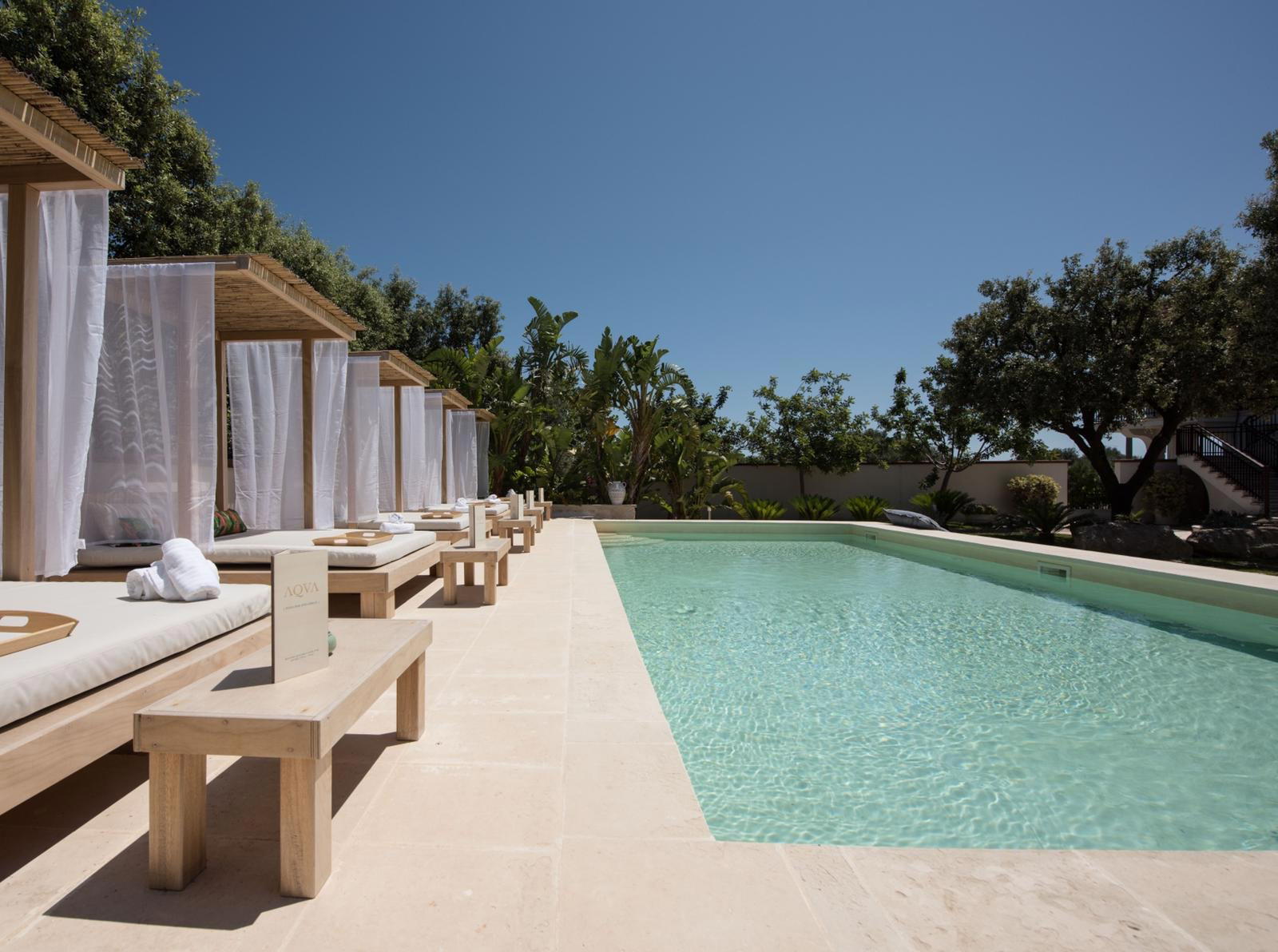
Bar Archi belongs to the quieter side of Tuscan drinking culture, where the setting in Località San Felice matters as much as the glass. With, it is a bar to assess through place: rural Castelnuovo Berardenga, Chianti-side pacing, and aperitivo expectations rather than metropolitan cocktail theatrics.
Siena, Italy
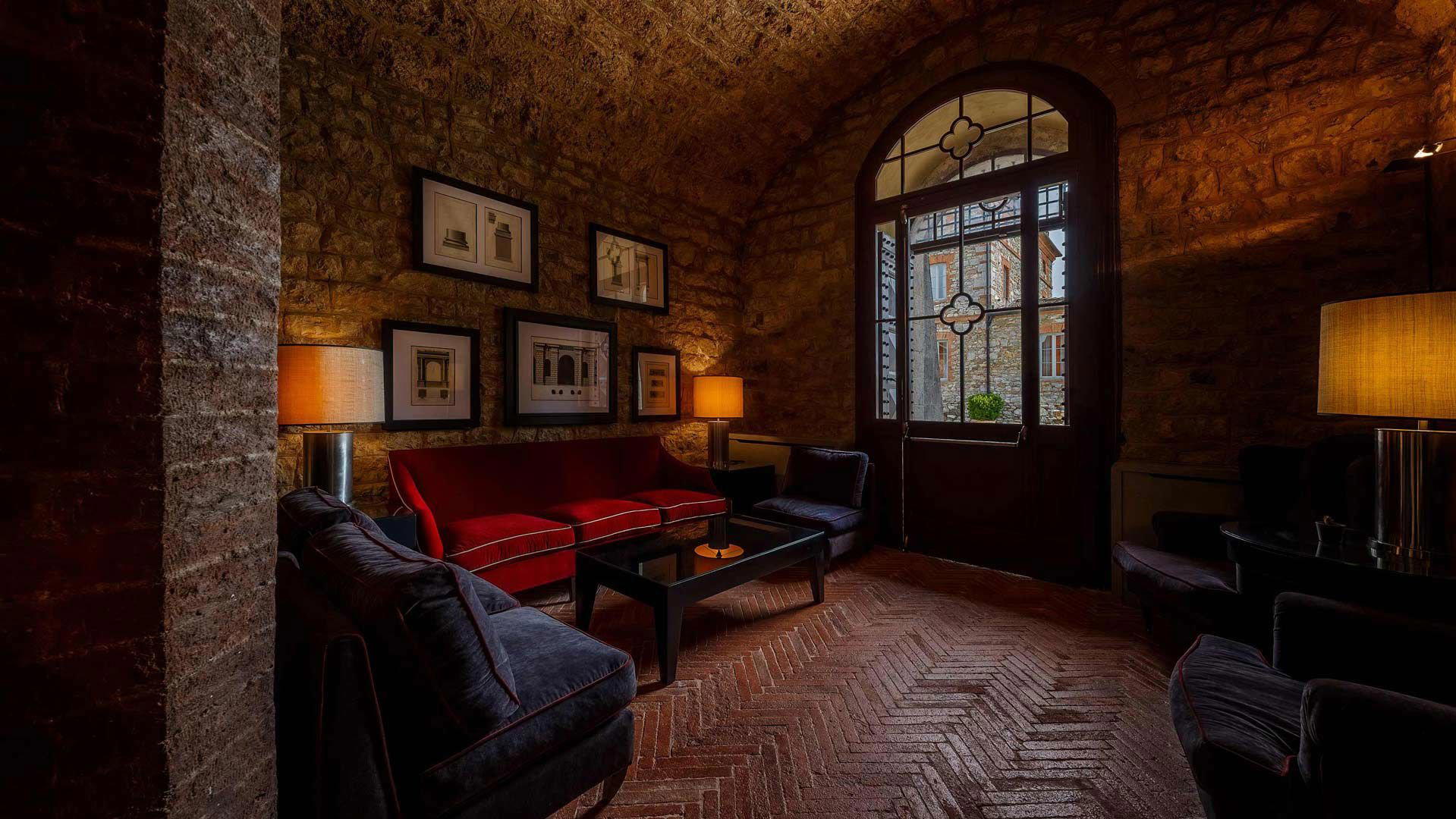
Bar Il Castello sits inside the main castle at Borgo Scopeto in Vagliagli, outside Siena, placing the aperitivo ritual in a rural Chianti setting rather than the city’s café circuit.
Siena, Italy
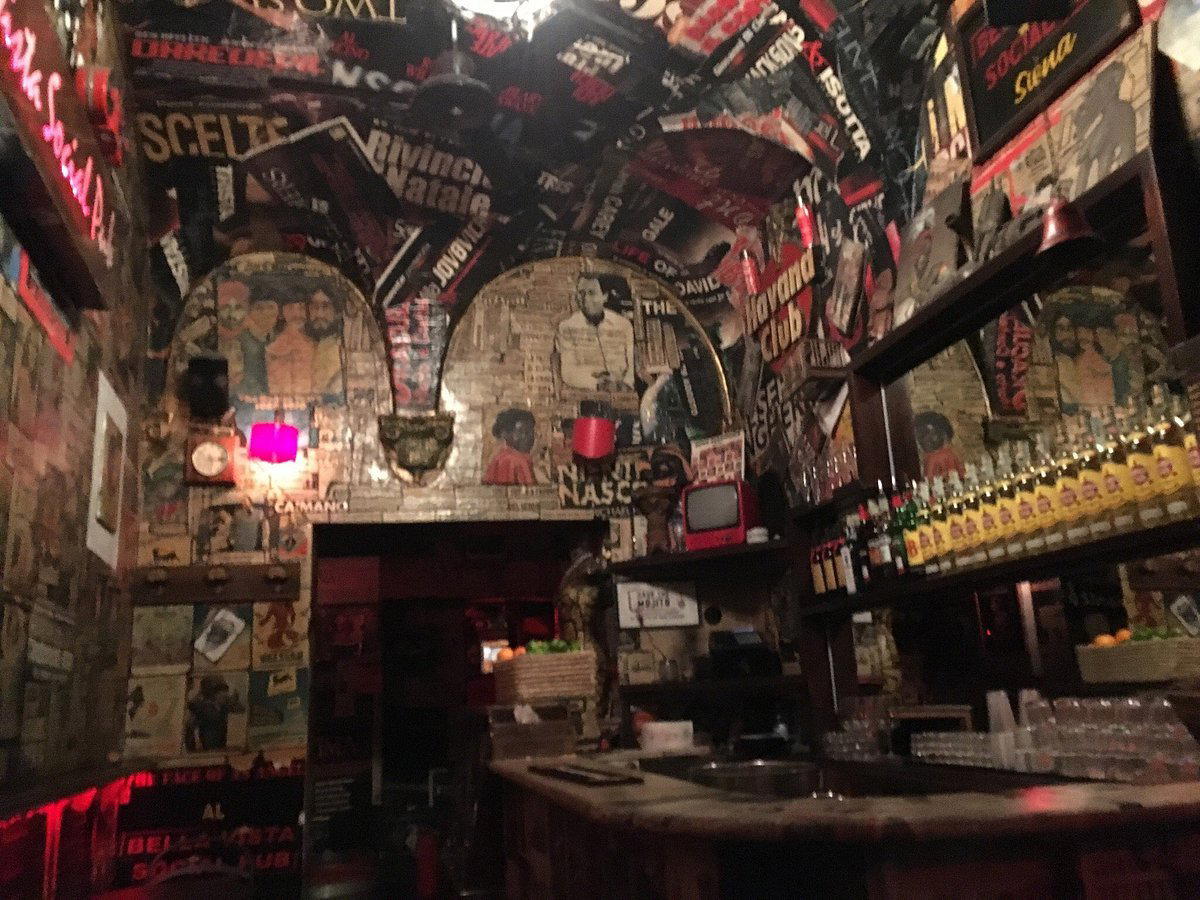
This listing is retired after a June 2026 status audit.

Siena, Italy
On Via dei Termini in Siena's medieval core, Cacio E Pere occupies a corner of the city where enoteca culture and kitchen craft overlap. The name nods to the Roman pasta tradition — cacio e pepe — but with a Sienese inflection that signals local grounding rather than imitation. A short walk from Piazza del Campo, it draws regulars and visitors who want something more considered than the Campo's tourist perimeter.
Siena, Italy
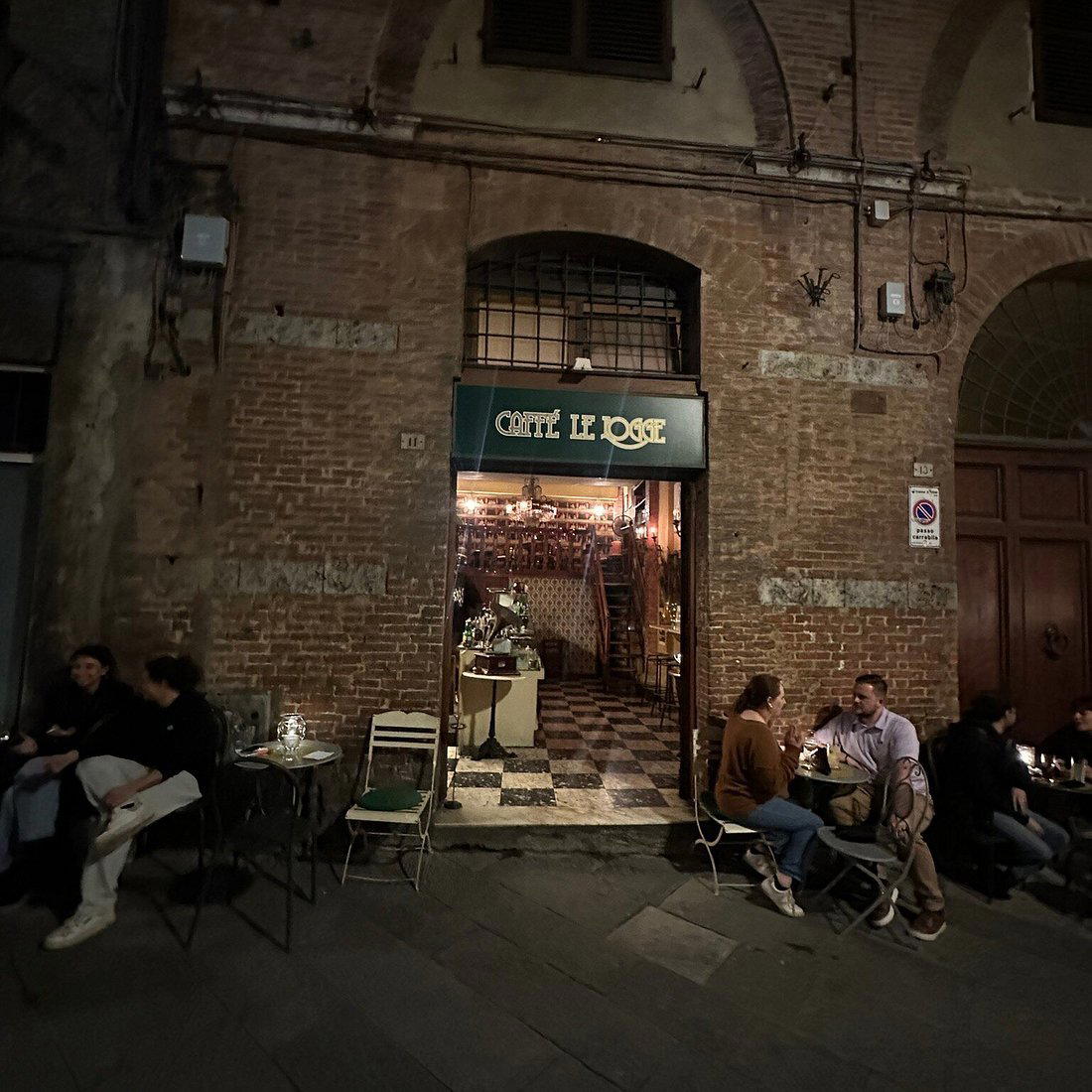
On a pedestrian stretch just off Siena's campo circuit, Caffè Le Logge occupies the kind of corner that Sienese residents return to out of habit rather than novelty. The room reads as a neighbourhood anchor: coffee in the morning, an aperitivo at dusk, and the low murmur of locals sorting through the day. For visitors arriving via Via Pantaneto, it functions as an honest read on how the city actually drinks.
Lucca, Italy
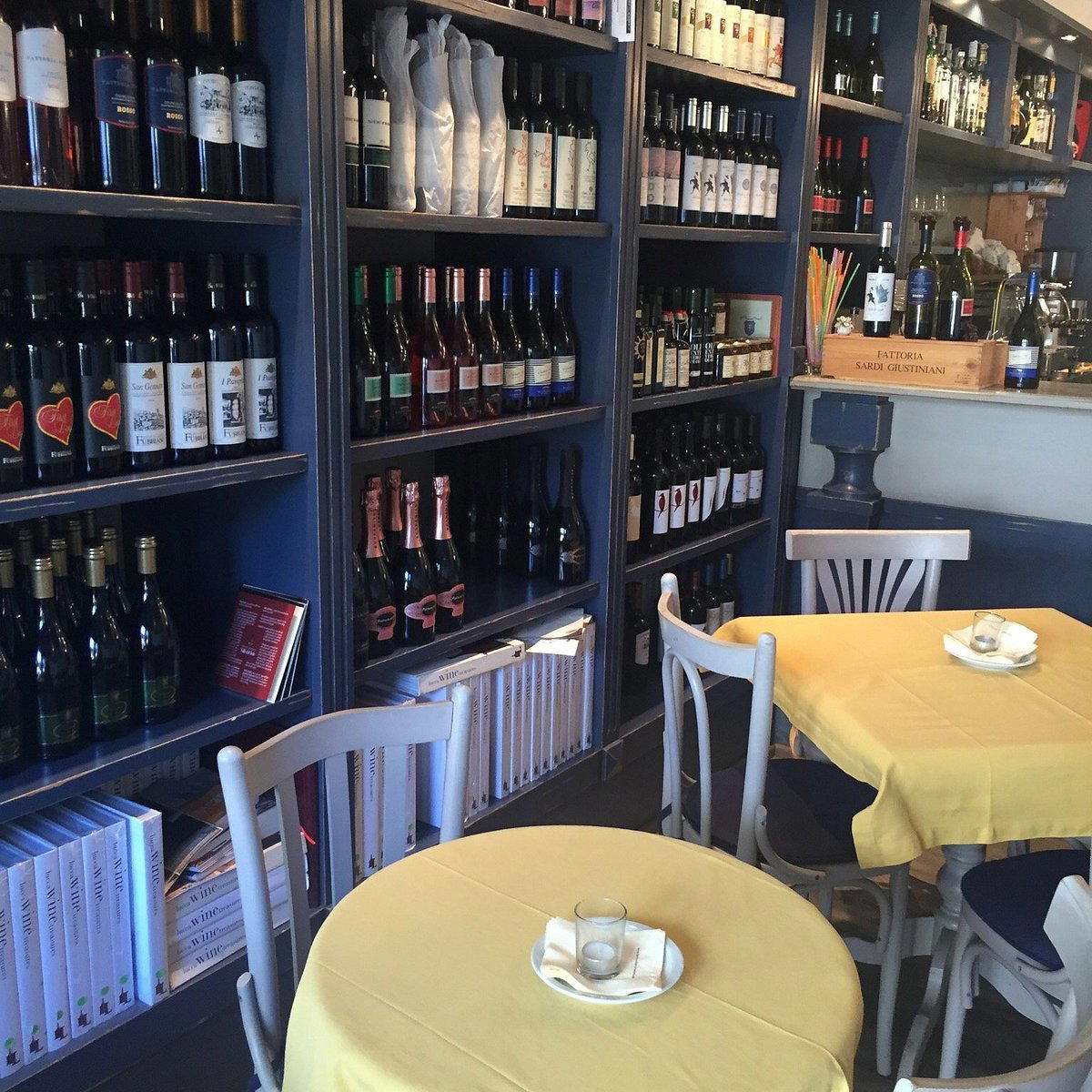
An enoteca on Piazza San Giovanni, Enoteca Calasto operates in the tradition of Tuscan wine bars that treat the bottle as the primary text and food as annotation. In a city where medieval walls frame every evening out, it represents Lucca's quieter, more considered drinking culture — a stop for those who arrive knowing what they want and leave knowing more than they expected.
Greve in Chianti, Italy
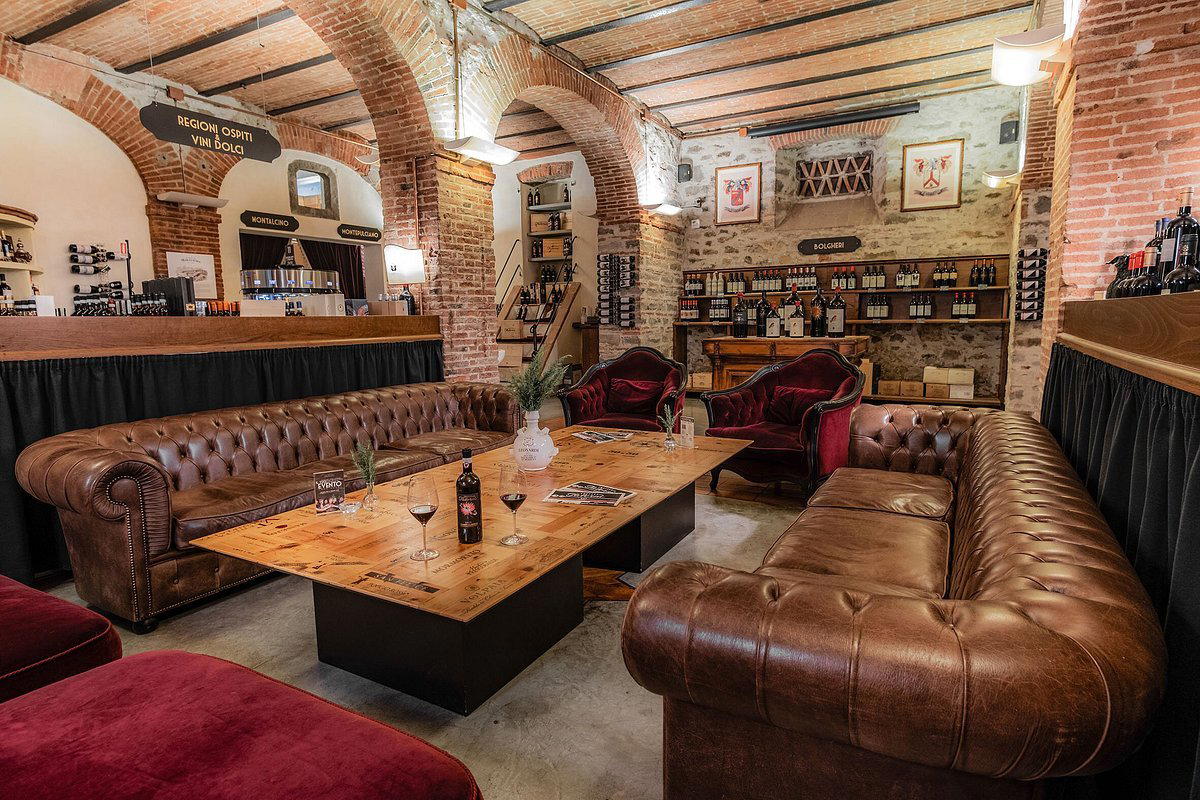
Enoteca Falorni occupies Piazza delle Cantine in the heart of Greve in Chianti, where the wine cellar tradition of the Chianti Classico zone finds one of its most direct expressions. The address places it at the centre of a town that has organised itself around wine for centuries, making it a practical and contextual starting point for anyone working through the region's producers.
Lucca, Italy
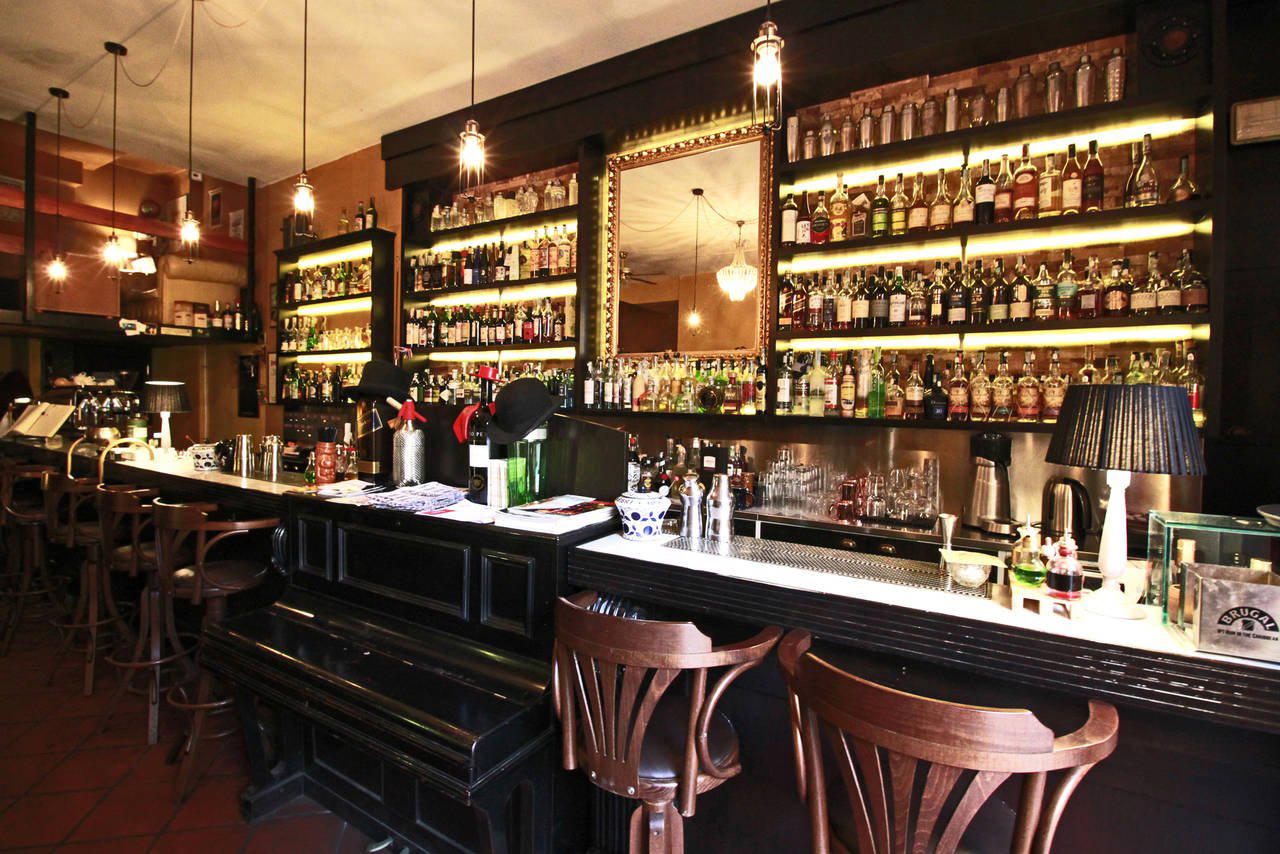
Franklin 33 sits on Via S. Giorgio in the historic centre of Lucca, operating as a cocktail bar in a city where wine and aperitivo culture have traditionally dominated the drinking scene. It represents a format that is still relatively rare in smaller Tuscan cities: a dedicated bar with a structured drinks programme rather than a restaurant annex or enoteca. For visitors exploring Lucca's drinking options beyond the glass-of-Vermentino default, it merits attention.
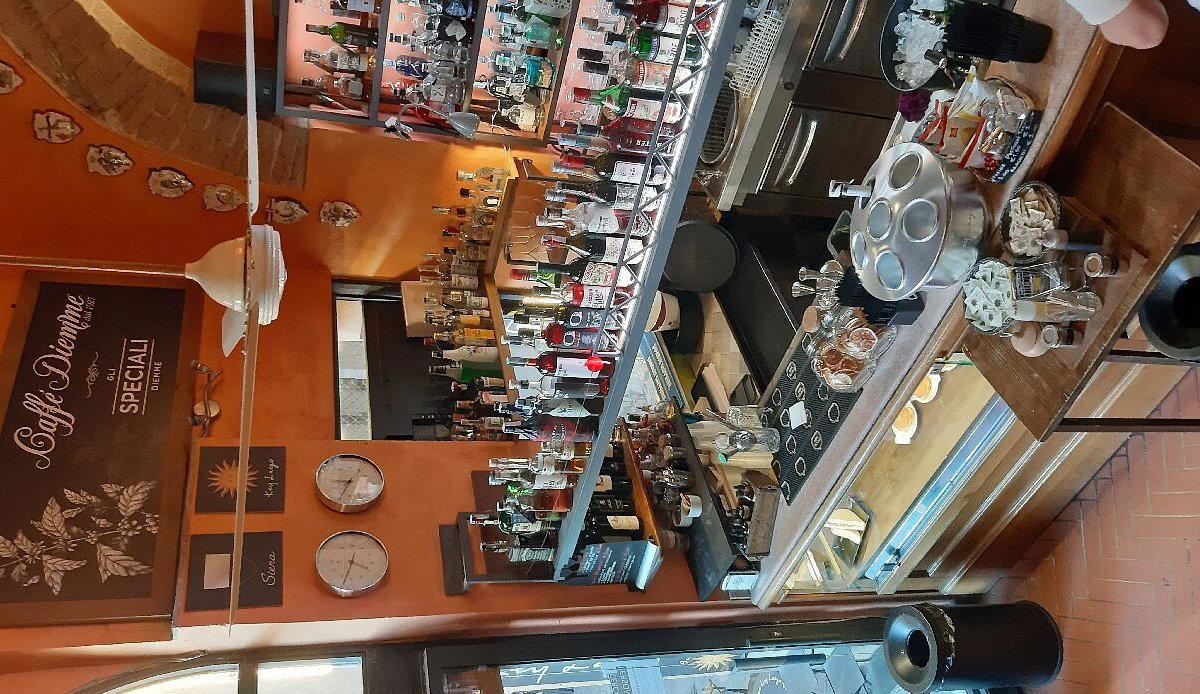
Siena, Italy
Key Largo Bar on Via Rinaldini sits in the quieter residential fringe of Siena's medieval centre, where the bar format skews local rather than tourist-facing. The name signals a transatlantic reference that the interior and drinks list interpret in their own way. For those moving between Siena's better-known aperitivo spots, it represents a change of register.

Siena, Italy
On Via Banchi di Sopra, Siena's main pedestrian artery, Pasticceria Nannini Conca D'Oro occupies the kind of position that only decades of civic anchoring can produce. This is where Sienese pastry tradition — panforte, ricciarelli, cavallucci — meets daily ritual for locals and a pilgrimage stop for those who understand what the city's confectionery heritage actually represents. The counter format, the house-made sweets, and the espresso culture place it squarely in a category that deserves more editorial attention than it typically receives.
Tuscany
Selected entries from the current guide for Tuscany.
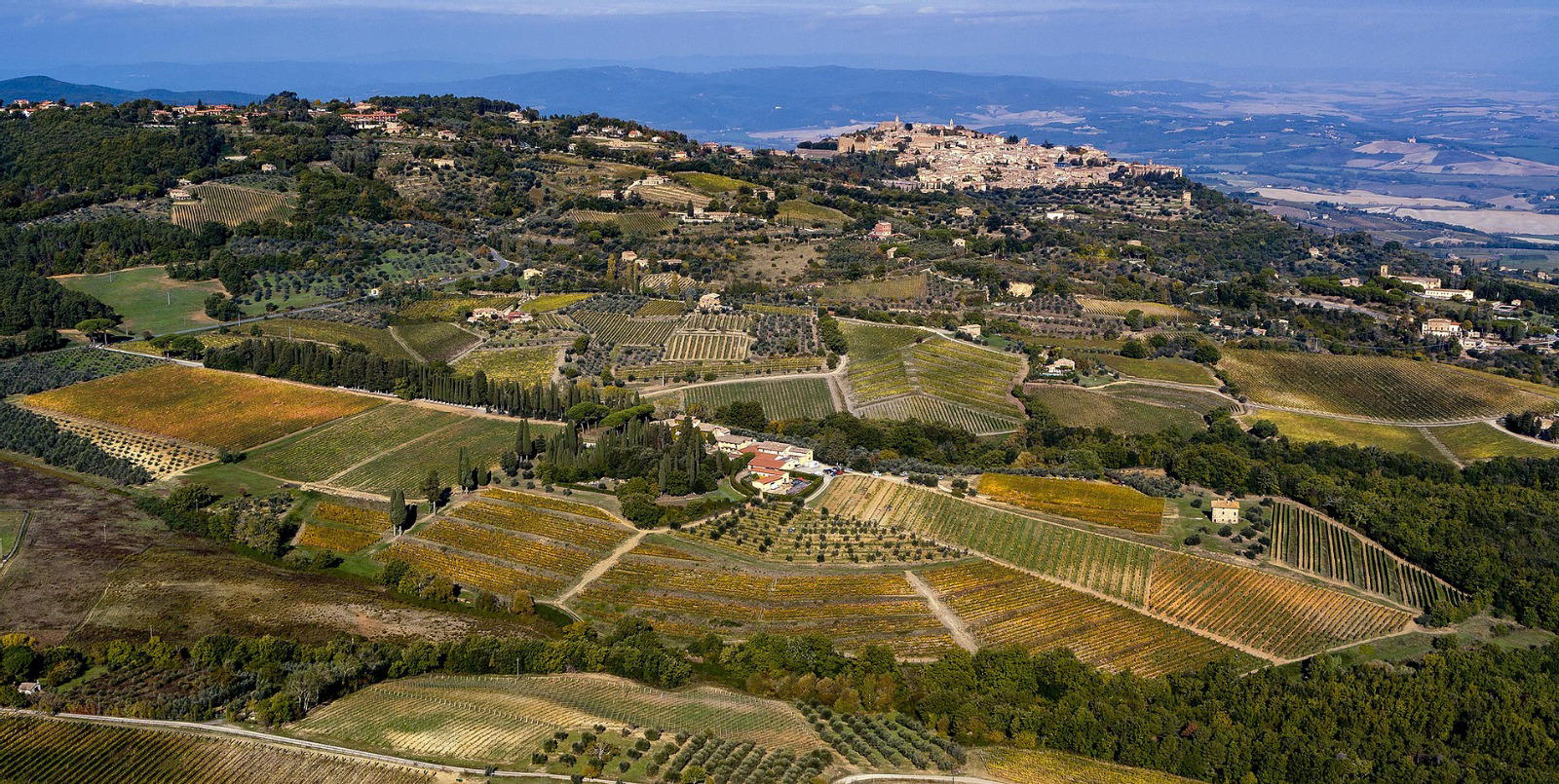
Montalcino, Italy
The estate that defined Brunello di Montalcino. For anyone tracking the origins of Italy's most age-worthy red wines, this address is the primary source.
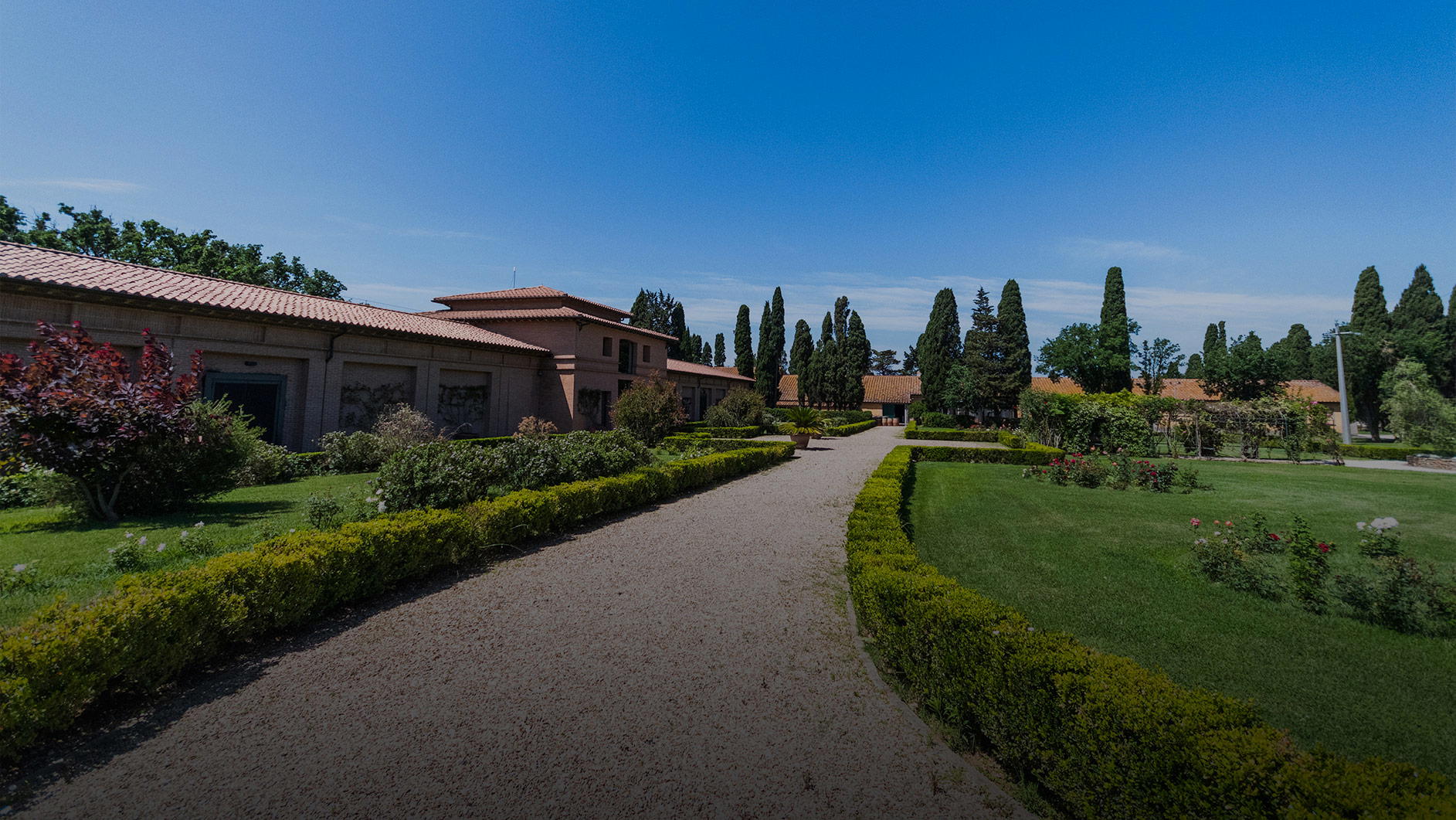
Bolgheri, Italy
Tenuta San Guido is the Bolgheri estate that defined the Sassicaia category and, by extension, rewrote the rules for Italian fine wine. With Graziana Grassini as winemaker and a first vintage dating to 1968, the estate operates at the upper tier of Bolgheri's appellation hierarchy.
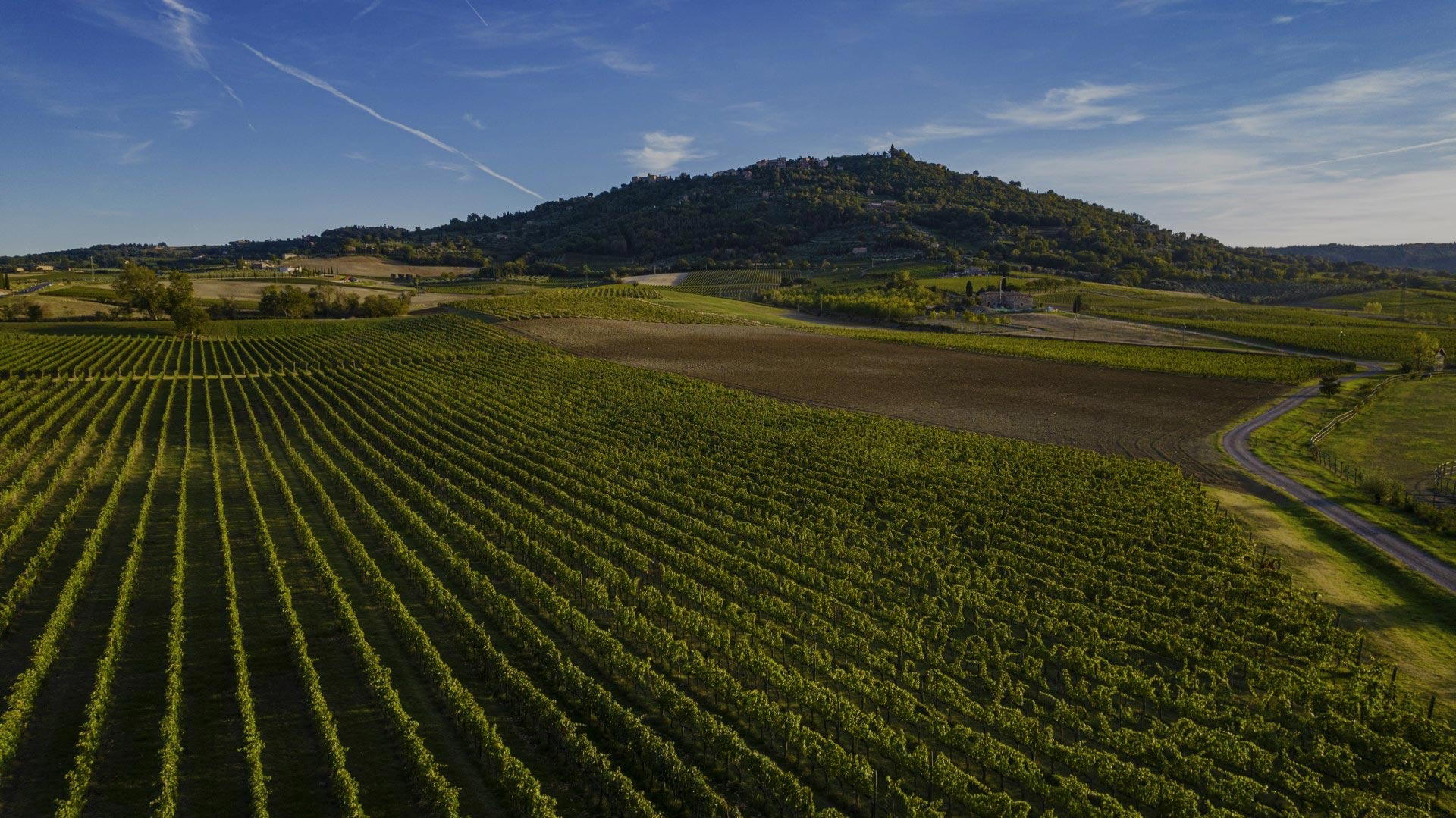
Montalcino, Italy
Valdicava Az Agr belongs to the Montalcino conversation where Brunello is judged less by polish than by how convincingly Sangiovese carries site, altitude, exposure, and vintage. With Vincenzo Abbruzzese associated with the estate and a first vintage recorded in 1987, it reads as a focused stop for travelers who want terroir rather than spectacle.
Montalcino, Italy
A medieval castle estate in the hills above Montalcino, Castello Banfi operates as a wine resort and hospitality destination at the serious end of Brunello di Montalcino production..
Montalcino, Italy
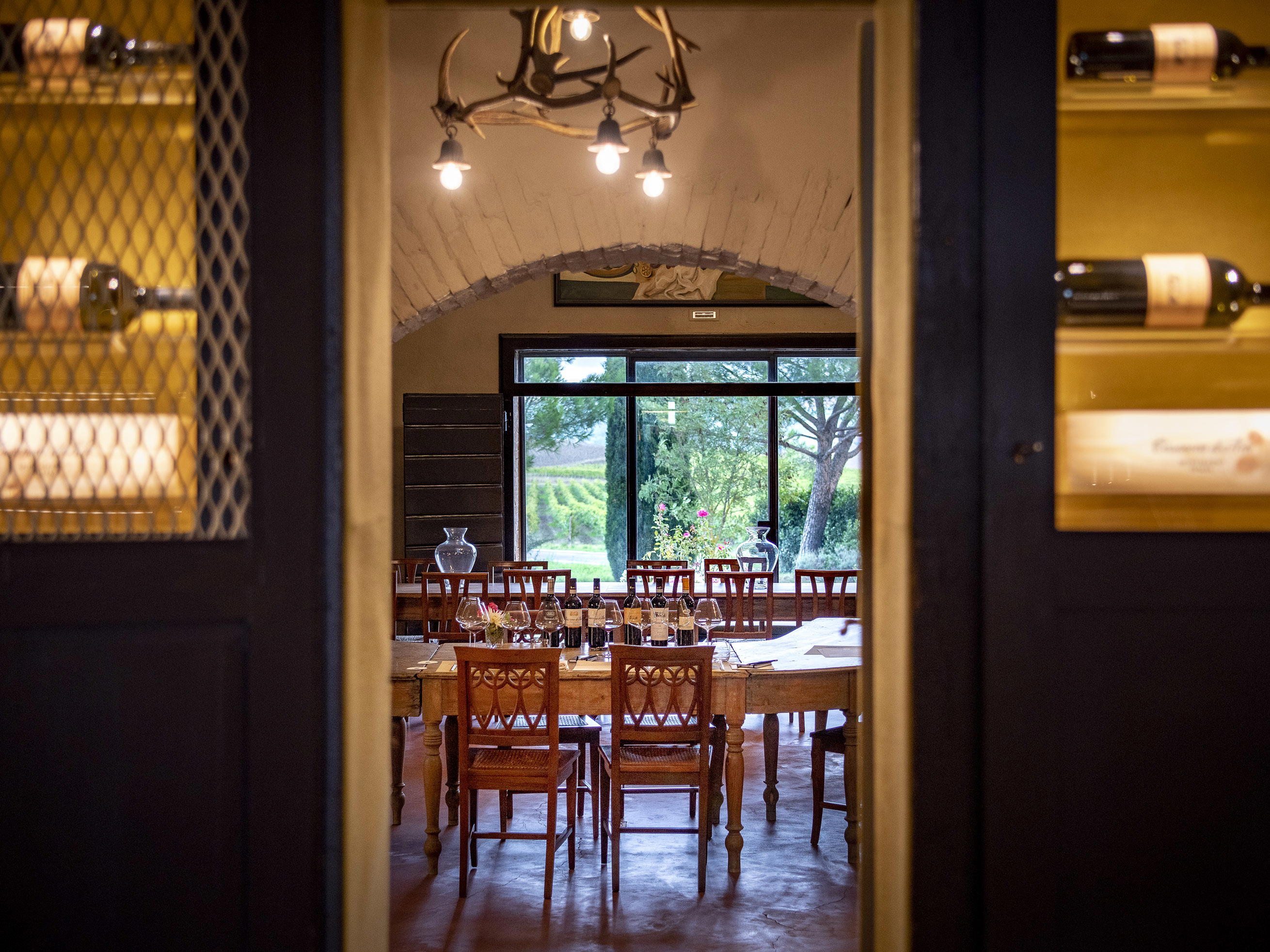
Tastings are guided with the kind of direct, knowledgeable hospitality that positions this address firmly within Montalcino's upper tier of estate experiences rather than its tourist-facing wine shops.
Montalcino, Italy
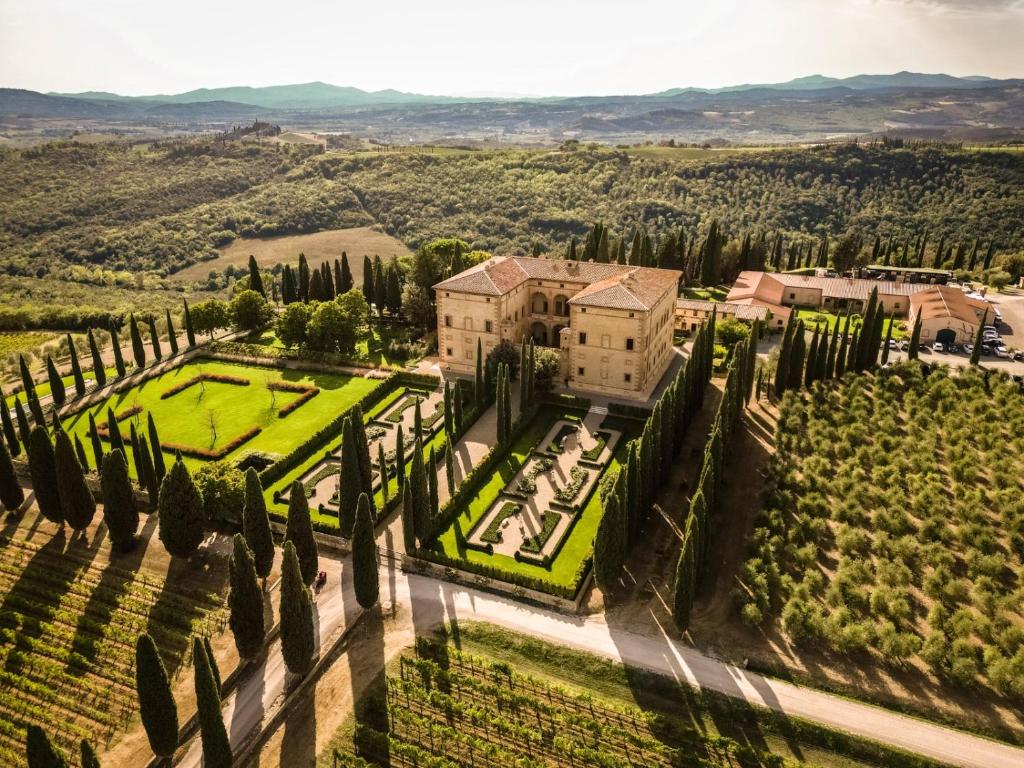
Under winemaker Bernardo Bossi Bonilla, the property produces Brunello di Montalcino from the Sant'Angelo in Colle hill, a subzone known for warmer soils and structured, age-worthy expression. For visitors seeking historical depth alongside serious contemporary winemaking, Argiano occupies a distinct place in the appellation.
Gaiole in Chianti, Italy
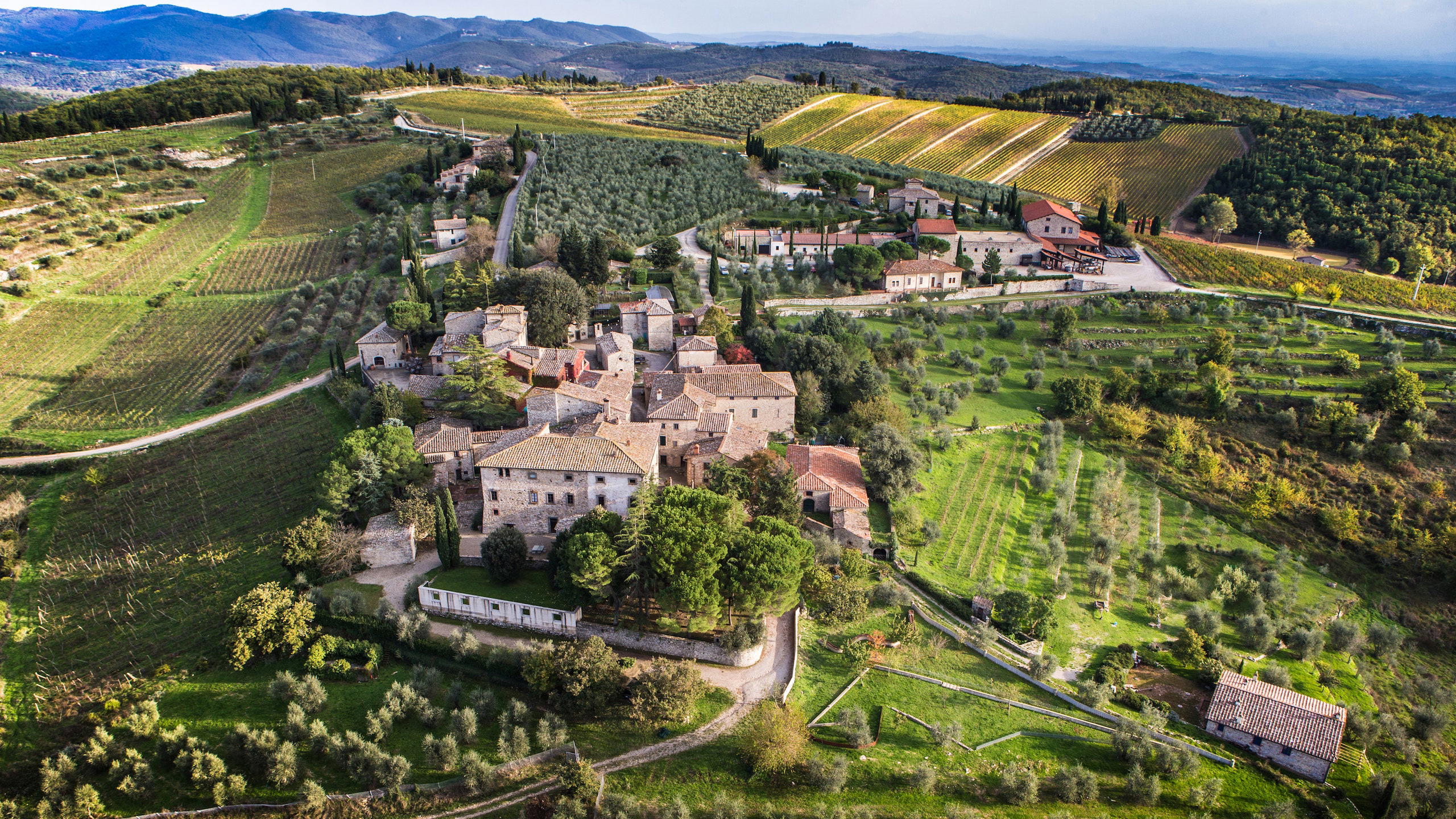
Castello di Ama has produced estate Chianti Classico from the hamlet of Ama since 1978, under the long stewardship of winemaker Marco Pallanti.. The estate also integrates a contemporary art programme across its grounds.
Greve in Chianti, Italy
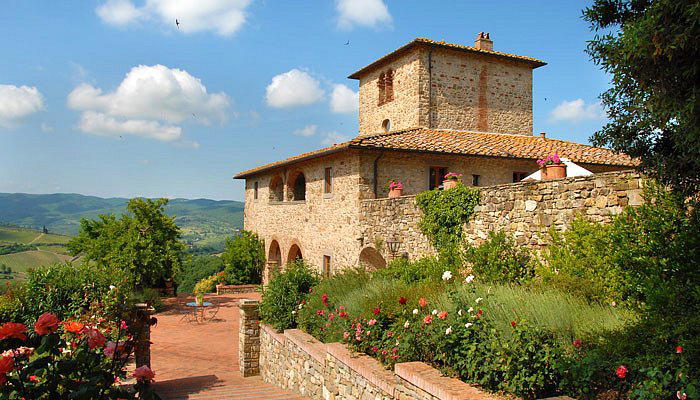
Fontodi has shaped the identity of Chianti Classico's Panzano in Chianti zone since its first vintage in 1979, with Giovanni Manetti steering a program built on Sangiovese grown in some of the appellation's most discussed soils..
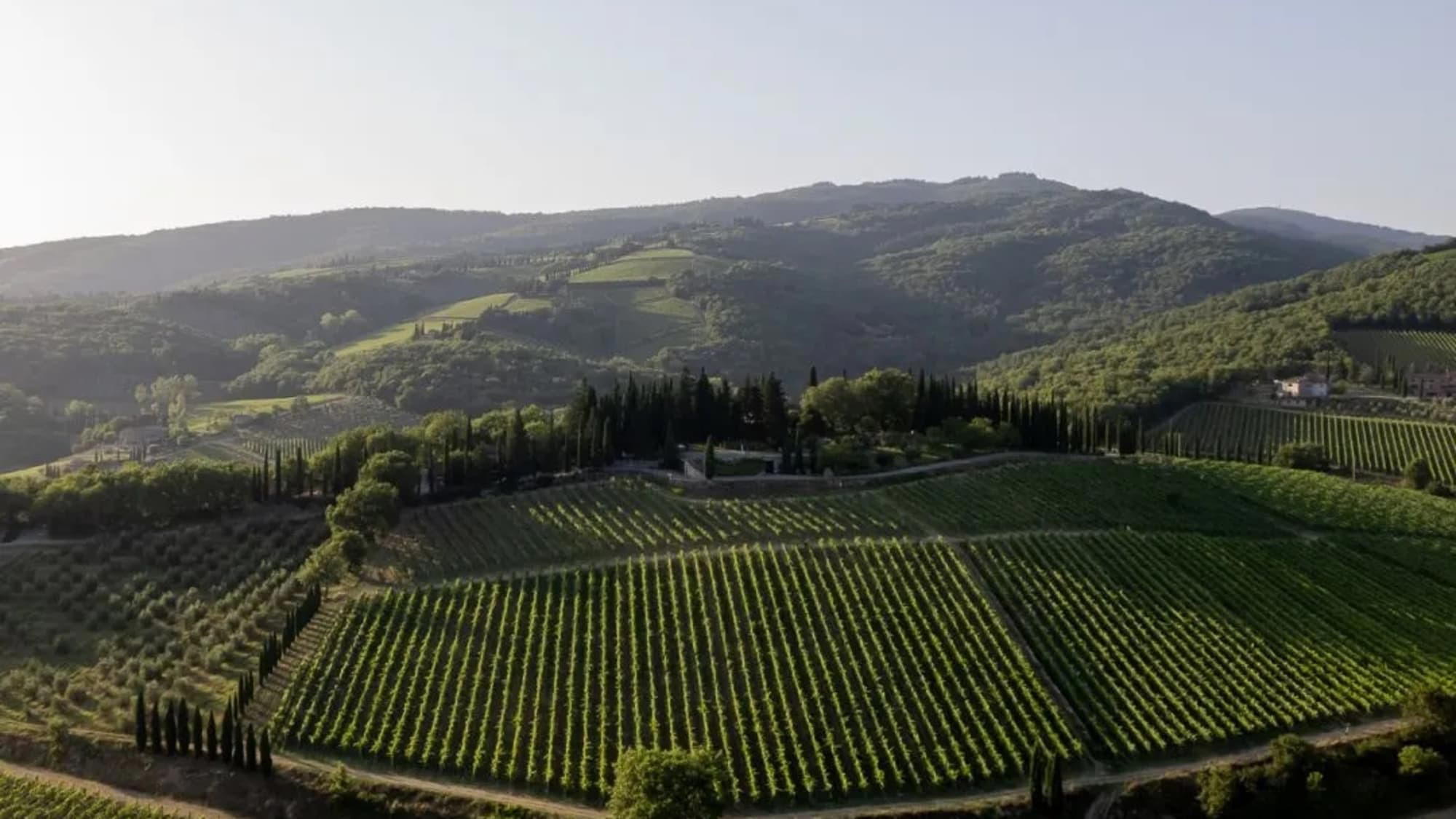
Radda in Chianti, Italy
Montevertine is a small estate in Radda in Chianti that has shaped the identity of Sangiovese-dominant winemaking in Tuscany since its first vintage in 1971.
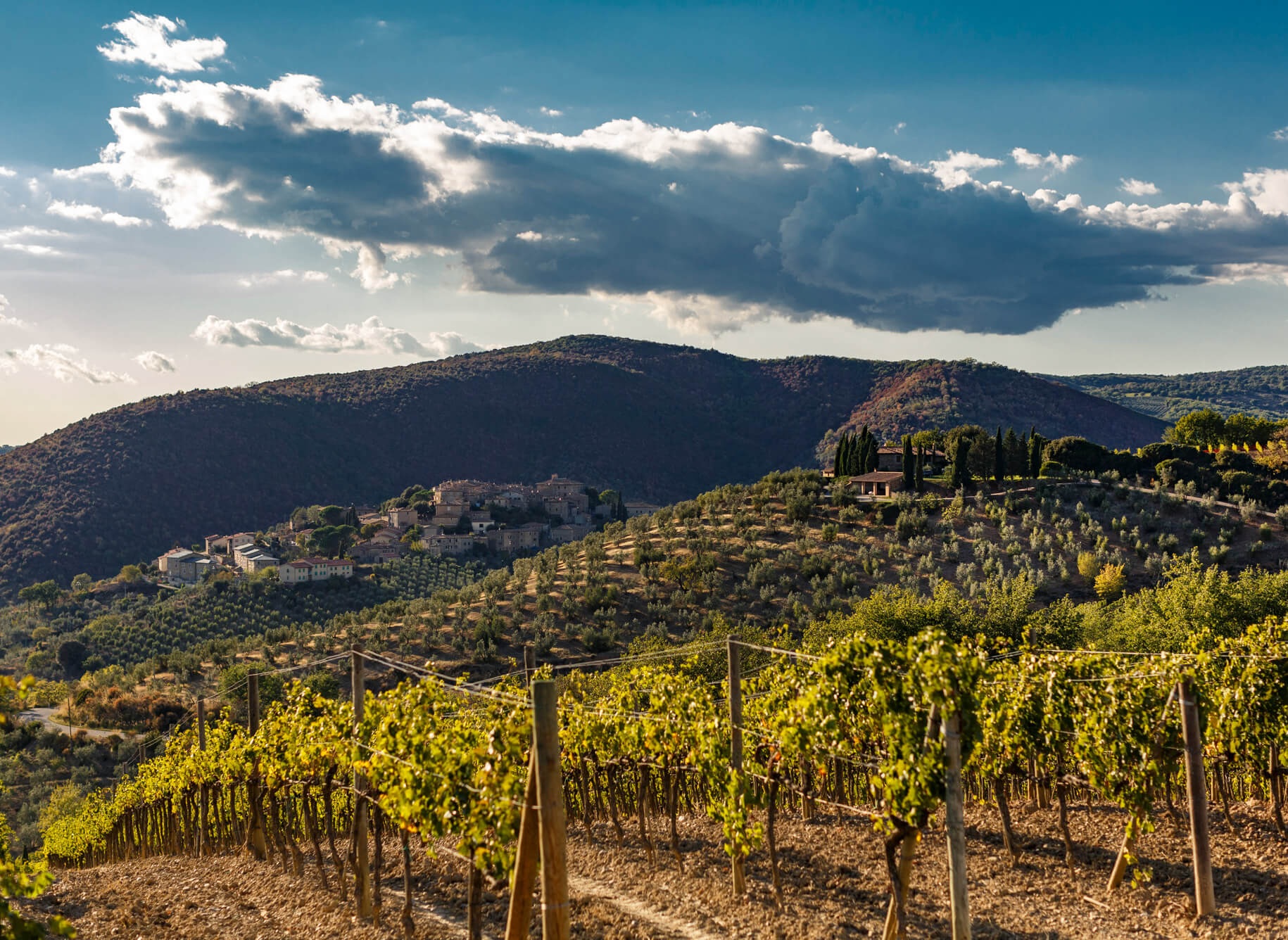
Montalcino, Italy
Cult-status Poggio di Sotto crafts Montalcino's most coveted Brunello from 50-year-old Sangiovese vines, where Pier Paolo Pagiusco's traditional methods create allocation-only wines commanding devotion from collectors worldwide.
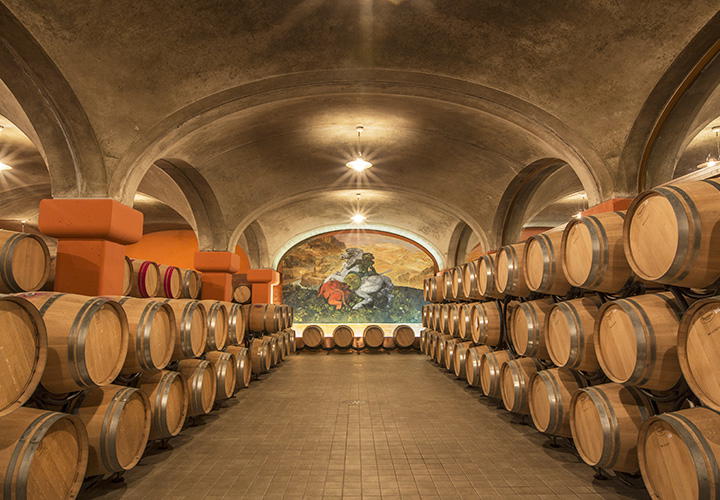
Suvereto, Italy
Tua Rita occupies a specific position in the Suvereto story: a winery that helped put the Tuscan coastal hills on the international fine wine map when its first vintage appeared in 1992.
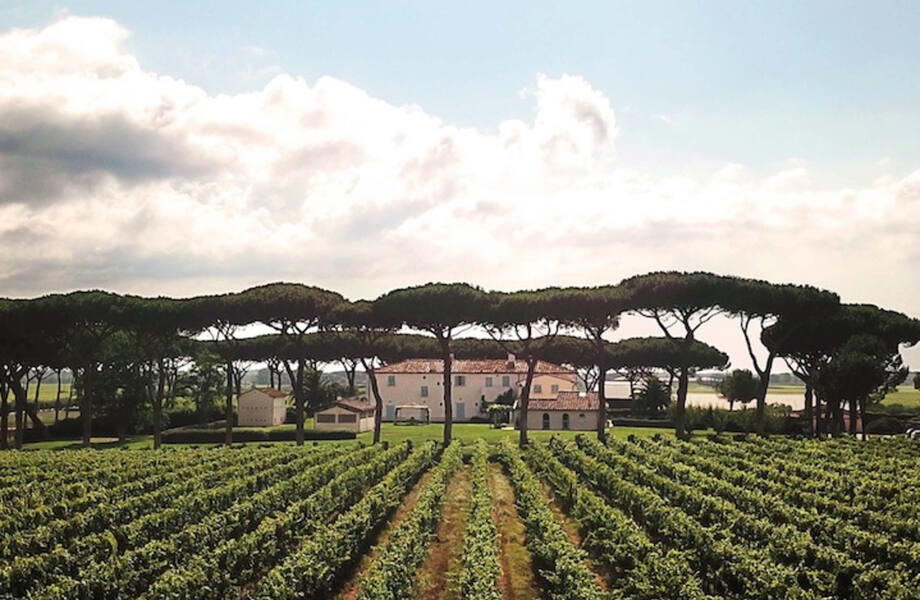
Bolgheri, Italy
Tenuta Guado al Tasso is Antinori's flagship Bolgheri estate, responsible for one of the Tuscan coast's most closely followed Cabernet-led blends since its first vintage in 1990.
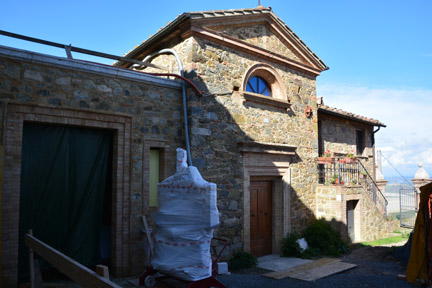
Montalcino, Italy
Cerbaiona is a small Montalcino estate with roots going back to 1981, now stewarded by winemaker Matthew Fioretti and. It sits within the upper tier of artisan Brunello producers, where low yields, traditional winemaking, and a specific hillside position define the wine's character rather than commercial scale.
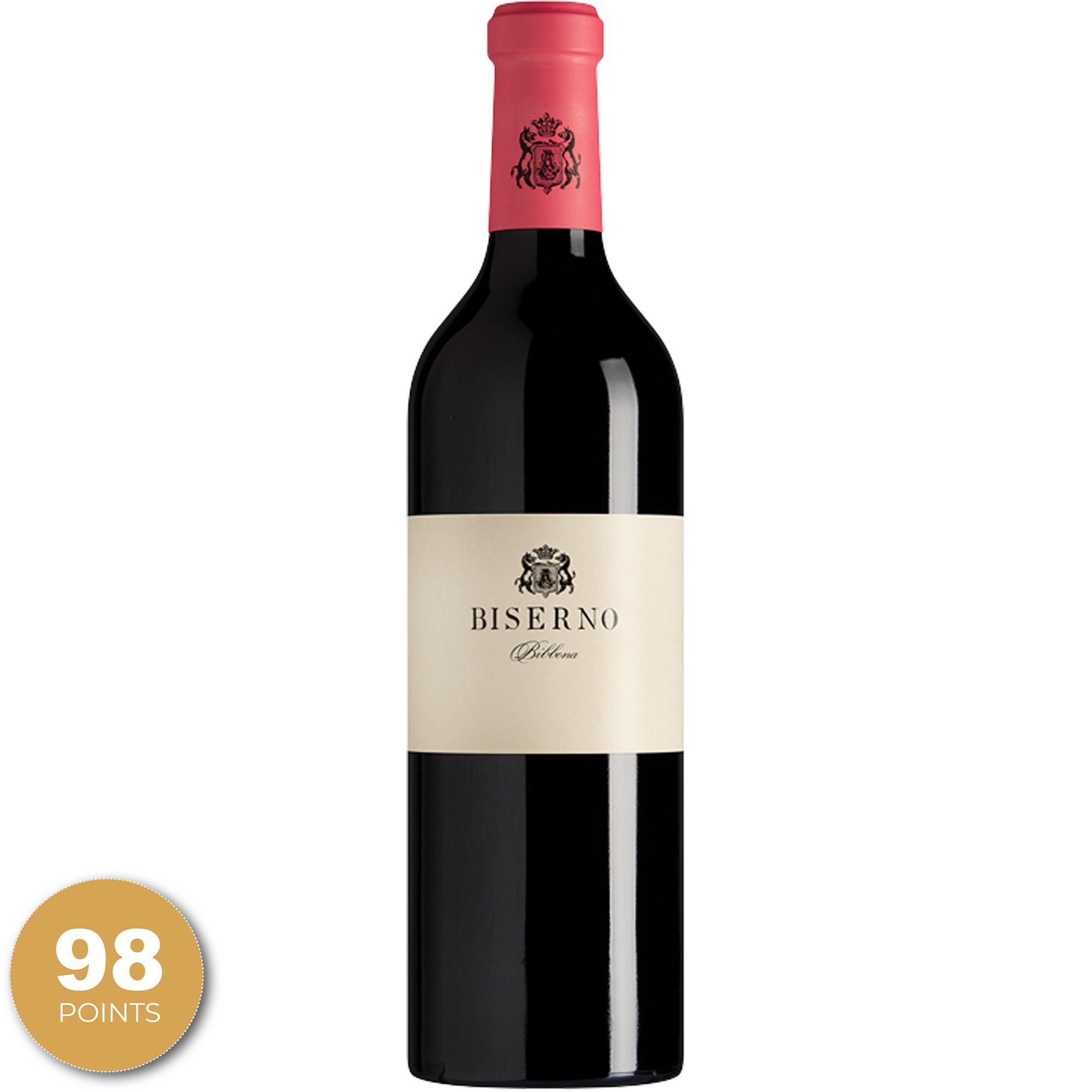
Bolgheri, Italy
Tenuta di Biserno is a Bolgheri estate operating at the upper tier of the Tuscan Maremma's premium red wine category. Set along the Via Bolgherese corridor that defines the appellation's most serious properties, it represents the restrained, Bordeaux-influenced winemaking tradition that has shaped Bolgheri's global reputation over the past four decades.
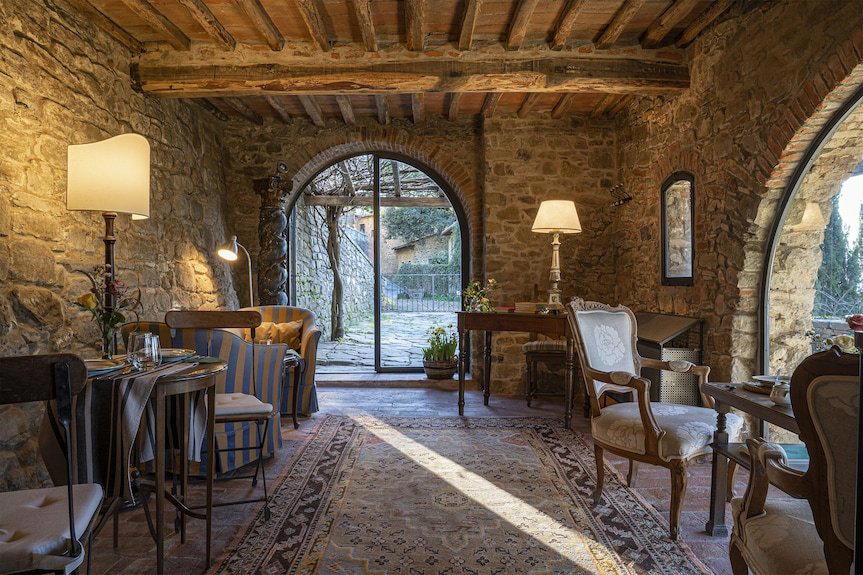
Radda in Chianti, Italy
Castello di Volpaia sits within a medieval hamlet above Radda in Chianti, producing Sangiovese-led wines from some of the appellation's highest-altitude vineyards. For those tracing the character of high-altitude Chianti, Volpaia is a reference point worth building a visit around.
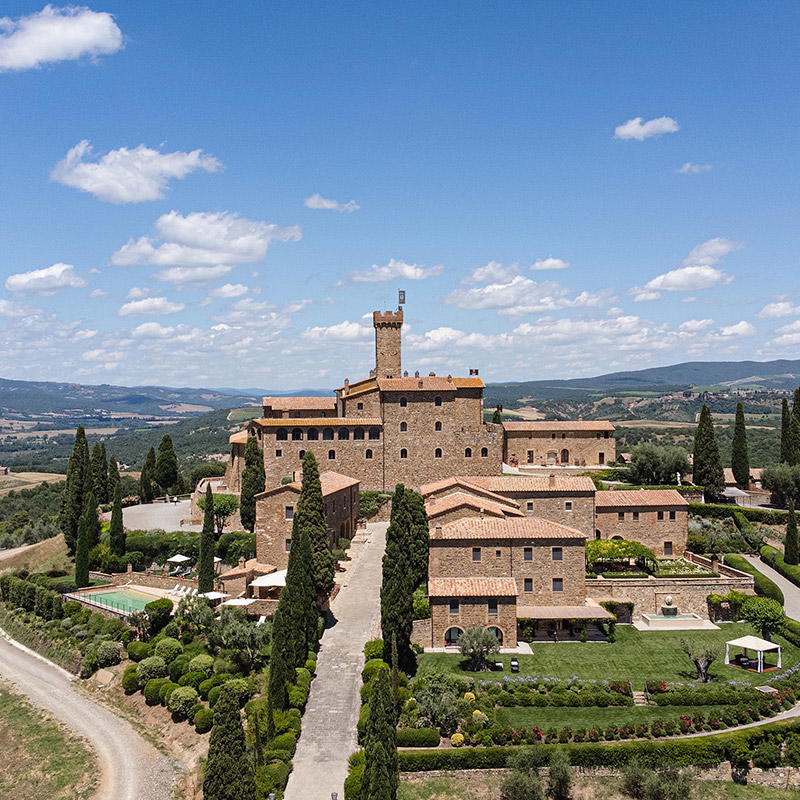
Montalcino, Italy
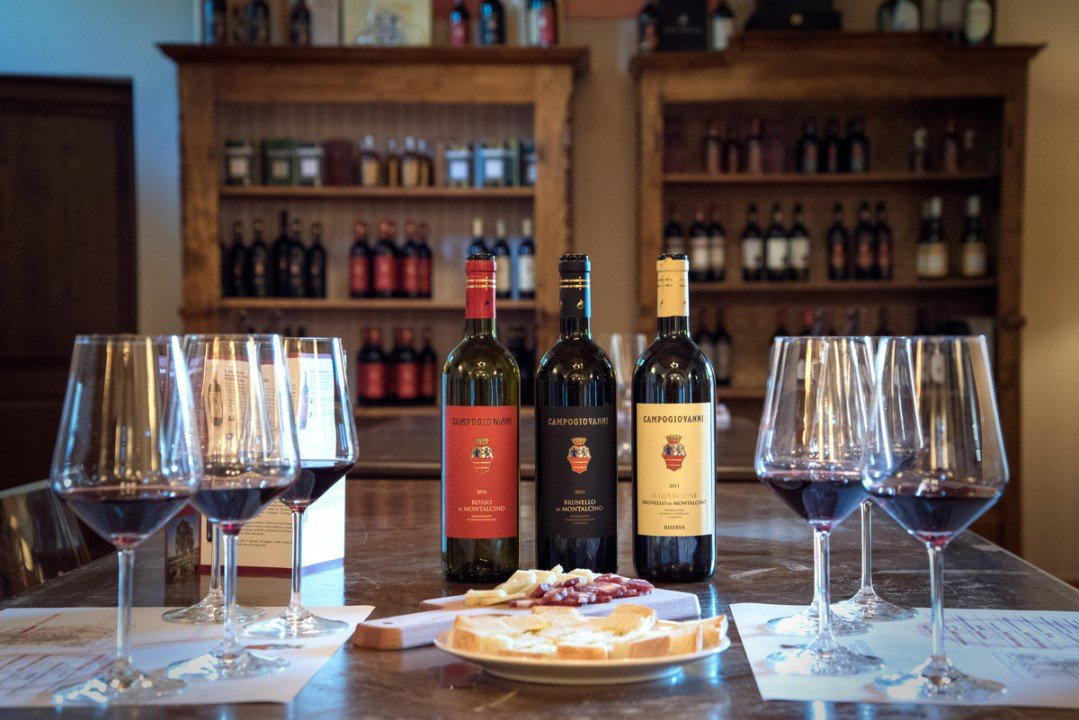
At Castello Banfi in Poggio alle Mura, L'Enoteca Banfi offers guided tours and tastings featuring Brunello di Montalcino, Rosso di Montalcino, Super Tuscan wines and other Banfi selections. Advance booking is required for public tours.
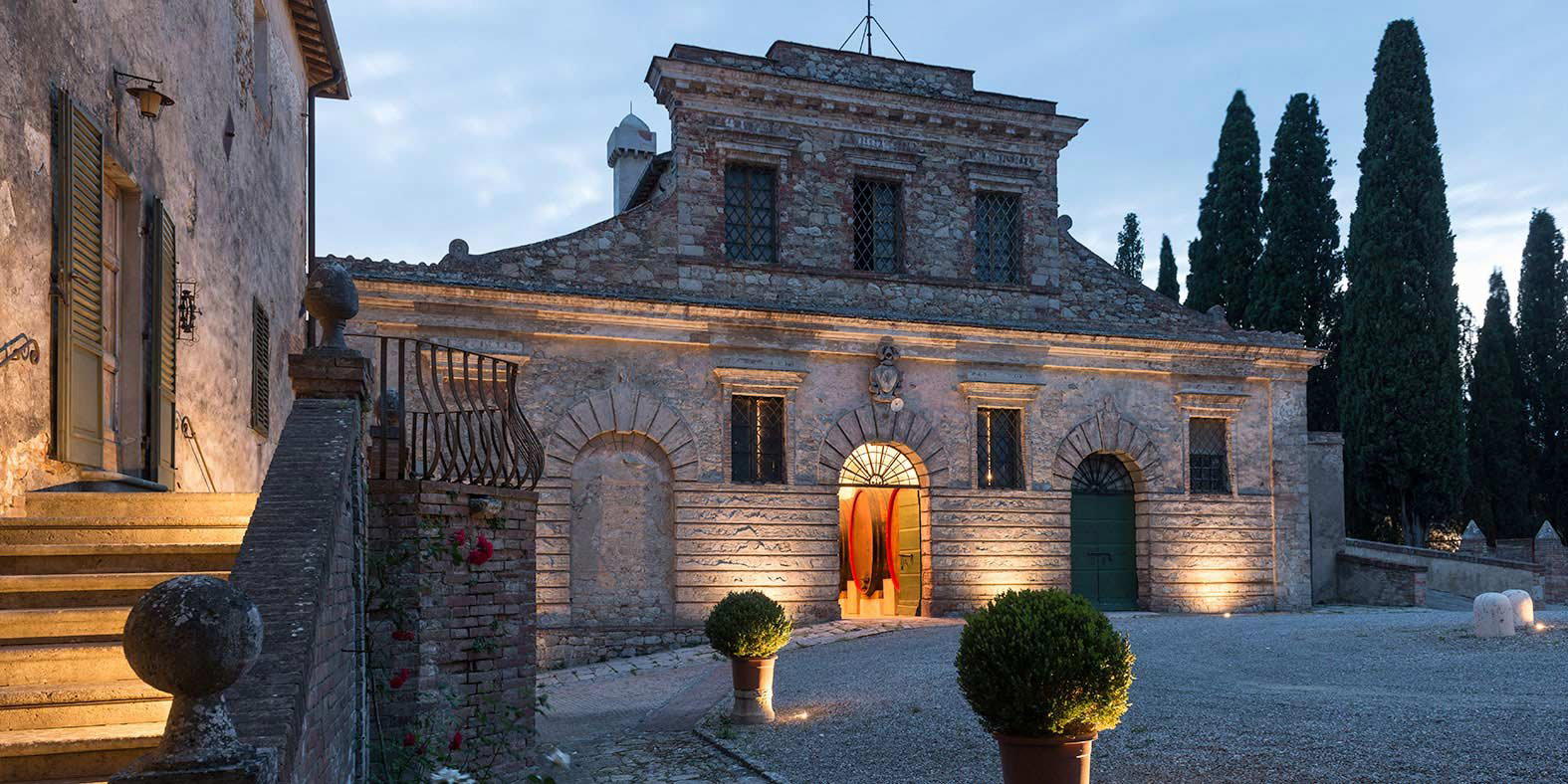
Castelnuovo Berardenga, Italy
Fèlsina sits at the southern edge of Chianti Classico territory in Castelnuovo Berardenga, a reference point for Sangiovese grown at this latitude where the soils shift and the character of the grape follows.
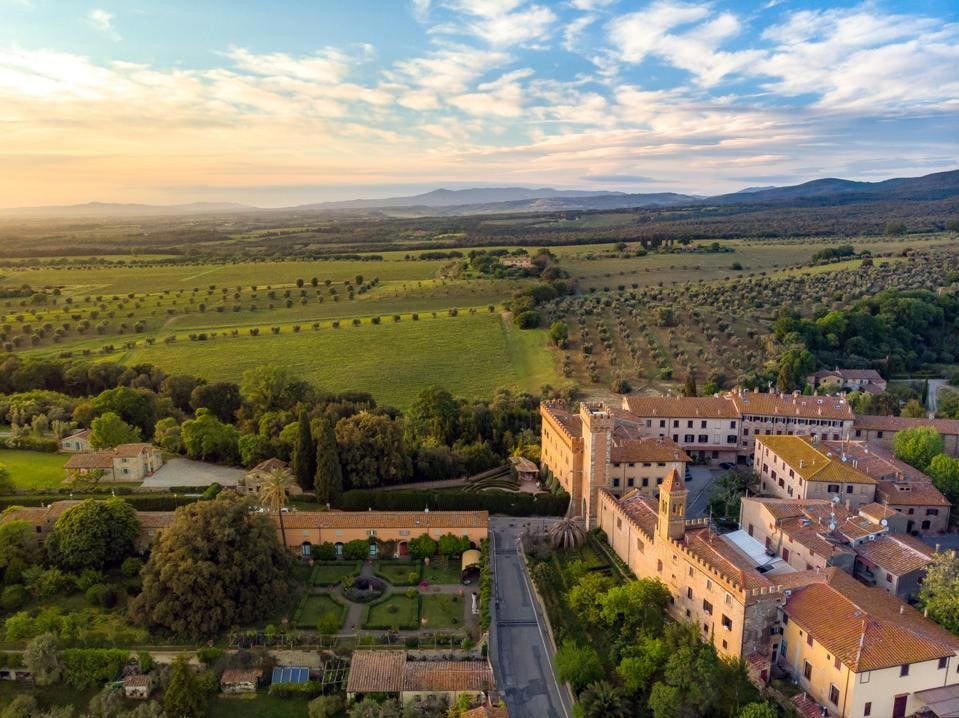
Bolgheri, Italy
Le Macchiole sits along the Bolgherese road in one of Tuscany's most closely watched wine corridors. The estate works within a coastal terroir shaped by Tyrrhenian breezes and iron-rich soils, producing single-variety reds that sit at the serious end of Bolgheri's output. It belongs in the same conversation as the appellation's most celebrated addresses.
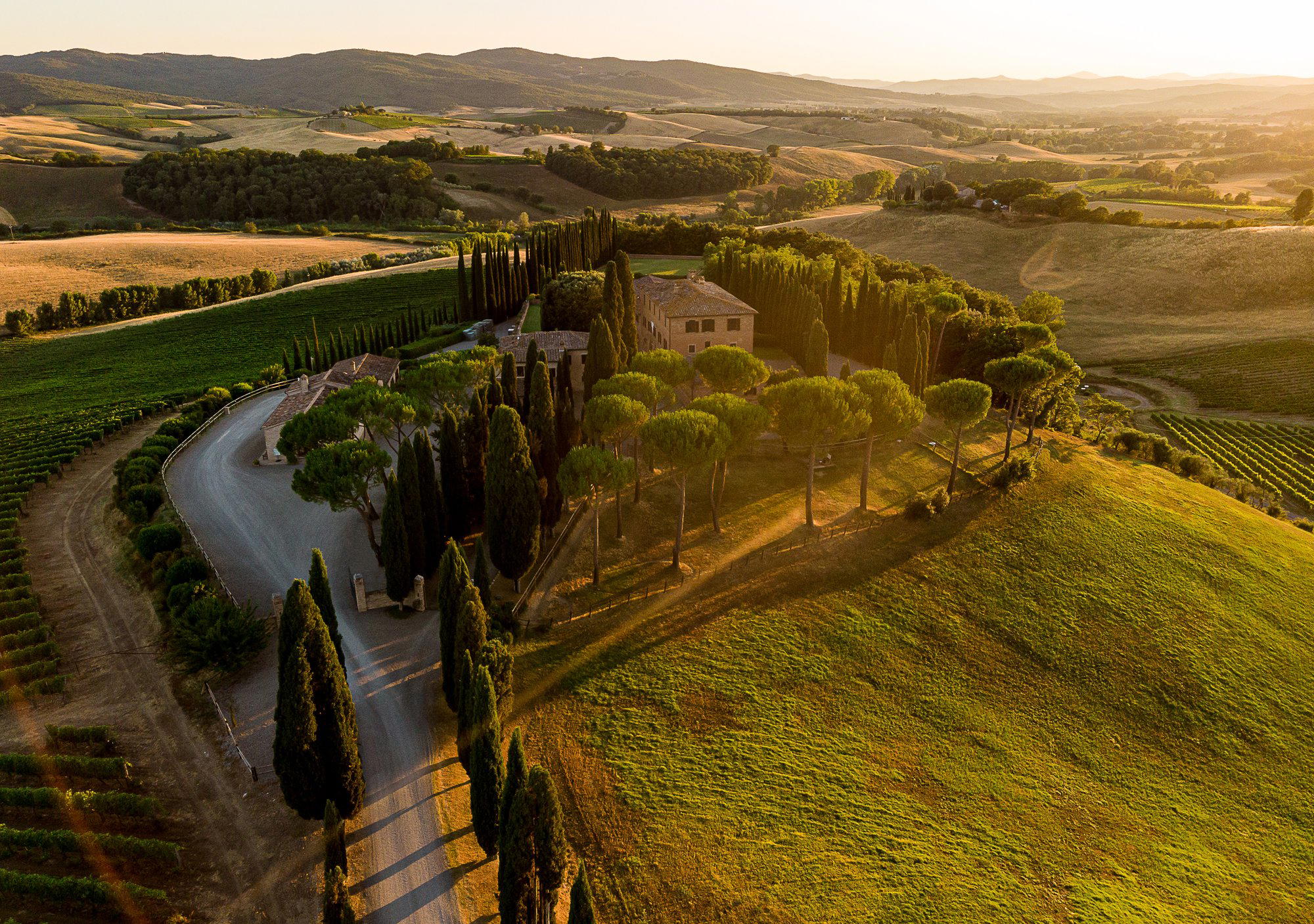
Montalcino, Italy
Altesino sits on the northern slope of Montalcino, where the cooler air and clay-rich soils produce Brunello of notable structure and longevity. For anyone mapping Montalcino's terroir from the ground up, it belongs on the itinerary.
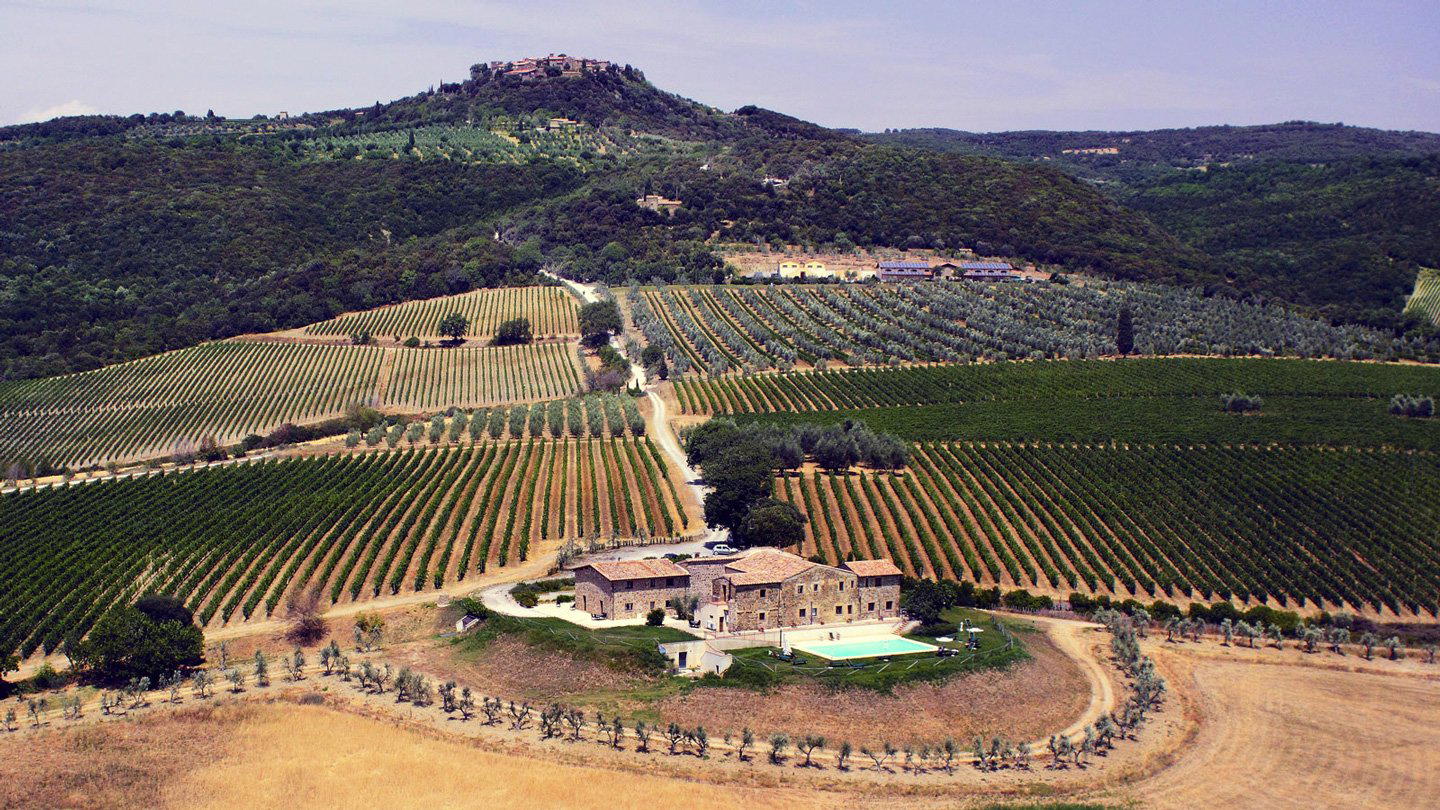
Montalcino, Italy
Il Poggione is a Montalcino estate. Set in the hilltop commune of Sant'Angelo in Colle, the property represents the serious, terroir-focused side of southern Montalcino viticulture. Visitors encounter a working estate shaped by decades of Sangiovese cultivation across one of Tuscany's most closely watched appellations.
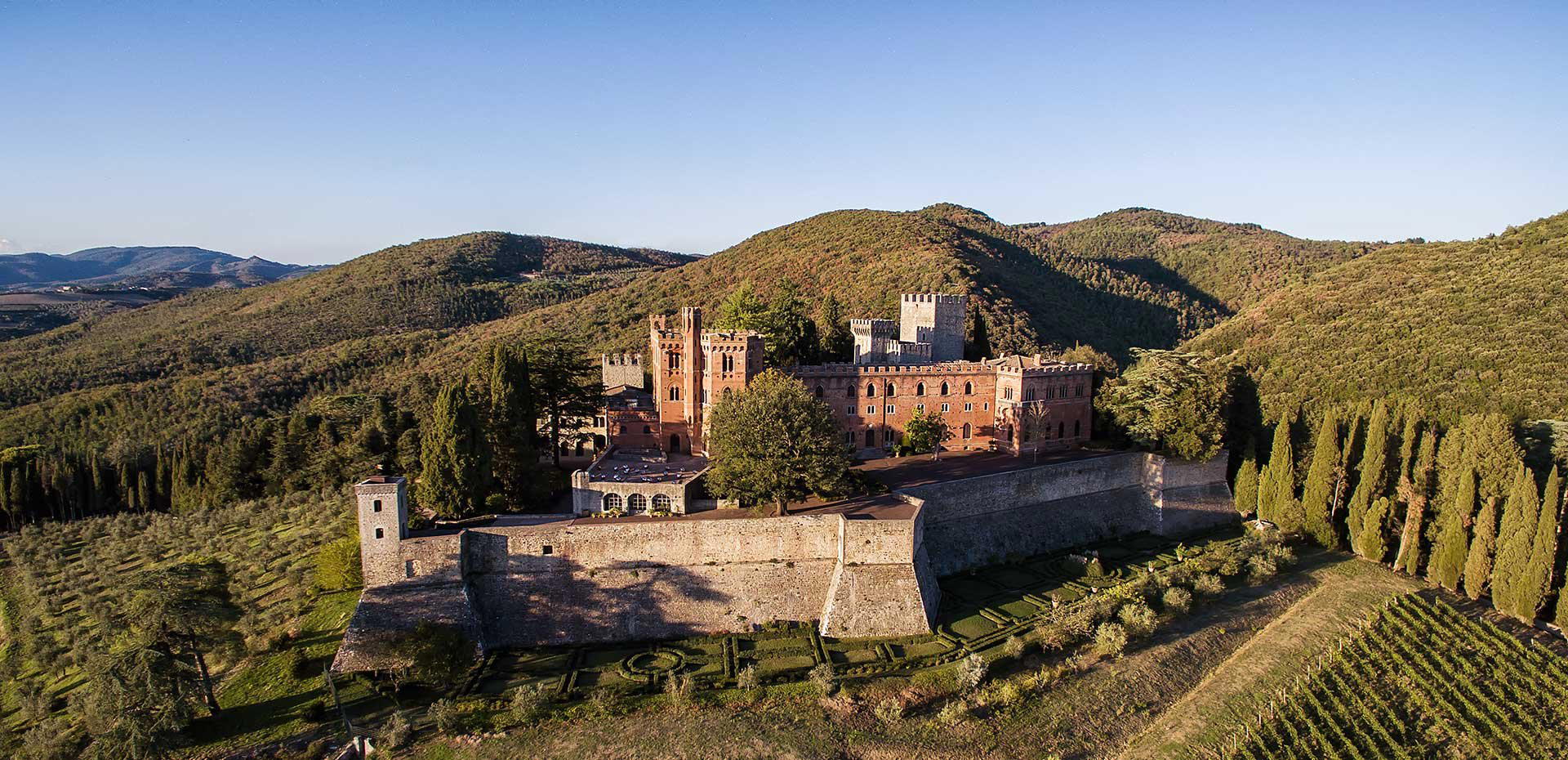
Gaiole in Chianti, Italy
The oldest active wine estate in Italy, Barone Ricasoli at Castello di Brolio sits at the heart of Chianti Classico's most historically grounded terroir..
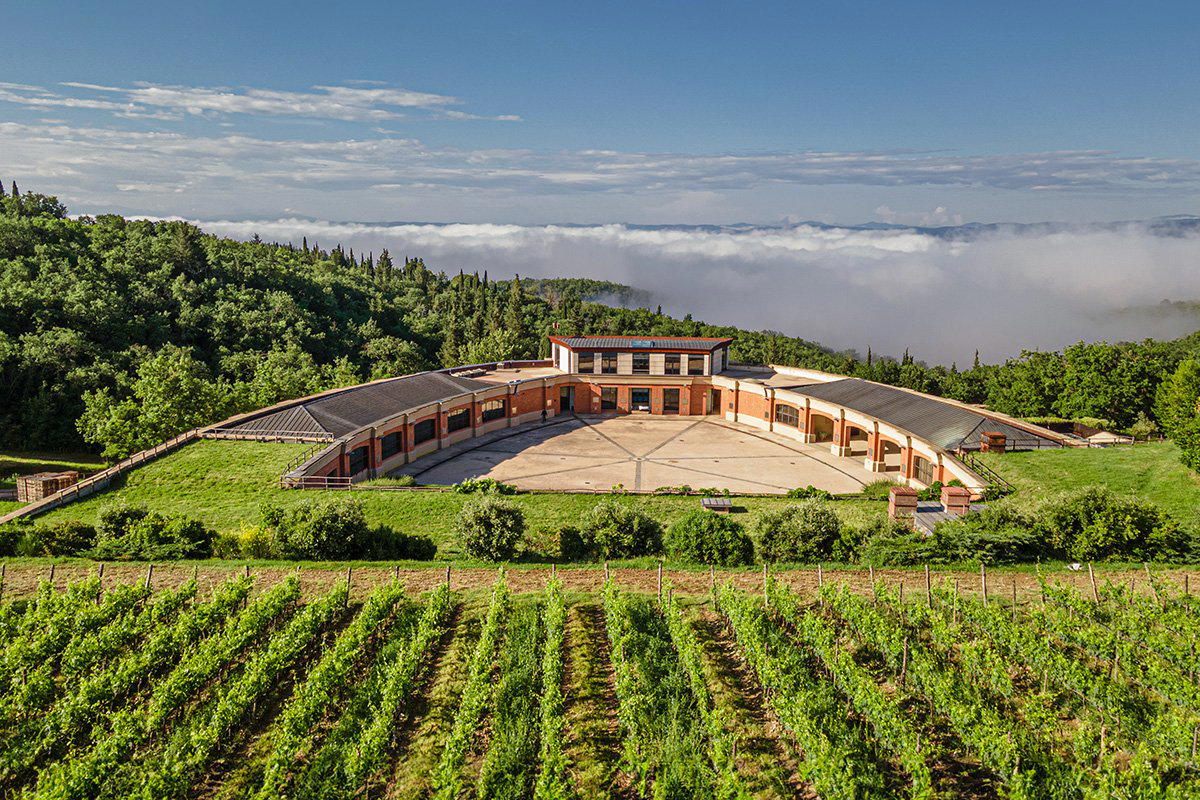
Castellina in Chianti, Italy
Castello di Fonterutoli has anchored Chianti Classico wine production since the 15th century, and the Mazzei estate remains one of the zone's most consistent reference points for Sangiovese expression rooted in limestone and clay soils above Castellina..

Montalcino, Italy
Aglieta Roberto is a small family-run Brunello di Montalcino producer in the Scopetino area, framed by the quiet agricultural rhythm that defines much of the appellation beyond its trophy labels. The focus is still red wine from Sangiovese, with Roberto Aglieta attached to the winemaking identity and a production profile that reads traditional, compact, and vineyard-led.
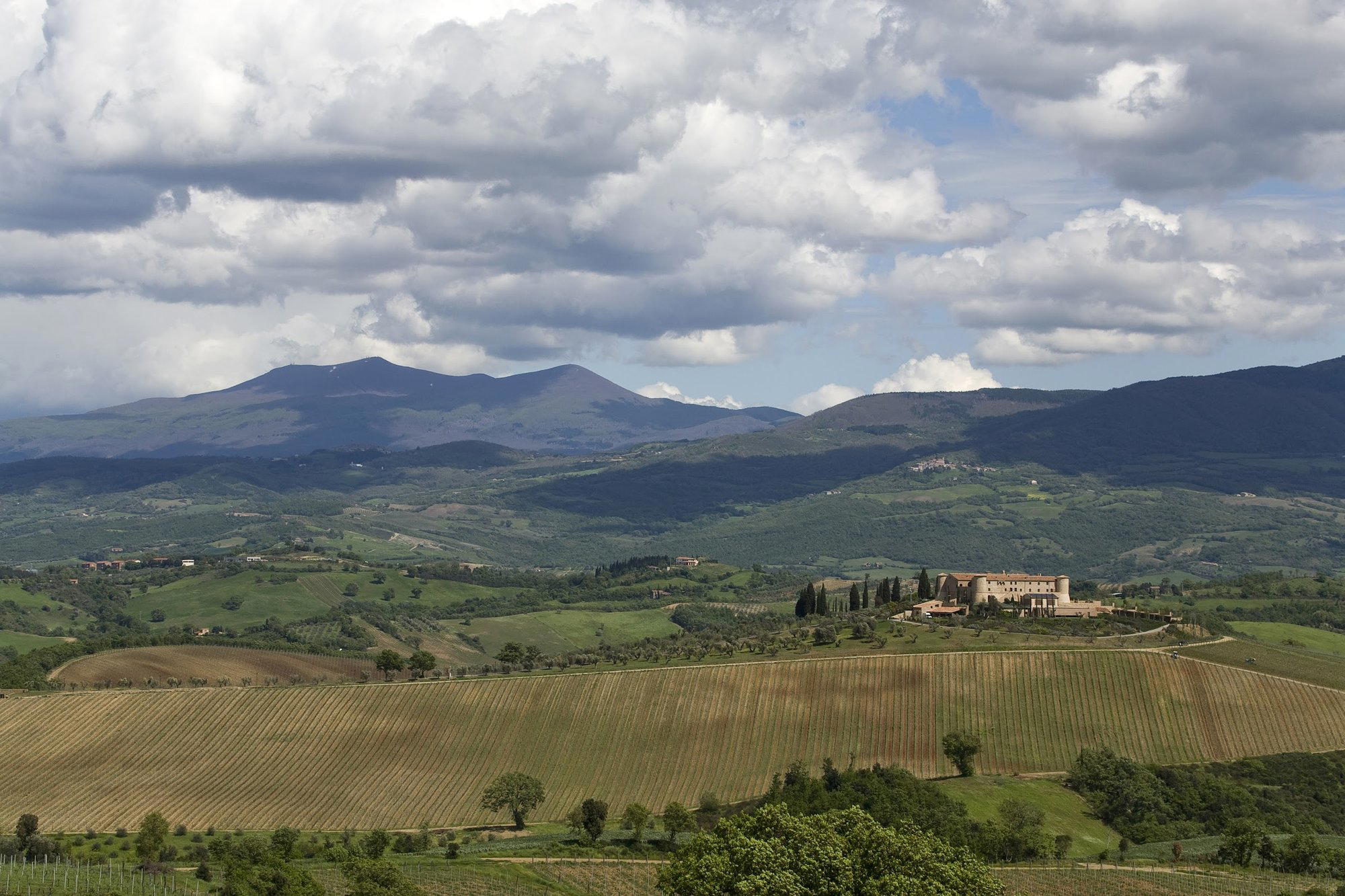
Montalcino, Italy
Agostina Pieri belongs to the quieter, production-led side of Montalcino: a small Sangiovese estate shaped by a south-facing vineyard in Castelnuovo dell’Abate and a reputation built as much on Rosso di Montalcino as Brunello. The appeal is terroir rather than theatre, with concentrated, ripe expression, traditional cellar work, and a historic Tre Bicchieri milestone for its 1995 Rosso.
Continue exploring