On Via Banchi di Sopra, Siena's main pedestrian artery, Pasticceria Nannini Conca D'Oro occupies the kind of position that only decades of civic anchoring can produce. This is where Sienese pastry tradition, panforte, ricciarelli, cavallucci, meets daily ritual for locals and a pilgrimage stop for those who understand what the city's confectionery heritage actually represents. The counter format, the house-made sweets, and the espresso culture place it squarely in a category that deserves more editorial attention than it typically receives.
Pearl is the En Primeur Club membership app — saves, bookings, and concierge access live there. Same editors, same standards.
- Address
- Via Banchi di Sopra, 24, 53100 Siena SI, Italy
- Phone
- +39 0577 236009
- Website
- caffetterienannini.com
- Directions
- Get directions
 Saves & bookings on Pearl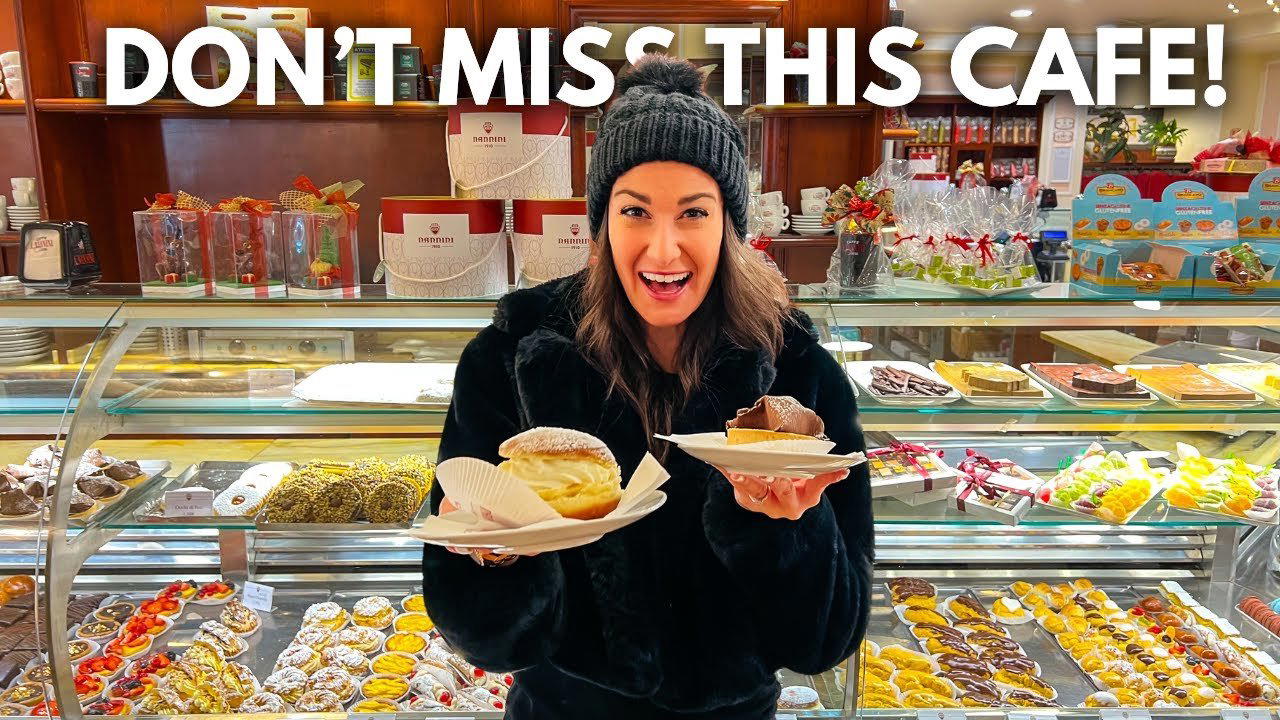
Where Sienese Confectionery Tradition Meets the Passeggiata
Via Banchi di Sopra is not a street you pass through by accident. It is the spine of Siena's social life, the route of the evening passeggiata, the corridor linking Piazza Matteotti to the Campo. Pasticceria Nannini Conca D'Oro sits at number 24 on this street, which means it operates within among the more contextually loaded retail positions in Tuscany. The foot traffic is local as much as it is tourist, and the clientele reading newspapers at the counter at 8am is a different crowd from the one pausing for a midday coffee and a slice of panforte. Both groups coexist in a space that functions simultaneously as bakery, café, and civic institution.
That dual role, daily habit for residents, deliberate stop for visitors, is what separates an establishment like this from the tourist-facing pastry shops that cluster near major monuments in most Italian cities. The distinction is partly geographical, partly reputational, and partly about what the counter actually contains. Siena has a confectionery tradition that predates industrial sugar production by centuries, and a pasticceria on this street, in this position, is expected to represent it seriously.
The Ingredient Logic Behind Sienese Sweets
The sweets associated with Siena, panforte, ricciarelli, cavallucci, copate, are not decorative confections. They are agricultural products that reflect the range of the Sienese countryside: almonds from the Val d'Orcia, honey from local producers, candied citrus peel, spices that arrived via medieval trade routes and never left the recipe. Each product encodes a set of sourcing decisions that long predate contemporary conversations about provenance and terroir.
Panforte in particular is a useful case study in how ingredient origin shapes texture and flavour. The ratio of almonds to sugar, the type of honey used, the quality of the candied peel, and the spice blend all produce measurable variation between producers. A pasticceria operating at a serious level in Siena is, in effect, making a statement about which version of these traditional ratios it endorses. That is an editorial position expressed through raw materials, and it is the primary reason these shops exist on a different register from their commercial supermarket equivalents.
Ricciarelli carry similar logic. The almond paste base requires specific almond varieties to produce the characteristic chew and the clean sweetness that distinguishes house-made product from the vacuum-packed versions sold in tourist shops along the Banchi di Sotto. The sugar-dusted exterior is a function of timing and humidity as much as recipe, which means these products are genuinely seasonal in character even if they appear year-round on the counter.
The Counter as Social Infrastructure
Italian bar and pasticceria culture operates on a standing-at-the-counter model that has no real equivalent in northern European or Anglophone café culture. You pay a modest supplement to sit at a table; the bar counter is where the actual social life of the morning happens. This format, which visitors often misread as a lack of hospitality, is in fact a highly codified social ritual that rewards familiarity with the system.
At a well-positioned Sienese pasticceria, the espresso served at the counter reflects both the house blend and the water quality of the city, which differs markedly from Florence or Rome. The short, concentrated format means that the character of the beans is less buffered than in a longer drink, so the sourcing of the blend carries more weight than it might in a café format oriented around milk drinks. The pairing of a ricciarello or a small slice of panforte with an espresso at the counter is the canonical morning format here, and it is one of the more coherent flavour combinations in the Italian breakfast repertoire.
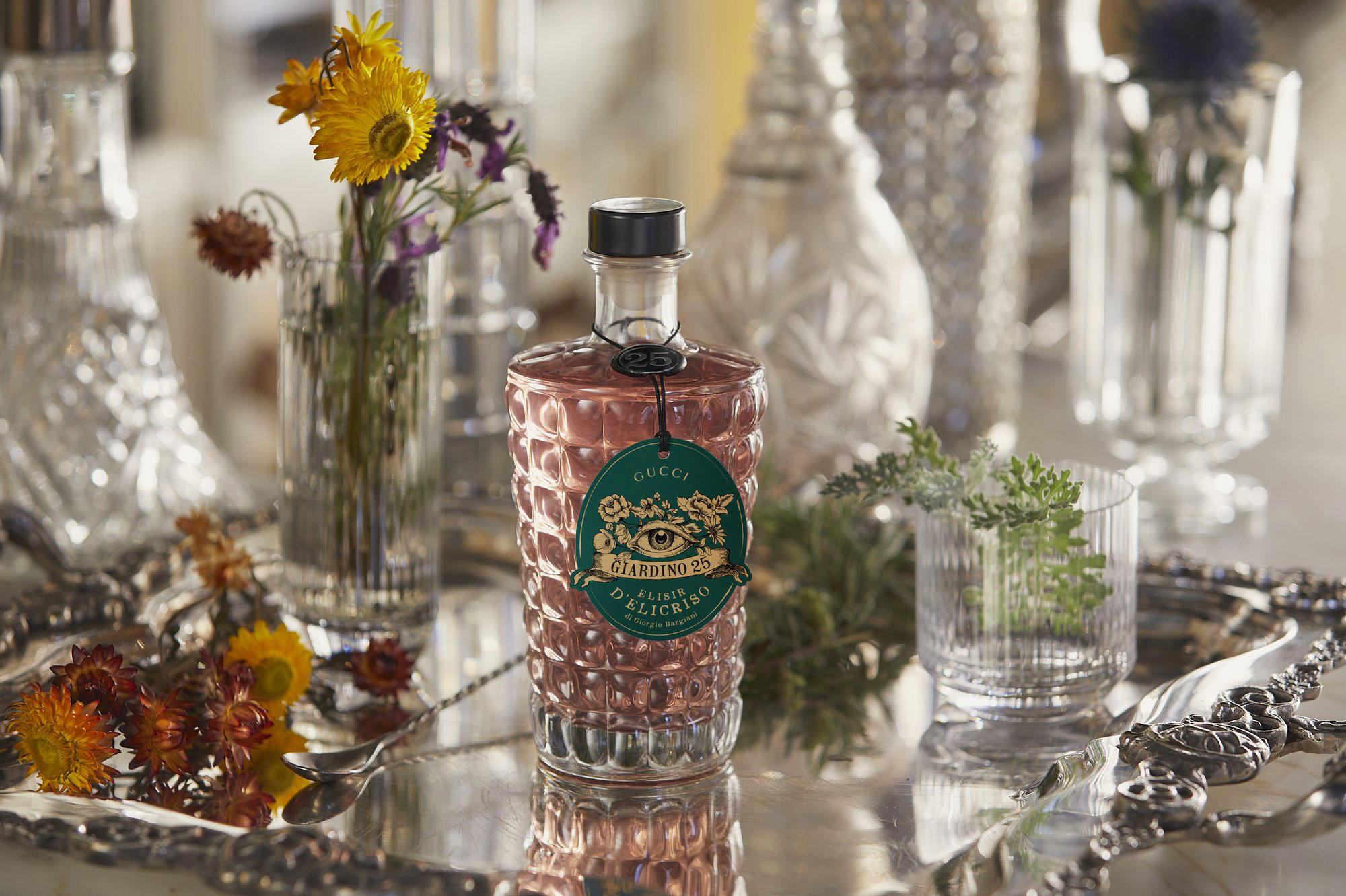
For visitors accustomed to the cocktail bar scene in larger Italian cities, Drink Kong in Rome, 1930 in Milan, or Gucci Giardino in Florence, the rhythm of a traditional Tuscan pasticceria will feel deliberately slower and more functional. It is not competing with those formats. It is operating within a separate and older civic role.
Siena's Bar Scene in Context
Siena's drinking and café culture clusters around the Campo and the main pedestrian streets. Within that geography, the city's bars and pasticcerie occupy distinct registers. Spots like Caffè Le Logge and Cacio E Pere serve different functions in the city's social fabric, as does Key Largo Bar and bella vista social pub. A traditional pasticceria sits outside the evening aperitivo circuit and operates instead on a morning-to-afternoon axis that aligns with the Sienese daily schedule rather than visitor itineraries.
For a broader orientation to eating and drinking in the city, see our full Siena restaurants guide, which maps the full range of options across categories and neighbourhoods. For comparison with craft bar programs elsewhere in the Mediterranean and beyond, L'Antiquario in Naples, Al Covino in Venice, Lost & Found in Nicosia, and Bar Leather Apron in Honolulu each represent different points on the spectrum of what serious bar culture can look like when it is grounded in local identity.
Planning Your Visit
The address is Via Banchi di Sopra, 24 in Siena's historic centre. The pasticceria is open daily from 7:30 AM to 9 PM and is walk-in friendly. Pricing follows standard Italian bar conventions, with counter service costing less than table service.
Side-by-Side Snapshot
Comparable venues nearby, for context on price, style, and recognition.
| Venue | Cuisine | Price | Notes |
|---|---|---|---|
| Pasticceria Nannini Conca D'OroThis venue — the venue you are viewing | Bar | $$ | Not listed |
| bella vista social pub | pub | $$ | Siena |
| Cacio E Pere | lounge | $$ | Siena |
| Salefino Vino&Cucina | wine_bar | $$$ | Piazza del Sale |
| Caffè Le Logge | cocktail_bar | $$ | Centro Storico |
| Key Largo Bar | cocktail_bar | $$ | Centro Storico |
Continue exploring
More in Siena
Bars in Siena
Browse all →
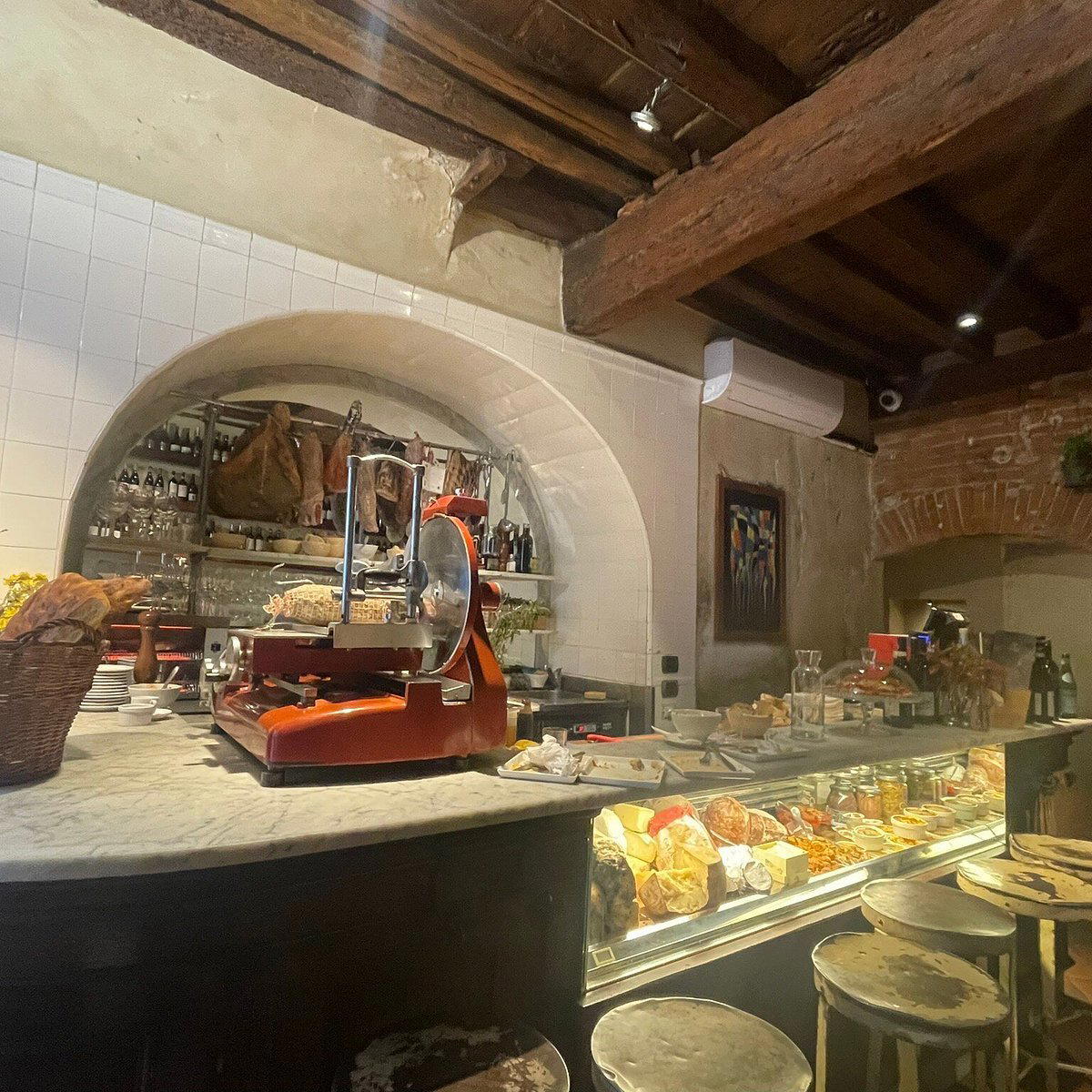
Restaurants in Siena
Browse all →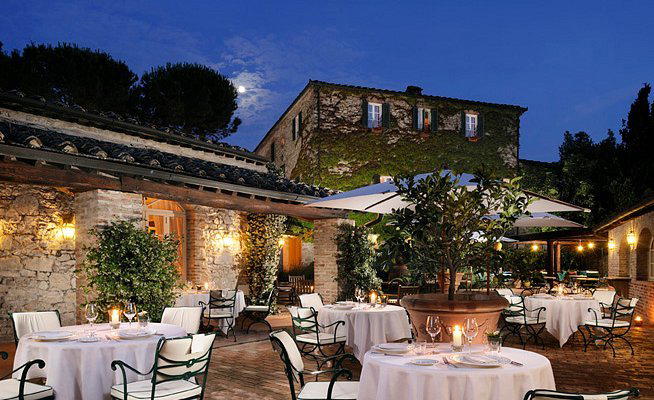
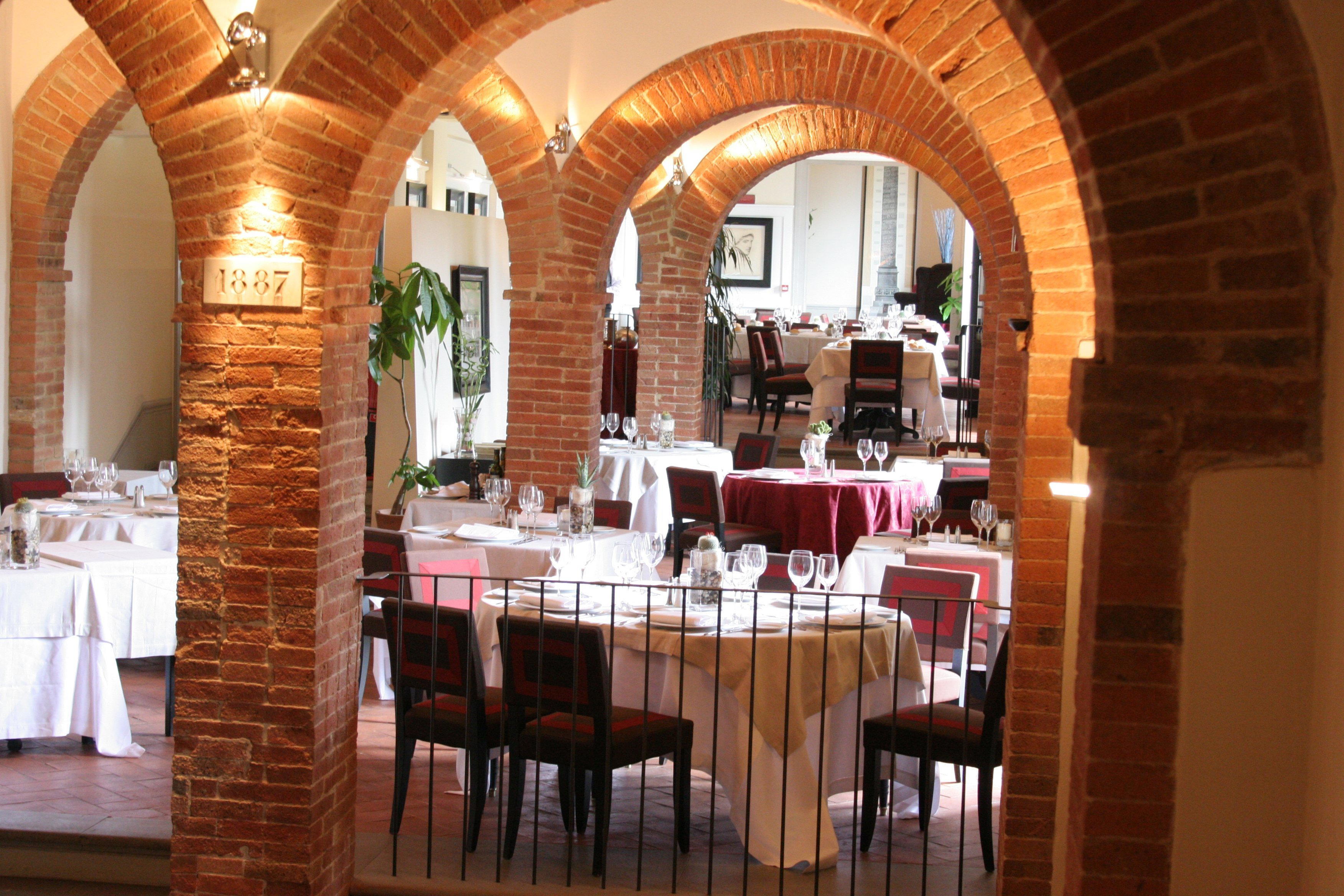
Hotels in Siena
Browse all →
At a Glance
- Classic
- Historic
- Cozy
- Casual Hangout
- Historic Building
- Seated Bar
Current opening hours
- Monday
- 7:30 AM–9 PM
- Tuesday
- 7:30 AM–9 PM
- Wednesday
- 7:30 AM–9 PM
- Thursday
- 7:30 AM–9 PM
- Friday
- 7:30 AM–9 PM
- Saturday
- 7:30 AM–9 PM
- Sunday
- 7:30 AM–9 PM
Hours can change for holidays and private events. Last verified .
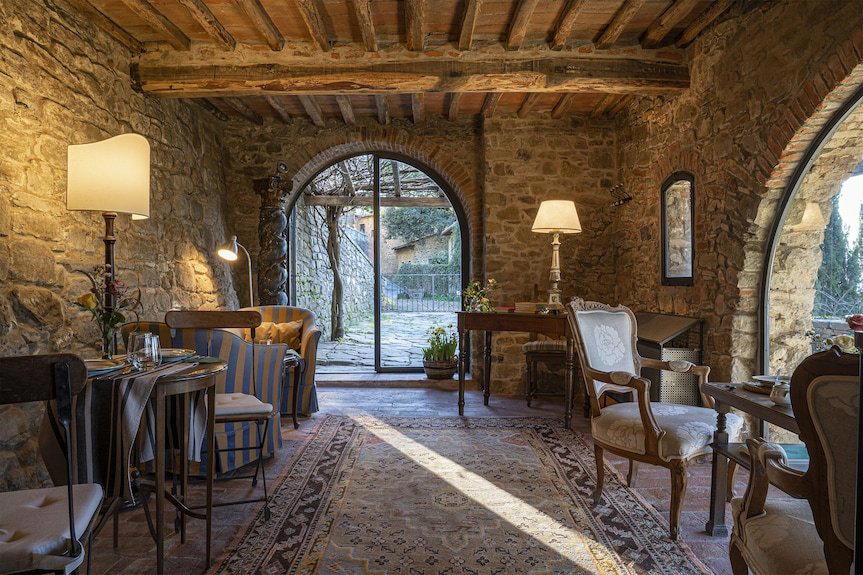
Cozy and clean historic cafe atmosphere with attractive windows.