Borgo San Felice Resort





2 Michelin Keys · La Liste Top Hotels · Virtuoso Luxury Hotel Partner
A medieval hamlet in the heart of Chianti Classico, Borgo San Felice Resort converts an 11th-century village into 63 rooms and suites across a Relais & Châteaux property that holds a Michelin star, two Michelin Keys, and its own wine production. Rates from US$609 per night place it firmly in the upper tier of rural Tuscan luxury, with Siena 22 kilometres away and Florence Airport 90 kilometres by road.

Pearl is the En Primeur Club membership app, where members save venues, book tables and use the concierge.
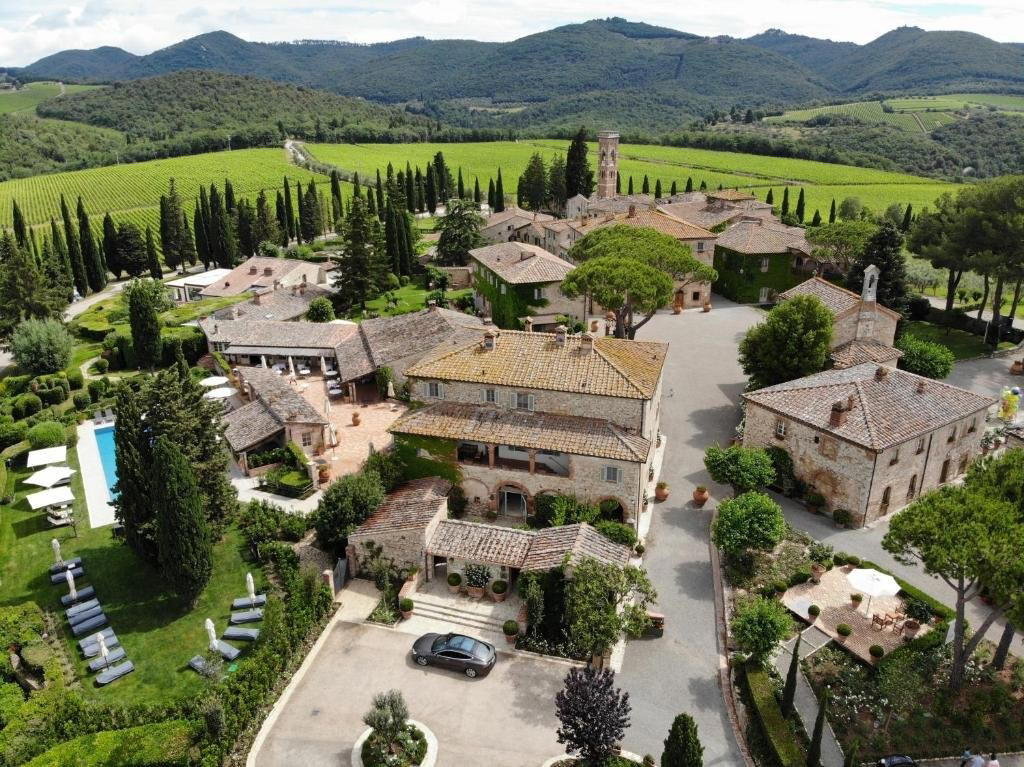
A Village Repurposed: The Architecture of Borgo San Felice
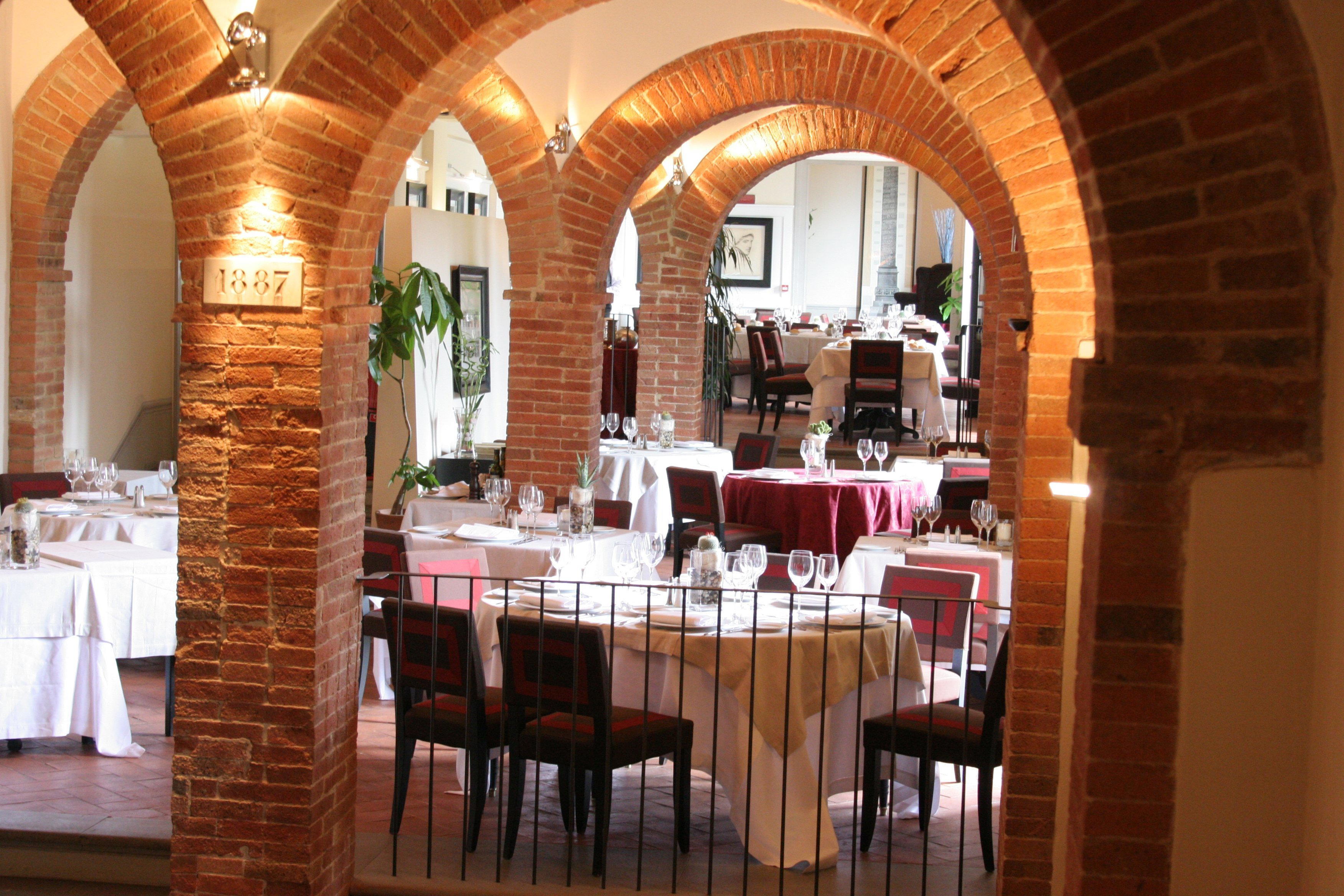
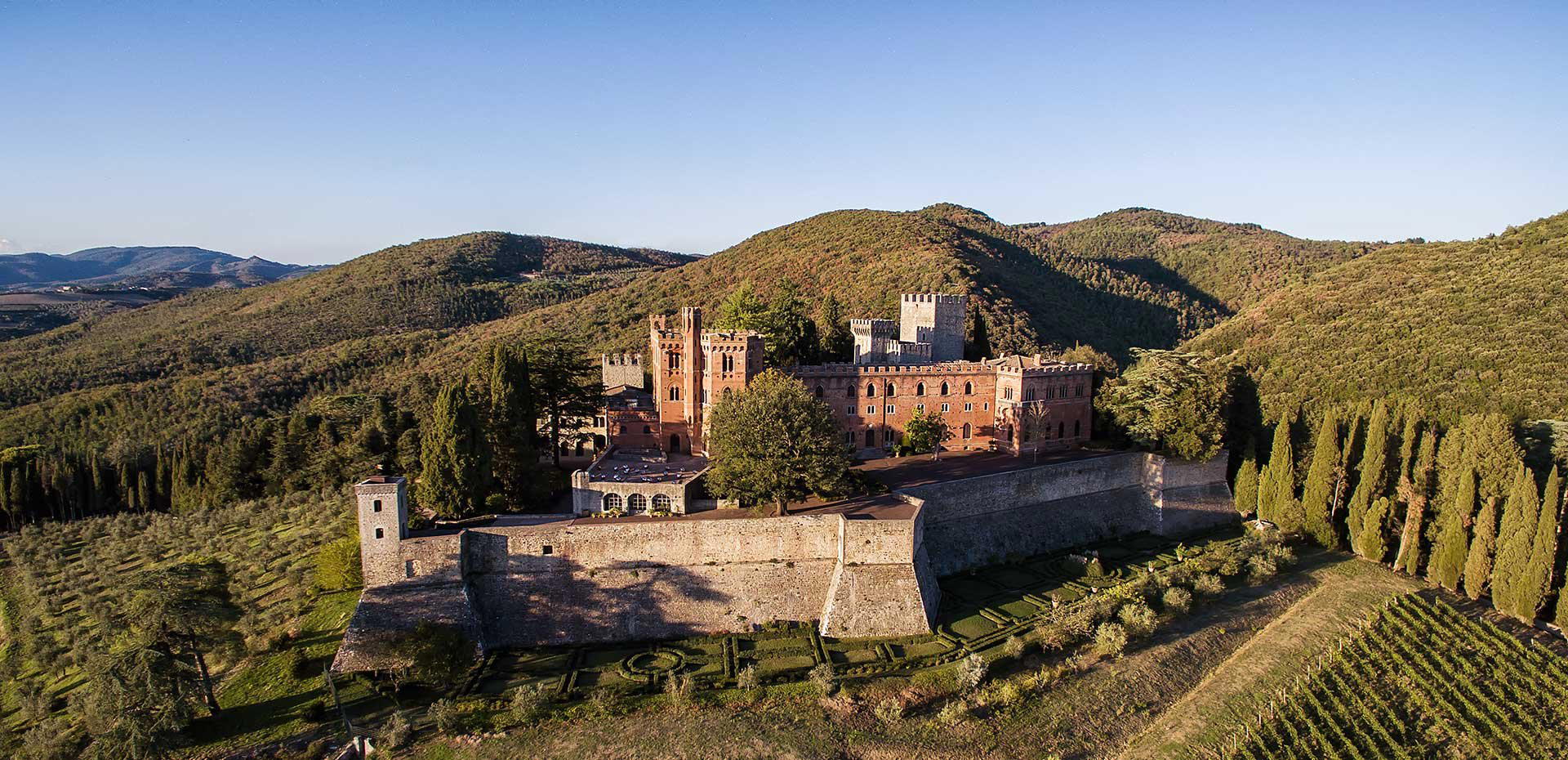
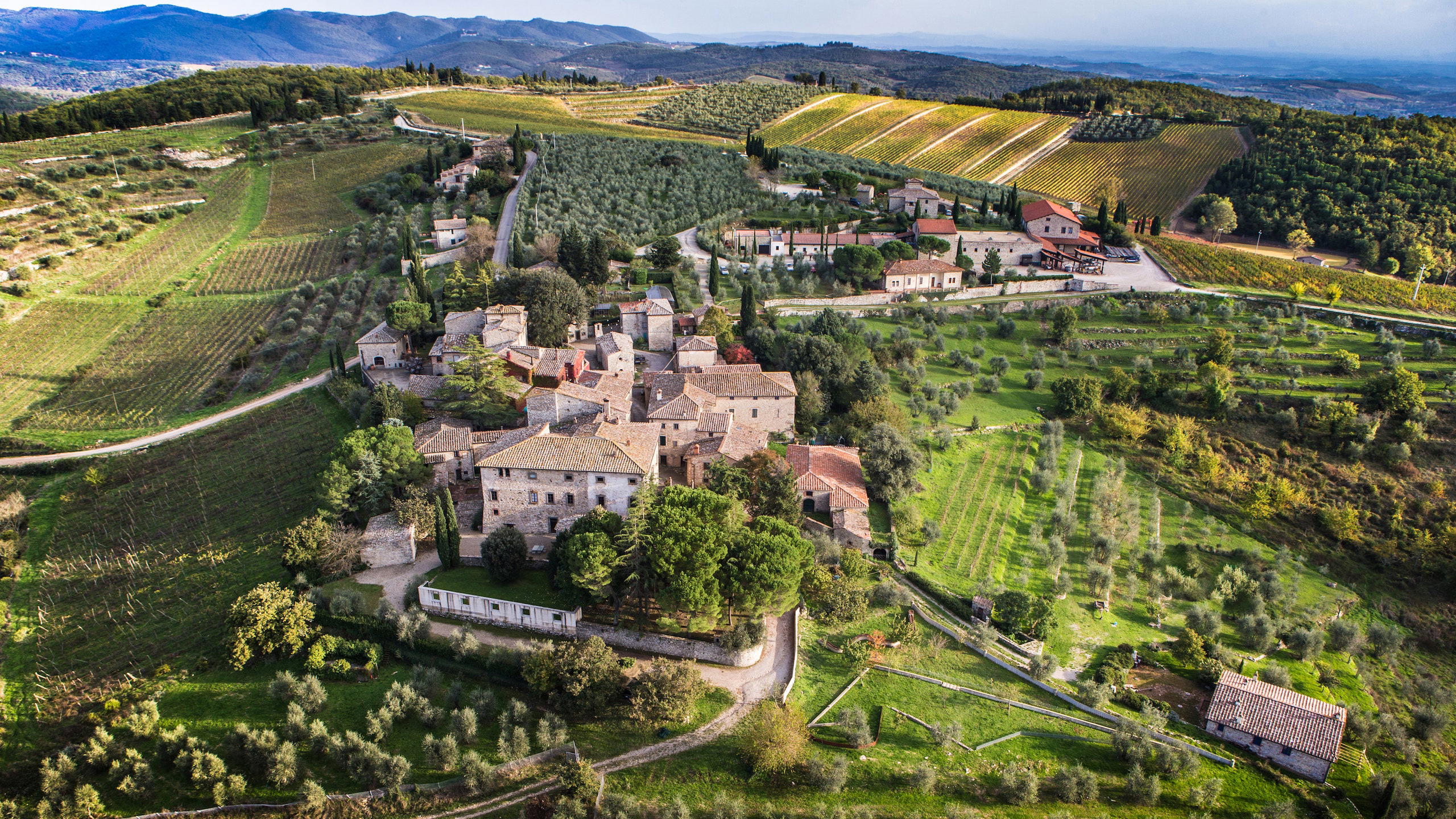
The defining quality of Chianti's most serious rural hotels is not their amenities or their restaurant credentials, it is the degree to which history has been preserved rather than performed. At Borgo San Felice Resort, in the commune of Castelnuovo Berardenga, the structure itself is the argument. What guests arrive to is not a hotel built in a Tuscan style, but an actual 11th-century hamlet, chapel, original town square, stone lanes, and all, repurposed around a working hospitality operation while the farmers who tend the surrounding vineyards continue to occupy their residences at the edges of the estate. That distinction matters architecturally and experientially.
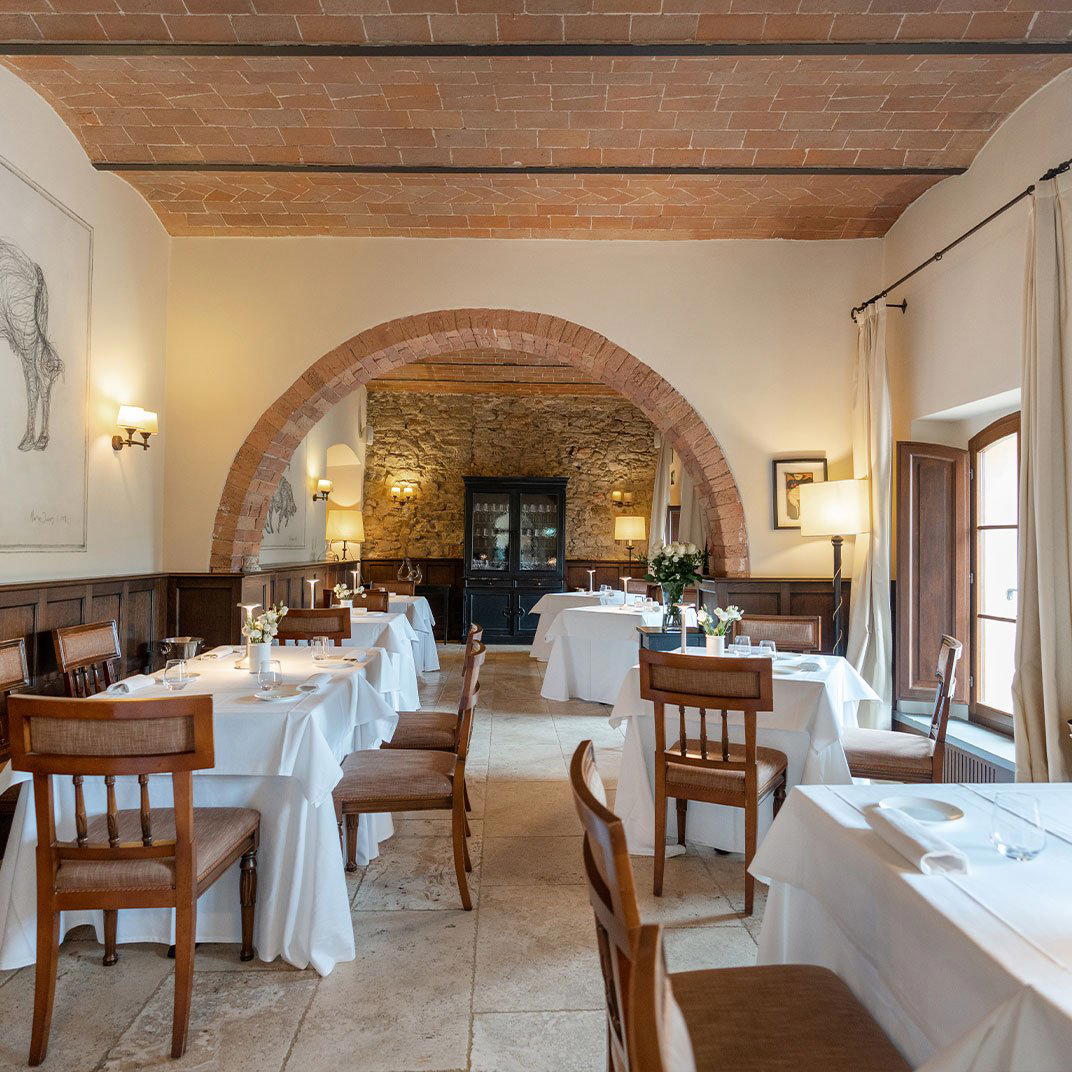
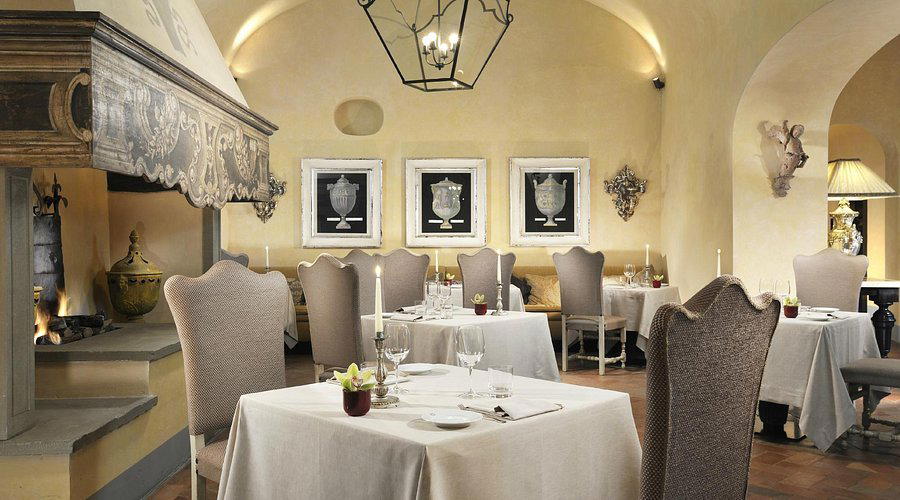
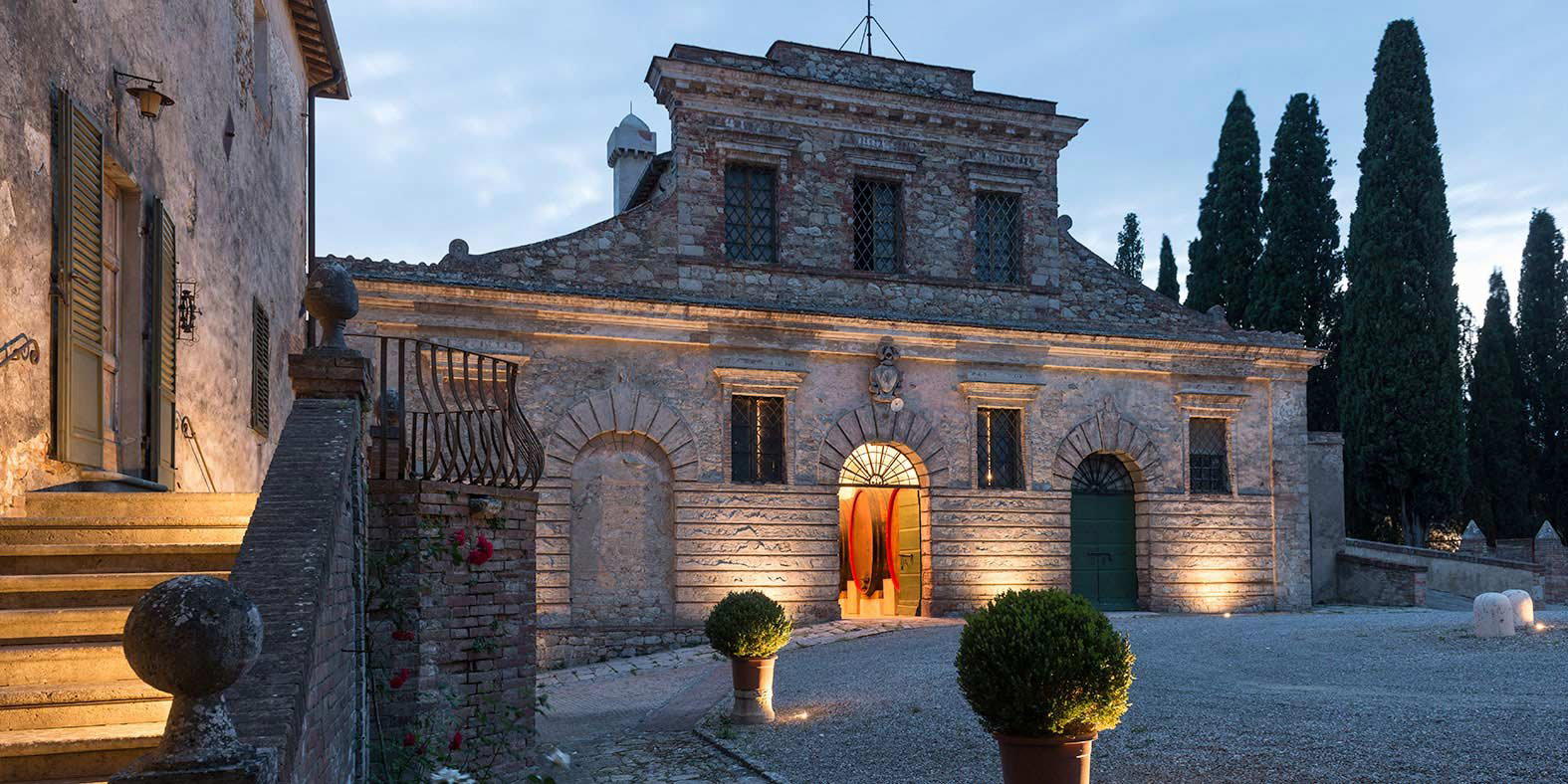
The borgo format, common across central Italy but rarely preserved at this scale, places 63 rooms and suites across former agricultural and civic structures: a wood store, an olive press, a school, a bakery, wine cellars. Each space inherits the geometry of its previous function, which is why no two rooms share the same footprint. Exposed ceiling beams in Castilian oak, travertine flooring, and ceramics produced by local artisans give the interiors a material grounding that distinguishes them from Tuscan-aesthetic hotels built from scratch. The colour palette reads deliberately restrained, ochres, creams, and warm neutrals, precisely because the architecture is doing the decorative work that paint and pattern typically perform elsewhere.
Across Tuscany, the converted-borgo model sits between two poles: the grand single-palazzo hotel (of which Four Seasons Hotel Firenze in Florence is the most cited urban example) and the agriturismi operating at a fraction of the price and formality. Borgo San Felice occupies a specific middle ground: village scale, Relais & Châteaux membership, wine production on the same land, and a Michelin-starred restaurant, a combination few properties in the region can assemble simultaneously. The comparable borgo conversion in Chianti, Castel Monastero, also in Castelnuovo Berardenga, pursues a similar format with different architectural bones; Hotel Le Fontanelle nearby operates at smaller scale without the full village fabric. Borgo San Felice's differentiator is that you are moving through an intact medieval settlement, not a single restored building.
Rooms Across the Hamlet
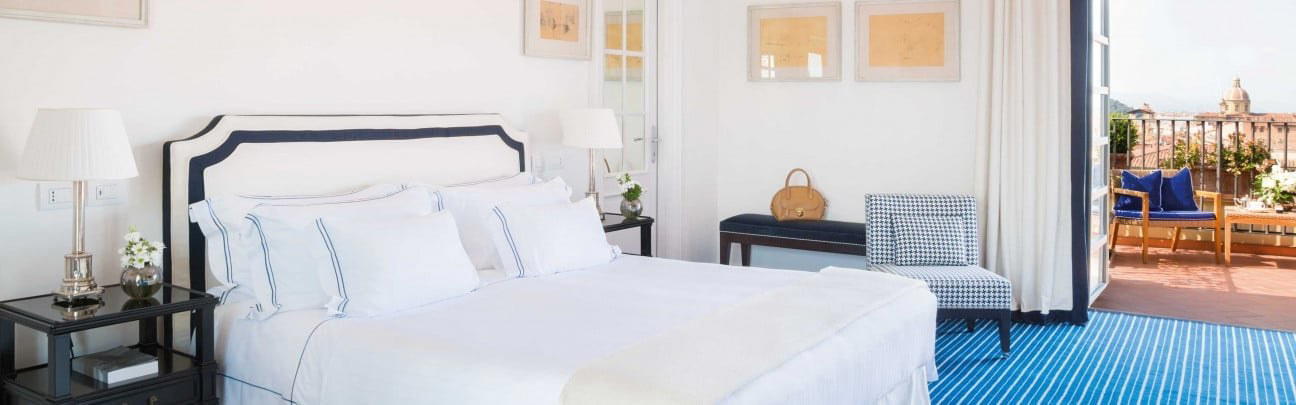
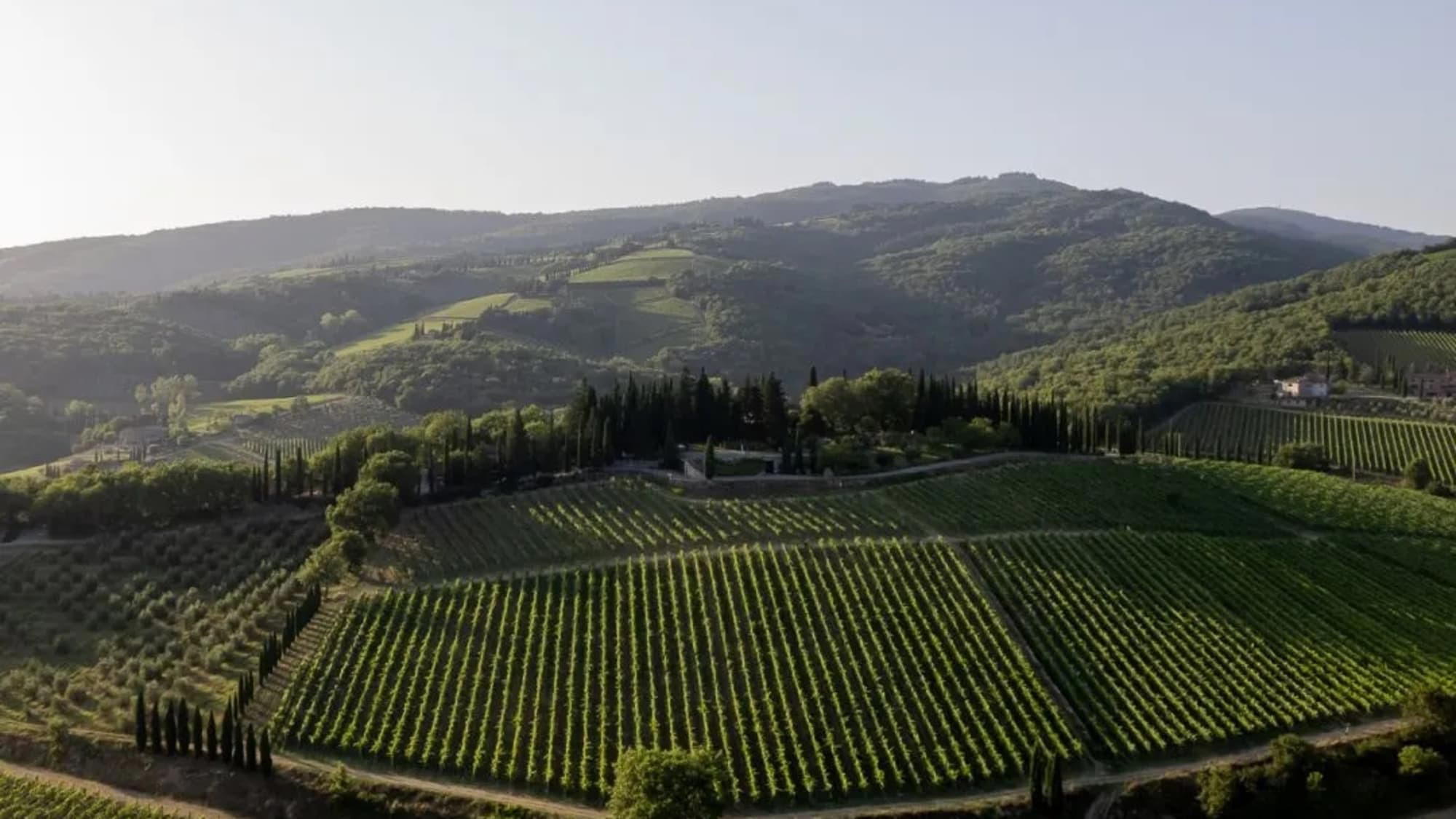
Because the accommodations are distributed across the hamlet rather than concentrated in a single structure, the experience of staying here involves a degree of daily movement that a traditional hotel corridor does not. The rose garden, the orto (productive vegetable garden), and the stone lanes between buildings are traversed as a matter of course, mornings to breakfast, evenings back to a suite in what was, centuries earlier, an olive processing facility. The 40 rooms and 23 suites receive natural light from windows that frame vineyard rows and the Sienese hills beyond, a view that is structurally inseparable from the room's position within the village grid.
The Legnaia Suite, which takes its name from the wood store it once was, shows the range of what individual conversion can produce: thick horizontal stripe detailing in the bedroom, contrasting diamond-pattern tile around the bath, proportions shaped by the original structure's dimensions rather than any hospitality planning convention. For groups or families requiring independence, the property provides two private villas, Casanova and Colonna, each with a private garden, full kitchen, and pool, positioned steps from the village centre but functionally separate from the hotel operation.
The choice of which room category to book depends largely on your relationship to space and historical specificity. The Tuscan suites with exposed beams, travertine floors, and ceramic artwork from local producers are the rooms that translate the architectural premise most fully. Booking direct and specifying the suite category, rather than a standard room, is advisable given that individual decoration varies considerably across the 63 keys. The property operates seasonally, closing from December through March, so availability concentrates between April and November.
The Culinary and Wine Apparatus
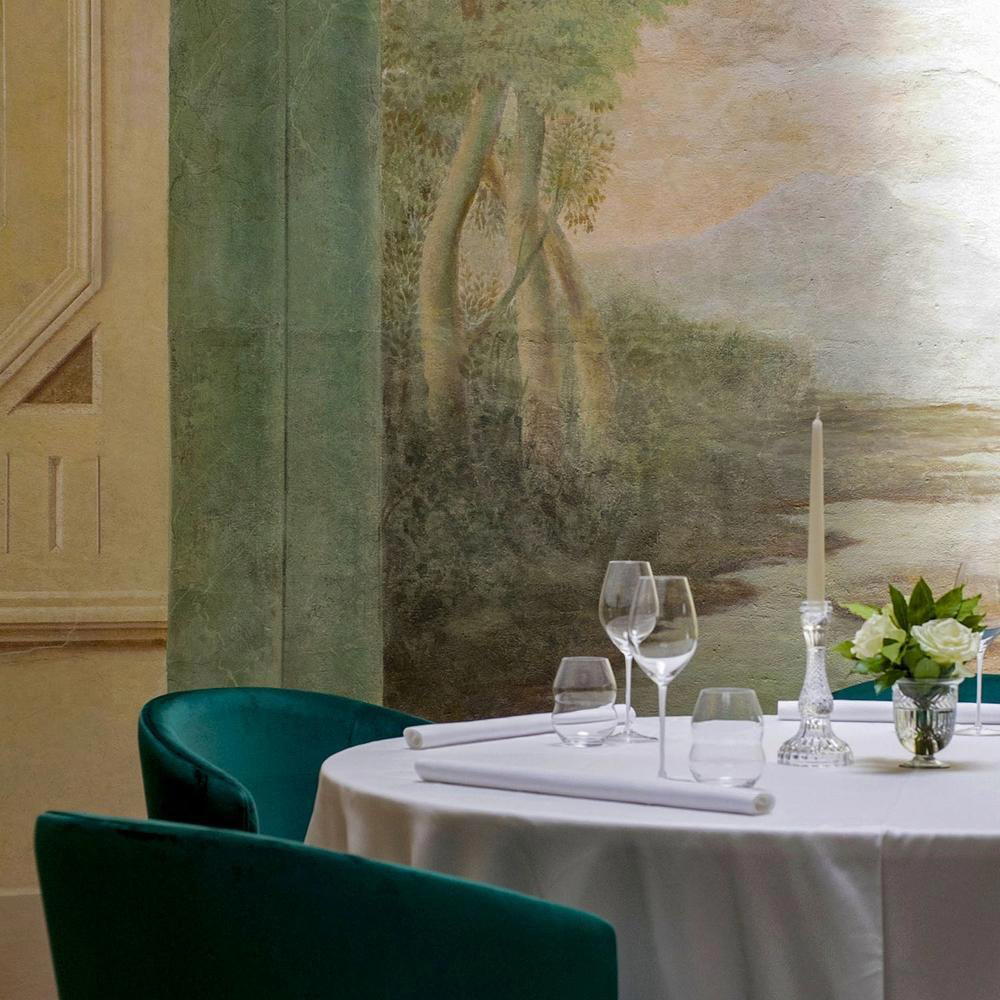
Borgo San Felice holds a Michelin star and a Michelin Green Star as of 2025 for its flagship restaurant, Il Poggio Rosso, which positions Chianti's regional canon within a more contemporary technical register. The Green Star credential reflects the property's emphasis on produce sourced from its own kitchen garden, L'Orto Felice, where fruits, herbs, and vegetables are cultivated on-site, a program that also functions as a community initiative, involving elderly village residents and local disabled children in the garden's operation. The more casual dining option, Osteria Il Grigio, runs alongside it without competing directly: the two restaurants address different evening registers rather than the same appetite at different price points.
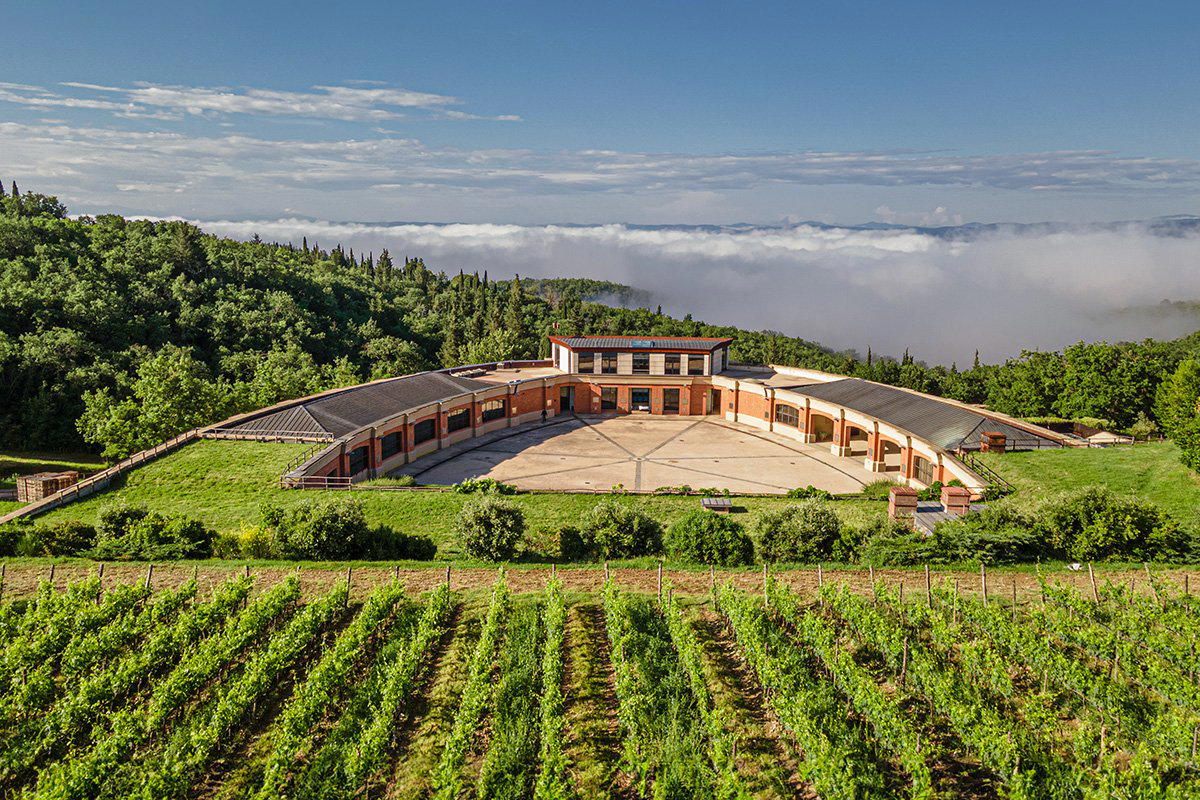
The wine program is not supplementary to the culinary offering, it is structurally integrated. San Felice operates as an active winery within the Chianti Classico appellation, and the wines produced on the estate are the reference point for both restaurants and are exported internationally. This is the same estate-to-glass dynamic that defines properties like Rosewood Castiglion Del Bosco in Montalcino, where the vineyards are as much a part of the guest experience as the rooms. Cooking classes offered on-site cover pasta, traditional Florentine-style bread, and preparations using wild game, extending the culinary program beyond restaurant service into participatory format.
Within the broader Tuscan converted-estate category, other benchmark properties approach this question differently. Castelfalfi in Montaione integrates golf and a larger property footprint; Castello di Reschio in Lisciano Niccone emphasises design restoration and equestrian programming. Borgo San Felice's particular configuration, Michelin recognition, Green Star sustainability credential, active winery, cooking classes, and intact village fabric, represents a specific and coherent model rather than a general luxury offering.
The Wider Estate and Practical Orientation
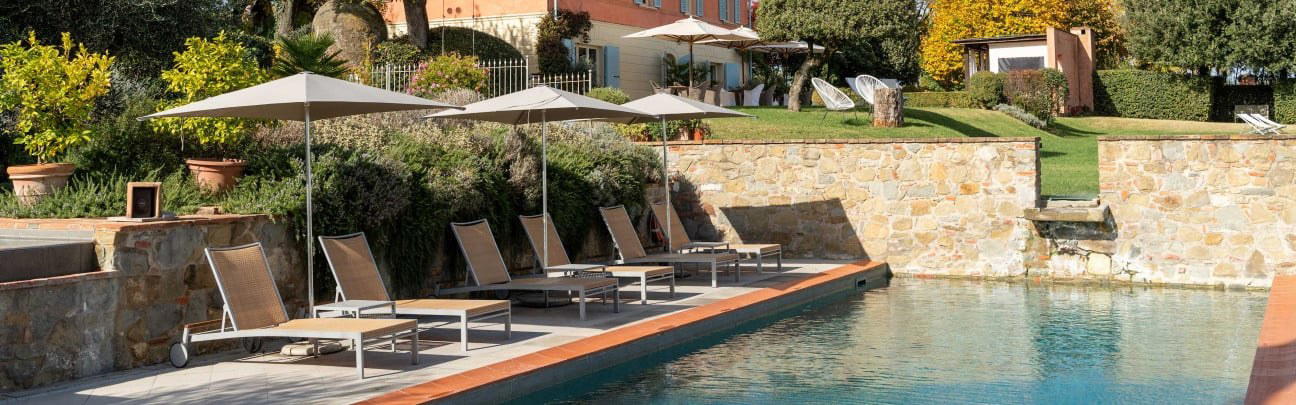
Beyond the restaurant and wine operation, the spa runs anti-aging treatments using Italian brands Comfort Zone and Anthology alongside a fitness facility equipped by Technogym. An outdoor heated pool, tennis courts, and bocce courts complete the recreational infrastructure. These are not incidental amenities, at a property where guests typically stay multiple nights and rarely leave the estate mid-afternoon, the quality and range of non-dining options shape the rhythm of longer stays materially.
Getting to Borgo San Felice by car from Florence takes approximately 90 minutes via the expressway toward Siena, exiting toward Monteaperti and San Felice. The GPS coordinates (43.3939, 11.4485) place it 22 kilometres from Siena's train station and 90 kilometres from Florence's Peretola Airport. A rental car is the most practical arrival method for guests who want access to the surrounding countryside and Siena (approximately 15 minutes by road) without depending on arranged transfers for every excursion. Rates begin from US$609 per night, with the property's Relais & Châteaux membership and Michelin recognition placing it in the higher pricing tier for the Chianti region rather than the absolute ceiling of Italian rural luxury.
For those planning a stay around specific events, the Palio di Siena horse race, which has taken place since the 14th century, runs in July and again in August. The bareback race through Siena's Piazza del Campo, with riders and horses representing the city's historic neighbourhood wards, remains a genuinely significant cultural event rather than a tourist spectacle, and Borgo San Felice's proximity to Siena makes it a functional base for attendance. The property's seasonal closure means this timing aligns neatly with the open window.
Italy's converted-historic-property market offers points of comparison well beyond Tuscany: Aman Venice in Venice, Borgo Santandrea on the Amalfi Coast, and Casa Maria Luigia in Modena each demonstrate what Italian historic conversion can produce in different regional registers. Within Tuscany specifically, the borgo model at this scale, with this density of credential, remains a specific proposition. See our full Castelnuovo Berardenga restaurants guide for the broader local context.
Comparable Spots, Quickly
Comparable venues nearby, for context on price, style, and recognition.
| Venue | Cuisine | Price | Awards | Notes |
|---|---|---|---|---|
| Borgo San Felice ResortThis venue (the venue you are viewing) | Restored medieval Tuscan hamlet with modern luxury | Not listed | 2 Michelin Keys · La Liste Top Hotels | Not listed |
| Castel Monastero | Restored medieval monastery in Tuscan countryside | $300–500 | 1 Michelin Key · Virtuoso Luxury Hotel Partner | Ombrone Valley |
| The Club House | Intimate adults-only Tuscan estate blending historic charm with modern luxury | $500–750 | Michelin Selected | Pievasciata |
| Hotel Le Fontanelle | Historic 13th-century Tuscan farmhouse with Beaux Arts architecture restored into a luxury countryside retreat. | Not listed | Michelin Selected · Virtuoso Luxury Hotel Partner | Pianella |
| JK Place Roma | Luxury boutique hotel blending 17th-century Roman palazzo architecture with contemporary design, positioned as an exclusive private townhouse experience. | $500–750 | 1 Michelin Key · La Liste Top Hotels | Campo Marzio |
| Villa Cora | Restored 19th-century aristocratic villa blending opulence with Tuscan serenity | $300–500 | 2 Michelin Keys · La Liste Top Hotels | Bobolino |
Recognition history
Dated appearances from independent guides and award organizations, with the underlying list record or original source where available.
Michelin 2 Keys
Michelin
La Liste Top Hotels
La Liste
Forbes Recommended
Forbes
Relais Chateaux Award
Relais Chateaux
Virtuoso Luxury Hotel Partner
Virtuoso
Full recognition history (9 entries)
Forbes Recommended
Forbes
Michelin 2 Keys
Michelin
Relais Chateaux Award
Relais Chateaux
Michelin 2 Keys
Michelin
Continue exploring
More in Castelnuovo Berardenga
Hotels in Castelnuovo Berardenga
All hotels in Castelnuovo Berardenga →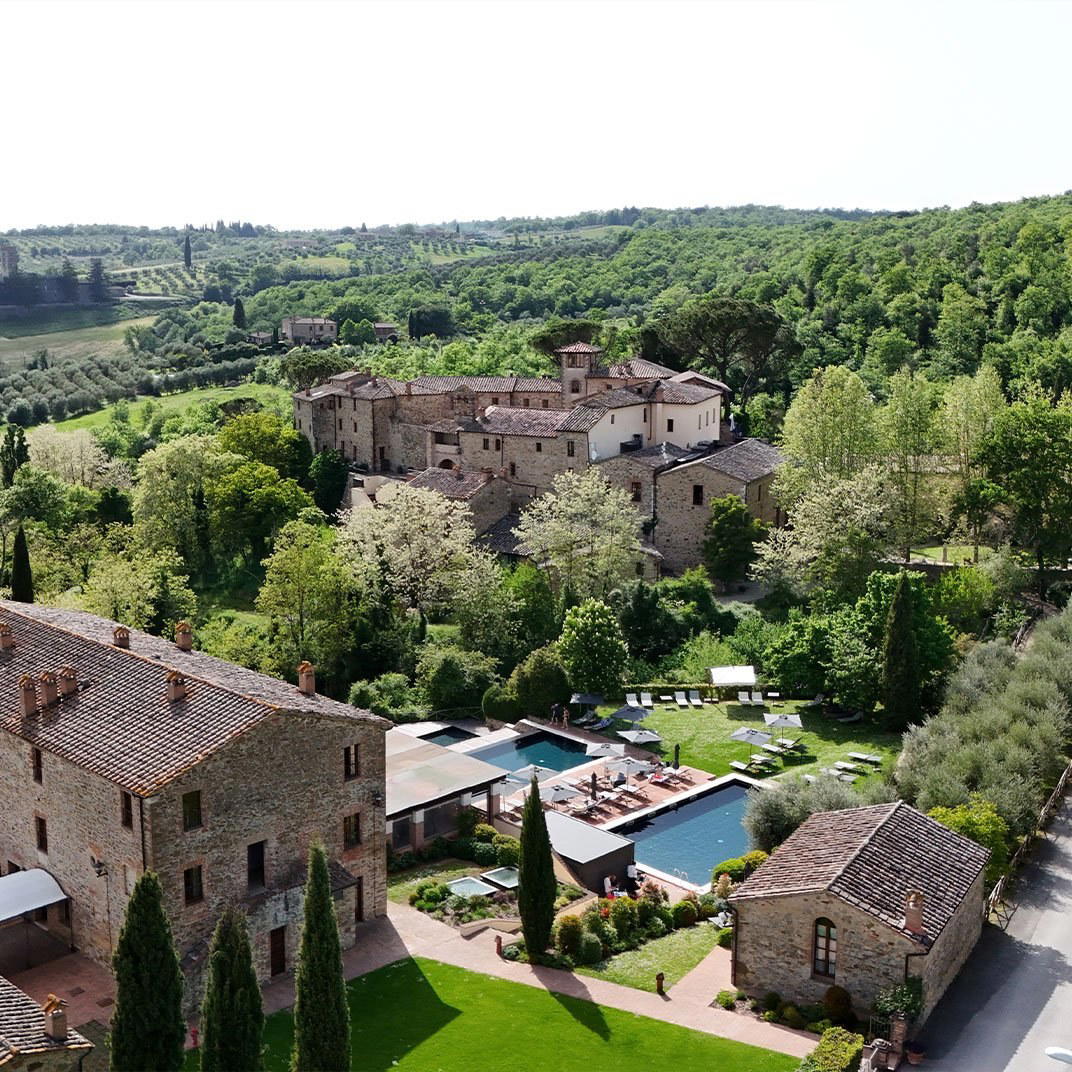
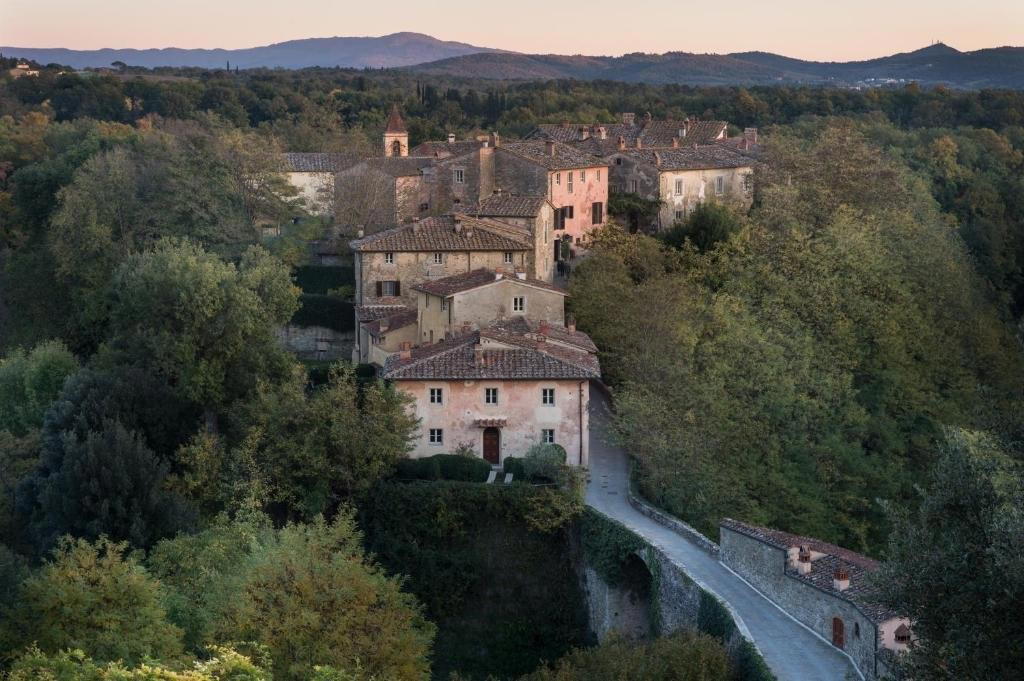
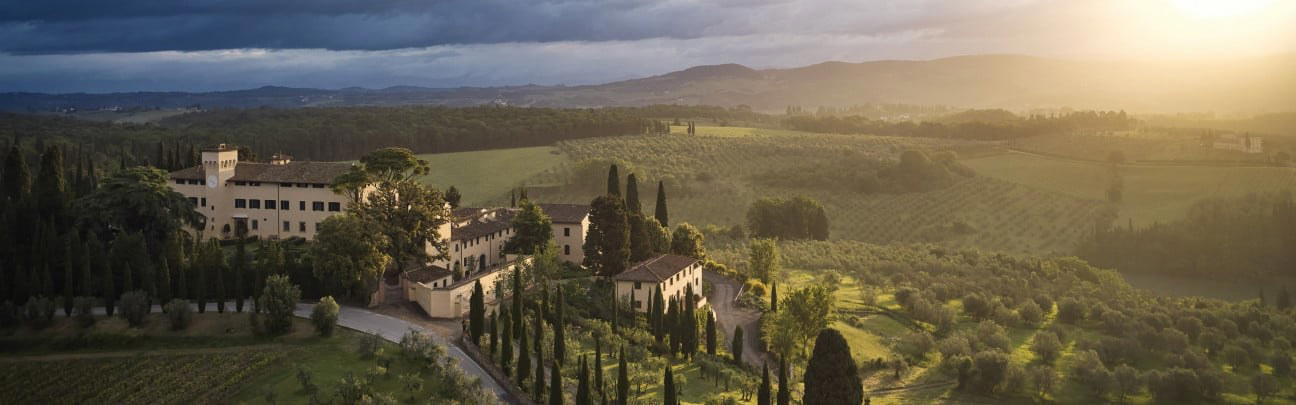
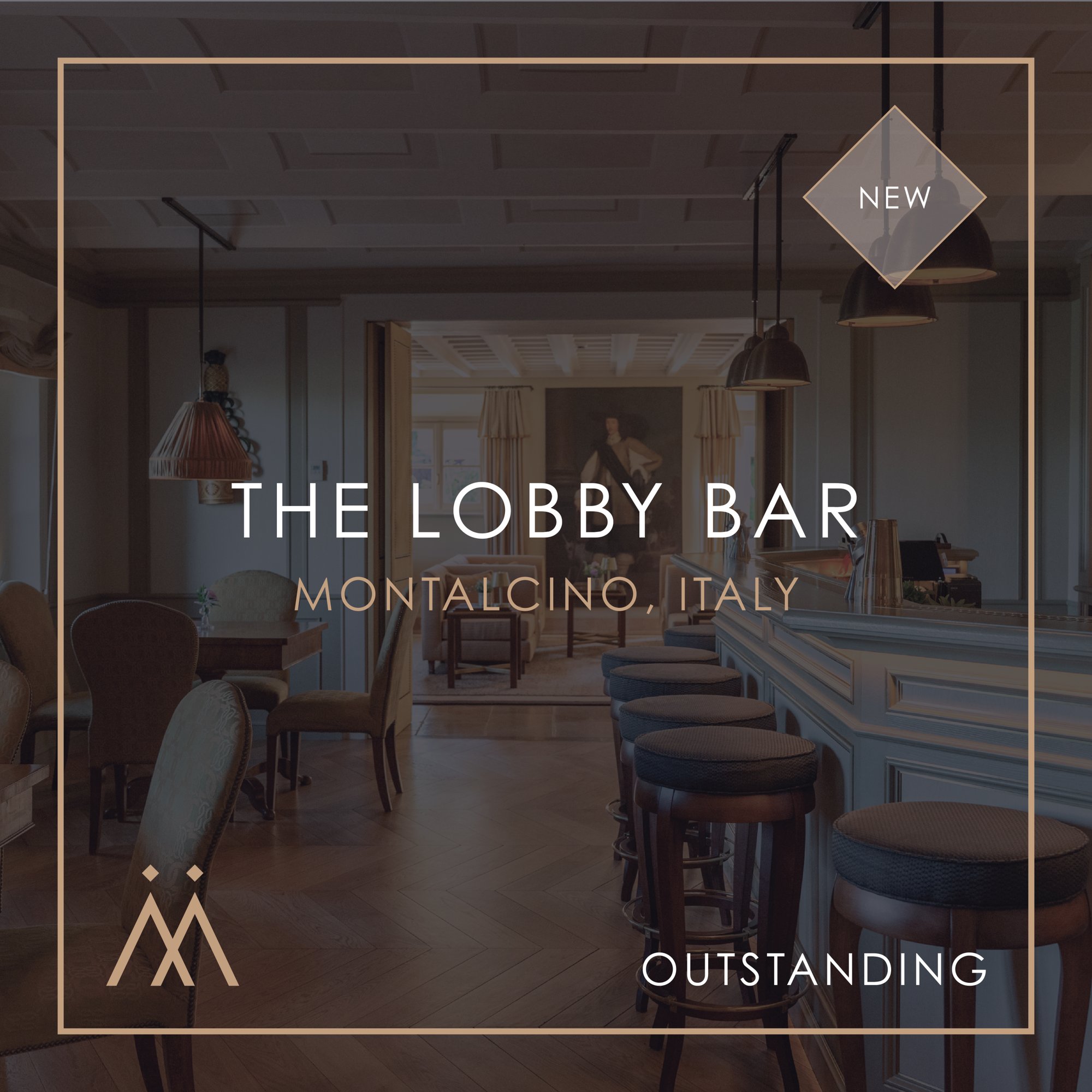
Bars in Castelnuovo Berardenga
All bars in Castelnuovo Berardenga →
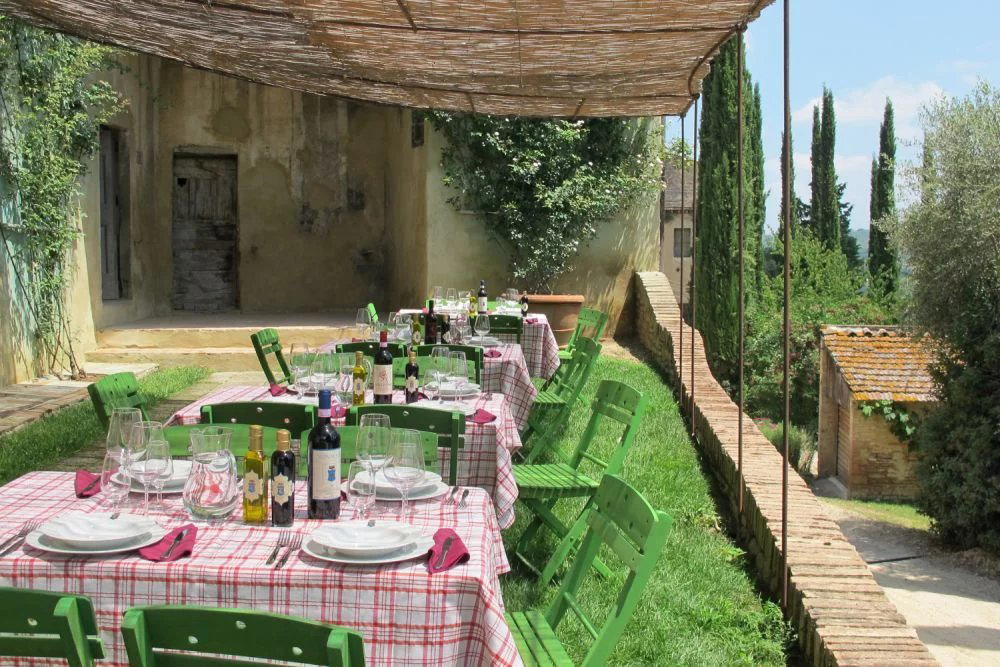
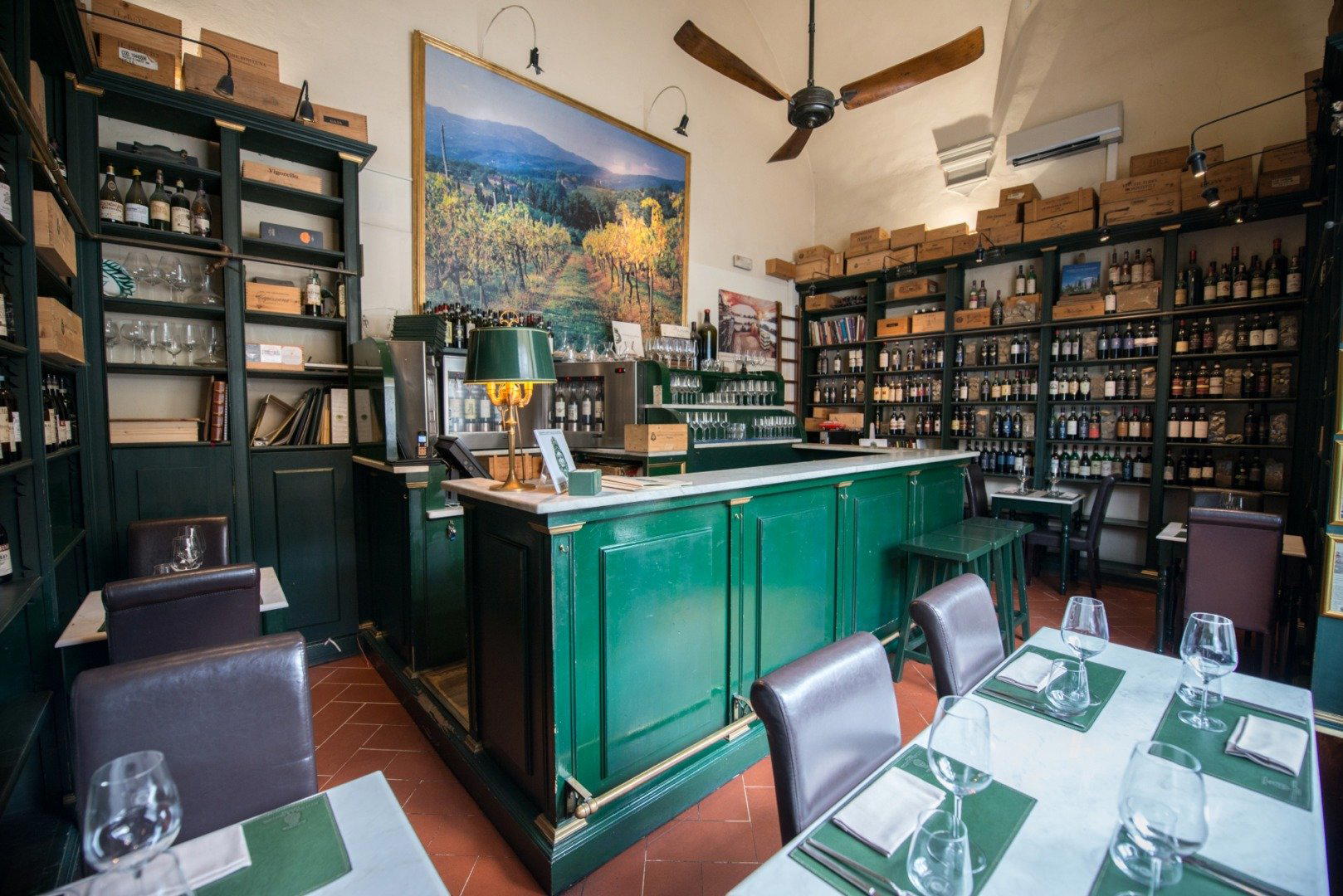
Restaurants in Castelnuovo Berardenga
All restaurants in Castelnuovo Berardenga →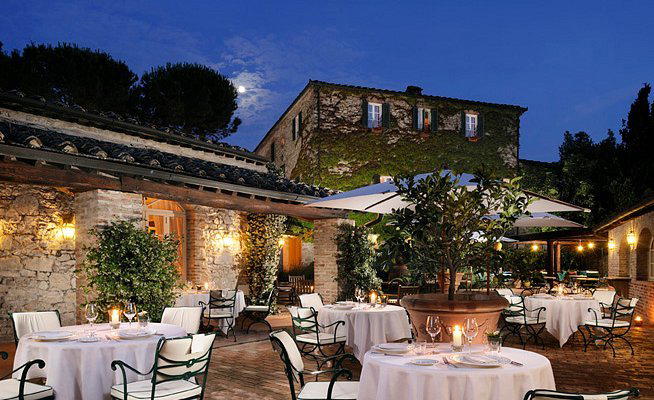
Details
- Romantic
- Elegant
- Rustic
- Scenic
- Sophisticated
- Cozy
- Honeymoon
- Romantic Getaway
- Wellness Retreat
- Anniversary
- Weekend Escape
- Infinity Pool
- Destination Spa
- Panoramic View
- Private Villa
- Historic Building
- Pool
- Spa
- Fitness Center
- Room Service
- Concierge
- Restaurant
- Wi Fi
- Tennis
- Sauna
- Valet Parking
- Vineyard
- Garden
- Wheelchair Accessible
- Elevator
Calm and elegant Tuscan village atmosphere with cool stone, quiet light, and terrace aperitivos amid vineyards.