Barone Ricasoli (Brolio)
The oldest active wine estate in Italy, Barone Ricasoli at Castello di Brolio sits at the heart of Chianti Classico's most historically grounded terroir..
Pearl is the En Primeur Club membership app — saves, bookings, and concierge access live there. Same editors, same standards.
- Address
- Località Madonna a Brolio, 53013 Gaiole in Chianti SI
- Phone
- +39 0577 7301
- Website
- ricasoli.com
- Directions
- Get directions
 Saves & bookings on Pearl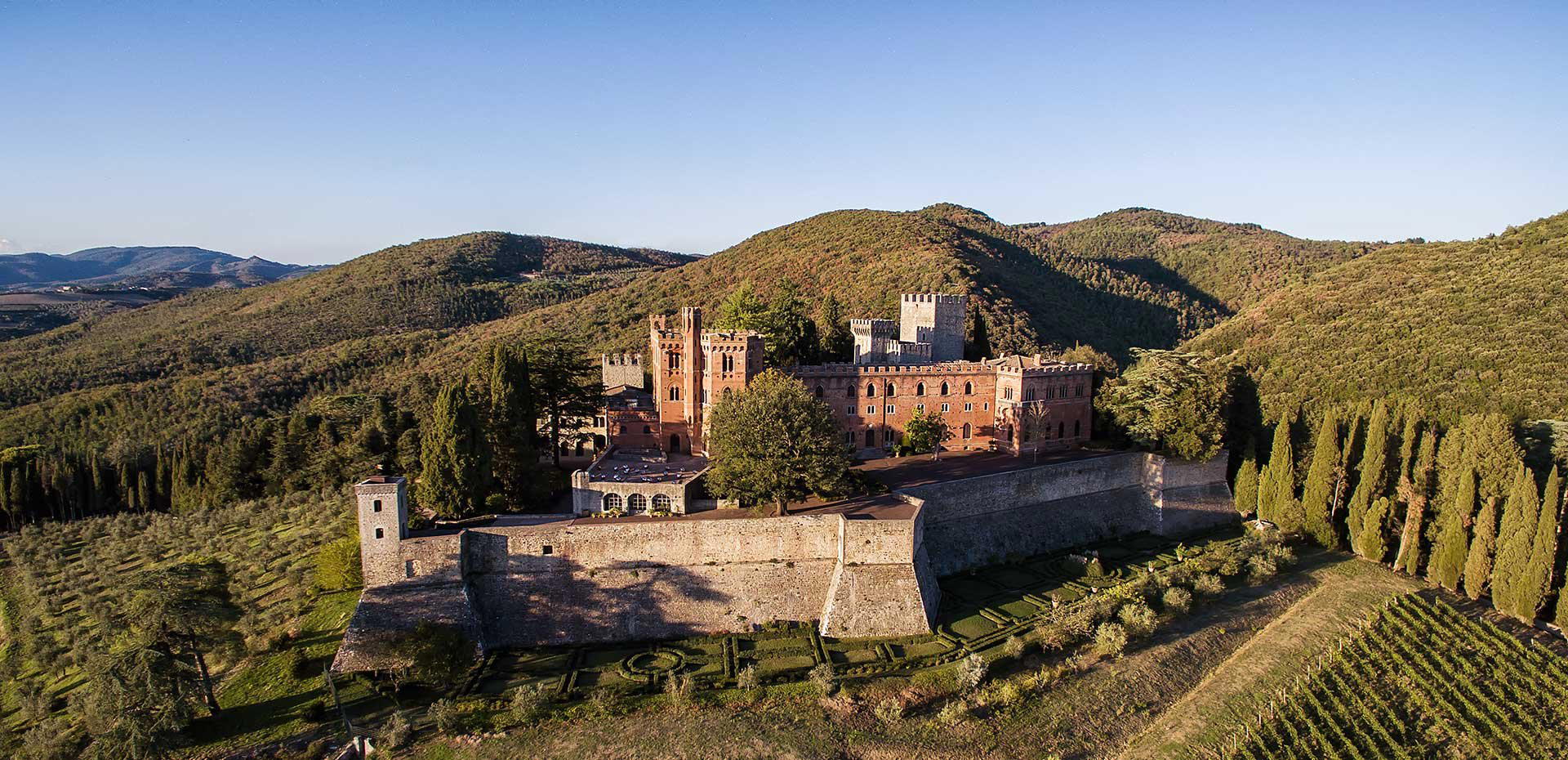
Where Sangiovese Meets Its Oldest Home
Approach Castello di Brolio along the winding roads that rise through the southern arc of the Chianti Classico zone and the geology begins to announce itself before the estate does. The pale, friable galestro schist that fractures underfoot across these slopes is not the richest soil in Tuscany, but it is among the more precise. It drains freely, stresses the vine just enough, and forces roots deep in search of minerals. The wines that come from this ground carry a particular tensile quality, a tightness through the mid-palate that distinguishes Gaiole-sourced Sangiovese from the fuller, earlier-drinking expressions found further north toward Panzano.
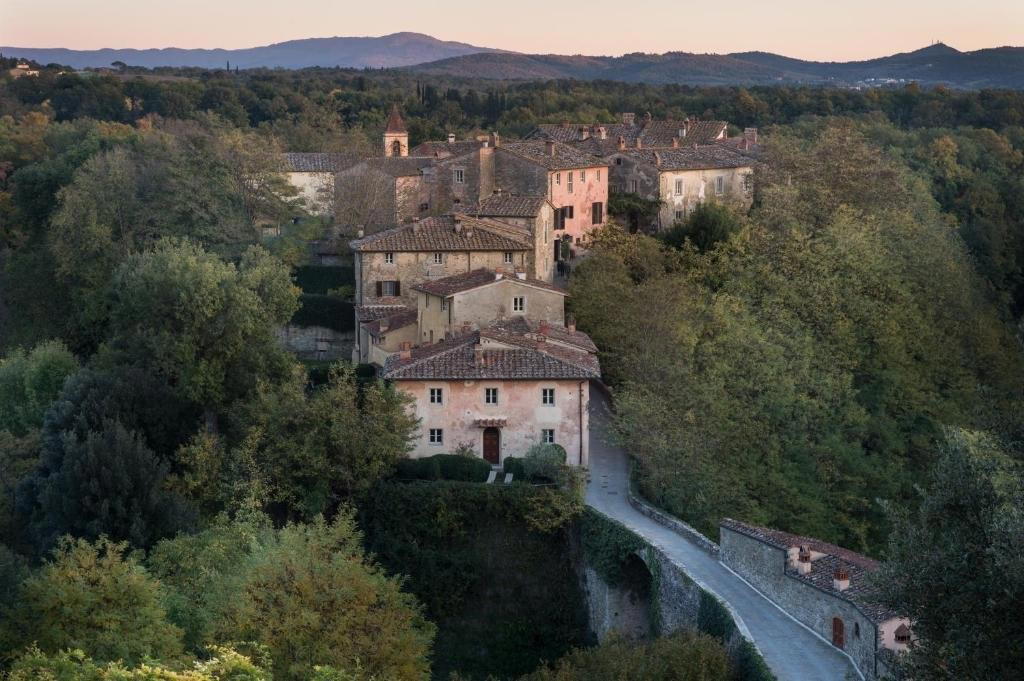
Barone Ricasoli, seated at the summit of this ridge in the fortress of Brolio, is the estate against which Chianti Classico's terroir argument is most clearly made. The property holds the distinction of being Italy's longest continually operating wine estate, a claim with documented historical foundation rather than marketing invention. It was here, in the second half of the nineteenth century, that Baron Bettino Ricasoli developed the Sangiovese-dominant formula that became the template for Chianti as a category. That historical moment is what gives the estate its reference-point status in Italian wine, and it is also why a visit to Brolio functions less as a winery tour and more as a lesson in how a single terroir becomes policy for an entire appellation.
Galestro, Alberese, and What the Soil Actually Does
The Chianti Classico zone sits between Florence and Siena, a corridor of medieval hilltowns, olive groves, and vineyards that runs roughly north to south through the Apennine foothills. Within that zone, Gaiole in Chianti represents the cooler, higher-altitude southeastern pocket, where the clay-rich alberese alternates with the shale-dominant galestro to create some of the denomination's most structured growing conditions. Altitude here regularly exceeds 400 metres, and the diurnal temperature swings through the growing season are among the widest in the zone, which means Sangiovese retains acidity through to harvest in a way that flatter, warmer sites further west cannot replicate.
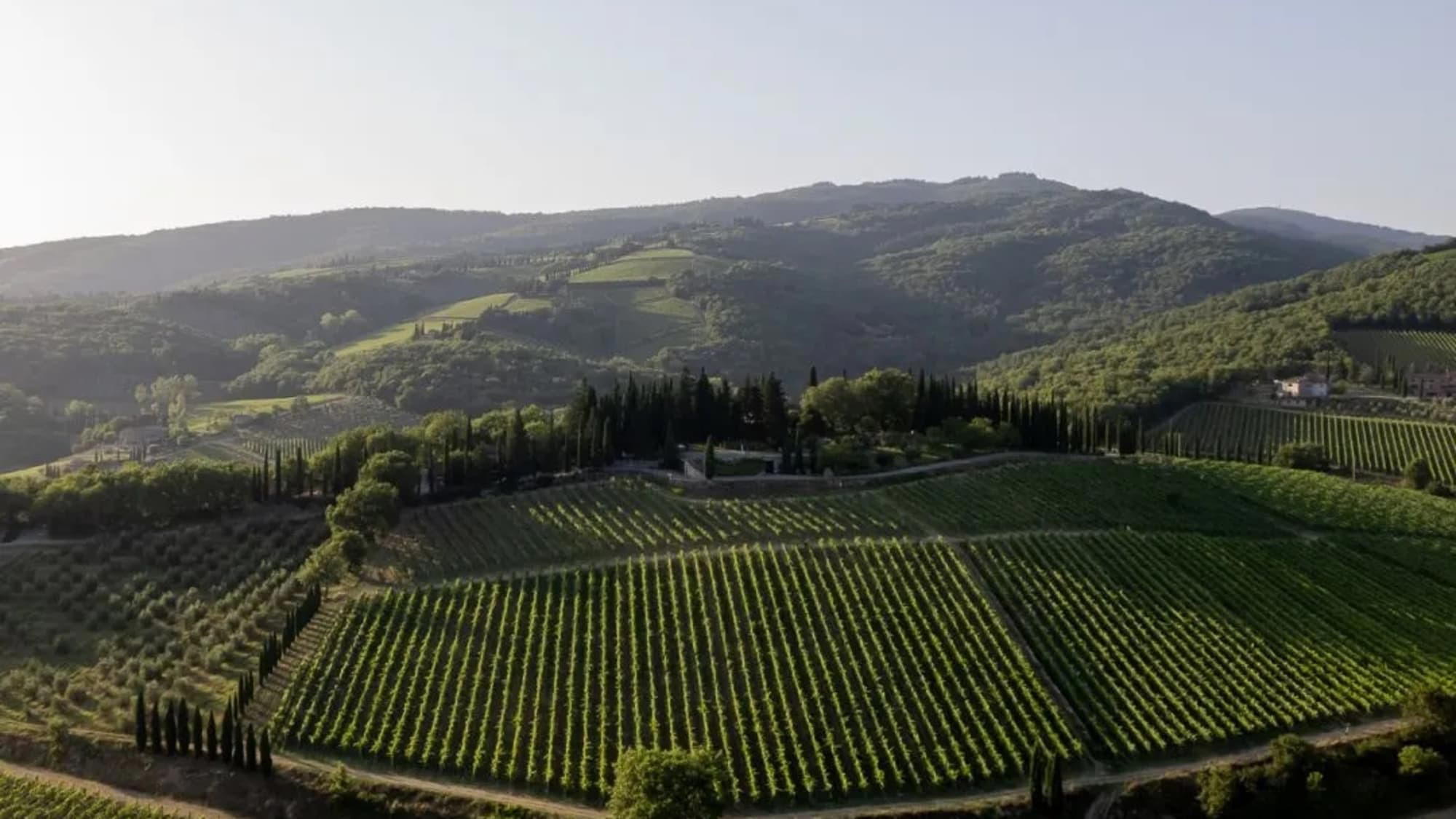
What this produces in the glass is Sangiovese that leans savory rather than fruit-forward: dried cherry, iron, dried herbs, and a persistent minerality that does not resolve into warmth as quickly as Panzano or Castelnuovo Berardenga examples tend to. The tannins at Brolio tend toward granular rather than silky, a direct reflection of the soil's mineral density. For drinkers accustomed to the riper, more immediately approachable profile of warmer Chianti Classico sites, the Brolio style can initially read as austere, but the aging trajectory justifies the structure. These are wines that compress over the first decade and open on the other side with unusual aromatic complexity.
The estate's Gran Selezione tier, the denomination's highest classification introduced formally in 2014, is where the terroir specificity is most deliberately expressed. Gran Selezione must be sourced from a single vineyard or the leading lots of the estate, aged a minimum of thirty months before release, and for Brolio the category serves as the formal argument for what their specific geology and altitude can produce at full elaboration. Comparable Gran Selezione programs at estates like Castello di Ama and Castello di Volpaia in Radda in Chianti each stake out their own terroir claims within the zone, but Brolio's version carries the additional weight of being the denomination's originating address.
A 2025 Pearl Prestige Recognition and What It Signals
Within Tuscany, this positions Barone Ricasoli alongside a selective group of estates whose programs have demonstrated consistency across vintages and a clearly defined relationship between site and wine. The award reflects the producer's sustained credibility.
Aldo Conterno in Monforte d'Alba and Lungarotti in Torgiano operate in analogous frameworks in their respective regions: long-established, terroir-committed, and evaluated on the consistency of their output rather than the novelty of their concept. Barone Ricasoli belongs to that same category of reference-point producers.
Visiting Brolio: Practical Orientation
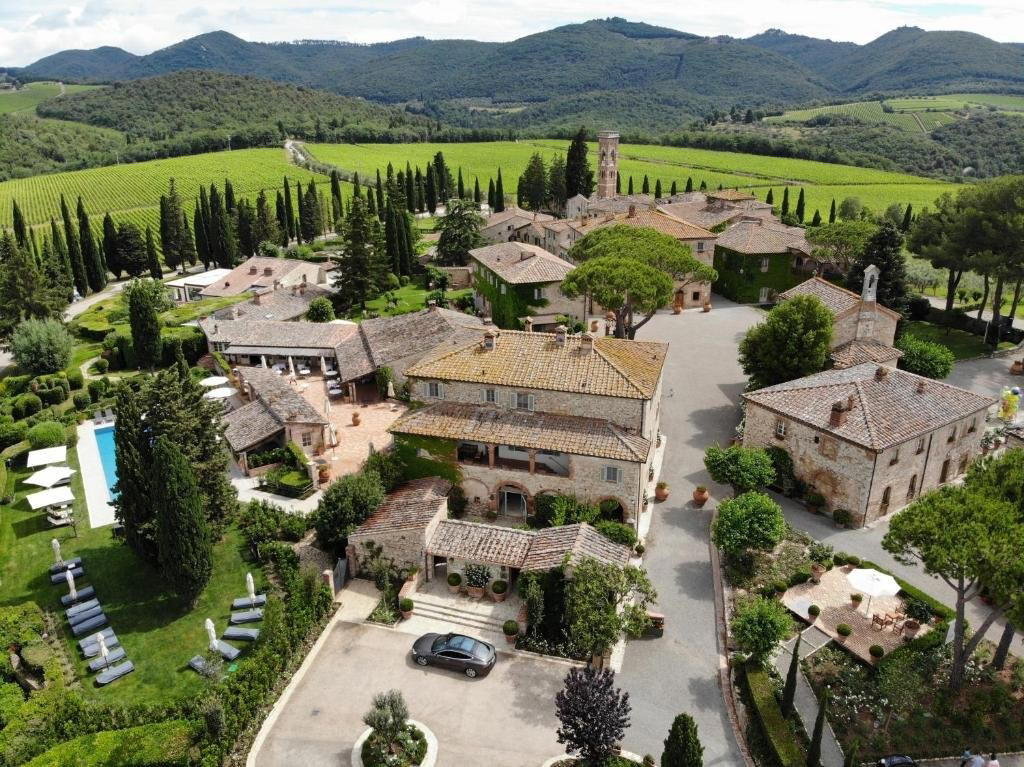
The estate is located at Località Madonna a Brolio, accessible from the SR484 that connects Gaiole in Chianti with Castelnuovo Berardenga. Gaiole itself is the quieter end of the Chianti Classico corridor, lacking the weekend tourist volume of Greve or Radda, which makes Brolio a more considered destination rather than a passing stop. Visitors come specifically, and the estate's scale reflects that: the castle, the chapel, the terraced gardens, and the enoteca collectively form a visit of several hours rather than a forty-five-minute cellar tour. The recommended approach is to plan Brolio as the anchoring appointment of a day in the southern Chianti zone, pairing it with a meal in Gaiole or Castelnuovo Berardenga rather than stacking it with other winery visits on the same morning.
The broader Gaiole in Chianti area sustains a small cluster of producers. For those travelling through Tuscany's wine network more broadly, the comparison estates in the Montalcino and Chianti Classic zones, including L'Enoteca Banfi in Montalcino and Poggio Antico in Monte San Vito, offer useful reference points for understanding how Sangiovese reads differently across Tuscan subzones.
Spring and early autumn are particularly practical visiting windows.
Brolio in the Italian Wine Hierarchy
Italy's wine identity at the prestige tier is not a single story. The north produces Barolo and Barbaresco from Nebbiolo, estates like Ca' del Bosco in Erbusco have built Franciacorta into a serious sparkling category, and the south through estates like Planeta in Menfi continues to argue for Sicily's depth. Within this national framework, the Chianti Classico zone occupies a specific and arguable position: it is the denomination that built Italy's international wine reputation through the twentieth century, was damaged by overproduction in the 1970s and 1980s, and has spent the subsequent decades in a recovery and redefinition project that the Gran Selezione classification represents.
Barone Ricasoli sits at the institutional center of that project. That weight is present in the wine, in the architecture, and in the particular kind of authority that a visit to Brolio carries that more recently established estates, however technically accomplished, cannot replicate. For a drinker or traveller building a serious understanding of how Italian wine connects to land and history, Brolio is the argument stated in its clearest form.
At-a-Glance Comparison
Comparable venues nearby, for context on price, style, and recognition.
| Venue | Cuisine | Price | Notes |
|---|---|---|---|
| Barone Ricasoli (Brolio)This venue — the venue you are viewing | Sangiovese, Merlot | $$$ | Not listed |
| Castello di Ama | Sangiovese, Merlot | $$$ | Gaiole in Chianti |
| Castello di Volpaia | Sangiovese, Merlot | $$$ | Radda in Chianti |
| Stock Spirits (Stock 84) | Winery | Not listed | Trieste |
| Fèlsina | Sangiovese, Trebbiano | $$$ | Castelnuovo Berardenga |
| Marchesi de’ Frescobaldi | Sangiovese, Merlot | $$$ | Chianti Rufina |
Continue exploring
More in Gaiole in Chianti
Wineries in Gaiole in Chianti
Browse all →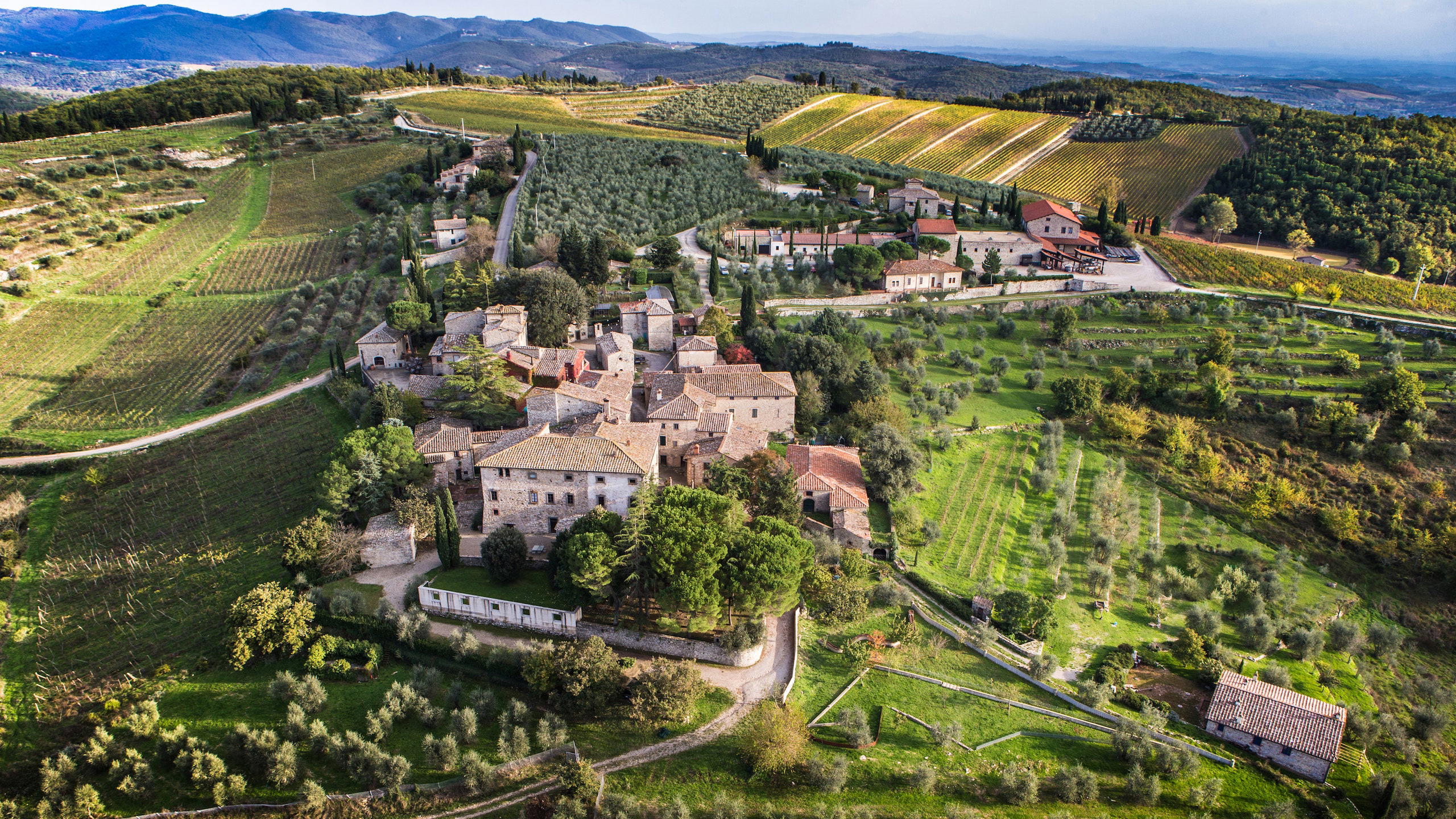
Bars in Gaiole in Chianti
Browse all →
Restaurants in Gaiole in Chianti
Browse all →
At a Glance
- Historic
- Elegant
- Rustic
- Scenic
- Sophisticated
- Wine Education
- Special Occasion
- Vineyard Tour
- Historic Building
- Panoramic View
- Sustainable
- Vineyard
- Garden
- Chianti Classico
- Sangiovese
- Merlot
- Chardonnay
- Still Red
- Estate Tasting
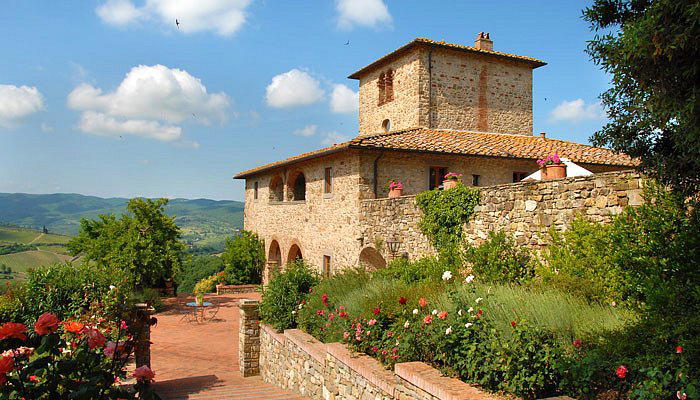
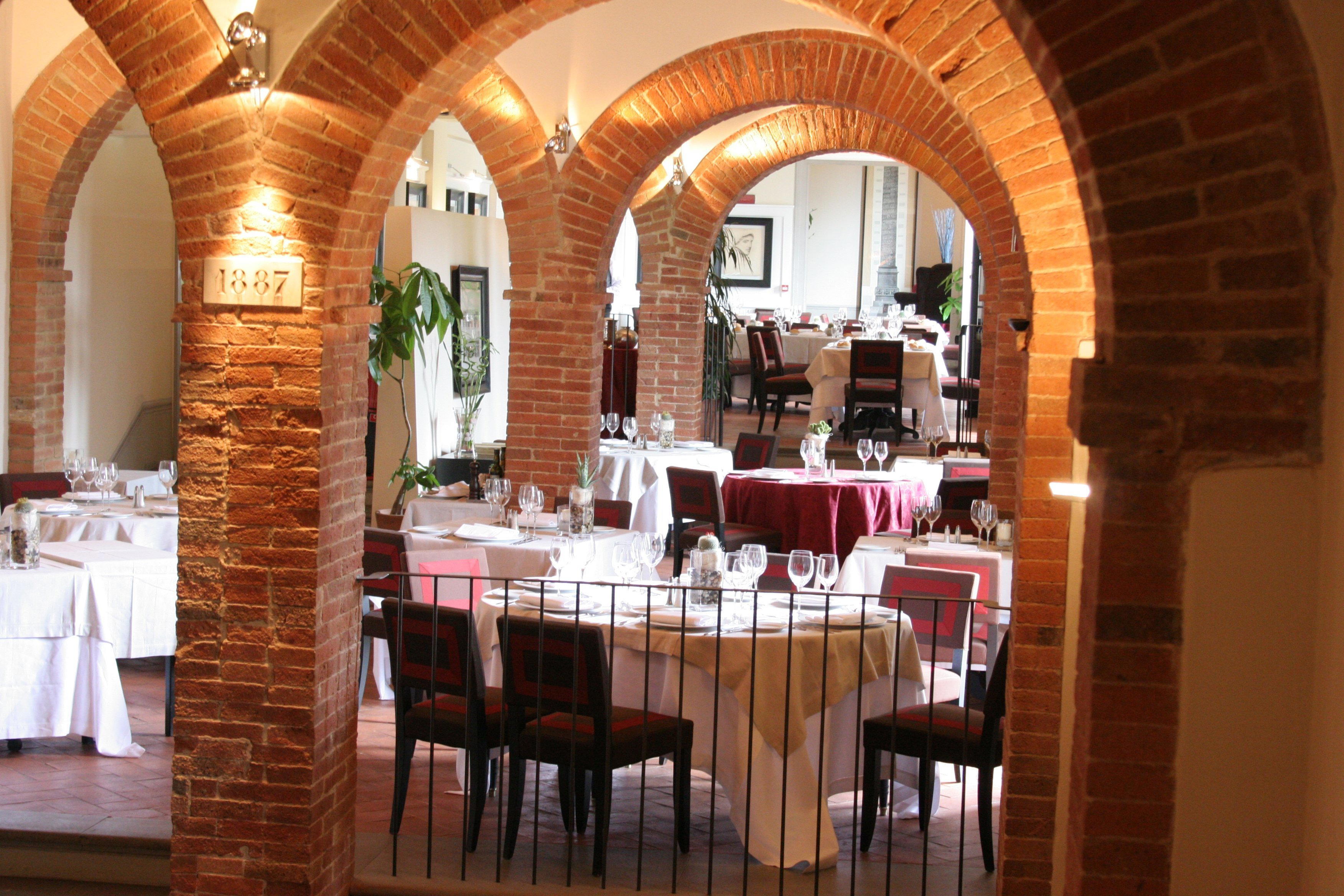
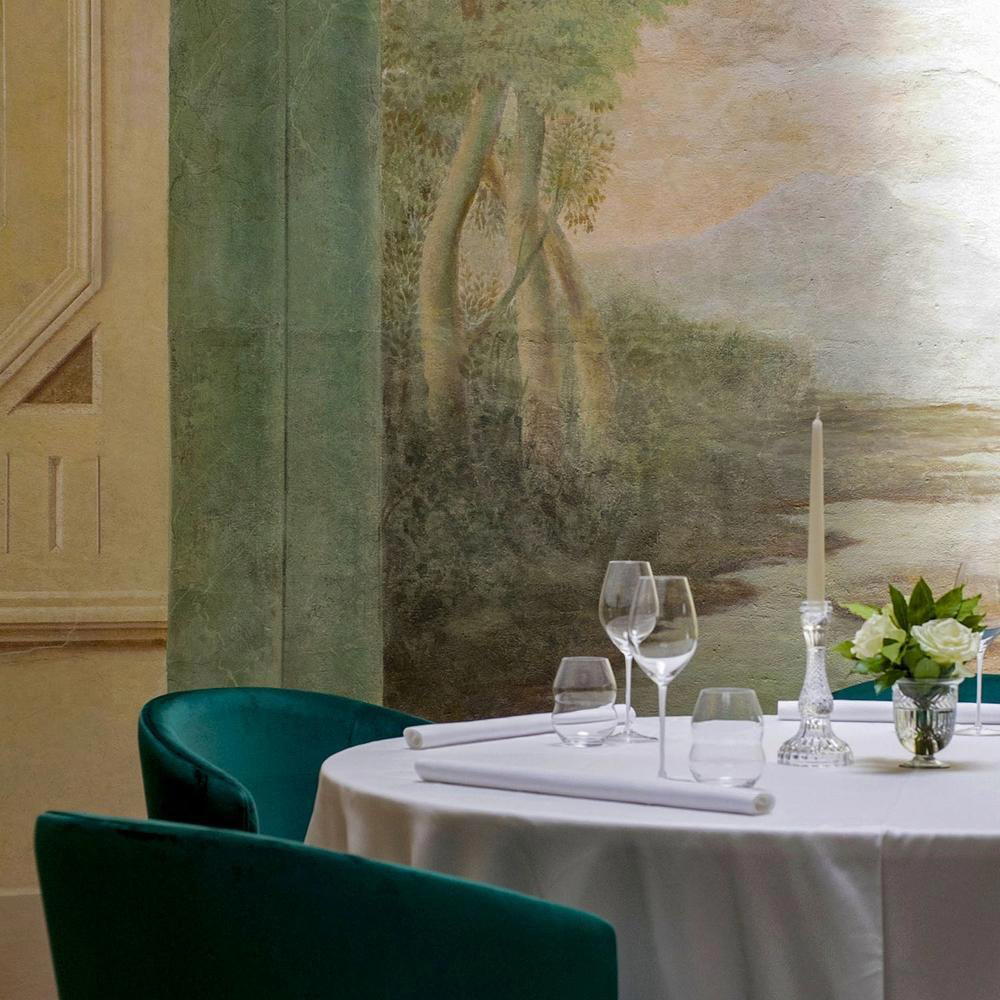
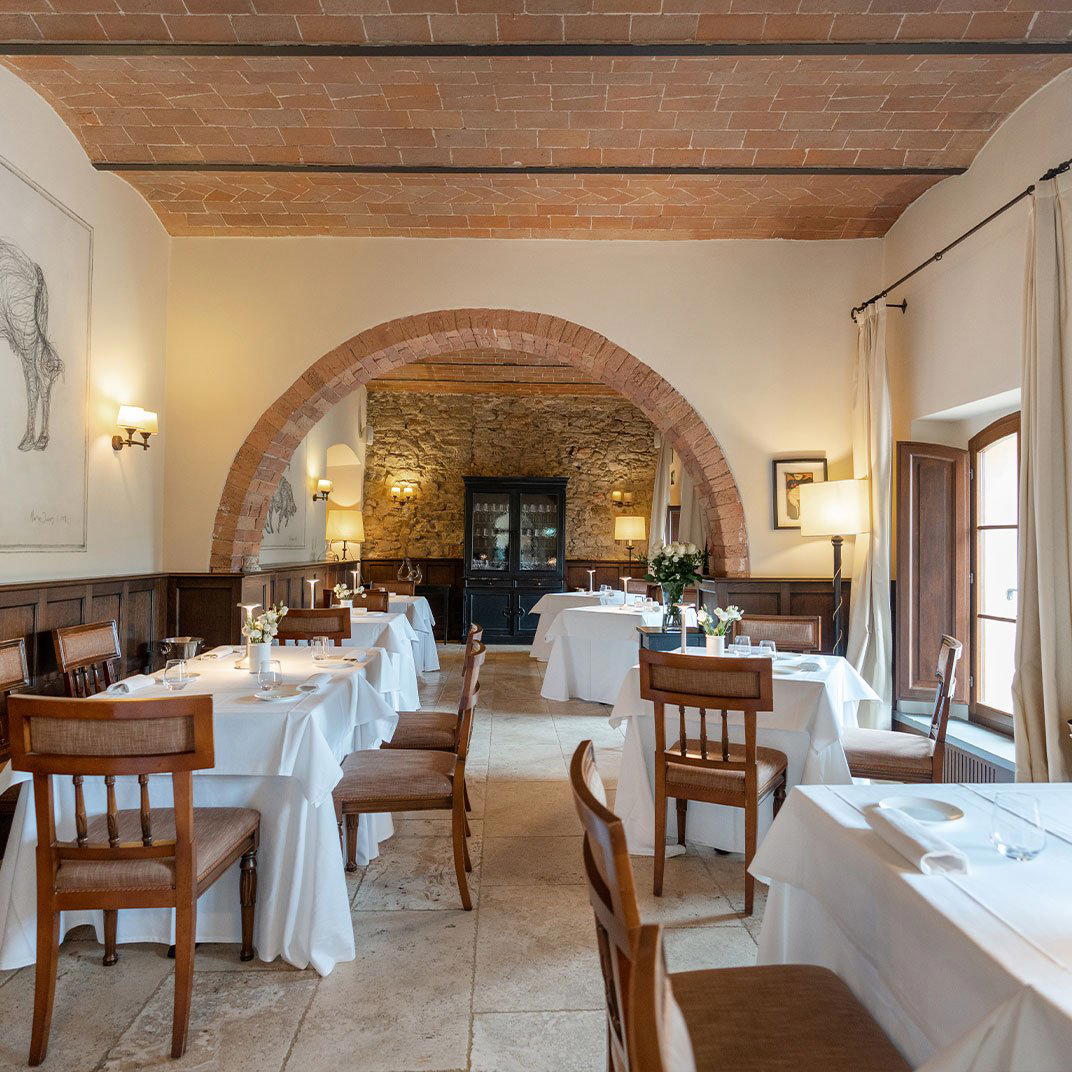
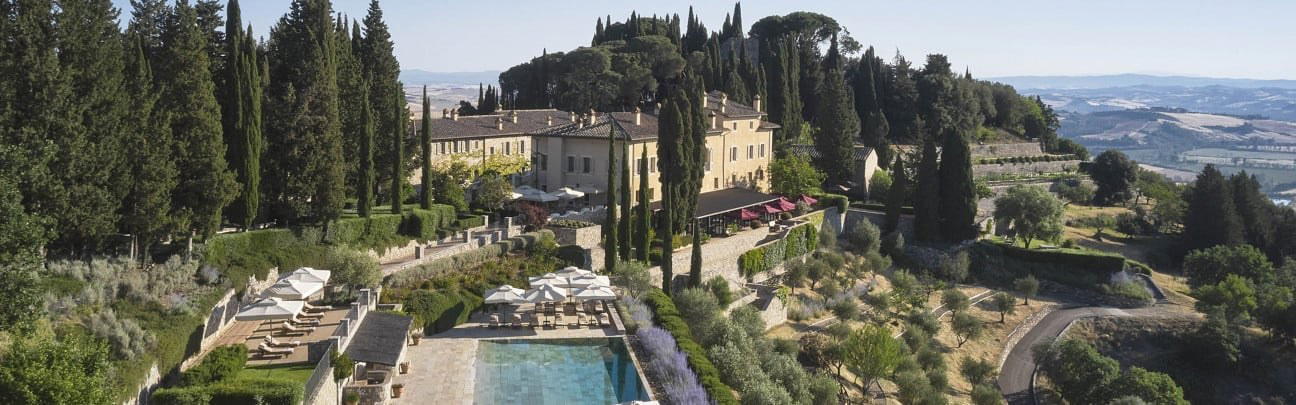
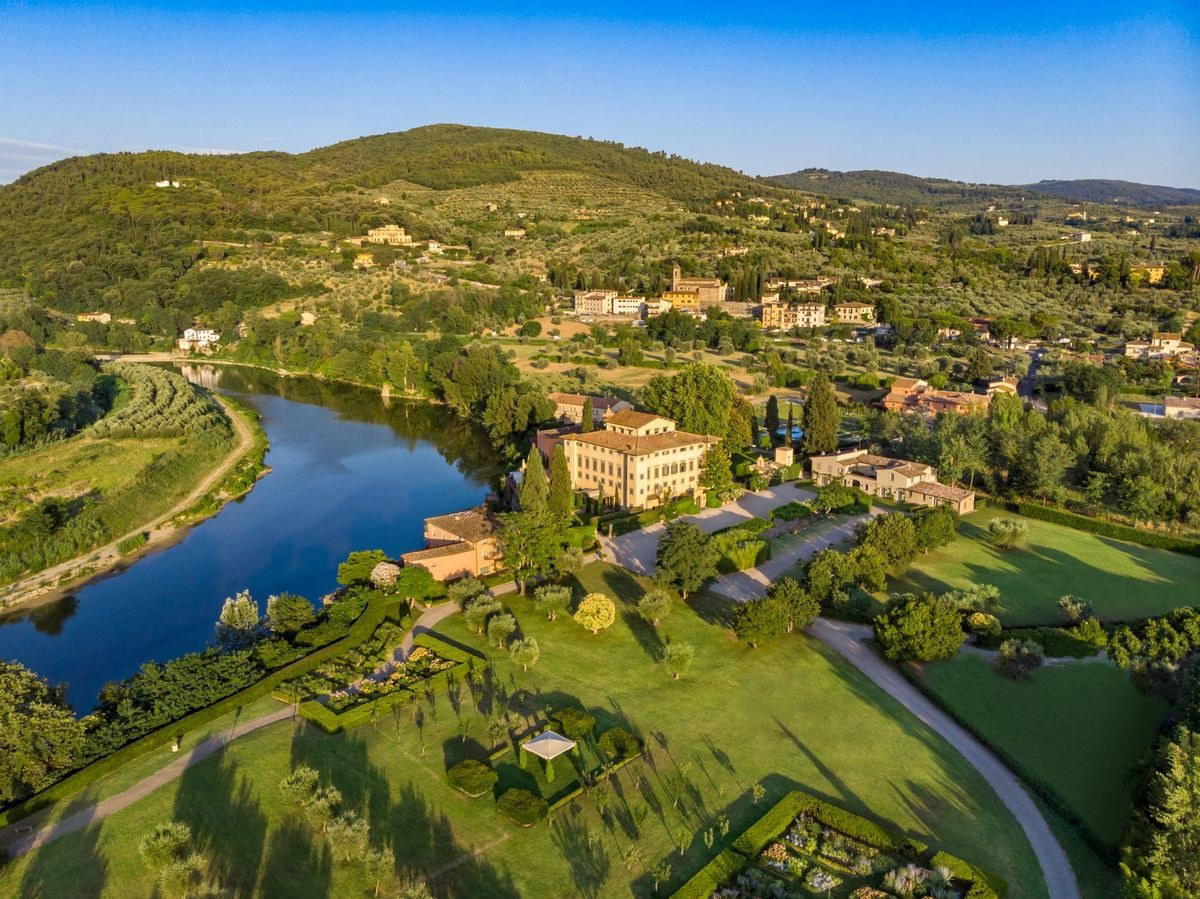
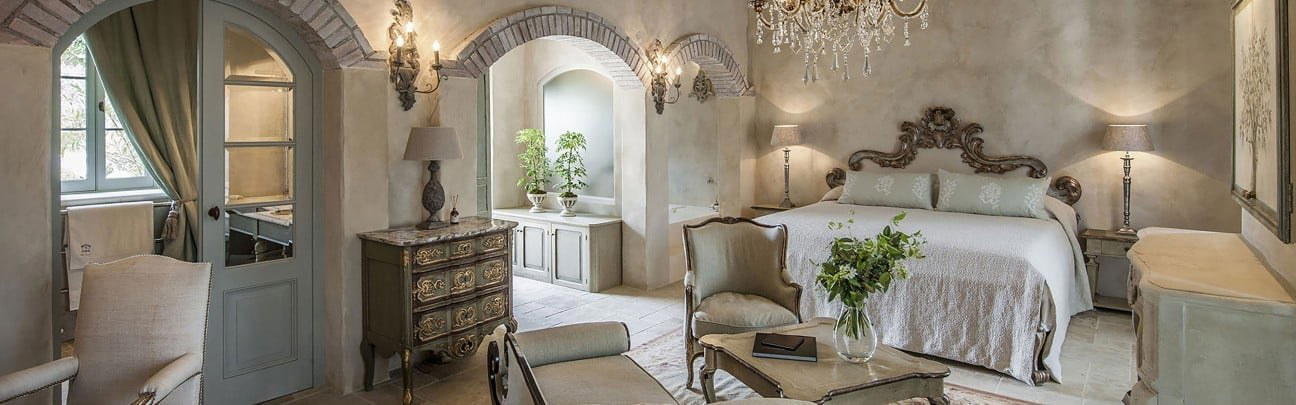
Historic castle setting amidst rolling Tuscan hills with vineyards and olive groves, blending ancient noble heritage with serene, picturesque landscapes.