Castello di Volpaia

Castello di Volpaia sits within a medieval hamlet above Radda in Chianti, producing Sangiovese-led wines from some of the appellation's highest-altitude vineyards. For those tracing the character of high-altitude Chianti, Volpaia is a reference point worth building a visit around.
Pearl is the En Primeur Club membership app — saves, bookings, and concierge access live there. Same editors, same standards.
- Address
- Piazza della Torre, 2, 53017 Radda in Chianti SI
- Phone
- +39 0577 738066
- Website
- volpaia.com
- Directions
- Get directions
 Saves & bookings on Pearl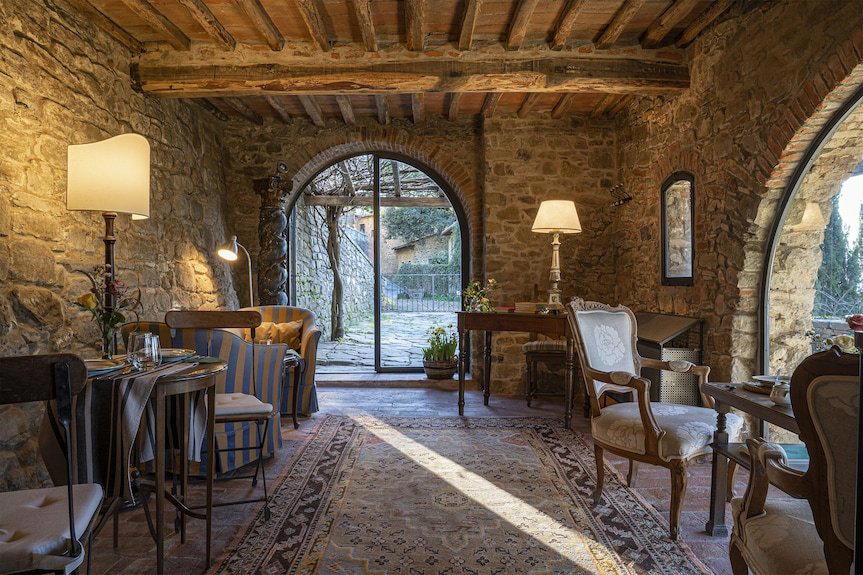
A Medieval Village That Doubles as a Winery
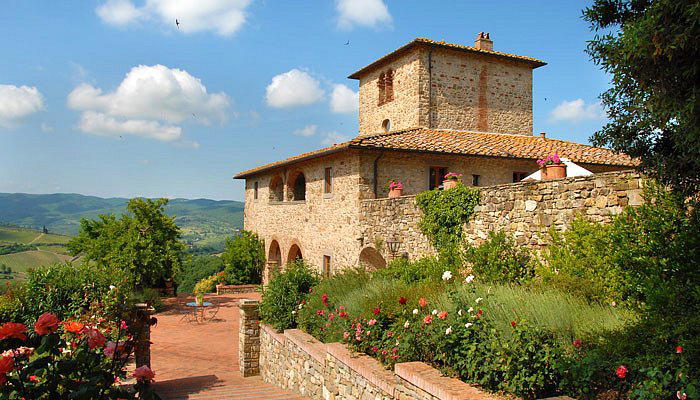
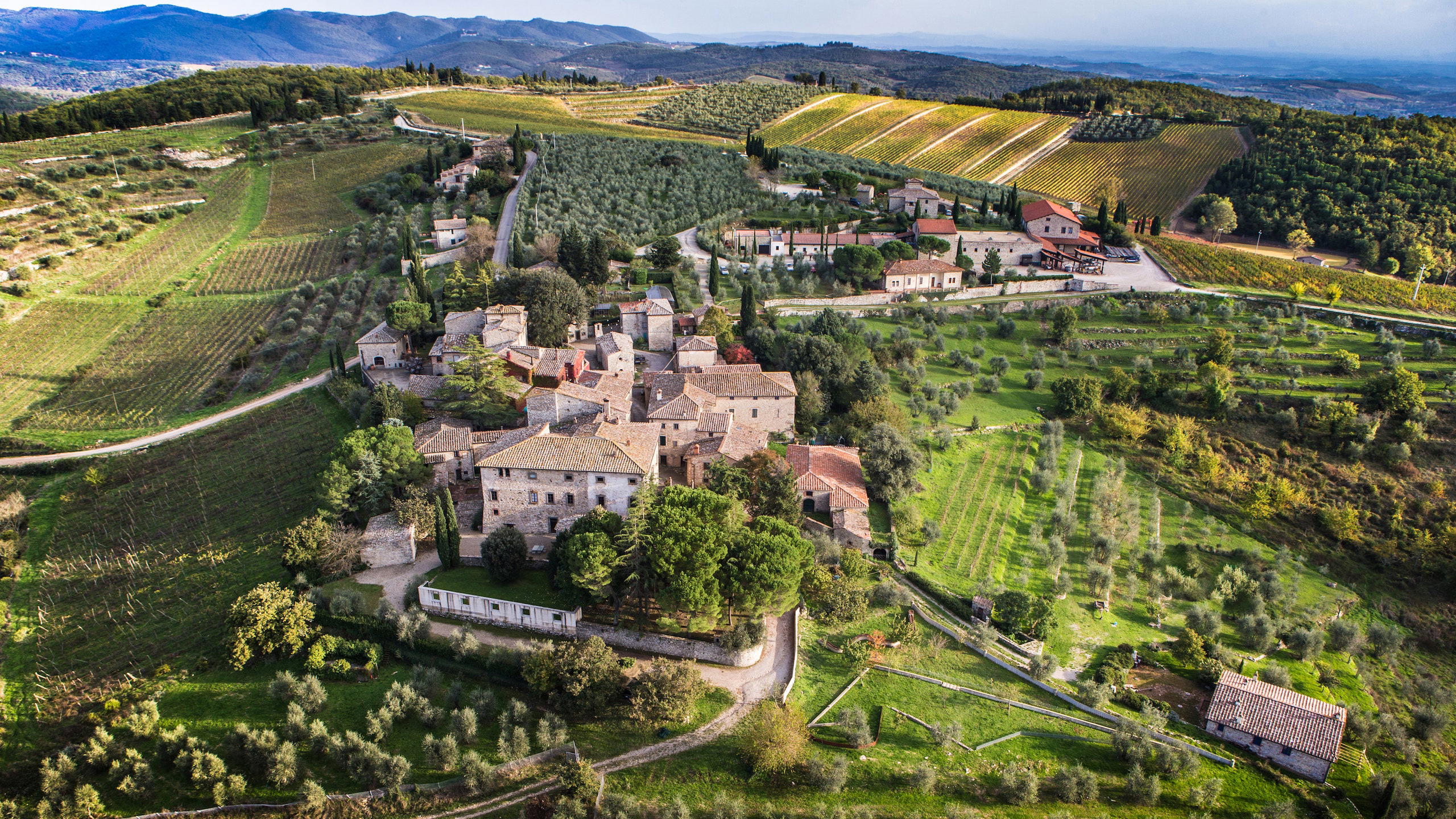
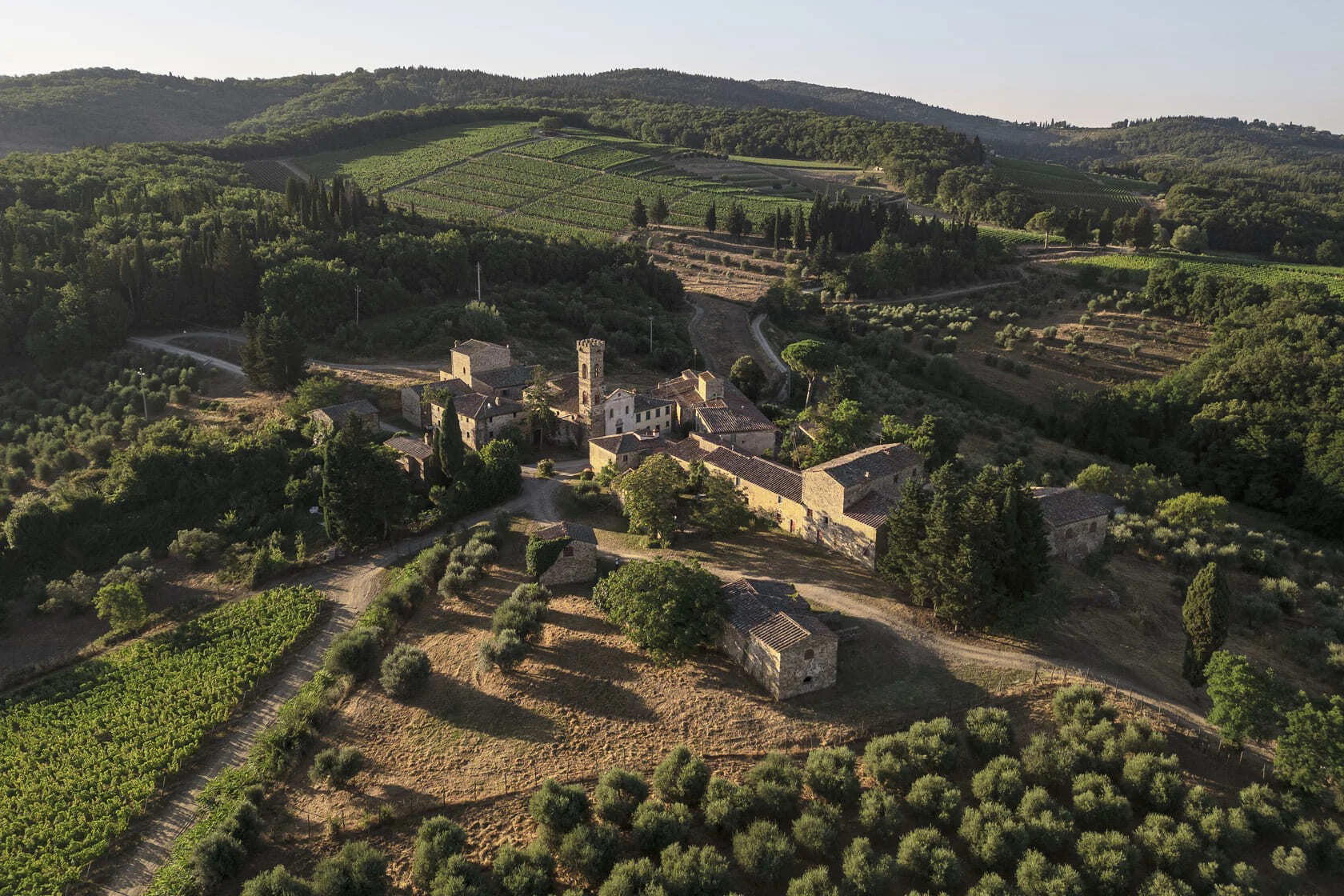
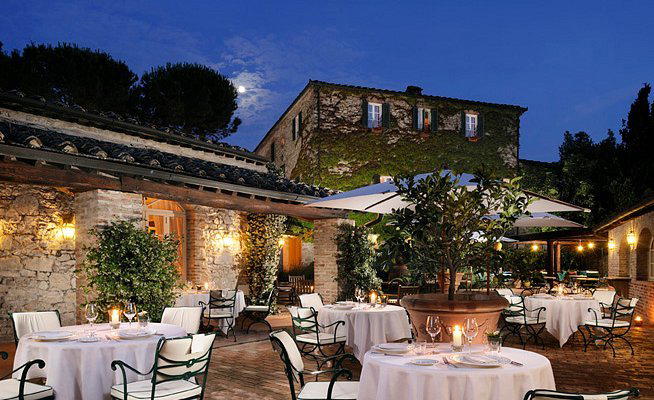
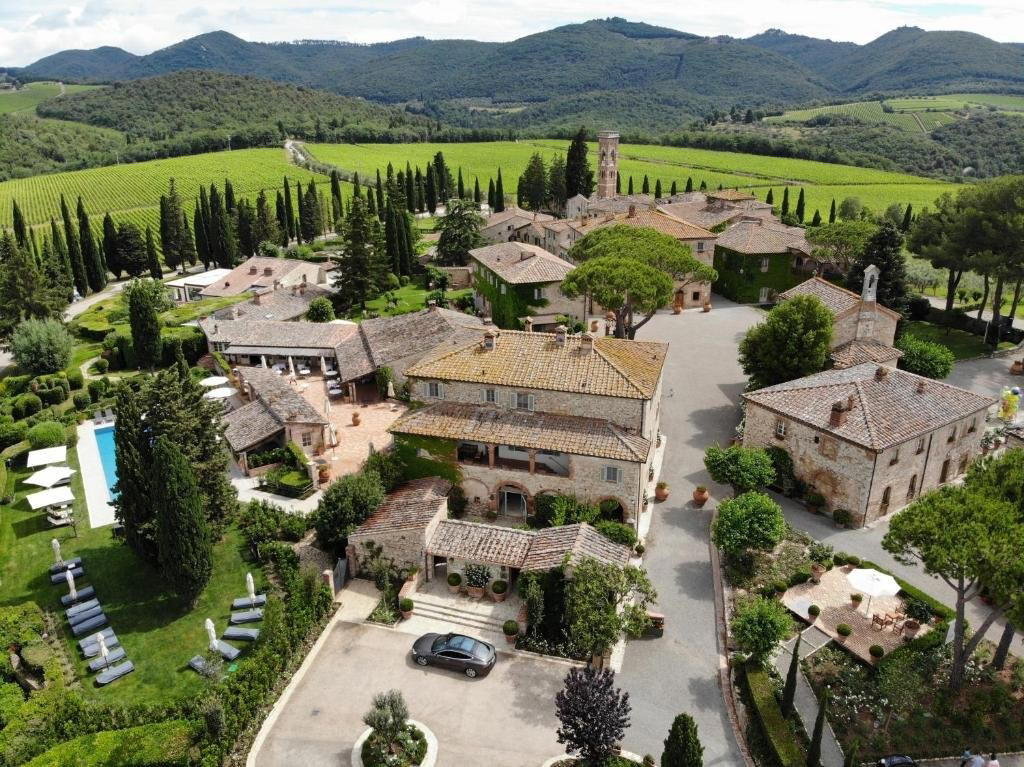
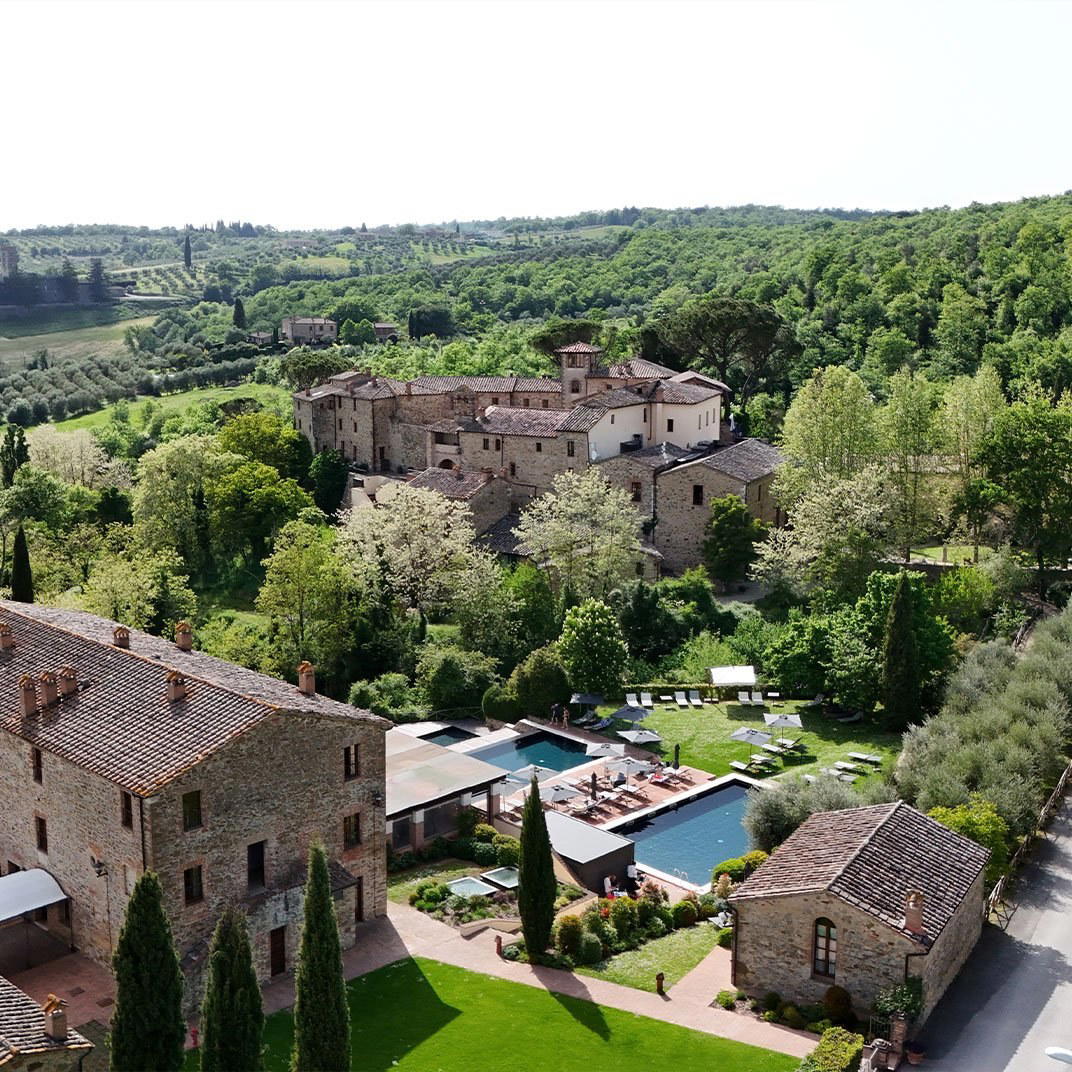
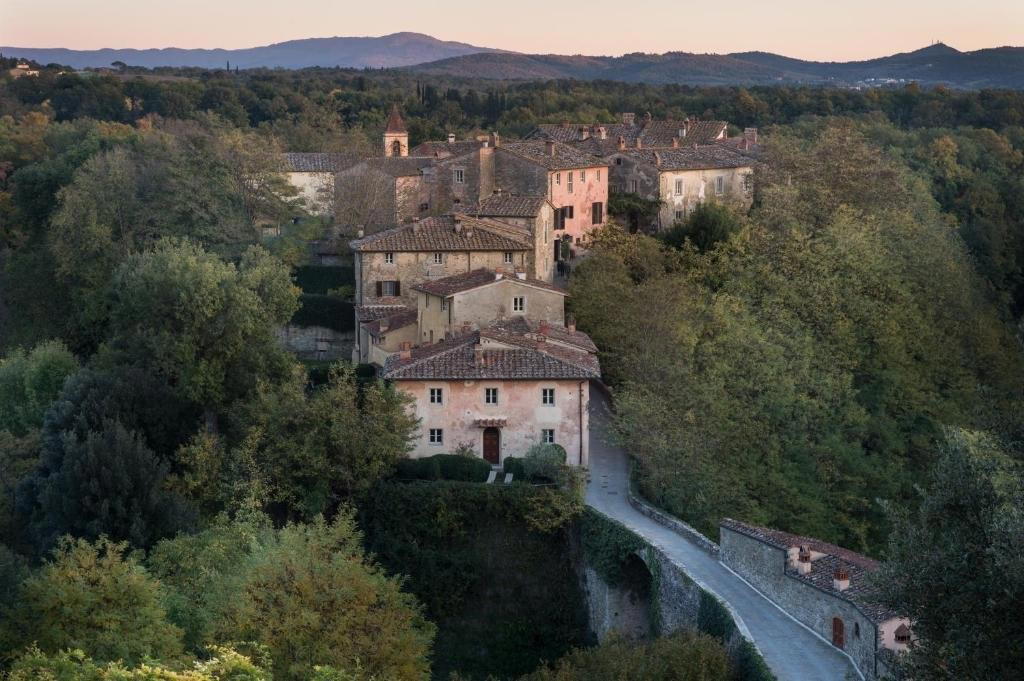
Approaching Volpaia from the Radda road, the landscape shifts before the winery does. The vines thin out, the oak and chestnut close in, and the altitude, 620 metres above sea level, announces itself in cooler air and a light that feels less southern than you might expect from Tuscany in summer. The hamlet itself reads at first as an ordinary Chianti hill village: stone walls, a central piazza, a tower. Then you notice that the buildings surrounding the square function as the winery. The cellars, fermentation spaces, and ageing rooms are distributed across what appears to be a residential medieval cluster. It is a format that places Volpaia in a particular tradition within Chianti Classico, where some estates have preserved their agricultural and civic infrastructure in a single physical envelope rather than constructing purpose-built wineries on the periphery.
That physical context matters when you are trying to understand the wine. Chianti Classico's geography is not uniform, and altitude is one of the variables that most reliably shapes the style of Sangiovese grown within the appellation. At the elevations Volpaia works with, the growing season extends, nights stay cold well into summer, and acid retention in the grape runs higher than on lower-lying sites. The result, in the glass, tends toward leaner, more structured expressions of Sangiovese with pronounced aromatic lift, a counterpoint to the fuller, riper profiles that warmer, lower-altitude Chianti Classico sites can produce.
Terroir at Elevation: What the Land Actually Does
The Chianti Classico zone has spent the better part of two decades clarifying its internal geography through the Gran Selezione category and, more recently, through ongoing discussions about single-vineyard and commune-level designations. Within that conversation, high-altitude producers occupy a distinct position. Estates like Volpaia, along with neighbours such as Montevertine, have long been reference points for what the upper reaches of the zone can produce: wines with a cooler, more mineral register that often require more patience before they open fully.
The soils at Volpaia are predominantly galestro and alberese, the two formations that recur throughout Chianti Classico's most discussed vineyard sites. Galestro, the friable schist-like rock that breaks apart easily under a spade, drains fast and limits vine vigour in a way that pushes the plant toward concentration rather than volume. Alberese, the harder, clay-rich limestone, retains moisture differently and contributes to structural backbone in the wine. The combination, at altitude, produces a specific tension in Sangiovese that is difficult to replicate on warmer, heavier soils. This is the argument for Volpaia's terroir positioning: not that the site is notable by virtue of fame, but that the physical conditions stack in a direction that consistently favours a particular style.
That style has earned recognition. Across the Italian wine landscape, comparable estates working within defined appellation structures, including Aldo Conterno in Monforte d'Alba, Lungarotti in Torgiano, and Poggio Antico in Montalcino, tend to share a common orientation: the estate's identity is rooted in place rather than in any single personality, and the wines are built to be read as expressions of geography first.
Chianti Classico Context: Where Volpaia Sits in the Appellation
Chianti Classico is a zone of genuine internal diversity, and not all estates within it are reaching for the same style. Particularly discussed names, Antinori nel Chianti Classico, for instance, operate at a scale and commercial register that makes direct comparison difficult. Others, like Montevertine, have built their reputations specifically on departures from the DOCG rulebook, blending outside the Sangiovese-dominant requirement to make a point about what the zone's leading fruit can do when handled differently.
Volpaia sits within the appellation's rules but at its geographic extreme. The commune of Radda in Chianti, where the estate is based, consistently produces wines with a cooler profile than the warmer communes to the south and west. Panzano, Castelnuovo Berardenga, and parts of Gaiole read differently in the glass, more generous, sometimes more immediately accessible. Radda tends to hold back. The wines need time, and the estates here tend to attract a buyer who is willing to give it. That patience trade-off is worth understanding before visiting or purchasing: Volpaia's wines at release are rarely at their most communicative. Cellaring by three to five years is not unusual as a minimum for the estate's upper-tier bottlings.
Ca' del Bosco in Erbusco operates in Franciacorta with an entirely different technical programme, while Planeta in Menfi represents Sicily's own argument for southern terroir complexity. The award tier Volpaia occupies is one where the credential reflects consistency and typicity rather than novelty.
Planning a Visit to Volpaia
Radda in Chianti is the nearest town of any size, roughly four kilometres from the Volpaia hamlet by road. The drive up is narrow in places and benefits from a GPS that has been updated recently, older maps sometimes route visitors incorrectly through private farm roads. The village itself has limited parking, and summer weekends bring enough visitors to the broader Chianti Classico zone that arriving by mid-morning rather than midday makes a practical difference to how the experience unfolds.
Visits to the estate typically involve both the winery spaces distributed through the medieval buildings and a tasting of current releases. The format rewards those who treat the setting as context for the wine rather than as a backdrop for photography, though the piazza is well-suited to both. For those building a fuller Chianti itinerary, L'Enoteca Banfi in Montalcino for those who want to set Chianti Classico's altitude-driven austerity against Brunello's more expansive register.
Nonino Distillery in Pavia di Udine, Distilleria Marzadro in Nogaredo, Distilleria Romano Levi in Neive, or Poli Distillerie in Schiavon for a wider read on Italian production traditions. For those whose travels reach further, Aberlour in Scotland, Campari in Milan, and Accendo Cellars in St. Helena each represent different points on the spectrum of production-site visits worth structuring a trip around.
Fast Comparison
Comparable venues nearby, for context on price, style, and recognition.
| Venue | Cuisine | Price | Notes |
|---|---|---|---|
| Castello di VolpaiaThis venue — the venue you are viewing | Sangiovese, Merlot | $$$ | Not listed |
| Montevertine | Sangiovese, Colorino | $$$ | Radda in Chianti |
| Isole e Olena | Sangiovese, Canaiolo | $$$ | San Donato in Poggio |
| Fèlsina | Sangiovese, Trebbiano | $$$ | Castelnuovo Berardenga |
| Sabatini Gin | Cortona | $$$ | Teccognano |
| Tenuta Brancalupo | Sagrantino, Trebbiano Spoletino | $$$ | Montefalco |
Recognition history
Dated appearances from independent guides and award organizations, with the underlying list record or original source where available.
Falstaff Winery - 5 Stars
Falstaff
Continue exploring
More in Radda in Chianti
Wineries in Radda in Chianti
Browse all →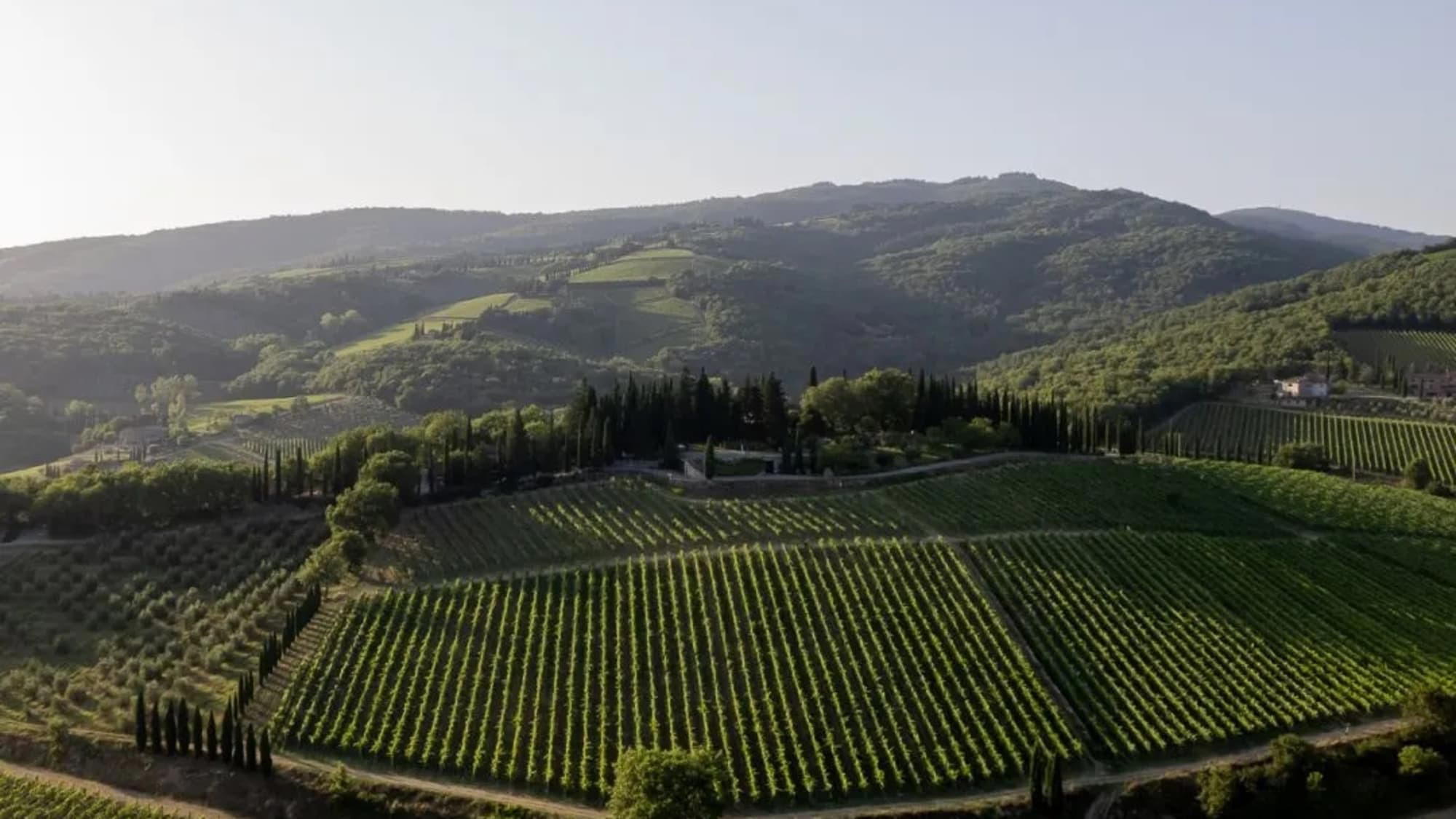
Bars in Radda in Chianti
Browse all →
Restaurants in Radda in Chianti
Browse all →
At a Glance
- Rustic
- Scenic
- Elegant
- Historic
- Intimate
- Wine Education
- Special Occasion
- Solo Exploration
- Vineyard Tour
- Historic Building
- Panoramic View
- Cave Tasting
- Organic
- Vineyard
- Mountain
- Chianti Classico DOCG
- Sangiovese
- Merlot
- Mammolo
- Cabernet Sauvignon
- Still Red
- Cave Tasting
- Private Tasting
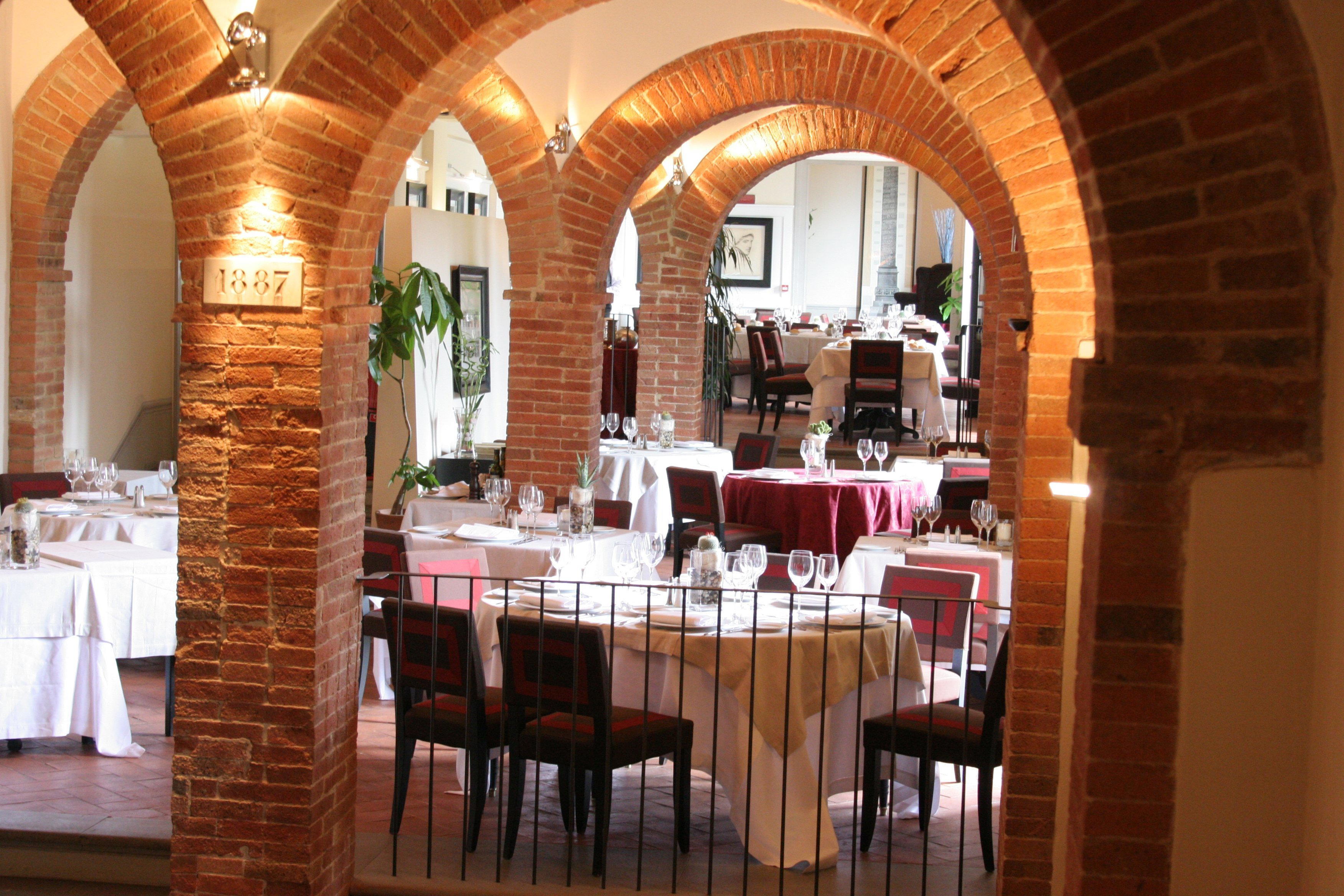
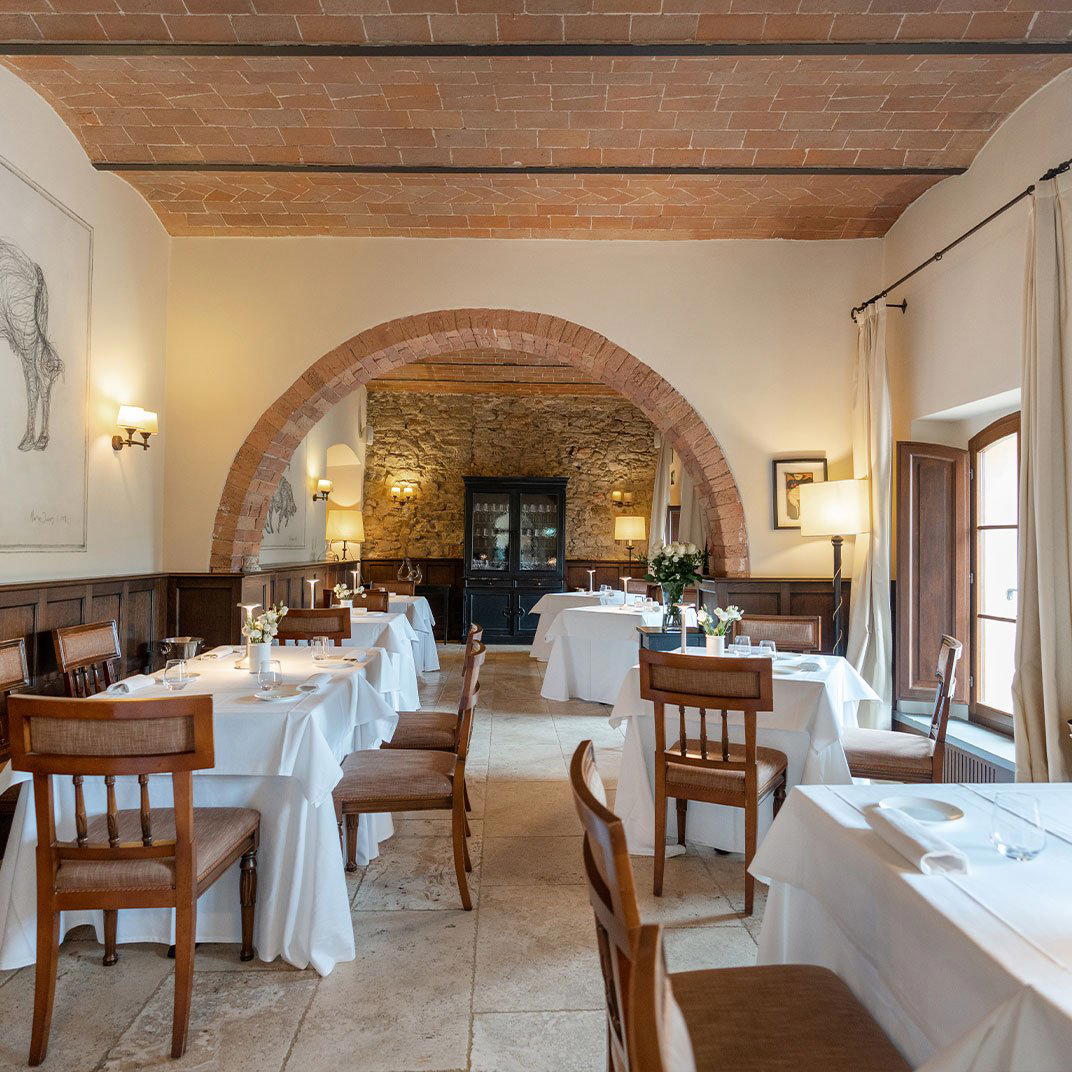
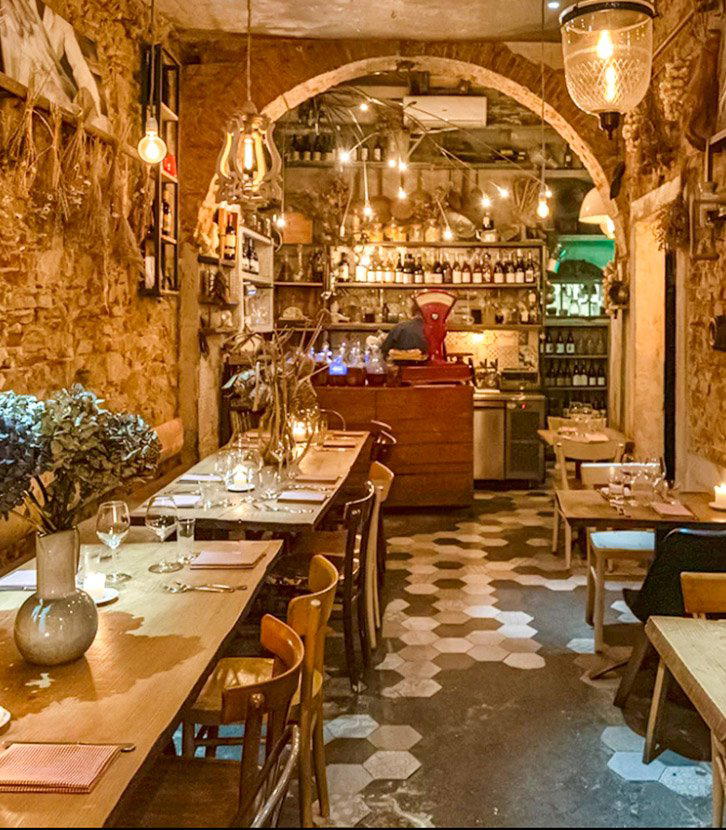
Rustic medieval village atmosphere with elegant, historic stone structures and panoramic vineyard views.