Fèlsina

Falstaff Winery - 5 Stars
Fèlsina sits at the southern edge of Chianti Classico territory in Castelnuovo Berardenga, a reference point for Sangiovese grown at this latitude where the soils shift and the character of the grape follows.

Pearl is the En Primeur Club membership app — saves, bookings, and concierge access live there. Same editors, same standards.
- Address
- Via del Chianti, 101, 53019 Castelnuovo Berardenga SI
- Phone
- +39 0577 152 3789
- Website
- felsina.it
- Directions
- Get directions
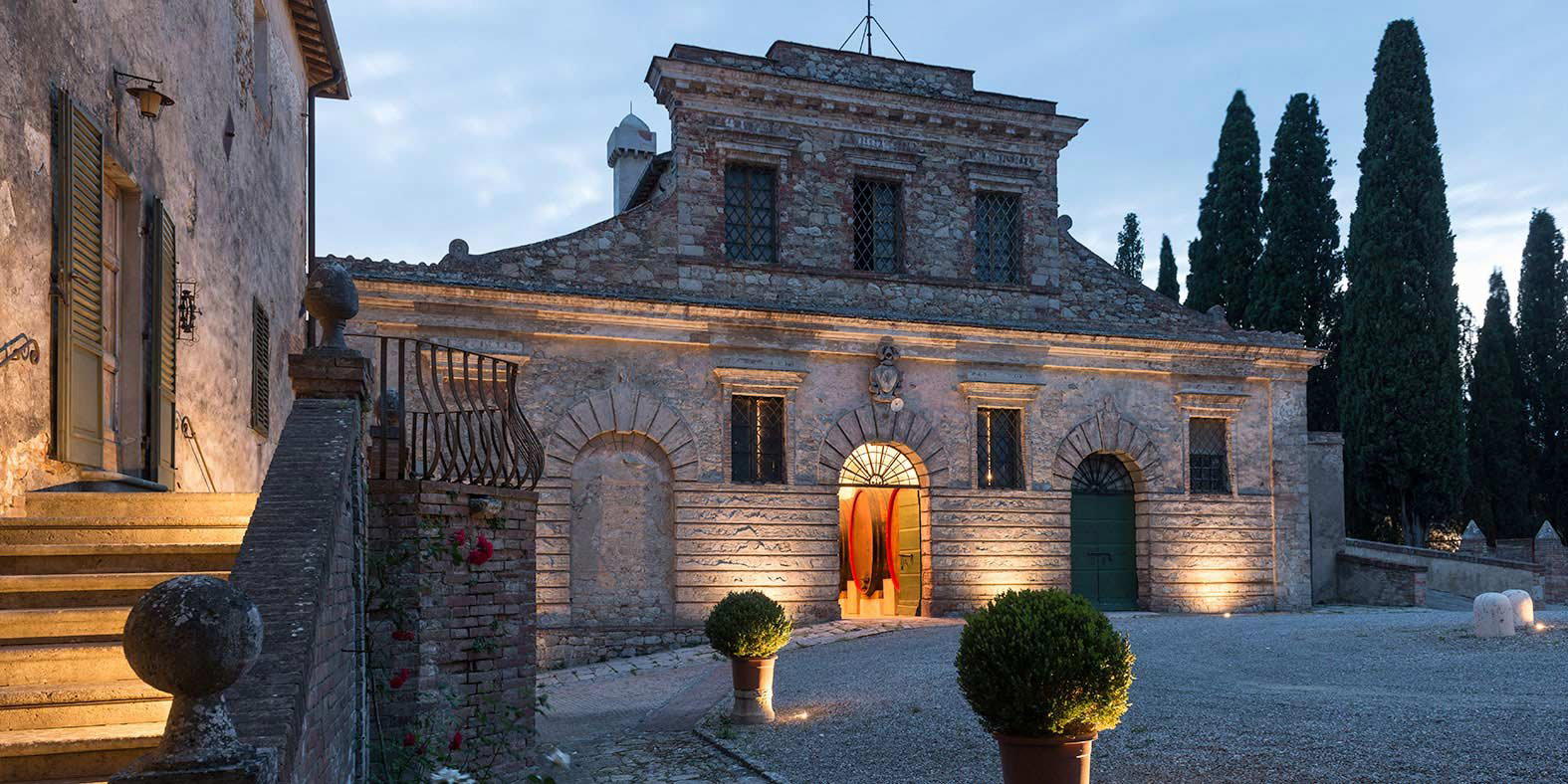
Where Chianti Classico's Southern Edge Finds Its Voice
The road into Castelnuovo Berardenga narrows as the Chianti hills give way to the Crete Senesi, the chalky grey clay soils that define Siena's southern approach. This transition is not merely scenic — it marks a genuine shift in vineyard character. The southernmost communes of Chianti Classico, of which Castelnuovo Berardenga is the most prominent, receive more sun, produce rounder tannins, and tend toward wines with more immediate generosity than the tighter, higher-altitude expressions from Panzano or Greve further north. Fèlsina, positioned along Via del Chianti at the commune's core, has built its reputation on understanding and working with that distinction rather than against it. See our full Castelnuovo Berardenga restaurants guide for a broader map of where to eat and drink across the commune.
Terroir at the Boundary
Chianti Classico's appellation runs from Castellina in the north down to Castelnuovo Berardenga in the south, a stretch of roughly 70 kilometres that encompasses significant variation in altitude, soil composition, and microclimate. Fèlsina's vineyards sit near the southern limit of the DOCG zone, where galestro — the friable schist typical of the appellation's higher ground, gives way to clay-rich soils that retain heat and moisture differently. Sangiovese planted here tends to produce fruit with more flesh and a slightly softer acidic profile than its northern counterparts, though the leading sites still deliver the structural precision the variety is capable of when handled with attention to yield and canopy management.
This position within the appellation has long made Castelnuovo Berardenga estates a different proposition from Radda or Gaiole producers. Castello di Volpaia in Radda in Chianti, for instance, operates at considerably higher altitude, producing wines with noticeably more tension and minerality. The contrast is not about quality hierarchy, it is about typicity and what the land reliably delivers.
Sangiovese as the Central Argument
No serious account of Chianti Classico can avoid Sangiovese, and no serious account of Sangiovese in this zone can avoid the question of what the grape actually expresses versus what winemaking imposes on it. The debate over oak treatment, extraction levels, and whether international varieties like Cabernet Sauvignon should be permitted in Chianti Classico blends shaped Italian wine discourse for two decades from the 1980s onward. The pendulum has swung clearly back toward Sangiovese-first thinking, with the Gran Selezione tier, introduced formally in 2014, codifying the idea that the appellation's highest expressions should be single-vineyard or best-selection Sangiovese with extended ageing.
Fèlsina's position at the southern edge puts it in conversation with estates across Tuscany working with similar conviction. L'Enoteca Banfi in Montalcino and Poggio Antico in Monte San Vito operate within Brunello di Montalcino's Sangiovese Grosso tradition, a related but distinct expression of the same grape family. Further south, Tuscan producers across Morellino di Scansano and Montecucco work the same variety in even warmer conditions. What distinguishes the Chianti Classico zone, and Fèlsina within it, is the balance between warmth and the structural influence of altitude and galestro: enough heat to ripen fully, enough drainage and coolness to preserve acidity and aromatic precision.
The Estate in Context
Italian wine estates that hold sustained award recognition without heavy international marketing tend to do so through export relationships and the kind of quiet restaurant placement that builds long-term credibility. Fèlsina has followed this pattern, appearing consistently on Italian wine lists in London, New York, and Tokyo as a reliable benchmark for the southern Chianti Classico style.
Across Italy, the estates that tend to occupy this tier share certain structural similarities: multi-generational ownership or long-term directorial continuity, significant planted hectarage that allows for cru-level selection, and a portfolio architecture that includes an entry-level wine, a riserva, and a top-selection wine. This portfolio logic allows estates to demonstrate range while keeping the highest-quality expressions rare enough to retain allocation interest.
For comparison across Italian wine traditions, the Piedmont reference point is instructive. Aldo Conterno in Monforte d'Alba represents the Barolo equivalent of sustained family-estate prestige, operating at a similar level of critical regard within its appellation. The parallel holds: both estates are defined by grape variety, specific commune terroir, and long ageing traditions rather than winery architecture or tourism infrastructure. Lungarotti in Torgiano offers another model from Umbria, where an estate built the credibility of an entire appellation around consistent quality over decades.
Visiting Castelnuovo Berardenga
Castelnuovo Berardenga sits approximately 15 kilometres southeast of Siena, reachable in under 20 minutes by car via the SR484. The commune is not on the direct tourist circuit between Florence and Siena, which keeps its pace slower and its roads quieter than the more visited northern communes of Panzano and Greve in Chianti. This relative quietness is part of the appeal for visitors who come specifically for wine rather than for the agriturismo circuit. The ideal time to visit the Chianti Classico zone broadly is September through early November, when harvest activity brings the vineyards to life and the cellars are accessible with advance arrangement. Spring visits, particularly April and May, offer the visual contrast of green vine growth against the grey clay soils, with lower visitor volumes than summer.
Estates at Fèlsina's level of recognition typically receive visitors by appointment rather than through open cellar-door walk-in arrangements. Booking ahead is advisable; the estate's address, Via del Chianti, 101, is well-signposted from the commune centre. Siena provides a logical base, offering the full range of accommodation from small pensioni in the historic centre to larger properties in the surrounding hills.
Those building a wider Tuscan wine itinerary from Castelnuovo Berardenga have several natural extensions. The Montalcino zone, home to Brunello, lies roughly an hour south by car, where estates like L'Enoteca Banfi anchor a distinct but related Sangiovese tradition. For distillate enthusiasts rounding out an Italian spirits programme, Distilleria Marzadro in Nogaredo, Distilleria Romano Levi in Neive, Nonino Distillery in Pavia di Udine, and Poli Distillerie in Schiavon (Vicenza) represent grappa's leading production houses across northern Italy. Beyond Italy entirely, the comparison between terroir-driven estates in different wine cultures is illuminating: Ca' del Bosco in Erbusco in Franciacorta and Planeta in Menfi in Sicily each represent how Italian estates build credibility in appellations beyond Tuscany, while Accendo Cellars in St. Helena and Aberlour in Aberlour provide useful international frames for how place-specific production creates lasting reputations.
Comparable Spots, Quickly
Comparable venues nearby, for context on price, style, and recognition.
| Venue | Cuisine | Price | Awards | Notes |
|---|---|---|---|---|
| FèlsinaThis venue — the venue you are viewing | Sangiovese, Trebbiano | $50–100 | Falstaff Winery - 5 Stars | Not listed |
| Marchesi de’ Frescobaldi | Sangiovese, Merlot | $50–100 | Falstaff Winery - 5 Stars | Chianti Rufina |
| Tenuta Brancalupo | Sagrantino, Trebbiano Spoletino | Not listed | Not listed | Montefalco |
| Castello di Monsanto | Sangiovese, Canaiolo | Not listed | Falstaff Winery - 5 Stars | San Donato in Poggio |
| Mazzei (Castello di Fonterutoli) | Sangiovese, Merlot | $50–100 | Not listed | Castellina in Chianti |
| Villa Zarri | Trebbiano Toscano, Trebbiano Romagnolo | Not listed | Not listed | Castel Maggiore |
Recognition history
Dated appearances from independent guides and award organizations, with the underlying list record or original source where available.
Falstaff Winery - 5 Stars
Falstaff
Continue exploring
More in Castelnuovo Berardenga
Wineries in Castelnuovo Berardenga
Browse all →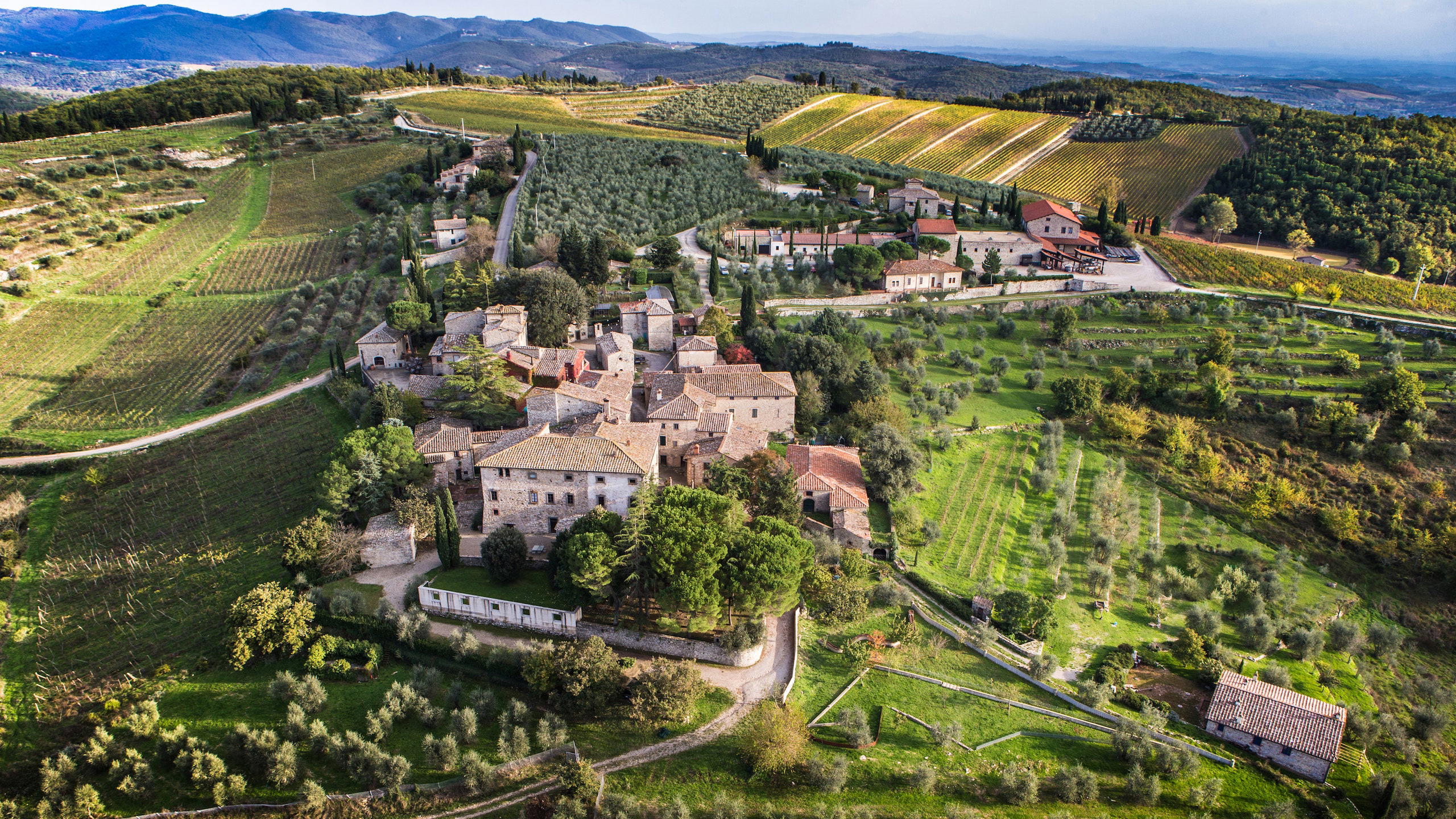
Bars in Castelnuovo Berardenga
Browse all →
Restaurants in Castelnuovo Berardenga
Browse all →
Details
- Romantic
- Classic
- Elegant
- Scenic
- Well Known
- Romantic Getaway
- Wine Education
- Special Occasion
- Group Outing
- Vineyard Tour
- Barrel Room
- Estate Grounds
- Garden
- Panoramic View
- Historic Building
- Private Tasting
- Sustainable
- Vineyard
- Garden
- Mountain
- Sangiovese
- Trebbiano
- Malvasia
- Pinot Noir
- Chardonnay
- Cabernet Sauvignon
- Still Red
- Sparkling
- Fortified
- Guided Cellar Tour
- Vineyard Tour
- Wine Tasting
- Italian
- English
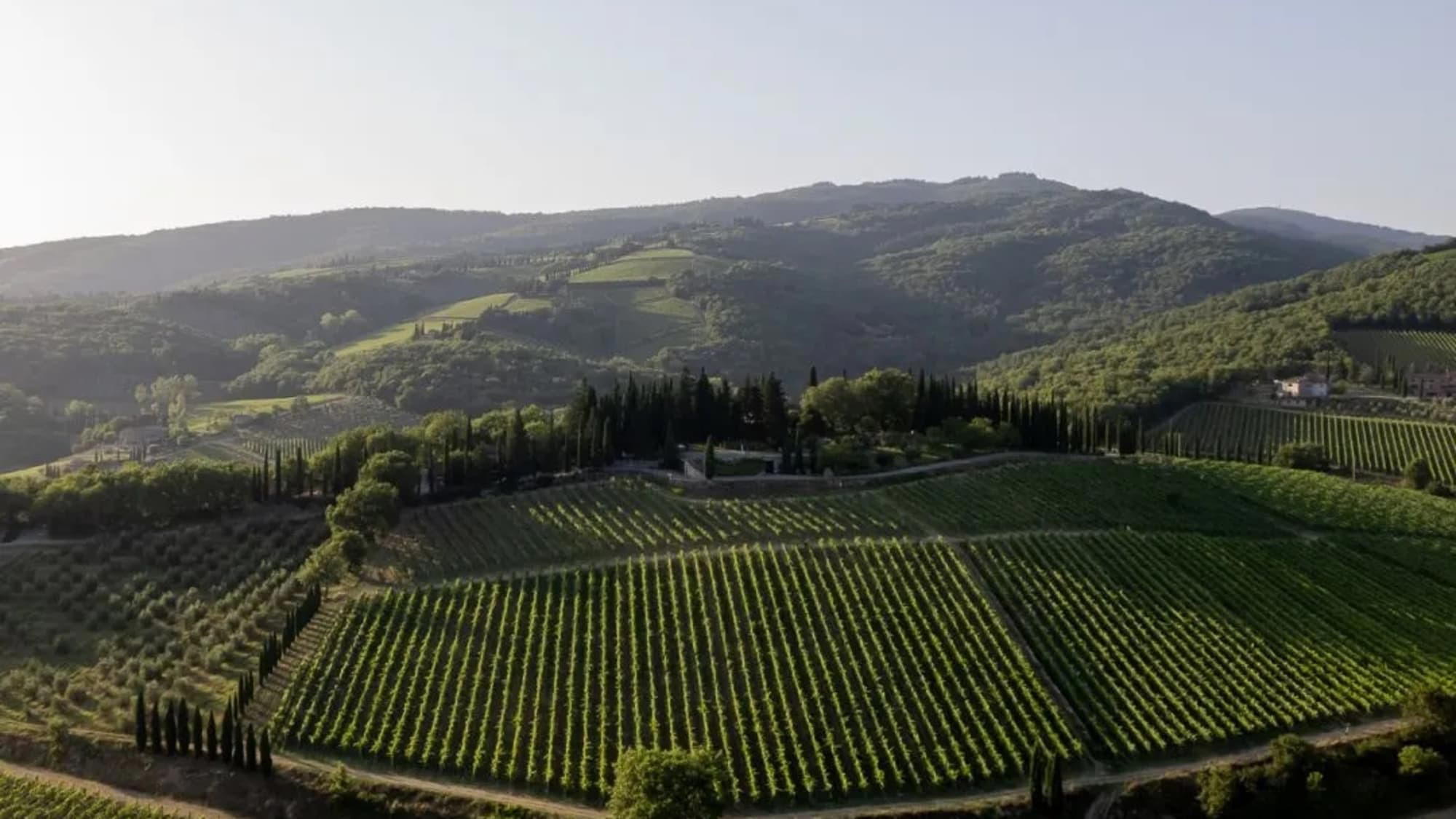
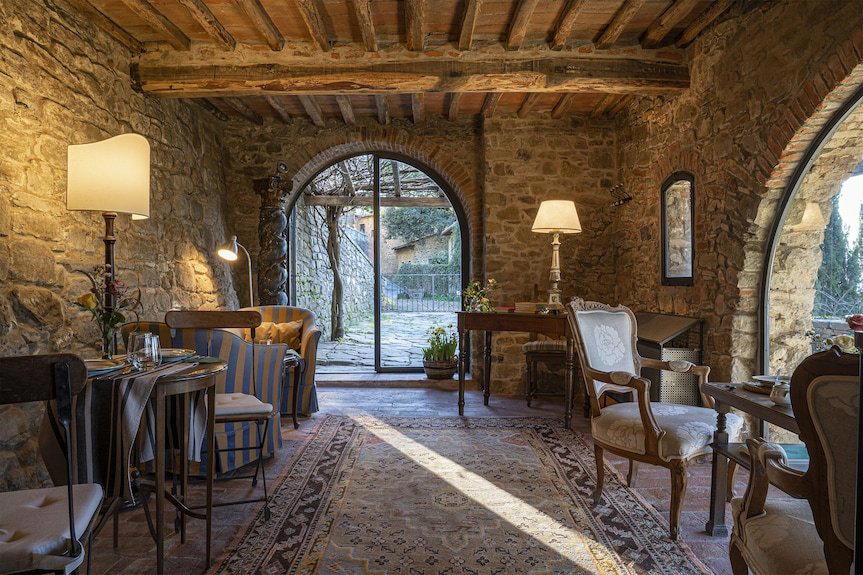
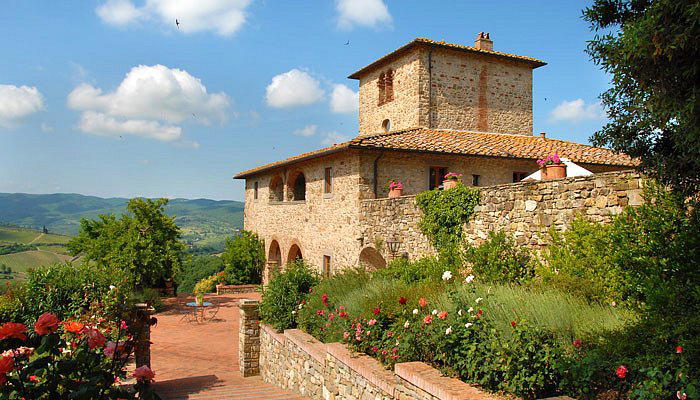
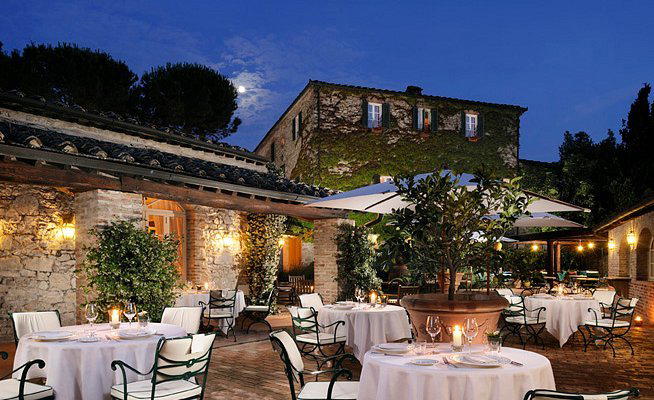
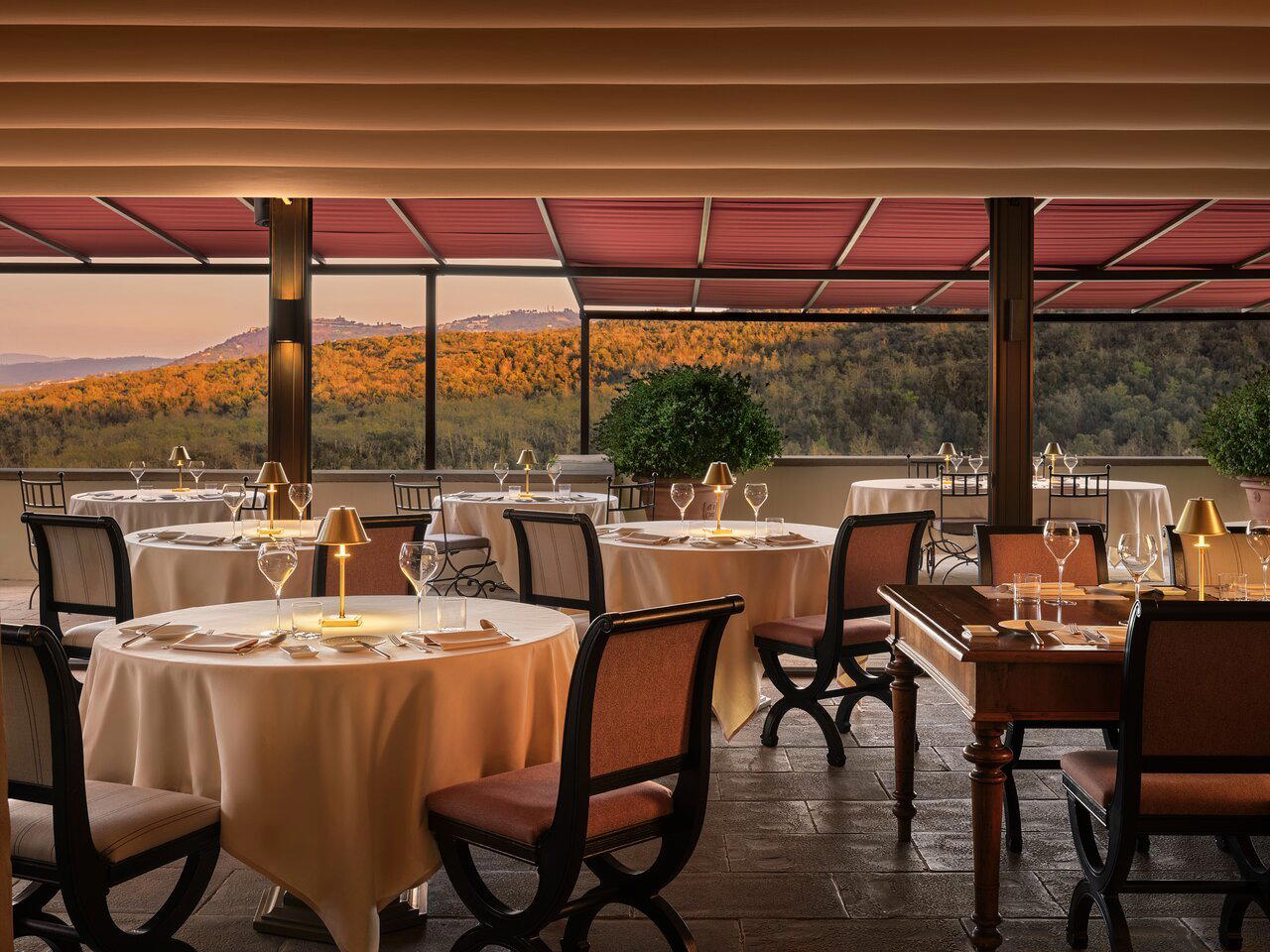
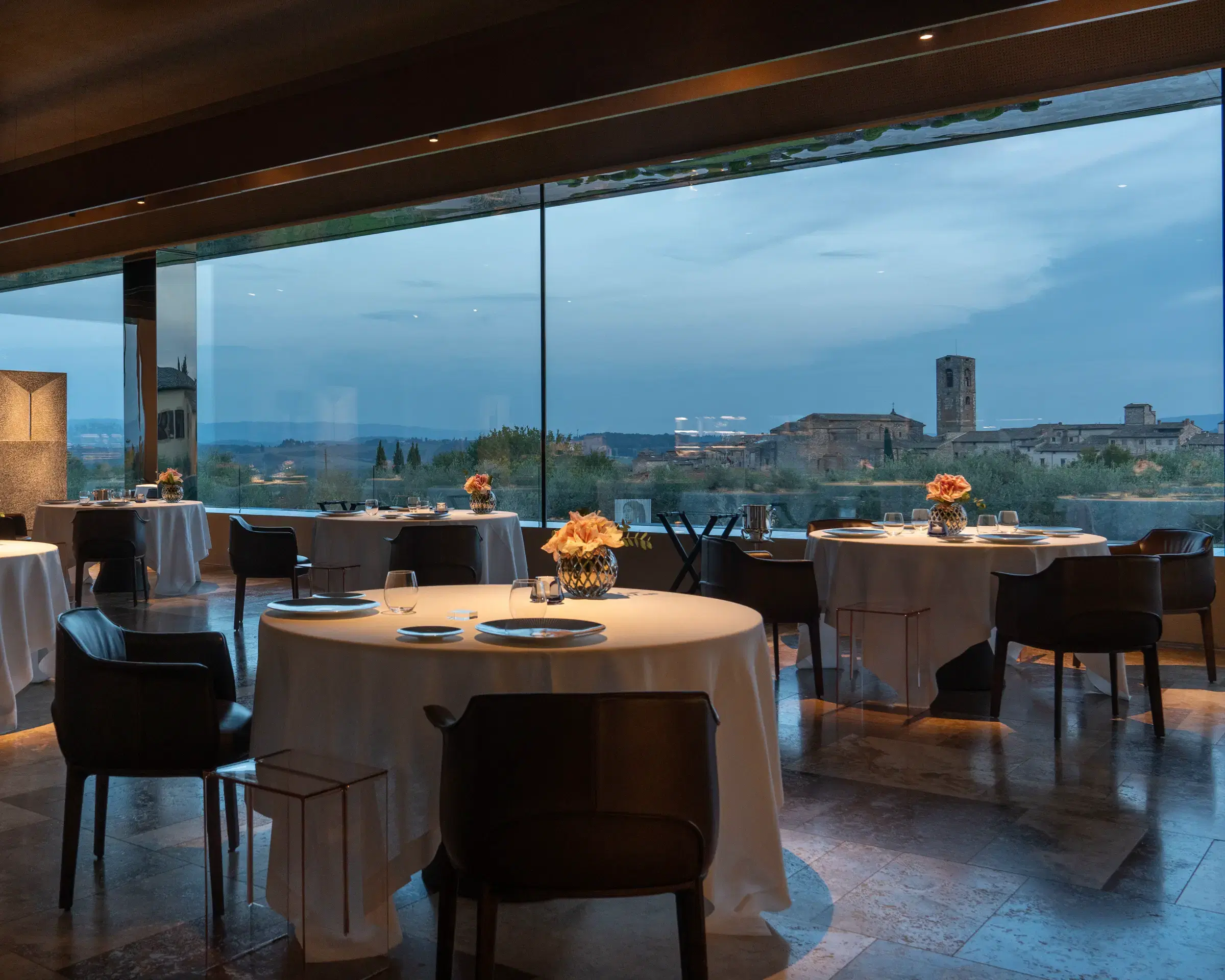
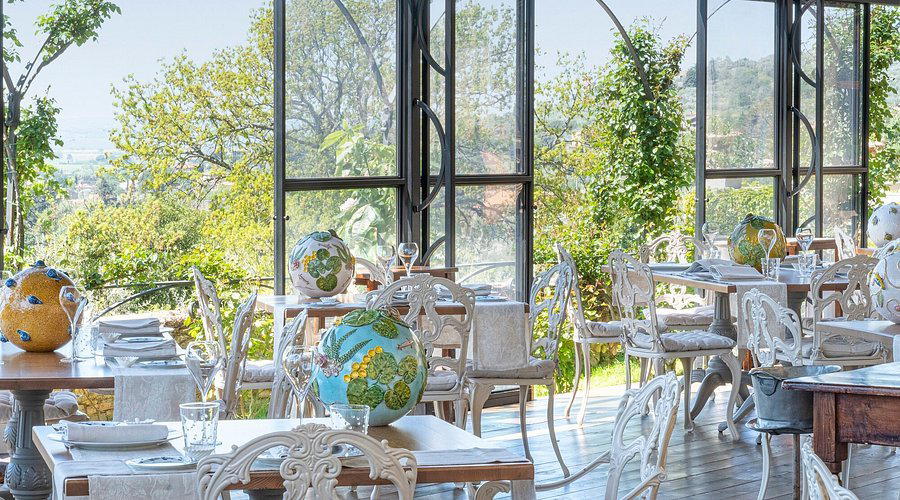
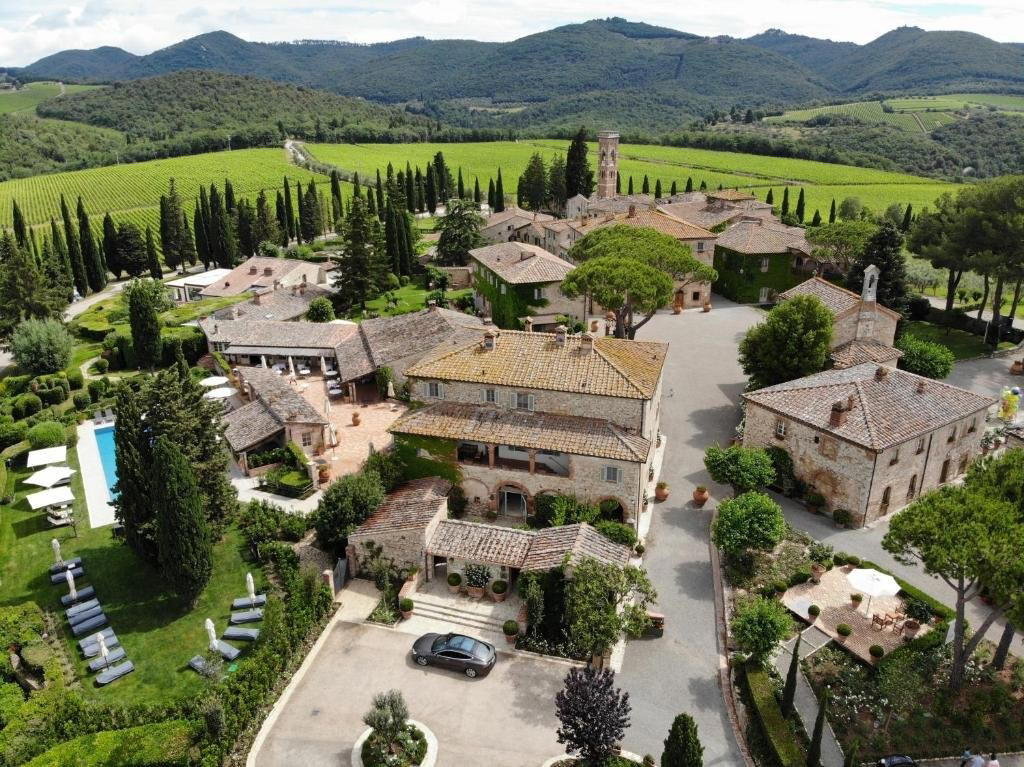
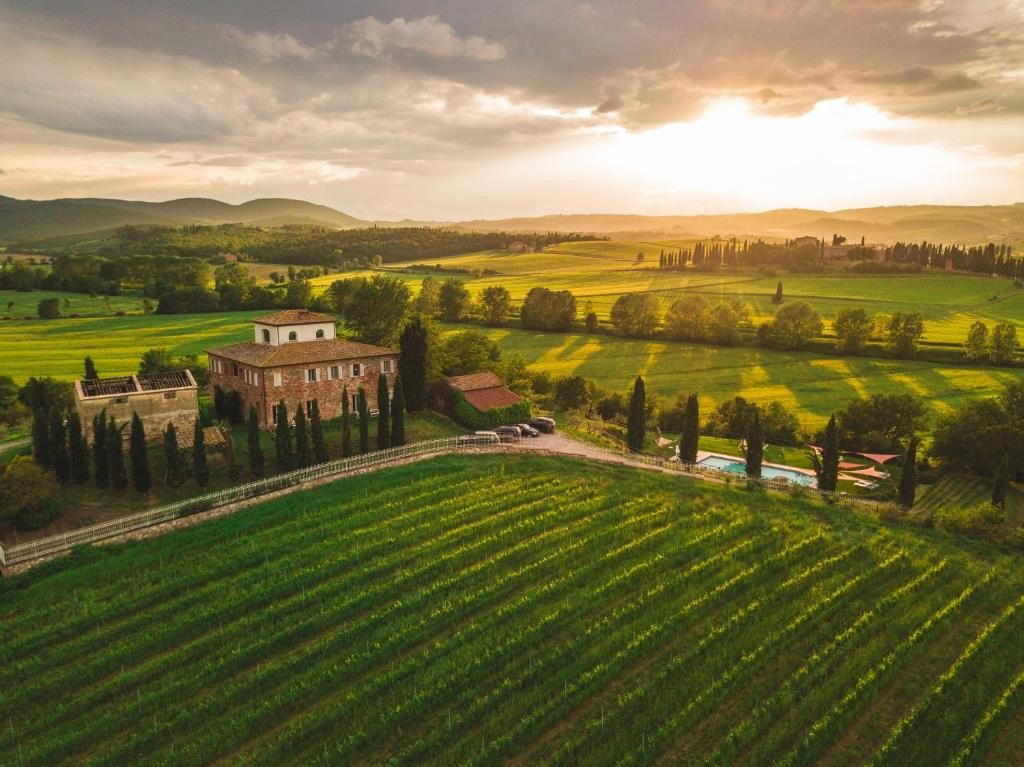
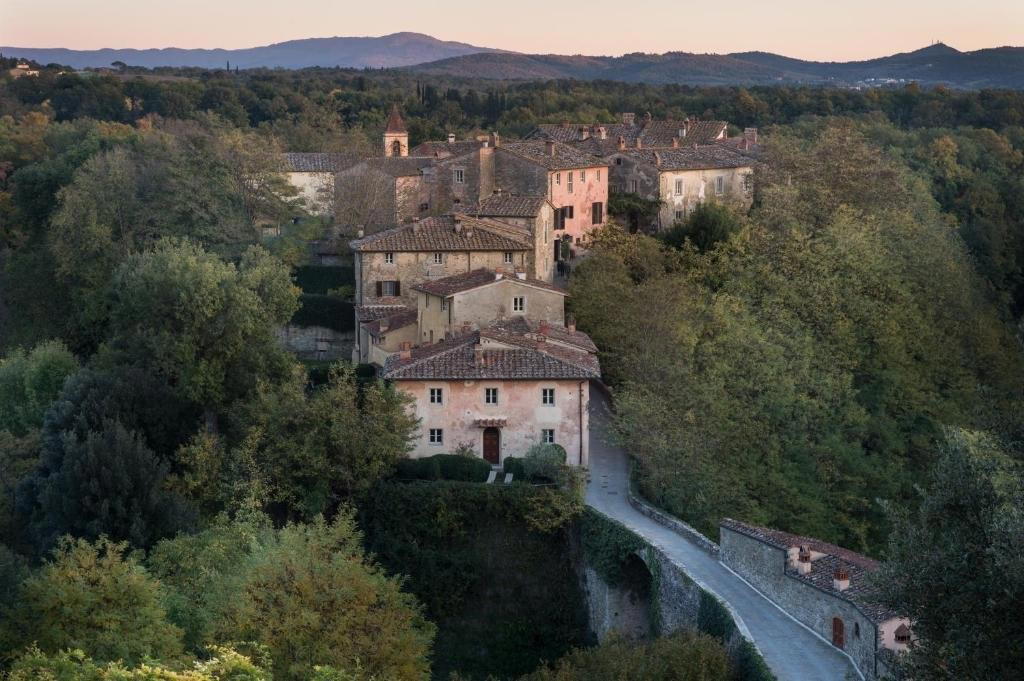
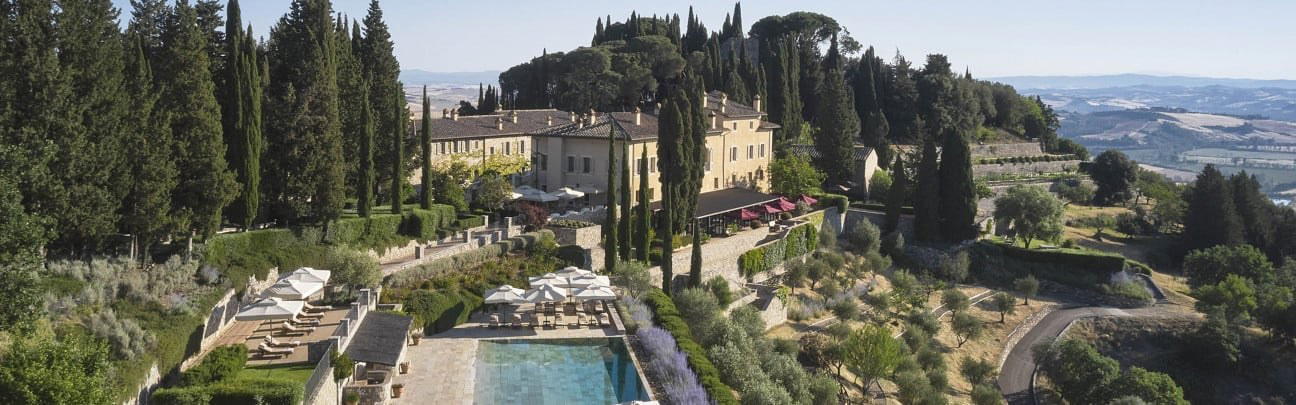
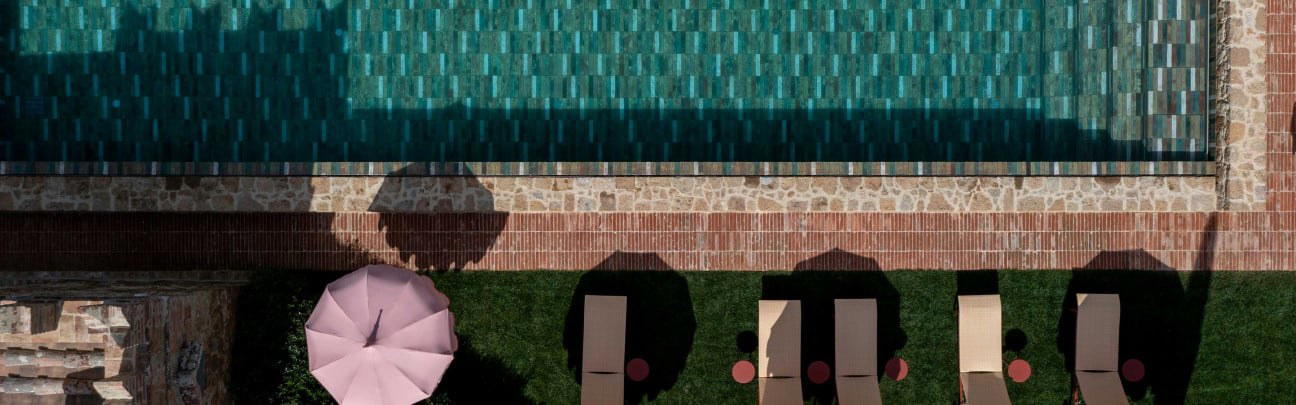
Beautiful, well-maintained grounds with olive trees and pergolas; elegant tasting room with views of vineyards and distant Mount Amiata; refined and sophisticated atmosphere.