
A 15th-century monastery converted into a 40-room luxury boutique hotel in 2019, Monastero di Cortona sits on Cortona's hilltop with original frescoes, vaulted ceilings, and a sun-drenched terrace pool. Rooms from $369 per night range from beamed attic retreats to suites with private terraces. The rooftop garden and Tuscan negroni program make it a compelling base for the Val di Chiana.
Pearl is the En Primeur Club membership app — saves, bookings, and concierge access live there. Same editors, same standards.
- Address
- Via del Salvatore, 52044 Cortona AR
- Phone
- +39 0575 178 5839
- Website
- monasterodicortona.com
- Directions
- Get directions
 Saves & bookings on Pearl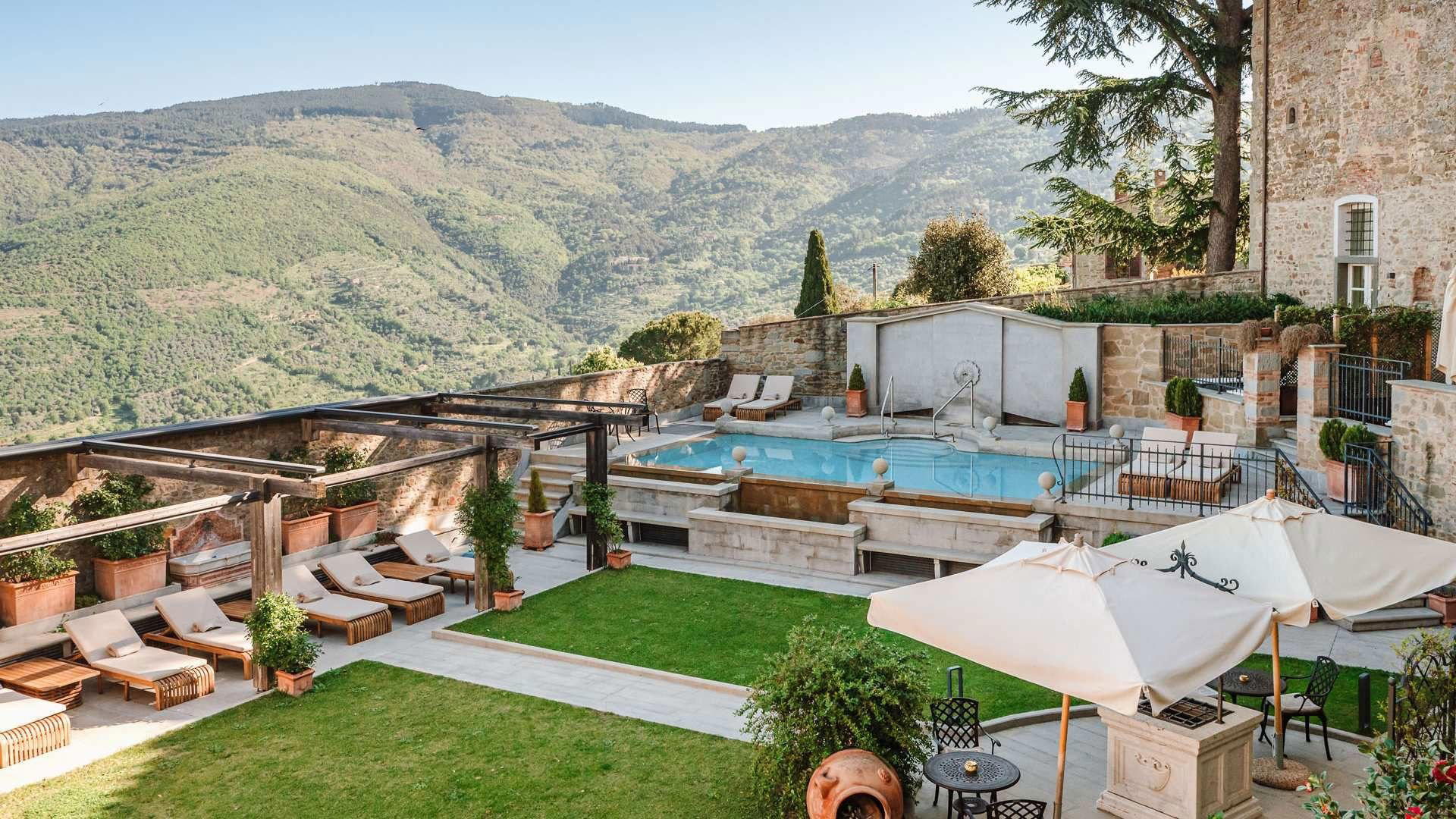
Stone, Fresco, and the Hilltop Logic of Cortona's Hotel Scene
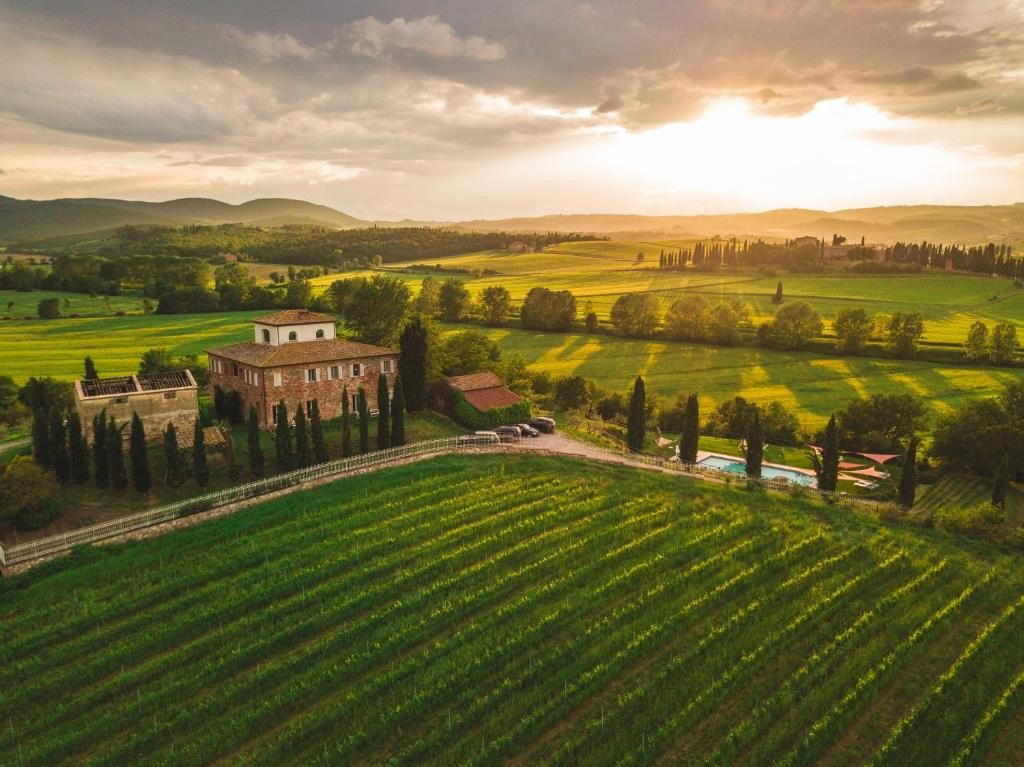
Cortona has never done anonymous accommodation. The town's geography — a fortified Etruscan settlement climbing a steep ridge above the Val di Chiana — means that the buildings which survive are the ones worth preserving: medieval palaces, Renaissance convents, hilltop monasteries whose walls have outlasted every political arrangement for five centuries. The hotel inventory here reflects that inheritance directly. Properties like La Corte Dei Papi, Relais Il Falconiere & Spa, and Villa di Piazzano each occupy a landmark building, country estate, restored villa, historic palazzo, and compete on the strength of their architecture and setting rather than their brand affiliations. Among a field of already-impressive buildings, this one carries particular weight: original frescoes intact on the walls, vaulted ceilings that no renovation budget can replicate, and a hilltop position that commands views over Cortona's rooftops and deep into the Tuscan countryside beyond.
What the Conversion Preserved
Adaptive reuse of sacred buildings is common across Tuscany, but the results vary considerably depending on how much the intervention respects the original structure. At the Monastero, the 2019 restoration kept the architectural elements that actually matter. High vaulted ceilings remain unmodified. Original frescoes are present in the common areas rather than hidden behind contemporary finishes. The stone archways that frame the spa's indoor pool, one of the more striking spa environments in this part of Italy, are original masonry, not reproduction stonework. That coherence between the building's past and its current function is what separates a thoughtful conversion from a theme-hotel exercise.
The 40 rooms and suites are divided across different parts of the monastery, and the categories are meaningfully distinct. Attic rooms carry wooden floors, beamed ceilings, and marble bathrooms, with views toward the monastery's cloisters. Larger suites shift to travertine tile floors and open onto private terraces through French doors. The distinction matters practically: guests who want the character of the older monastic spaces should look at the attic configuration, while those prioritising outdoor privacy and floor area will find the suite tier delivers something different. Rates start at $369 per night, which positions the property in the mid-upper bracket for Cortona boutique hotels, comparable to the territory occupied by Relais Il Falconiere and above the entry tier of the town's more modest options.
The Drinking and Dining Programme
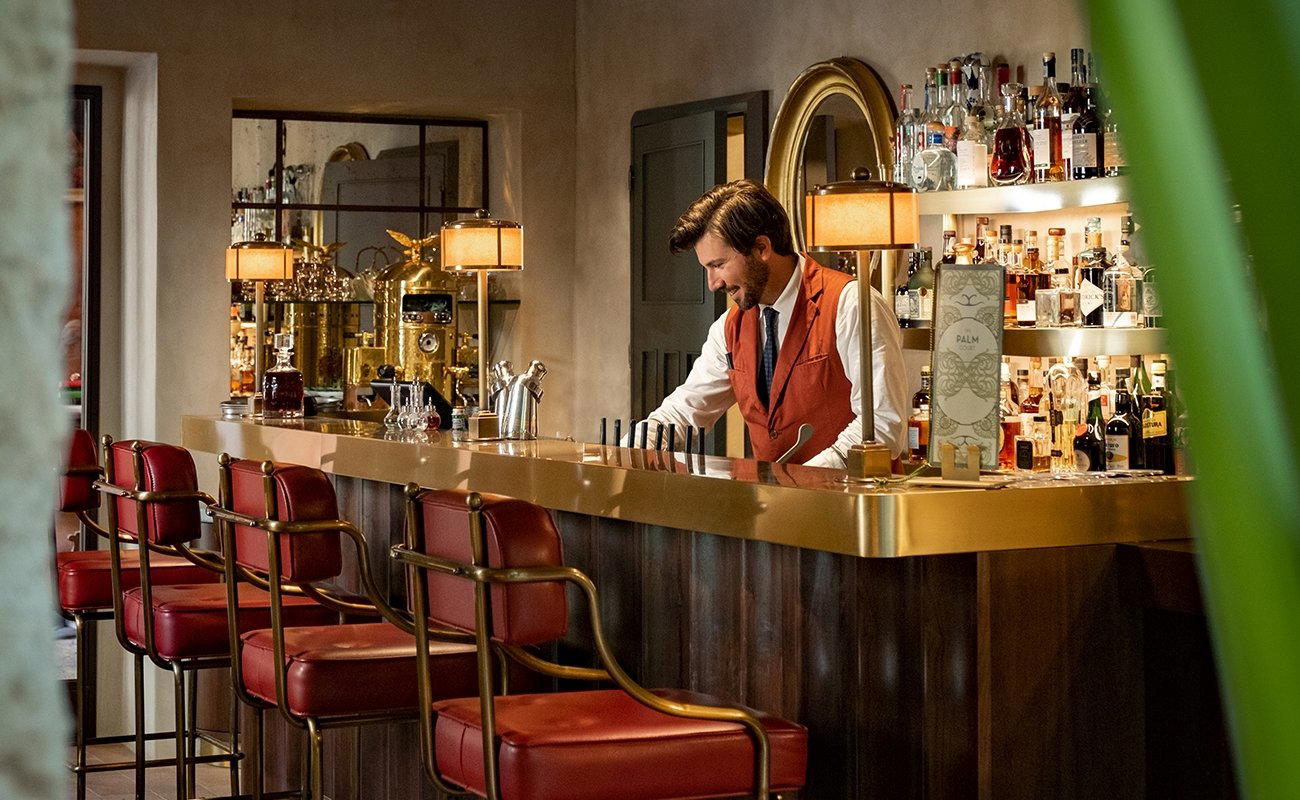
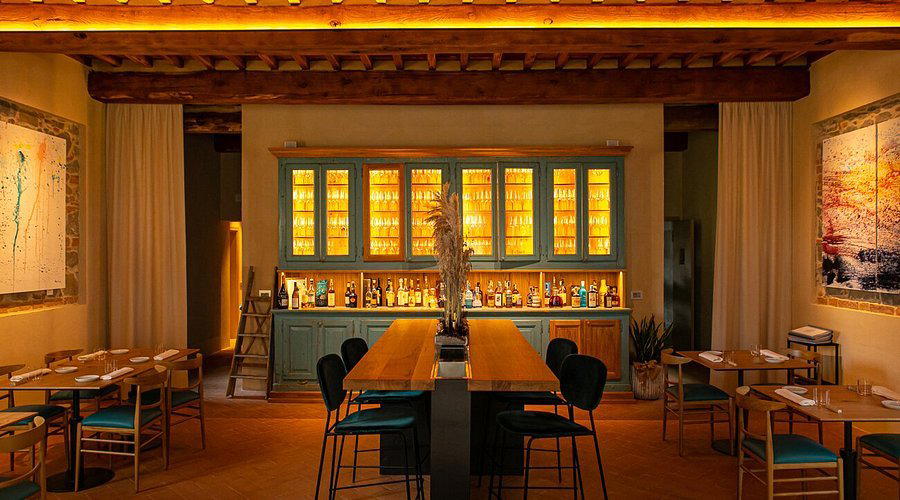
The food and drink program at Monastero di Cortona is where the editorial angle sharpens. Across Tuscany's converted-estate hotel category, the bar offering is frequently an afterthought, a small counter serving commercial wines and standard aperitivo. The Monastero takes a different position with its negroni program. The house negroni is a custom blend developed in reference to the cocktail's Tuscan origins: the negroni's accepted history places its invention in Florence, making the drink genuinely regional rather than simply fashionable. Serving a version shaped by that provenance, on a rooftop garden with views over Cortona's terracotta roofscape and the hills of the Val di Chiana, is a considered curatorial choice rather than a branding exercise.
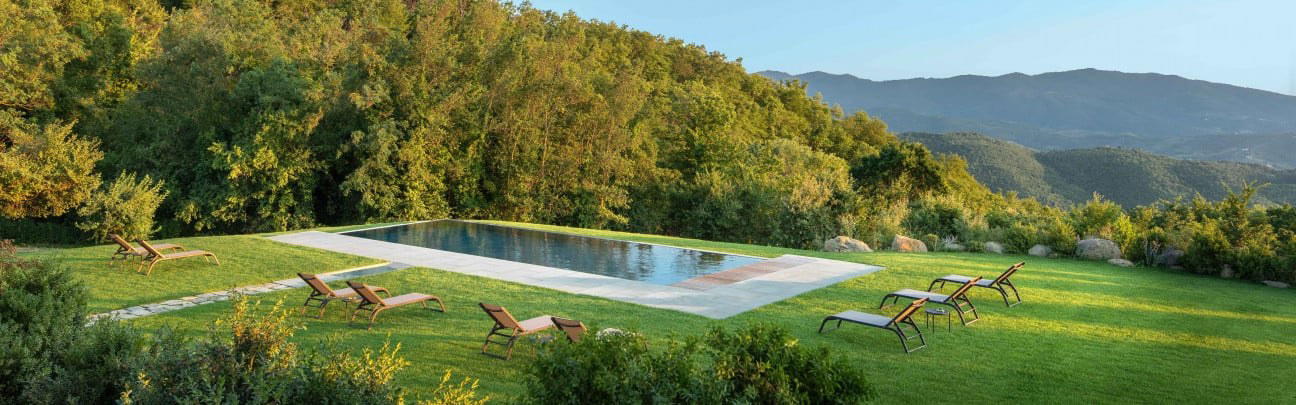
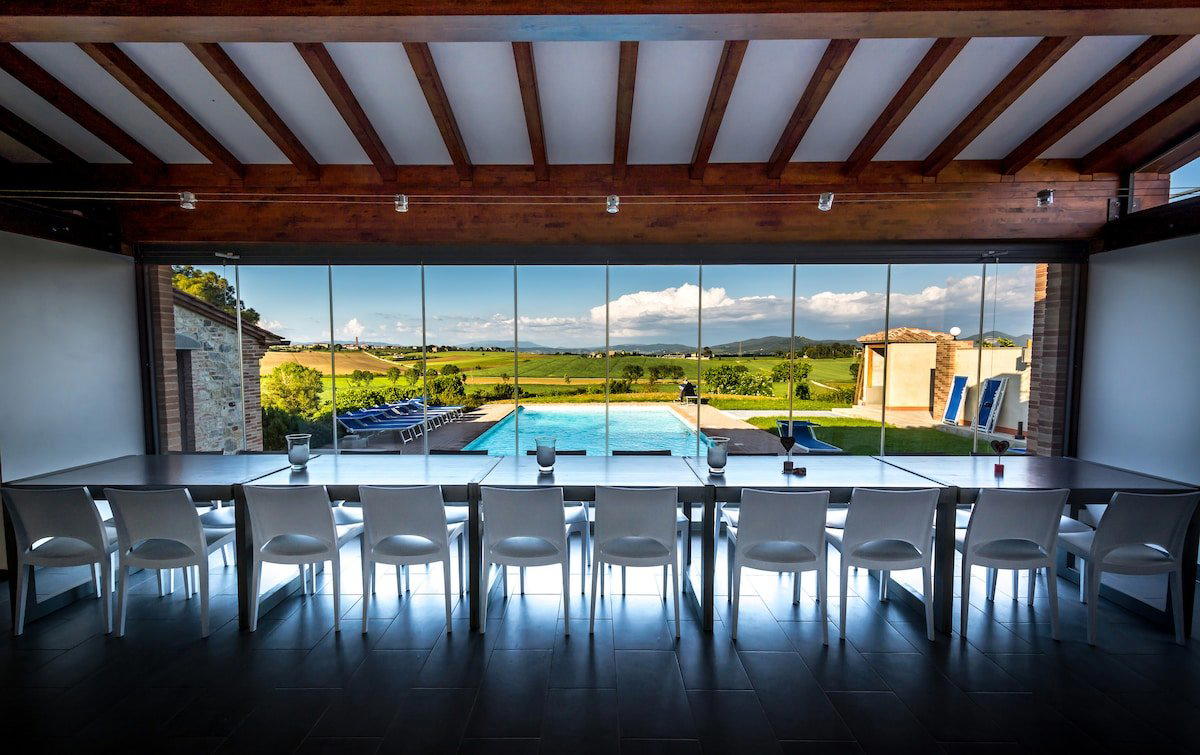
Rooftop garden functions as the social anchor of the property in the warmer months. The friars' former garden has been converted into a sun-drenched terrace with a small swimming pool and the kind of panoramic exposure that the monastery's hilltop position makes possible. For properties in this price tier, an outdoor space with that combination of historic context and landscape views is a genuine asset. It places the Monastero in a similar experiential register to hilltop properties elsewhere in Italy, think the terrace logic of Il San Pietro di Positano or the refined garden positioning of Borgo Santandrea on the Amalfi Coast, where the outdoor sequence is as important as anything happening indoors.
The Spa and the Stone Archways
Spa program at converted historic properties frequently struggles with the architectural tension between old fabric and contemporary wellness infrastructure. The Monastero navigates this by working with the building's structure rather than against it. The indoor pool is framed by original stone archways, which gives it an atmosphere that poured-concrete wellness centres in purpose-built hotels cannot achieve.
Cortona in Context: Where This Property Sits
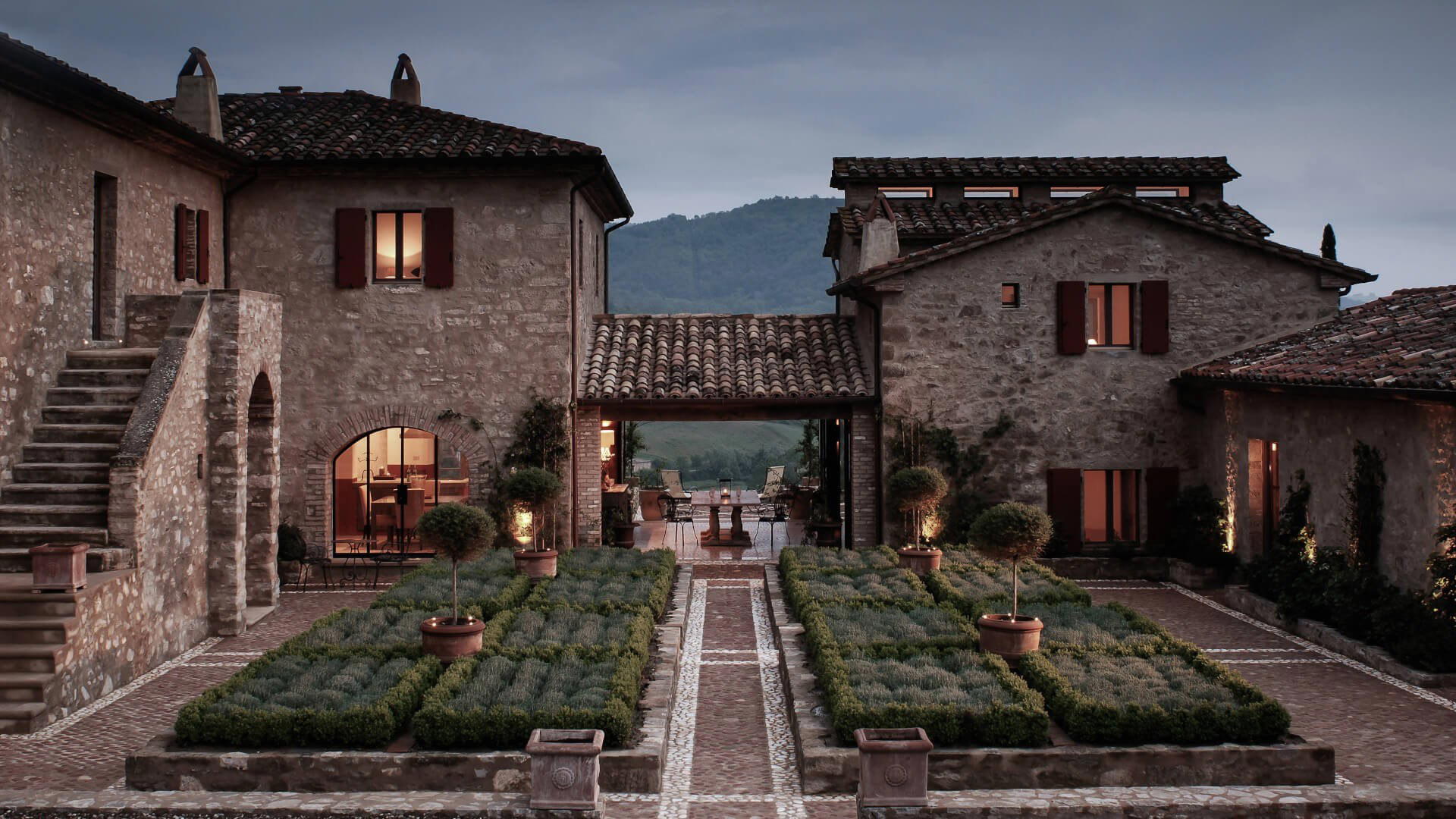
Understanding the Monastero's position requires some clarity on what Cortona is and is not. It is a small, well-preserved hilltop town of around 20,000 residents in the province of Arezzo, approximately equidistant between Florence and Rome. It draws visitors primarily for its Etruscan museum, its MAEC archaeological collections, and its status as one of the better-preserved medieval hill towns in southern Tuscany. The surrounding Val di Chiana produces Chianina beef and Cortona DOC wines, the area's agricultural identity is serious rather than decorative. For travellers routing between Florence and Rome, or combining Tuscany with Umbria (the Umbrian border is close, making Castello di Reschio in Lisciano Niccone a logical neighbouring reference), Cortona offers a smaller-scale alternative to the more-trafficked Chianti corridor.
Within that context, the Monastero operates as the town's most architecturally significant hotel option. The 40-room scale keeps it in genuine boutique territory, smaller than the resort-scale properties found elsewhere in Tuscany, such as Castelfalfi or Rosewood Castiglion Del Bosco in Montalcino, and larger enough to support a full spa and multiple outdoor spaces. That middle scale is a useful one for travellers who want hotel infrastructure without the anonymity of a large property. See our full Cortona restaurants and hotels guide for wider context on the town's hospitality scene.
Planning Your Stay
Rates at Monastero di Cortona Hotel & Spa begin at $369 per night across 40 rooms and suites. Cortona is accessible by train to Camucia-Cortona station, approximately 4 kilometres from the town centre, with connections from Florence Santa Maria Novella and Rome Termini on the main Arezzo line. The town itself is pedestrianised in its upper reaches, so driving guests should confirm parking arrangements directly. Given the property's scale and its position as the most architecturally prominent hotel in Cortona, advance booking is advisable, particularly for summer and the September-October harvest season when the Val di Chiana is at its busiest. The attic rooms book well for couples travelling light; the terrace suites suit those who want outdoor space as part of the room rather than just shared amenity access.
How Monastero di Cortona Hotel & Spa compares with similar nearby venues.
| Venue | Awards |
|---|---|
| Monastero di Cortona Hotel & Spa | Michelin 1 Key |
Recognition history
Dated appearances from independent guides and award organizations, with the underlying list record or original source where available.
Michelin 1 Key
Michelin
Continue exploring
More in Cortona
Hotels in Cortona
Browse all →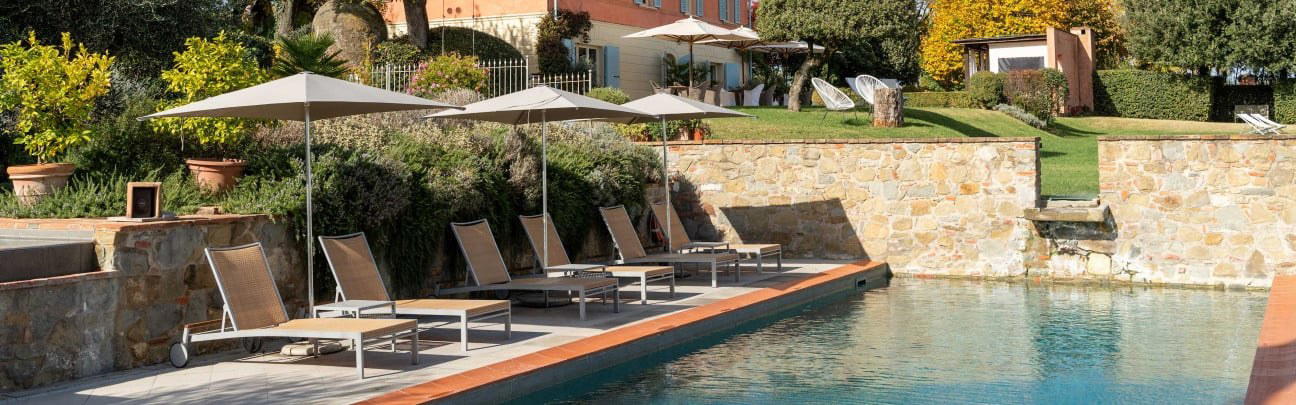
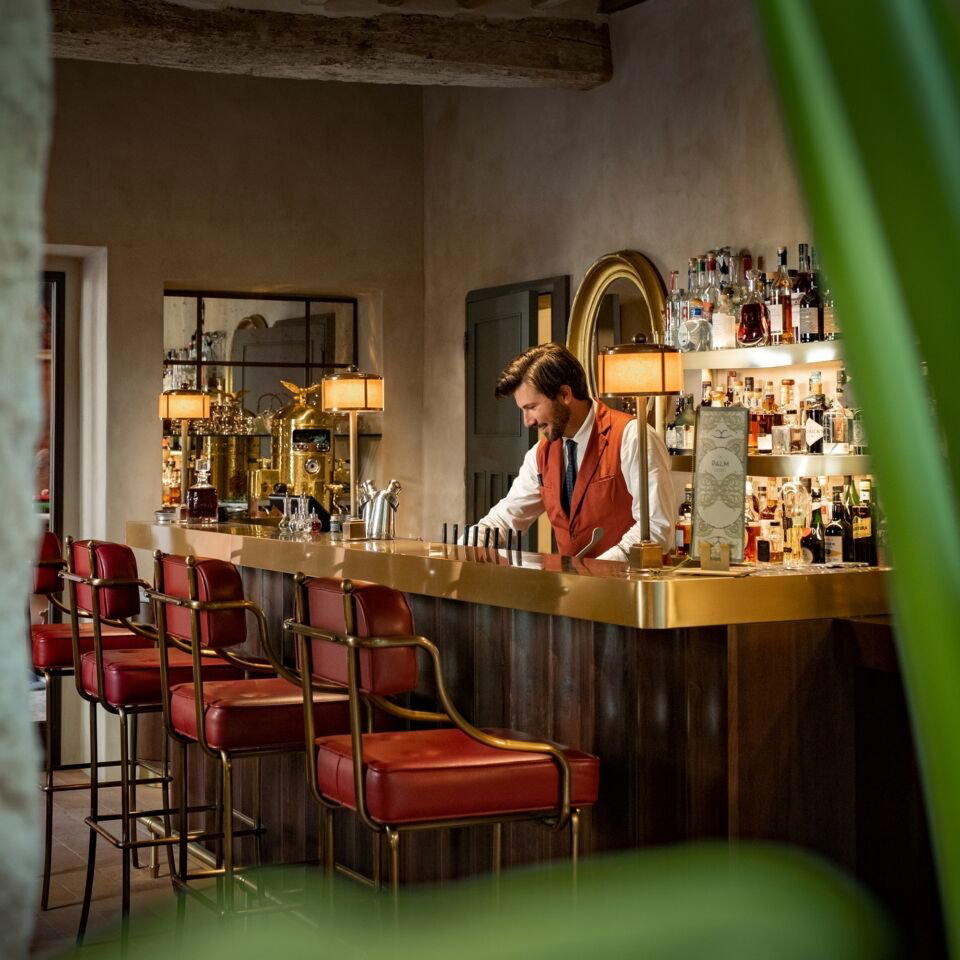
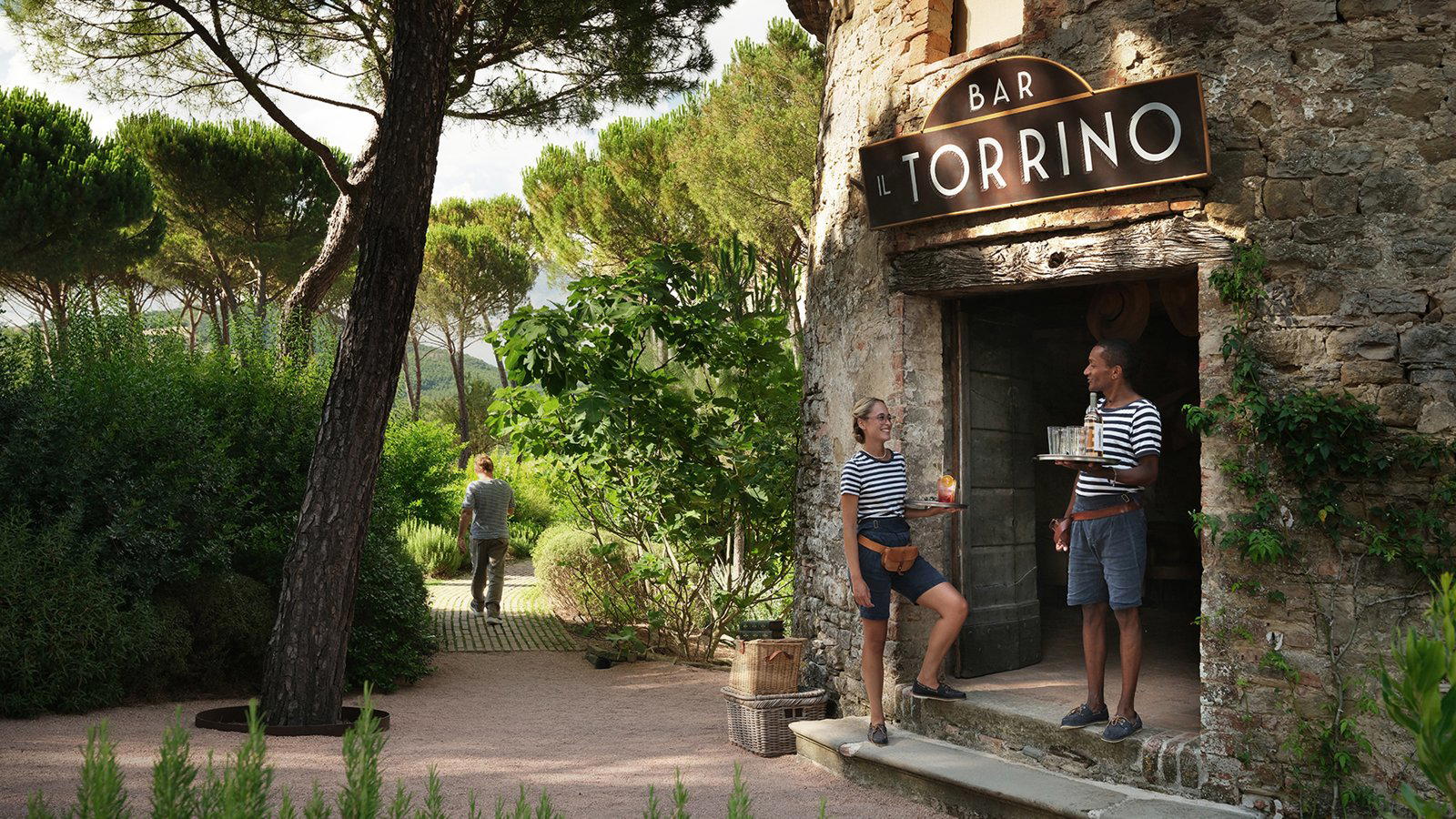
Bars in Cortona
Browse all →
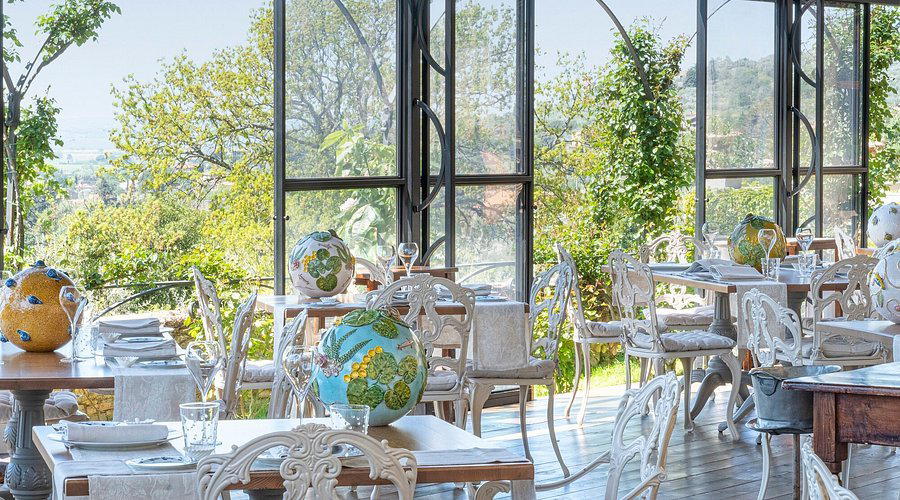
Restaurants in Cortona
Browse all →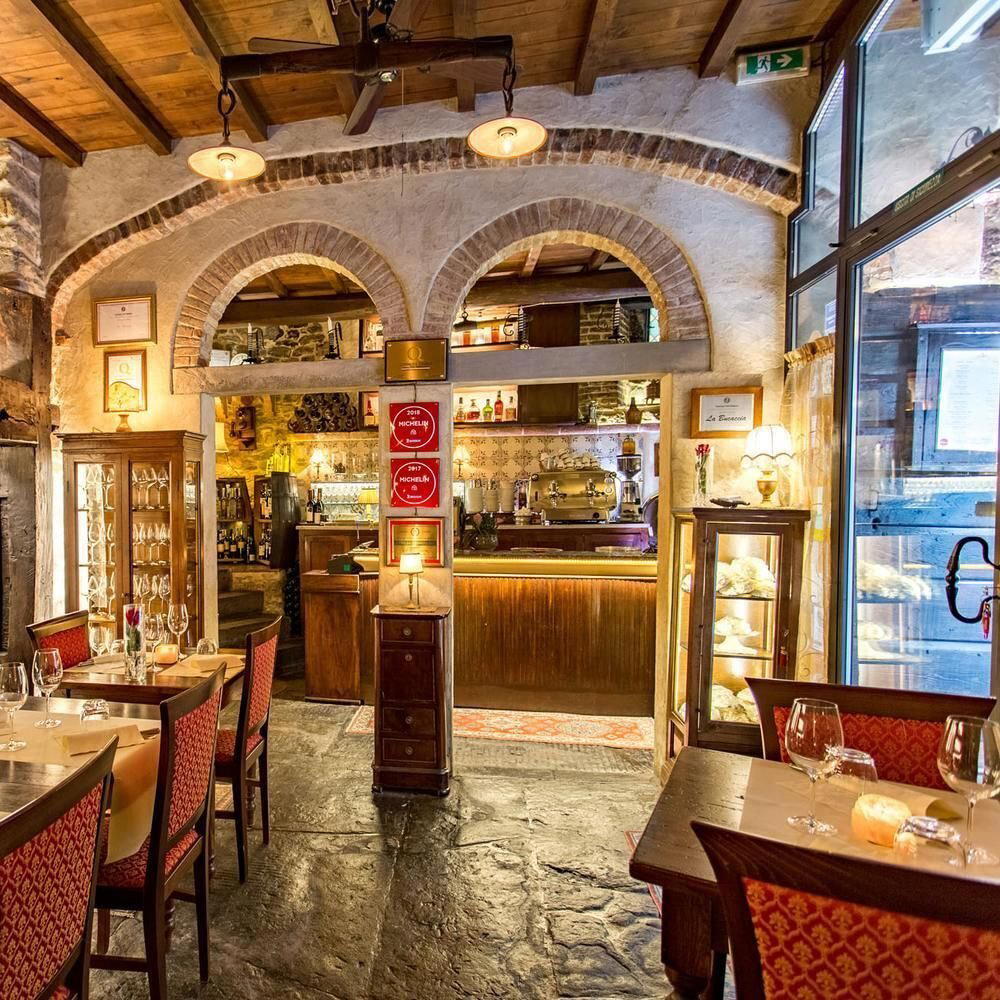
At a Glance
- Romantic
- Quiet
- Elegant
- Scenic
- Sophisticated
- Intimate
- Honeymoon
- Romantic Getaway
- Wellness Retreat
- Anniversary
- Weekend Escape
- Historic Building
- Panoramic View
- Terrace
- Destination Spa
- Spa
- Pool
- Sauna
- Hot Tub
- Massage
- Room Service
- Concierge
- Wi Fi
- Garden
- Restaurant
- Bar
- Garden
- Mountain
- Spa
- Pool
- Sauna
- Hot Tub
- Massage
- Room Service
- Concierge
- Wi Fi
- Garden
- Restaurant
- Bar
Peaceful and relaxing with soft lighting, elegant white tones, and a serene historic atmosphere blending medieval stone with modern comforts.
Know Before You Go
- Getting there
- Via del Salvatore, 52044 Cortona AR