


Michelin Selected · Mr & Mrs Smith Seal of Approval · Tablet Hotels Top 40 New Hotels #21
A restored 17th-century abbey set on a mountainside above Arezzo, Badia di Pomaio occupies a tier of Tuscan accommodation where the architecture is the primary argument. The stone buildings, hilltop position, and views across the rolling Tuscan hills place it within a cohort of converted heritage properties that compete on provenance and setting rather than branded amenity stacks.

Pearl is the En Primeur Club membership app, where members save venues, book tables and use the concierge.
Stone, Height, and the Logic of a Hilltop Abbey
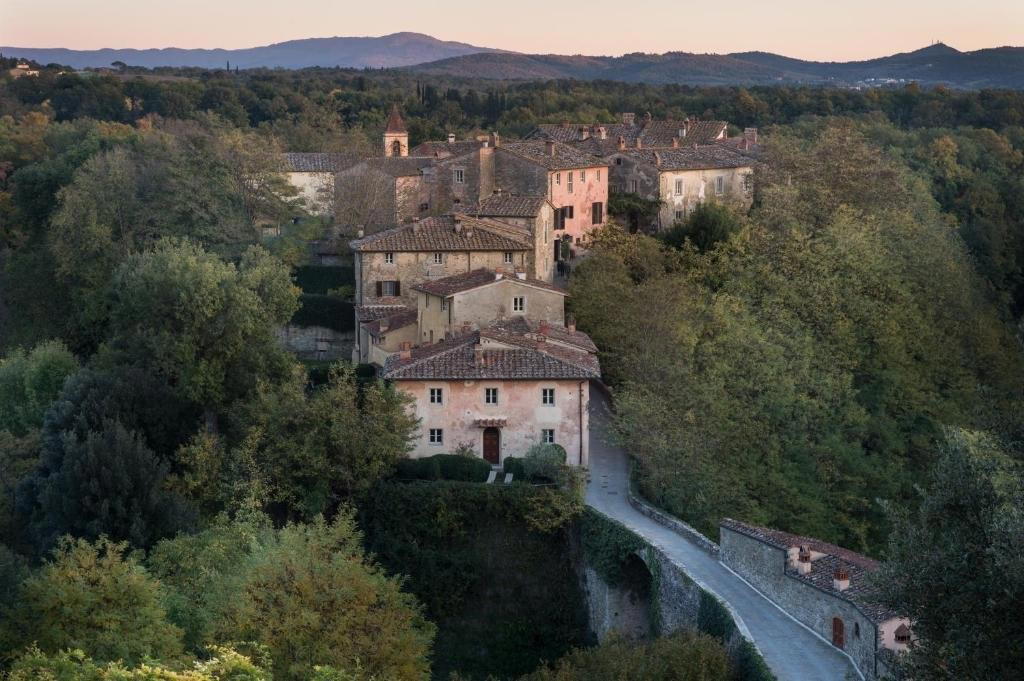
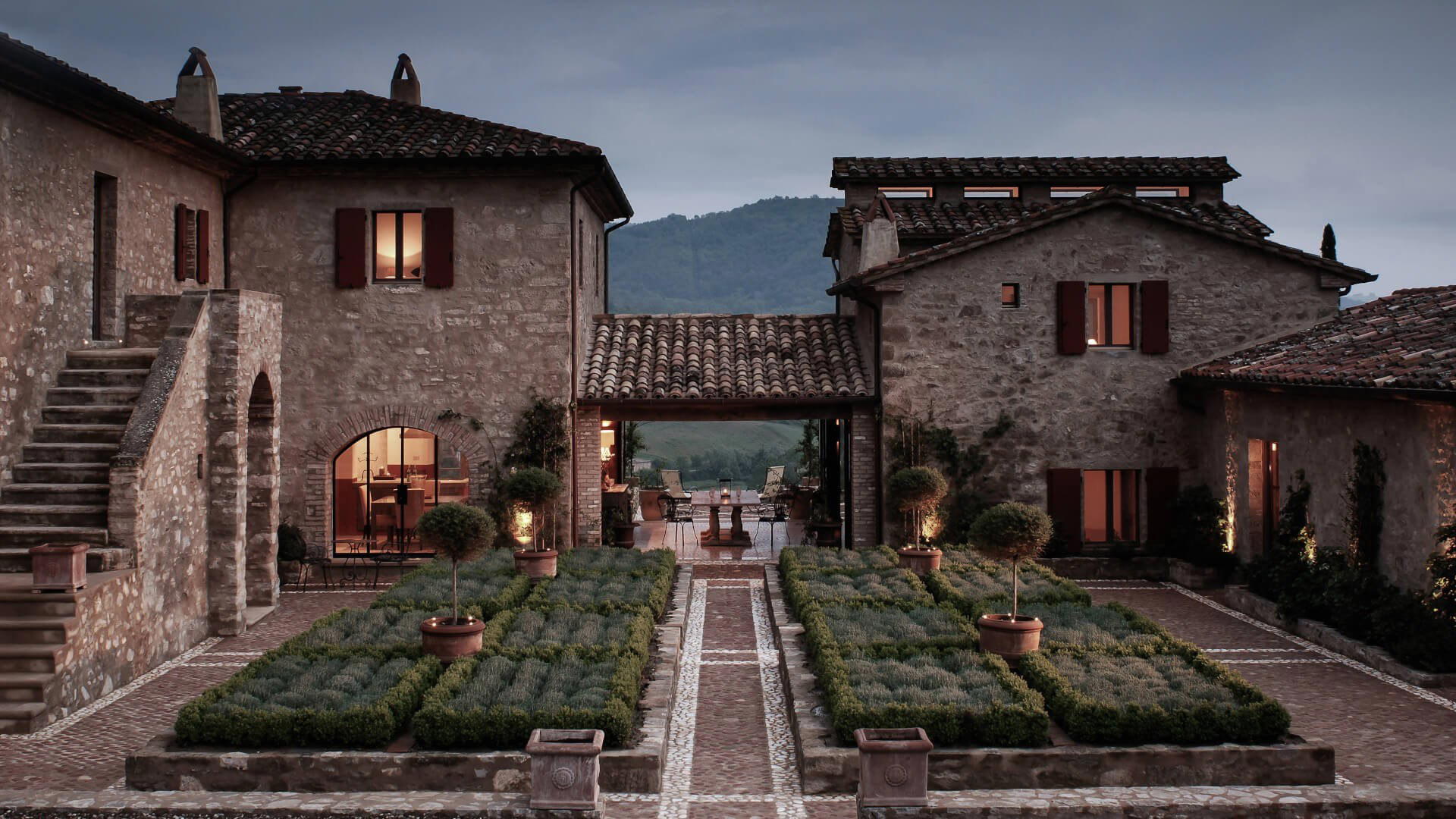
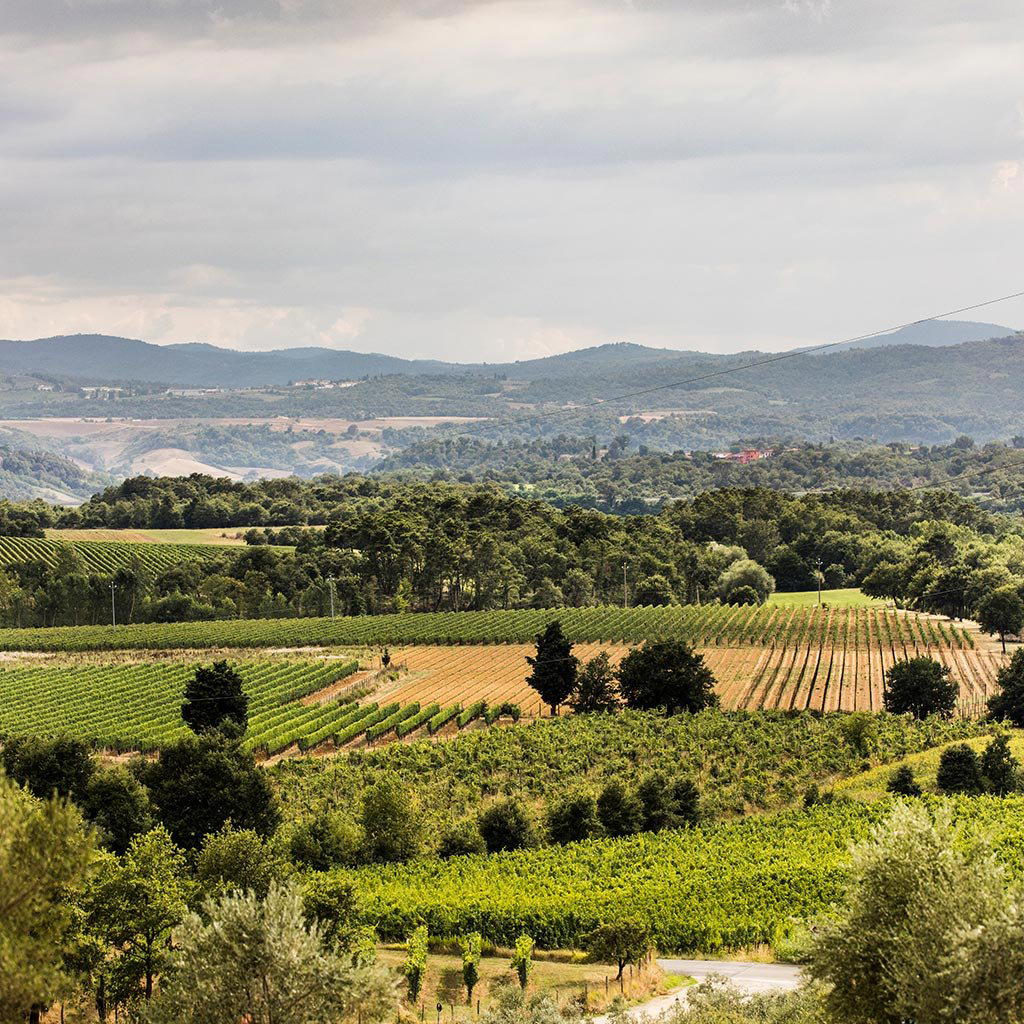
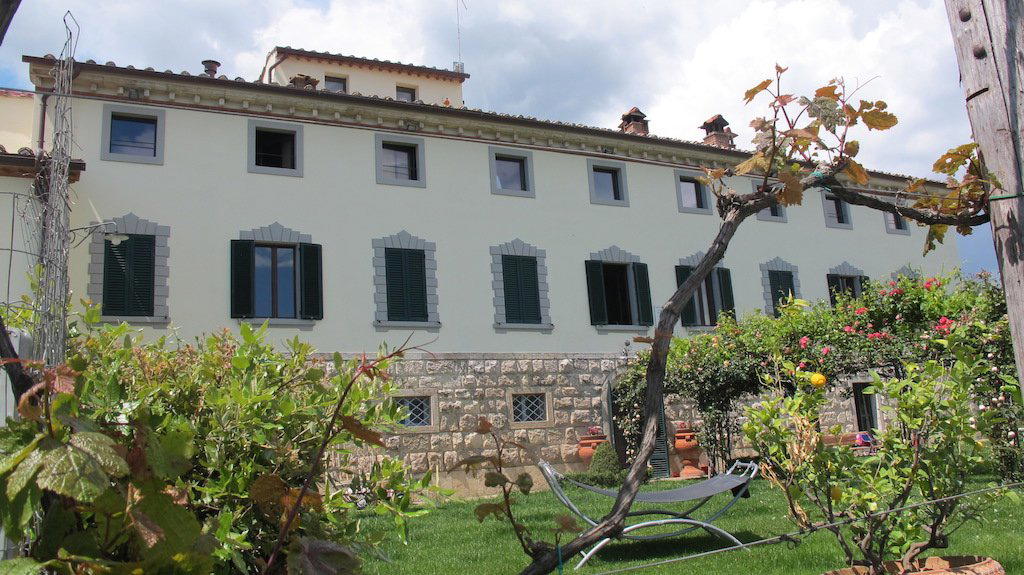
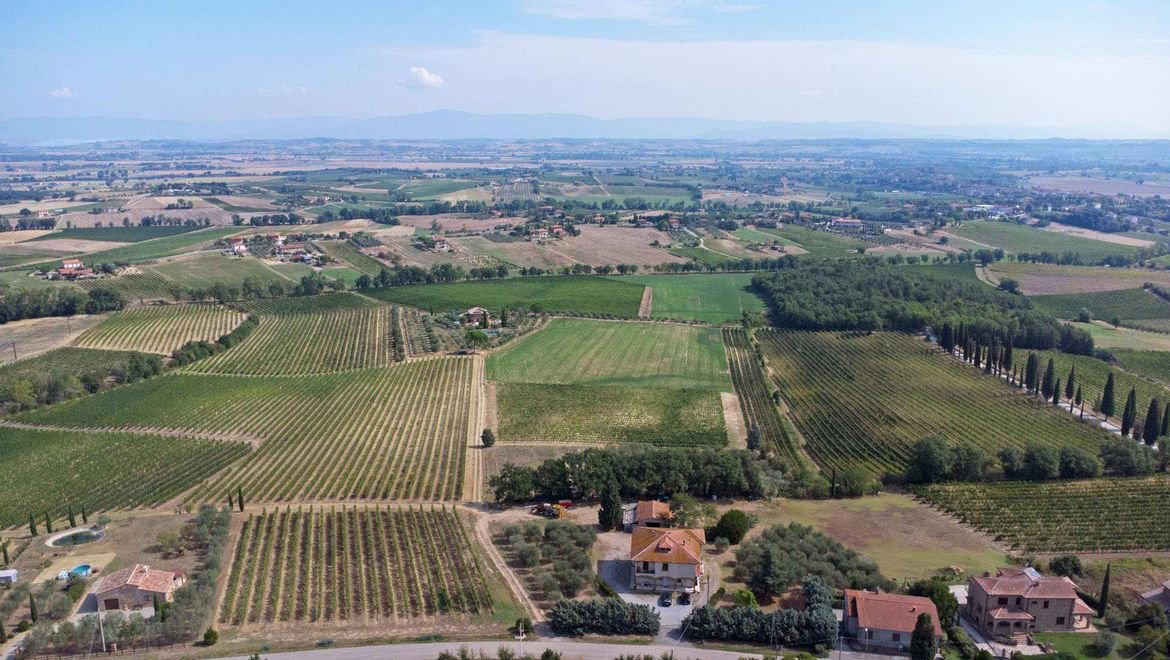
The approach to Badia di Pomaio frames the stay before check-in. The road climbs above Arezzo through terraced hillside, and the abbey's mass of weathered stone resolves gradually against the skyline. This is not incidental scenery; the refined position is structural to how the property works. Tuscany has accumulated a substantial inventory of converted farmhouses, medieval towers, and Renaissance villas competing for the same premium traveller, but the monastic typology is a narrower category. Abbeys of this age, restored to habitable standard without erasing the evidence of centuries, are a smaller subset, and Badia di Pomaio's 17th-century fabric puts it in a peer group defined more by architectural continuity than by hotel-group infrastructure.
That distinction matters for how you read the space. The thickened stone walls, vaulted geometries, and proportions calibrated for a religious community rather than leisure hospitality create an atmosphere that purpose-built luxury properties spend considerable resources trying to approximate. Here, it is simply what the building is. Properties like Castello di Reschio in Lisciano Niccone and Borgo San Felice Resort in Castelnuovo Berardenga operate in this same zone of converted heritage, where the restoration decision-making, material choices, and approach to the original structure define the guest experience more directly than any amenity programme.
What a 17th-Century Abbey Means Architecturally
Italian ecclesiastical architecture of the 17th century was built to endure and to communicate permanence. The structural logic of an abbey from this period prioritises mass over lightness, communal over individual, and vertical hierarchy, bell towers, cloisters, refined chapels, over horizontal sprawl. Converting such a building into a boutique hotel requires decisions at every turn: which openings to enlarge for light, which surfaces to leave in raw stone, which volumes to subdivide without compromising the sense of scale. The quality of those decisions, made across the full restoration, is what separates architecturally coherent conversions from ones that feel like luxury fixtures installed inside a historical shell.
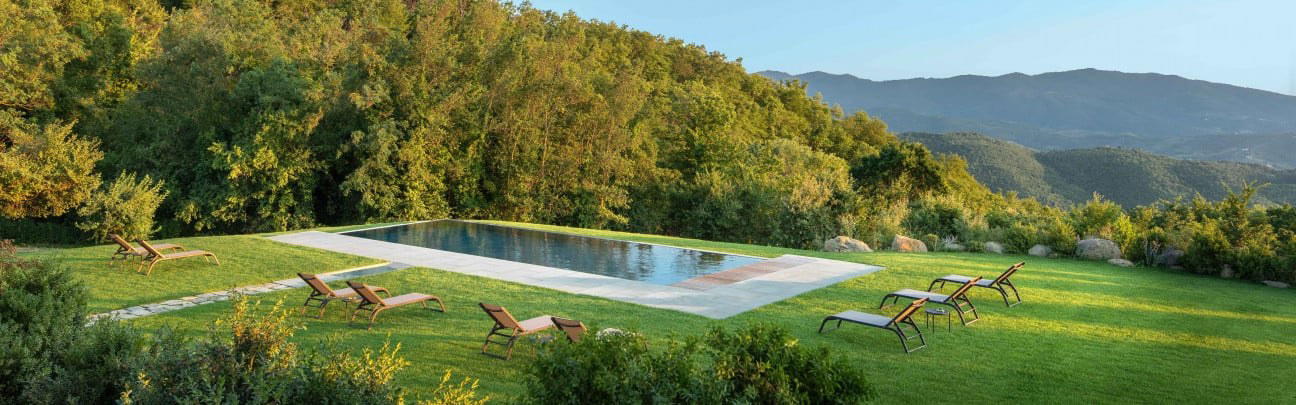
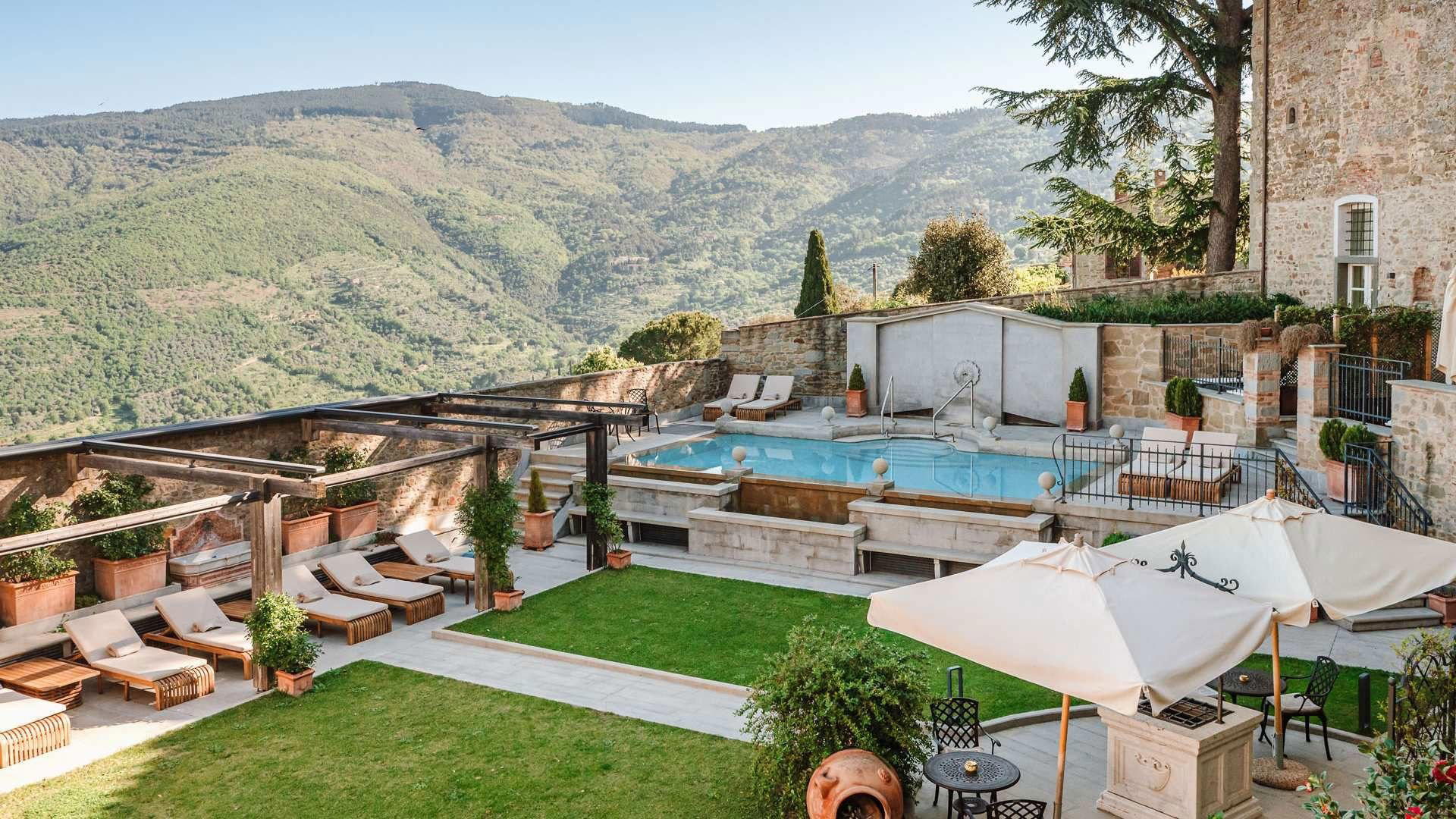
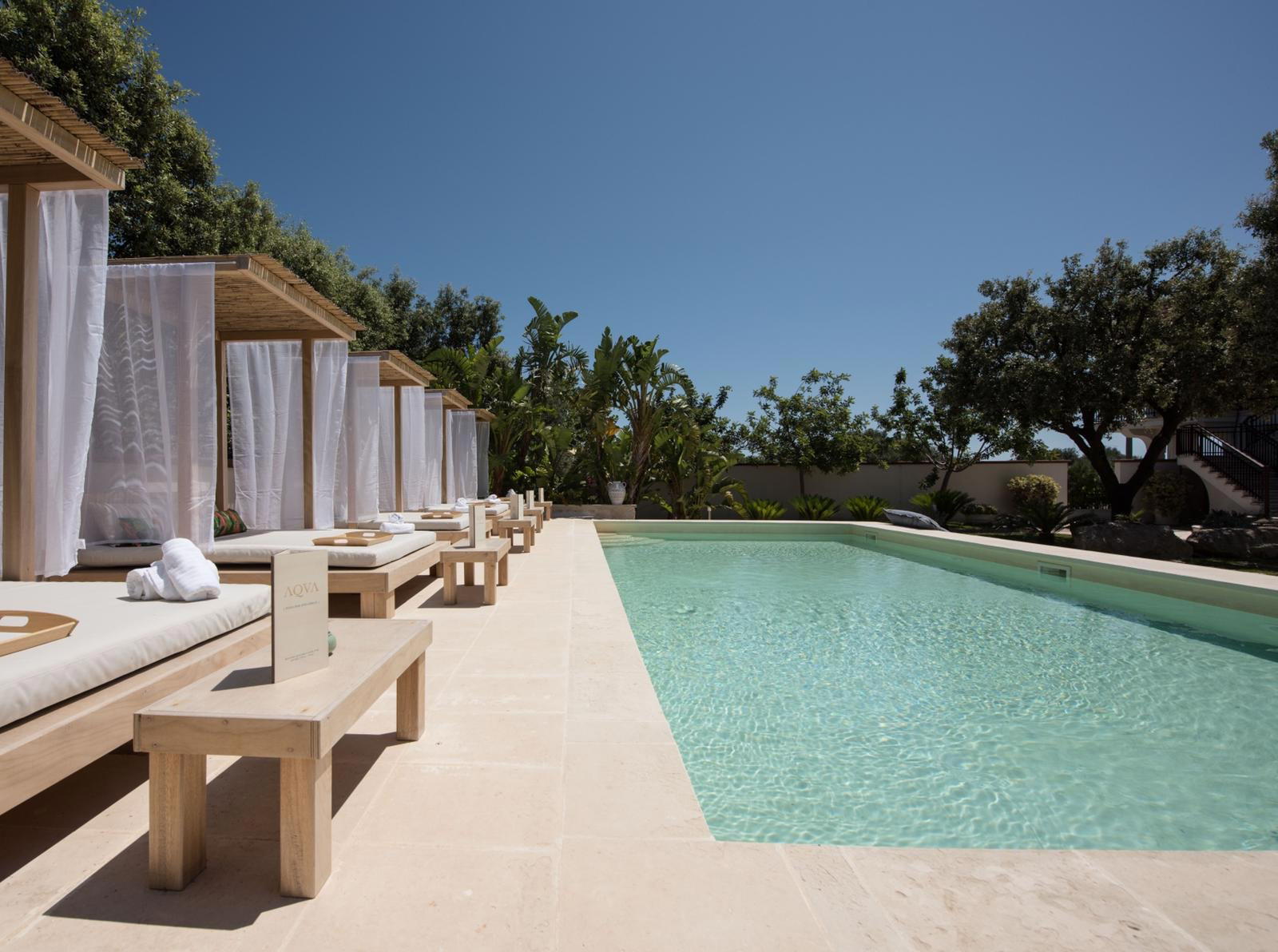
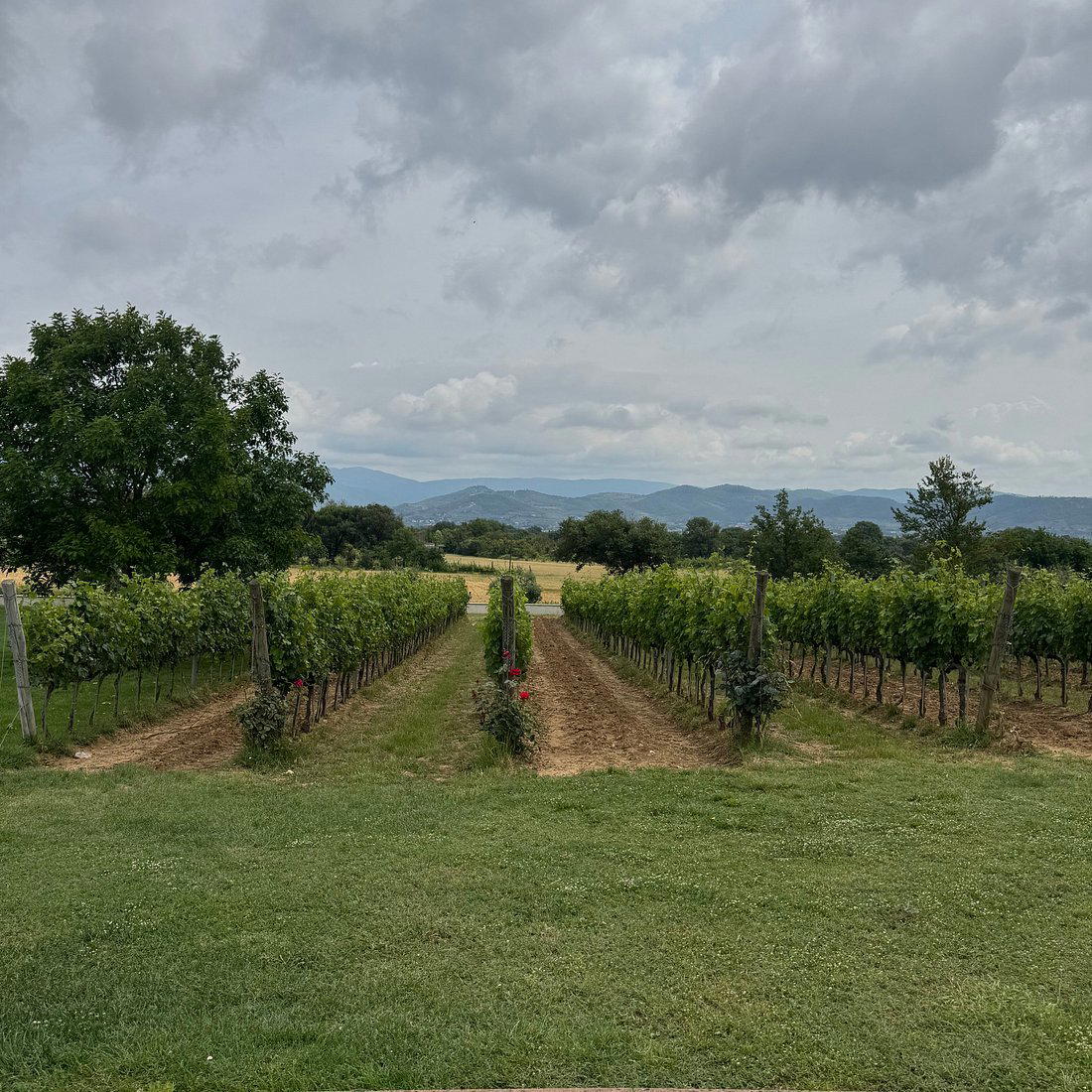
The mountain setting amplifies the architecture's original intent. Abbeys were frequently positioned on high ground for reasons both practical and symbolic, and the hilltop placement at Pomaio means the views across the Tuscan hills are not a coincidental amenity but an extension of how monastic buildings were designed to relate to their landscape. The infinity pool, a thoroughly contemporary addition, translates that relationship into a format legible to modern guests: a horizontal plane of water extending toward the panorama below.
For architectural travellers, this kind of layered reading, the 17th-century fabric, the restoration choices, the contemporary interventions, is a significant part of the interest. Italy's density of historic properties means the comparison set is large, but the combination of monastic provenance, altitude, and proximity to Arezzo's own considerable architectural inventory makes this particular property worth understanding on its own terms.
Arezzo as Context
Arezzo is not Florence, and that gap works in a traveller's favour. The city holds Piero della Francesca's fresco cycle at San Francesco, a medieval cathedral, and Giorgio Vasari's loggia-framed main piazza, without the volume of visitors that compresses the experience in the larger Tuscan cities. The monthly antique market, one of the largest in Italy, draws a serious trade clientele alongside casual browsers. Our full Arezzo restaurants guide maps the city's dining options for guests planning time in the centre.
Staying at altitude above the city, rather than in the historic centre, structures the visit differently. You descend into Arezzo with intent rather than wandering out from a piazza hotel. The separation creates a rhythm that suits the abbey's character, the hilltop as retreat, the city as excursion. The surrounding Casentino valley and the broader Arezzo province extend the territory considerably: Cortona, Montepulciano, and the upper Val di Chiana are all within range for day itineraries.
The nearby Villa Fontelunga represents the other pole of the Arezzo-area luxury offer: a villa property with a more overtly residential character. The two properties share a regional position but operate with distinct architectural identities, and the choice between them is largely a question of whether the guest wants monastic scale and altitude or villa intimacy and gardens.
Where Badia di Pomaio Sits in the Italian Heritage Hotel Category
Italy's premium heritage hotel sector spans a range from large-group managed conversions to fully independent boutique operations. The large-group end is represented by properties like Four Seasons Hotel Firenze in Florence, operating inside a 15th-century convent with the full infrastructure of a global brand behind it, or Rosewood Castiglion Del Bosco in Montalcino, where a Brunello wine estate provides the organising logic. At the smaller, more independent end, properties like Corte della Maestà in Civita di Bagnoregio or Castelfalfi in Montaione offer different scales of the same heritage conversion logic.
Badia di Pomaio's boutique format places it closer to the independent end of that spectrum. The small key count that typically characterises abbey conversions produces a level of quiet and spatial exclusivity that larger properties cannot replicate regardless of amenity investment. That quality, the sense of having a significant historic structure largely to yourself, is increasingly difficult to find in a region where tourism pressure has grown steadily and the premium accommodation offer has expanded to meet it.
For context on what boutique heritage conversion looks like at its most ambitious elsewhere in Italy, Passalacqua in Moltrasio on Lake Como has drawn sustained critical attention since opening, and Aman Venice in Venice represents what the Aman group achieves when it works within a palazzo framework rather than building from scratch. Both operate at a different price tier and scale, but they illustrate the upper range of what the heritage conversion category can achieve when restoration quality and operational discipline align.
Planning a Stay
Badia di Pomaio sits at Località Pomaio, 4, outside Arezzo, a mountain address that requires a car or arranged transfer rather than a taxi from the train station. Arezzo itself is well-connected by rail from Florence (roughly an hour) and Rome (just over two hours), making the property accessible for guests arriving without a hire car if transfers are pre-arranged. The hilltop position and pool make spring and early autumn the most comfortable periods for the combination of outdoor access and mild temperatures, though the views in winter, with mist across the valley, carry their own appeal.
Booking is leading initiated through direct contact with the property, as boutique conversions at this scale rarely discount meaningfully through third-party channels and direct communication allows guests to clarify room category and any specific requirements before arrival. Given the limited key count, lead time of several weeks is advisable for peak summer dates.
Guests extending their Italian itinerary beyond Tuscany might consider Borgo Santandrea on the Amalfi Coast, Il San Pietro di Positano, or Bulgari Hotel Roma as contrasting properties, urban or coastal rather than rural and refined, but occupying the same tier of the Italian premium accommodation category. For those combining Italy with broader European or international travel, Casa Maria Luigia in Modena is a northern Italian option worth the detour, and Forestis Dolomites in Plose offers an entirely different relationship between architecture and mountain landscape in the northeast.
Comparable Venues
Comparable venues nearby, for context on price, style, and recognition.
| Venue | Cuisine | Price | Awards | Notes |
|---|---|---|---|---|
| Badia di PomaioThis venue (the venue you are viewing) | Restored 17th-century Tuscan abbey blending heritage with modern minimalism | $500–750 | Michelin Selected · Mr & Mrs Smith Seal of Approval | Not listed |
| Graziella Patio Hotel | Historic boutique hotel in renovated 15th-19th century palazzo | $200–300 | Michelin Selected | Quartiere di Porta Crucifera |
| Villa Fontelunga | Tuscan villa with informal luxury and personalized service | Not listed | 1 Michelin Key · Mr & Mrs Smith Seal of Approval | Foiano della Chiana |
| Palazzo Tirso Cagliari - MGallery | Historic Art Nouveau palazzo with contemporary luxury renovations | Not listed | Michelin Selected | harborfront |
| Borgo Scopeto Wine & Country Relais | Historic Tuscan wine estate relais restored from 14th-century buildings | Not listed | Michelin Selected · Preferred Hotels Member | Chianti |
| SINA Bernini Bristol, Autograph Collection | Well-known 150-year-old luxury hotel reinterpreting Baroque luxury with contemporary twist. | $300–500 | Michelin Selected | Piazza Barberini |
Recognition history
Dated appearances from independent guides and award organizations, with the underlying list record or original source where available.
Michelin Selected
Michelin
Mr & Mrs Smith Seal of Approval
Mr & Mrs Smith
Tablet Hotels Top 40 New Hotels #21
Tablet Hotels
Continue exploring
More in Arezzo
Hotels in Arezzo
All hotels in Arezzo →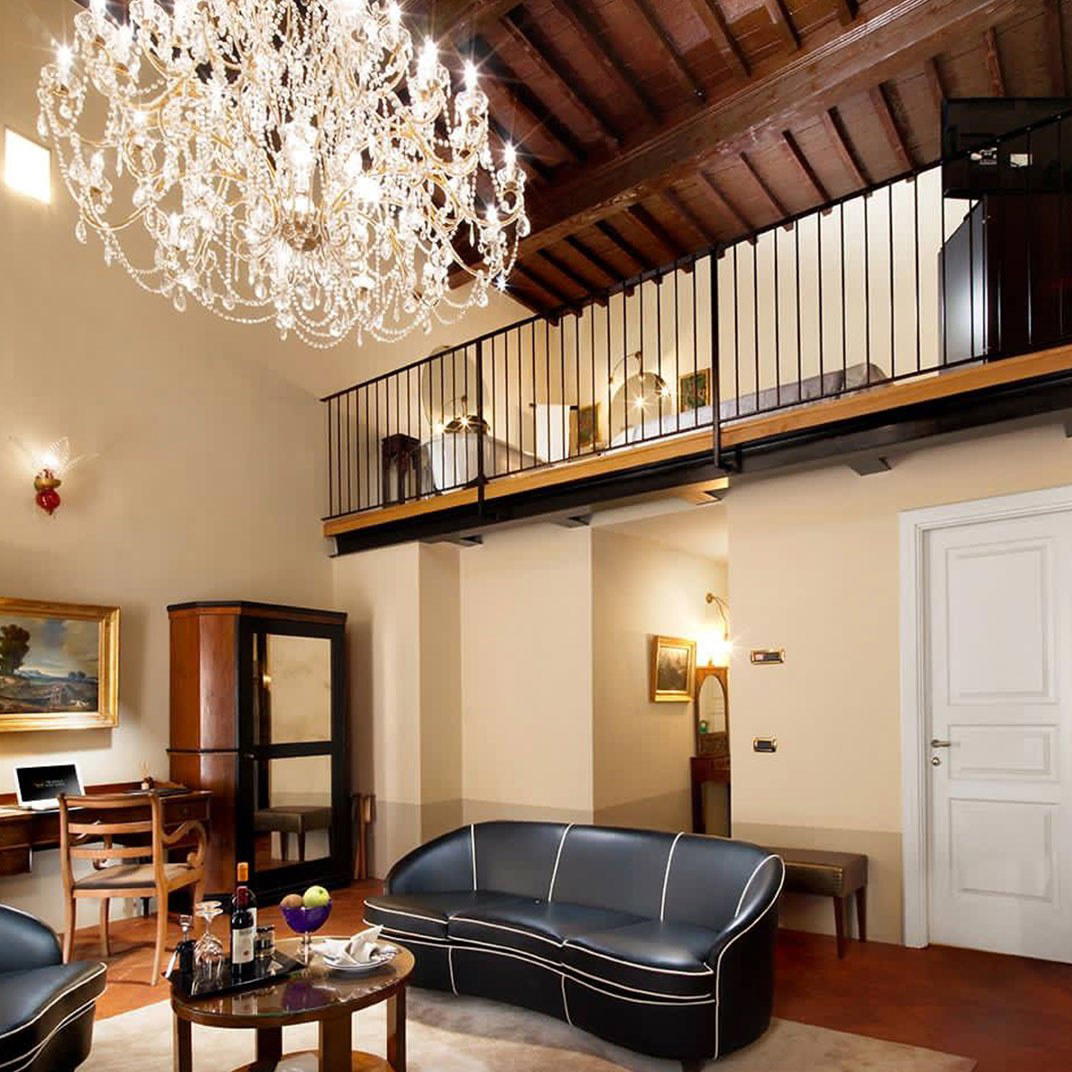
Bars in Arezzo
Browse all →
Restaurants in Arezzo
All restaurants in Arezzo →
Details
- Romantic
- Quiet
- Scenic
- Elegant
- Rustic
- Romantic Getaway
- Honeymoon
- Wellness Retreat
- Anniversary
- Infinity Pool
- Historic Building
- Panoramic View
- Garden
- Terrace
- Wi Fi
- Pool
- Restaurant
- Spa
- Concierge
- Room Service
- Garden
- Mountain
- Wheelchair Accessible
- Elevator
- Step Free Entrance
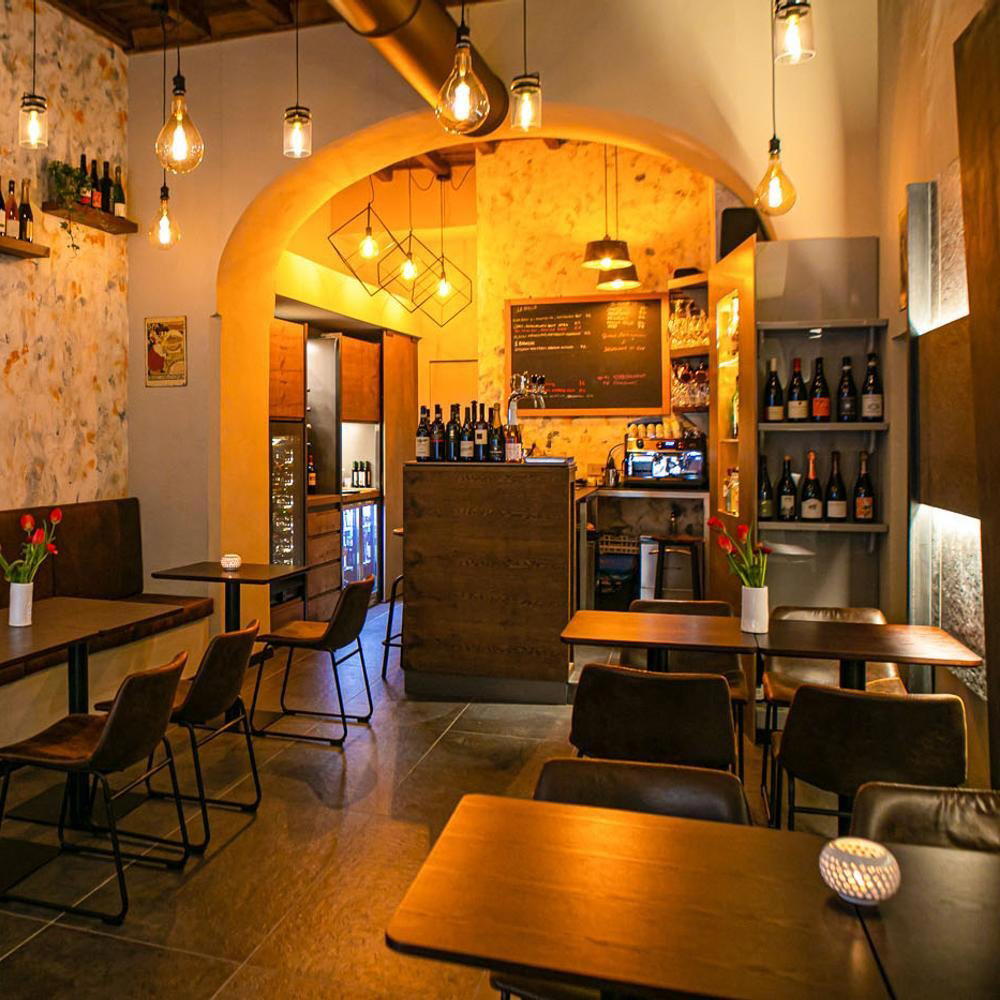
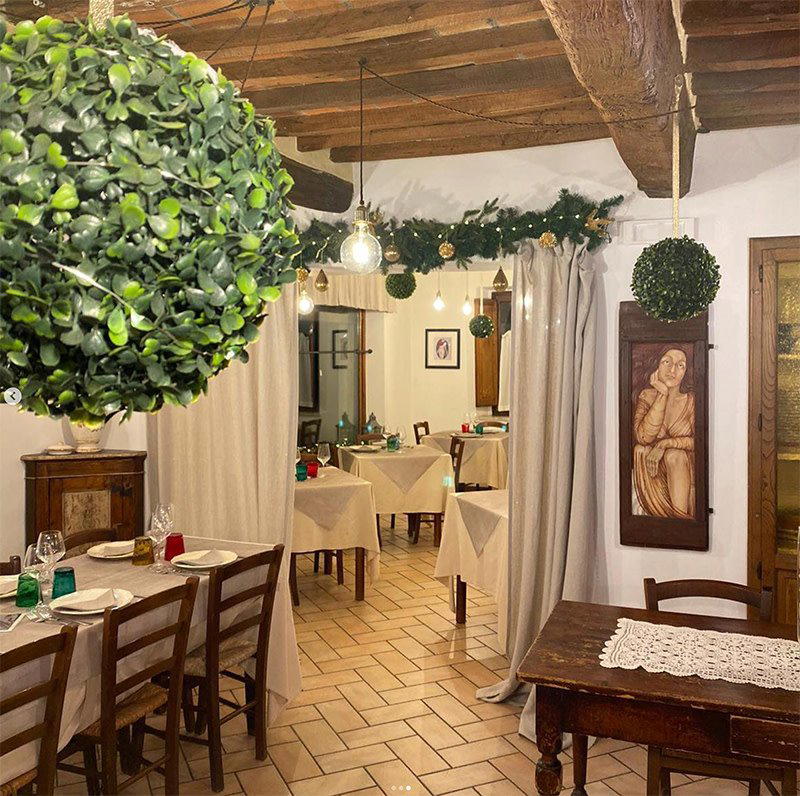
Serene and calming atmosphere with natural light, stone cloisters, timber beams, and a sense of quiet refinement amid lush gardens and rolling hills.