Castello Banfi - Il Borgo



1 Michelin Key · Relais Chateaux Award · Virtuoso Luxury Hotel Partner
A 14-room Relais & Chateaux property occupying the stone borgo adjoining a medieval castle in the southwest corner of the Brunello di Montalcino growing zone, Castello Banfi Il Borgo pairs a Michelin-starred restaurant and a working two-thousand-acre vineyard estate with rooms that read like well-preserved chapters of Tuscan agricultural history. Rates from USD 1,014 per night reflect its position in the upper tier of wine-country accommodation in central Italy.

Pearl is the En Primeur Club membership app — saves, bookings, and concierge access live there. Same editors, same standards.
- Address
- castello di, 53024 Poggio alle Mura SI
- Phone
- +39 0577 877700
- Website
- banfi.it
- Directions
- Get directions
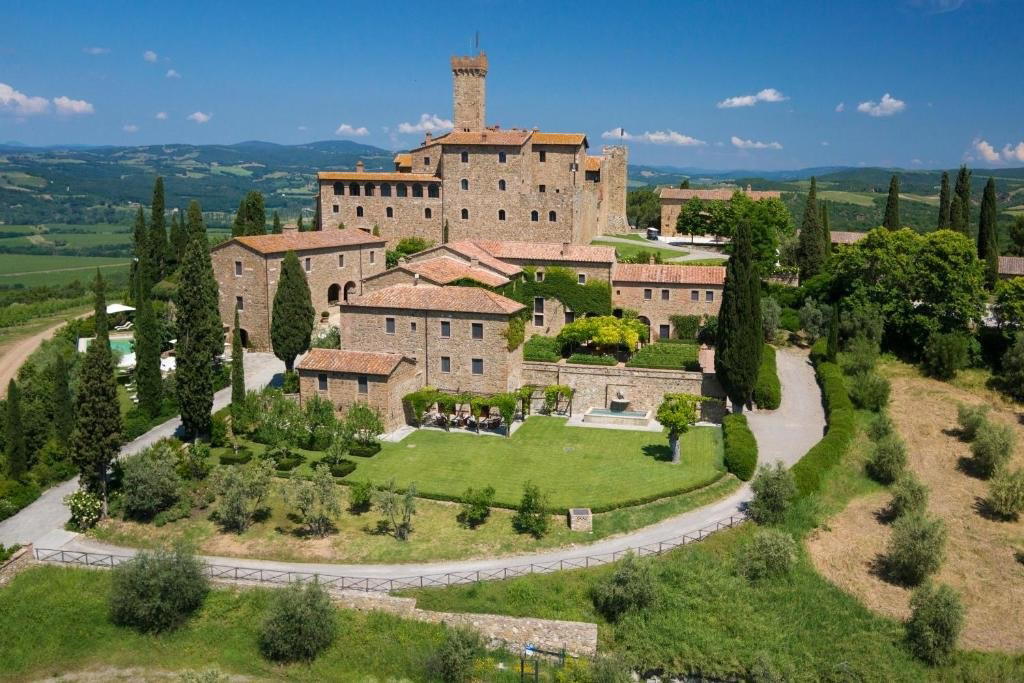
Stone, Vine, and the Architecture of a Working Estate
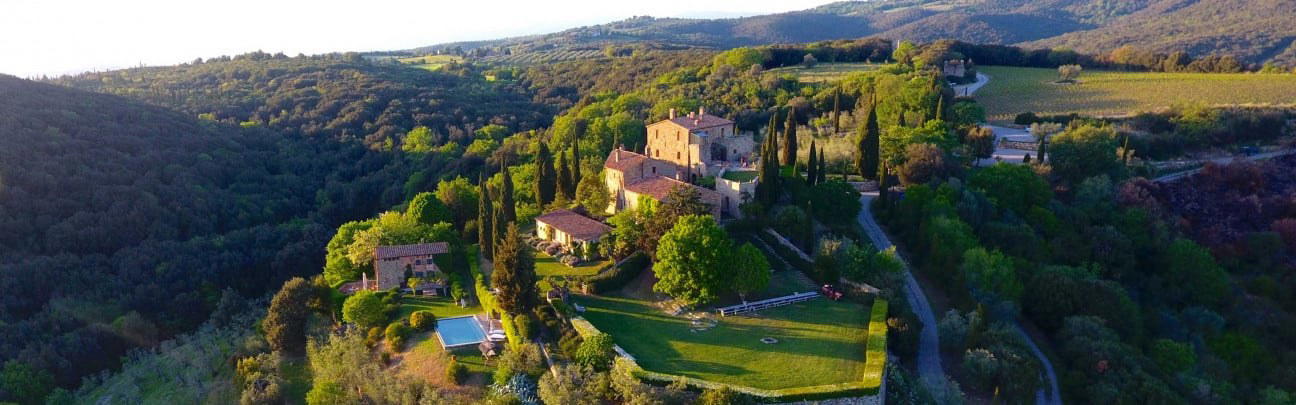
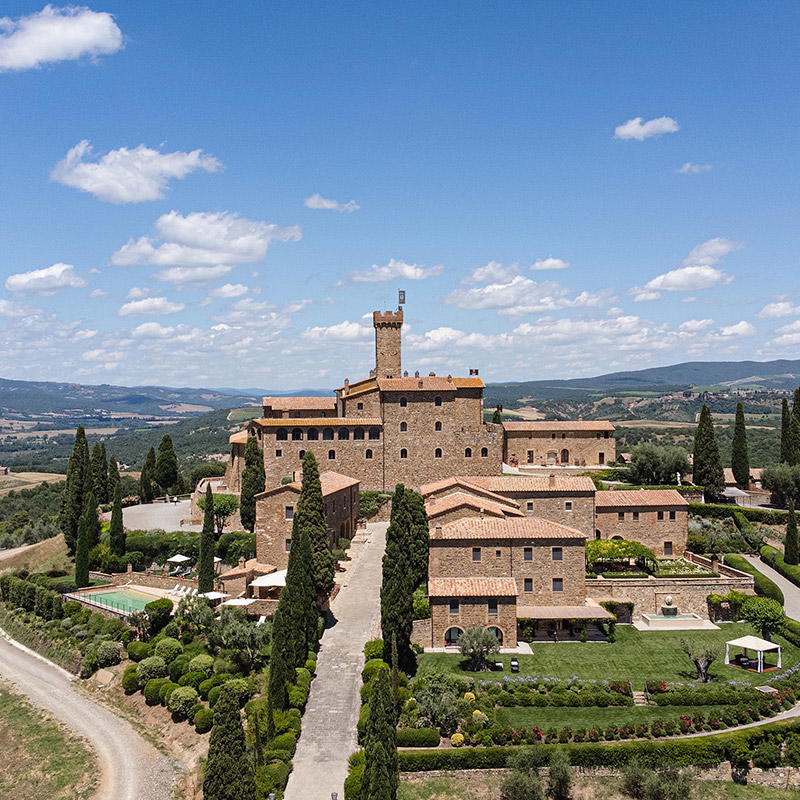
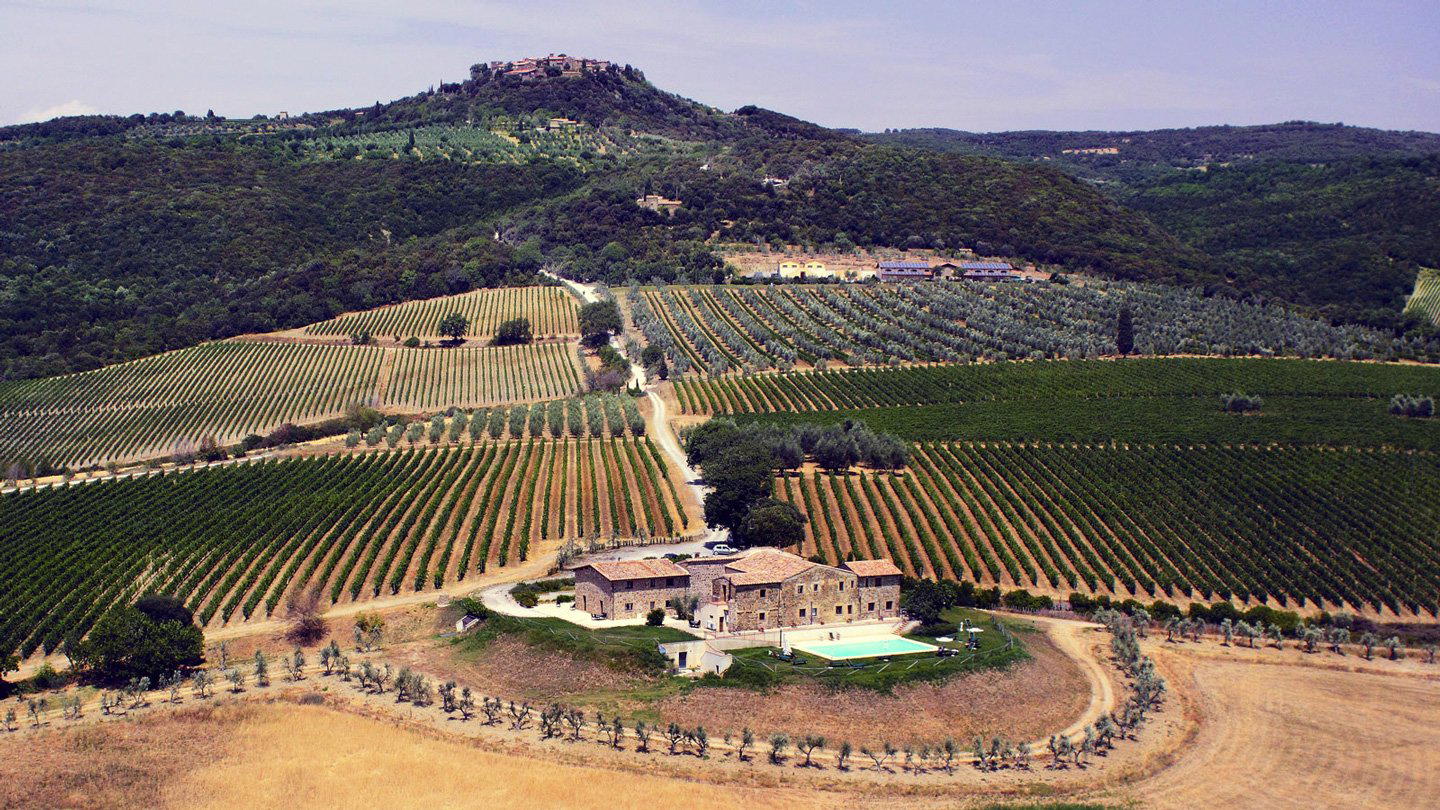
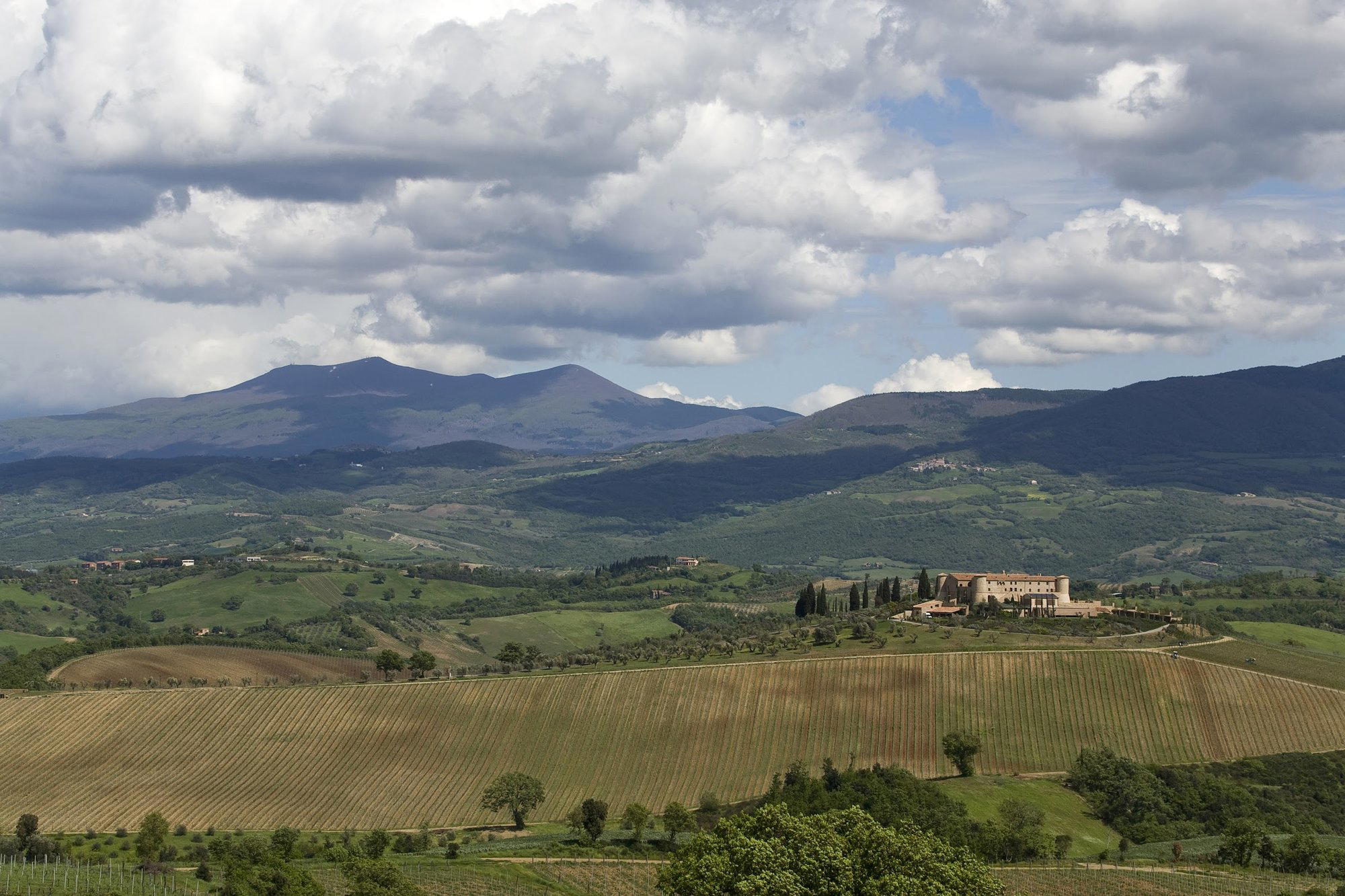
The approach to Poggio alle Mura tells you most of what you need to know before you arrive. The road climbs through nearly two thousand acres of Sangiovese vineyards that slope in careful terraces toward a medieval fortress sitting at roughly 300 metres above sea level. The castle is not decorative backdrop; it is the operational heart of one of the Brunello di Montalcino zone's largest estates, and the small cluster of stone buildings gathered around its base, the borgo proper, has been converted into the 14-room hotel. That sequence, working winery first, accommodation second, defines the physical and editorial logic of the place.
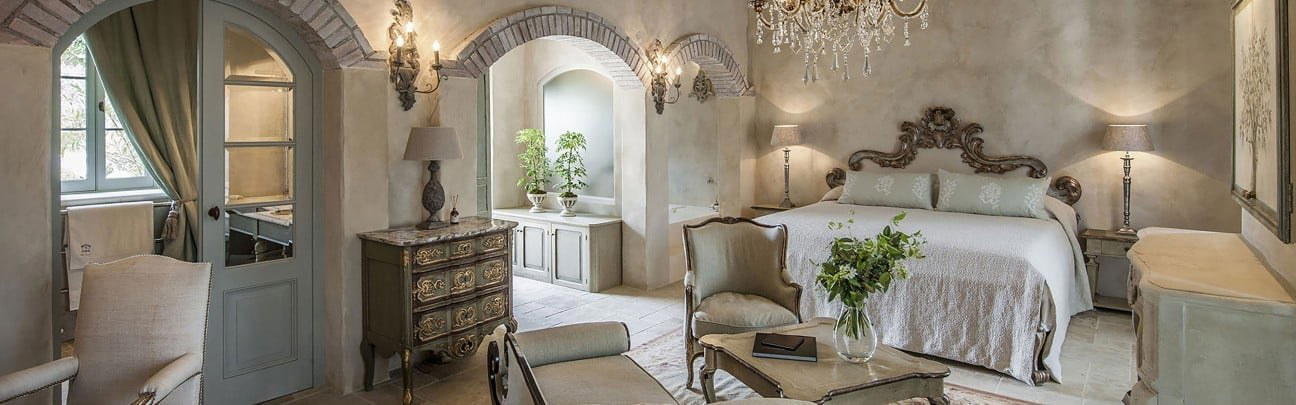
Architecturally, Il Borgo belongs to a category of Italian hospitality that has grown more defined over the past two decades: the adaptive reuse of genuine agricultural structures rather than the construction of properties designed to evoke agricultural nostalgia. The distinction matters. The exposed sandstone arches, vaulted ceilings, and heavy timber beams here are original fabric, not period pastiche. Restoration has been careful enough that modern amenities (rainfall showerheads, towel warmers, well-stocked minibars) operate without visually disrupting the material continuity of the buildings. The 13th-century wing of the castle, now housing a museum of glass with artifacts spanning ancient Rome to the present, makes the point plainly: this estate accrued its layers over centuries rather than commissioning them at once.
Fourteen Rooms Inside Tuscan History
At 14 keys, the property operates in the boutique tier of wine-country hotels in central Italy, a cohort that includes nearby properties such as Rosewood Castiglion Del Bosco and Villa le Prata. The low room count is not incidental: it reinforces the logic of a property where the primary experience is the estate itself, and where each guest can access winery tours, sommelier-led tastings, and cooking classes without the scheduling friction that comes with scale. For comparison, Castello di Velona Resort Thermal SPA & Winery offers a similar wine-estate premise in the same appellation, though with a different facility mix that includes thermal spa infrastructure.
Rooms vary in configuration and colour scheme across the borgo's several buildings, with individually designed interiors rather than a uniform brand palette. Each carries views over the surrounding countryside, vineyards, or orchards, and the variation between units is substantial enough that room selection carries real consequence. Rates begin at USD 1,014 per night, placing the property within the bracket of Relais & Chateaux members in Tuscany rather than the broader market of Siena-area agriturismi.
Dining: Two Formats, One Appellation
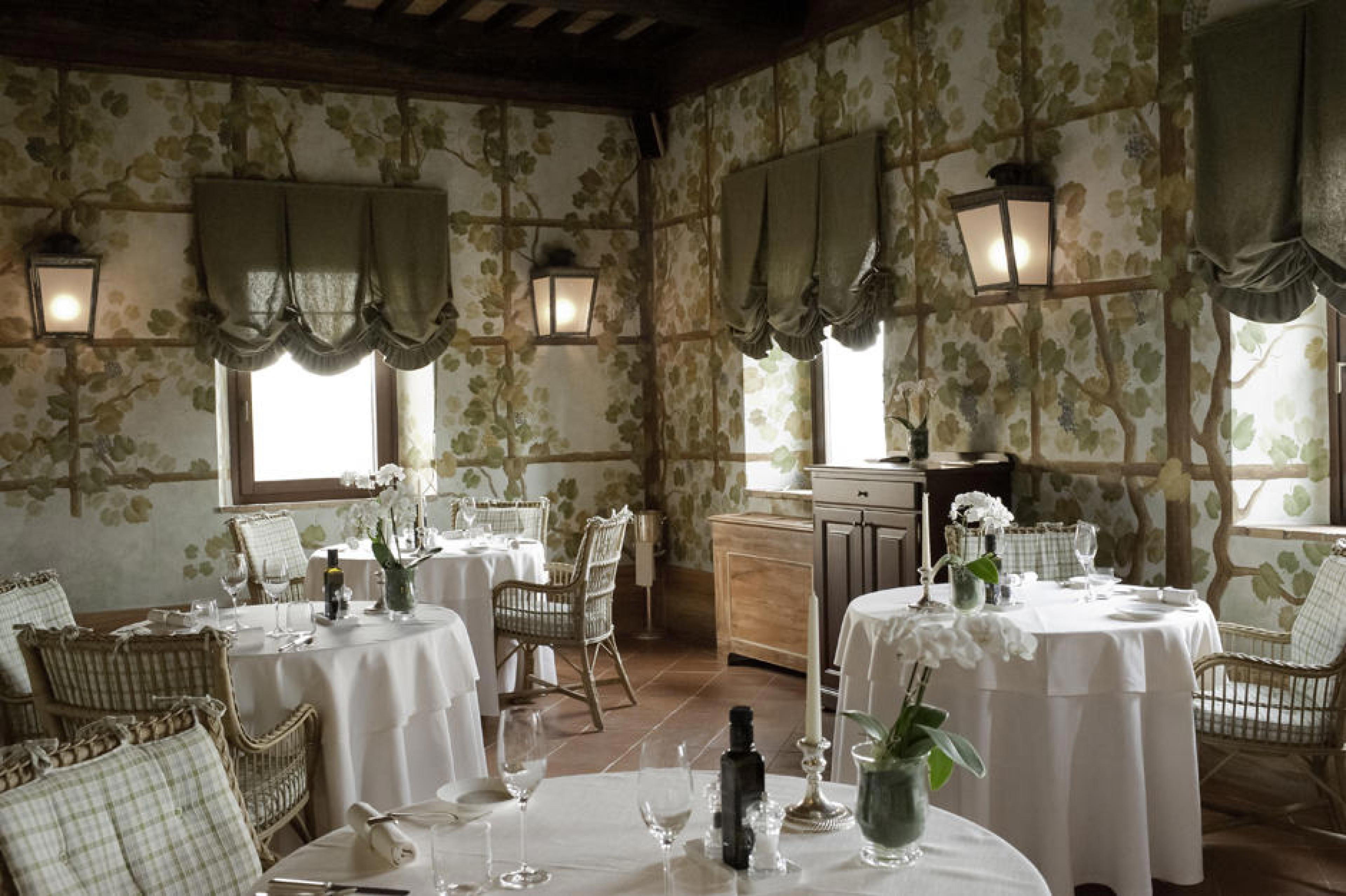
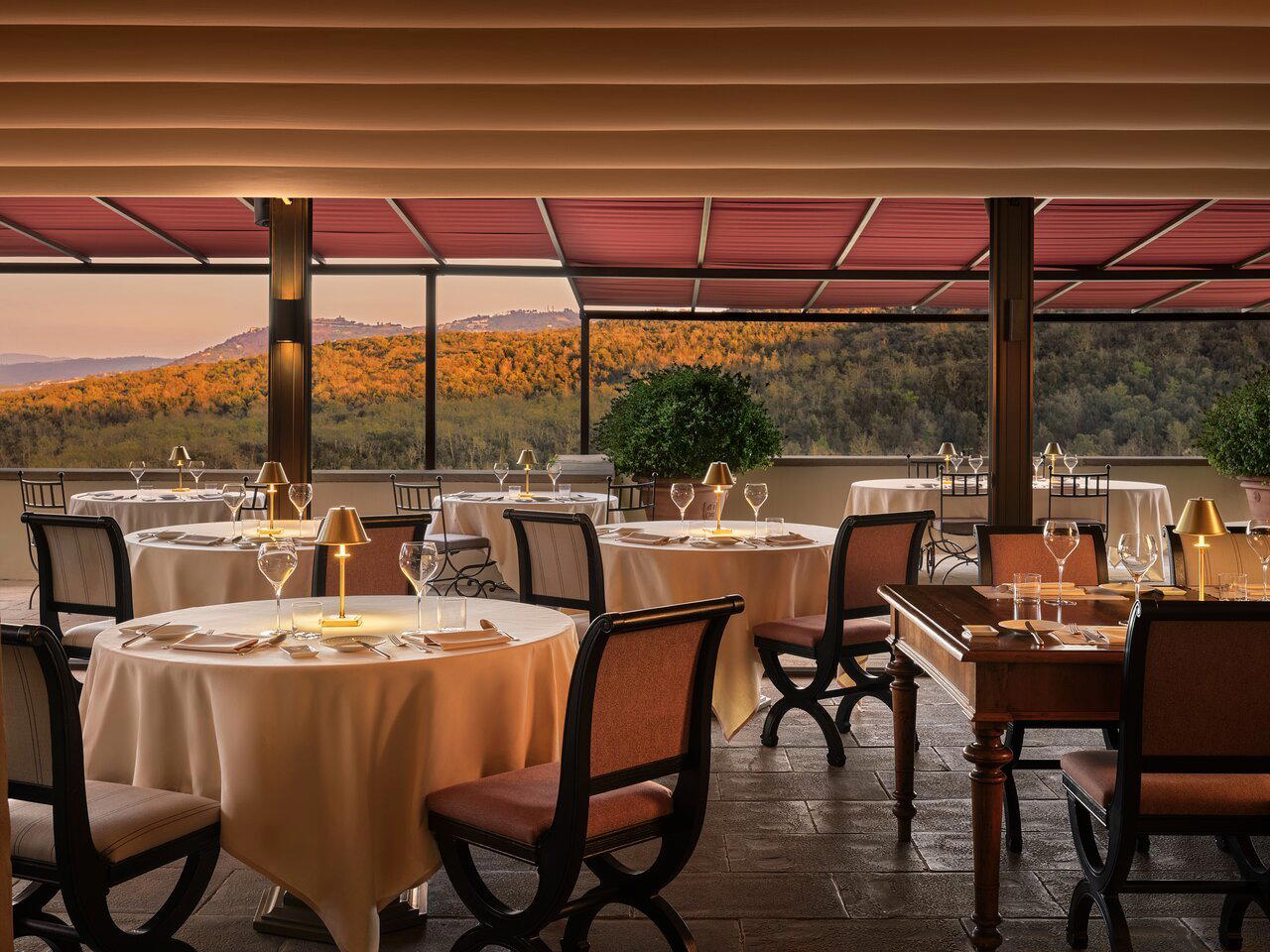
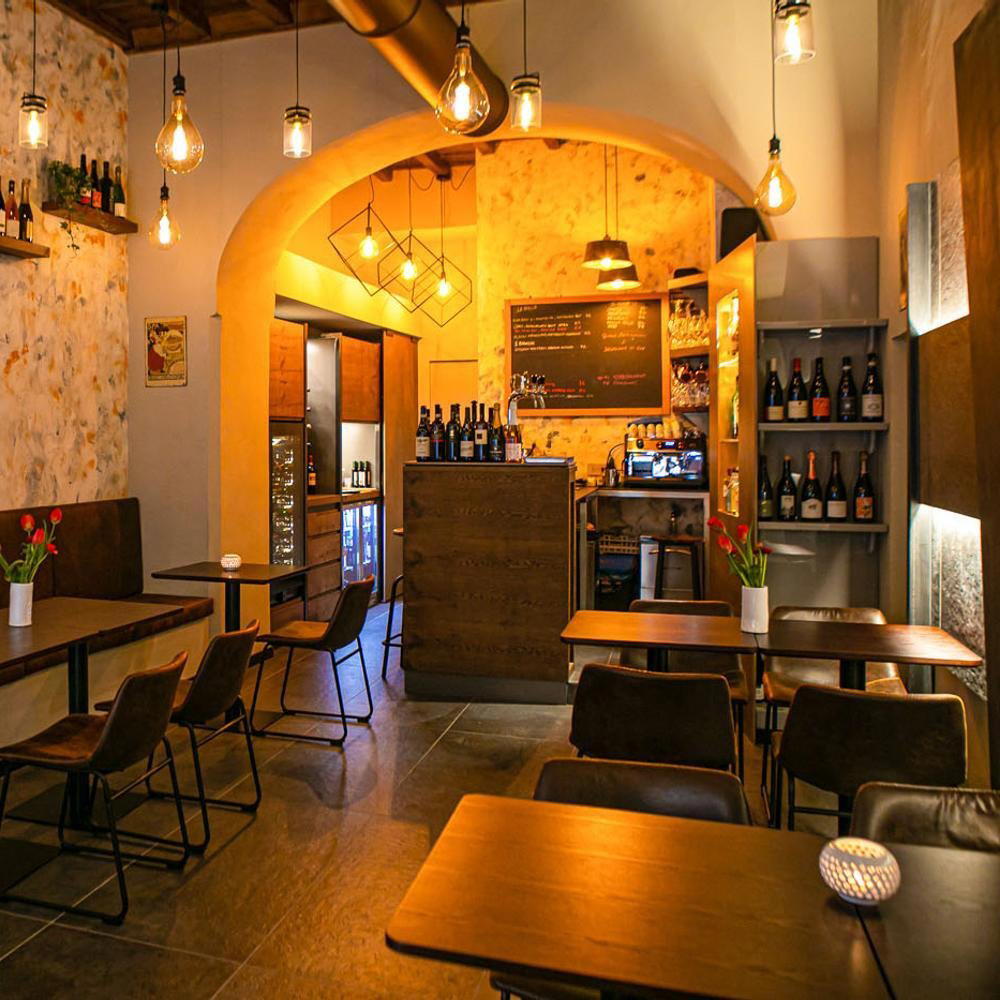
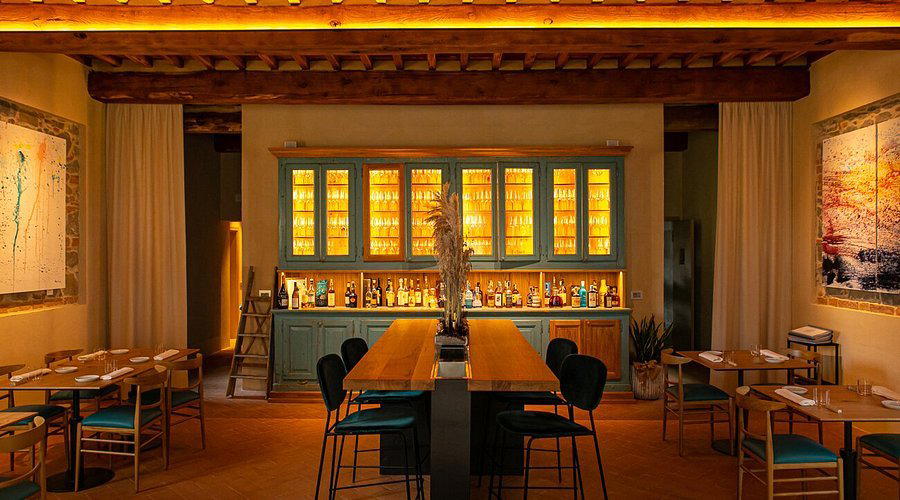
Tuscan wine-estate dining has polarised over the past decade. Properties increasingly maintain two registers simultaneously: an informal offer that grounds guests in local cooking tradition, and a formal offer that positions the estate within contemporary Italian fine dining. Castello Banfi Il Borgo runs both with structural clarity. Taverna Banfi operates from the former wine cellar for lunch, serving traditional Sienese and Tuscan preparations with contemporary execution. La Sala dei Grappoli carries a Michelin star and opens for dinner in an al fresco terrace setting, with seasonal menus that reflect the estate's agricultural calendar.
The Michelin recognition earned by La Sala dei Grappoli is the strongest independent validation of the dining programme's ambition. The proximity to the winery further shapes the food-and-wine pairing logic: the estate's Brunello di Montalcino and Rosso di Montalcino productions are not just available on the wine list but are physically visible through the restaurant's positioning on the estate.
The Working Vineyard as Primary Architecture
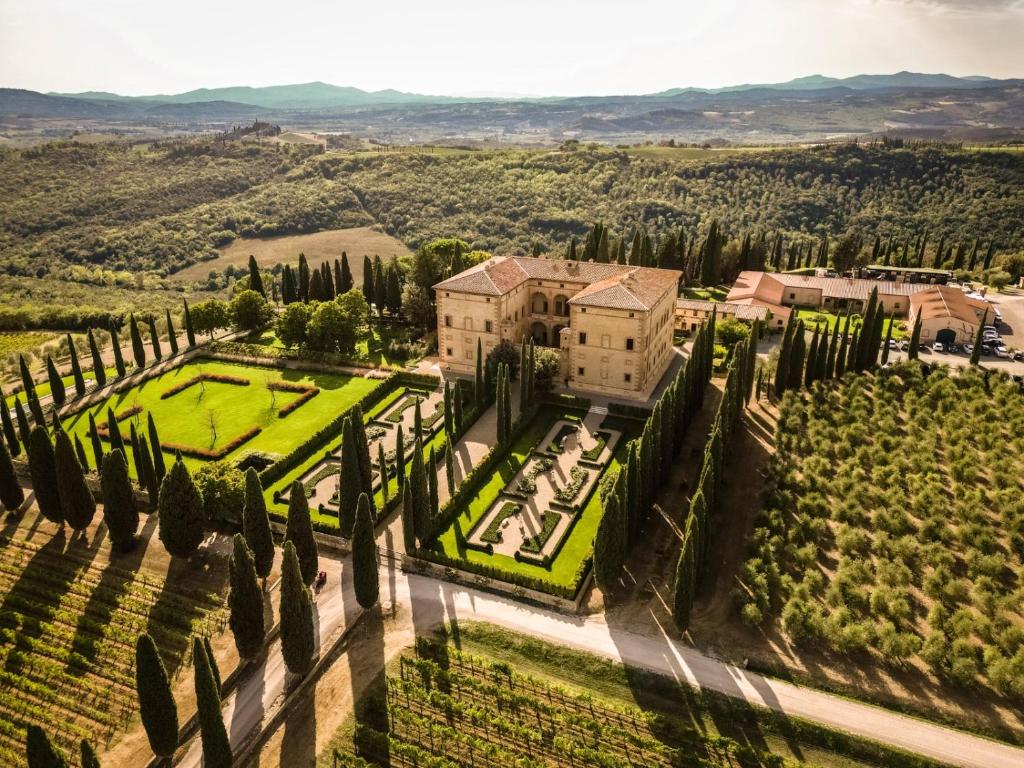
Where most luxury hotel estates treat their land as scenery, the Banfi estate inverts that relationship: the vineyard is the premise, and the hotel exists within it. Guests staying at Il Borgo receive a vineyard and winery tour with a sommelier, and access to the wine shop at a discount. The winery infrastructure, built around technical precision in place of interventionist chemistry, is open to inspection in a way that few working estates of this size make accessible to overnight guests. This transparency is architecturally unusual and editorially significant: it means the visit functions as access rather than atmosphere.
The estate sits in the southwest corner of the designated Brunello di Montalcino growing area, 16 kilometres west of the town of Montalcino and 70 kilometres south of Siena. That positioning means Brunello's expression here carries the mineral and climatic characteristics of the southwestern sub-zone, which tends to produce wines with slightly different structural profiles than those grown on the cooler northeastern slopes closer to the town. For guests arriving with serious wine interests, the geography of where you are sleeping on the estate has editorial content.
Beyond the winery, the outdoor heated swimming pool is laid directly into the hillside at the vineyard's edge, oriented to face the afternoon light across the valley. The practical result is that the pool functions as the most direct point of contact between the built property and the agricultural land, a vantage point that many properties approximate with terraces or balconies but rarely achieve at ground level.
Planning Your Stay
The property operates seasonally from March through November, which aligns the open period with Tuscany's primary vine-growing and harvest calendar and concentrates bookings across a compressed window. Florence's Peretola airport is approximately 130 kilometres away, making a drive of roughly ninety minutes to two hours the standard approach; Rome's Fiumicino adds another thirty minutes. GPS navigation should use Poggio alle Mura as the destination rather than a street address. The closest rail options, Grosseto on the coastal line and Chiusi-Chianciano Terme on the internal Rome-Florence route, both require approximately one hour by car from the estate, meaning private transfer is the practical default for most guests. The estate's concierge programme covers cooking lessons, horseback riding, hot air balloon experiences, cycling and hiking itineraries, and organised tours of nearby towns including Siena, Pienza, and Montepulciano.
Guests interested in comparing wine-estate stays across Italy's broader premium landscape might also consider Borgo San Felice Resort in Castelnuovo Berardenga in the Chianti Classico zone, or Castelfalfi in Montaione for a larger estate format further west. For city-based alternatives before or after a Montalcino stay, Four Seasons Hotel Firenze in Florence provides a distinct counterpoint, while Bulgari Hotel Roma in Rome suits those combining wine-country time with a Roman chapter. Further afield in Italy, Aman Venice, Passalacqua in Moltrasio, Il Pellicano in Porto Ercole, and Borgo Santandrea on the Amalfi Coast each represent distinct positions in Italian luxury hospitality. Those drawn to the castello-conversion format specifically may find useful comparison in Castello di Reschio in Lisciano Niccone, which carries a similar adaptive-reuse premise in Umbria. For a full picture of where Castello Banfi Il Borgo sits within the local dining and accommodation context, see our full Montalcino restaurants and hotels guide.
International comparisons for guests who travel across the broader Relais & Chateaux and estate-hotel category include Casa Maria Luigia in Modena and Borgo Egnazia in Savelletri di Fasano in Puglia. Outside Italy, Amangiri in Canyon Point and Aman New York represent the Aman network's approach to similar principles of landscape-integrated luxury, while The Fifth Avenue Hotel in New York City and Portrait Milano in Milan offer urban counterpoints for readers building multi-stop itineraries.
Comparable Venues
Comparable venues nearby, for context on price, style, and recognition.
| Venue | Cuisine | Price | Awards | Notes |
|---|---|---|---|---|
| Castello Banfi - Il BorgoThis venue — the venue you are viewing | Historic Tuscan borgo restored into a luxurious boutique retreat | $1,000–1,500 | 1 Michelin Key · Relais Chateaux Award | Not listed |
| Villa le Prata | Historic 1862 villa reimagined as a luxury winery retreat with contemporary comfort and rustic Tuscan charm. | $300–500 | 1 Michelin Key | Montalcino |
| Castello di Velona Resort Thermal SPA & Winery | Historic Tuscan castle estate reimagined as a luxury wellness resort, blending medieval architecture with contemporary comfort and natural thermal amenities. | Not listed | Virtuoso Luxury Hotel Partner · Preferred Hotels L.V.X. Collection | Montalcino |
| Rosewood Castiglion Del Bosco | Hotel | $1,000–1,500 | 3 Michelin Keys · World's 50 Best #62 | Montalcino |
| Castiglion del Bosco, A Rosewood Hotel | Restored 800-year-old Tuscan borgo and farmhouses harmoniously integrated with the UNESCO Val d'Orcia landscape. | $1,000–1,500 | 3 Michelin Keys · World's 50 Best #62 | Montalcino |
| L’Andana | Restored Tuscan estate with historic buildings and expansive grounds | Not listed | Michelin 1 Key | Castiglione della Pescaia |
Recognition history
Dated appearances from independent guides and award organizations, with the underlying list record or original source where available.
Michelin 1 Key
Michelin
Relais Chateaux Award
Relais Chateaux
Virtuoso Luxury Hotel Partner
Virtuoso
Full recognition history (6 entries)
Michelin 1 Key
Michelin
Relais Chateaux Award
Relais Chateaux
Michelin 1 Key
Michelin
Continue exploring
More in Montalcino
Hotels in Montalcino
Browse all →
Bars in Montalcino
Browse all →
Restaurants in Montalcino
Browse all →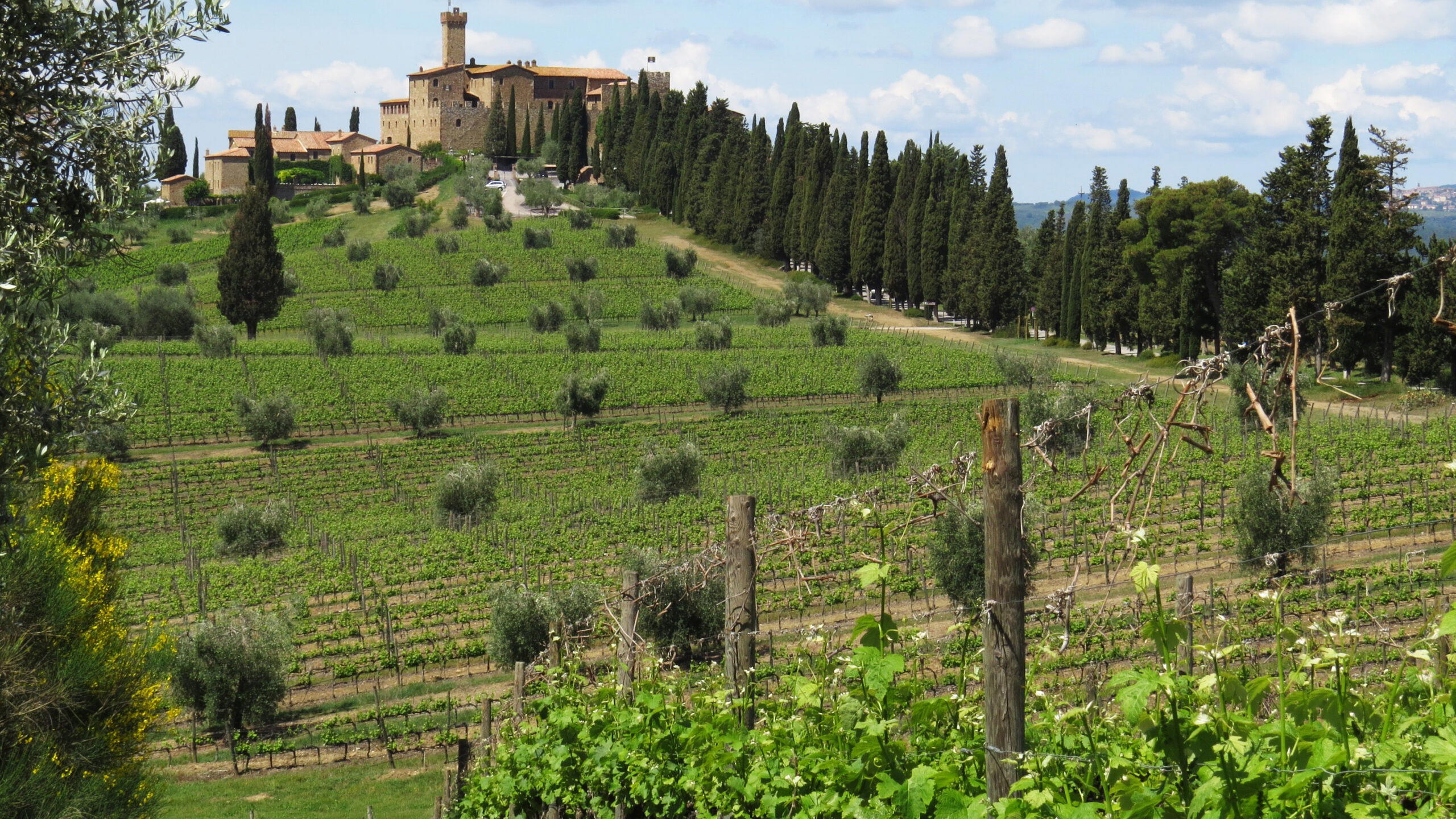
Details
- Romantic
- Elegant
- Rustic
- Scenic
- Sophisticated
- Cozy
- Honeymoon
- Romantic Getaway
- Anniversary
- Weekend Escape
- Historic Building
- Panoramic View
- Terrace
- Wi Fi
- Pool
- Spa
- Fitness Center
- Room Service
- Concierge
- Restaurant
- Vineyard
- Mountain
- Garden
- Wheelchair Accessible
- Step Free Entrance
- Accessible Parking
Romantic and peaceful Tuscan atmosphere with dramatic vineyard vistas, warm lighting in stone-walled rooms, and an air of elegant rusticity praised for its quiet, captivating serenity.