Castello di Tornano


Falstaff Winery - Listed
A five-star castle property in the Gaiole in Chianti hills, Castello di Garga belongs to the Great Hotels of the World collection and holds 47 rooms across medieval fortified architecture. It operates at the quieter, estate-scale end of Chianti luxury, where the physical fabric of the building does as much editorial work as any amenity list.

Pearl is the En Primeur Club membership app — saves, bookings, and concierge access live there. Same editors, same standards.
- Address
- Tornano, 53013 Loc. Tornano, SI, Italy
- Directions
- Get directions
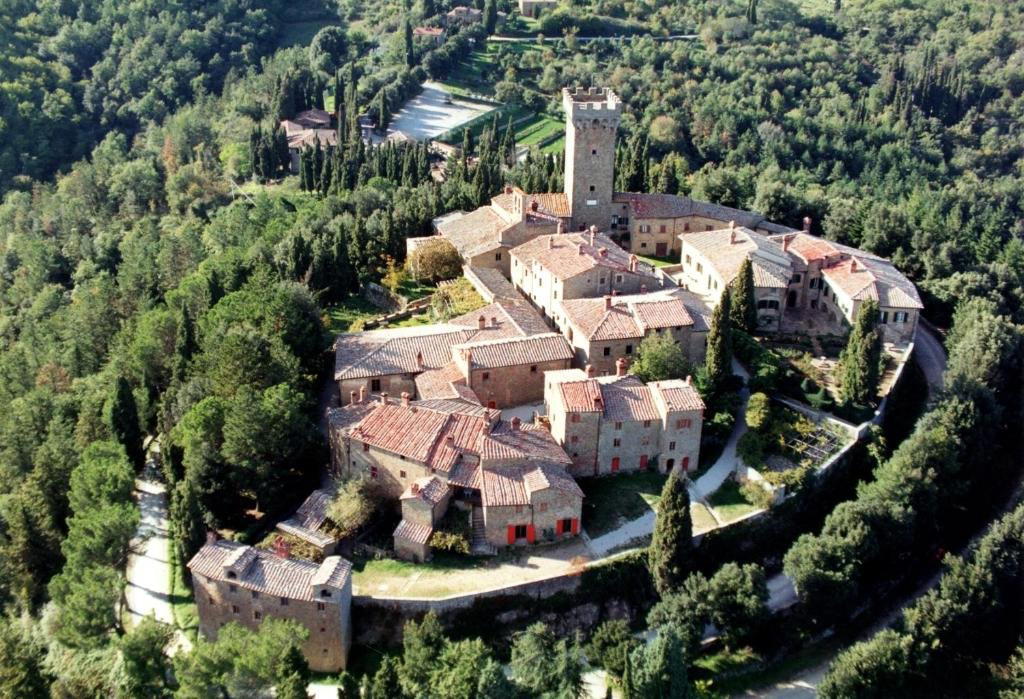
Stone, Silence, and the Architecture of Arrival
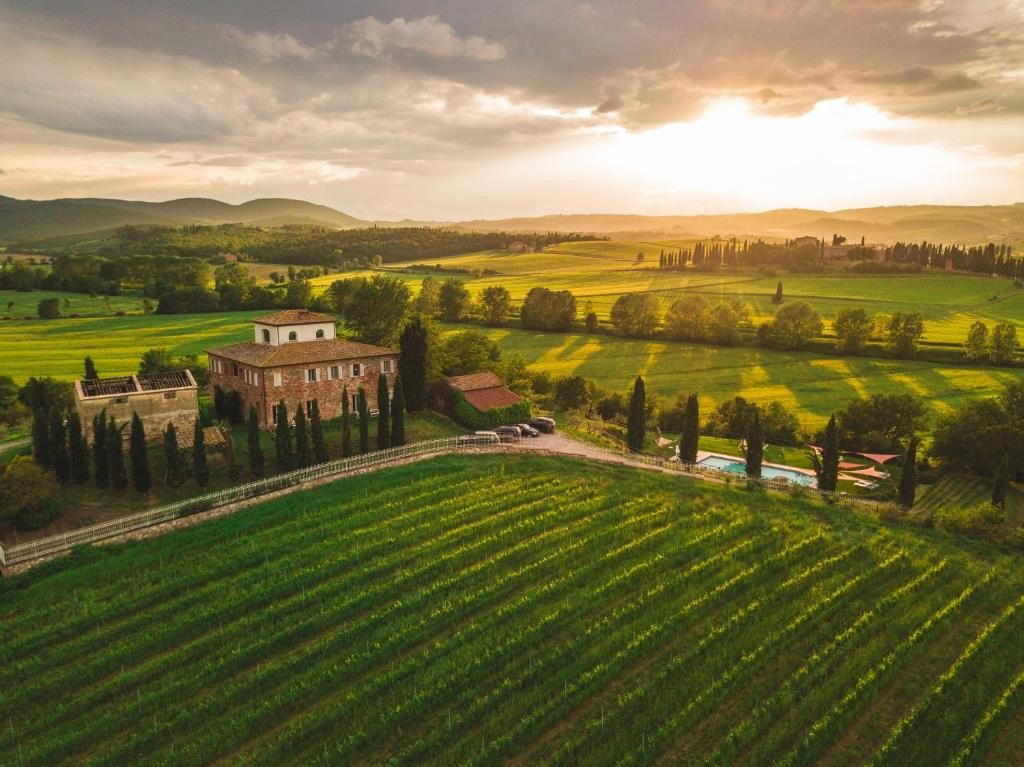
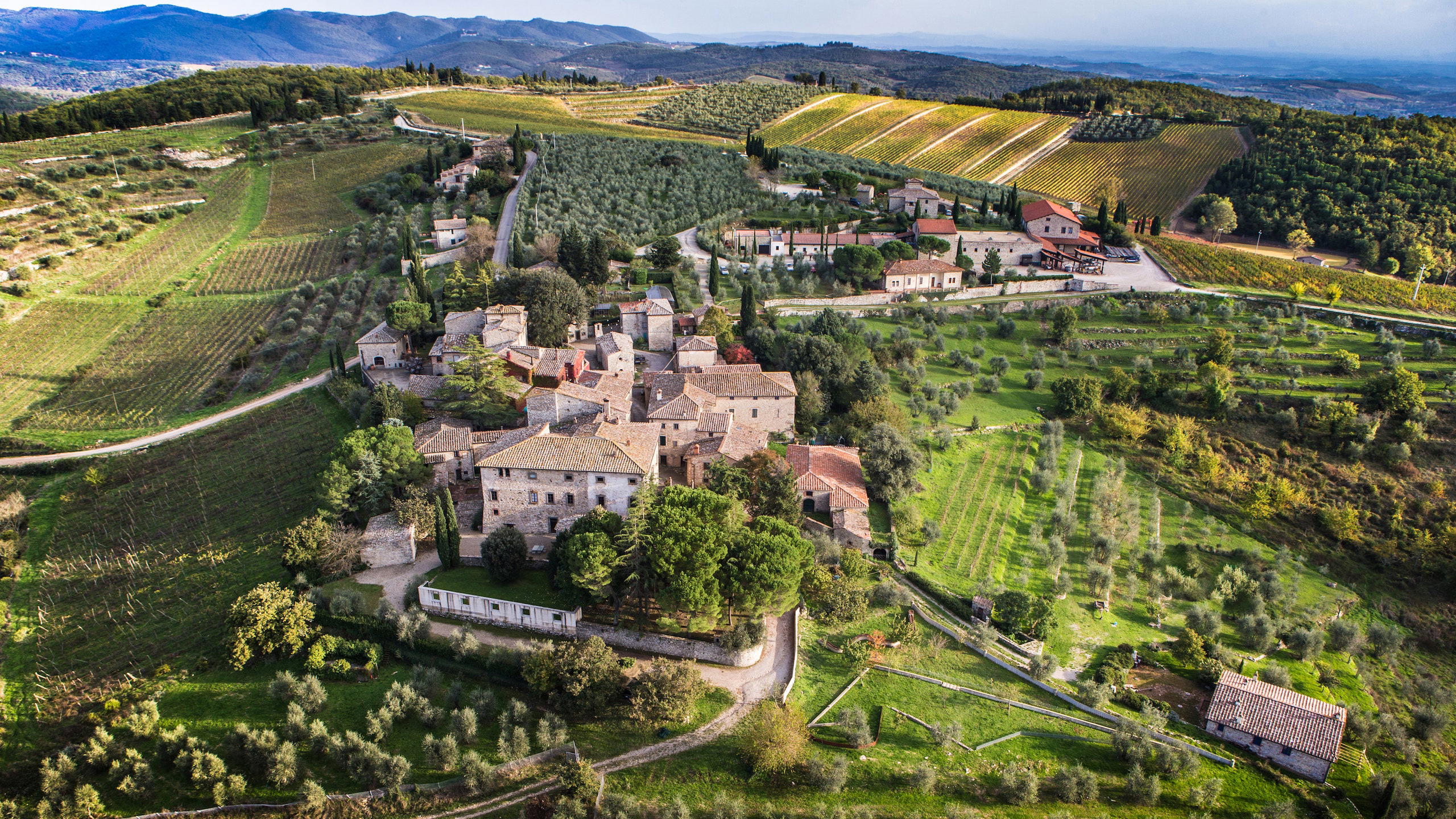
The approach to a Chianti castle property tells you most of what you need to know before you ever reach the door. The cypress-lined roads that wind through the hills around Gaiole in Chianti are not incidental scenery; they are a deliberate decompression, a geographic argument that the destination you are heading toward operates on different terms than the city you left behind. Castello di Garga, set at Loc. Tornano in the Gaiole hills, arrives at the end of exactly that kind of road. The stone walls, the refined position, the material weight of centuries of Sienese architecture: these are not decorative choices. They are the product of a building tradition that predates hospitality as a concept entirely.
Chianti's castle conversions occupy a specific and well-established tier in Italian luxury accommodation. The region has been producing wine under fortified rooftops since the medieval period, and the conversion of these structures into high-end hotels represents a decades-long negotiation between preservation requirements and guest comfort. Castello di Garga holds 47 rooms within that framework, a scale that places it in the mid-to-large range for the category. That room count matters because it separates properties that can absorb event and conference demand from those that maintain an almost private character. At 47 keys, with six meeting rooms and a theatre capacity of 120, Garga operates across both registers.
What the Great Hotels of the World Designation Signals
Collection membership in hospitality is a shorthand for peer positioning. Castello di Garga carries the Great Hotels of the World designation, a collection that groups five-star independent and soft-brand properties by quality threshold rather than corporate ownership. In Tuscany, that designation places Garga in company with other castle and estate properties that have chosen to remain outside the Relais & Châteaux or Leading Hotels of the World frameworks, or to operate in parallel with them. The signal to the traveller is consistency of physical standard and service expectation, even where the property retains strong individual character.
The five-star classification, combined with the castle format, positions Castello di Garga against a specific competitive set in the Chianti corridor. Castello di Spaltenna sits within the same municipality and shares the fortified-architecture typology. Further afield in the Chianti zone, Borgo San Felice Resort in Castelnuovo Berardenga represents the borgo conversion model, where a cluster of village buildings rather than a single fortified structure becomes the hotel. Castelfalfi in Montaione takes yet another approach, with a full estate format that incorporates golf and extensive land. Castello di Garga occupies the more concentrated end of that spectrum: contained, architecturally coherent, and built around the singular logic of the castle itself.
Reading the Architecture as a Planning Tool
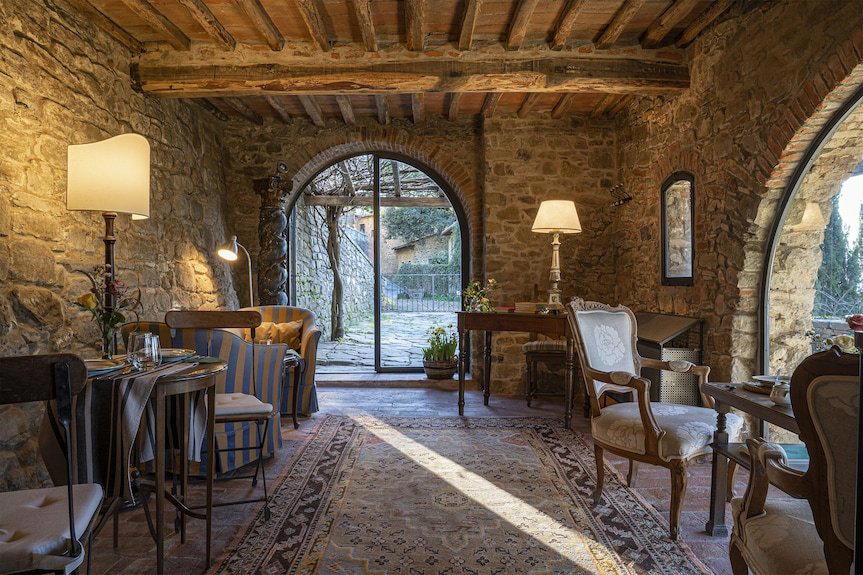
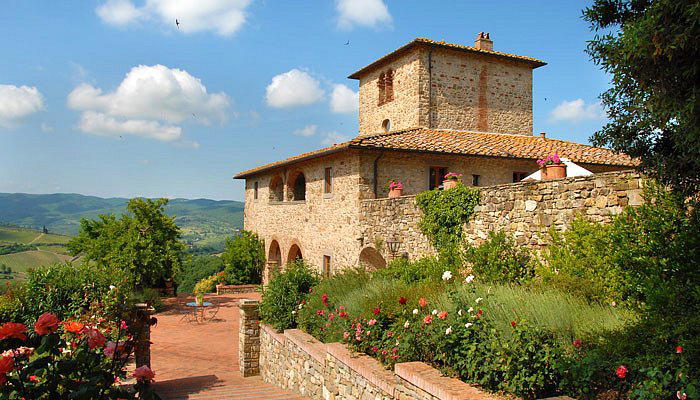
For travellers accustomed to purpose-built luxury hotels, castle conversions require a different mental model. Rooms vary in proportion, ceiling height, light exposure, and acoustic character in ways that the uniform floors of a modern hotel do not. This is not a flaw; it is the condition of working within historic fabric. At 47 rooms, Castello di Garga has enough inventory that room category selection matters more than at a smaller property with six or eight keys. The architecture of a castle also tends to distribute views and outdoor access unevenly: some rooms face the inner courtyard, some face the surrounding landscape, and tower rooms typically offer refined sightlines at the cost of more restricted footprints.
The conference capacity of 120 in a theatre layout is a useful indicator of the property's largest event-ready space. It suggests that the castle's principal hall or loggia has been configured to accommodate structured gatherings without fundamental alteration to the building's character. For travellers considering Garga outside of peak summer months, this conference orientation means the property maintains staffing and operational infrastructure even in shoulder season, which is relevant for late-autumn or early-spring visits when Chianti is at its most atmospheric and its most quiet.
Gaiole in Chianti and the Surrounding Context
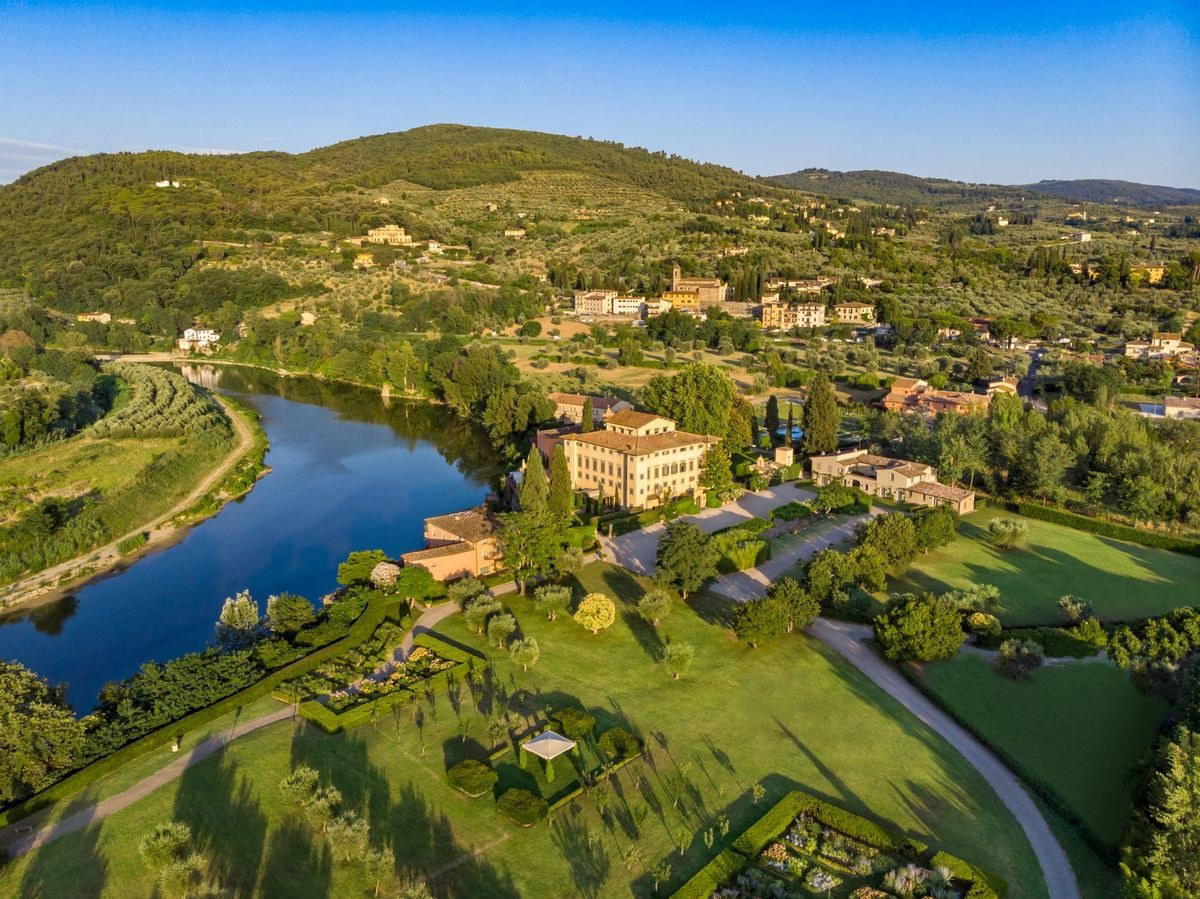
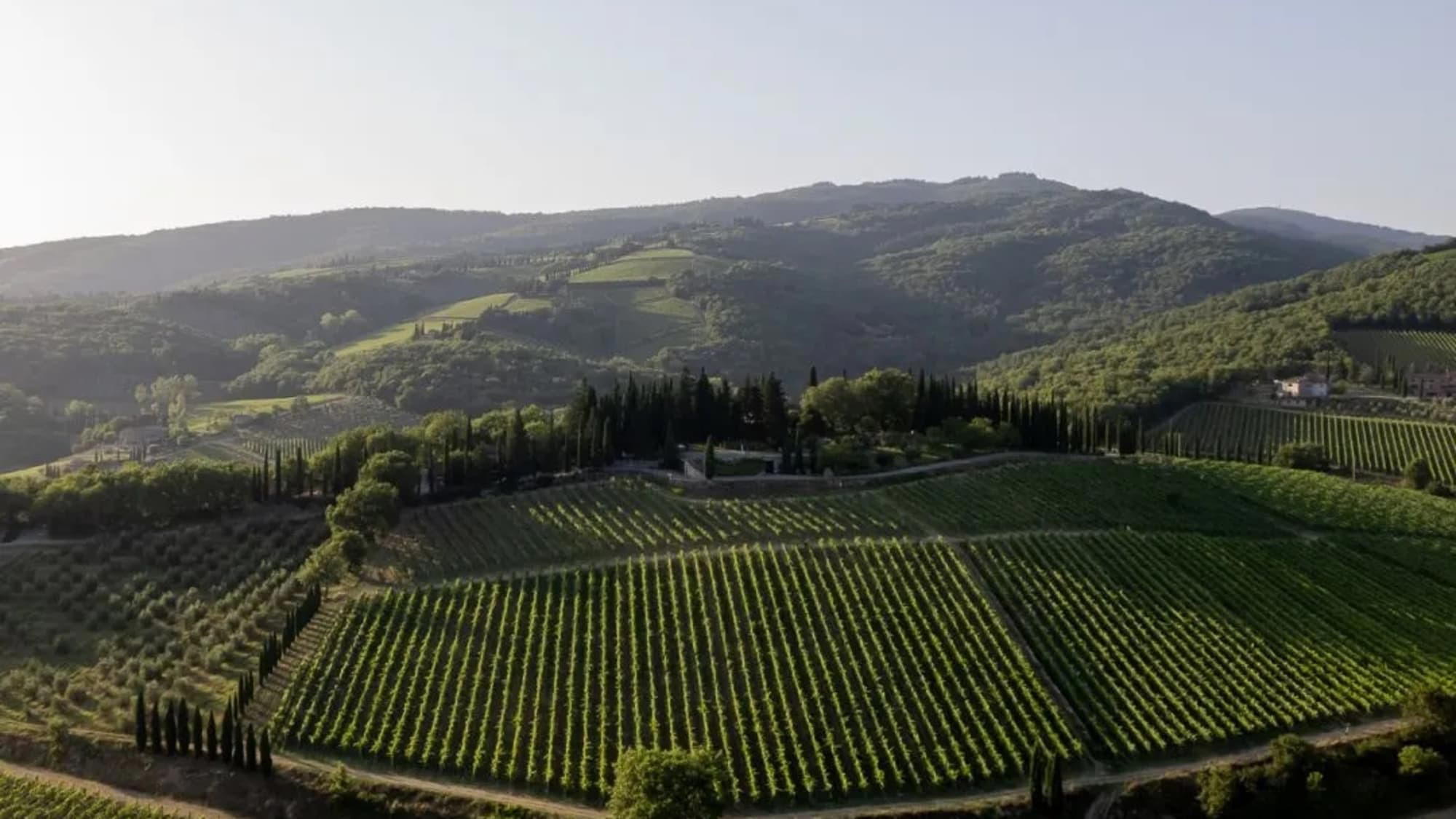
Gaiole sits in the southeastern reach of the Chianti Classico zone, where the hills are denser and the wine estates tend toward the serious end of the production spectrum. The town itself is small; the draw is the surrounding agricultural landscape and the concentration of medieval fortifications in this part of Siena province. Travellers who use Gaiole as a base are typically oriented toward the vineyards, the cycling routes through the Eroica country, and the kind of quiet that has become genuinely difficult to find in Tuscany's more trafficked areas.
For a broader sweep of Italian luxury estate properties, the reference points spread across multiple regions. Castello di Reschio in Lisciano Niccone represents the Umbrian castle conversion at its most architecturally considered. Rosewood Castiglion Del Bosco in Montalcino brings international brand infrastructure to the Brunello heartland, a different proposition from a collection-affiliated independent. Four Seasons Hotel Firenze in Florence anchors the urban end of Tuscan luxury, where the palazzo format substitutes for the castle. Each of these represents a different version of the historic-structure-as-hotel argument, and Castello di Garga makes its case from within the Chianti hills specifically, where the wine, the architecture, and the landscape form a single, coherent proposition.
Travellers considering Italy's broader five-star castle and estate spectrum will find useful comparisons in properties such as Castel Fragsburg in Merano in the Alto Adige, where the mountain castle format operates under entirely different climatic and cultural conditions. At the other end of the Italian luxury register, Aman Venice and Bulgari Hotel Roma represent the urban palazzo tier, where the historic structure is channelled through global brand programming rather than regional estate identity. Passalacqua in Moltrasio on Lake Como offers a useful Lake District counterpoint for travellers building a multi-property Italy itinerary.
For coast-oriented alternatives within the Italian five-star estate category, Borgo Santandrea on the Amalfi Coast, Il San Pietro di Positano, Il Pellicano in Porto Ercole, and Bellevue Syrene 1820 in Sorrento each represent the sea-facing estate model that sits in an entirely different atmospheric register from the landlocked Chianti hills. See our full Gaiole in Chianti guide for further context on the area's dining and hospitality options.
Planning Your Stay
The Gaiole area is most accessible by car; the winding hill roads that define the character of the approach also make independent transport the practical default for most guests. Peak season runs from late May through September, when the Chianti countryside draws the highest volume of visitors and room availability at five-star castle properties across the zone tightens considerably. The shoulder months of April, October, and early November offer both more availability and a version of the landscape that most summer visitors do not see: harvest in October, the first cold and fog of autumn, the vineyards stripped of leaves and the hills in their most unadorned form.
For travellers building a Chianti-anchored itinerary with multiple property types, the logical extension runs north toward Florence for city contrast, south toward Montalcino for the Brunello wine country, and east toward the Valdichiana for a different agricultural register entirely. Casa Maria Luigia in Modena, Portrait Milano, JK Place Capri, Borgo Egnazia in Savelletri di Fasano, and Corte della Maestà in Civita di Bagnoregio each represent distinct Italian property formats for travellers assembling a longer country circuit. Further afield, Forestis Dolomites in Plose and EALA My Lakeside Dream in Limone sul Garda extend the Italian luxury estate conversation into mountain and lake territory respectively.
A Quick Peer Check
Comparable venues nearby, for context on price, style, and recognition.
| Venue | Cuisine | Price | Awards | Notes |
|---|---|---|---|---|
| Castello di GargaThis venue — the venue you are viewing | Historic castle farm stay blending medieval authenticity with contemporary luxury. | Not listed | Falstaff Winery - Listed | Not listed |
| Castello di Spaltenna | Historic luxury castle resort blending medieval architecture with contemporary wellness amenities in the heart of Chianti wine country. | $300–500 | Michelin Selected · Small Luxury Hotels of the World Member | Gaiole in Chianti |
| Masseria Narducci | Traditional Apulian masseria agriturismo | $100–200 | Michelin Selected | Speziale di Fasano |
| 25hours Hotel Piazza San Paolino | Lifestyle hotel rooted in local culture with expansive common areas including cinema and garden sauna. | $100–200 | Michelin Selected | San Frediano |
| The Hoxton, Florence | Renaissance palazzo meets postmodern architecture | Not listed | Michelin Selected · Esquire Best New Hotels | Piazza della Libertà |
| Residenza B | Boutique affittacamere in historic palazzo | Not listed | Michelin Selected | Trevi |
Recognition history
Dated appearances from independent guides and award organizations, with the underlying list record or original source where available.
Falstaff Winery - Listed
Falstaff
Great Hotels of the World GHOTW Collection Member
Great Hotels of the World
Continue exploring
More in Gaiole in Chianti
Hotels in Gaiole in Chianti
Browse all →
Bars in Gaiole in Chianti
Browse all →
Restaurants in Gaiole in Chianti
Browse all →
Details
- Romantic
- Rustic
- Scenic
- Elegant
- Intimate
- Romantic Getaway
- Honeymoon
- Anniversary
- Weekend Escape
- Historic Building
- Panoramic View
- Garden
- Terrace
- Private Dining
- Wi Fi
- Pool
- Tennis Court
- Restaurant
- Room Service
- Vineyard
- Garden
- Mountain
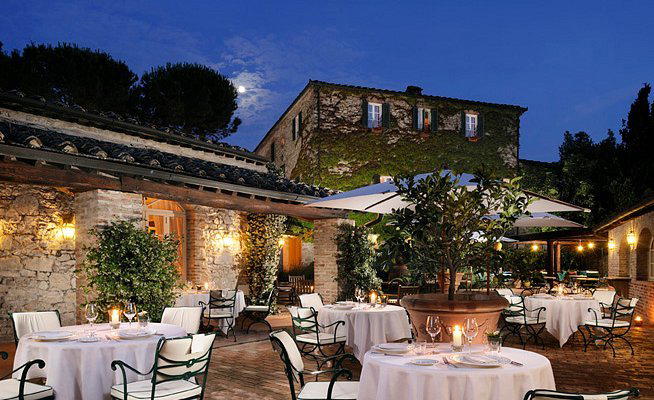
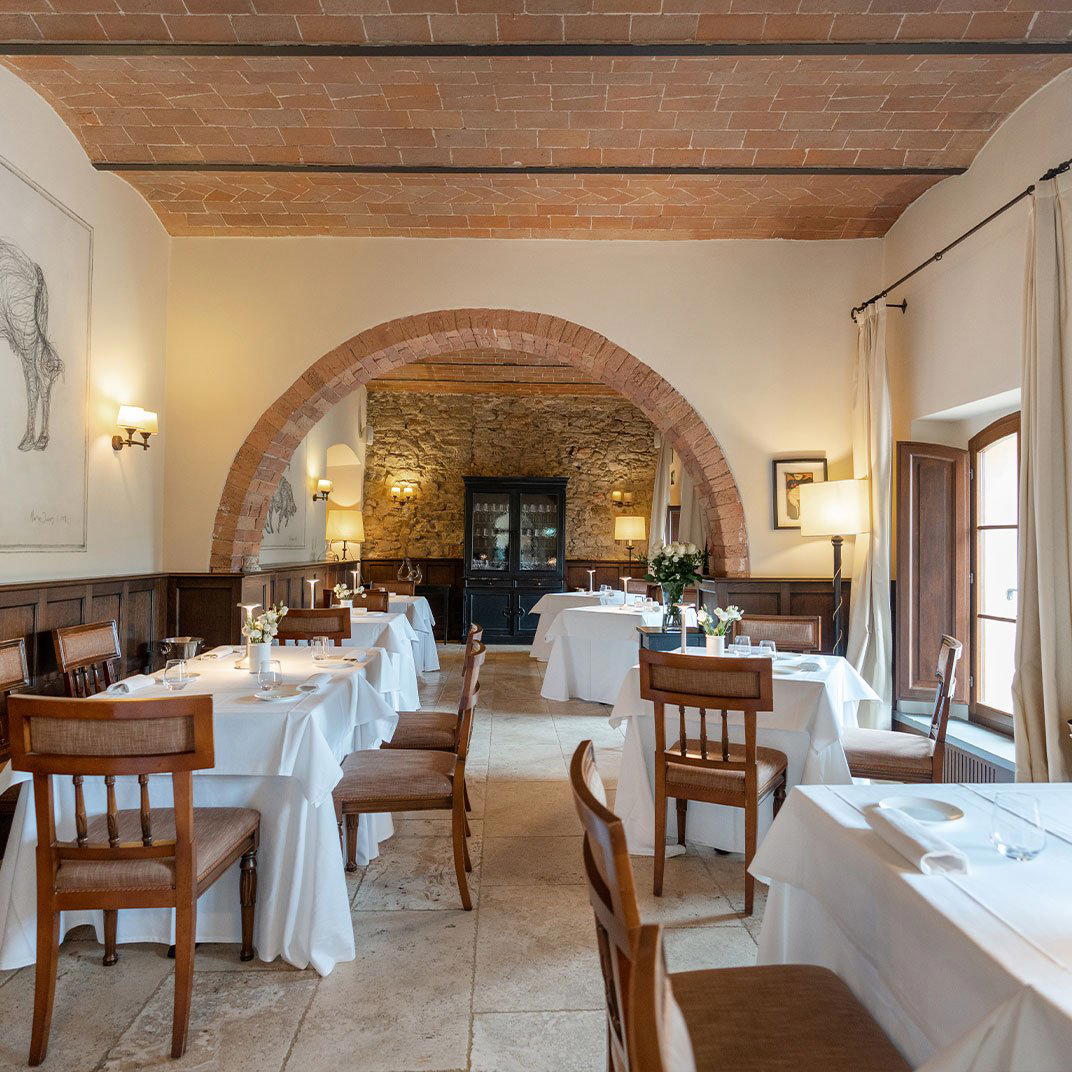
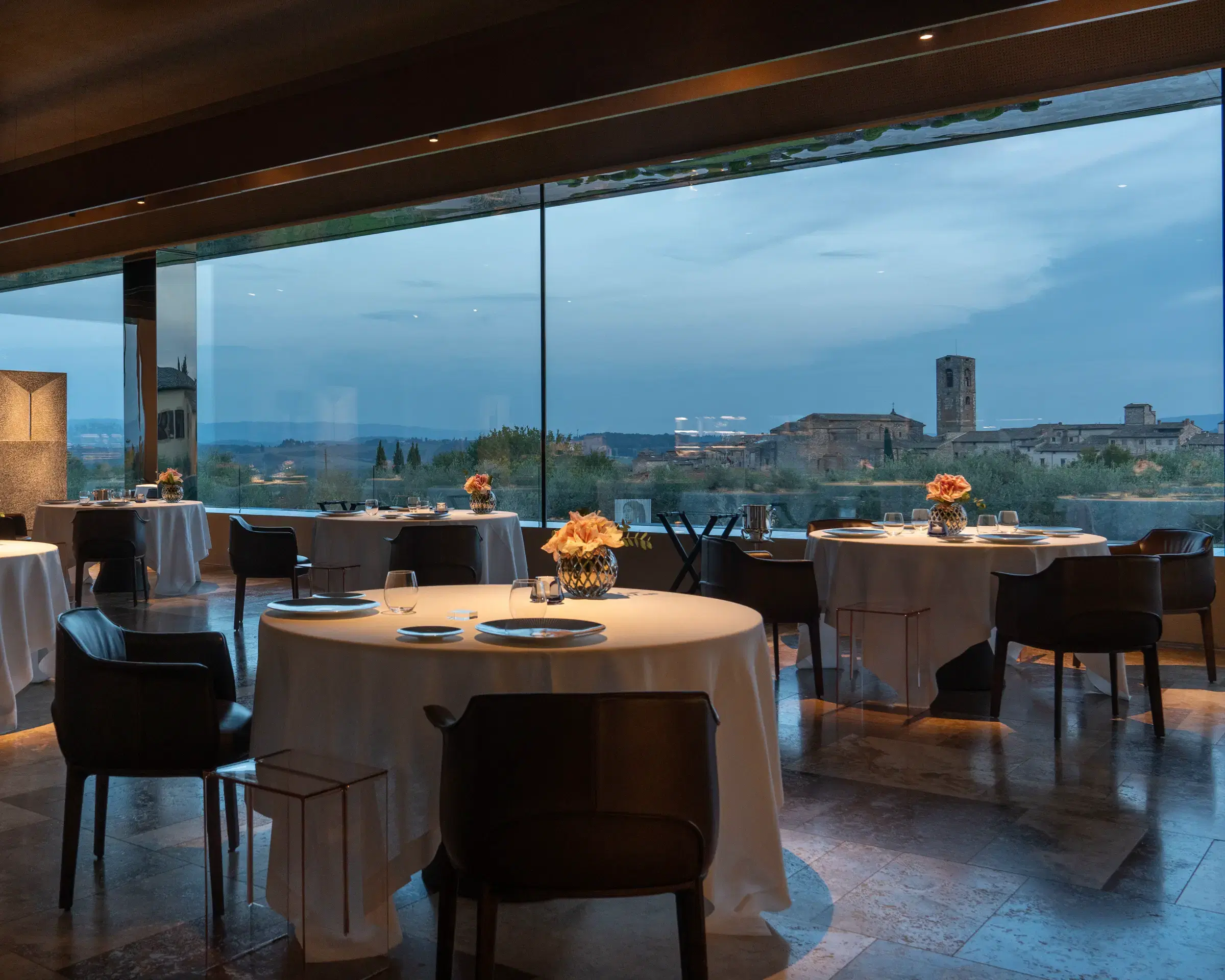
Elegant blend of ancient castle charm with modern comforts, featuring suits of armor, local art, and serene hillside atmosphere praised for romantic stargazing.