Castello di Spaltenna


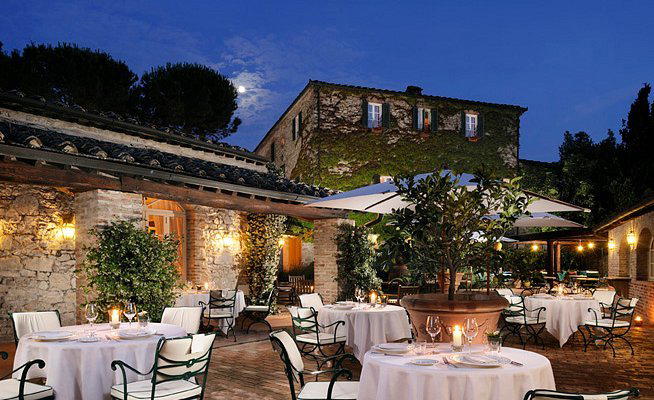
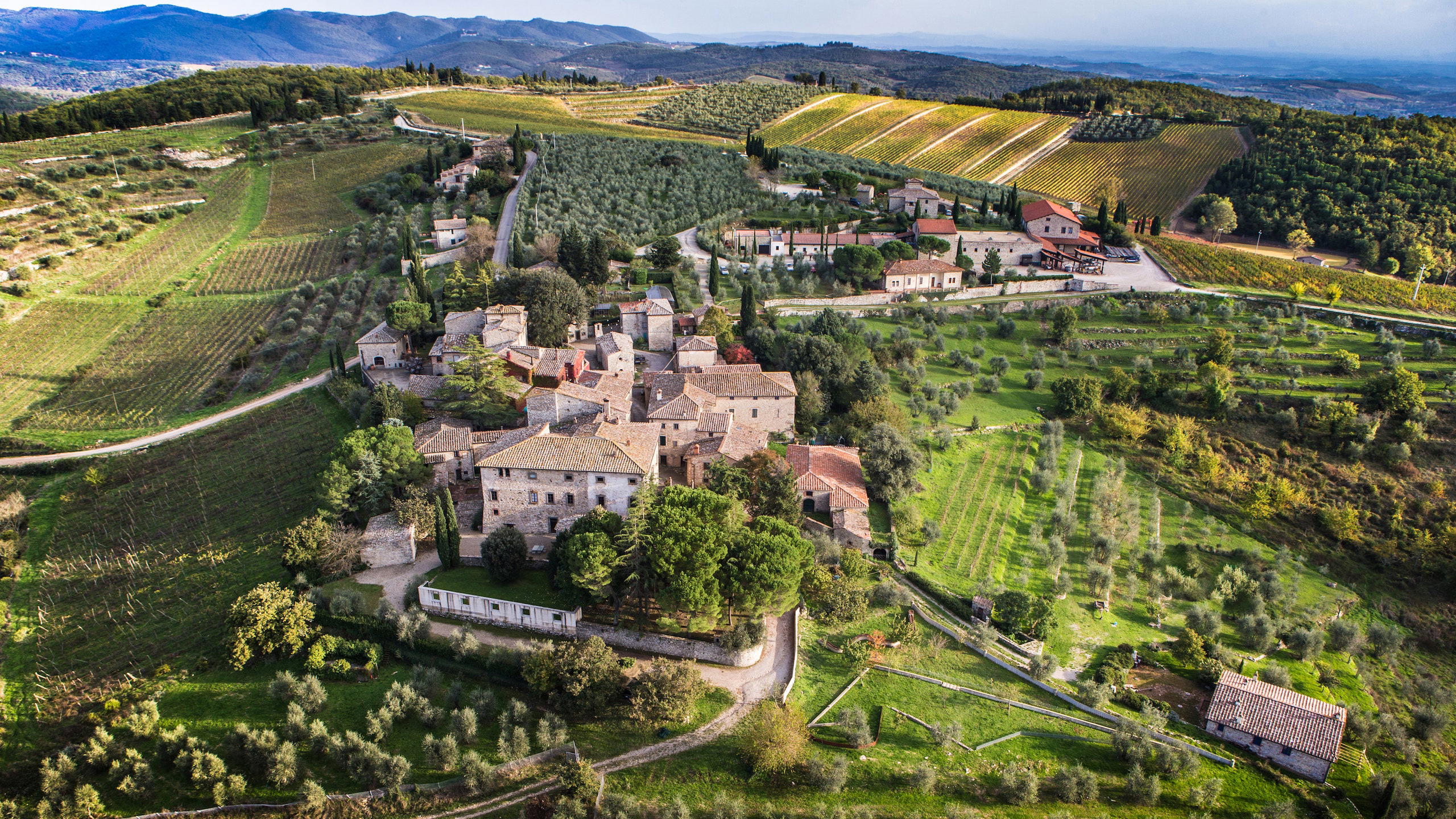
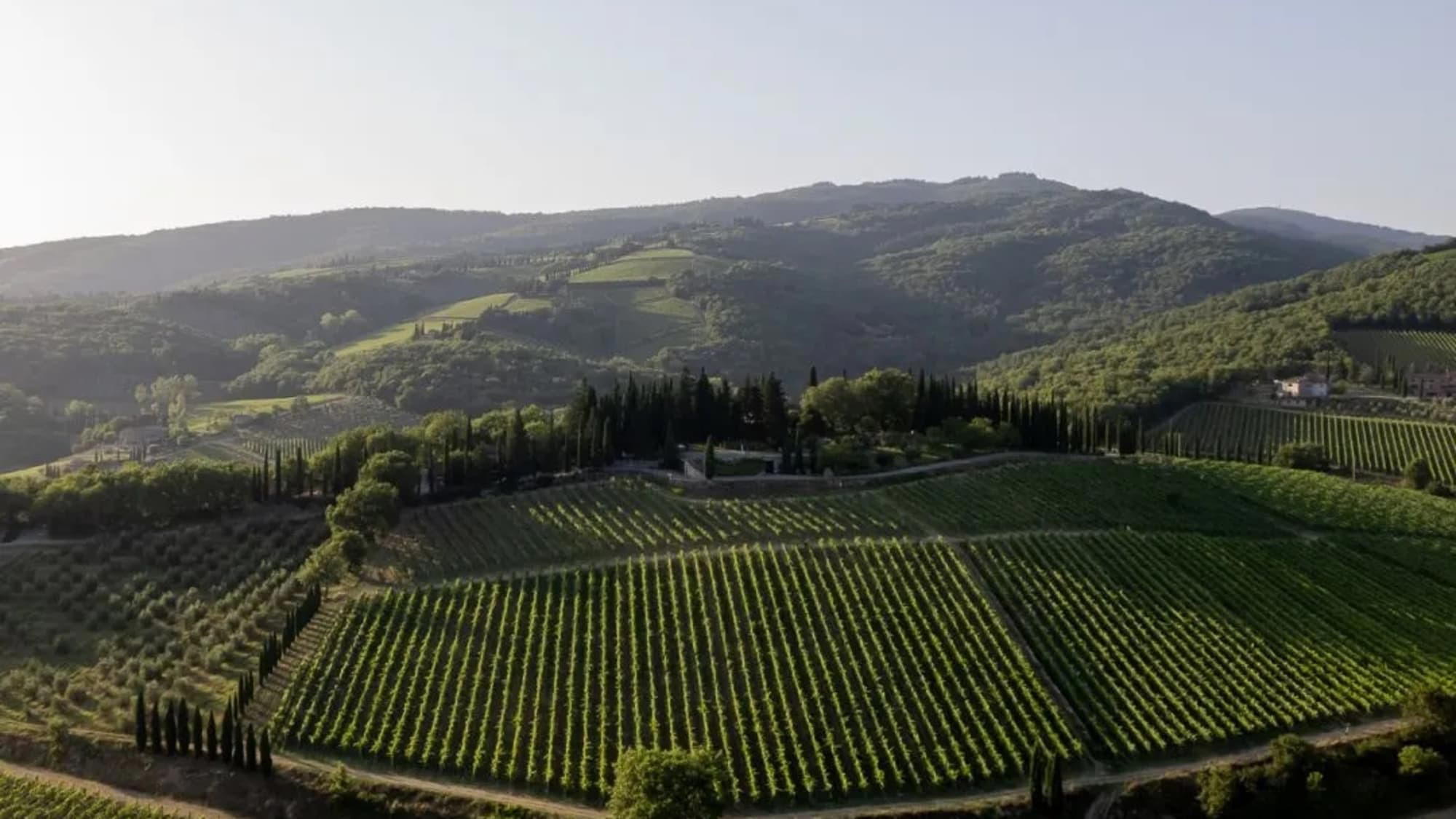
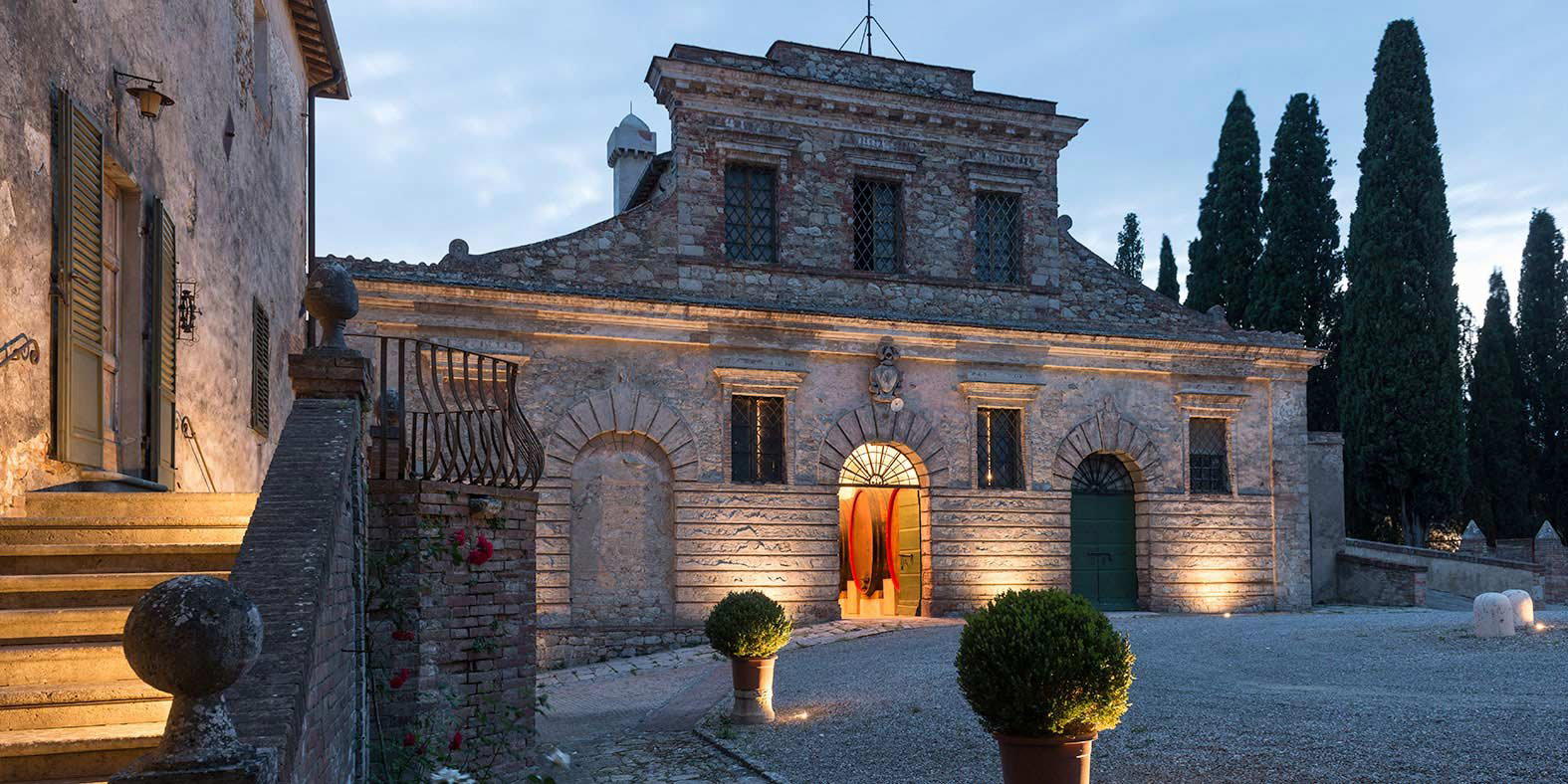
Castello di Spaltenna puts the Chianti hotel fantasy in a fortified setting: stone architecture, olive groves, and views across Sangiovese vineyards near Gaiole in Chianti. Its MICHELIN Selected hotel recognition places it within the more scrutinised tier of Tuscan country stays, where architecture and setting carry as much weight as service polish.
Pearl is the En Primeur Club membership app — saves, bookings, and concierge access live there. Same editors, same standards.
- Address
- Via Spaltenna, 13, 53013 Gaiole in Chianti SI
- Phone
- +39 0577 749483
- Website
- spaltenna.it
- Directions
- Get directions
 Saves & bookings on Pearl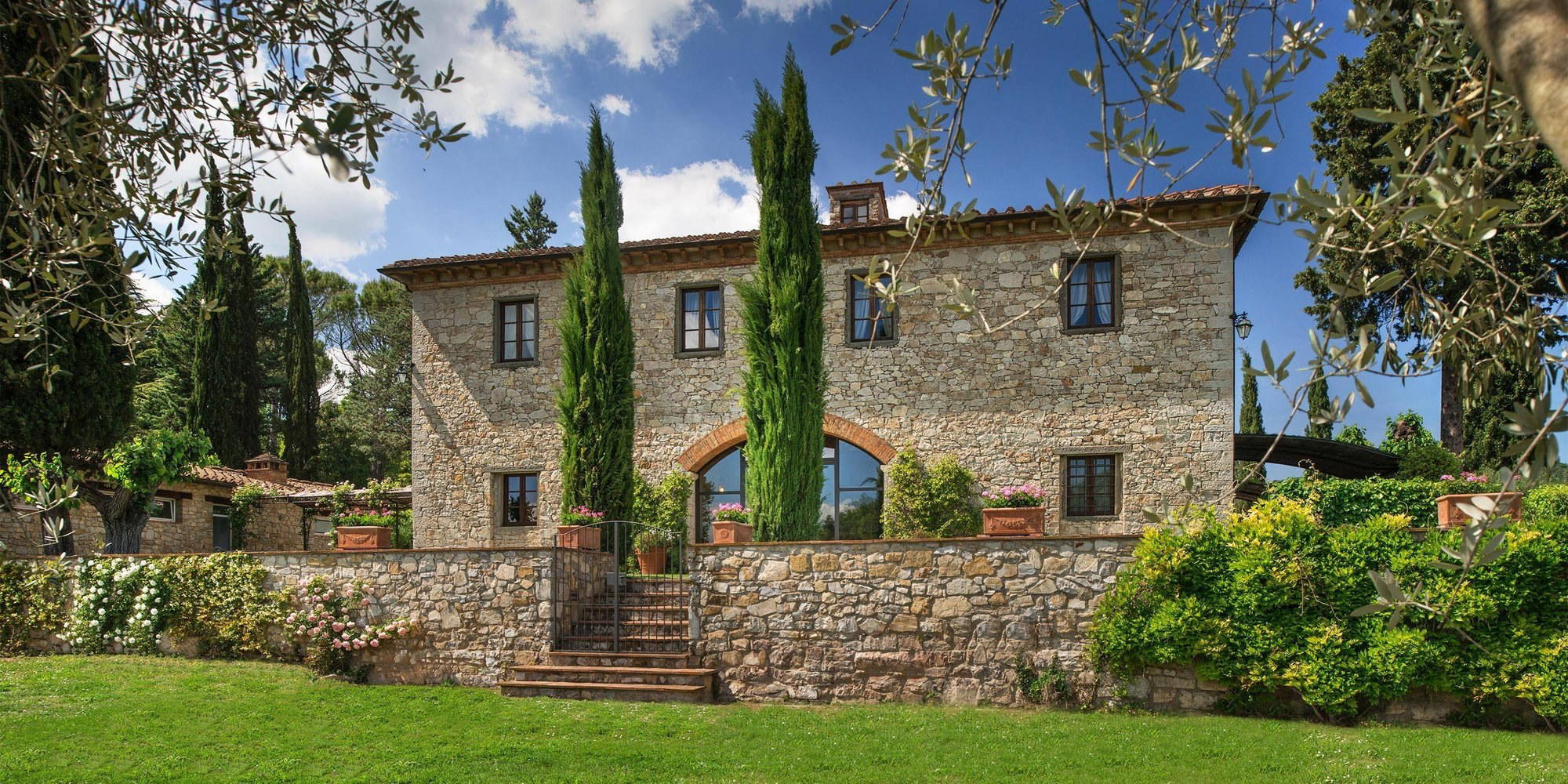
Approaching Gaiole in Chianti, the setting does the first work. The appeal of Castello di Spaltenna depends less on theatrical luxury than on the promise of a stay with a strong local identity, where the surrounding Chianti context matters as much as the hotel itself.
Chianti hotels split broadly into two camps: rural properties that lean into countryside living, and historic-minded stays where the property identity becomes the reason to book. This hotel sits firmly in that conversation. Its current MICHELIN Selected hotel recognition matters because the category is not a star-rating shortcut; it signals that the property has been assessed as part of a global hotel selection where design coherence, service, comfort and sense of place are weighed together. In a region crowded with characterful stays, that external filter gives the stay a sharper editorial frame.
Stone, vineyards and the Chianti castle-hotel idea
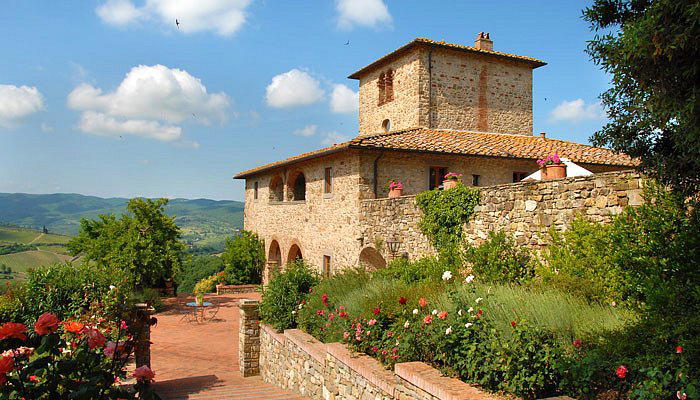
The strongest Tuscan country hotels understand that restraint is more persuasive than costume. A heritage setting can tip into stage set quickly, but the better version lets proportion, atmosphere and landscape carry the mood. At Castello di Spaltenna, the draw is the overall composition: a hotel identity tied to Gaiole in Chianti rather than to a generic country-house fantasy.
That distinction matters in Chianti, where hospitality often borrows the language of wine country even when the hotel experience is the main event. The surrounding territory gives the setting its cultural charge, not merely its view. Chianti’s identity is inseparable from its landscape, and hotels in this part of Tuscany trade on proximity to that terrain. A stay here makes sense for travellers who want the place and the regional mood to read as one experience, rather than treating the room as a base for day trips alone.
Within Gaiole in Chianti, the comparison set is narrow and highly place-specific. Castello di Garga belongs in the same local conversation because castle and country-house formats are part of the area’s lodging vocabulary, while Le Lappe, Pieve Aldina - Fontenille Collection, Villa Sassolini Country Boutique Hotel and Pieve Aldina point to the wider regional appetite for historic rural stays. The useful question is not which property is grander, but which version of Chianti the traveller wants: village-adjacent presence, estate-style seclusion, or boutique countryside domesticity.
Why the design matters more than decoration
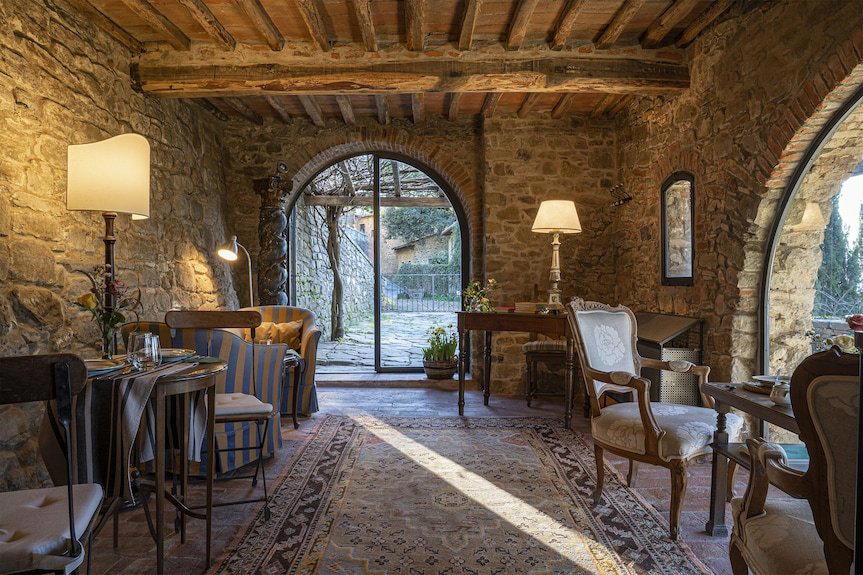
Italian hotel design often becomes convincing when it accepts the authority of the existing setting. In a heritage-minded hotel, the wrong move is to overexplain the past with props. The better move is spatial and atmospheric: letting comfort sit quietly within a strong sense of place. Castello di Spaltenna’s appeal lies in that premise. The hotel’s public identity is built around its location and overall character, not around a named designer or a novelty concept.
That also explains why this is a different proposition from urban Italian hotels. Larger Italian cities have produced design-led stays where retail culture, apartment living or contemporary branding set the tone; examples across the broader Italian hotel map often lean on street life, city scale and modern hospitality language. Chianti asks for a slower design reading: setting, pace and the relationship between property and countryside matter more than lobby drama.
The same contrast holds against Italy’s resort and spa addresses. Coastal properties sell a marine rhythm, while mountain and wellness-oriented properties work from altitude, climate or retreat culture. Gaiole’s stronger hotels are judged by how convincingly they translate rural Tuscany without flattening it into postcard clichés.
How to place it within a Chianti itinerary
The right use of the hotel is as a setting-led anchor for Chianti rather than as a mere overnight stop. Gaiole rewards travellers who give time to the surrounding food culture, small-town pacing and countryside routes. For planning around meals, drinks, cellars and local activities, the useful starting points are Our full Gaiole in Chianti restaurants guide, Our full Gaiole in Chianti hotels guide, Our full Gaiole in Chianti bars guide, Our full Gaiole in Chianti wineries guide and Our full Gaiole in Chianti experiences guide.
Across Italy, historic hotels are not a single category. Other rural, urban and heritage stays around the country show different versions of adaptive lodging, from converted town buildings to countryside retreats. Chianti’s version is more restrained and more place-bound. That is the point: this stay is for travellers who want the hotel and the surrounding region to set the agenda.
For a broader sense of how place-specific hotels behave outside Italy, the contrast is useful rather than decorative: resort islands, mountain lodges, coastal retreats and city guesthouses all show how sharply hospitality changes when landscape, climate and built form shift. The hotel’s case is simpler and stronger: a MICHELIN Selected hotel in Gaiole in Chianti whose primary argument is made through place, atmosphere and quiet confidence.
At-a-Glance Comparison
Comparable venues by cuisine and price in the same metro.
| Venue | Cuisine | Price | Awards | Notes |
|---|---|---|---|---|
| Castello di SpaltennaThis venue — the venue you are viewing | Historic luxury castle resort blending medieval architecture with contemporary wellness amenities in the heart of Chianti wine country. | $$$$ | Michelin 1 Star | Not listed |
| Castello di Garga | Historic castle farm stay blending medieval authenticity with contemporary luxury. | $$$ | Not listed | Gaiole in Chianti |
| COMO Castello del Nero | Historic 12th-century castle estate in Chianti with modern luxury updates. | $$$$ | Michelin 1 Key | Tavarnelle Val di Pesa |
| Singer Palace Hotel | Boutique luxury hotel in a historic landmark building blending Art Deco influences with contemporary Italian design. | $$$$ | Michelin 1 Key | Colonna |
| Umiltà 36 | Retro-inspired Roman Dolce Vita boutique with refined ambiance and modern touches | $$$$ | Michelin 1 Key | Trevi |
| Locanda Rossa | Contemporary farmhouse estate in Tuscan Maremma | $$$$ | Michelin 1 Key | Capalbio |
Recognition history
Dated appearances from independent guides and award organizations, with the underlying list record or original source where available.
Michelin Selected
Michelin
Small Luxury Hotels of the World Member
Small Luxury Hotels of the World
Continue exploring
More in Gaiole in Chianti
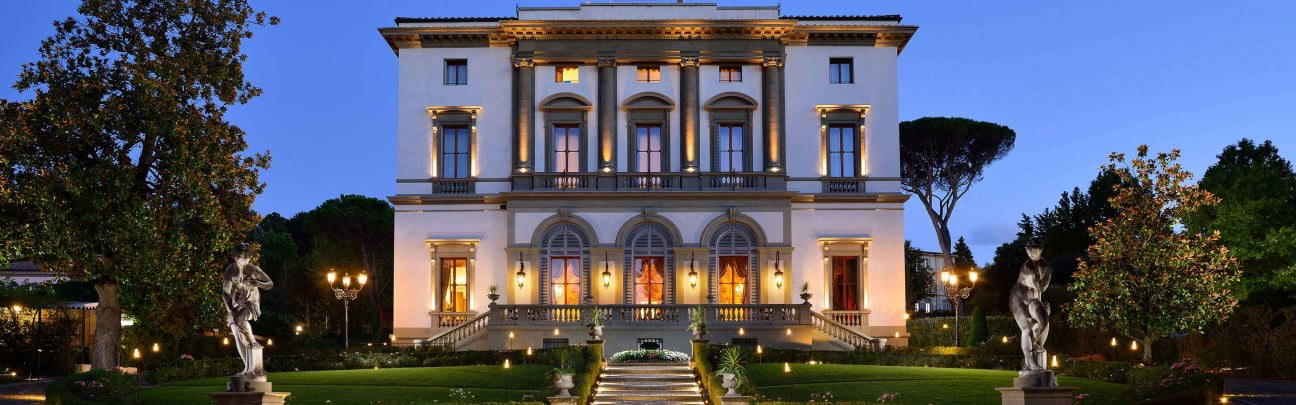
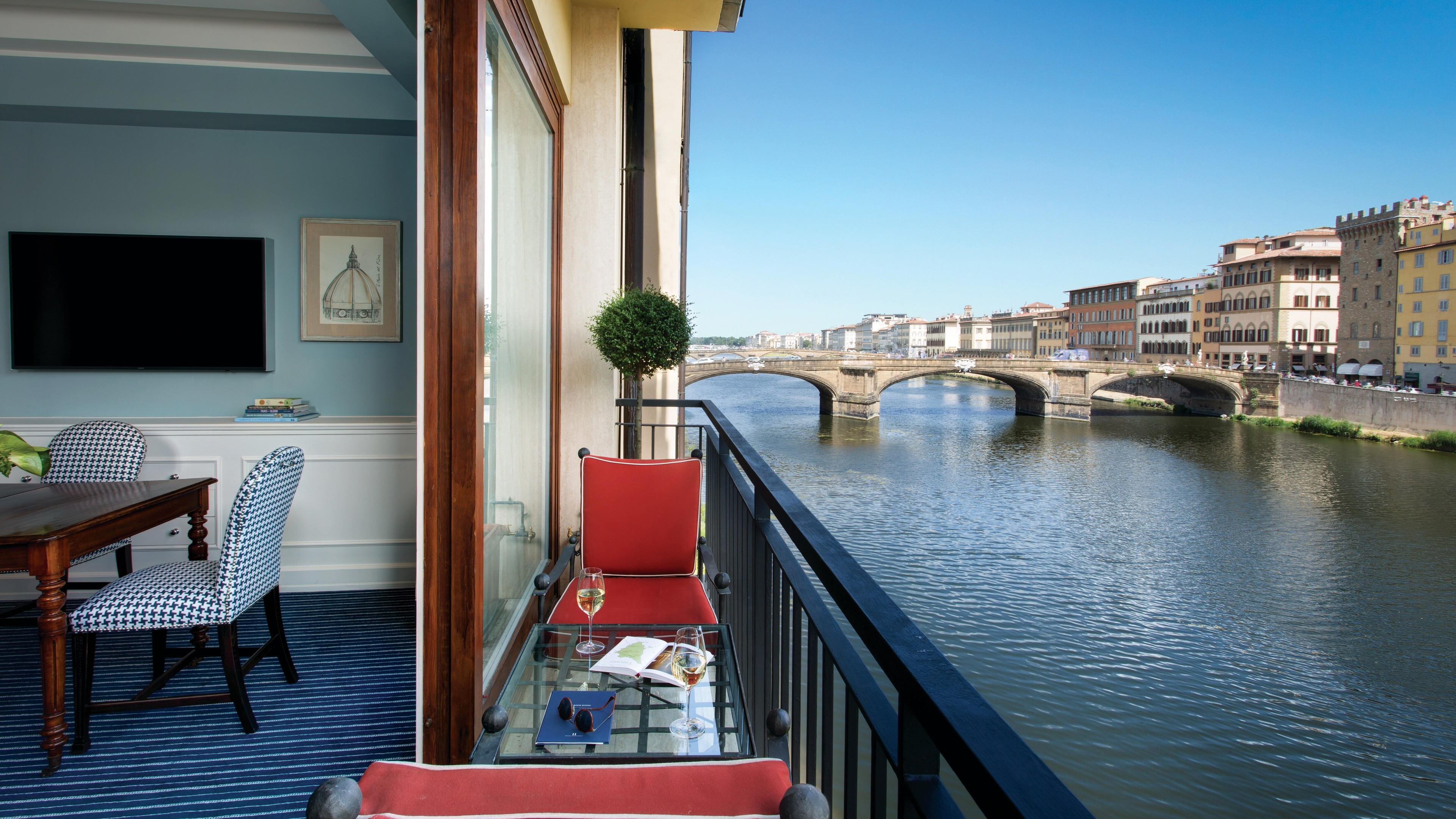
Hotels in Gaiole in Chianti
Browse all →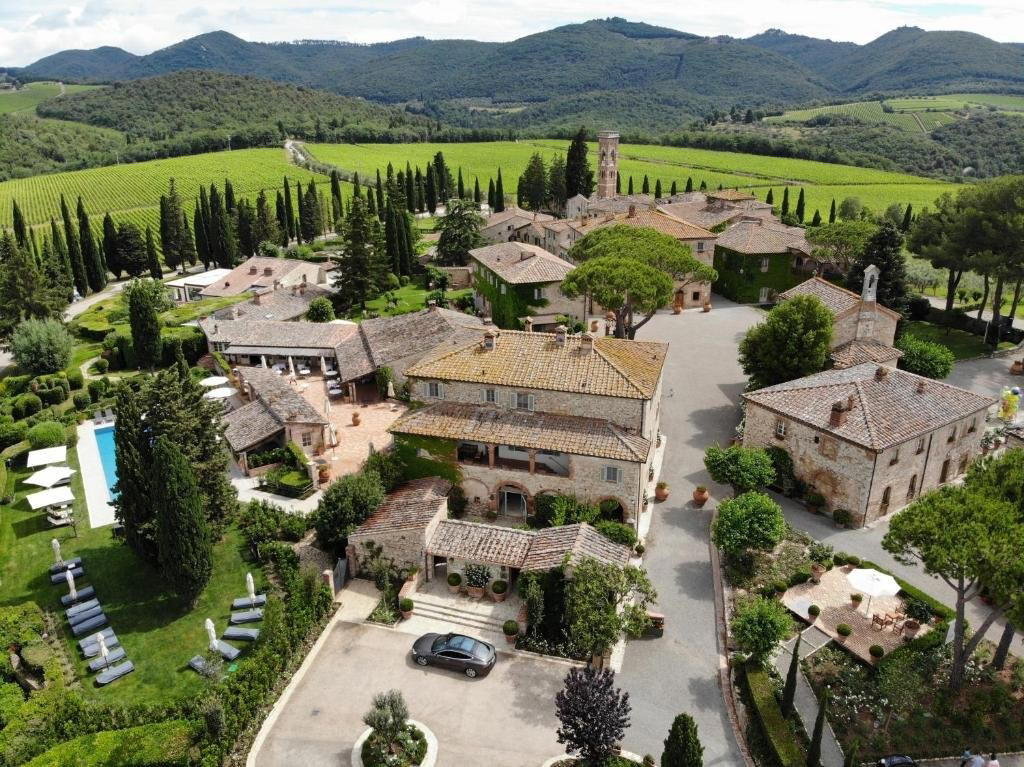
Bars in Gaiole in Chianti
Browse all →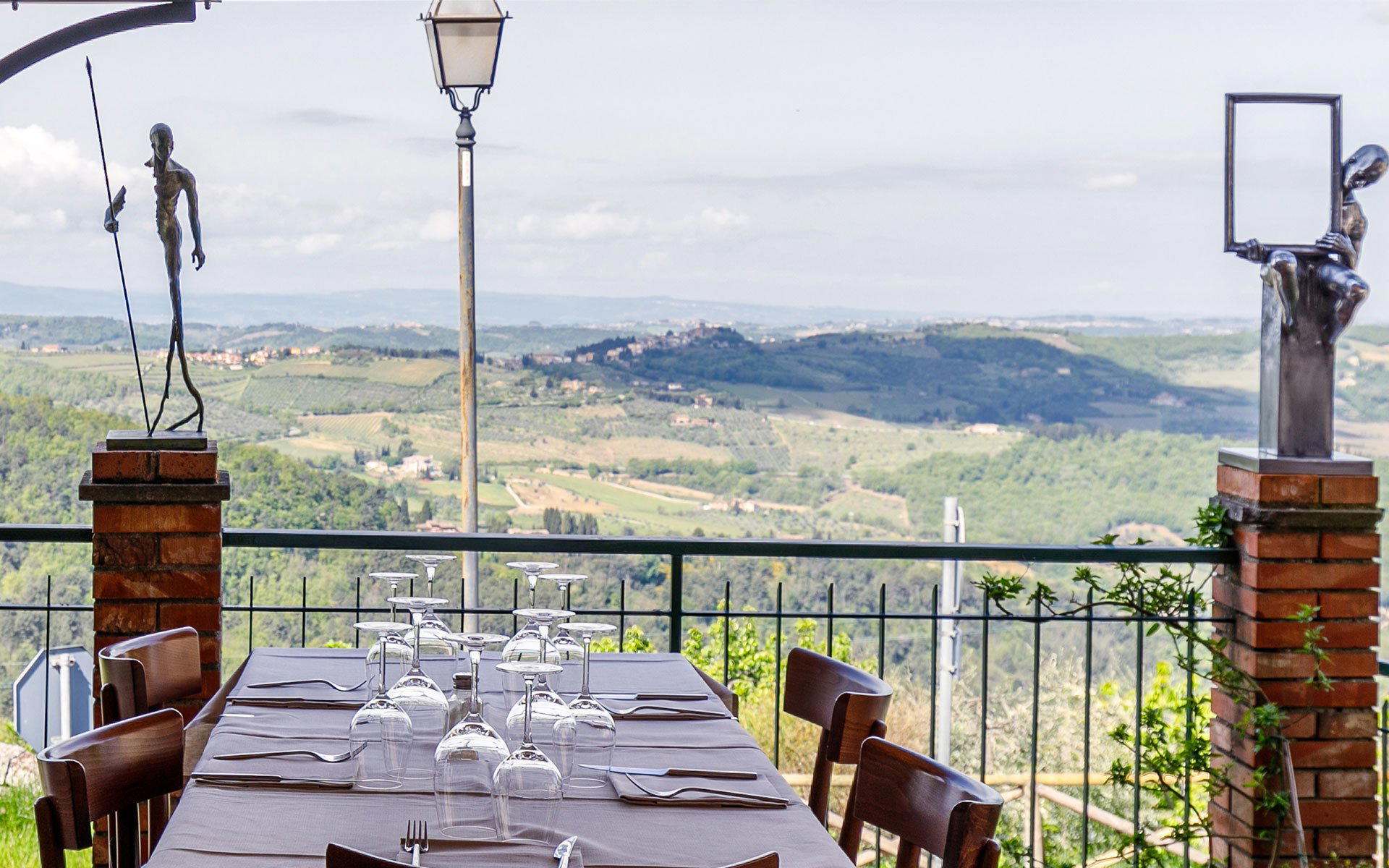
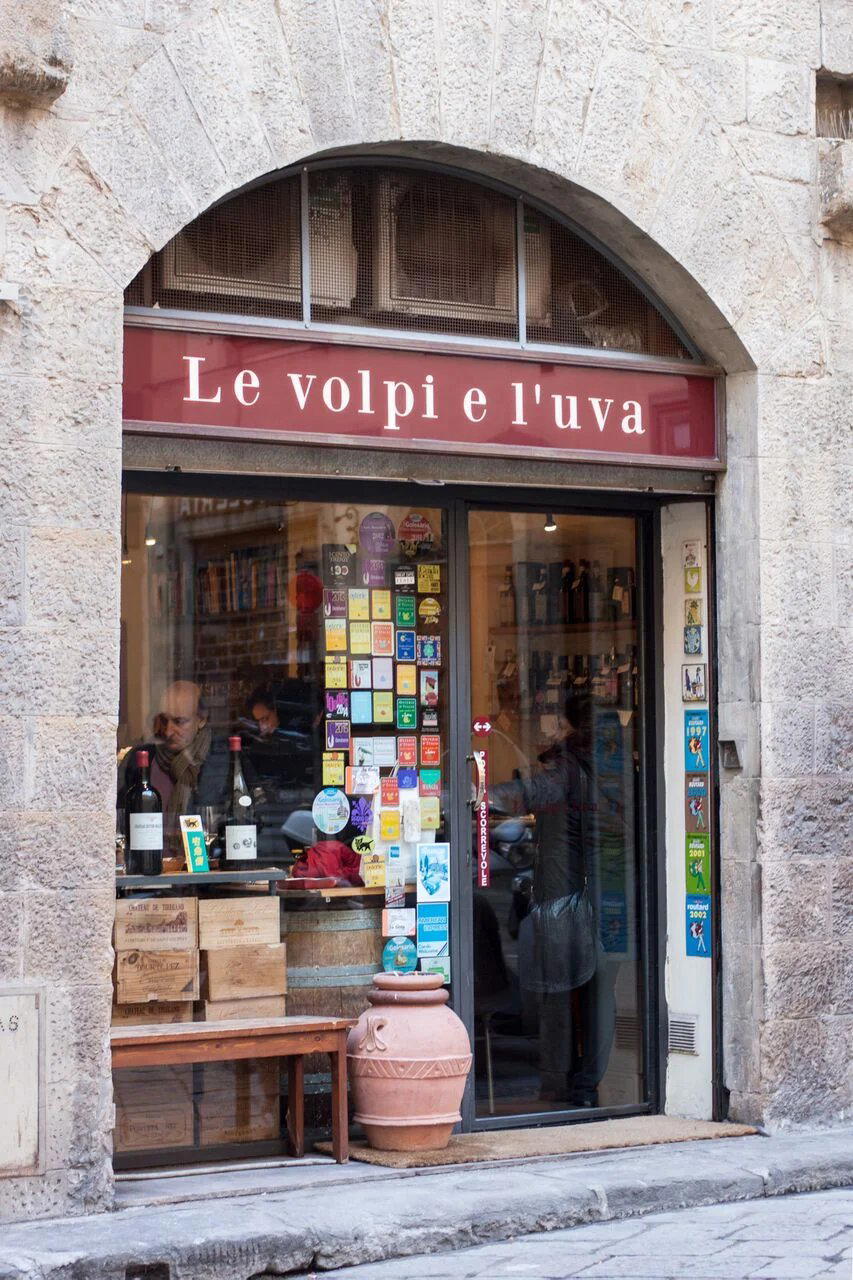
Restaurants in Gaiole in Chianti
Browse all →
At a Glance
- Romantic
- Scenic
- Elegant
- Quiet
- Classic
- Romantic Getaway
- Honeymoon
- Anniversary
- Wellness Retreat
- Celebration
- Infinity Pool
- Historic Building
- Panoramic View
- Destination Spa
- Terrace
- Garden
- Private Dining
- Wi Fi
- Pool
- Spa
- Fitness Center
- Room Service
- Concierge
- Restaurant
- Bar
- Sauna
- Tennis
- Bicycle Rental
- Hot Tub
- Vineyard
- Garden
- Mountain
- Wi Fi
- Pool
- Spa
- Fitness Center
- Room Service
- Concierge
- Restaurant
- Bar
- Sauna
- Tennis
- Bicycle Rental
- Hot Tub
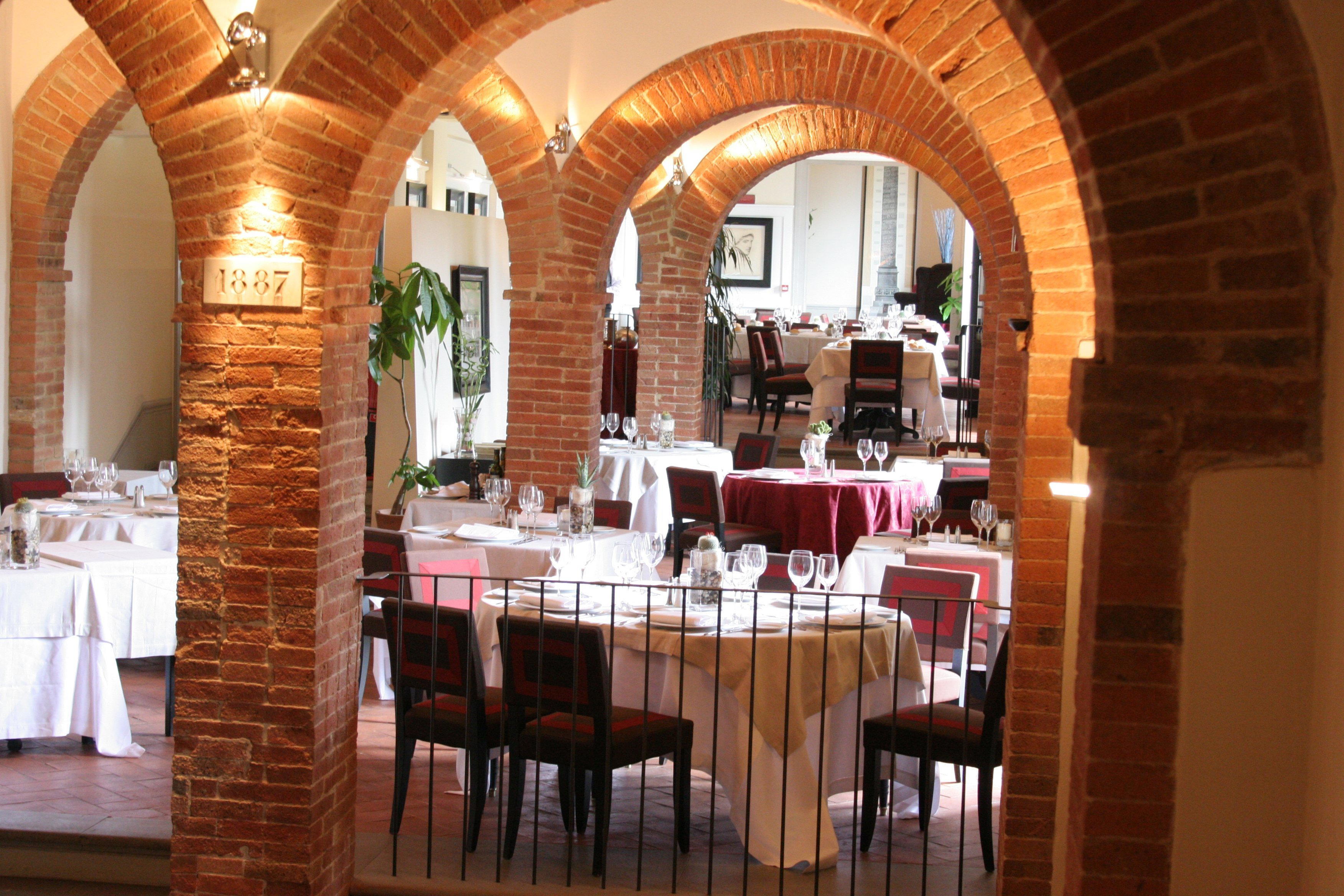
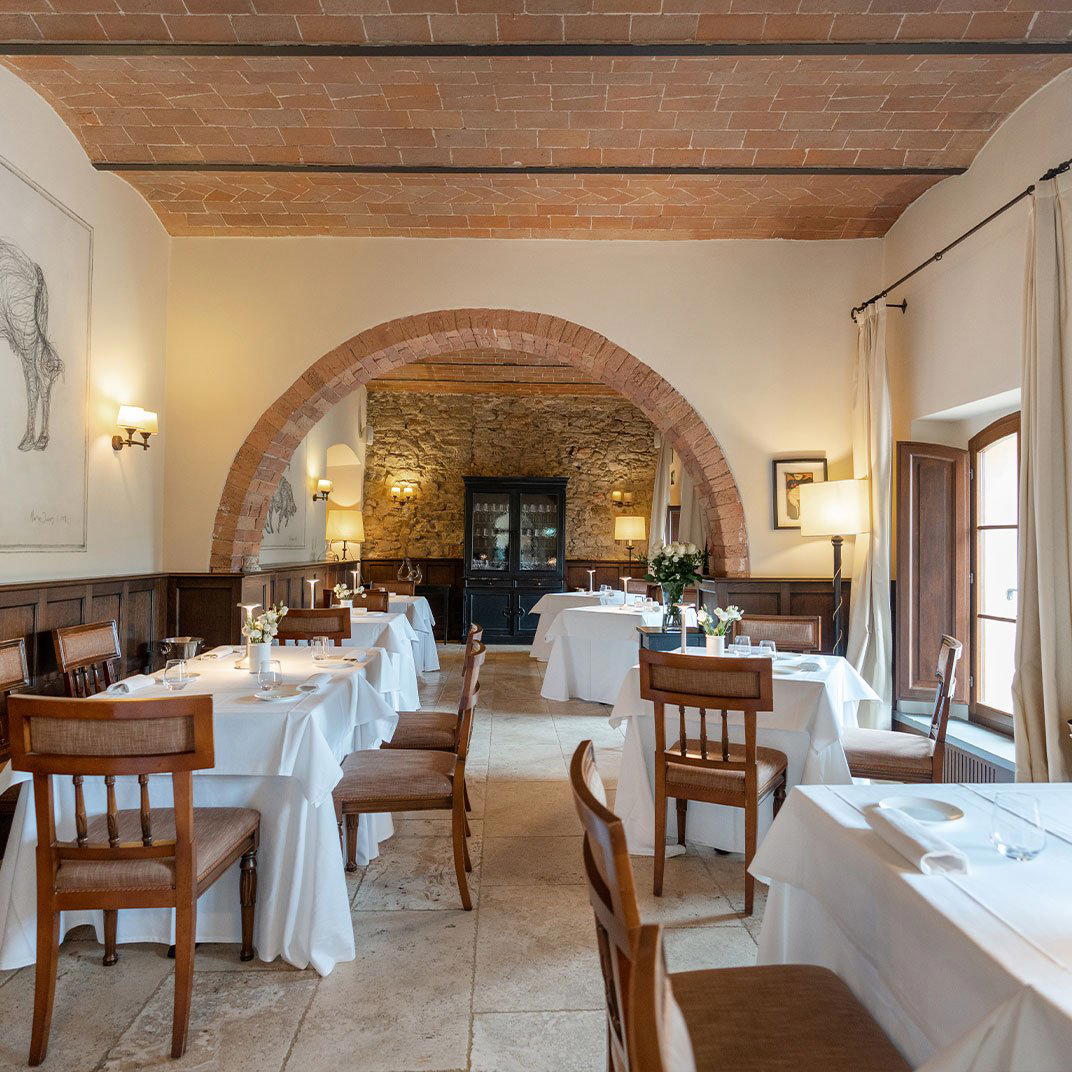
Warm, sophisticated, and romantic with historic stone architecture, candlelit dining, and panoramic terrace views that evoke timeless Italian elegance.