Campo del Drago


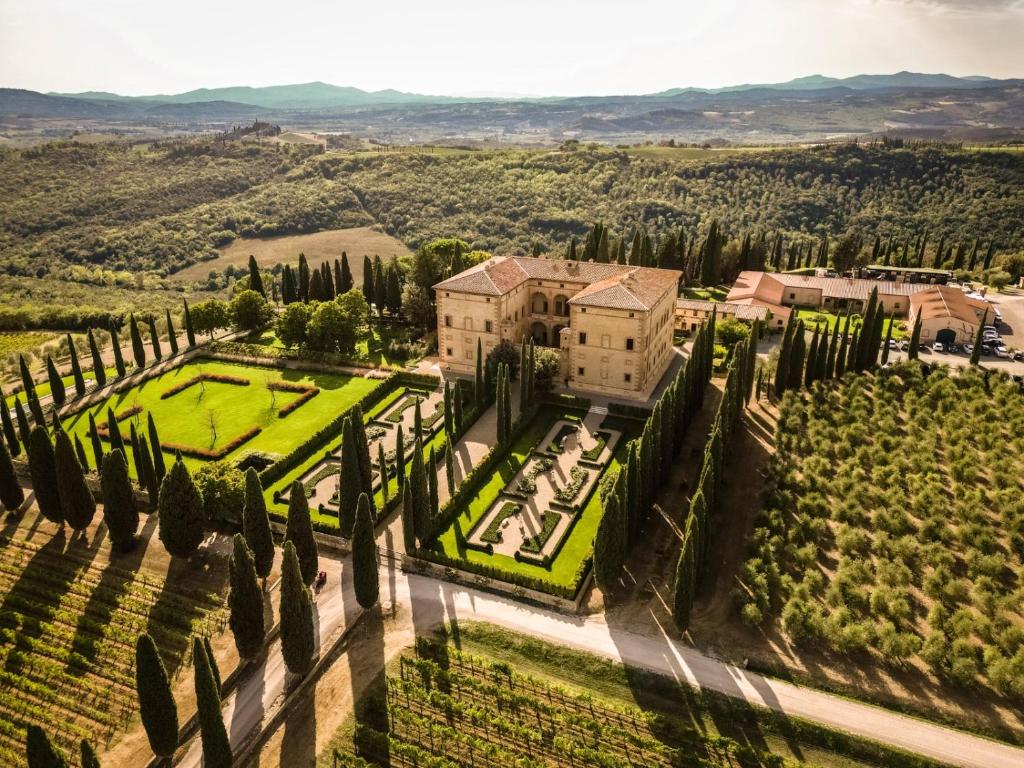
A two-Michelin-star restaurant within the Rosewood Castiglion del Bosco estate in Montalcino, Campo del Drago reaches the table via a dirt track through Val d'Orcia and a medieval hilltop village. Chef Matteo Temperini builds his contemporary menus around produce from the estate's own kitchen garden, backed by a wine list of over 700 labels weighted toward Brunello di Montalcino.
Pearl is the En Primeur Club membership app — saves, bookings, and concierge access live there. Same editors, same standards.
- Address
- 53024 Castiglion del Bosco SI, Italy
- Phone
- +39 0577 191 3135
- Website
- rosewoodhotels.com
- Directions
- Get directions
 Saves & bookings on Pearl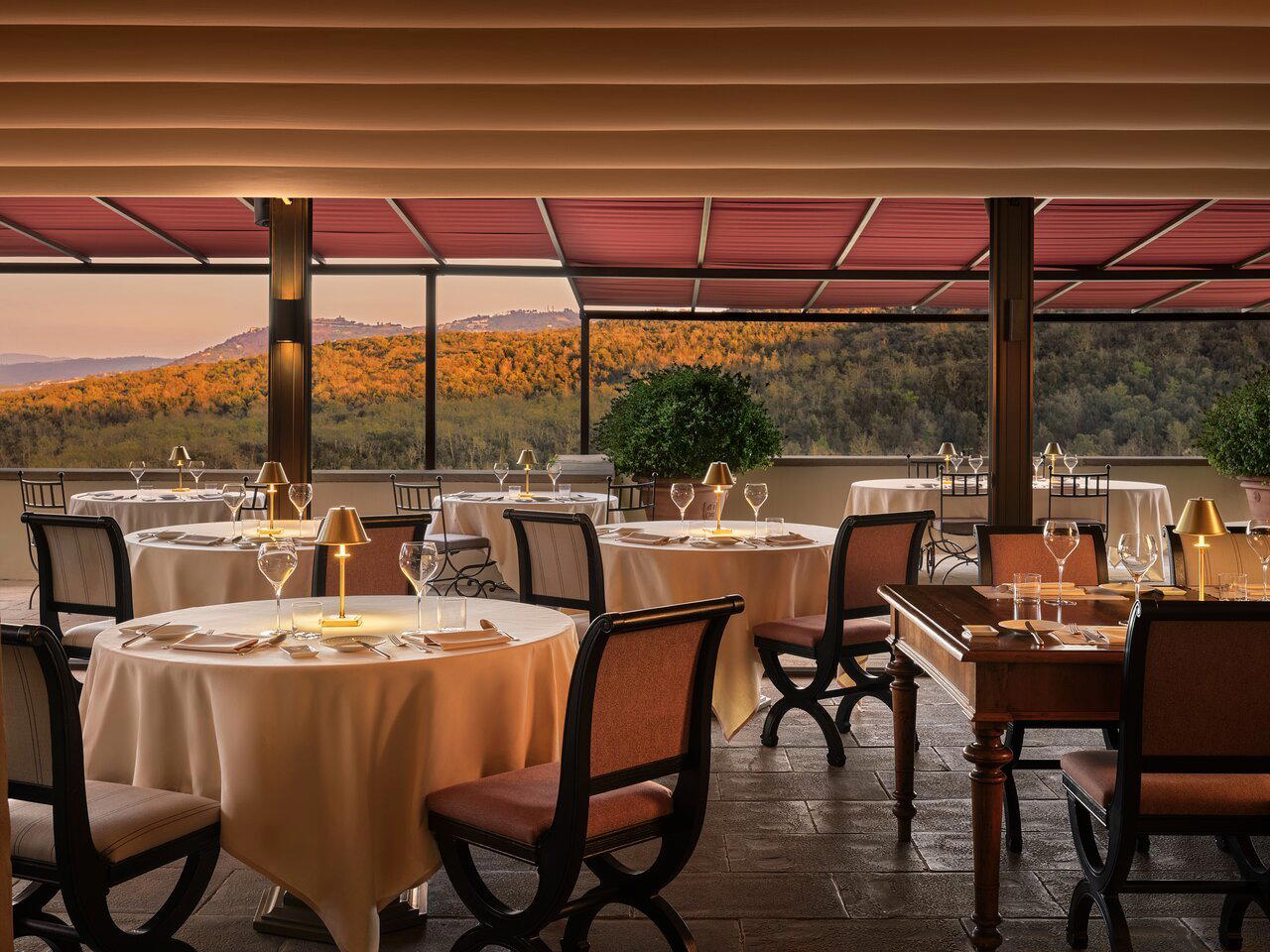
The Road In, and What It Tells You
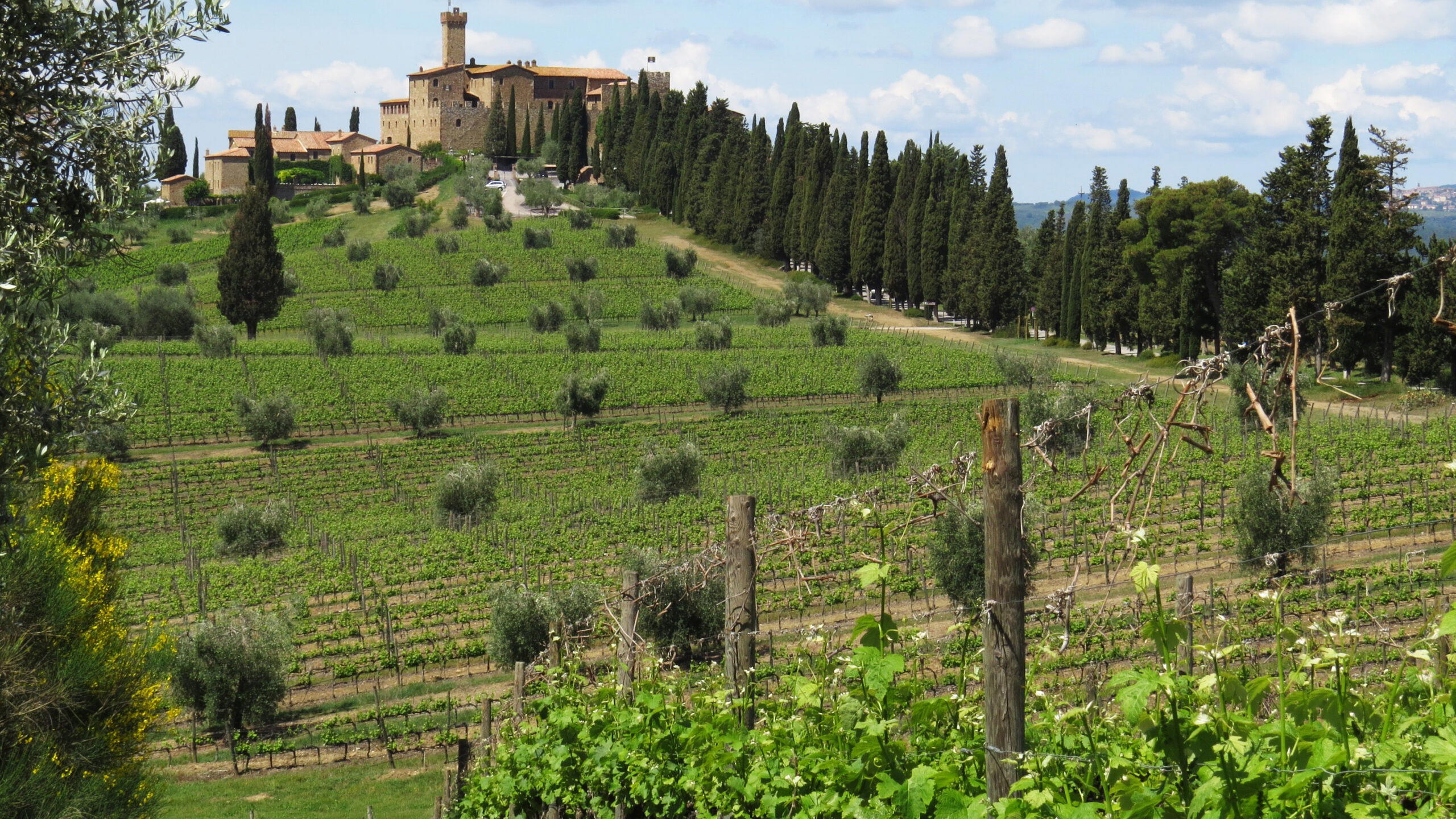
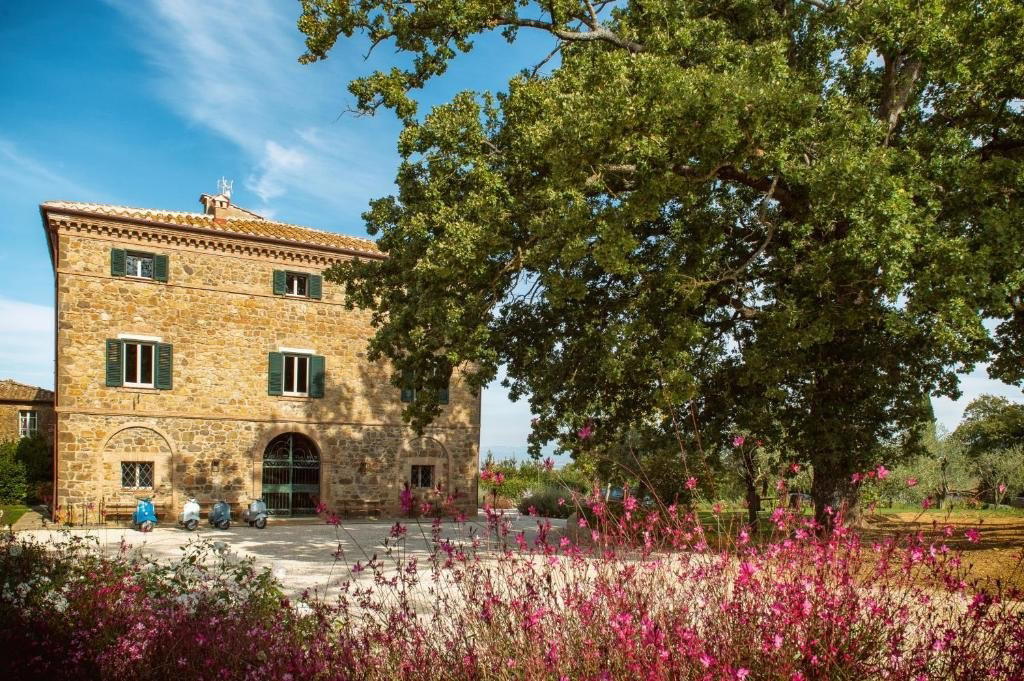
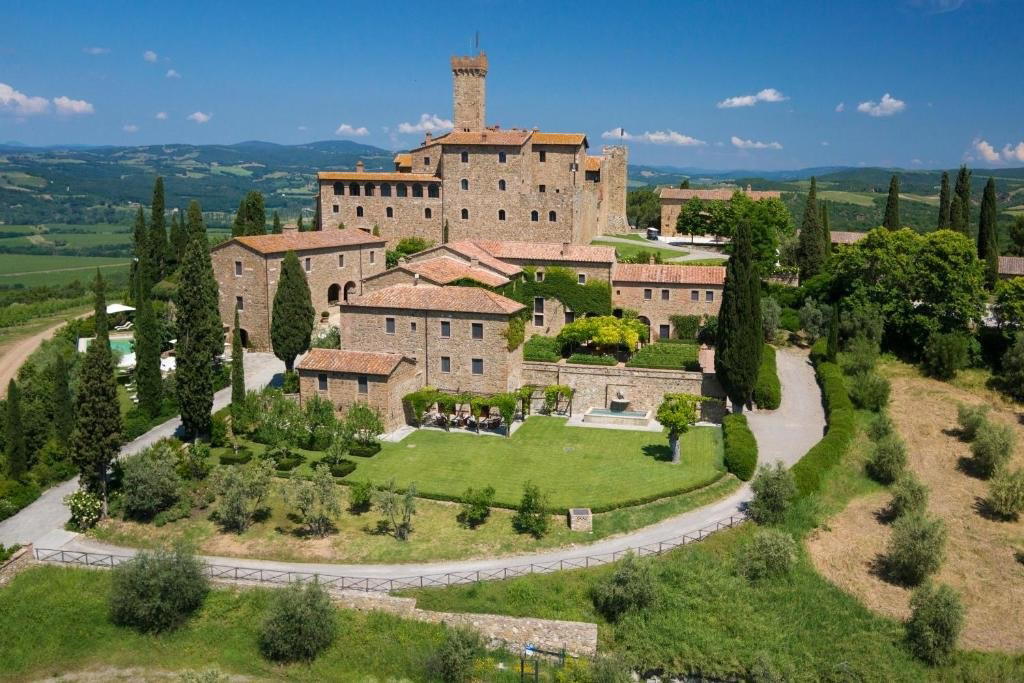
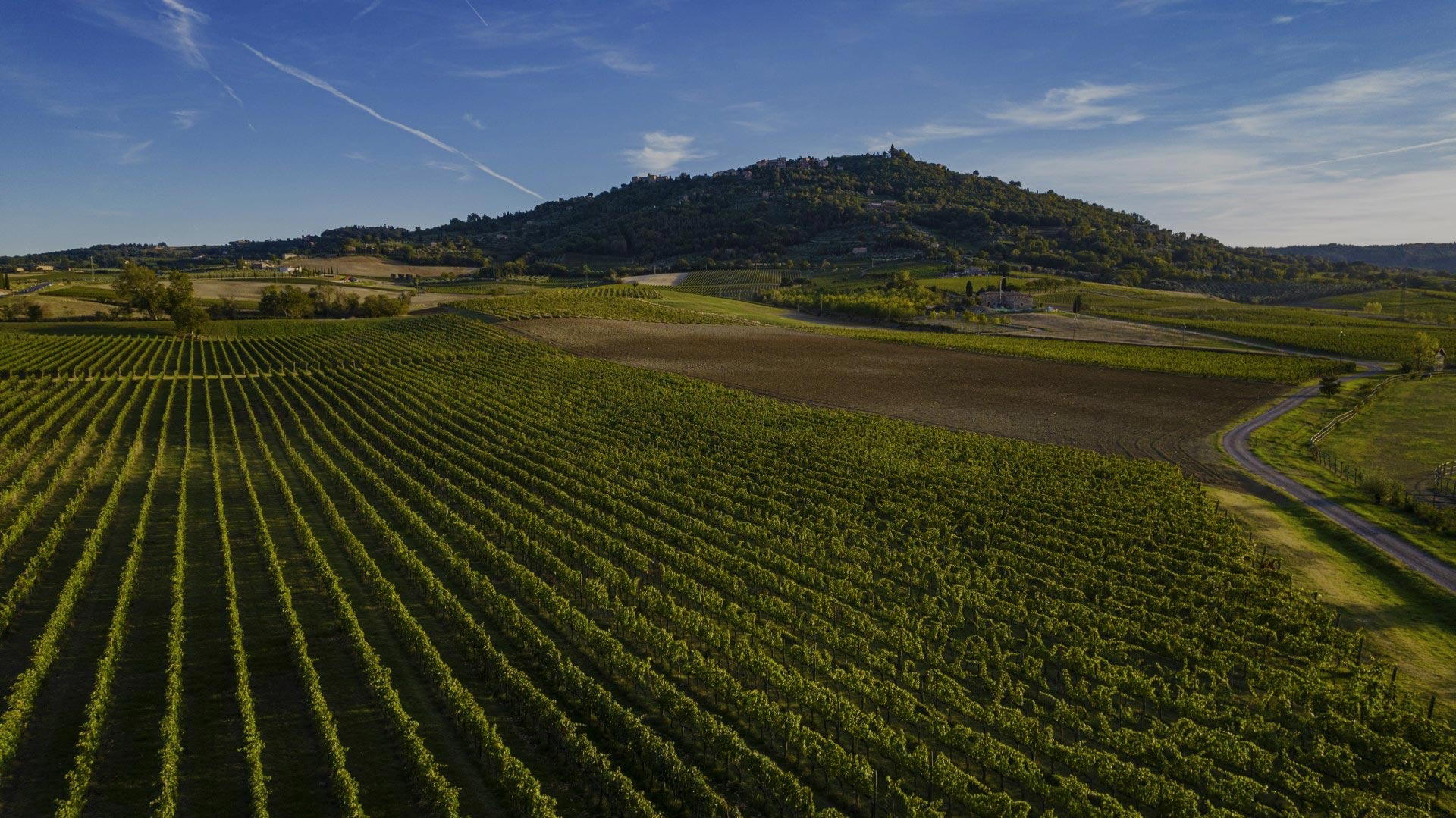
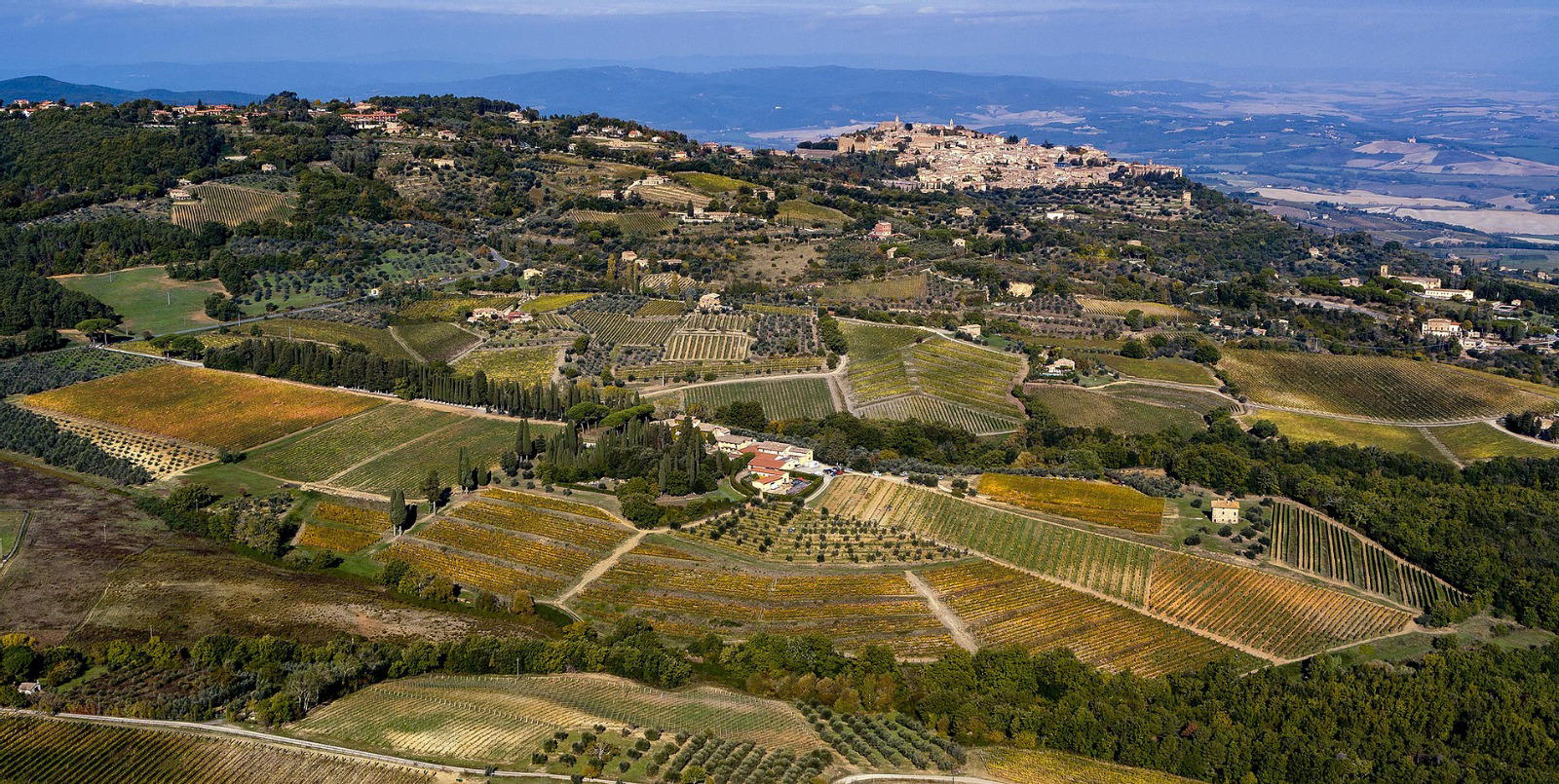
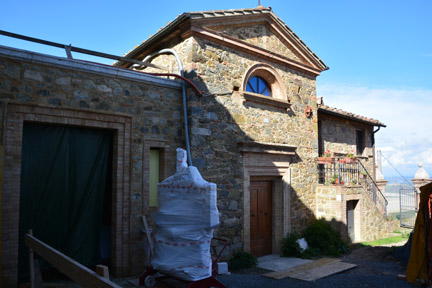
The approach to Campo del Drago prepares you for what follows. A dirt track cuts through the Val d'Orcia's characteristic mix of cypress lines and pale clay hills before arriving at a medieval hamlet that includes a tower, a frescoed church, and the Rosewood Castiglion del Bosco, a property holding three Michelin keys. The restaurant sits within this estate, and the physical distance from Montalcino town matters: you are not dropping in mid-afternoon and deciding to stay for dinner. Campo del Drago requires a decision, a reservation, and a drive. That barrier is part of how the experience self-selects.
Italy's two-star tier increasingly operates this way, particularly in regions where the draw is territorial as much as culinary. Places like Dal Pescatore in Runate or Atelier Moessmer Norbert Niederkofler in Brunico ask guests to travel toward their settings with intention. Campo del Drago belongs to that pattern: the location is not incidental to the offer, it is constitutive of it.
Kitchen Garden as Culinary Framework
Among the choices a two-star kitchen makes, among the more clarifying is where the produce comes from. At Campo del Drago, the estate's own kitchen garden anchors much of the menu. This is a structural commitment, not a garnish. When a restaurant sources from land it controls, the menu follows the season at a level of granularity that market purchasing cannot easily replicate. What is harvested that week arrives that week. The implication for the diner is that the menu you see on a return visit may differ from the one you remember, not because of fashion, but because of the soil calendar.
This sourcing model has gathered momentum across serious Italian kitchens over the past decade, partly in response to the slow food tradition and partly as a counter to the homogenisation of high-end supply chains. In Tuscany, estates with agricultural land have a structural advantage: the same territory that produces Brunello grapes is capable of producing notable vegetable matter, herbs, and legumes. Campo del Drago draws on that advantage with a kitchen garden program that shapes Chef Matteo Temperini's approach to the tasting menus.
The format itself gives three tasting menus alongside an à la carte, though the à la carte requires a minimum of three courses. This structure is common across the Italian fine-dining tier, it preserves menu-building flexibility for guests who know the house while steering first-timers toward a coherent sequence. For those focused on tracking seasonal produce, the tasting menus typically offer more direct expression of what the garden is producing at any given point in the calendar.
Two Stars, One Region, One Estate
The restaurant has held two Michelin stars in both 2024 and 2025, and earned 87 points on the La Liste Leading Restaurants ranking for 2026. For context, La Liste aggregates scores from dozens of critical sources internationally, so an 87-point placement positions the restaurant within a meaningful European comparable set.7 from 29 ratings, a limited sample, but consistent with the restaurant's format: it is not a high-throughput operation, and the review volume reflects that.
The two-star classification in Tuscany is a relatively concentrated field. The region's fine dining is more often associated with single-star territory, with the major multi-star Italian kitchens clustering around Milan, Modena, and the northeast. In that context, a two-star holding in the Val d'Orcia is a genuinely distinct positioning. For comparison, the Italian two- and three-star tier includes kitchens like Osteria Francescana in Modena, Le Calandre in Rubano, Enrico Bartolini in Milan, Enoteca Pinchiorri in Florence, and Piazza Duomo in Alba. The restaurant sits at the same credential tier while operating in a format, estate-based, remote, hotel-anchored, that gives it a different character from an urban fine-dining room.
The Rosewood Castiglion del Bosco's three Michelin keys add a further layer of context. Michelin's hotel key rating, introduced in recent years, evaluates the accommodation independently of the dining. The fact that both ratings coexist signals that the property is being read as a serious hospitality operation across categories, not just a hotel with a restaurant attached.
The Wine List and What 700 Labels Means in Brunello Country
A wine list of over 700 labels carries different weight depending on where you are drinking. In Montalcino, which produces one of Italy's most age-worthy and critically followed red wines, a list of that size needs to be read against the regional identity. The list at the restaurant is weighted toward the region, which in practice means a significant concentration of Brunello di Montalcino across producers and vintages. This is consistent with how serious Tuscan hotel restaurants typically position their cellar: the region's wines are the main event, and depth by vintage is more meaningful than breadth across appellations.
The 2016 Sasso al Sole is specifically noted as a reference point and is available by the glass, an unusual offering for a wine of that specificity. The 2016 vintage in Montalcino is well-documented as one of the stronger recent releases, combining structure with density in a way that rewards medium-to-long-term cellaring. Making it available by the glass rather than only by the bottle lowers the entry point to a significant wine, which is an editorial choice about accessibility within a formal setting.
For guests interested in exploring Montalcino's wine geography more broadly, EP Club's full Montalcino wineries guide covers the producers and estates across the denomination.
The Dining Room and Terrace
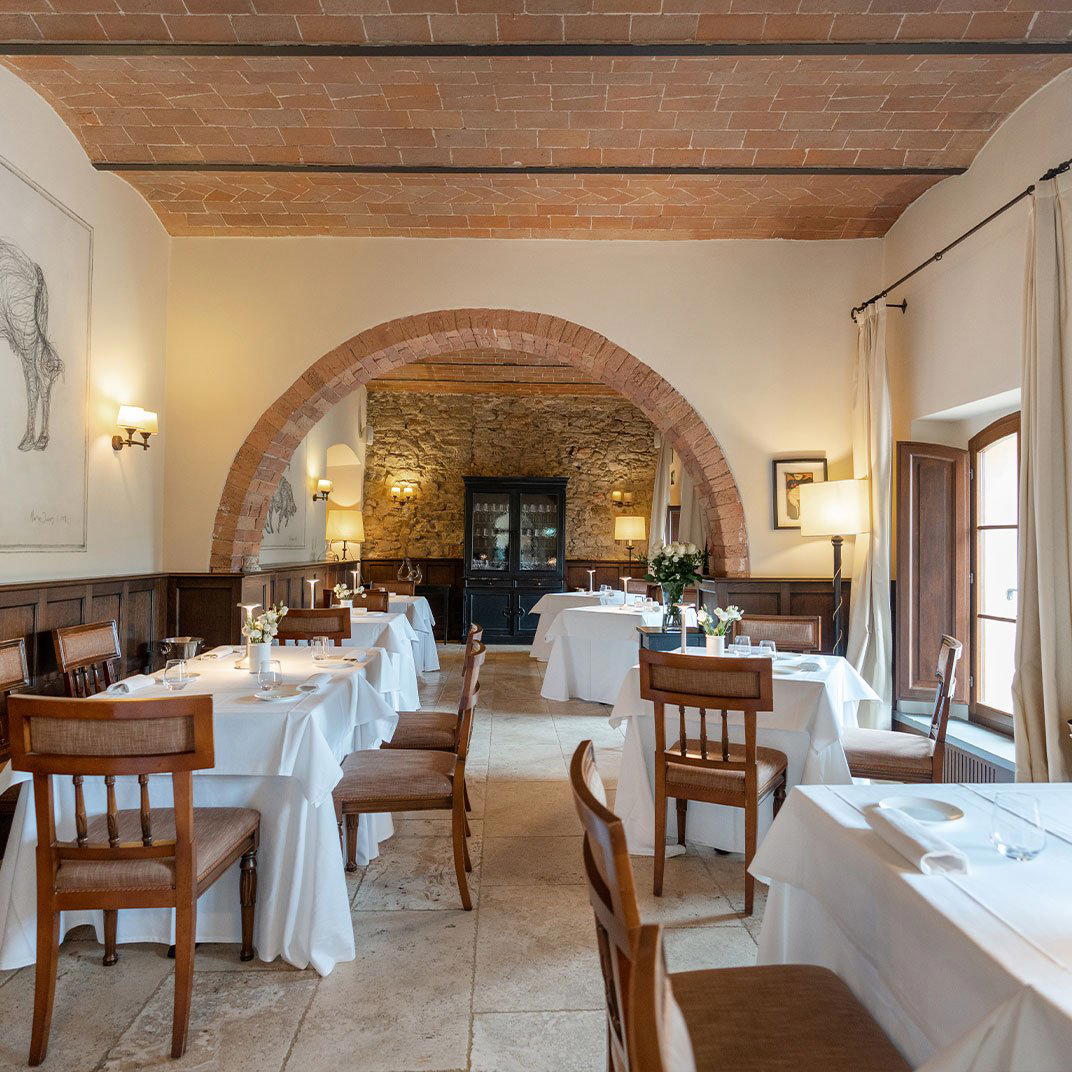
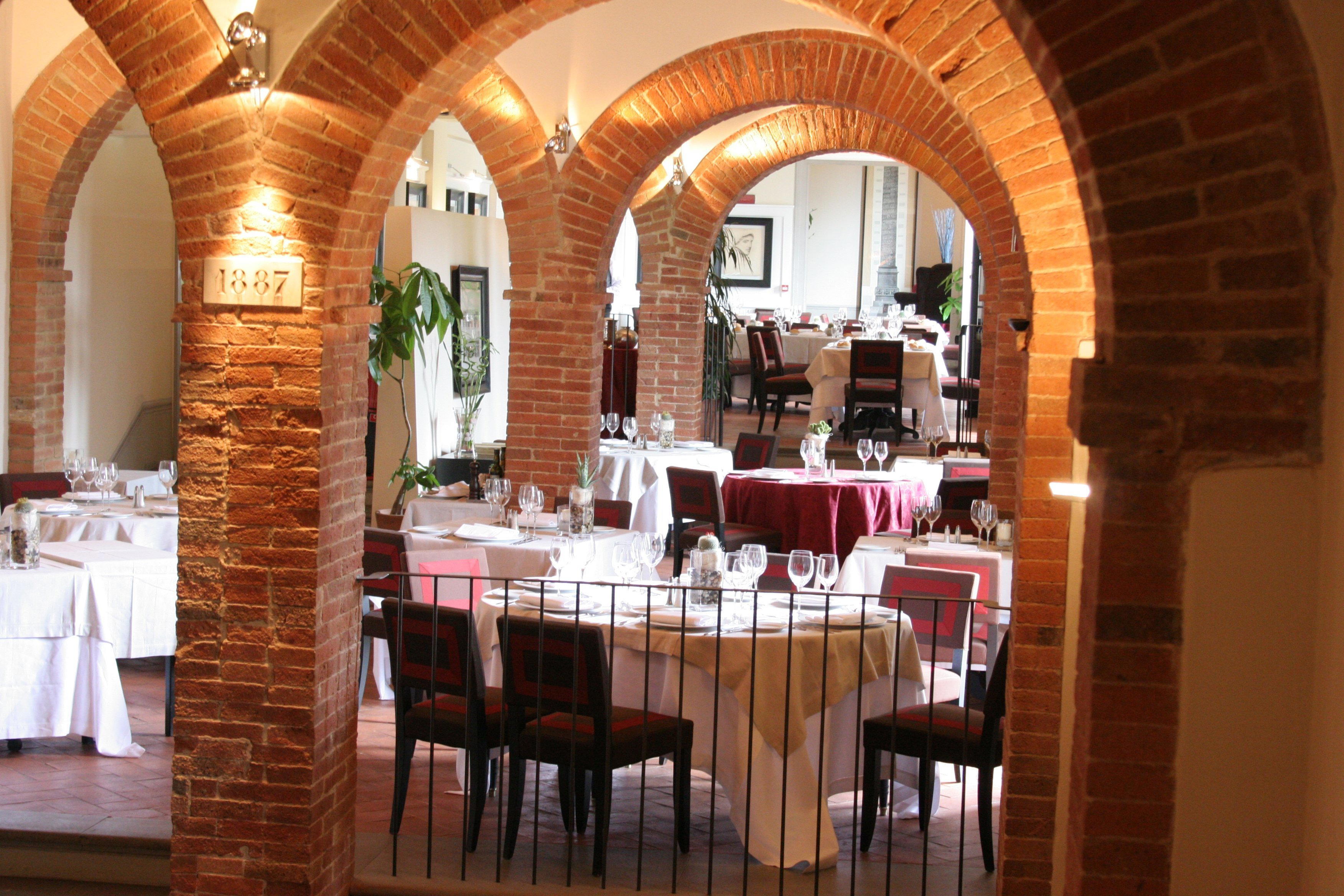
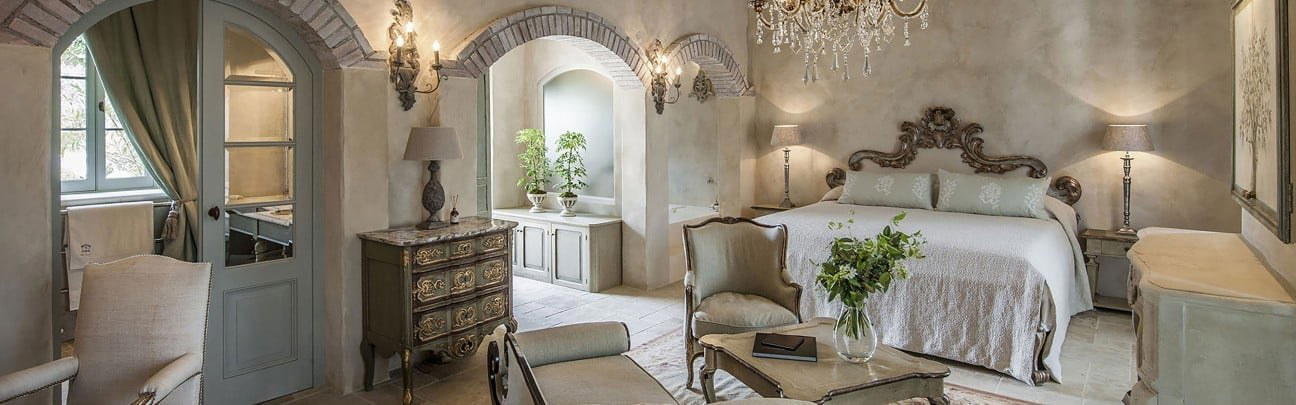
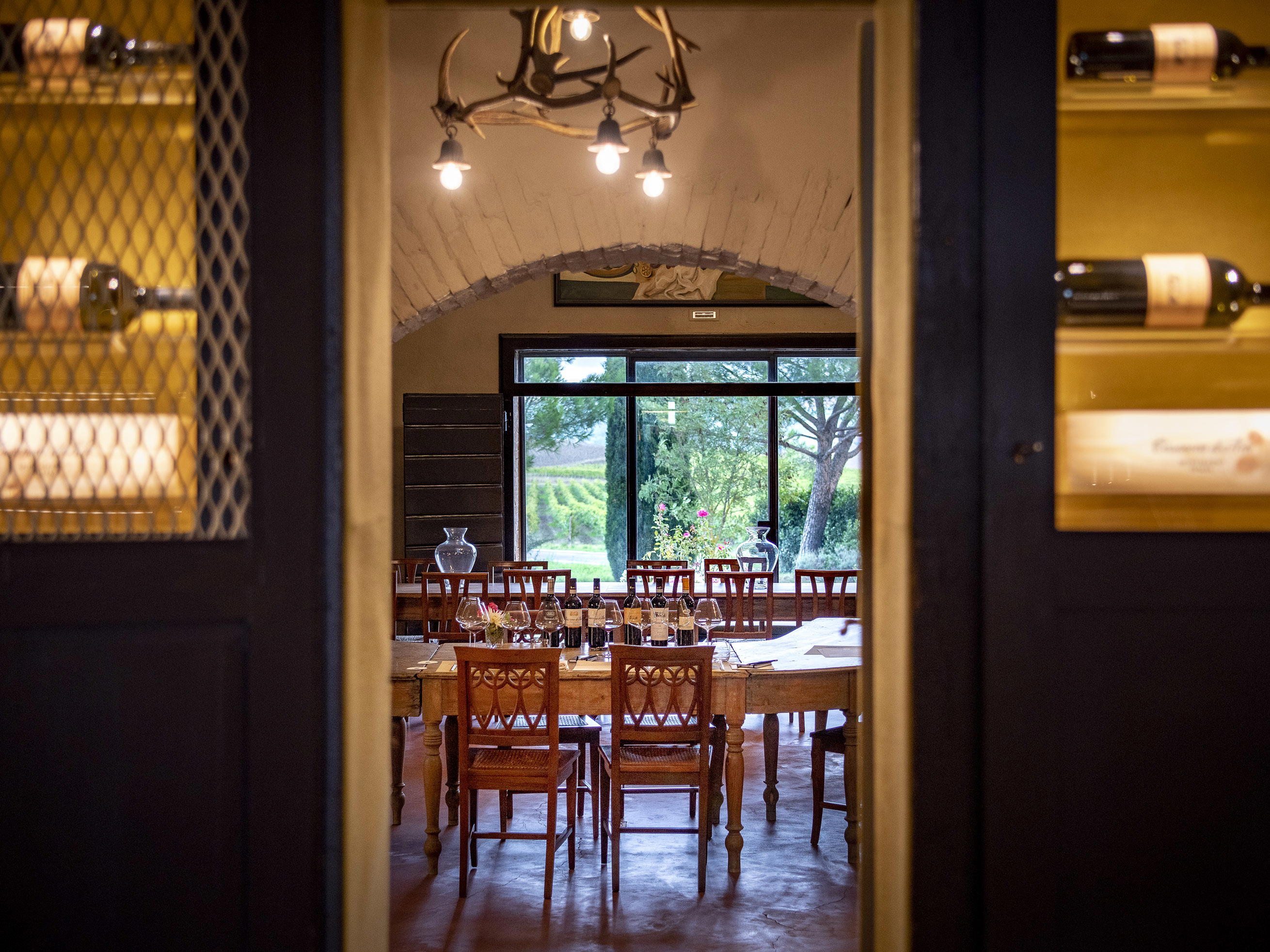
The room is contemporary in style rather than rustic, which is a deliberate counterpoint to the medieval setting. This kind of contrast, old fabric, clean interior, is a recurring choice among estate-based fine dining in Italy, where preserving the architecture while removing the folkloric interior signals a certain seriousness about the food. The panoramic terrace extends the offer depending on season and weather, providing a view across Val d'Orcia that reinforces the estate setting. Whether the terrace or interior is the better option is partly a weather and light calculation, and partly personal.
Planning a Visit
The restaurant sits at the €€€€ price tier, consistent with two-star contemporary cooking at a Rosewood property. Given the estate location and the restaurant's recognition level, securing a table in advance is advisable, particularly across the warmer months when the terrace is in play and Tuscany's visitor volume peaks. The approach via the estate track adds travel time from Montalcino town, so factor that into any dinner plan if you are also moving between properties in the area.
For those building a broader Montalcino dining itinerary, the range extends from the restaurant's two-star format down through wine-focused territory: Castello Banfi - Il Borgo and Osteria di Porta al Cassero represent other angles on the region's food, while Boccon DiVino and Taverna del Grappolo Blu anchor the more local, everyday Tuscan end of the spectrum. EP Club's full Montalcino restaurants guide maps the full range. For accommodation, bars, and activities in the area, see the Montalcino hotels guide, bars guide, and experiences guide.
For readers tracking the contemporary Italian dining tier internationally, the restaurant sits in a comparable set that includes serious estate-driven operations across Europe. For context on how the contemporary two-star format operates outside Italy, César in New York City and Jungsik in Seoul offer points of comparison for kitchen-garden-led contemporary menus in different contexts.
What Regulars Order
The restaurant's kitchen garden supply shapes what carries across return visits, and regulars tend to follow the tasting menus rather than anchoring to fixed à la carte items, because the vegetable-forward dishes shift with what the estate is producing. The wine pairing anchored to the 2016 Sasso al Sole by the glass is frequently cited as a reference point for guests who want a single wine with the depth to carry across multiple courses. Arriving via the full estate route rather than assuming Montalcino town proximity is itself a repeat visitor's piece of knowledge: the setting is as much of the experience as anything plated. Chef Matteo Temperini's two Michelin stars give regulars confidence that the kitchen has maintained a consistent level.
Price and Recognition
Comparable venues nearby, for context on price, style, and recognition.
| Venue | Cuisine | Price | Awards | Notes |
|---|---|---|---|---|
| Campo del DragoThis venue — the venue you are viewing | Contemporary | $$$$ | Michelin 2 Star | Not listed |
| Taverna del Grappolo Blu | Montalcino, Traditional Tuscan Trattoria | $$ | Bib Gourmand | Not listed |
| Boccon DiVino | Montalcino, Modern Tuscan Trattoria | $$$$ | Michelin Plate | Not listed |
| Ristorante Campo Del Drago | Not listed | $$$$ | Not listed | Castiglion del Bosco, Contemporary Tuscan Fine Dining |
| Vineria Aperta | Castelnuovo dell'Abate, Tuscan Wine Bar | $$$ | Not listed | Not listed |
| Osteria di Porta al Cassero | Montalcino, Traditional Tuscan Osteria | $$ | Not listed | Not listed |
Recognition history
Dated appearances from independent guides and award organizations, with the underlying list record or original source where available.
La Liste Top Restaurants
La Liste
Michelin 2 Stars
Michelin
Michelin 2 Stars
Michelin
Michelin 2 Stars
Michelin
Continue exploring
More in Montalcino
Restaurants in Montalcino
Browse all →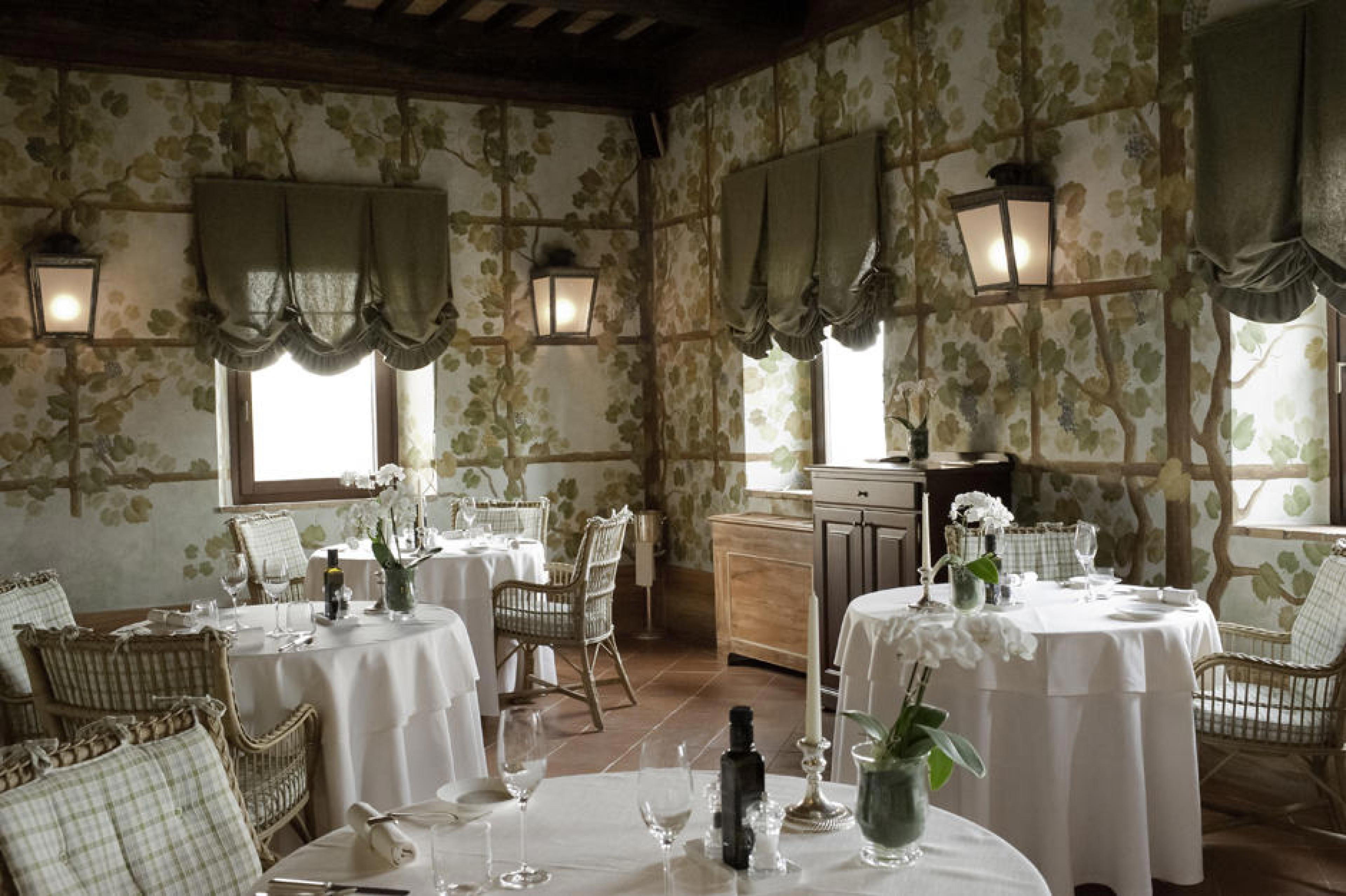
Bars in Montalcino
Browse all →
Hotels in Montalcino
Browse all →
At a Glance
- Elegant
- Intimate
- Rustic
- Sophisticated
- Date Night
- Special Occasion
- Celebration
- Terrace
- Panoramic View
- Historic Building
- Hotel Restaurant
- Extensive Wine List
- Sommelier Led
- Farm To Table
- Local Sourcing
- Organic
- Vineyard
- Mountain
Warm, refined, intimate atmosphere in an elegant contemporary dining room with panoramic terrace.