Enoteca Falorni
Enoteca Falorni occupies Piazza delle Cantine in the heart of Greve in Chianti, where the wine cellar tradition of the Chianti Classico zone finds one of its most direct expressions. The address places it at the centre of a town that has organised itself around wine for centuries, making it a practical and contextual starting point for anyone working through the region's producers.

Pearl is the En Primeur Club membership app — saves, bookings, and concierge access live there. Same editors, same standards.
- Address
- Piazza delle Cantine, 6, 50022 Greve in Chianti FI, Italy
- Phone
- +39 055 854 6404
- Hours
- Mon–Fri 10 AM–6 PMSat–Sun 11 AM–7 PM
- Website
- enotecafalorni.it
- Directions
- Get directions
- Booking
- Book on the venue's website
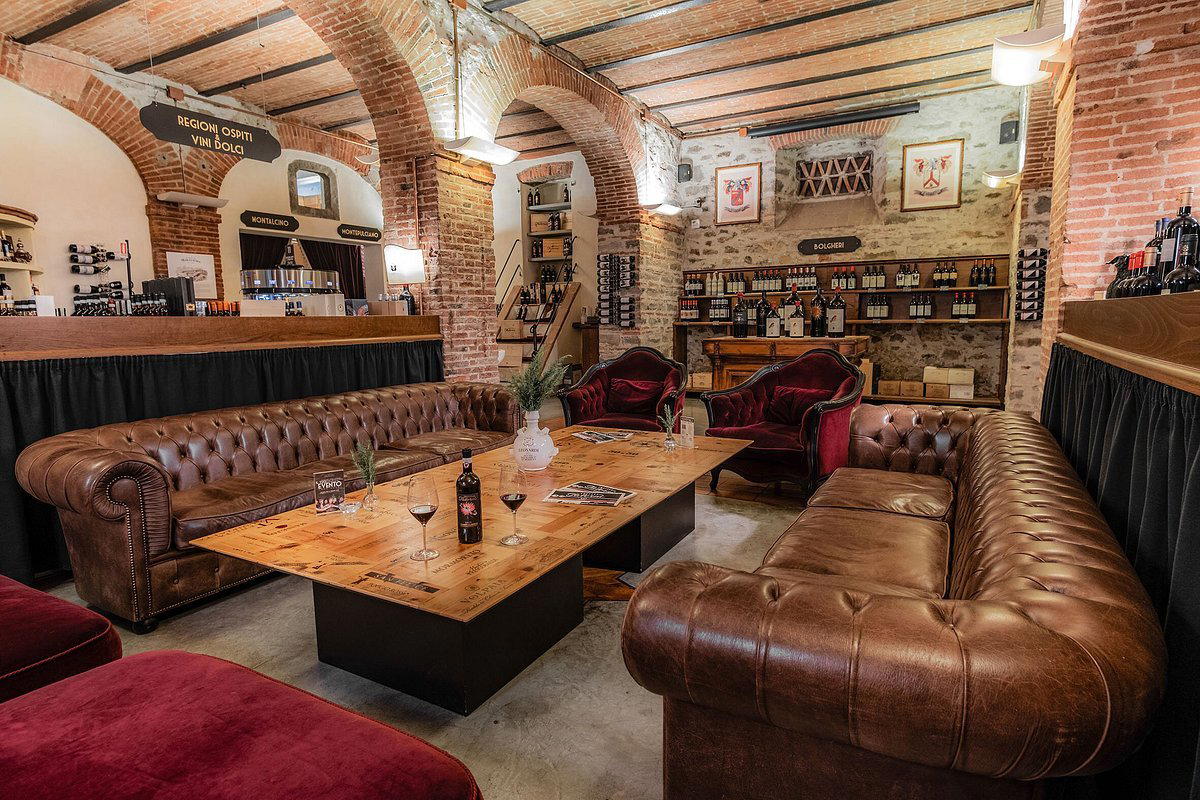
Where the Cellar Meets the Square
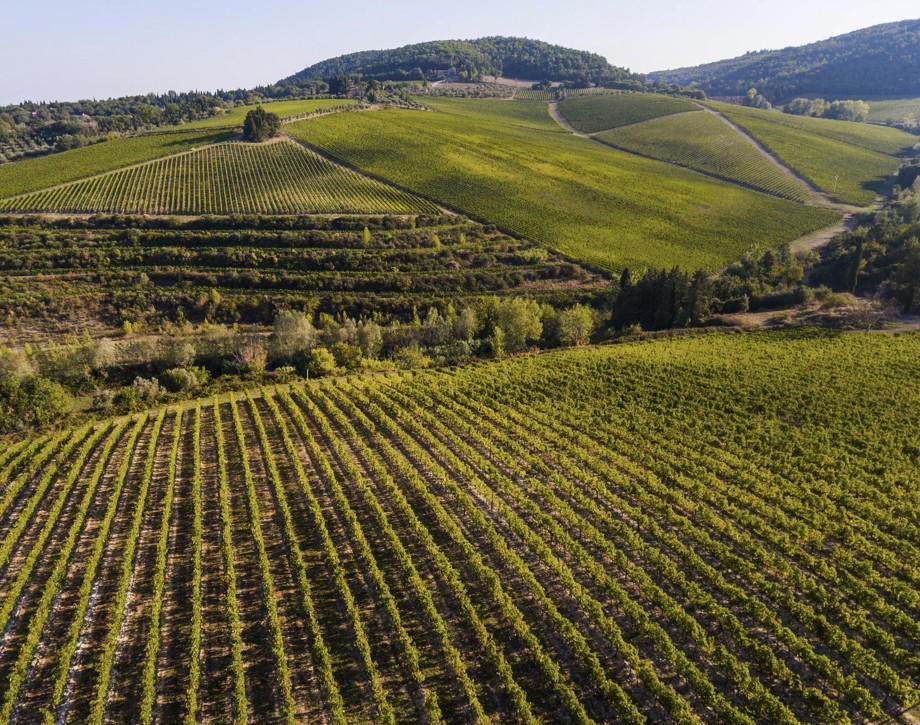
In Greve in Chianti, the central piazza does not perform its wine identity — it simply has it. The town sits at roughly 300 metres elevation in the Chianti Classico production zone between Florence and Siena, and its commercial life has tracked the Sangiovese harvest for generations. Piazza delle Cantine, the address where Enoteca Falorni is found, is named for the cellars themselves. That is not incidental detail; it signals the way the town's architecture and economy have folded around the act of storing, selecting, and selling wine from the surrounding hills.
Enoteca Falorni occupies that piazza at number six — a position that places it among the most geographically grounded wine addresses in Tuscany. For visitors arriving from Florence, the journey south through the Chianti hills takes roughly 45 minutes by car along the Chiantigiana, the SS222, a road that passes through vineyards and olive groves before depositing travellers into the arcaded square. That drive is itself a form of context: by the time you arrive, you have already passed through the source of what will be poured inside.
The Enoteca Format in Chianti Classico
The enoteca model, as it has developed in central Italian wine towns, is distinct from both the restaurant wine list and the wine shop. It operates as a selection house: curating bottles from across a defined production zone, often providing by-the-glass or structured tasting formats that let visitors move through a range of producers without committing to full bottles. In a zone as varied as Chianti Classico, where Gran Selezione designations, single-vineyard bottlings, and entry-level annata wines now occupy very different price and quality tiers, that curation function has real value.
The Chianti Classico zone received DOCG status in 1984, and the introduction of the Gran Selezione category in 2014 sharpened the quality hierarchy further. Producers like Antinori, Fontodi, Isole e Olena, and Montevertine have built international reputations from vineyards that, in some cases, begin within a short drive of Greve. An enoteca positioned in the zone's main commercial town is well-placed to act as a reference point for that range, from the accessible to the allocated.
For comparison, the enoteca tradition finds parallels in other Italian wine formats: Enoteca Historical Faccioli in Bologna works a natural wine programme through a similarly structured cellar-selection approach, demonstrating how the format adapts to different regional production philosophies. In Greve, the emphasis falls on the Sangiovese-dominant canon rather than intervention-light outliers, though the Chianti Classico zone does include producers working with reduced sulphur and organic viticulture.
What the Address Says About the Programme
Piazza delle Cantine is not a tourist-facing renovation of an older tradition, the square's name predates modern wine tourism. Enoteca operations in that location inherit a context where buyers, producers, and collectors have converged for practical commerce rather than theatrical presentation. That history tends to shape what ends up behind the counter: selections made for people who know what they are looking at, rather than for those who need introductory packaging.
Italy's more technically serious bar and wine programmes have generally moved away from spectacle toward depth and provenance, a shift visible in addresses like Drink Kong in Rome, where the programme rewards attention rather than casual engagement, or 1930 in Milan, which built its reputation on sourcing discipline rather than surface showmanship. The enoteca model in a production-zone town like Greve operates by similar logic: authority comes from proximity to source, not from designed atmosphere.
Other Italian addresses worth cross-referencing for their approach to serious wine and bar programming include Al Covino in Venice, L'Antiquario in Naples, and Gucci Giardino in Florence, the last of which shows how Florence itself has developed a more design-conscious wine-and-drinks culture that contrasts with the stripped-back practicality of the Chianti hill towns. For those interested in how Italian regional wine culture translates into bar format beyond Italy's borders, Lost and Found in Nicosia and Bar Leather Apron in Honolulu both take a similarly considered approach to curation within their respective markets.
Greve in Chianti as a Base
Greve functions as the informal capital of the northern Chianti Classico zone. It hosts the annual Chianti Classico Wine Festival each September, when the piazza fills with producers from across the DOCG presenting current releases. Outside of that window, the town operates at a pace set by the agricultural calendar rather than the hospitality industry, which means spring and early autumn give the clearest view of the place without the compression of high summer. Visiting midweek in May or October puts you in the town as a working wine address rather than as a destination event.
For wider orientation in the area, our full Greve in Chianti restaurants guide maps the range of eating and drinking options across the town and the surrounding hilltop villages. Day trips from Greve also connect naturally to Panzano, Castellina, and Radda in Chianti, each with their own enoteca and producer-direct tasting options.
Visitors combining a Chianti wine itinerary with broader Tuscan stops might also consider the thermal context of the region: Cascate del Mulino in Manciano and Fauno Bar in Sorrento each represent different registers of the Italian outdoor hospitality tradition, while Bistrot Torrefazione Samambaia in Turin shows how northern Italian addresses have developed their own calibrated approach to daytime hospitality.
Planning Your Visit
Enoteca Falorni is located at Piazza delle Cantine, 6, 50022 Greve in Chianti. Current hours, booking availability, and pricing are best confirmed directly through the venue, as specific operational details are not available through this listing. Greve is most accessible by car from Florence; public transport options exist via bus from Florence's SMN station, though service frequency varies seasonally. Arriving outside of July and August avoids the peak tourism window and tends to produce a more functional visit, with producers and local trade more present in the town's daily rhythms.
A Quick Peer Check
| Venue | Price | Awards |
|---|---|---|
| Enoteca FalorniThis venue — the venue you are viewing | $20–30 | Not listed |
| Drink Kong | $50–100 | World's 50 Best #32 · Falstaff Bar - 96 Falstaff Points |
| Freni e Frizioni | $10–20 | World's 50 Best #31 · Falstaff Bar - 94 Falstaff Points |
| L'Antiquario | $20–30 | World's 50 Best #28 · Top 500 Bars Best Bars #65 |
| Nottingham Forest | $10–20 | World's 50 Best #38 · Top 500 Bars Best Bars #268 |
| 1930 | Not listed | World's 50 Best #22 · Pinnacle Guide 1 Pin |
Continue exploring
More in Greve in Chianti
Bars in Greve in Chianti
Browse all →
Restaurants in Greve in Chianti
Browse all →
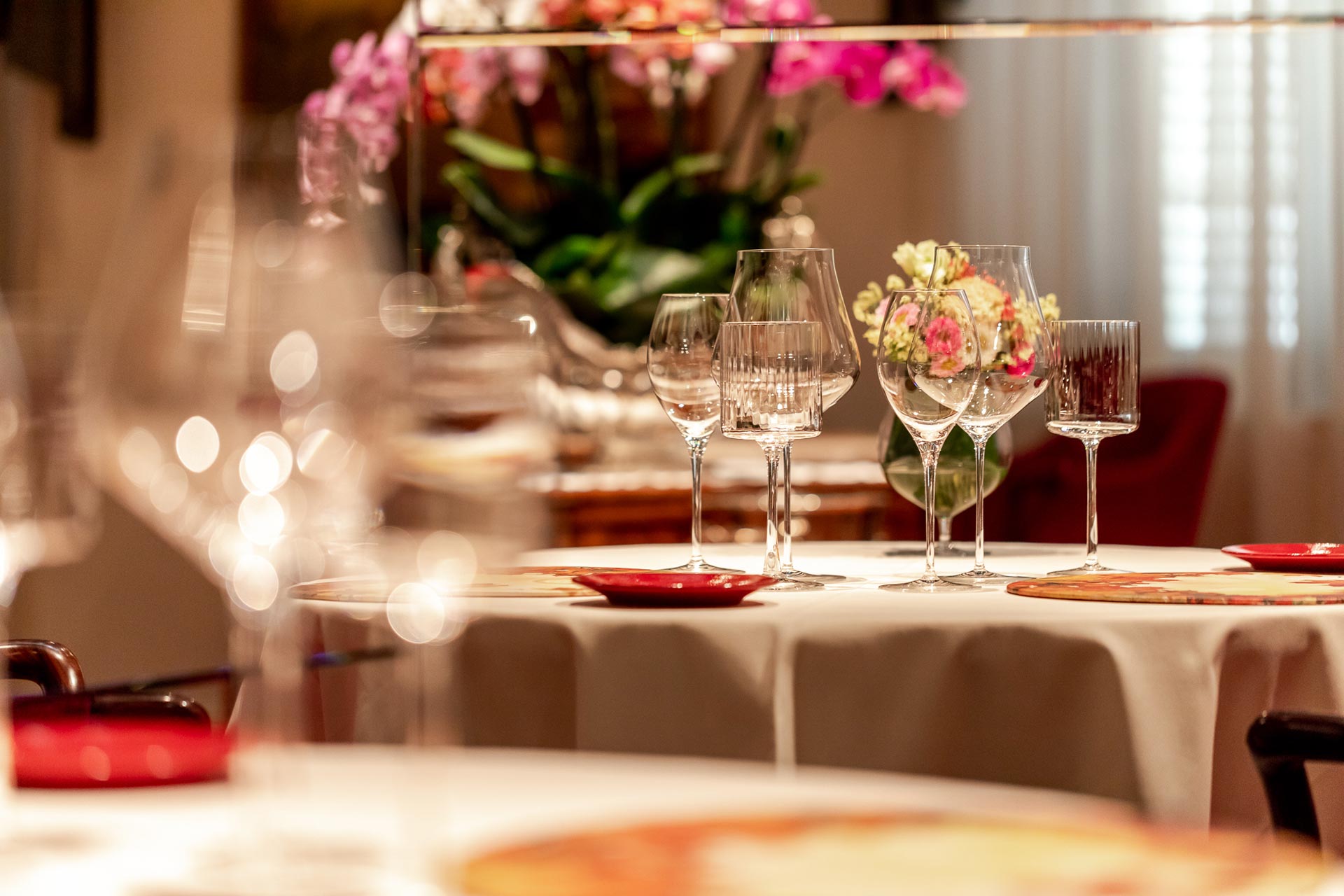
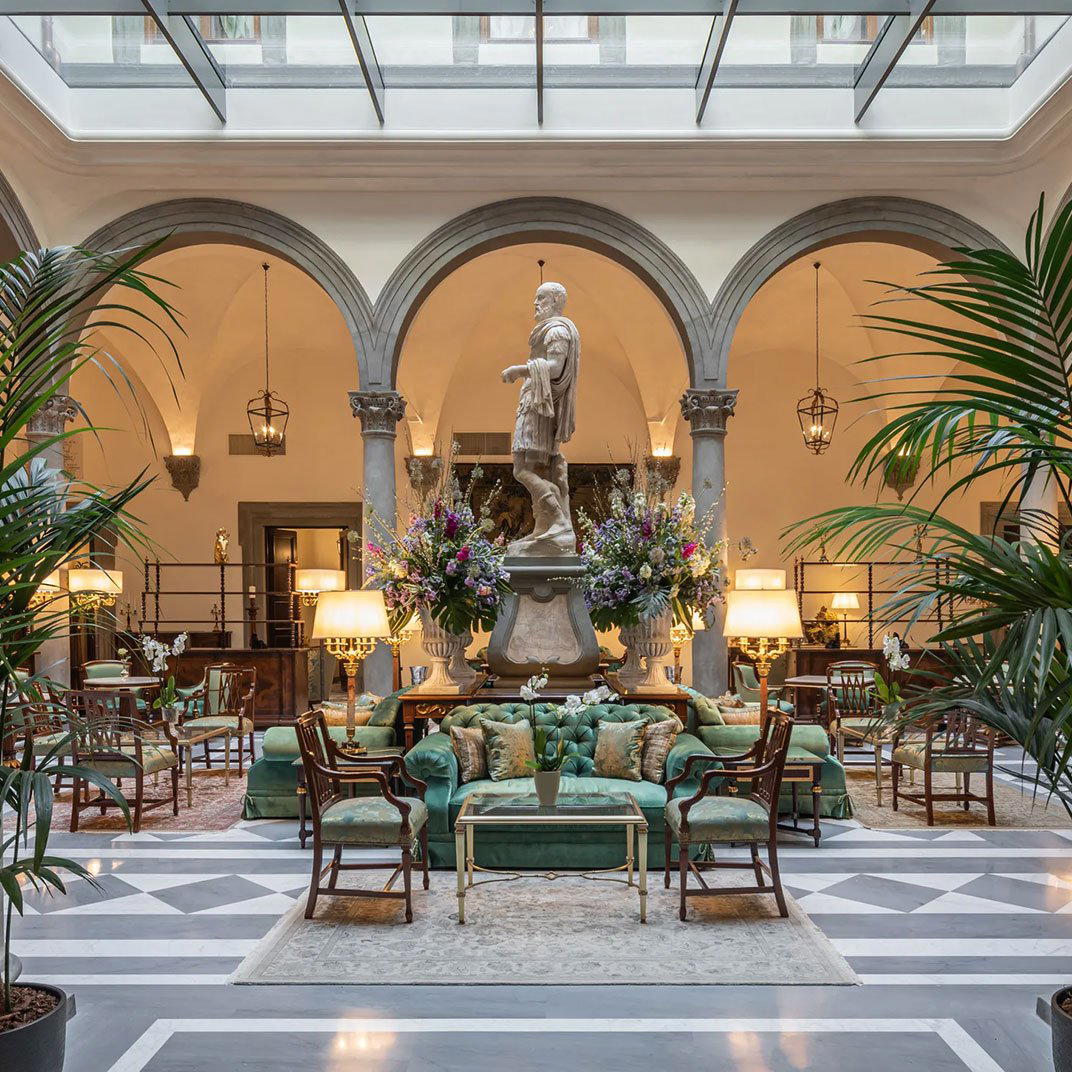
Hotels in Greve in Chianti
Browse all →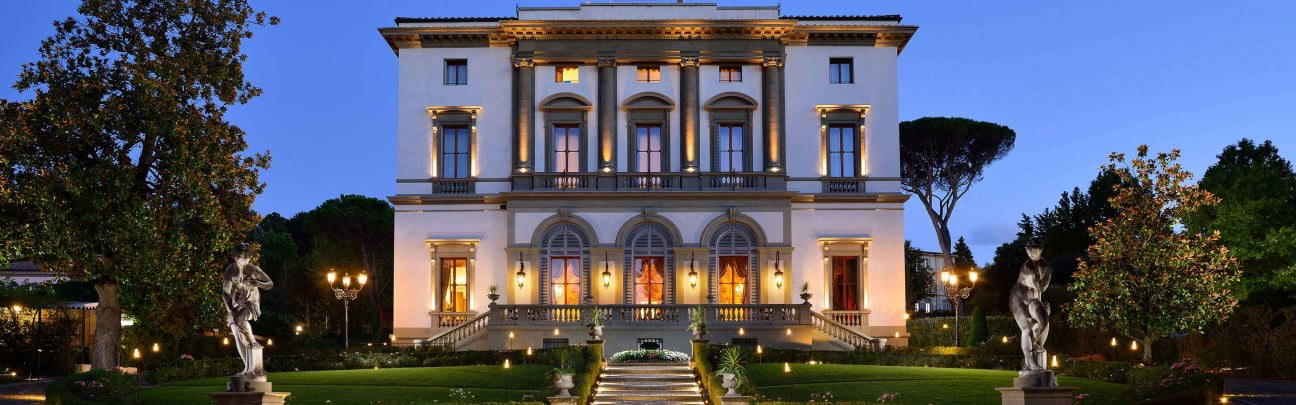
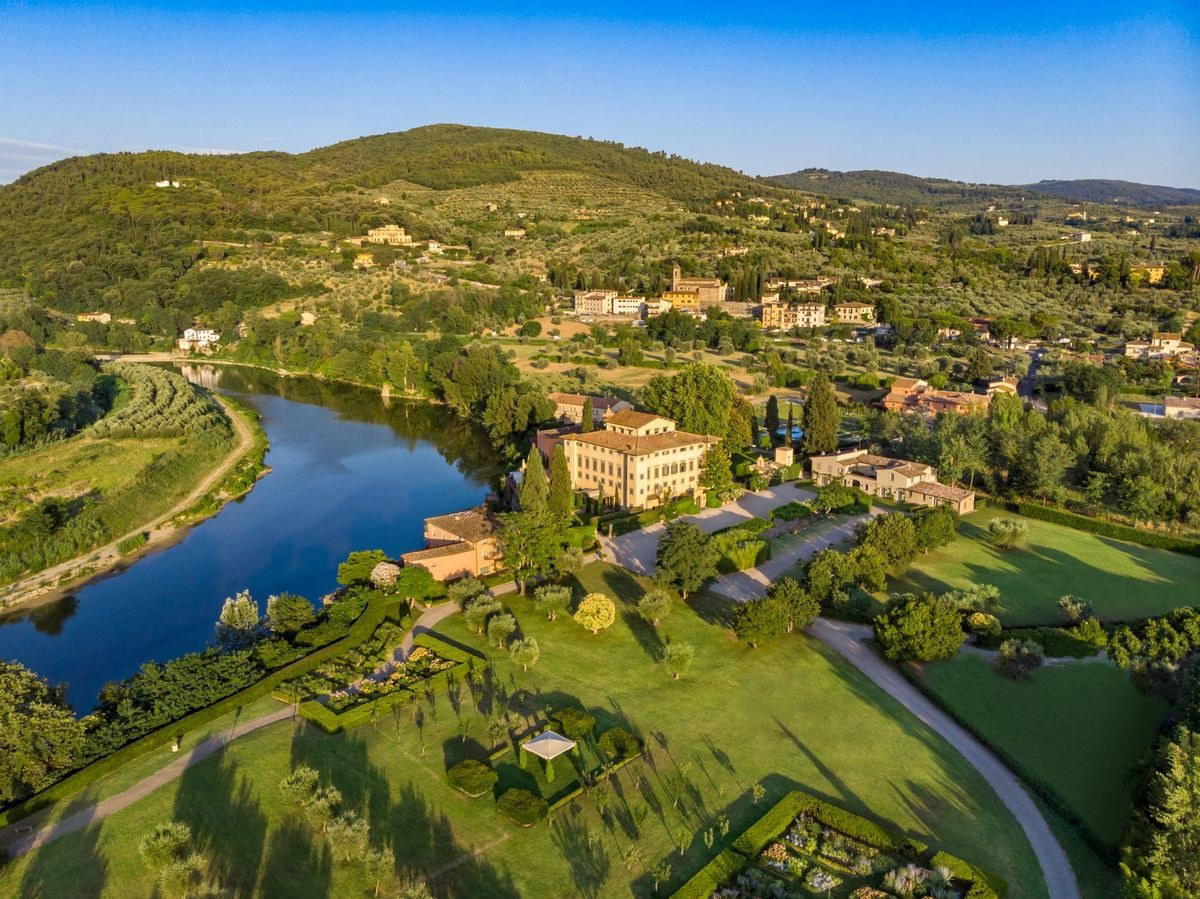
Details
- Rustic
- Elegant
- Intimate
- Classic
- Casual Hangout
- Date Night
- Group Outing
- Historic Building
- Seated Bar
- Communal Tables
- Conventional Wine
Current opening hours
- Monday
- 10 AM–6 PM
- Tuesday
- 10 AM–6 PM
- Wednesday
- 10 AM–6 PM
- Thursday
- 10 AM–6 PM
- Friday
- 10 AM–6 PM
- Saturday
- 11 AM–7 PM
- Sunday
- 11 AM–7 PM
Hours can change for holidays and private events. Last verified .
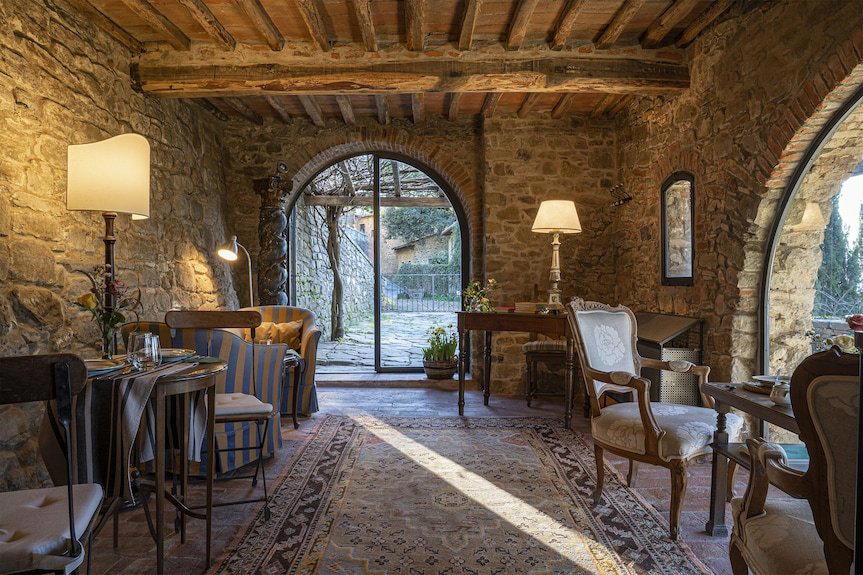
Elegant historic brick-vaulted underground cellar with a sophisticated yet rustic Tuscan atmosphere.