An enoteca on Piazza San Giovanni, Enoteca Calasto operates in the tradition of Tuscan wine bars that treat the bottle as the primary text and food as annotation. In a city where medieval walls frame every evening out, it represents Lucca's quieter, more considered drinking culture, a stop for those who arrive knowing what they want and leave knowing more than they expected.
- Address
- Piazza S. Giovanni, 5, 55100 Lucca LU, Italy
- Phone
- +39 0583 954267
- Directions
- Get directions
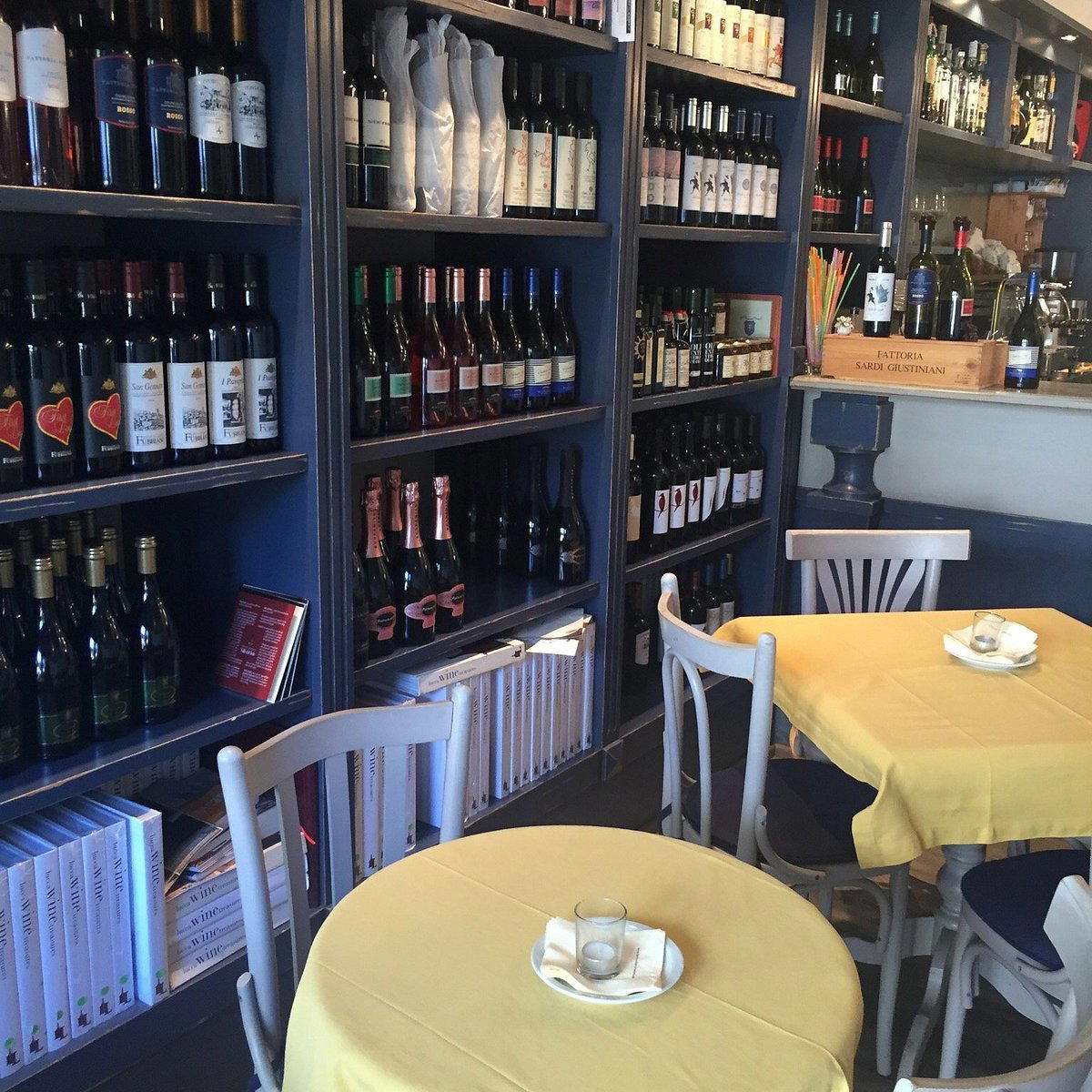
The Piazza After the Crowds Thin
Lucca's medieval centro storico empties in stages. The tour groups clear first, then the afternoon shoppers, and by early evening the city's smaller squares, the ones that don't anchor a cathedral or a gelato queue, settle into something closer to their actual character. Piazza San Giovanni is one of those squares. It sits in the shadow of the deconsecrated church of San Giovanni e Reparata, a modest Romanesque facade that most visitors photograph from the adjacent piazza without stepping onto this one. Enoteca Calasto occupies that quieter register: address at number five.
The enoteca format has a specific grammar in Tuscany, distinct from the bacaro tradition you find at places like Al Covino in Venice or the natural-wine focus that defines Enoteca Historical Faccioli in Bologna. Here the emphasis falls on the regional bottle, Morellino, Vermentino, Lucchesia DOC, served without ceremony but with the expectation that the person pouring knows the producer. It is a format built for conversation rather than performance, and Piazza San Giovanni is an appropriate setting for it.
What the Back Bar Tells You
In the hierarchy of Italian wine bars, curation separates the serious from the decorative. A wall of bottles with artful labels is one thing; a selection organised around producer relationships, harvest years, and regional specificity is another. Enoteca Calasto's position on this spectrum aligns with the latter tradition. Lucca sits at the intersection of several Tuscan wine zones, the coastal Bolgheri corridor to the southwest, the Colline Lucchesi appellation running northeast from the city walls, the Maremma further south, and a thoughtful enoteca in this location has access to a range that more centrally positioned venues, locked into the Chianti Classico conversation, do not.
That geographic advantage matters for the by-the-glass offer. Where a bar in Florence might anchor its list around the Antinori or Frescobaldi estates that tourists already recognise, a Lucca enoteca with genuine curation can move laterally: lesser-known Sangiovese interpretations from the hills, coastal Vermentino that doesn't appear on major city lists, olive oil alongside wine in the way the territory actually produces them. The spirits side of the bar, while secondary to the wine program in format, tends in venues of this type toward grappa and digestivi from regional distillers rather than international labels, a back-bar logic that reflects place rather than trend.
For comparison, consider how Italy's more celebrated bar programs, 1930 in Milan, Drink Kong in Rome, or Gucci Giardino in Florence, build their identities around technical cocktail programs and curated spirits collections. The enoteca format sits on a different axis entirely: the depth signal comes from the wine list's vertical range and producer specificity, not from a bartender's technique or a spirits library's rarity count. Both are legitimate forms of curation; they address different readers.
Lucca's Drinking Culture in Context
Lucca is not a city that produces dramatic food-and-drink moments in the way that Florence or Bologna do. It is a walled city of about 90,000 residents that functions year-round as a working Tuscan town, with an overlay of tourism concentrated in spring and autumn. That dynamic shapes its hospitality. The bars and enotece that survive here across years tend to serve both markets without orienting entirely toward either, locals who want somewhere reliable on a Tuesday, visitors who have done enough research to arrive at Piazza San Giovanni rather than settling for the first terrace on Piazza Napoleone.
Franklin 33 represents Lucca's cocktail-forward offer, a different register from what an enoteca provides. The two formats serve different moments in an evening rather than competing for the same customer. Visitors benefit from understanding that distinction before planning their time. The Lucca guide maps those different registers across the city in more detail.
The comparison set for Enoteca Calasto runs through regional wine bars across the peninsula: the standing-room counters of Verona's old town, the cave-like cellars of Orvieto, the producer-focused lists of smaller Piedmontese towns. Against that peer group, a Lucca enoteca with territory-rooted selection occupies a legitimate position, one that international visitors may underweight when they arrive assuming the city's wine culture is merely a satellite of Chianti.
Timing and Practical Considerations
Lucca operates on a schedule that rewards early arrivals and punishes late ones. One productive window at an enoteca like Calasto runs from the late afternoon aperitivo hour through early evening. The autumn months, when Lucchesia producers are harvesting and the city hosts Lucca Comics and Games in late October, bring a different energy to the entire centro storico, including its quieter squares.
Piazza San Giovanni is accessible on foot from the main car park outside the walls; the city interior is largely pedestrianised, and the square sits within a short walk of the San Frediano and San Michele axes that most visitors use to orient themselves. Booking details and hours are best confirmed directly before visiting, as smaller enotece in Italian provincial cities adjust their schedules seasonally without necessarily reflecting those changes online. There is no published phone number or website in public sources for this venue, so direct approach on arrival or local inquiry is the practical route.
For broader Italian bar and enoteca context, the guide covers venues from L'Antiquario in Naples to Bistrot Torrefazione Samambaia in Turin, along with international reference points like Lost & Found in Nicosia, Fauno Bar in Sorrento, and Bar Leather Apron in Honolulu, a range that illustrates how differently the wine-and-spirits bar format translates across contexts.
Price and Positioning
Comparable venues nearby, for context on price, style, and recognition.
| Venue | Cuisine | Price |
|---|---|---|
| Enoteca CalastoThis venue — the venue you are viewing | Not listed | $$ |
| Franklin 33 Lucca | historic center, speakeasy | $$ |
Continue exploring
More in Lucca
Bars in Lucca
Browse all →
Restaurants in Lucca
Browse all →
Hotels in Lucca
Browse all →

At a Glance
- Charming
- Cozy
- Rustic
- Date Night
- Casual Hangout
- Historic Building
- Seated Bar
- Lounge Seating
- Natural Wine
- Conventional Wine
- Street Scene
Charming and inviting atmosphere in a small historic spot across from Puccini concert church.