Osmosi

1 Michelin Star
Our verdict
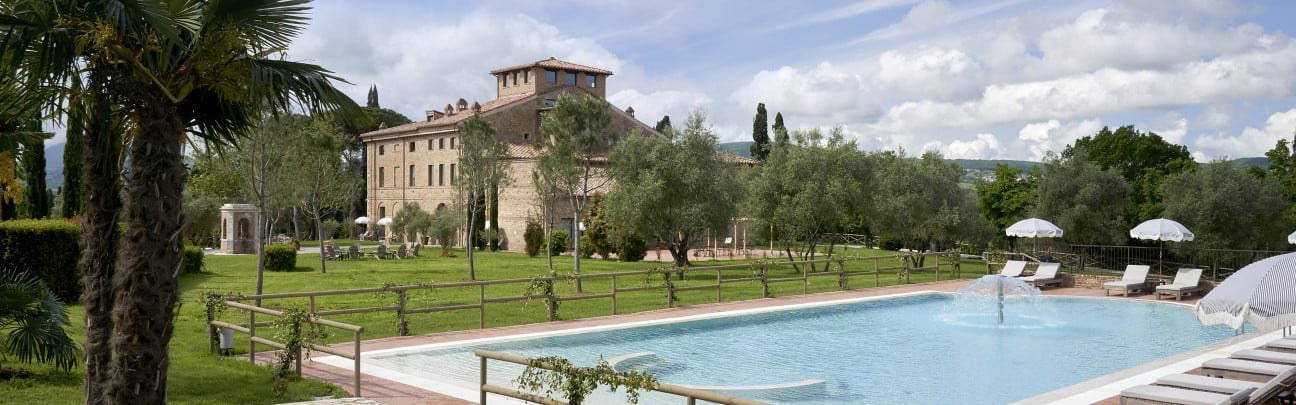
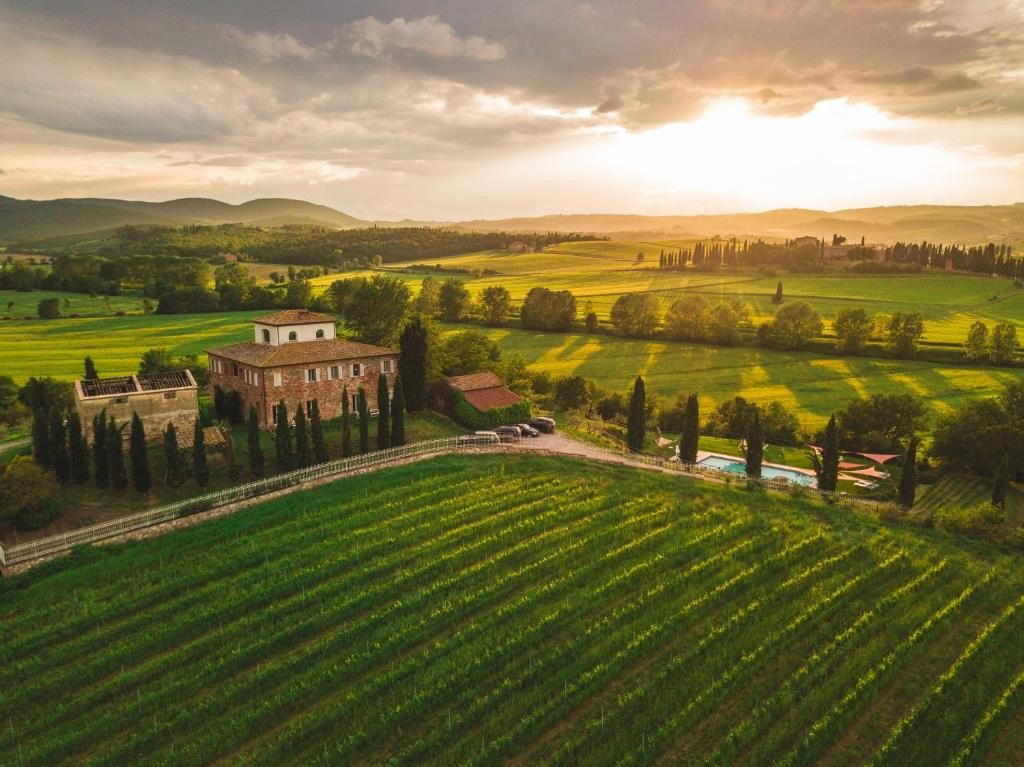
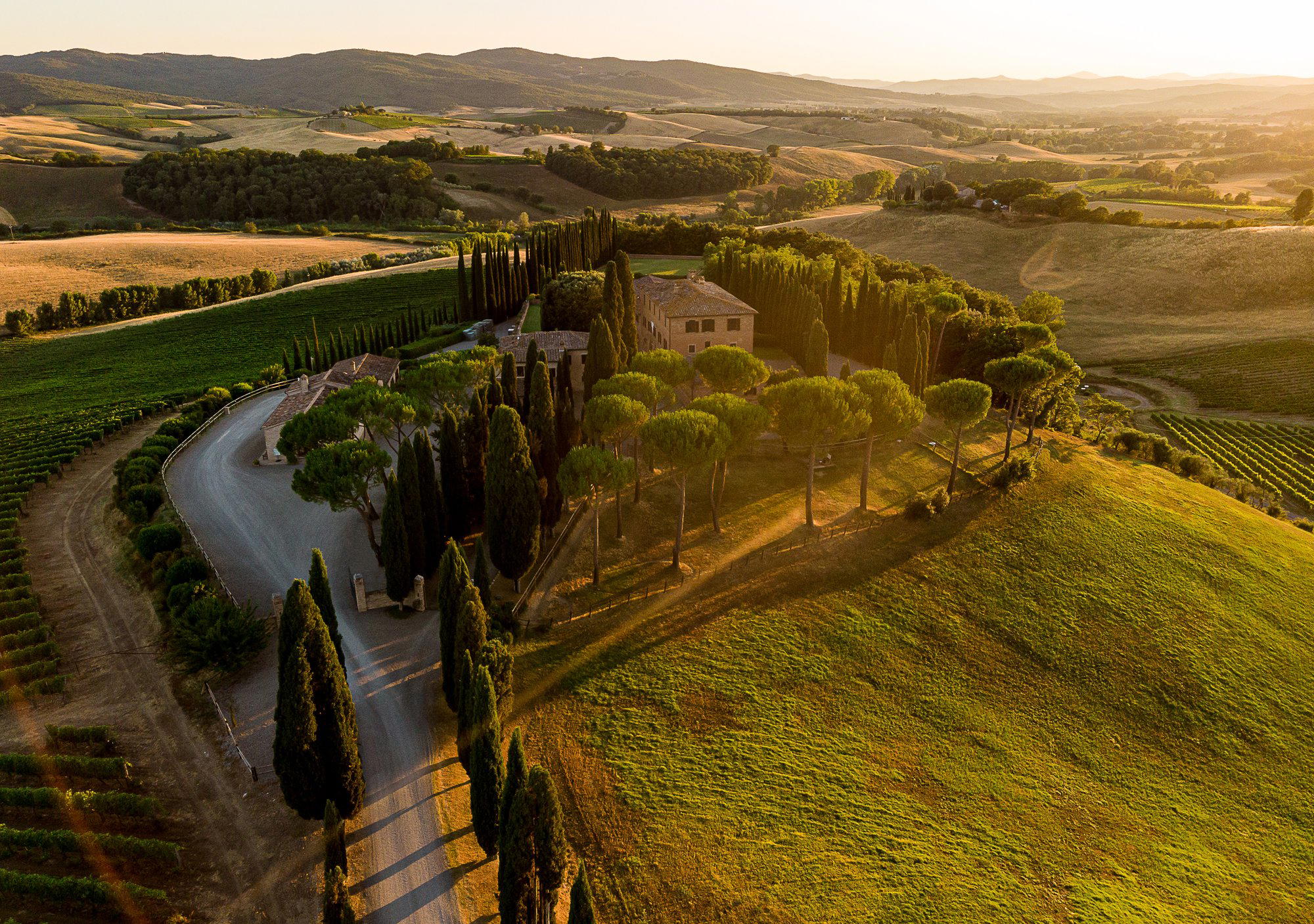
Set within the historic Villa Svetoni estate above Montepulciano, Osmosi sits where a winery founded in 1865 meets contemporary Italian cooking. Chef Mirko Marcelli combines regional ingredients — Chianina beef, local grains — with international technique, across three tasting menus that can also be navigated à la carte.6 from 548 reviews confirms consistent execution at the €€€ price tier.

Pearl is the En Primeur Club membership app — saves, bookings, and concierge access live there. Same editors, same standards.
- Address
- PRESSO VILLA SVETONI, Via Umbria, 65, 53045 Montepulciano SI, Italy
- Phone
- +39 389 652 2511
- Hours
- Mon–Wed ClosedThu–Sun 12:30–2 PM, 7:30–9 PM
- Website
- osmosimontepulciano.it
- Directions
- Get directions
- Booking
- Book on the venue's website
A Veranda Above the Vines
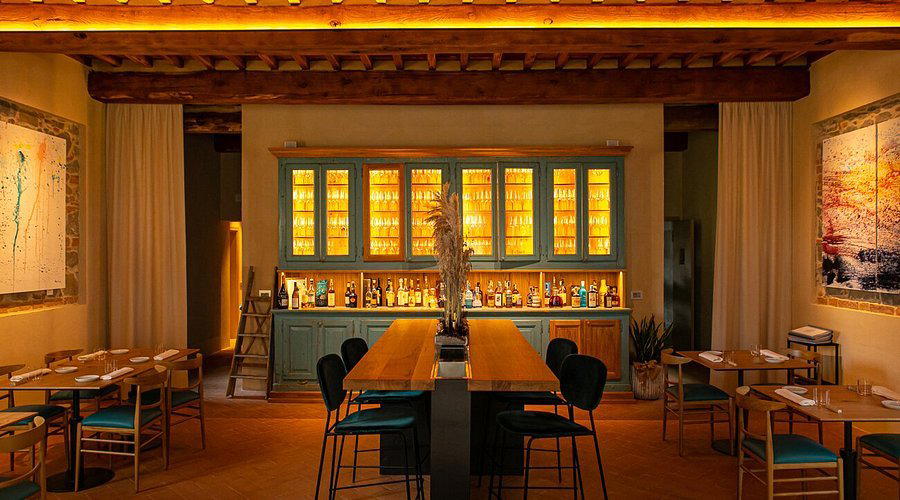
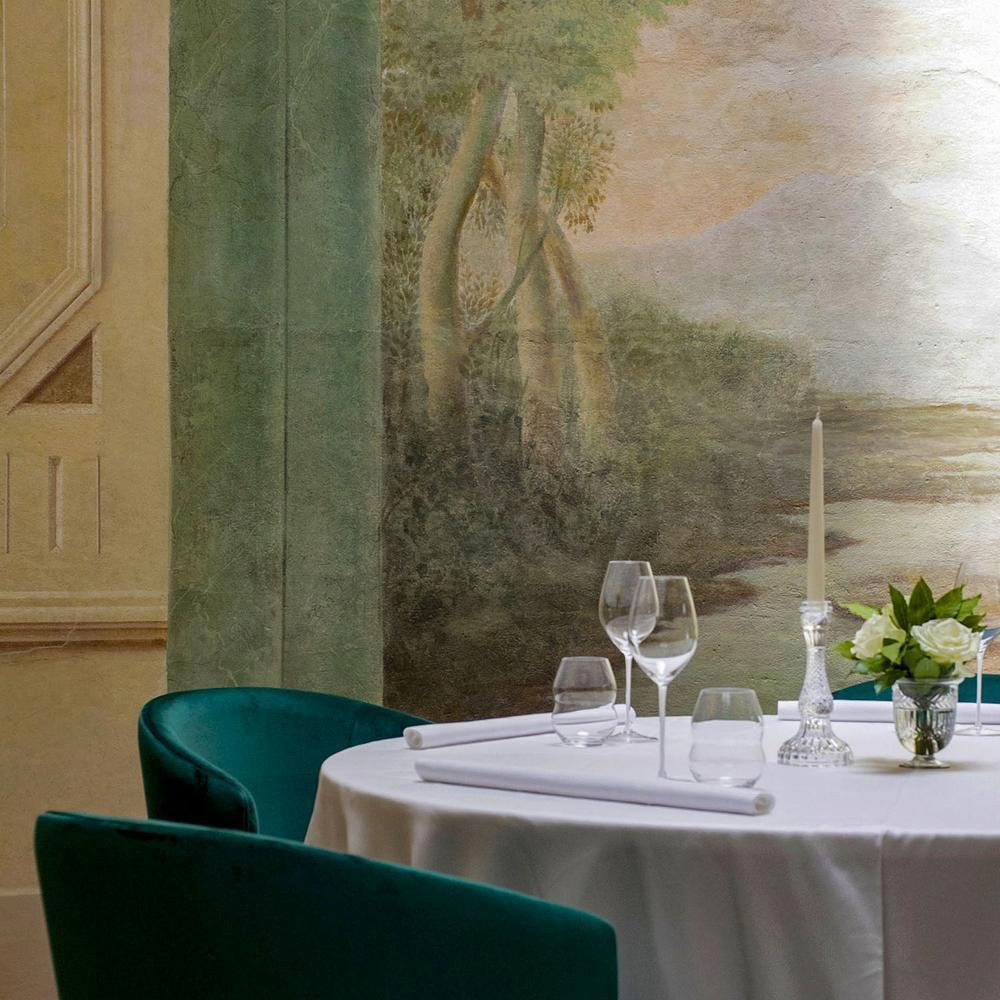
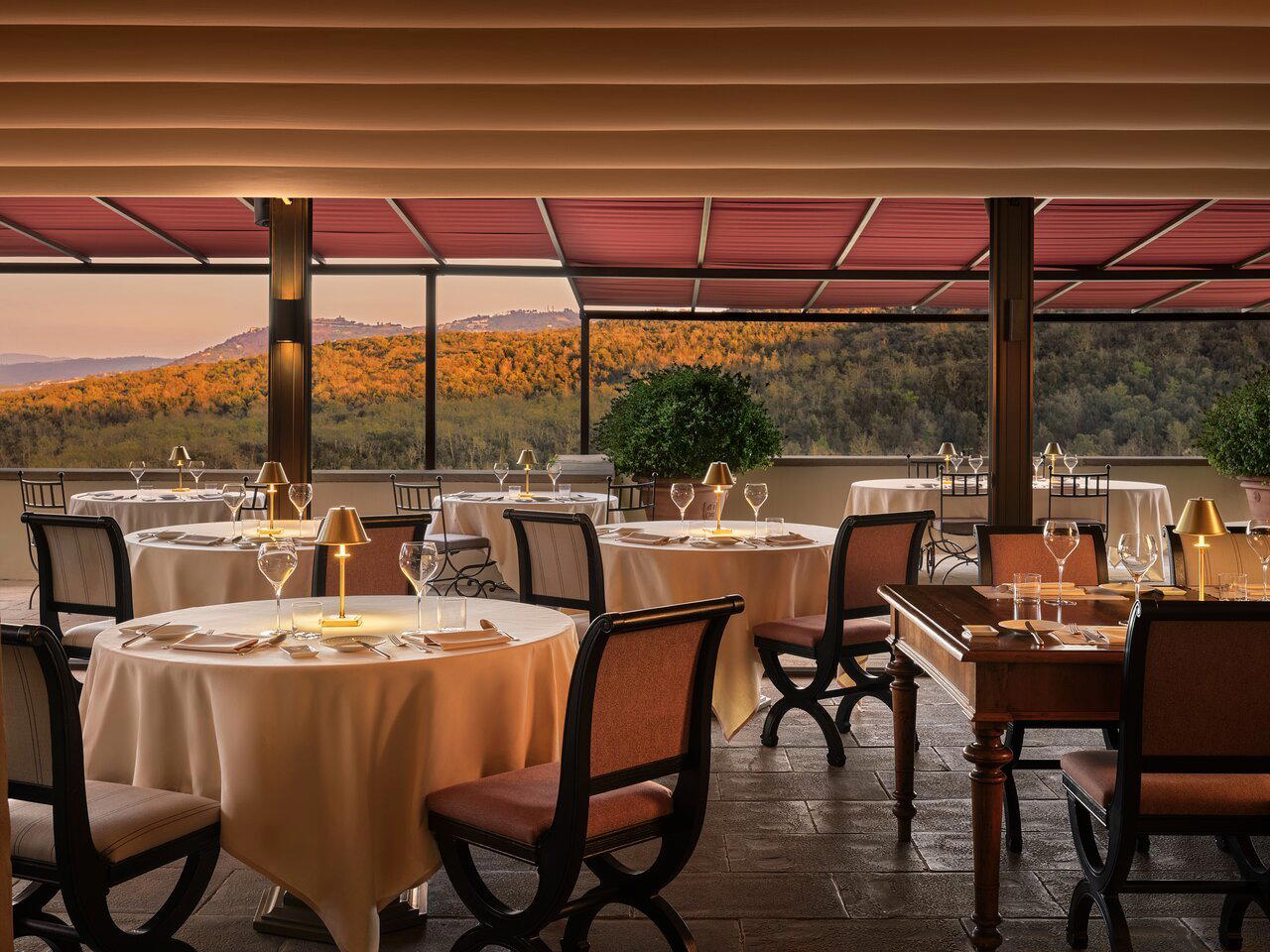
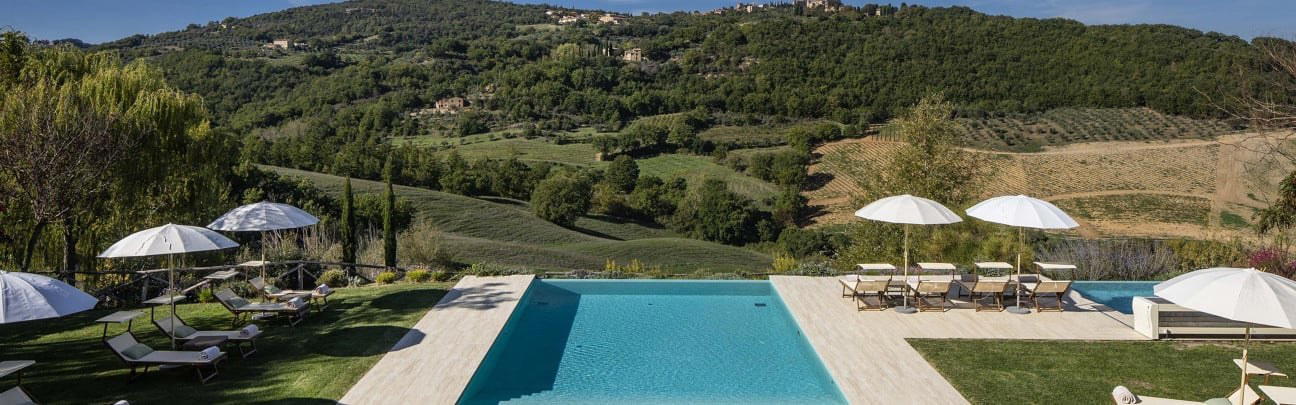
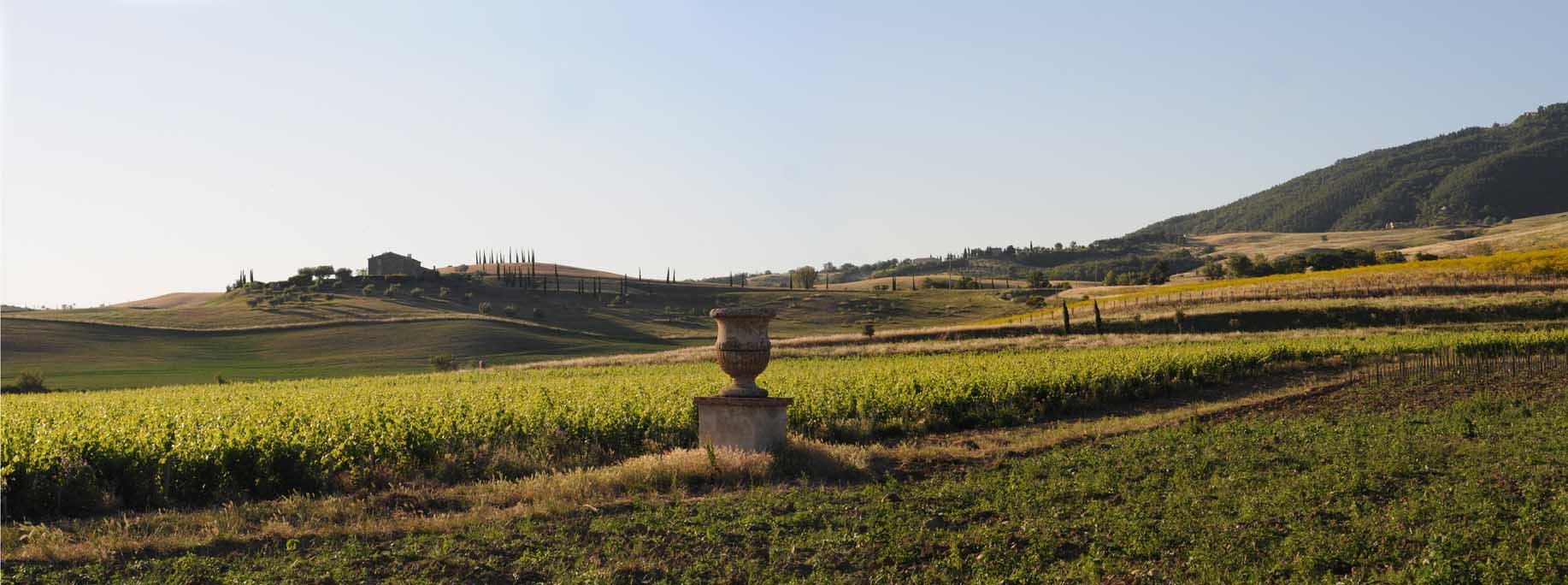
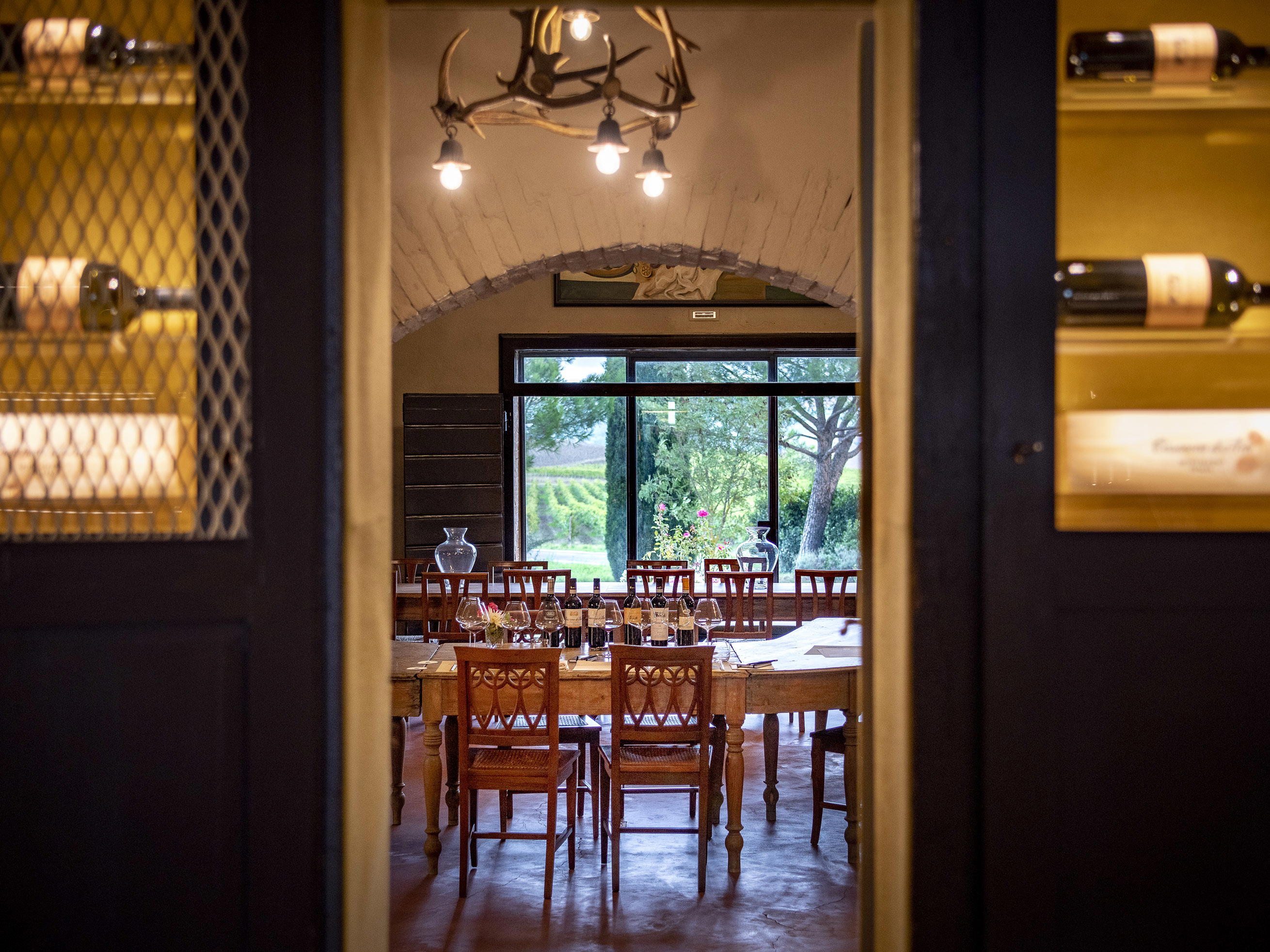
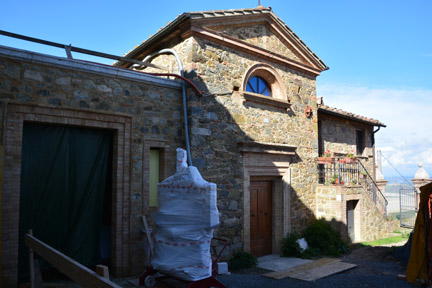
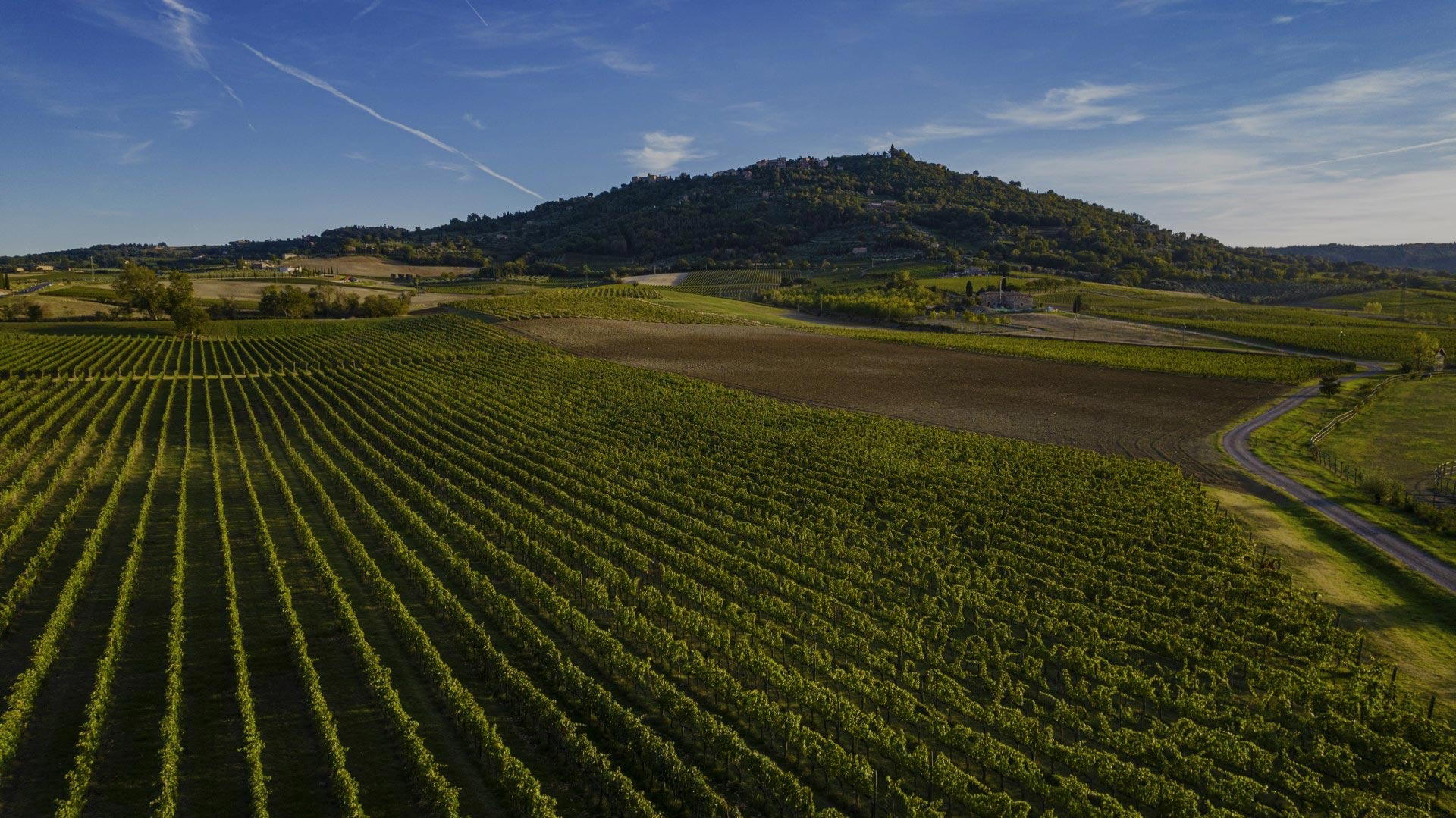
The approach to Osmosi involves a country road that climbs past rows of Montepulciano vines before arriving at Villa Svetoni, a historic Tuscan estate whose winery dates to 1865. The restaurant occupies two distinct spaces within the property: the interior rooms of the old villa building, stone-walled and measured in their atmosphere, and a modern glass veranda where floor-to-ceiling windows frame an unbroken view of open countryside. Depending on the season, that veranda shifts in character — sharp and bright under autumn afternoon light, quieter and more enclosed after dark. The physical setting is inseparable from how the meal is experienced here.
Tuscany's agriturismo and estate-restaurant tradition is long, and places like Osmosi exist at its more ambitious end. Rather than offering a simplified regional menu designed to satisfy tourists passing through Montepulciano, the kitchen treats the estate context as a platform for a wider range of culinary thinking. That tension between rootedness and reach defines contemporary Tuscan dining at this tier, and it is what separates the more thoughtful estate restaurants from those that simply package local ingredients under a vaulted ceiling.
How the Meal Is Structured
The format at Osmosi reflects a practical understanding of how guests at this kind of property actually want to eat. Three tasting menus are available, but courses from each can also be ordered à la carte, which gives the meal an unusual degree of flexibility for a kitchen operating at the €€€ level. This is a deliberate structural choice: it accommodates the solo diner who wants three courses and a glass of local wine as readily as the table of four working through a full progression. The rhythm of the meal is therefore not fixed — it is negotiated at the table.
This approach places Osmosi in a different position from the more codified tasting-menu restaurants operating at comparable or higher price points elsewhere in Italy. At Osteria Francescana in Modena or Enoteca Pinchiorri in Florence, the format is largely fixed, and the experience is shaped around that structure. Osmosi's flexibility signals something different: a hospitality model built around the estate's broader accommodation offer, where guests may arrive for multiple meals and prefer variety over ceremony. That contextual difference matters when assessing what kind of experience the restaurant is actually delivering.
Front of house is managed by Elena, whose presence alongside owner Simone gives the service dynamic a family-estate character. The wine list is detailed, drawing naturally on the Fattoria Svetoni's own production as well as the wider Montepulciano DOC and Tuscan output. Simone's personal involvement in guiding wine recommendations reinforces the estate-as-host model, where the meal extends into a broader conversation about the property and the region.
What the Kitchen Is Doing
Chef Mirko Marcelli's menu sits at an intersection that has become increasingly common in regional Italian fine dining: local product treated with international technique. The Chianina beef, a Tuscan breed of cattle with protected geographical designation, prized for the lean structure and depth of its meat, appears alongside a gentian root rice dish that draws on a far less conventional ingredient set. The juxtaposition is representative of how the menu is built: one anchor in recognised Tuscan identity, one reach toward less familiar culinary territory.
Other dishes on the menu include breaded sweetbreads with peas, teriyaki, and goat's cheese, and duck with chard, confit leek, and Cajun spices. The latter reference to North American spice combinations is worth noting not as an anomaly but as a marker of how younger Italian chefs at the contemporary end of the market are reading global culinary influence. The movement is not toward fusion in the loose, unmoored sense, but toward a confident incorporation of external technique into a framework that remains fundamentally grounded in Italian product and ingredient logic. The same tendency, at higher price points and in more urban contexts, can be observed at restaurants like Enrico Bartolini in Milan or Le Calandre in Rubano.
The decision to include Chianina specifically is also worth contextualising. The breed is one of the oldest cattle varieties in Europe, historically associated with the Val di Chiana valley that runs through Arezzo and Siena provinces. Its appearance on a menu in Montepulciano is geographically and culturally coherent, this is not a provenance claim imported from elsewhere, but a genuine expression of what the surrounding land produces.
Where Osmosi Sits in Montepulciano's Dining Scene
Montepulciano's restaurant scene is narrow by the standards of larger Tuscan cities, but the town and its surrounding countryside hold a small cluster of places worth serious attention. Indigeno operates with a tighter focus on traditional Tuscan cooking, while Le Logge del Vignola occupies a different architectural and atmospheric register in the town centre itself. Osmosi's position outside the town walls, embedded within a working wine estate, is its most distinguishing contextual feature. It is not competing for the lunch-break visitor; it is serving guests who have committed to the estate or have made a specific journey to the property.
At €€€ pricing, Osmosi sits below the top tier of Italian fine dining, the €€€€ bracket occupied by destinations like Dal Pescatore in Runate, Uliassi in Senigallia, Quattro Passi in Marina del Cantone, or Piazza Duomo in Alba, but the estate context delivers a value proposition that pricing alone does not capture. The setting, the wine provenance, and the flexible menu structure collectively produce a dining experience that reads more expansively than its price tier might suggest.
For a broader picture of eating and drinking around the town, see our full Montepulciano restaurants guide, and for properties in the surrounding area, our Montepulciano hotels guide, bars guide, wineries guide, and experiences guide cover the full range of options in the region. Those travelling to Tuscany for a deeper read on the Italian contemporary scene might also look at Atelier Moessmer Norbert Niederkofler in Brunico as a reference point for how estate-adjacent fine dining operates at the top of the Italian market, or consider how internationally-oriented contemporary formats at venues like César in New York City or Jungsik in Seoul frame a similar tension between local identity and global technique.
Planning Your Visit
Osmosi serves lunch (12:30 to 2:00 PM) and dinner (7:30 to 9:00 PM) on Monday, Tuesday, Friday, Saturday, and Sunday. Thursday opens for dinner only from 7:00 PM. Wednesday is closed. The restaurant is located at Via Umbria 65, within the Fattoria Svetoni estate outside Montepulciano, a car is the practical necessity for reaching it, and arriving in daylight allows the countryside setting to register fully before the meal begins. Given the estate's accommodation offer, staying on the property removes the question of the return drive entirely, and gives access to multiple meals across a short stay.
Frequently asked questions
What's the price range at Osmosi?
Pricing at Osmosi is listed as €€€.
Cuisine Lens
| Venue | Cuisine | Price | Awards | Notes |
|---|---|---|---|---|
| OsmosiThis venue — the venue you are viewing | Contemporary Tuscan Fine Dining | $100–150 | 1 Michelin Star | Not listed |
| Atelier Moessmer Norbert Niederkofler | Italian, Creative | Not listed | Michelin 3 Star | Not listed |
| Dal Pescatore | Italian, Italian Contemporary | Not listed | Michelin 3 Star | Not listed |
| Enoteca Pinchiorri | Contemporary Italian Fine Dining | $200–300 | 3 Michelin Stars · World's 50 Best #32 | Italian - French, Italian Contemporary |
| Enrico Bartolini | Creative | Not listed | Michelin 3 Star | Not listed |
| Osteria Francescana | Avant-Garde Italian Contemporary | $300–500 | 3 Michelin Stars · World's 50 Best #1 | Progressive Italian, Creative |
Recognition history
Dated appearances from independent guides and award organizations, with the underlying list record or original source where available.
Michelin 1 Star
Michelin
Full recognition history (3 entries)
Michelin 1 Star
Michelin
Michelin 1 Star
Michelin
Continue exploring
More in Montepulciano
Restaurants in Montepulciano
Browse all →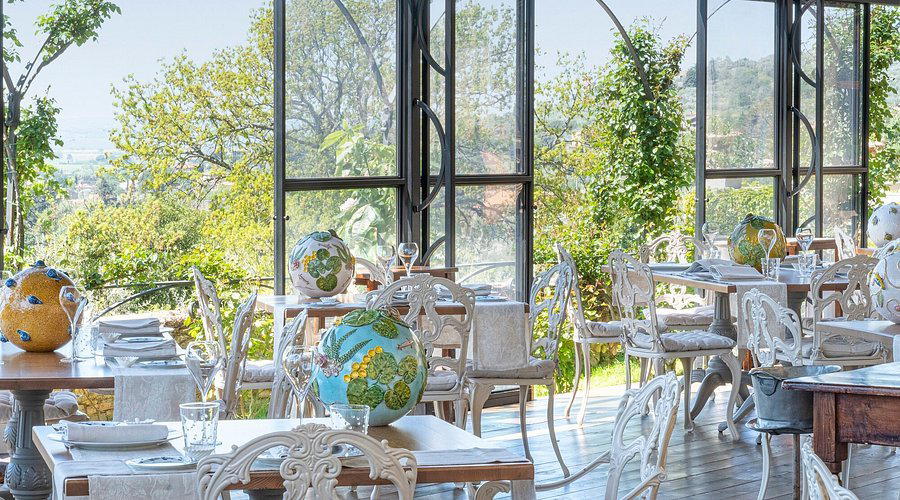
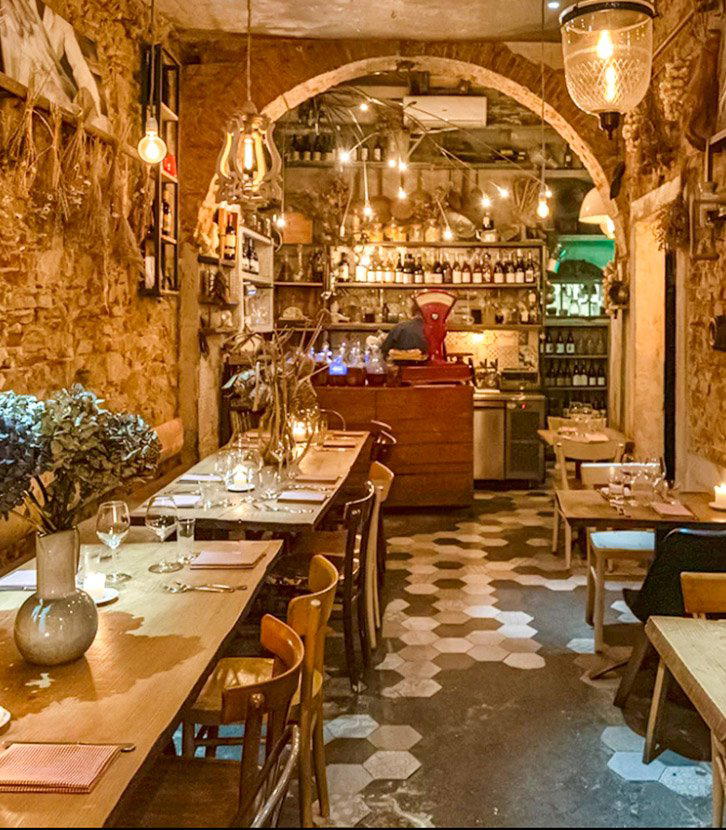
Bars in Montepulciano
Browse all →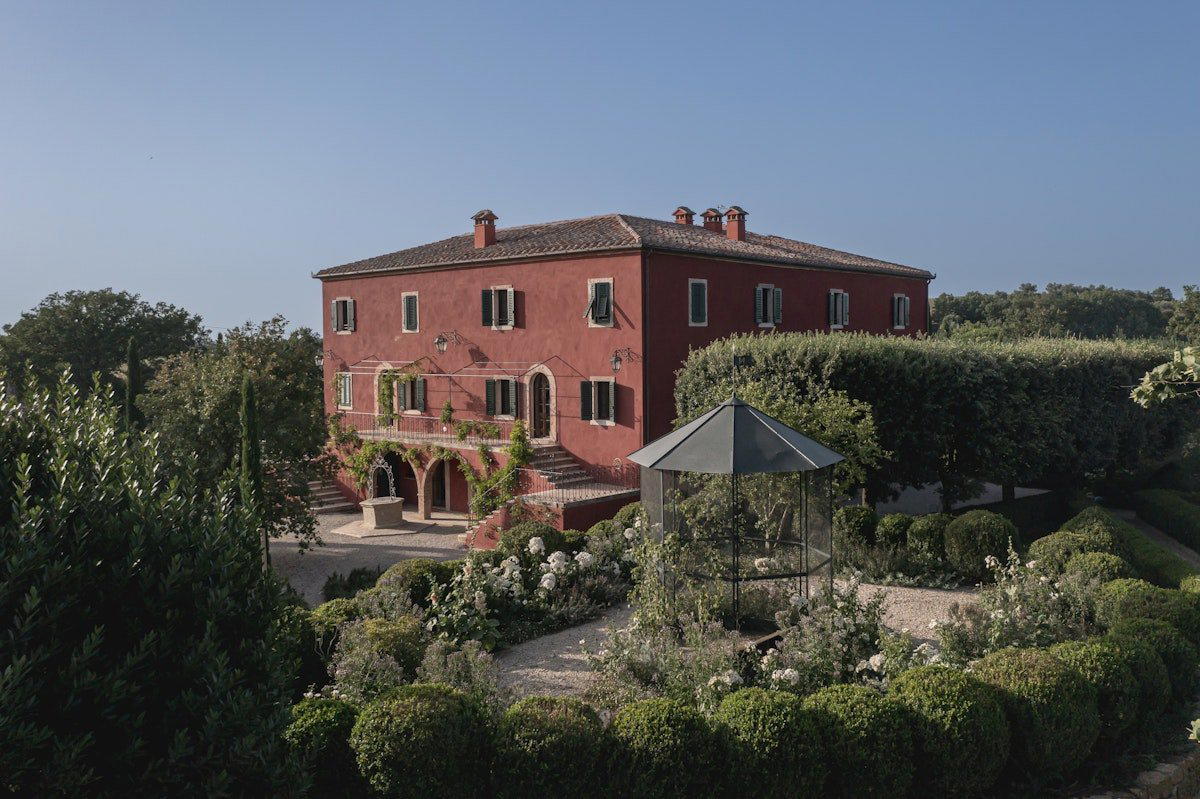
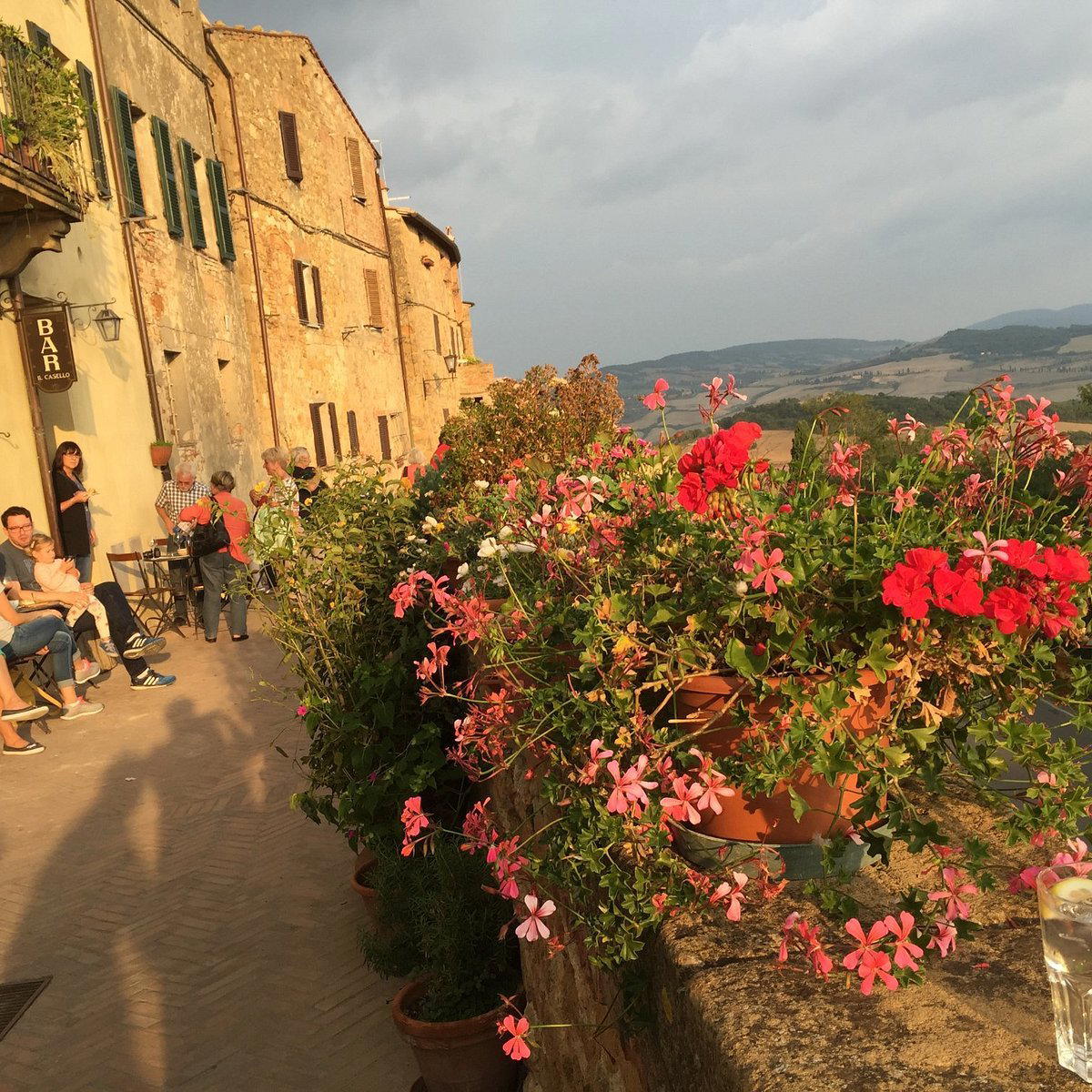
Hotels in Montepulciano
Browse all →

Details
- Elegant
- Sophisticated
- Rustic
- Scenic
- Date Night
- Special Occasion
- Open Kitchen
- Terrace
- Historic Building
- Extensive Wine List
- Sommelier Led
- Local Sourcing
- Vineyard
- Garden
- Tasting Menu
- Vegetarian Friendly
Current opening hours
- Monday
- Closed
- Tuesday
- Closed
- Wednesday
- Closed
- Thursday
- 12:30–2 PM, 7:30–9 PM
- Friday
- 12:30–2 PM, 7:30–9 PM
- Saturday
- 12:30–2 PM, 7:30–9 PM
- Sunday
- 12:30–2 PM, 7:30–9 PM
Hours can change for holidays and private events. Last verified .
Bright and refined dining room with floor-to-ceiling windows offering vineyard views, quiet yet comfortable atmosphere with a modern veranda.