Aglieta Roberto

Falstaff Winery - Listed
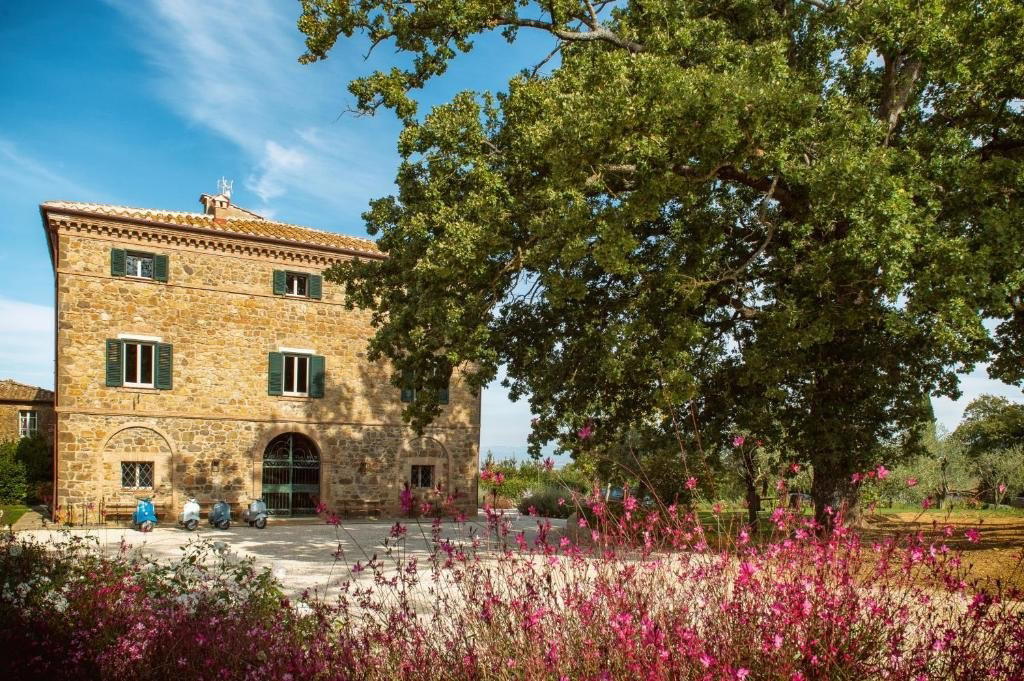
Aglieta Roberto is a small family-run Brunello di Montalcino producer in the Scopetino area, framed by the quiet agricultural rhythm that defines much of the appellation beyond its trophy labels. The focus is still red wine from Sangiovese, with Roberto Aglieta attached to the winemaking identity and a production profile that reads traditional, compact, and vineyard-led.

Pearl is the En Primeur Club membership app — saves, bookings, and concierge access live there. Same editors, same standards.
- Address
- Montalcino, Tuscany, Italien

Aglieta Roberto is a Montalcino venue with a low-key profile, best understood through the few dependable signals available rather than through a detailed set of claims.
For planning purposes, treat Aglieta Roberto as a modest Montalcino listing with a $$ price level and a quiet, rustic character. That restrained framing is important: it keeps the entry useful without turning limited information into assumptions, and it gives travellers a clear sense of what is known, what is not known, and what should be checked before making plans.
A quiet Montalcino venue with limited detail
Aglieta Roberto should not be presented here with claims about cuisine, offerings, awards, ownership, or operating details. What can be stated is much simpler: it is a Montalcino venue whose profile points to a rustic, quiet, hidden-gem feel. Those descriptors create a broad impression rather than a full review, and they should be read as atmosphere cues, not as evidence of a particular menu, setting, or level of service.
That makes it a useful entry for travellers who prefer understated places and want to compare different kinds of Montalcino stops without relying on inflated or unsupported details. The $$ price marker suggests a moderate positioning, but no specific prices or offerings. In practical terms, this means Aglieta Roberto may belong on a shortlist for people who are not looking for the most visibly promoted or extensively documented venue, but who are open to quieter possibilities within the town.
The limited detail also shapes how the venue should be evaluated. Rather than treating it as a destination with a fully mapped experience, it is better approached as a name to investigate further. The appeal lies in its modest profile: rustic, quiet, and somewhat in tone. Those qualities can be attractive, but they are not substitutes for confirmed information about availability, access, or what is actually provided.
For that reason, the editorial recommendation is cautious: consider Aglieta Roberto if the appeal is a quieter Montalcino option, and confirm practical details directly before planning around it. This is especially relevant for travellers with fixed schedules, specific dining expectations, accessibility needs, or any requirement that depends on current operations. The listing is useful as a starting point, not as a complete planning brief.
Why the Montalcino setting matters
Montalcino is the only location detail for Aglieta Roberto. Any more specific address, district, landmark, view, or countryside description would go beyond the confirmed data. The safest way to use the location information is therefore broad: it places the venue within the general Montalcino context, without attaching it to a particular street, landscape, or visitor route.
The atmosphere notes still matter. Rustic and quiet are useful signals for travellers deciding whether this venue fits the tone of a day in Montalcino. It reads as more understated than showy, with a hidden-gem positioning rather than a heavily described destination profile. For some visitors, that may be exactly the appeal: a place that does not arrive with a long catalogue of claims, but instead suggests a simpler and more discreet presence.
At the same time, the Montalcino setting should not be used to infer anything that has not been confirmed. The town’s broader reputation, landscape, or visitor patterns may shape expectations, but they do not establish details for this specific venue. A careful guide should separate the general usefulness of knowing it is in Montalcino from any unsupported description of what a visit would involve.
For broader planning around the town, use general Montalcino dining, lodging, bar, and experience research alongside direct confirmation from the venue. That approach lets Aglieta Roberto sit within a wider itinerary without asking the listing to do more than the available information supports. It can be compared as a Montalcino option, while the final decision should depend on verified, current details.
How to place it within a wider Montalcino plan
Aglieta Roberto can be treated as one Montalcino stop to investigate further, especially for travellers who value quieter, less obvious venues. It is not the kind of entry that should anchor a plan on its own without additional checking, but it can be a useful prompt for those building a more personal and less overdetermined route through the town.
When building a wider plan, compare Aglieta Roberto with other Montalcino options generically by price level, atmosphere, and confirmed practical details. Avoid relying on claims about awards, menus, views, opening hours, or service format. The best comparison is therefore a disciplined one: keep the $$ marker in mind, note the rustic and quiet character, and then verify the practical points that matter for the day in question.
This cautious method is particularly helpful because limited profiles can be easy to overread. A hidden-gem feel may suggest intimacy or local character, but those impressions should remain impressions unless supported by direct confirmation. Likewise, a modest price marker provides orientation, not a promise about cost, inclusions, or value. The more specific the planning question becomes, the more important it is to move from editorial summary to direct verification.
The editorial read is simple: Aglieta Roberto is a $$ Montalcino venue with a rustic, quiet, hidden-gem character. Confirm all operational details directly before visiting. Used that way, the listing remains honest and useful: it identifies a low-key Montalcino option, preserves the limits of the available information, and helps travellers decide whether it is worth a closer look without overstating what is known.
Recognition history
Dated appearances from independent guides and award organizations, with the underlying list record or original source where available.
Falstaff Winery - Listed
Falstaff
Continue exploring
More in Montalcino
Wineries in Montalcino
Browse all →
Bars in Montalcino
Browse all →
Restaurants in Montalcino
Browse all →
Details
- Rustic
- Quiet
- Vineyard
- Mountain
- Sangiovese
- Still Red