Agostina Pieri

Falstaff Winery - Listed
Agostina Pieri belongs to the quieter, production-led side of Montalcino: a small Sangiovese estate shaped by a south-facing vineyard in Castelnuovo dell’Abate and a reputation built as much on Rosso di Montalcino as Brunello. The appeal is terroir rather than theatre, with concentrated, ripe expression, traditional cellar work, and a historic Tre Bicchieri milestone for its 1995 Rosso.

Pearl is the En Primeur Club membership app — saves, bookings, and concierge access live there. Same editors, same standards.
- Address
- Montalcino, Tuscany, Italien
- Directions
- Get directions
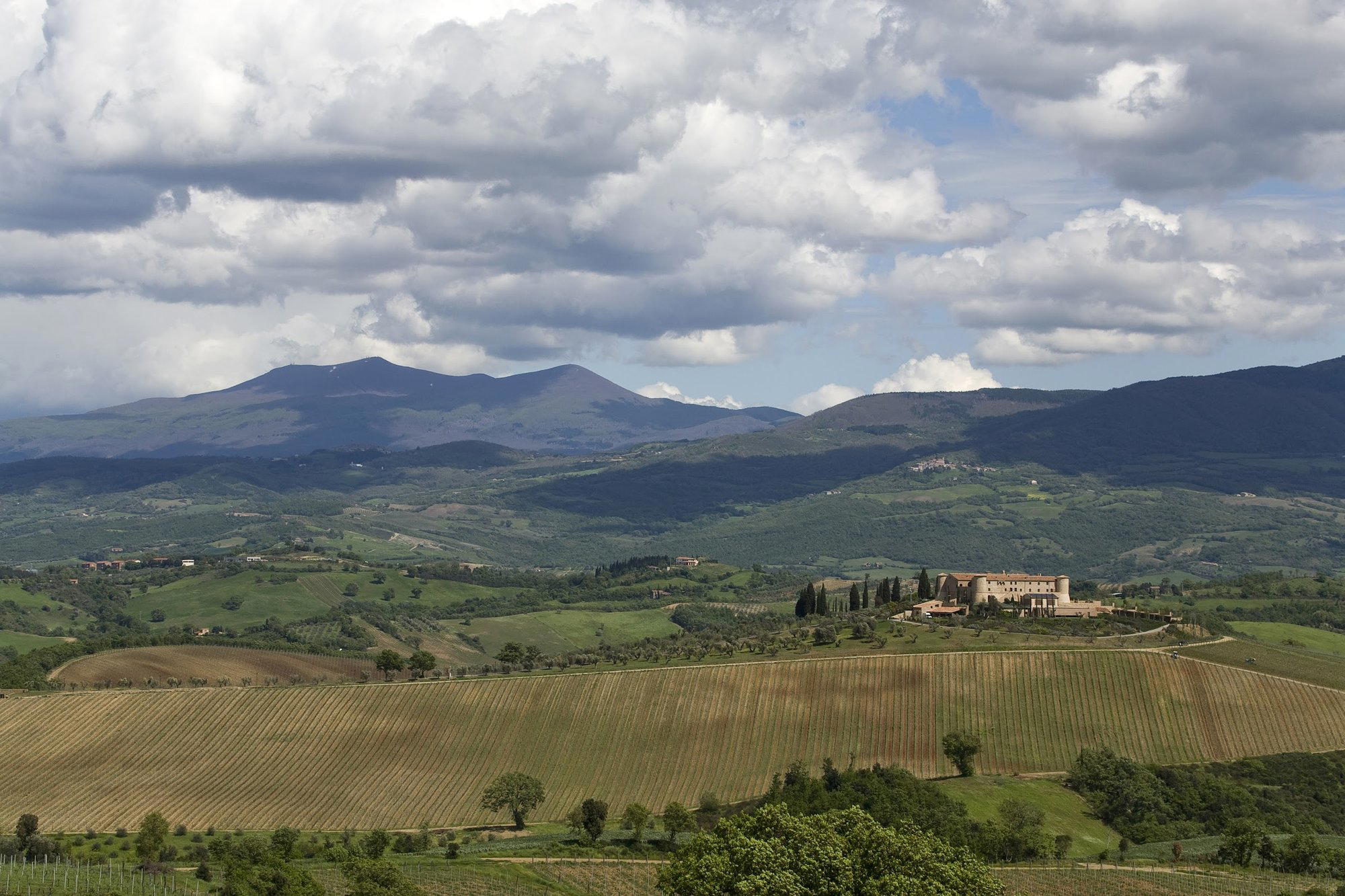
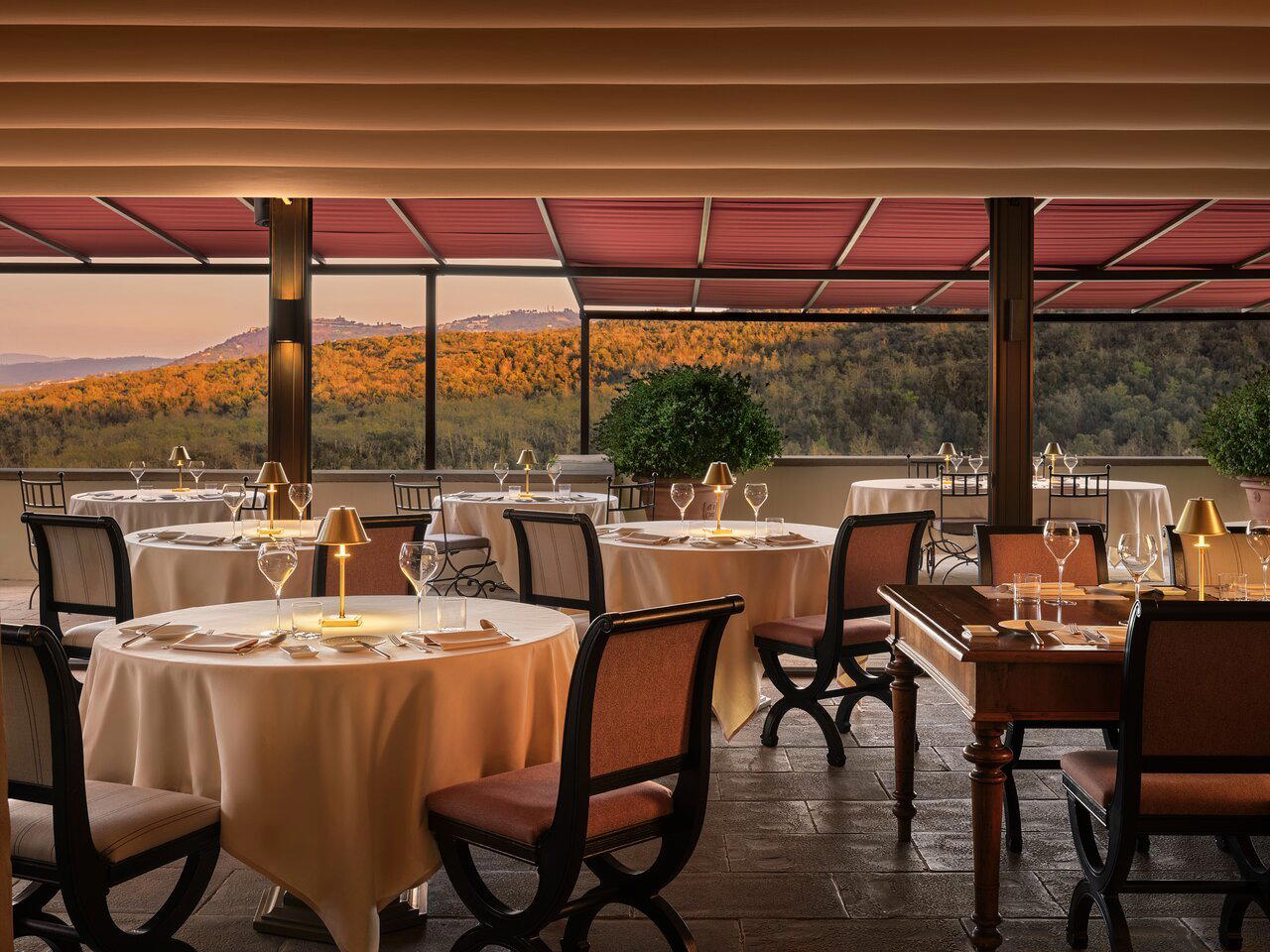
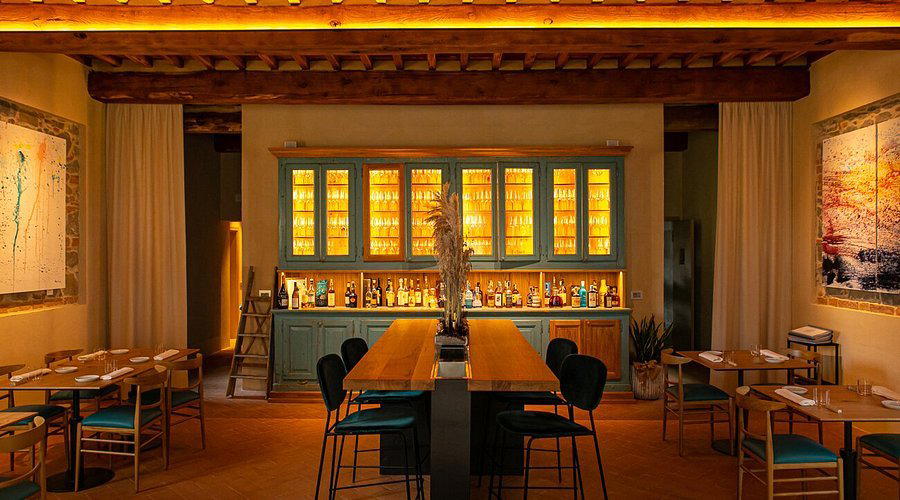
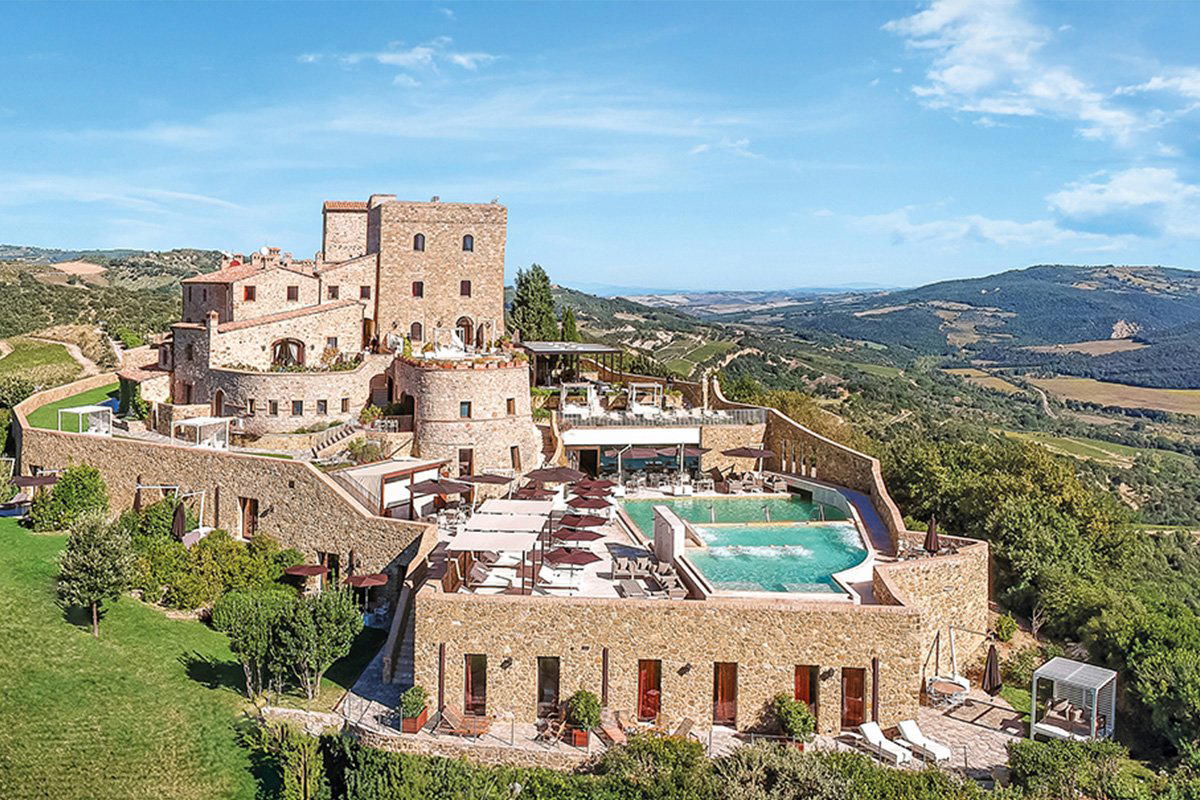
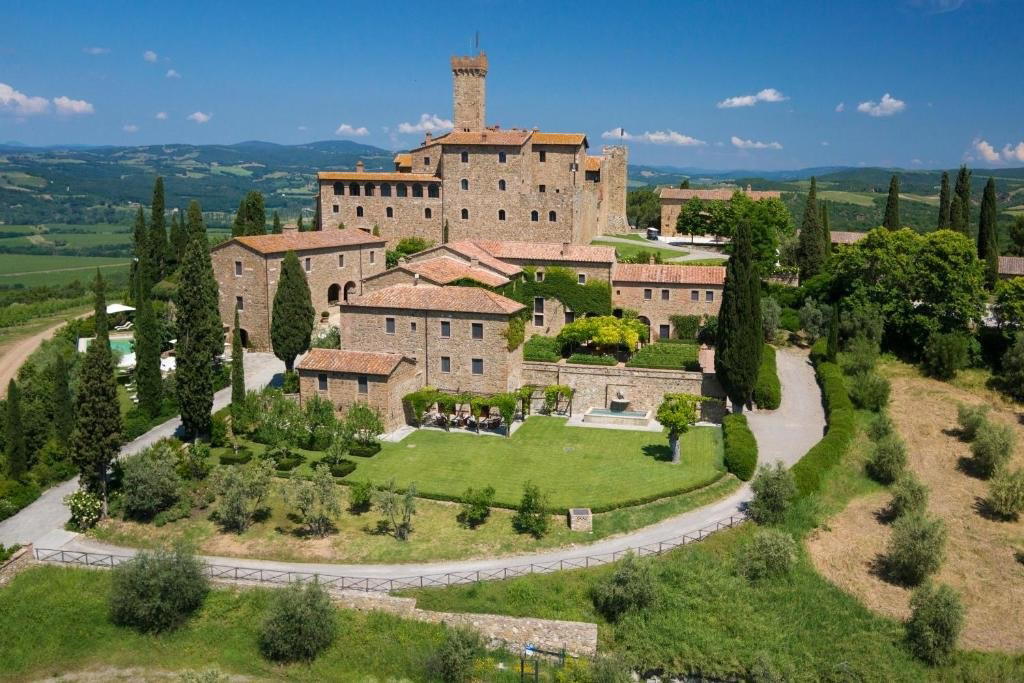
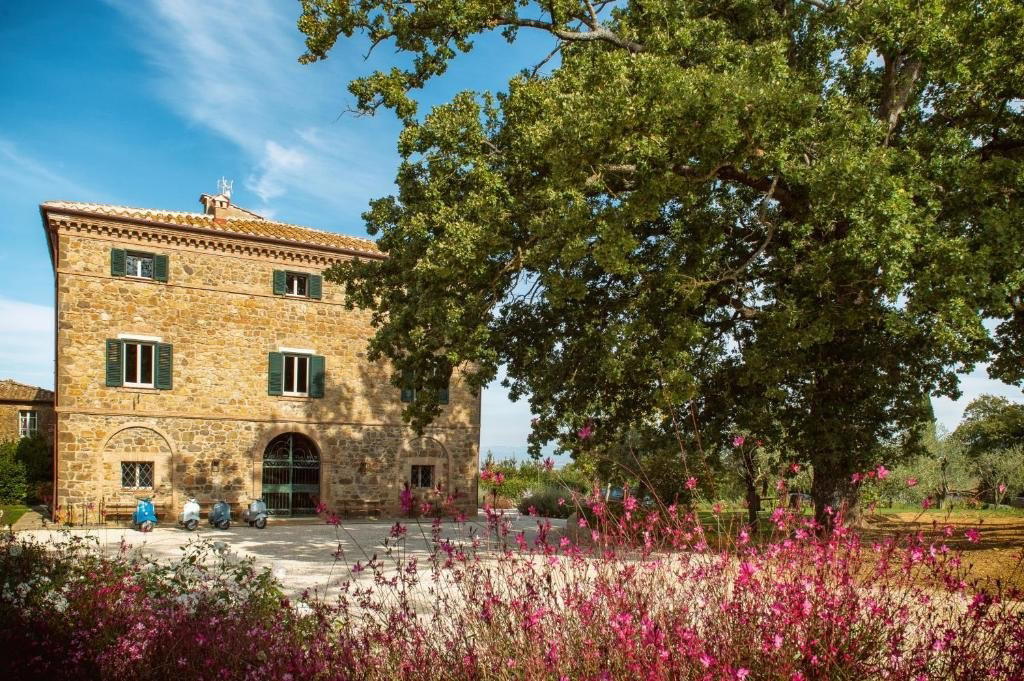
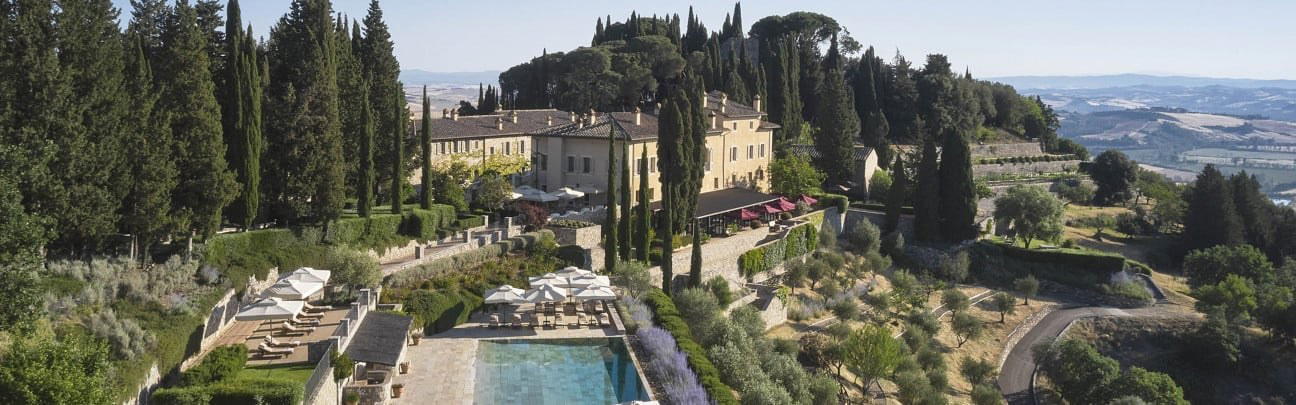
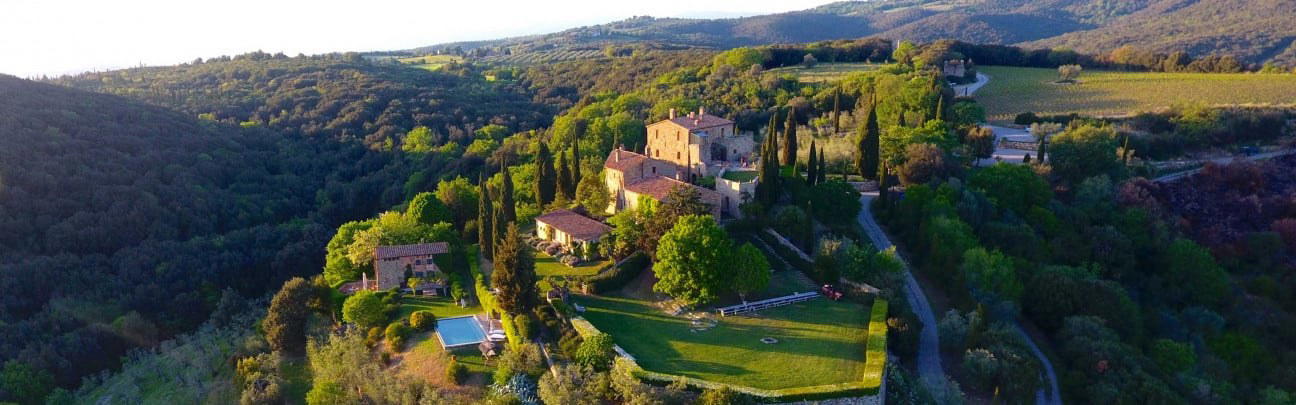
Agostina Pieri in Montalcino is best presented with restraint. Its identity is described as terroir-driven, with attention on concentrated, ripe Sangiovese expression rather than a hospitality-driven showpiece. That means the page should lean into what is actually signaled: place, mood, and varietal character, not a long list of services or visitor promises that have not been established.
That distinction matters for travelers using EP Club to plan Montalcino. Some places are built around spectacle, polished hosting, or a broad range of visitor-facing amenities. Agostina Pieri should not be framed that way unless those details are confirmed. The grounded picture is narrower and more useful: a hidden-gem-style Montalcino address whose appeal rests on mood, setting, and a Sangiovese-led sense of place. In practical terms, it reads less like a destination to choose for guaranteed programming and more like one to consider when the atmosphere itself is part of the reason for going.
A rustic, intimate Montalcino stop
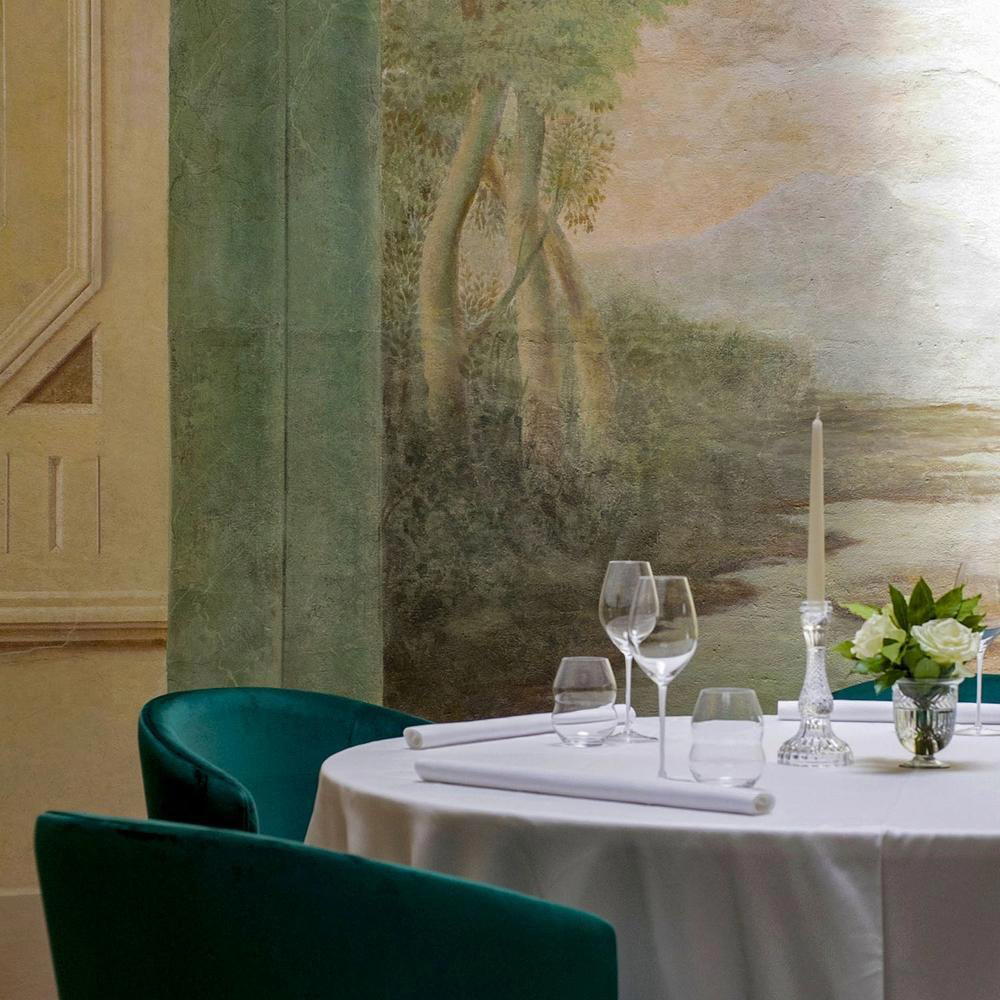
The strongest language around Agostina Pieri is atmospheric rather than operational. Warm, rustic, quiet, sophisticated, and intimate are the key signals. Together, they point to a venue for guests who prefer a slower, more grounded Montalcino experience over a highly staged or showpiece-style visit. The tone is not casual in the sense of careless; it is more about understatement, a sense of ease, and a setting where the premium character does not need to be announced too loudly.
The safest way to understand Agostina Pieri is as a Montalcino venue with a terroir-driven personality and a focus on ripe, concentrated Sangiovese expression. That framing is specific enough to be useful while still leaving room for travelers to verify the practical details that matter to them before they commit to a visit.
Price level is listed as $$$. That places it in a premium planning category, but it does not confirm any specific bottle price, tasting fee, menu price, or hospitality package. Travelers should treat the price marker as a general guide rather than a detailed cost forecast. It indicates that the venue belongs in the more considered part of an itinerary, where expectations around quality and occasion may be higher, but it should not be read as a substitute for direct confirmation of current costs.
Why the Sangiovese focus matters
Montalcino is closely associated with Sangiovese, and Agostina Pieri’s profile specifically emphasizes concentrated, ripe Sangiovese expression. That gives the venue its main editorial hook without needing to invent production details or accolades. The point is not to make broad claims about technique, scale, or status, but to recognize that the clearest reason to pay attention is the way the place is tied to a ripe, focused reading of the grape in its local context.
For guests, the practical implication is simple: come here for a more terroir-minded reading of Montalcino rather than for a confirmed list of amenities. The draw is not a documented tasting room format, chef-led menu, cellar tour, or named award history. It is the promise of a rustic, quiet, and intimate experience centered on a ripe Sangiovese character. That makes the venue easier to place for travelers who already know they are interested in the character of Montalcino itself, rather than those building a visit around a checklist of hospitality features.
This also makes Agostina Pieri different from more hospitality-led venues in the wider Montalcino area. The description suggests understatement. It is better suited to travelers who value atmosphere, a sense of place, and a quieter premium stop than to those looking for a guaranteed high-production visitor experience. In that sense, its appeal is more editorial than logistical: it helps shape the tone of a trip, especially for readers who want at least one stop to feel personal, calm, and closely connected to local identity.
How to place it within a Montalcino itinerary
Agostina Pieri fits naturally into a Montalcino itinerary for travelers who want one stop to feel less showy and more rooted. It can work as part of a day built around other dining or wine-related plans in Montalcino, but any detailed schedule should be confirmed directly before visiting. The key is to use it as a mood-setting choice, not as a place whose logistics should anchor the entire day without further checking.
Confirm logistics directly and use the profile mainly to decide whether the mood matches the occasion. That is especially important because the available description supports an atmospheric recommendation more than an operational one. If the occasion calls for quiet, warmth, and a premium but understated Montalcino feel, the profile points in the right direction; if it calls for a clearly documented format or extensive visitor infrastructure, more confirmation is needed.
The venue is best described as a Montalcino stop: rustic but sophisticated, quiet but premium, intimate rather than theatrical. That makes it a strong candidate for travelers who prefer subtle places with a clear local identity. It is less appropriate to describe it through claims about exact location, cellar practices, estate size, awards, ownership, or service style. Keeping the description disciplined protects the usefulness of the recommendation and avoids turning a restrained profile into something more embellished than the evidence allows.
The editorial reason to care is therefore concise: Agostina Pieri offers a $$$ Montalcino experience framed by warmth, rusticity, intimacy, and a terroir-driven emphasis on ripe Sangiovese expression. For EP Club readers, that is enough to position it honestly without overstating what is known. Its value on an itinerary comes from the combination of premium mood and local focus, making it most compelling for travelers who want Montalcino to feel quiet, textured, and rooted rather than staged.
Recognition history
Dated appearances from independent guides and award organizations, with the underlying list record or original source where available.
Falstaff Winery - Listed
Falstaff
Continue exploring
More in Montalcino
Wineries in Montalcino
Browse all →
Bars in Montalcino
Browse all →
Restaurants in Montalcino
Browse all →
Details
- Rustic
- Quiet
- Sophisticated
- Intimate
- Solo Exploration
- Special Occasion
- Wine Education
- Private Tasting
- Historic Building
- Vineyard
- Sangiovese
- Still Red
- Private Tasting
- Estate Tasting
Warm, rustic, and terroir-driven, with a focus on concentrated, ripe Sangiovese expression rather than a hospitality-driven showpiece.