

Michelin Selected · Preferred Hotels Member
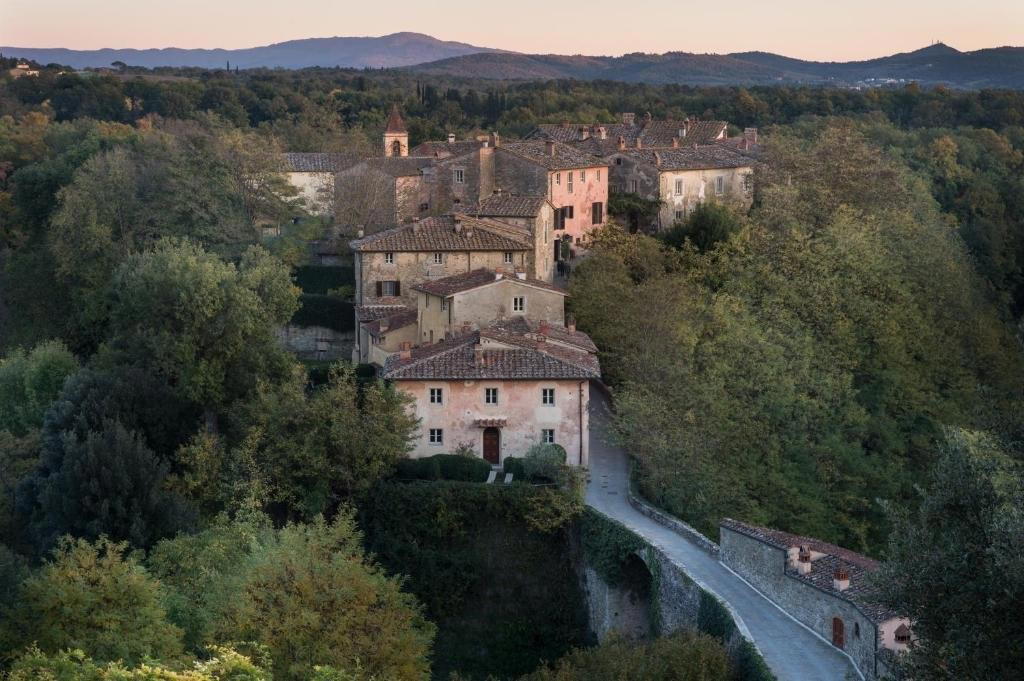
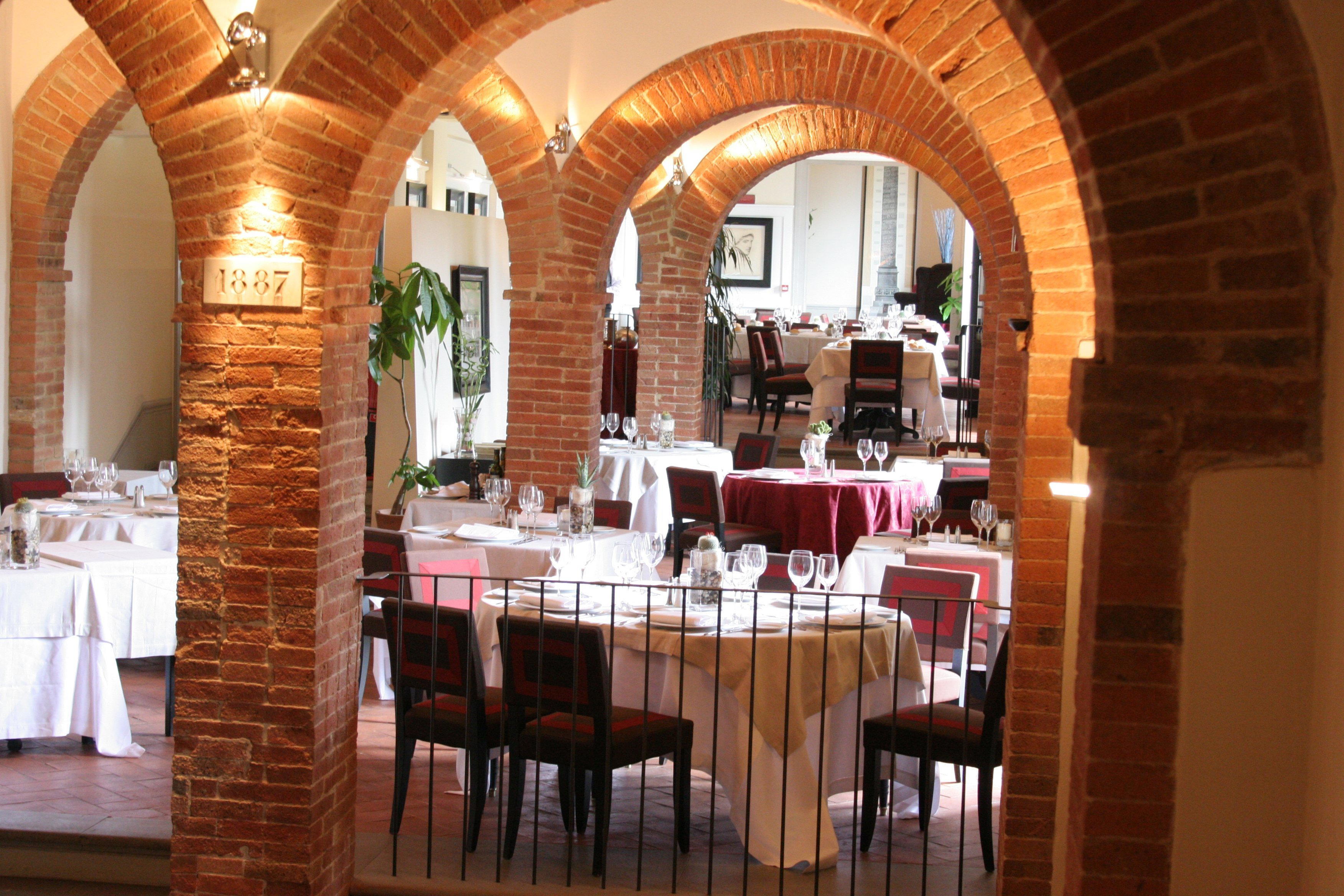
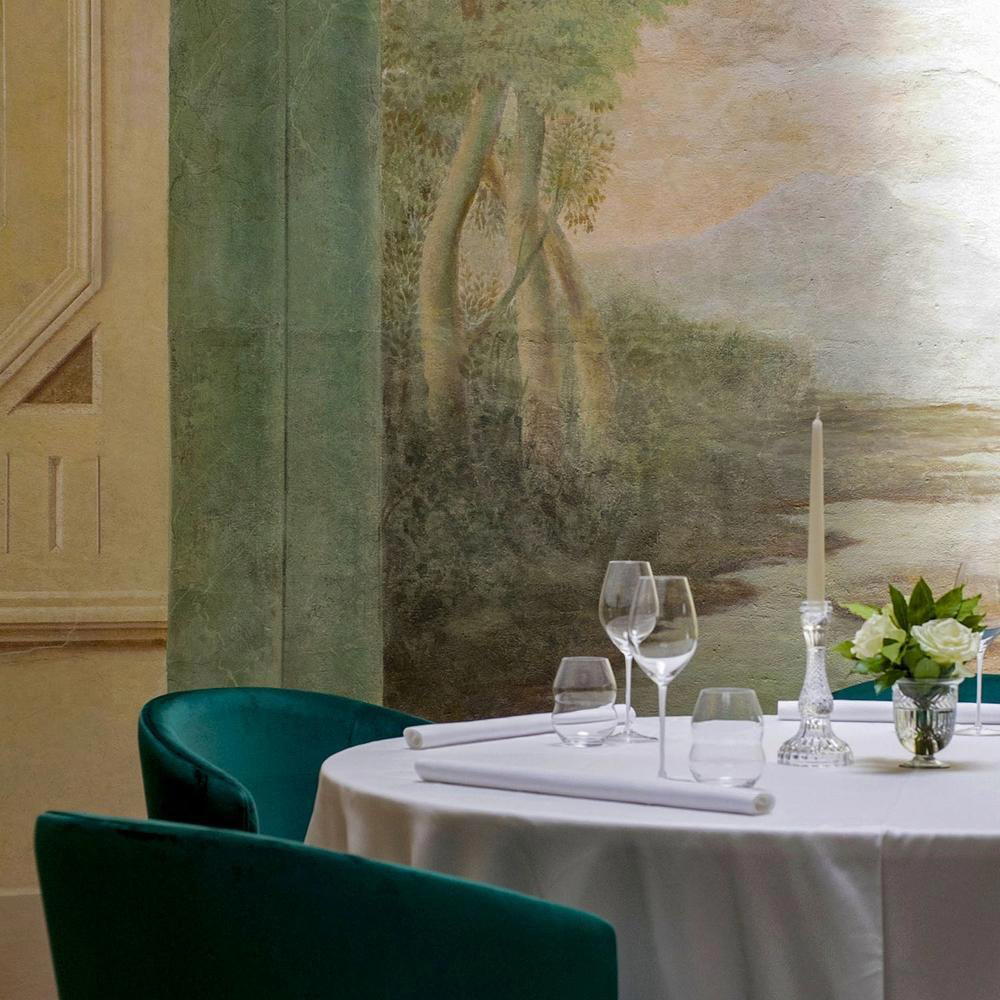
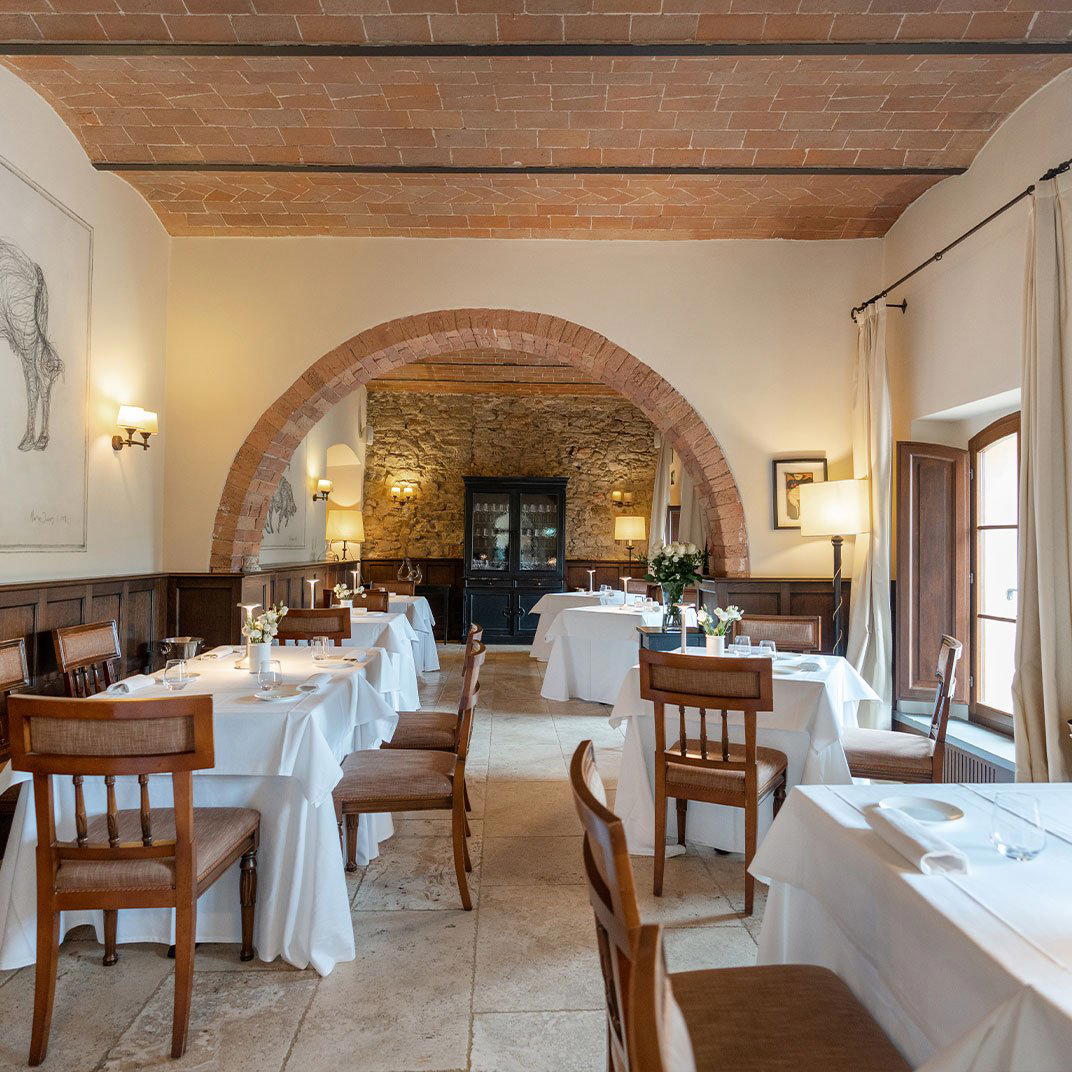
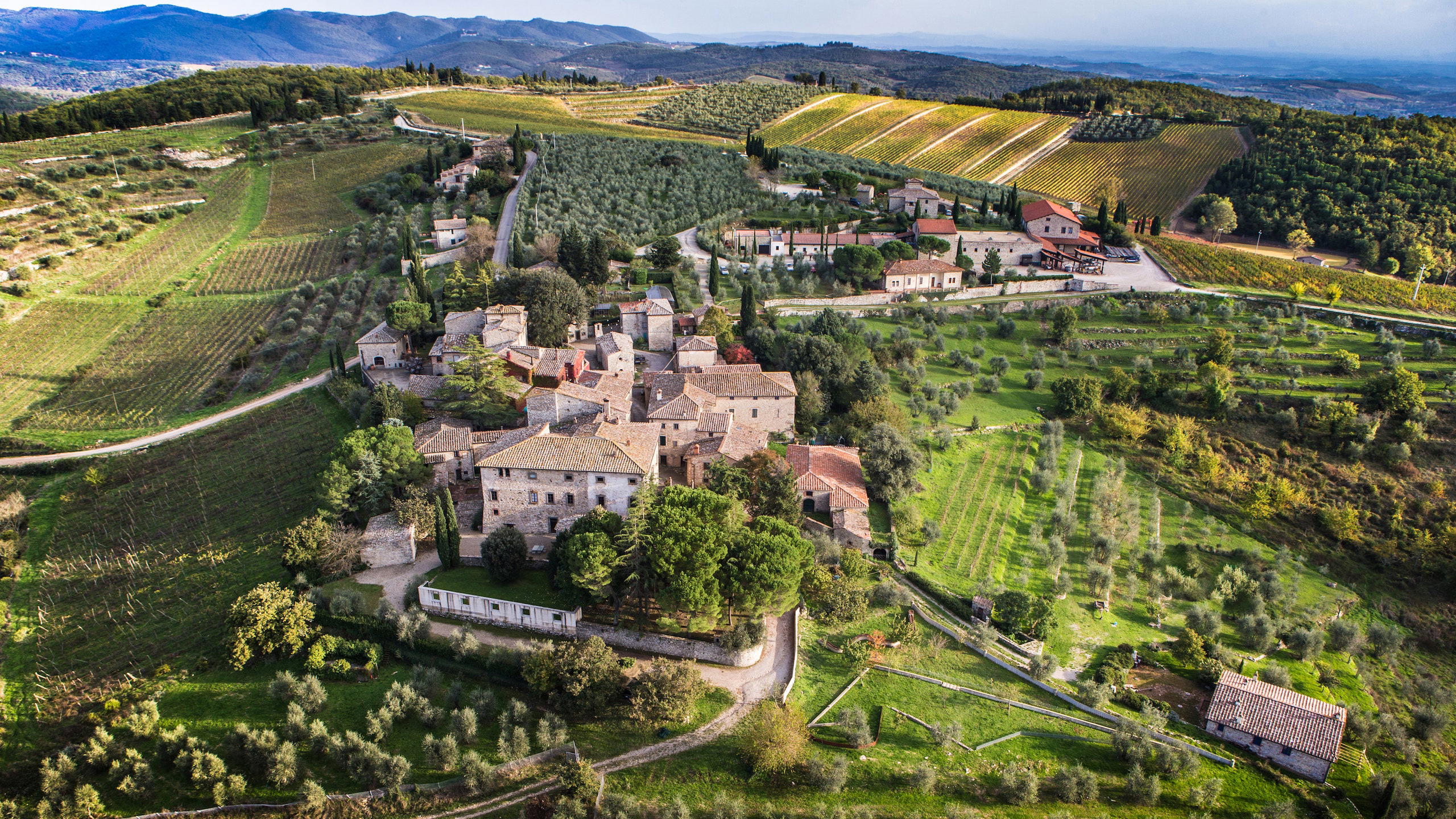
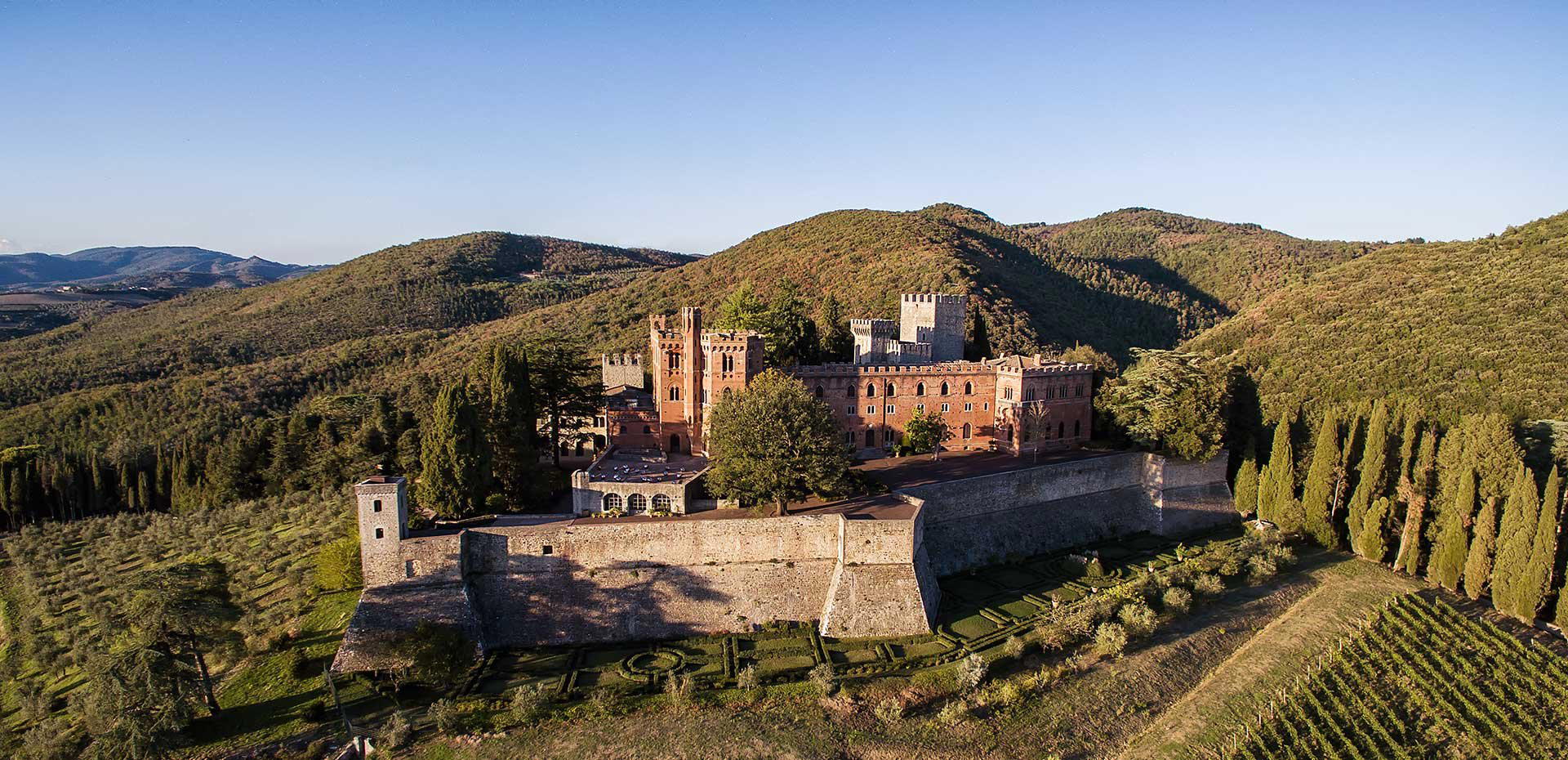
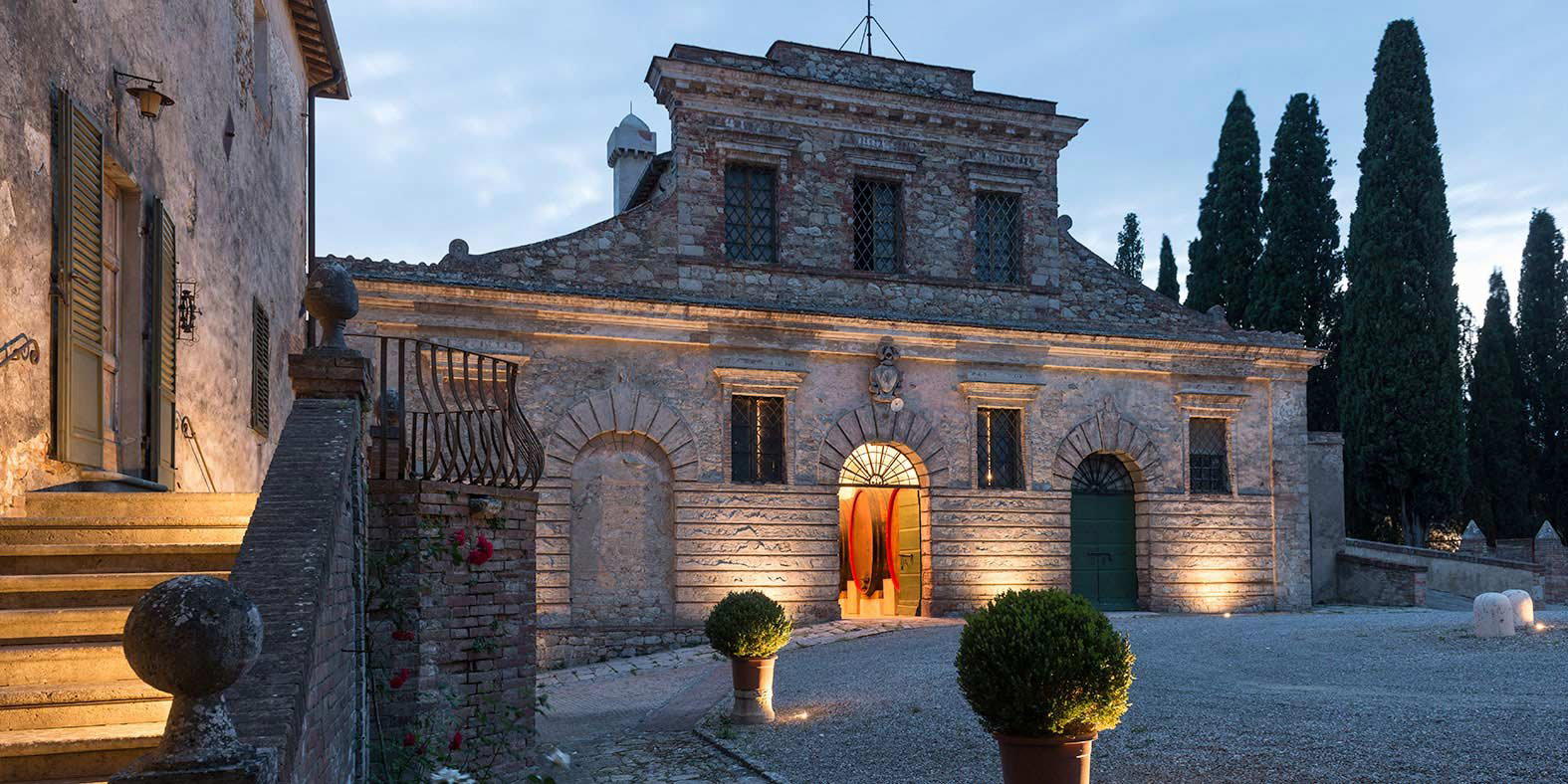
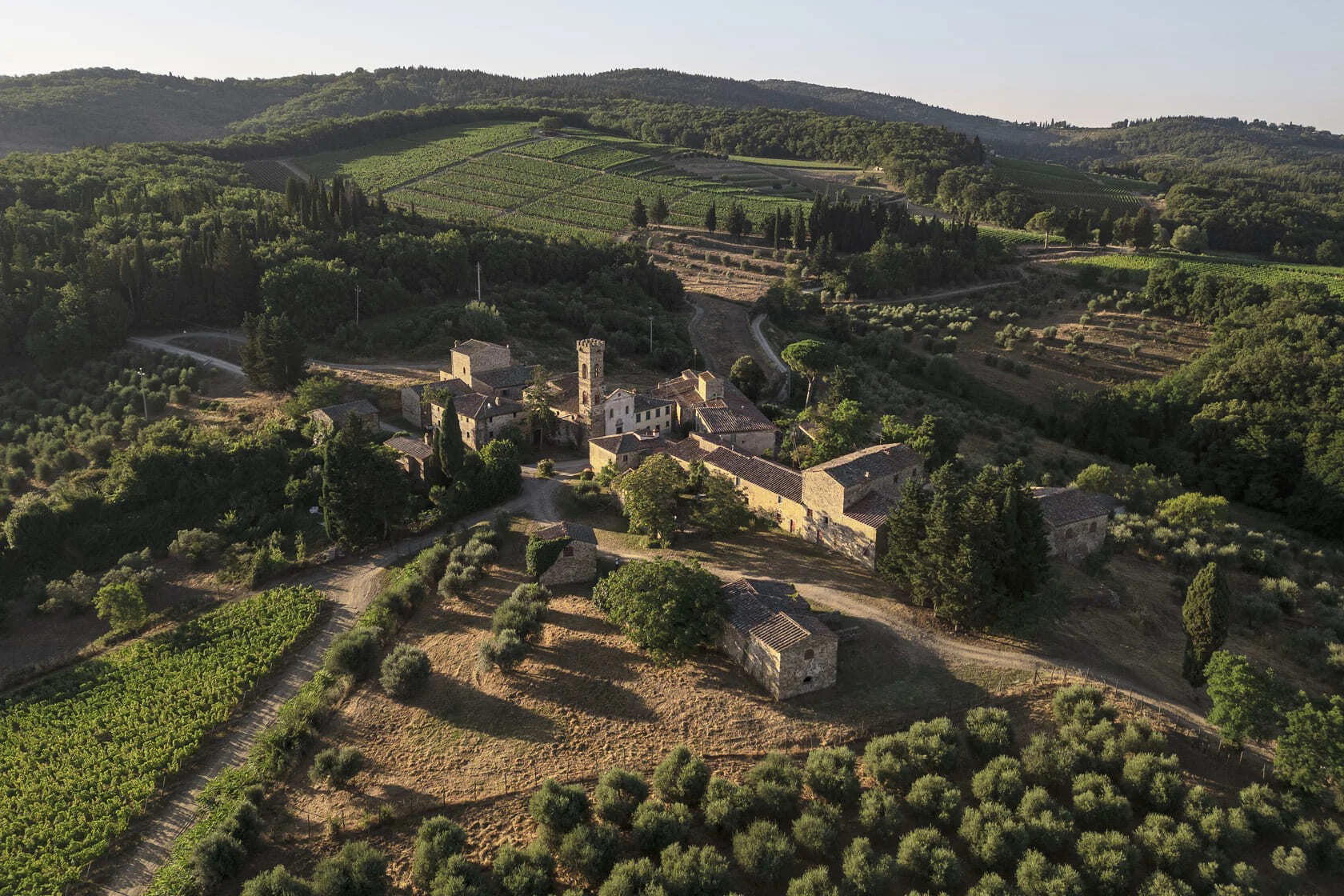
A restored medieval borgo set among the Chianti Classico vineyards between Siena and Castelnuovo Berardenga, Borgo Scopeto Wine & Country Relais offers 52 rooms across stone farmhouse buildings that have been converted with the kind of restraint that lets the agricultural landscape do most of the work. It sits in the smaller, design-conscious tier of Tuscan country retreats, closer in spirit to a working estate than a resort.

Pearl is the En Primeur Club membership app, where members save venues, book tables and use the concierge.
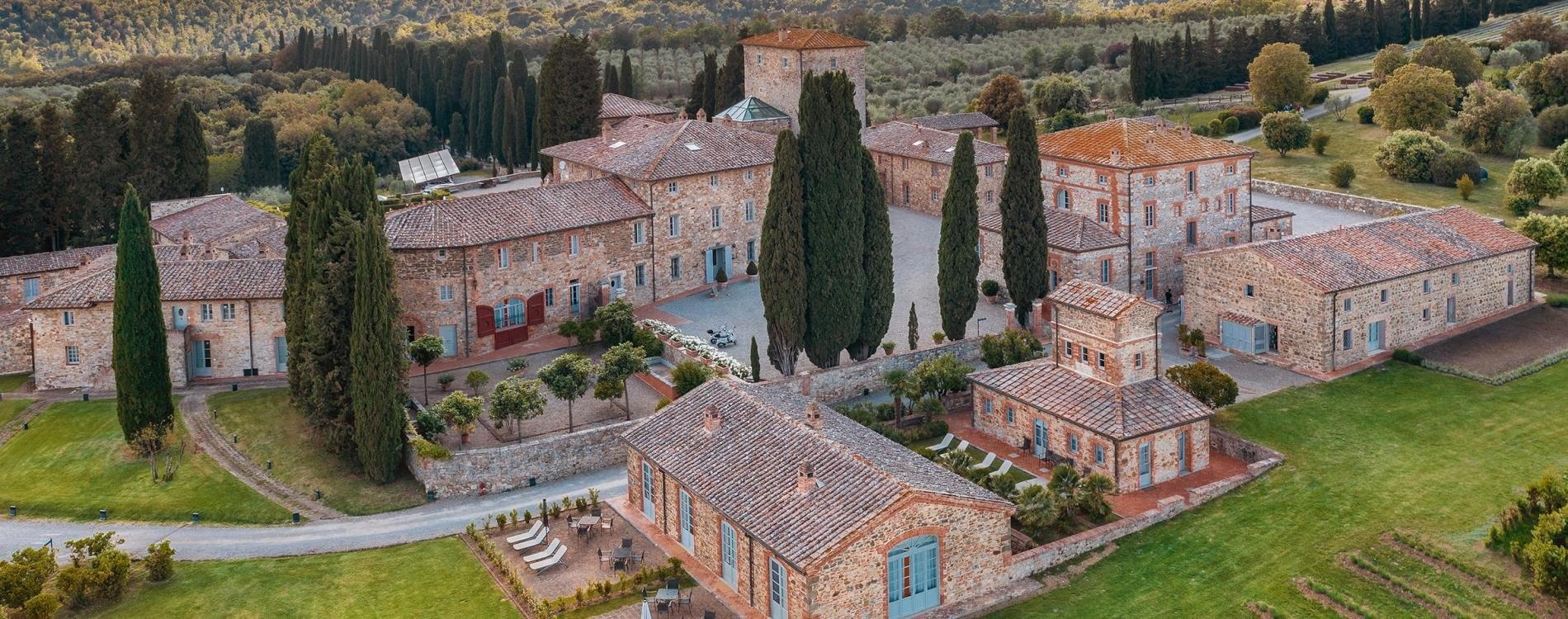
Chianti Classico Country, at a Remove from the City
The road into Vagliagli climbs through vine rows and cypress stands before the stone buildings of Borgo Scopeto come into view across a hillside clearing. There are no immediate neighbours, no village piazza audible from the terrace, and no main road within earshot. What you get instead is the working texture of the Chianti Classico zone: the colour of the soil shifting between pale limestone and red clay depending on the angle of the afternoon light, and a horizon defined by the geometry of a working wine estate. This is the physical proposition before any room is considered.
The Chianti hinterland between Siena and Florence has developed a specific class of country property over the past two decades: not the grand hotel transplanted to a rural setting, but the wine estate that has extended into hospitality while keeping its agrarian identity intact. Borgo Scopeto sits within that category, with 52 rooms distributed across an estate that retains its vineyard infrastructure. The room count matters because it locates the property within a peer tier where individual attention remains possible without reducing to the boutique-of-five format that some travellers find limiting for longer stays.
The Retreat Logic of the Estate Format
Estate hotels in Tuscany attract a particular kind of traveller: one who wants the countryside without sacrificing access, the quiet without the isolation that accompanies a truly remote agriturismo, and enough on-site programming to spend three or four nights without needing to plan extensively. Borgo Scopeto is structured around that profile. The estate produces its own wine, which means the relationship between landscape and table has a degree of internal coherence that urban hotels cannot manufacture. Sitting on a terrace surrounded by the same vines whose output will appear at dinner carries a logic that no amount of curated provenance storytelling at a city restaurant can replicate.
For travellers comparing estate options in the Siena province, the relevant distinction is between properties that use the rural setting as backdrop and those where the setting is operationally integrated. At Borgo Scopeto, the vineyard is present not as decoration but as the reason the estate exists in its current form. That distinction shapes how a stay actually feels at the level of daily rhythm: the light changes, the landscape is working, and the connection between what you eat and drink and where you are sleeping is direct rather than curated. Comparable properties in the broader Tuscan estate category include Rosewood Castiglion Del Bosco in Montalcino and Castello di Reschio in Lisciano Niccone, both of which operate within the same broad estate-hotel format but in different appellations and at different price points.
Wellness and Stillness as the Primary Draw
For a growing cohort of guests at Tuscan country properties, the appeal is less about sightseeing logistics and more about deliberate deceleration. The estate format is well suited to this because it removes the ambient pressure of a city hotel, where proximity to monuments generates a background guilt about not being out walking. At Borgo Scopeto, the surrounding terrain provides the daily structure: morning walks through the vineyard rows, afternoons on a terrace or by the pool, the kind of schedule that is self-directed rather than programmed. This is wellness in its most basic register, predating the formalisation of spa menus and recovery protocols.
That said, the growing standard for country retreats in this tier is to support the unstructured experience with at least some formal wellness infrastructure. Travellers comparing Borgo Scopeto against properties like Borgo Egnazia in Savelletri di Fasano or Amangiri in Canyon Point should note that those properties operate dedicated wellness programmes at a different scale and investment level. What Borgo Scopeto offers is the quieter version of the retreat argument: a landscape-led recovery rather than a treatment-led one. Whether that is sufficient depends entirely on what the traveller is seeking to put down.
Siena itself, roughly 20 minutes by road, provides a useful counterpoint rather than a primary destination. The city rewards a single full day, particularly around the Campo and the Duomo, but it works well as one episode within a longer stay rather than as a daily excursion repeated across a week. The estate is positioned to support that rhythm: accessible to the city when wanted, genuinely quiet when the city is not. For those who want the city as a more constant reference point, properties like Grand Hotel Continental Siena or Campo Regio Relais, Residenza d'Epoca Siena offer the historic-centre alternative. Hotel Santa Caterina Siena and Albergo Bernini occupy the mid-tier of that urban option. Antica Residenza Cicogna is a smaller, more character-led choice within the city. The decision between city and countryside is less about what each property lacks and more about what kind of day the traveller wants to construct.
Wine Estate Identity and the Table
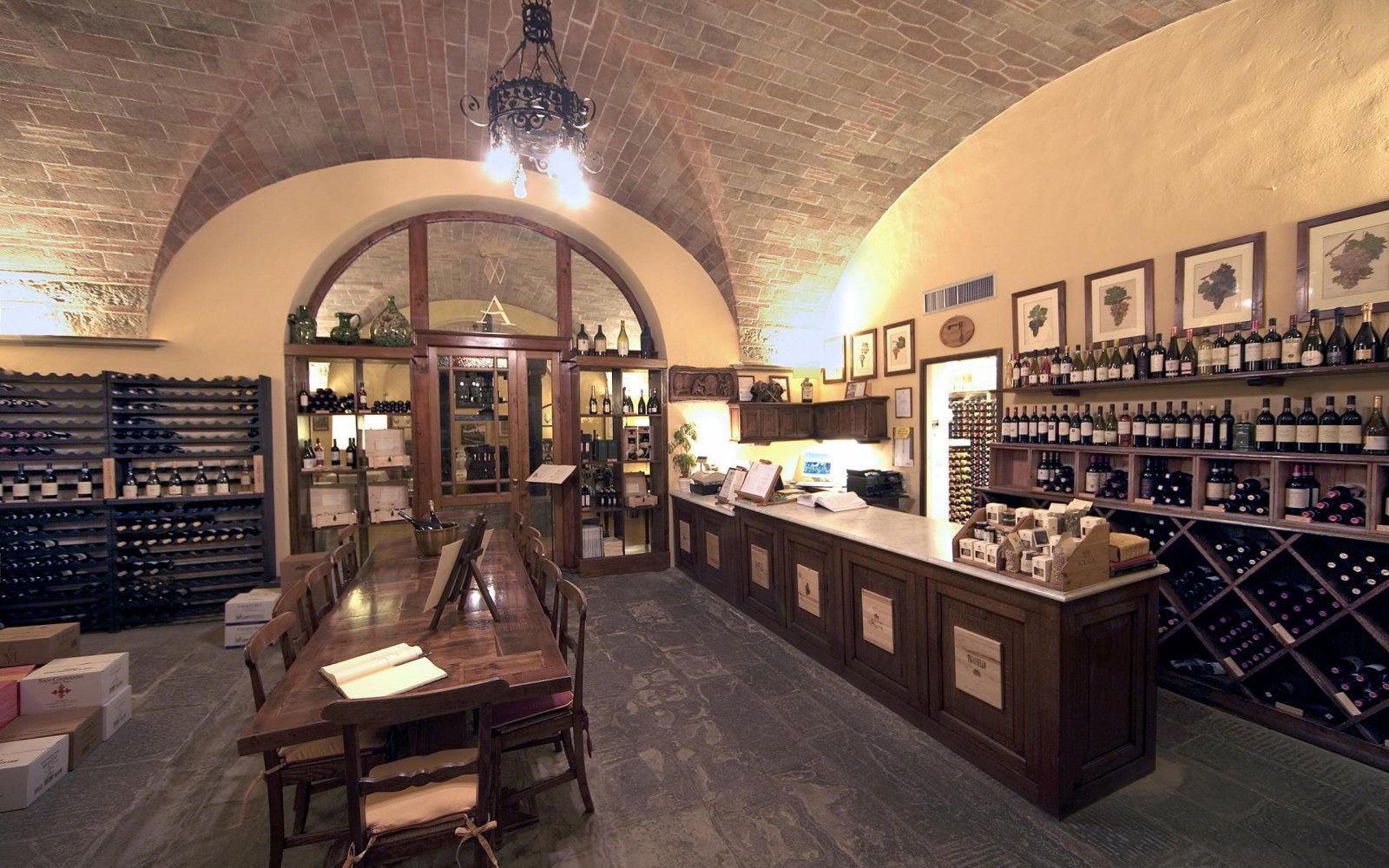
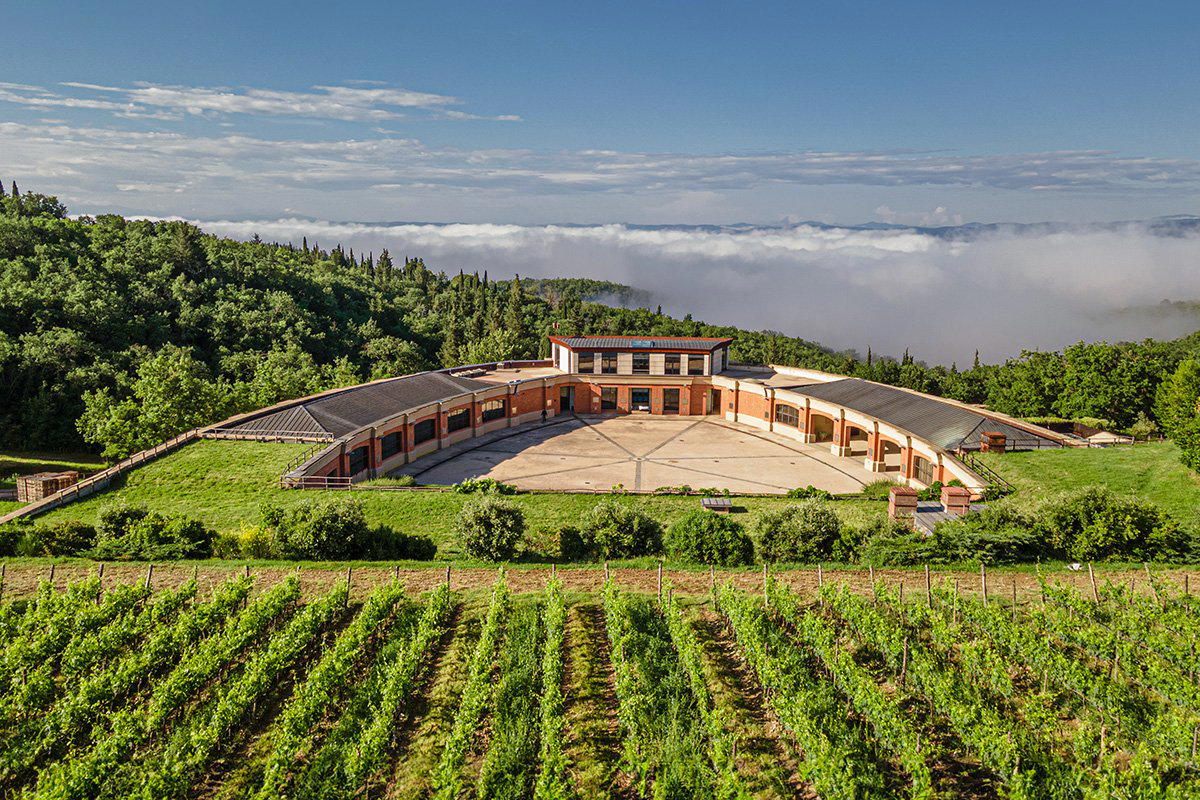
Wine production is not incidental to the Borgo Scopeto identity; it is the founding logic of the estate. The Chianti Classico denomination covers a band of territory running between Siena and Florence, and the wines produced within it follow designation rules that include grape composition requirements, ageing minimums, and geographic boundaries. An estate hotel within this zone occupies a credible position: the terroir is specific, the appellations are documented, and the wines available on-site have a direct relationship to the surrounding landscape that is not performative. This matters at the table because it shifts the relationship between guest and wine from a list-based transaction to something more grounded in place.
For context within the Italian country estate category, Borgo Vescine operates in the same geographic register, while properties like Casa Maria Luigia in Modena demonstrate how a chef-focused estate hotel operates when food rather than wine provides the identity anchor. These are not competing formats so much as different emphases within the broader Italian estate hospitality category. See our full Siena restaurants guide for dining options in the surrounding area.
Planning the Stay
With 52 rooms across a hillside estate, Borgo Scopeto is large enough to absorb families and small groups without the corridors feeling like a hotel in the conventional sense, and small enough that the property retains a residential quality. Bookings for peak Tuscan season, which runs roughly from late April through October, are worth securing well in advance; the Chianti zone draws both international leisure travellers and a substantial number of returning guests who schedule around specific harvests or events in Siena. The Palio races in Siena in July and August are a common regional draw during this window, and accommodation across the province tightens considerably around those dates. Autumn is the harvest period, which adds a working dimension to the estate landscape and tends to attract guests specifically interested in the wine production cycle. For those whose primary interest is the retreat-without-agenda format, the shoulder months of April, May, and September offer the leading combination of settled weather and reduced visitor density across the wider region.
Travellers weighing Tuscany against other Italian retreat formats may find it useful to compare against Borgo Santandrea on the Amalfi Coast or Il Pellicano in Porto Ercole for coastal alternatives, or Four Seasons Hotel Firenze and Aman Venice for city-anchored luxury at a different register. Il San Pietro di Positano, JK Place Capri, Passalacqua in Moltrasio, Bellevue Syrene 1820 in Sorrento, and Corte della Maestà in Civita di Bagnoregio round out the Italian country and coastal tier. For those comparing internationally, Portrait Milano, Bulgari Hotel Roma, The Fifth Avenue Hotel in New York, and Aman New York represent the urban-luxury counterpoint at a different scale entirely.
A Credentials Check
Comparable venues nearby, for context on price, style, and recognition.
| Venue | Cuisine | Price | Awards | Notes |
|---|---|---|---|---|
| Borgo Scopeto Wine & Country RelaisThis venue (the venue you are viewing) | Historic Tuscan wine estate relais restored from 14th-century buildings | Not listed | Michelin Selected · Preferred Hotels Member | Not listed |
| Hotel Certosa di Maggiano | Converted 14th-century Carthusian monastery in Tuscan countryside | $300–500 | 1 Michelin Key · Mr & Mrs Smith Seal of Approval | outskirts of Siena |
| Campo Regio Relais, Residenza d'Epoca Siena | Charming historic B&B in a 16th-century palazzo offering personalized service and simple elegance. | $300–500 | Not listed | Siena Historical Center |
| Il Battistero Siena - Residenza d'Epoca | Historic residence d'epoca in Siena's center | $100–200 | Michelin Selected | City Center |
| Hotel Santa Caterina Siena | Renovated 18th-century Tuscan villa | $100–200 | Not listed | Porta Romana |
| Borgo Vescine | Historic 13th-century rural village resort renovated for luxury stays amid Chianti vineyards. | $100–200 | Michelin Selected · Star Wine List | Radda in Chianti |
Recognition history
Dated appearances from independent guides and award organizations, with the underlying list record or original source where available.
Michelin Selected
Michelin
Preferred Hotels Member
Preferred Hotels
Continue exploring
More in Siena
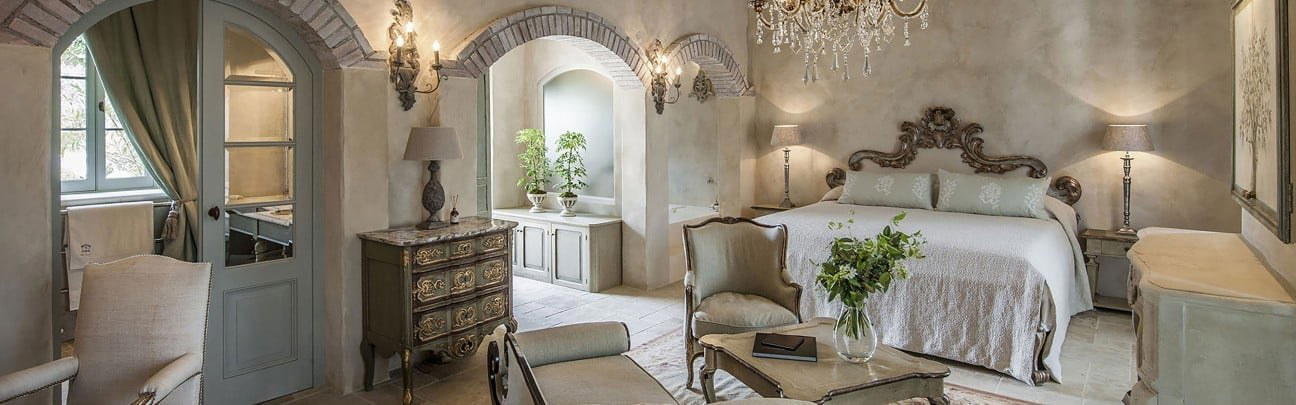
Hotels in Siena
All hotels in Siena →
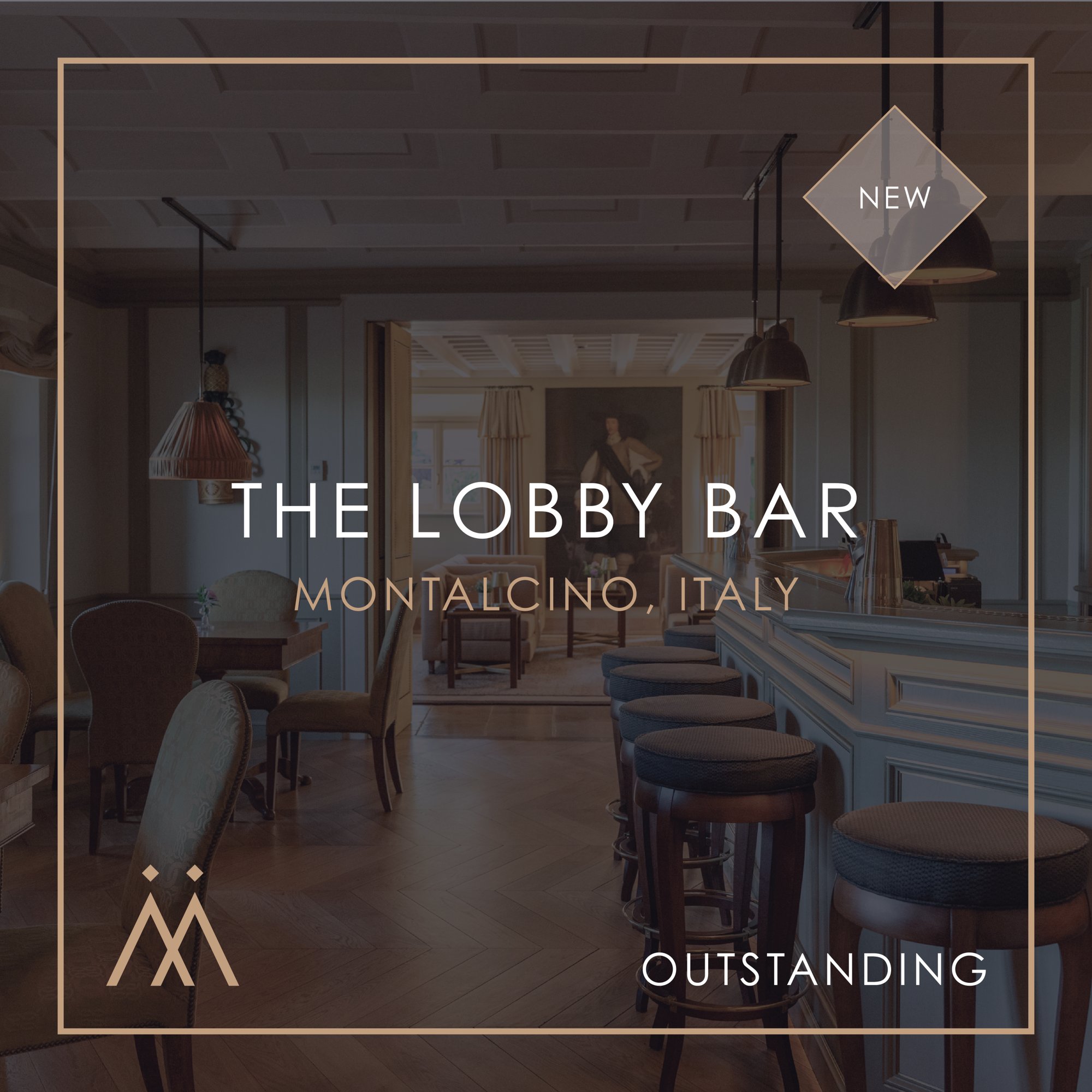
Bars in Siena
All bars in Siena →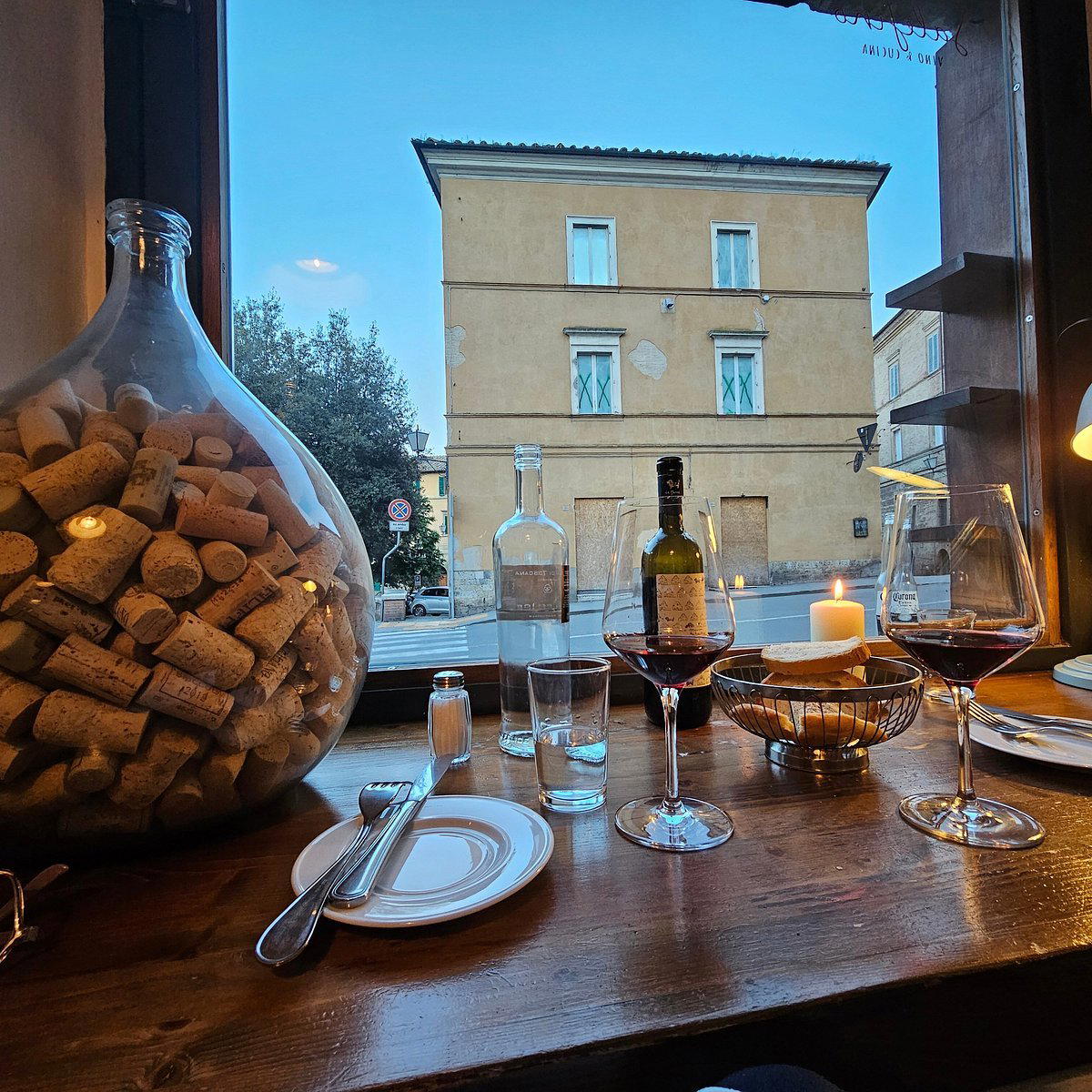
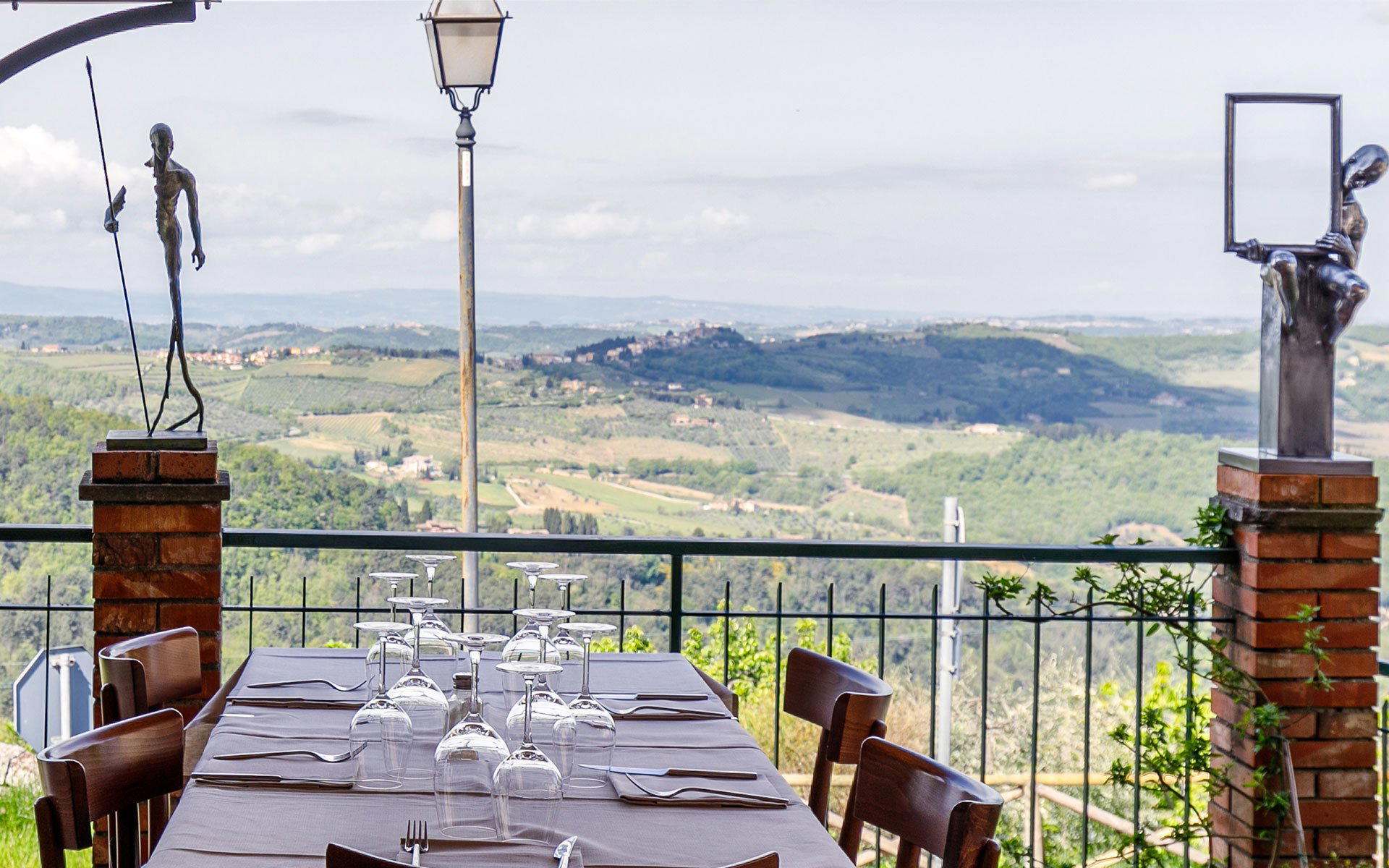
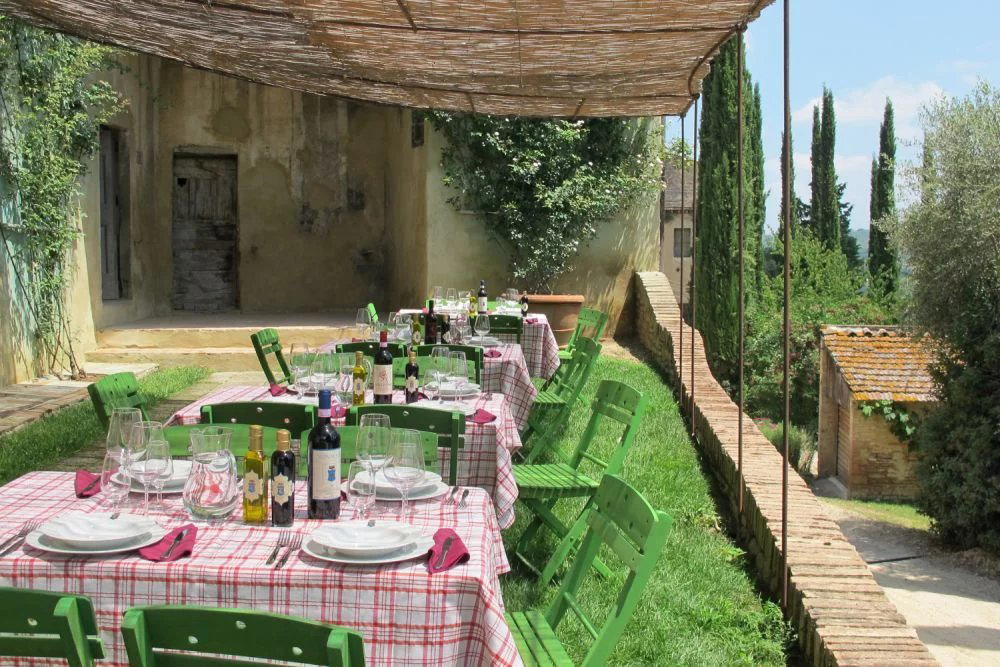
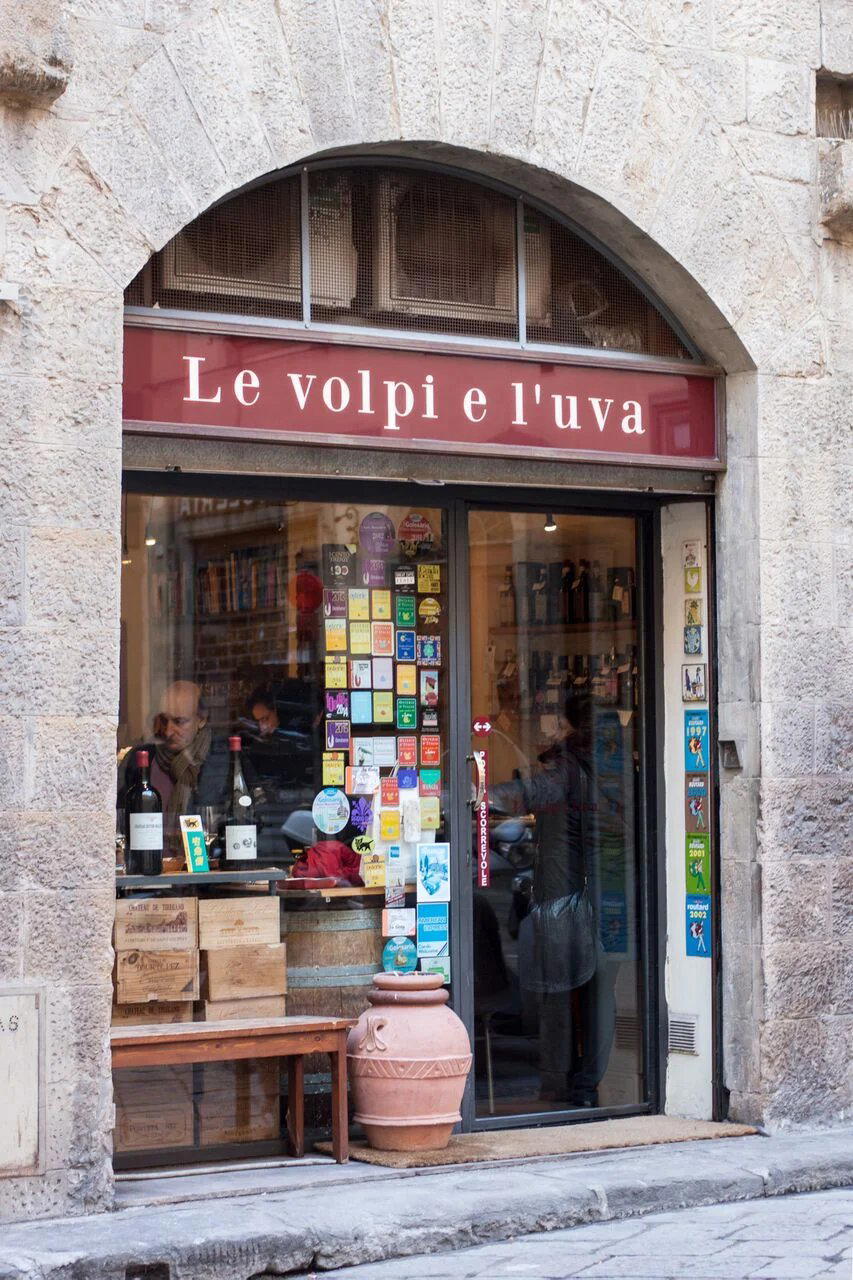
Restaurants in Siena
All restaurants in Siena →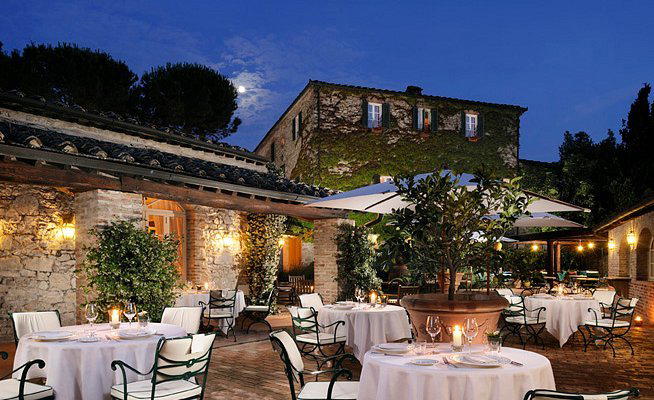
Details
- Romantic
- Elegant
- Rustic
- Scenic
- Sophisticated
- Romantic Getaway
- Honeymoon
- Family Vacation
- Wellness Retreat
- Anniversary
- Weekend Escape
- Historic Building
- Panoramic View
- Garden
- Terrace
- Pool
- Spa
- Fitness Center
- Room Service
- Concierge
- Wi Fi
- Tennis
- Restaurant
- Sauna
- Vineyard
- Garden
- Step Free Entrance
Tranquil and elegant Tuscan countryside retreat with soundproofed rooms, serene spa atmosphere, and panoramic views of vineyards and hills.