Hotel Le Fontanelle


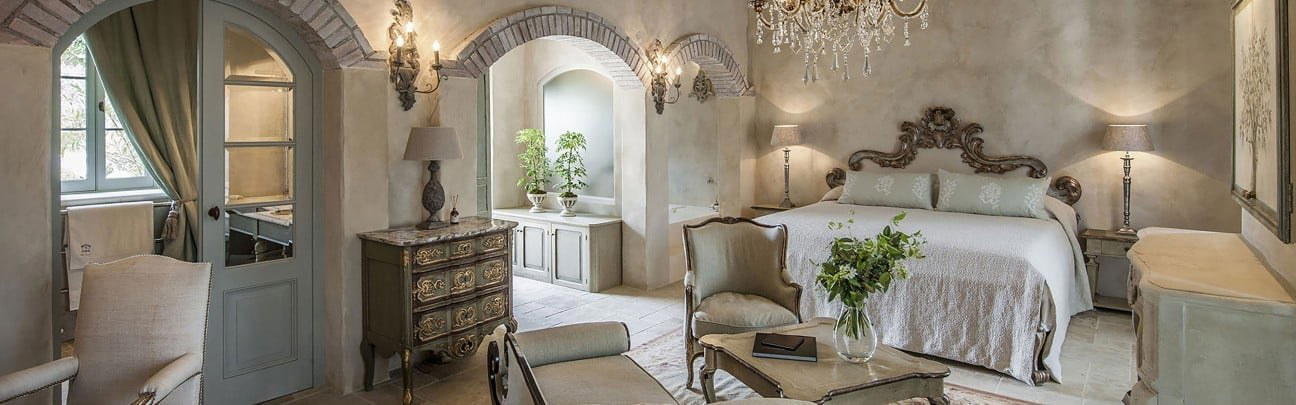
A 13th-century farmhouse in the hills of Castelnuovo Berardenga, Hotel Le Fontanelle opened in 2006 after seven years of careful restoration. Thirty-six rooms across five categories sit inside stone walls built with regional timber and terracotta floors aligned with Chianti's architectural tradition, supported by a restaurant, pool bar, estate winery, and a full wellness club.
Pearl is the En Primeur Club membership app — saves, bookings, and concierge access live there. Same editors, same standards.
- Address
- SP 408 km 14.7 Località
- Phone
- +39 0577 35751
- Directions
- Get directions
 Saves & bookings on Pearl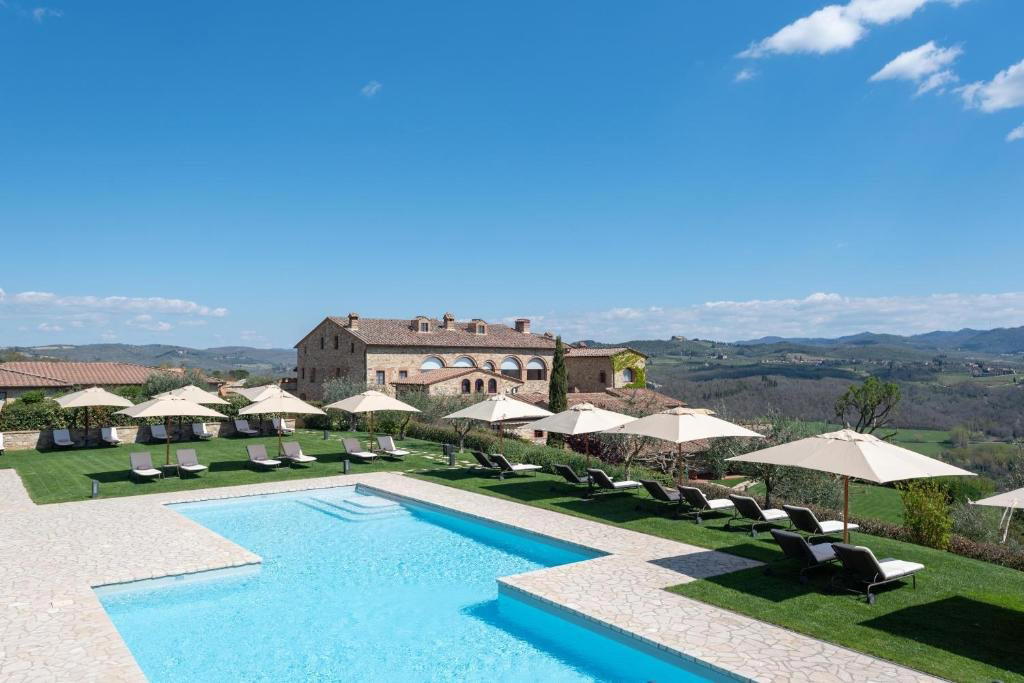
Arriving at a 13th-Century Farmhouse in the Chianti Hills
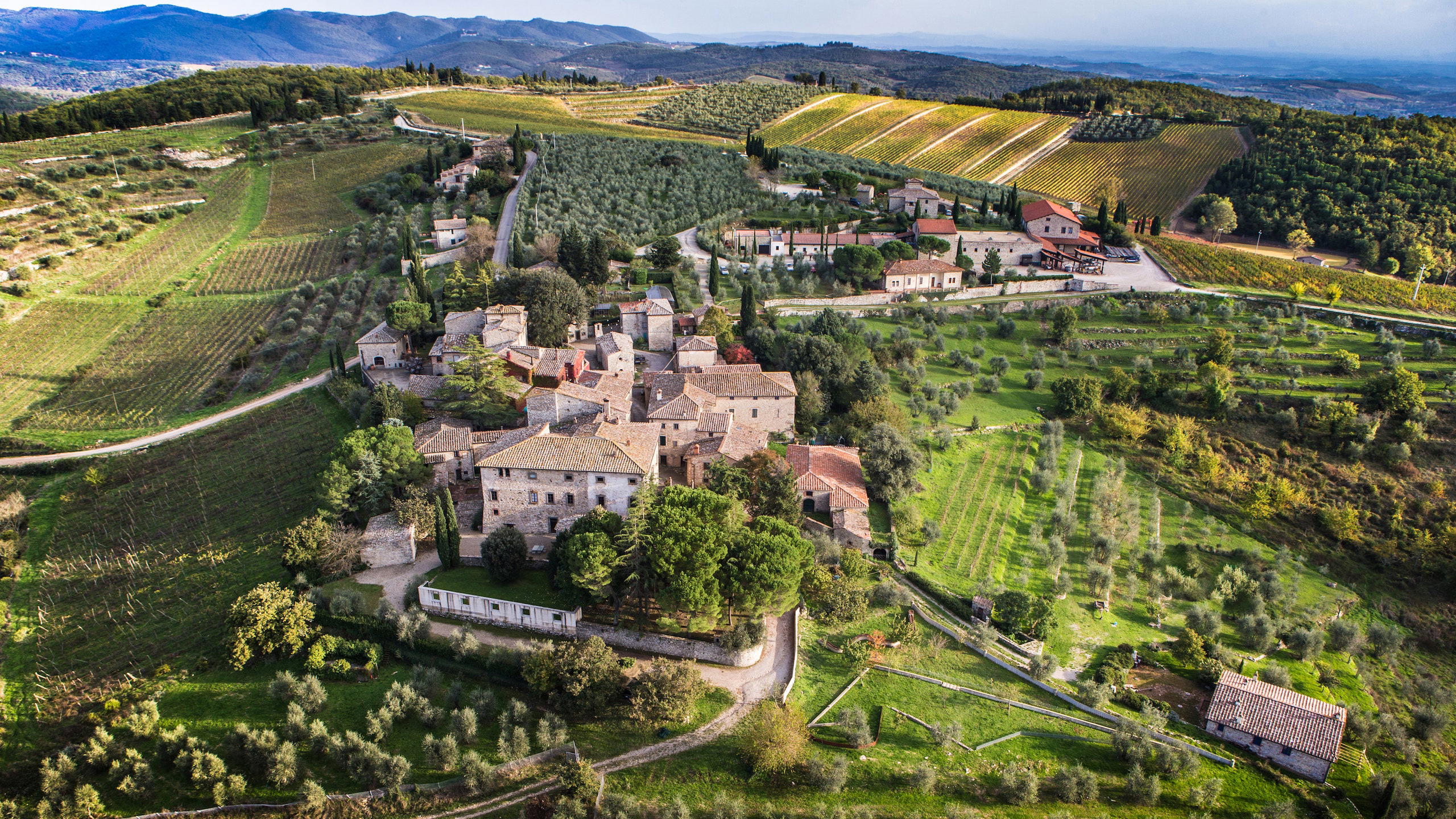
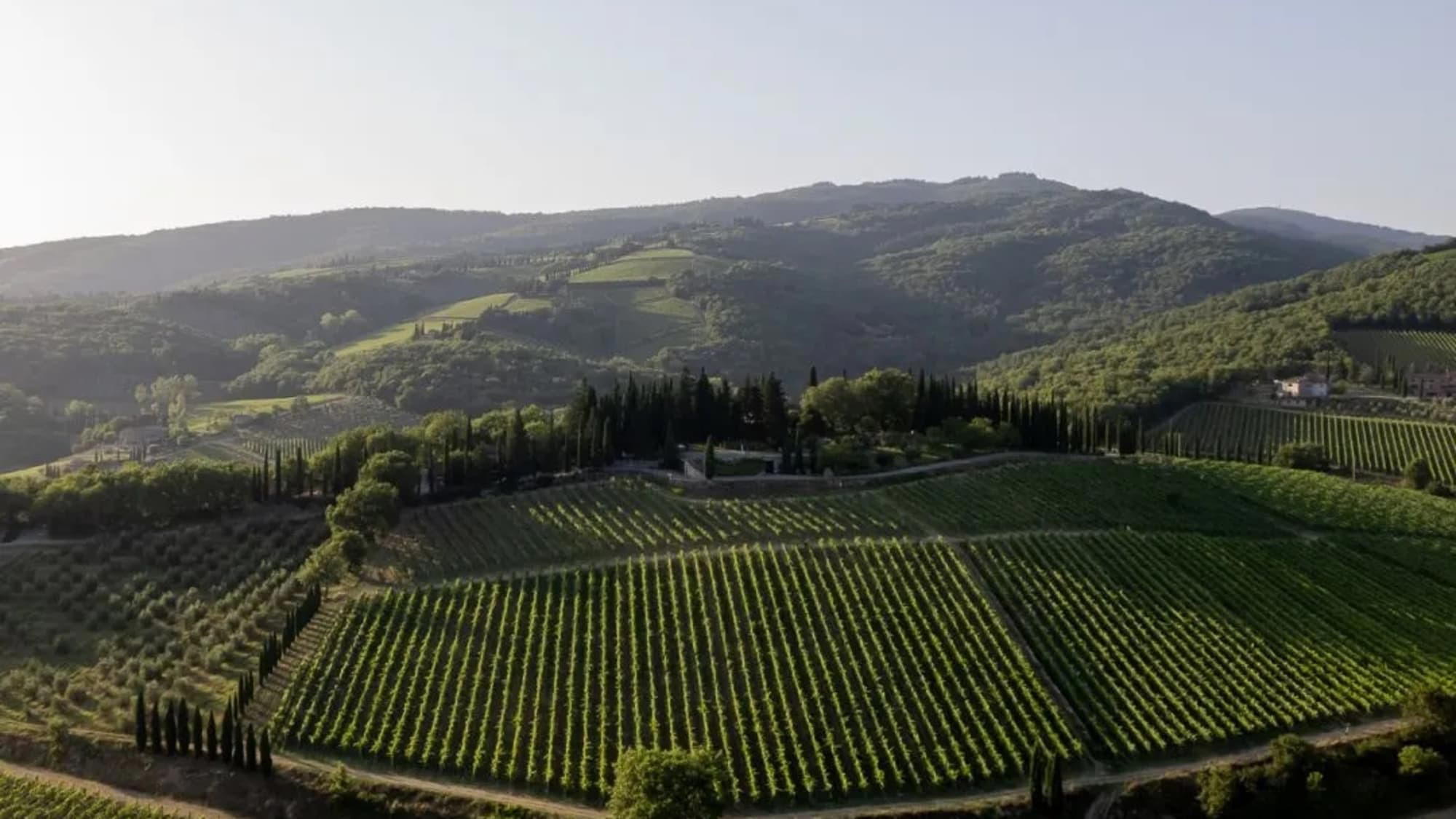
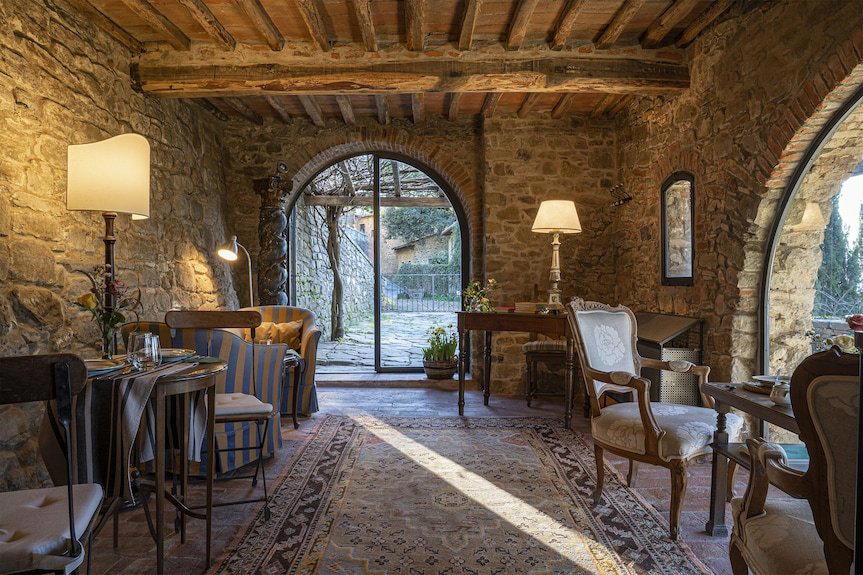
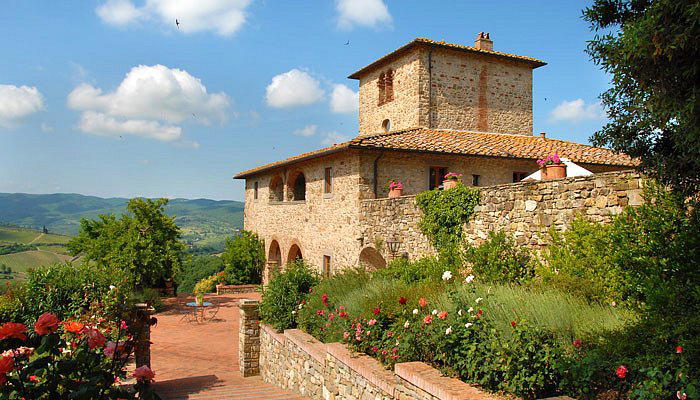
The approach to Hotel Le Fontanelle sets the terms for everything that follows. The road climbs through vine-covered slopes along the SP 408 until the stone mass of a medieval farmhouse appears on the ridgeline above Castelnuovo Berardenga, its walls the colour of dried earth, its silhouette unchanged in outline since the 13th century. Hotel Le Fontanelle is a five-star hotel in Castelnuovo Berardenga, set at SP 408 km 14.7 Località. What has changed, over seven years of renovation completed in 2006, is everything inside: regional timber, terracotta pavements selected to match the area's architectural vernacular, and modern infrastructure folded into spaces that were designed to absorb them without announcement. The result is a property that reads as continuous with the surrounding countryside rather than imposed upon it.
Chianti's premium accommodation tier has grown more crowded in recent years. Properties such as Borgo San Felice Resort and Castel Monastero, both also based in Castelnuovo Berardenga, represent the category's upper register. Hotel Le Fontanelle sits within the same competitive set: a restored historic structure, a defined sense of place, and a guest experience built around the agricultural and viticultural identity of the zone. The differences between these properties lie in scale, tone, and the specific way each translates Chianti's character into hospitality.
The Service Disposition at Le Fontanelle
The hospitality philosophy here is one that has become recognisable across the better converted-farmhouse properties of central Italy: less about formal staff hierarchies and more about a quality of attentiveness that feels calibrated to the pace of the countryside. When Giuseppina Bolfo chose this particular farmhouse in 1999, the project that followed was shaped by what the venue's own account describes as a "refined and gentle welcome" rather than a luxury-hotel formality. That distinction matters in practice. Properties at this price point in Tuscany increasingly divide between those that import a five-star hotel operating model into a historic shell and those that let the architecture determine the register. Le Fontanelle has positioned itself in the second category.
The hotel is arranged across five typologies, which allows the property to match guests to spaces rather than assigning uniform configurations. This structural choice, common among the more considered properties in the converted-estate category, and evident at places as different in scale as Castello di Reschio in Lisciano Niccone and Castelfalfi in Montaione, enables a degree of personalisation that a single room type cannot. For groups convening for a wedding or corporate retreat, for couples on a honeymoon, for independent travellers prioritising different amenities, the room typology split serves a genuine functional purpose.
Eating and Drinking Inside the Estate
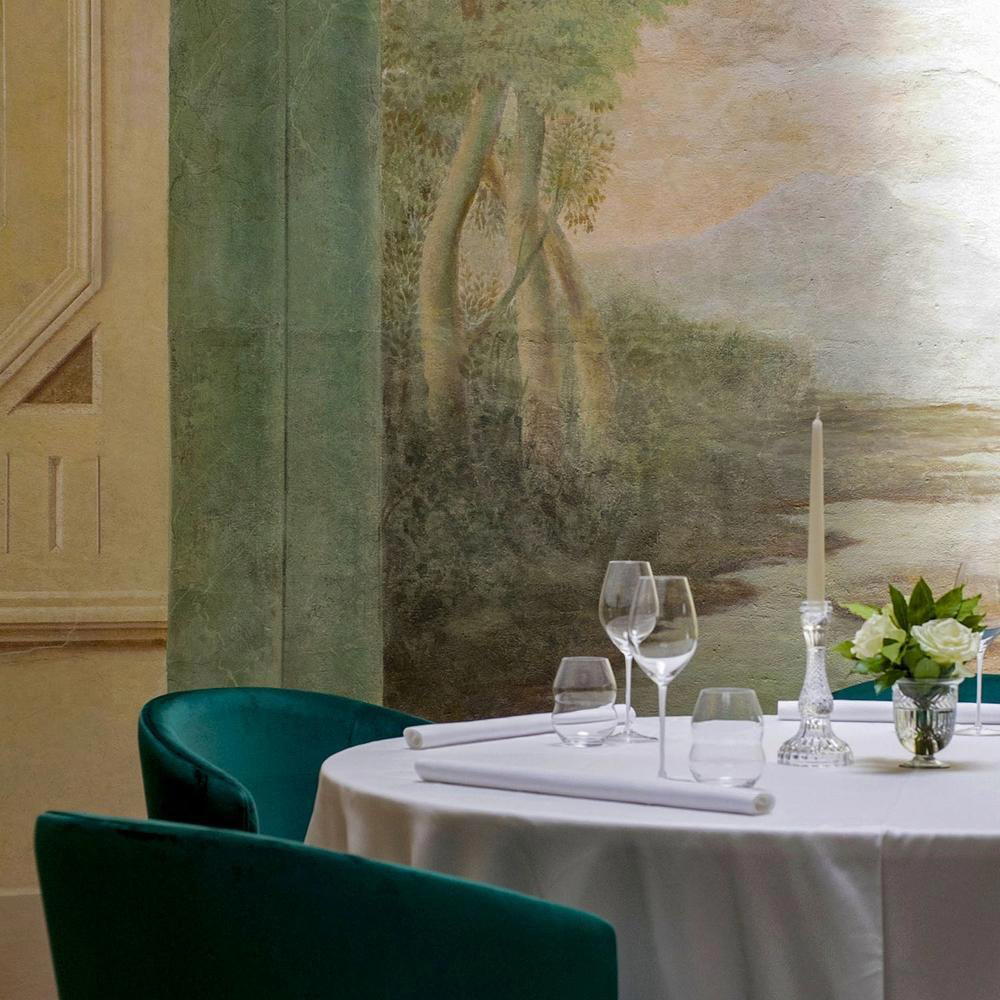
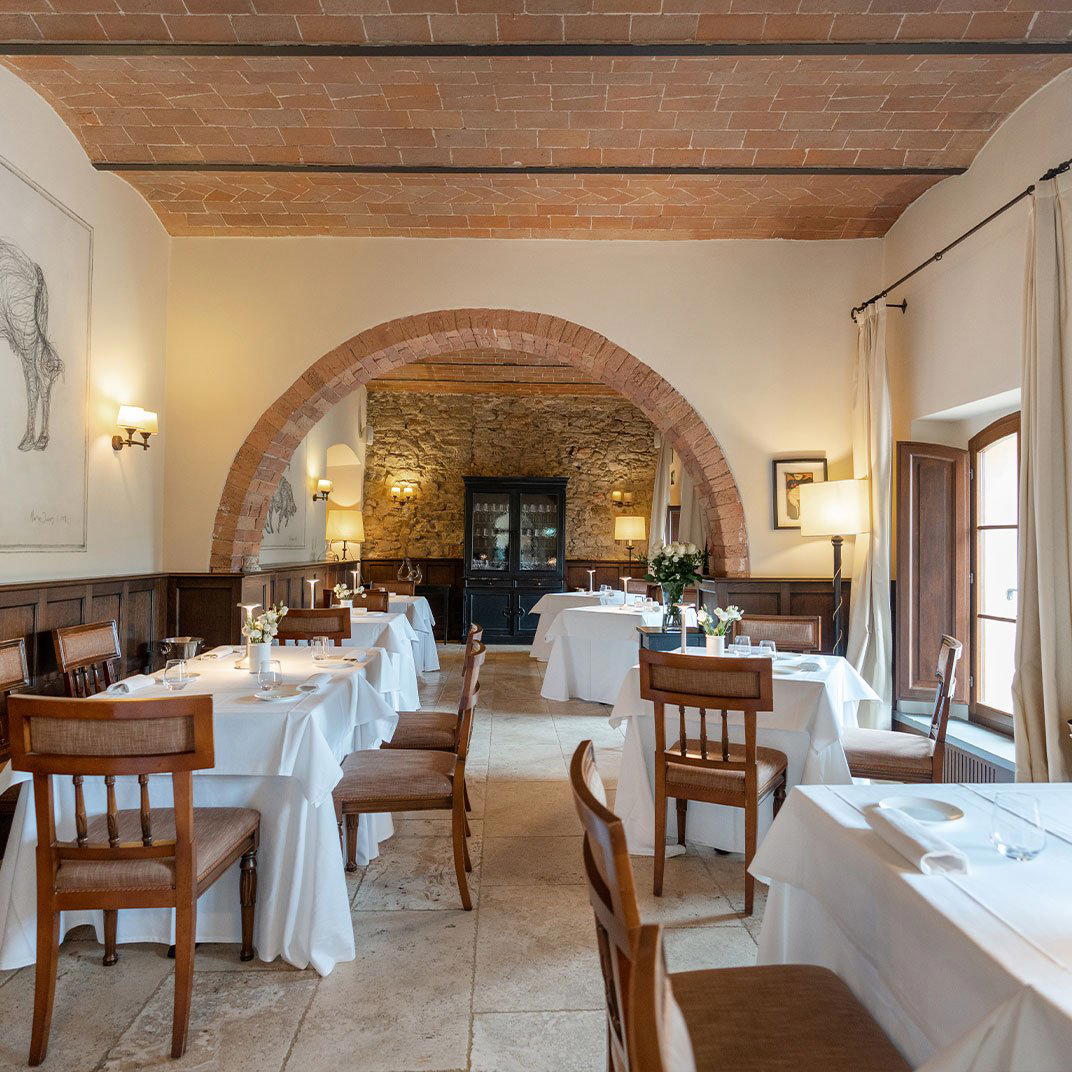
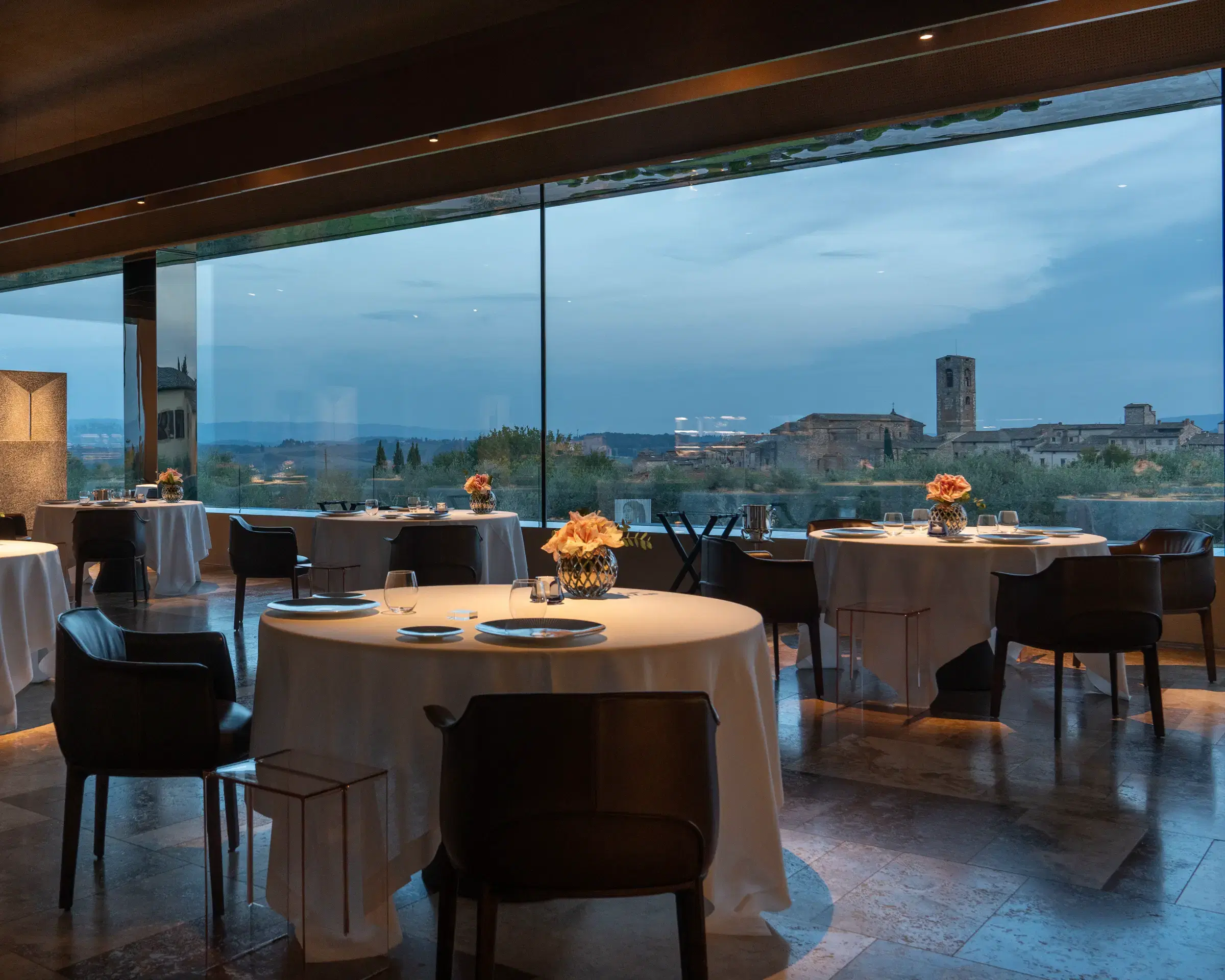
Italian farmhouse hotels of this character often succeed or fail on the quality of their food and wine programming, and Le Fontanelle addresses this with a three-tier offer. La Colonna restaurant handles the formal dining function with a focus on classic Italian cuisine, delivered from a belvedere terrace that looks out across the Tuscan hills. The terrace is the operative word here: in a region where the view is inseparable from the meal, an outdoor dining position with this kind of elevation changes the experience materially. Al Fresco Pool Bar handles the lighter register, keeping lunch informal without losing the setting's quality.
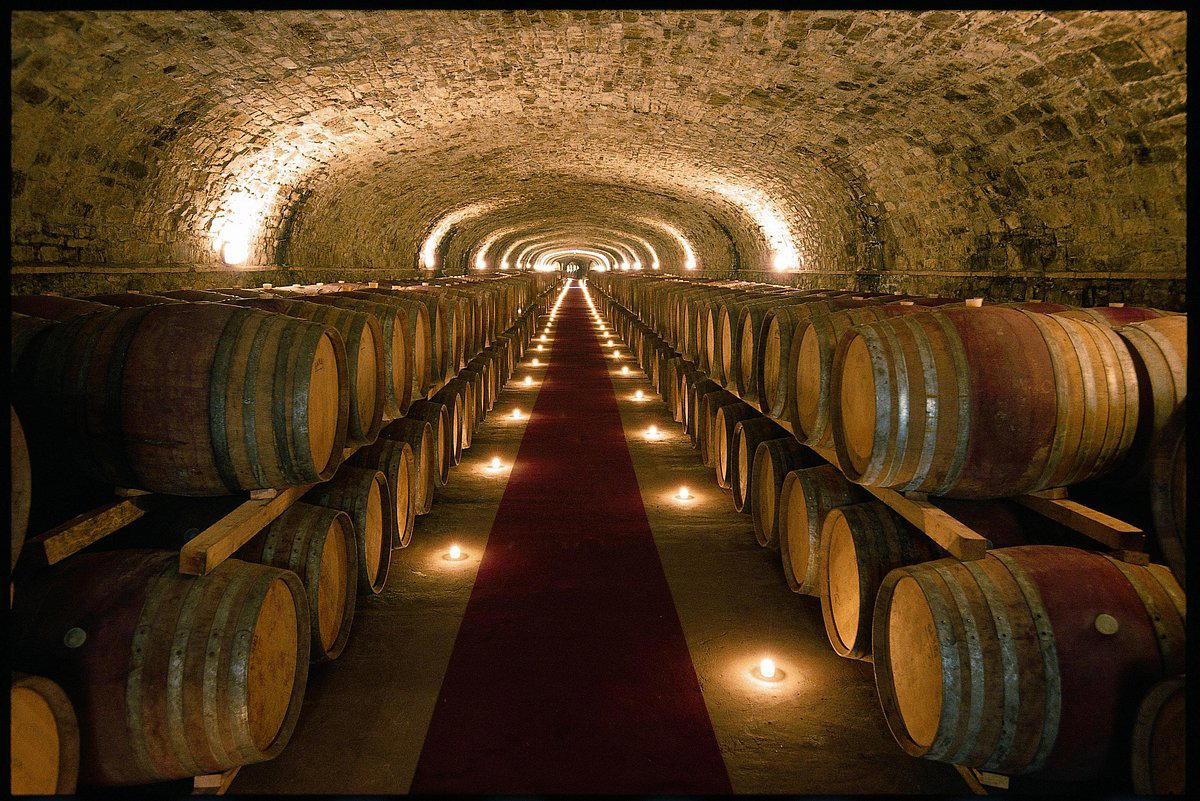
The third element is more specific to this property's geography: the estate winery Vallepicciola, where guests can drink Chianti Classico produced from the surrounding land. This kind of vertical integration, where the property grows, vinifies, and serves its own wine, positions Le Fontanelle within a defined tradition of agriturismo-derived luxury. It is a different proposition from, say, Rosewood Castiglion Del Bosco in Montalcino, where the wine program operates at Brunello di Montalcino level, but the principle of wine-country immersion is shared. For guests who want to understand what they are drinking in relation to where they are sleeping, the Vallepicciola connection is one direct route available on the property.
The food and wine offer at Le Fontanelle also connects to a broader Italian luxury hotel pattern visible at different properties. Casa Maria Luigia in Modena anchors its guest experience around a specific culinary identity; Borgo Egnazia in Savelletri di Fasano weaves regional food culture into its programming at scale. Le Fontanelle operates at a more intimate register but participates in the same argument: that the leading Italian hospitality properties use food and wine as a primary mechanism for connecting guests to territory, not as an ancillary amenity.
Facilities and the Grounds
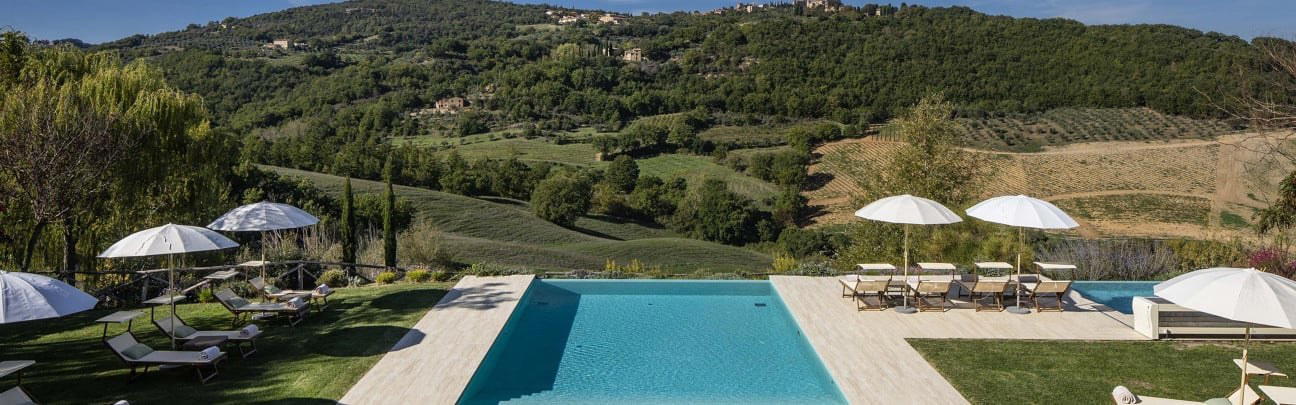
Outdoor areas extend the property's relationship with its hill-range position. An outdoor panoramic swimming pool, a petanque court, and mountain bikes available for guest use represent the kind of activity infrastructure that works in proportion to the setting: low-impact, countryside-scaled, and requiring no further infrastructure than the land itself provides. The gardens are a significant element of the guest experience at Le Fontanelle, with the hilltop position amplifying their visual reach across the Chianti countryside.
Wellness facility, The Health Club, operates on a complimentary access model for guests and includes an indoor heated swimming pool, sauna, Turkish bath, jacuzzi, and fitness centre. Complimentary wellness access at properties in this category represents a meaningful value position compared with the add-on spa models used at some larger Italian luxury hotels. Properties such as Four Seasons Hotel Firenze in Florence or Bulgari Hotel Roma in Rome operate at a different price tier and scale, where spa access is typically separate. For a property of Le Fontanelle's size, folding wellness access into the room rate signals a particular idea of what the stay should feel like: comprehensive rather than transactional.
Planning a Stay
Castelnuovo Berardenga sits in the southeastern corner of the Chianti Classico zone, placing Le Fontanelle within reach of Siena to the south and Florence to the north. The surrounding region rewards guests who spend time here: the wine estates, the medieval villages, and the agricultural rhythms of the zone are not experiences that compress well into short stays. The property explicitly frames itself for weddings, honeymoons, and retreats alongside leisure travel, which suggests a staffing and operational model oriented toward hosting groups and milestone occasions with some regularity.
Those planning a broader Italian itinerary might position Le Fontanelle alongside properties in adjacent regions: Il Pellicano in Porto Ercole to the south on the Argentario coast, or Castel Fragsburg in Merano for those making a longer north-south sweep of the country's historic hotel stock. For Italy's broader converted-palace and historic-property tier, the comparison set extends to Aman Venice in Venice, Passalacqua in Moltrasio, and Corte della Maestà in Civita di Bagnoregio, each occupying a different slice of the country's historic-building hospitality spectrum. For guests whose interest extends to coastal Italy, Borgo Santandrea on the Amalfi Coast, Il San Pietro di Positano in Positano, and Bellevue Syrene 1820 in Sorrento occupy a comparable quality register in an entirely different landscape. International points of reference for this category of meditative, landscape-anchored luxury include Forestis Dolomites in Plose, EALA My Lakeside Dream in Limone sul Garda, and, further afield, Amangiri in Canyon Point.
Cuisine and Awards Snapshot
Comparable venues nearby, for context on price, style, and recognition.
| Venue | Cuisine | Price | Awards | Notes |
|---|---|---|---|---|
| Hotel Le FontanelleThis venue — the venue you are viewing | Historic 13th-century Tuscan farmhouse with Beaux Arts architecture restored into a luxury countryside retreat. | $$$$ | 5-Star | Not listed |
| The Club House | Intimate adults-only Tuscan estate blending historic charm with modern luxury | $$$$ | 5-Star | Pievasciata |
| Castel Monastero | Restored medieval monastery in Tuscan countryside | $$$$ | Michelin 1 Key | Ombrone Valley |
| Borgo San Felice Resort | Restored medieval Tuscan hamlet with modern luxury | $$$$ | Michelin 2 Key | Castelnuovo Berardenga |
| Relais Borgo Vescine | Historic Tuscan borgo relais with restored rustic charm and modern luxury. | $$$$ | 5-Star | Radda in Chianti |
| Relais Villa San Martino | Elegant historic relais villa with modern luxuries. | $$$$ | 5-Star | Zona G |
Recognition history
Dated appearances from independent guides and award organizations, with the underlying list record or original source where available.
Virtuoso Luxury Hotel Partner
Virtuoso
Michelin Selected
Michelin
Continue exploring
More in Castelnuovo Berardenga
Hotels in Castelnuovo Berardenga
Browse all →
Bars in Castelnuovo Berardenga
Browse all →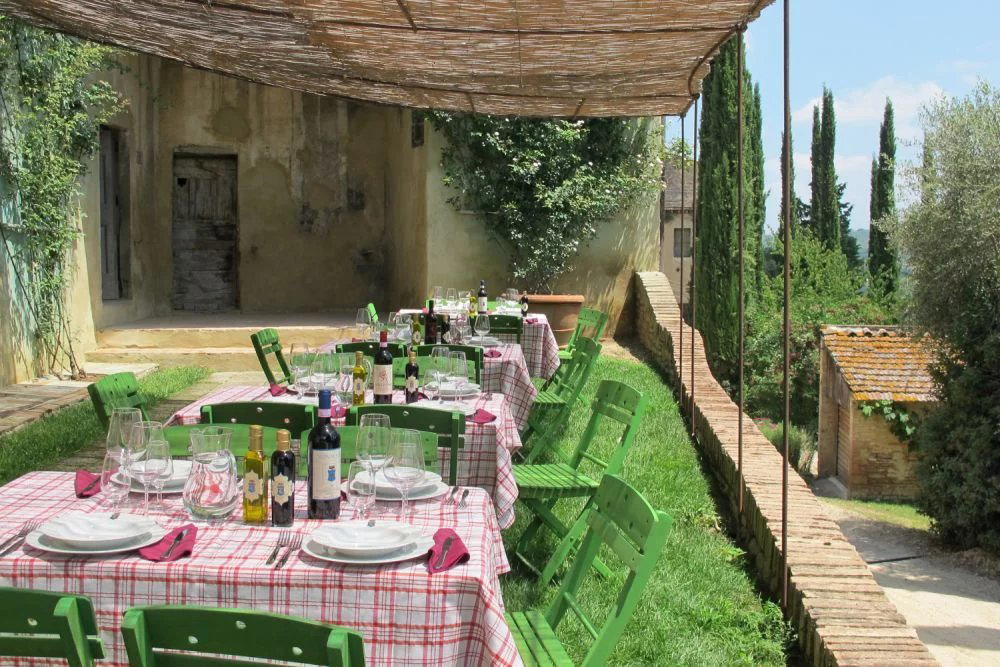
Restaurants in Castelnuovo Berardenga
Browse all →
At a Glance
- Romantic
- Scenic
- Elegant
- Rustic
- Cozy
- Sophisticated
- Honeymoon
- Romantic Getaway
- Anniversary
- Wellness Retreat
- Weekend Escape
- Panoramic View
- Garden
- Terrace
- Historic Building
- Pool
- Spa
- Fitness Center
- Room Service
- Concierge
- Sauna
- Hot Tub
- Restaurant
- Vineyard
- Garden
- Mountain
- Pool
- Spa
- Fitness Center
- Room Service
- Concierge
- Sauna
- Hot Tub
- Restaurant
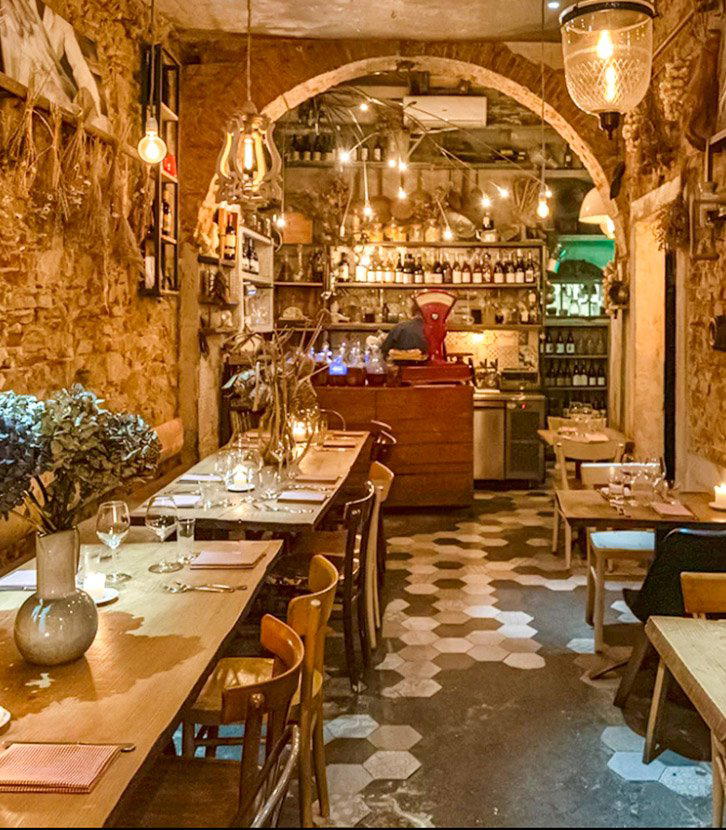
Serene and elegant with natural light, lush gardens, and a peaceful Tuscan countryside atmosphere praised for tranquility and luxury.