


Michelin Selected · Virtuoso Luxury Hotel Partner · Leading Hotels of World Member
Siena's first five-star hotel in the city centre occupies a restored 17th-century palace steps from Piazza del Campo, with 51 rooms framed by original frescoes, vaulted ceilings, and a wine cellar carved into medieval limestone. A Leading Hotels of the World member since 2025, it positions itself at the upper tier of Tuscan urban hospitality, where architecture and location do the primary work.

Pearl is the En Primeur Club membership app, where members save venues, book tables and use the concierge.
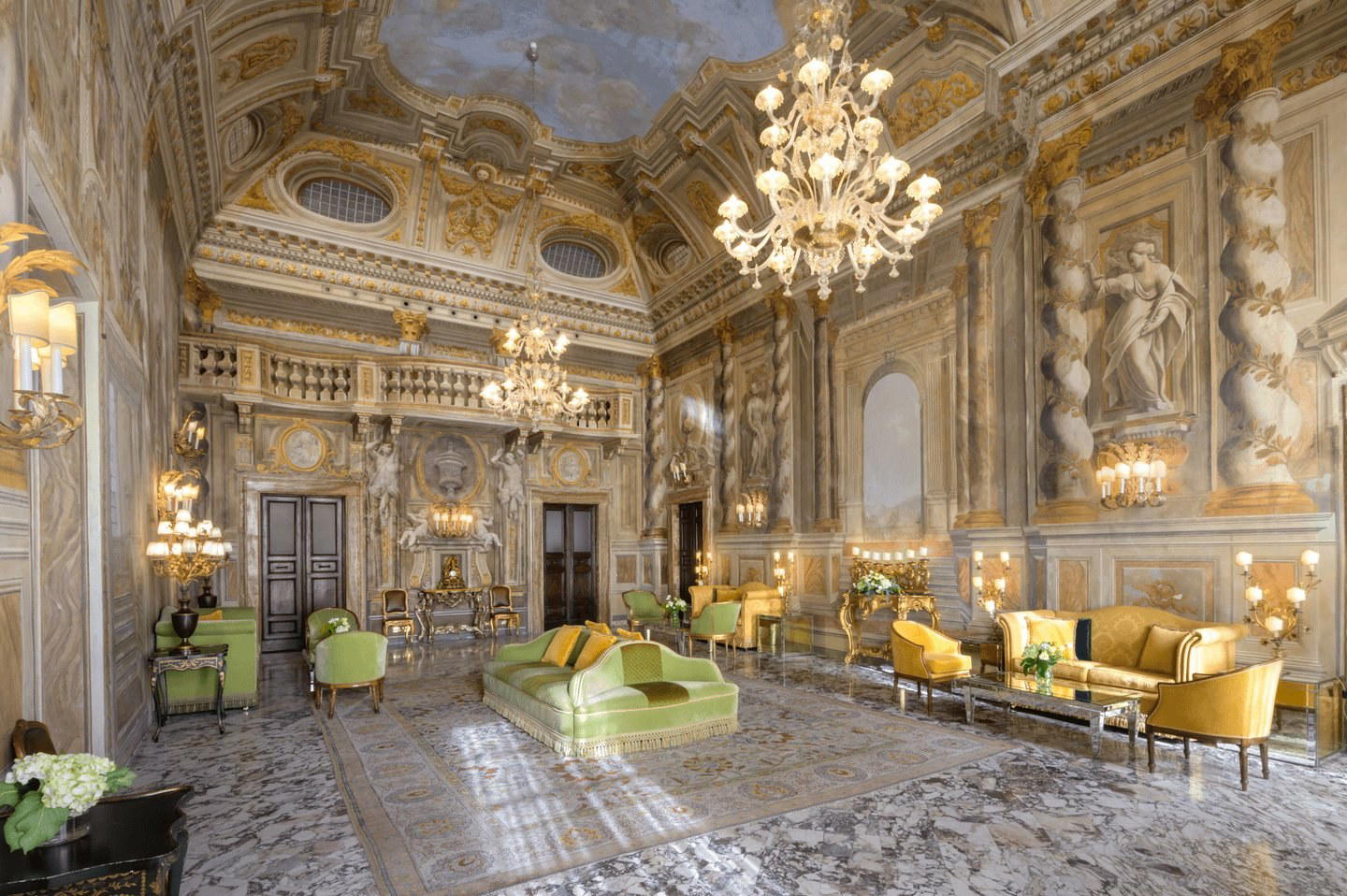
A 17th-Century Palace at the Centre of Siena's Pedestrian Core
Arriving at Via Banchi di Sopra, the main pedestrian artery that links Siena's civic monuments, the scale of the building signals something different from the city's smaller boutique options. The Grand Hotel Continental occupies a Baroque palace designed by Giovanni Fontana, positioned directly opposite the Rocca Salimbeni, the 1816 seat of Monte dei Paschi di Siena, the oldest bank in continuous operation in the world. Piazza del Campo and the Duomo are both within a few minutes on foot. For a city that compresses an extraordinary density of medieval and Renaissance civic architecture into a tight, car-free centre, this address is as close to the geographic and cultural middle as a hotel can get.
Siena's luxury accommodation has historically split between the city's historic palaces and the surrounding Chianti countryside. Properties like Borgo Scopeto Wine & Country Relais and Borgo Vescine offer the rural Tuscan relais format, trading proximity for land and landscape. The Continental represents the other pole: a five-star that opened in February 2002 as the first of its category in the city centre, filling a gap that, until then, forced travellers choosing central Siena to accept a lower tier. That position has not changed.
Inside the Room: Frescoes, Vaulting, and the Weight of the Building
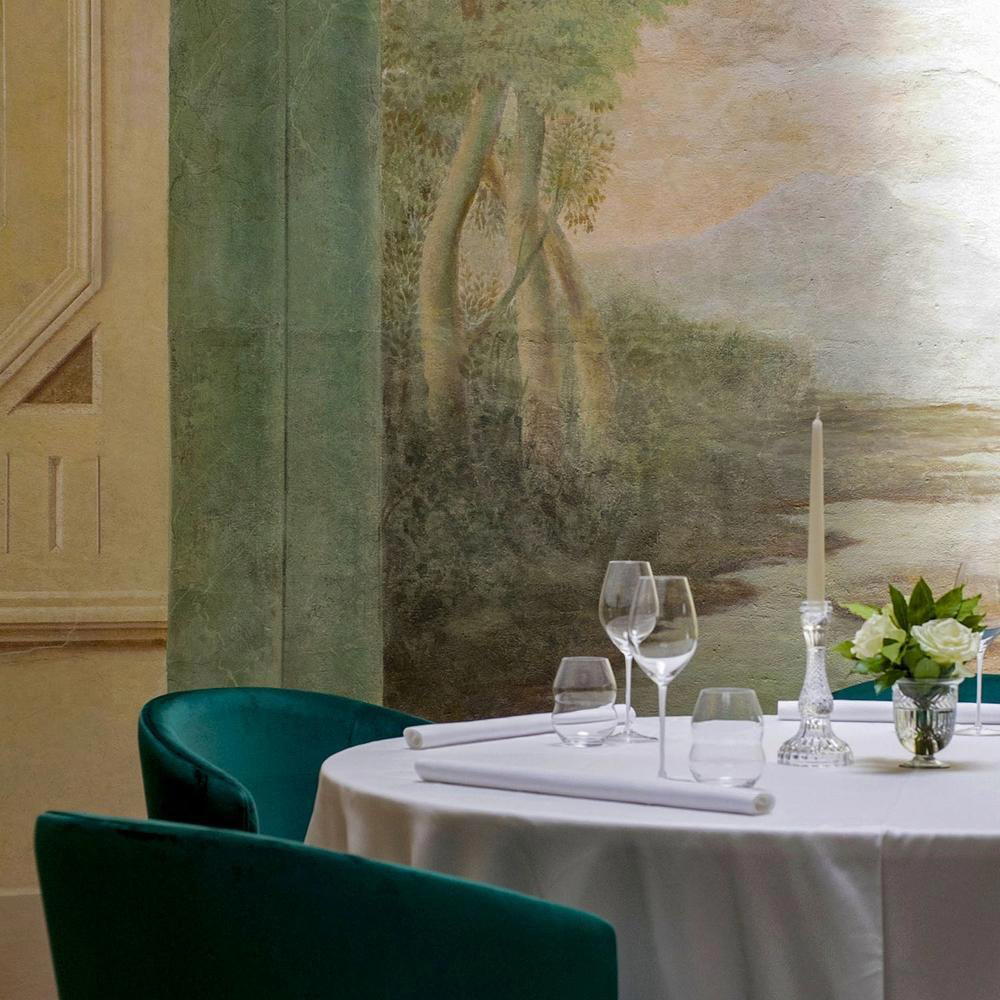
The editorial angle on Italian palazzo hotels often defaults to atmosphere in the common areas. What separates a serious restoration from a decorative one is what happens once the door to your room closes. At the Continental, the restoration work carried through into the guest accommodation itself. The 51 rooms and suites vary considerably, but the defining characteristic across the upper categories is the relationship between the guest and the building's original fabric. High vaulted ceilings with intact frescoes are not a lobby feature here; they are what you sleep under.
The Heritage Suites each carry distinct decorative schemes drawn from the 15th-century frescoes and 1800s ornamental motifs uncovered during restoration. No two rooms in this category are configured identically, which is less a selling point than a structural reality: a palace built over several centuries does not yield uniform floor plates. The Panoramic Altana Suite adds a different dimension, with its living room on an upper level and sightlines across the city and countryside. In a city where rooftop access is a genuine rarity given the density and height restrictions of the historic core, that position is architecturally earned rather than engineered.
In-room offer across the property reads as a considered tier system. From the Deluxe double category upward, an Illy coffee machine is available on request. Every room carries a Handy smartphone for guests' use during the stay, a practical detail that matters in a dense city where navigating without data can waste significant time. Standard amenities include air-conditioning, satellite television, minibar, and safe. Twice-daily maid service and 24-hour room service run alongside the usual five-star concierge, pressing, laundry, and transfer infrastructure.
For travellers calibrating expectations against the broader Italian luxury field, comparisons are instructive. The Four Seasons Hotel Firenze in Florence operates at a larger scale inside its own Renaissance convent, with gardens and a pool. The Aman Venice occupies a 16th-century palazzo on the Grand Canal with a similar frescoed-room proposition but at a substantially higher price point. The Continental's 51-room count positions it in a middle tier: large enough for consistent infrastructure, small enough that the historic fabric remains legible rather than overwhelmed by hotel fitout.
The Wine Cellar as Architectural Event
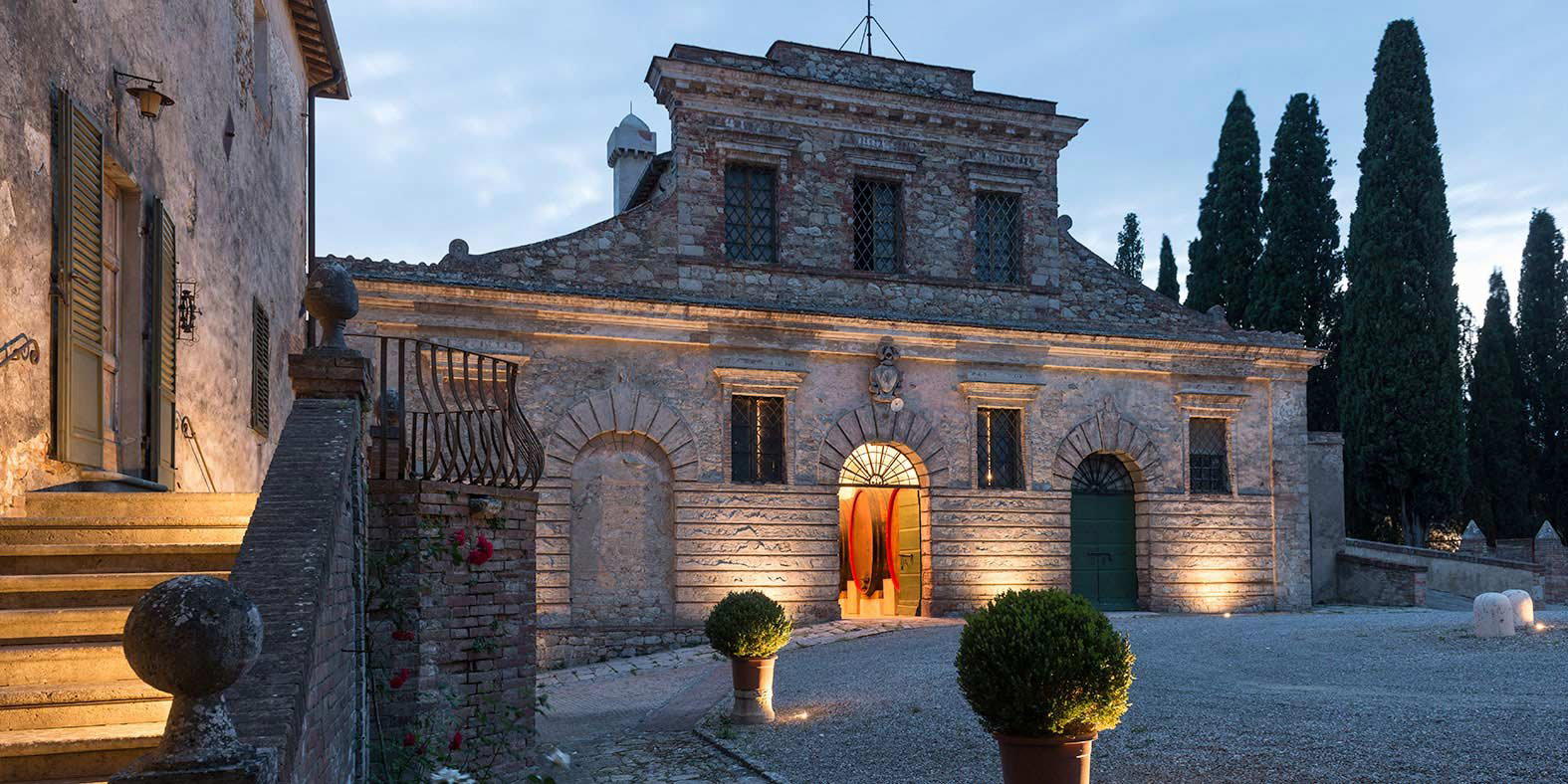
Most hotel restaurants operate as an amenity. The Continental's food and drink offer carries an additional layer of interest because of where part of it is physically located. The Wine Cellar by SaporDivino sits beneath the eponymous restaurant, carved into the base of the hotel's medieval tower, in a limestone formation known locally as Pietra di Torre, a cavernous Sienese stone only recently excavated in this section of the building. The walls date to the 13th century. This is not a cellar dressed to look historic; it is a structural remnant of a medieval tower that pre-dates the Baroque palace built above it by several centuries.
The cellar holds a collection of fine Italian labels with a concentration on Tuscan wines, managed by sommeliers. Wine tastings can be reserved by hotel guests and outside visitors. For travellers who arrive in Siena as a base for Tuscan wine exploration, particularly those with interests in Brunello di Montalcino or Chianti Classico, this is a logistically useful starting point. The Rosewood Castiglion Del Bosco in Montalcino operates within a Brunello estate if the wine proximity is the primary driver, but for those who want urban Siena combined with serious wine access, the Continental's cellar fills that function.
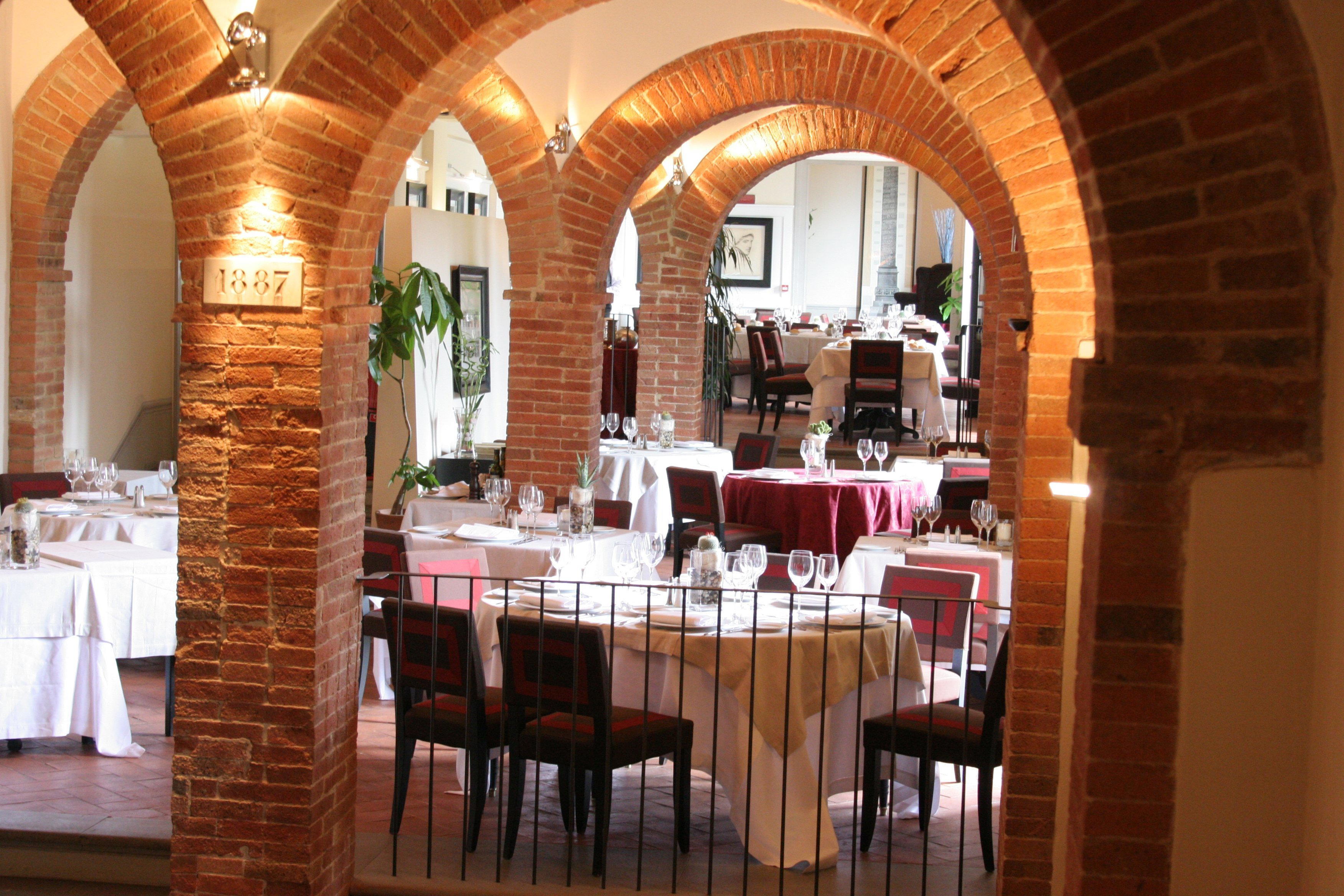
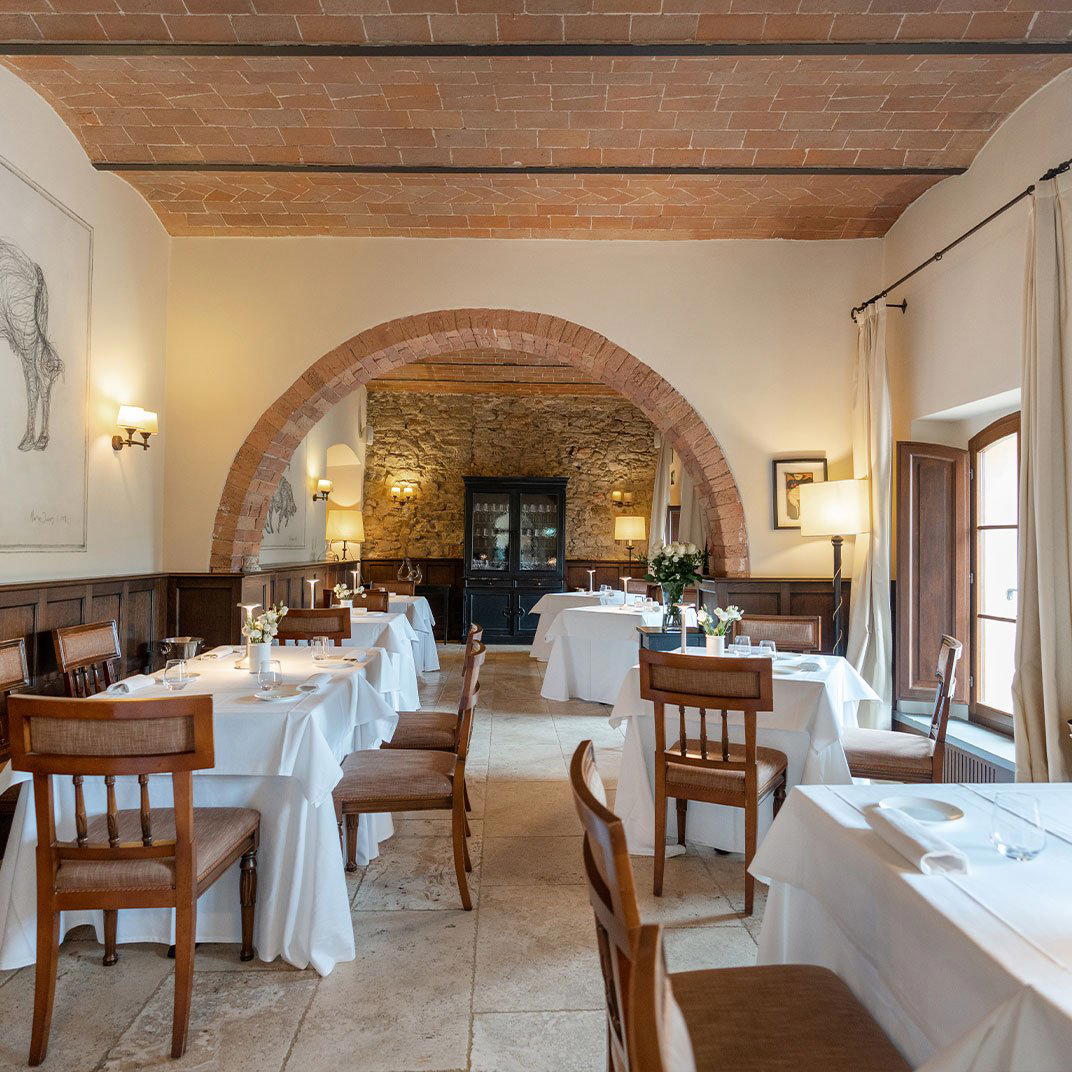
Above ground, the SaporDivino Wine Bar & Restaurant serves Tuscan cuisine alongside local salamis, cheeses, and a broad selection of Italian wines. The Sala Gori and the inner courtyard, covered by a glass cupola, function as additional dining spaces. Breakfast runs as a full buffet with fruits, cereals, cheeses, house-made pastries, and cooked-to-order options.
Where This Property Sits in Siena's Accommodation Hierarchy
Understanding the Continental's position requires mapping Siena's hotel categories honestly. The city has a number of charming smaller properties: Antica Residenza Cicogna, Albergo Bernini, and Hotel Santa Caterina Siena each offer central or near-central positions with a more intimate scale. Campo Regio Relais occupies a historic residence with views of the Campo. None of these operate at five-star certification or with the full-service infrastructure, ballroom, event spaces, and 24-hour concierge that the Continental carries.
Its Leading Hotels of the World membership, current as of 2025, places it inside a global curation of independent properties that do not belong to major chains. Within Italy, that peer group includes properties like Il Pellicano in Porto Ercole and Passalacqua in Moltrasio, both of which carry significant recognition alongside their Leading Hotels affiliation. For travellers using Leading Hotels membership as a proxy for a minimum service and quality standard at independent properties, the Continental fits that framework cleanly.
For the broader Italian luxury context, Castello di Reschio in Umbria and Borgo Egnazia in Puglia represent what the estate-scale Italian property looks like at its most developed. Portrait Milano and Bulgari Hotel Roma operate in a different urban register entirely. The Continental occupies a position that none of these can replicate: a full-service five-star inside a car-free medieval centre, in a city that sees significant demand during the Palio di Siena in July and August, when accommodation at any tier books out well in advance.
Planning Your Stay
The hotel sits on Via Banchi di Sopra within the pedestrian zone, which means arrival by car requires coordination with the hotel for access and luggage transfer; the 24-hour concierge handles this as a standard service. Siena's Piazza del Campo is a few minutes' walk, as is the Duomo complex. For travellers arriving by train, Siena's station sits outside the historic walls and requires a bus connection or taxi uphill to the centre.
Peak demand aligns with the Palio horse races (July 2 and August 16), when the city's limited accommodation is under sustained pressure, and the hotel's address becomes particularly strategic given its proximity to the Campo. Outside these windows, shoulder seasons in spring and autumn offer more availability and notably different light across the frescoed interiors. Travellers with specific interest in Heritage Suite availability, or in the Altana Suite's panoramic position, should book well ahead of the peak Tuscan summer season.
For Siena's wider restaurant and bar picture, the EP Club Siena guide maps the city's dining options across categories and neighbourhoods.
How It Stacks Up
Comparable venues nearby, for context on price, style, and recognition.
| Venue | Cuisine | Price | Awards | Notes |
|---|---|---|---|---|
| Grand Hotel Continental SienaThis venue (the venue you are viewing) | 16th-century palazzo converted to luxury boutique hotel | Not listed | Michelin Selected · Virtuoso Luxury Hotel Partner | Not listed |
| Borgo Vescine | Historic 13th-century rural village resort renovated for luxury stays amid Chianti vineyards. | $100–200 | Michelin Selected · Star Wine List | Radda in Chianti |
| Hotel Palazzetto Rosso | First boutique hotel in Siena combining medieval palace architecture with ultra-modern design furnishings and contemporary interiors. | $100–200 | Michelin Selected | Siena Historic Center |
| Campo Regio Relais, Residenza d'Epoca Siena | Charming historic B&B in a 16th-century palazzo offering personalized service and simple elegance. | $300–500 | Not listed | Siena Historical Center |
| Borgo Scopeto Wine & Country Relais | Historic Tuscan wine estate relais restored from 14th-century buildings | Not listed | Michelin Selected · Preferred Hotels Member | Chianti |
| Hotel Santa Caterina Siena | Renovated 18th-century Tuscan villa | $100–200 | Not listed | Porta Romana |
Recognition history
Dated appearances from independent guides and award organizations, with the underlying list record or original source where available.
Michelin Selected
Michelin
Virtuoso Luxury Hotel Partner
Virtuoso
Leading Hotels of World Member
Leading Hotels of World
Continue exploring
More in Siena
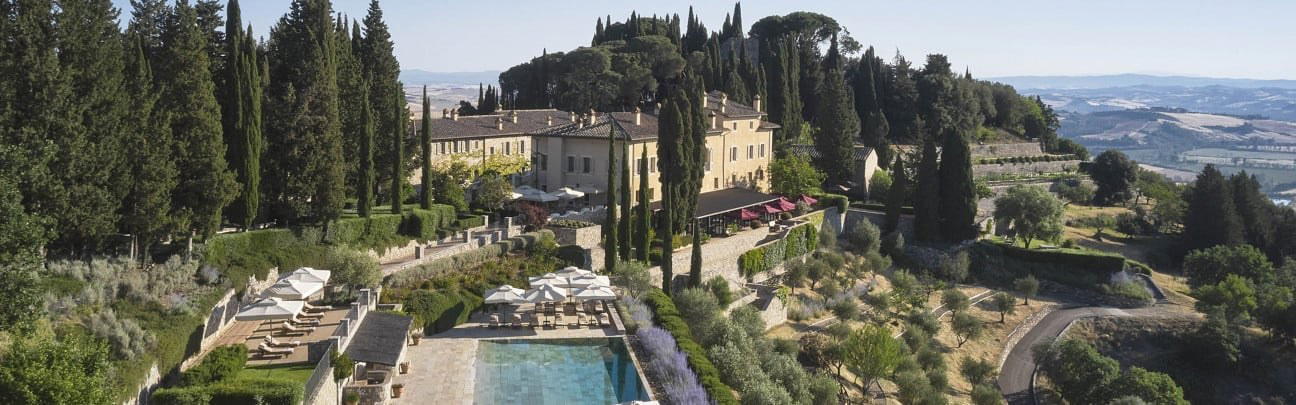
Hotels in Siena
All hotels in Siena →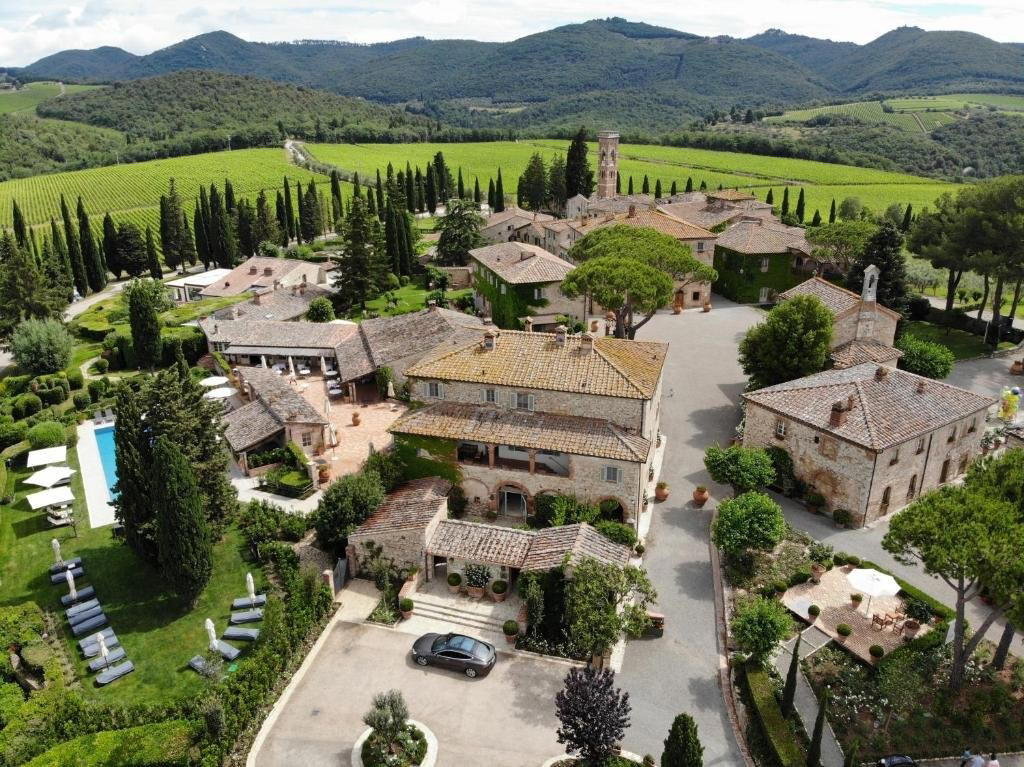
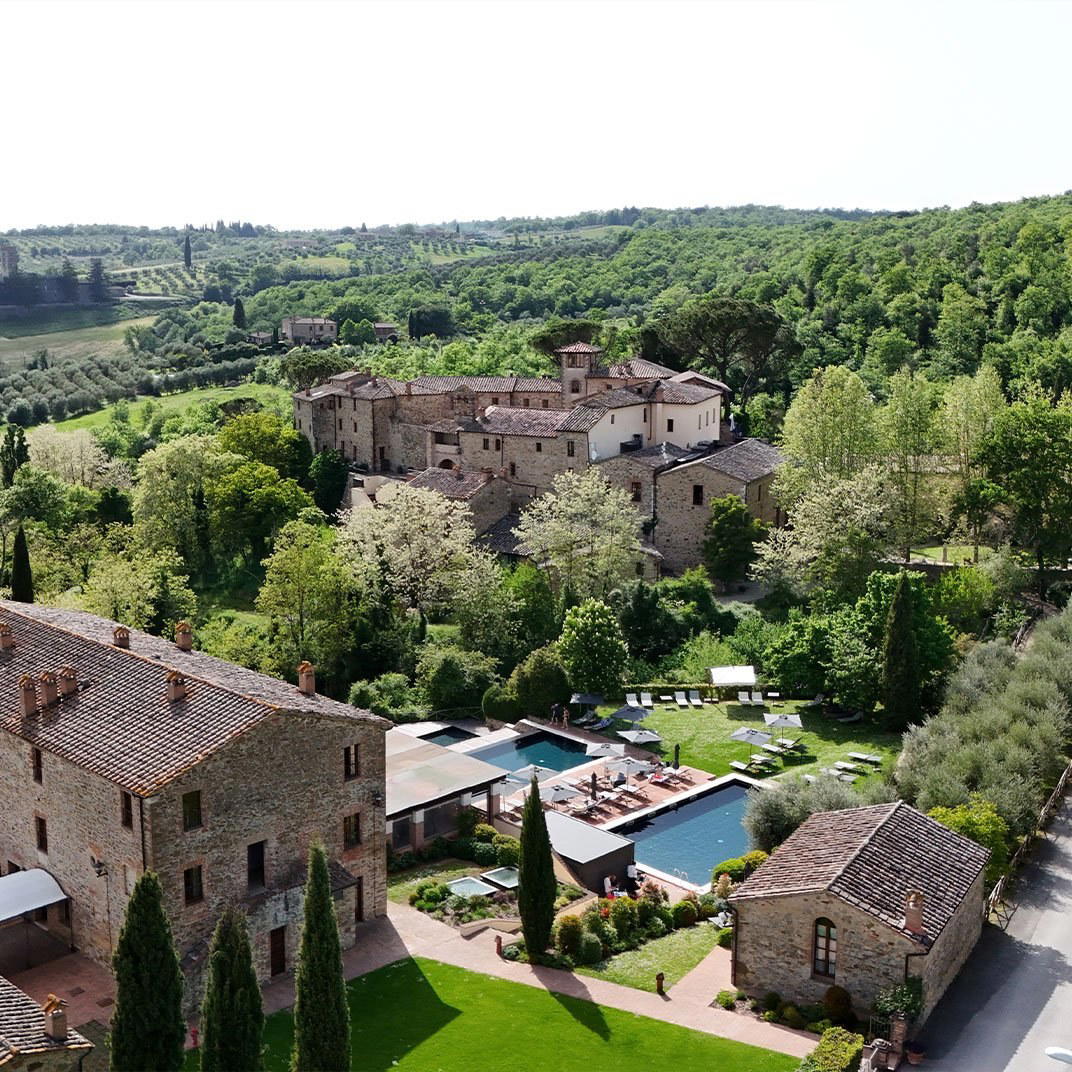
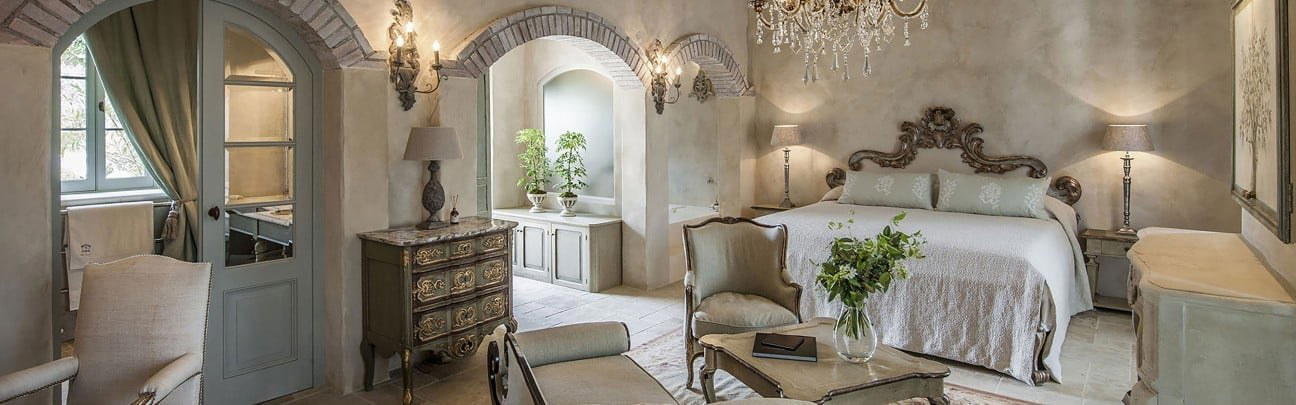
Bars in Siena
All bars in Siena →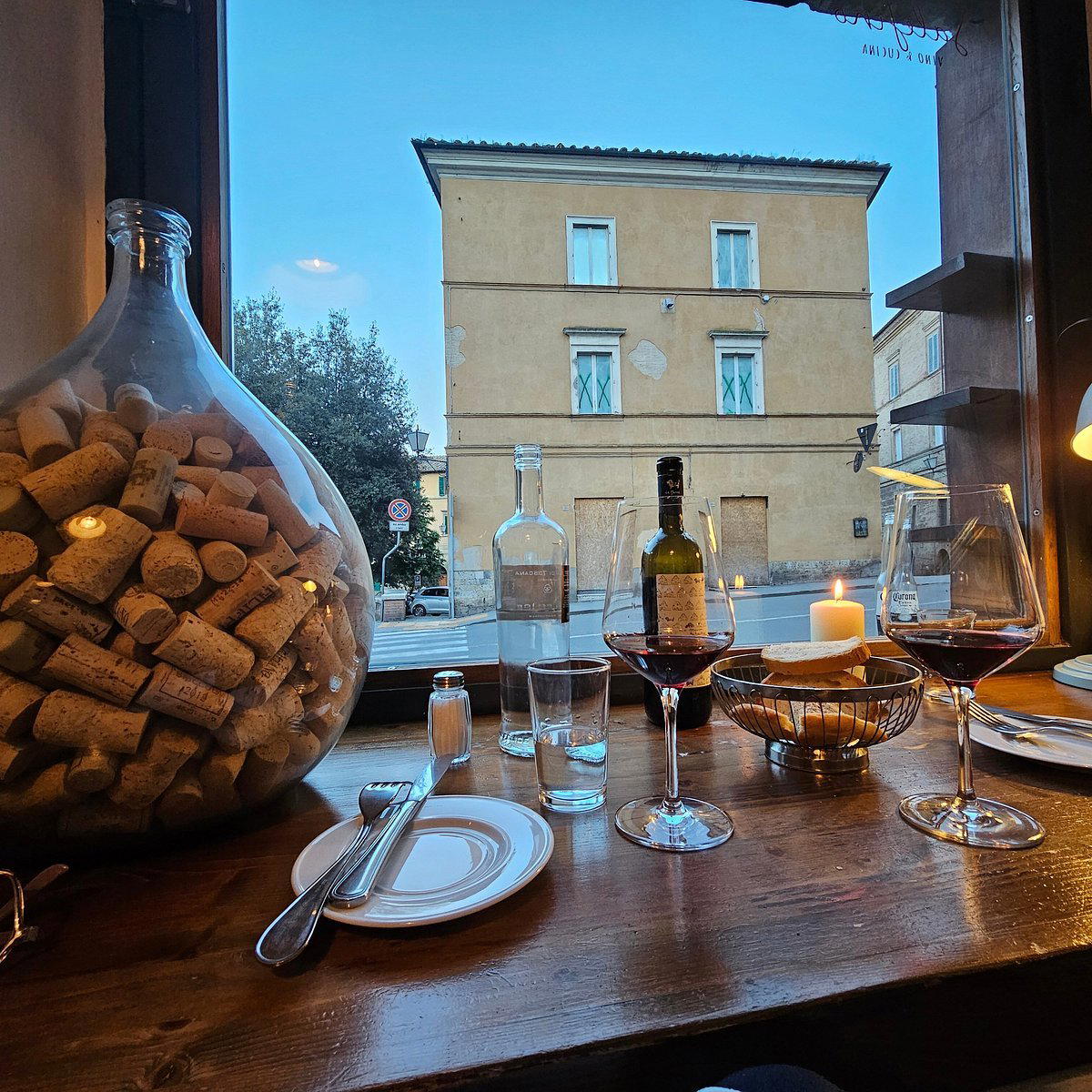
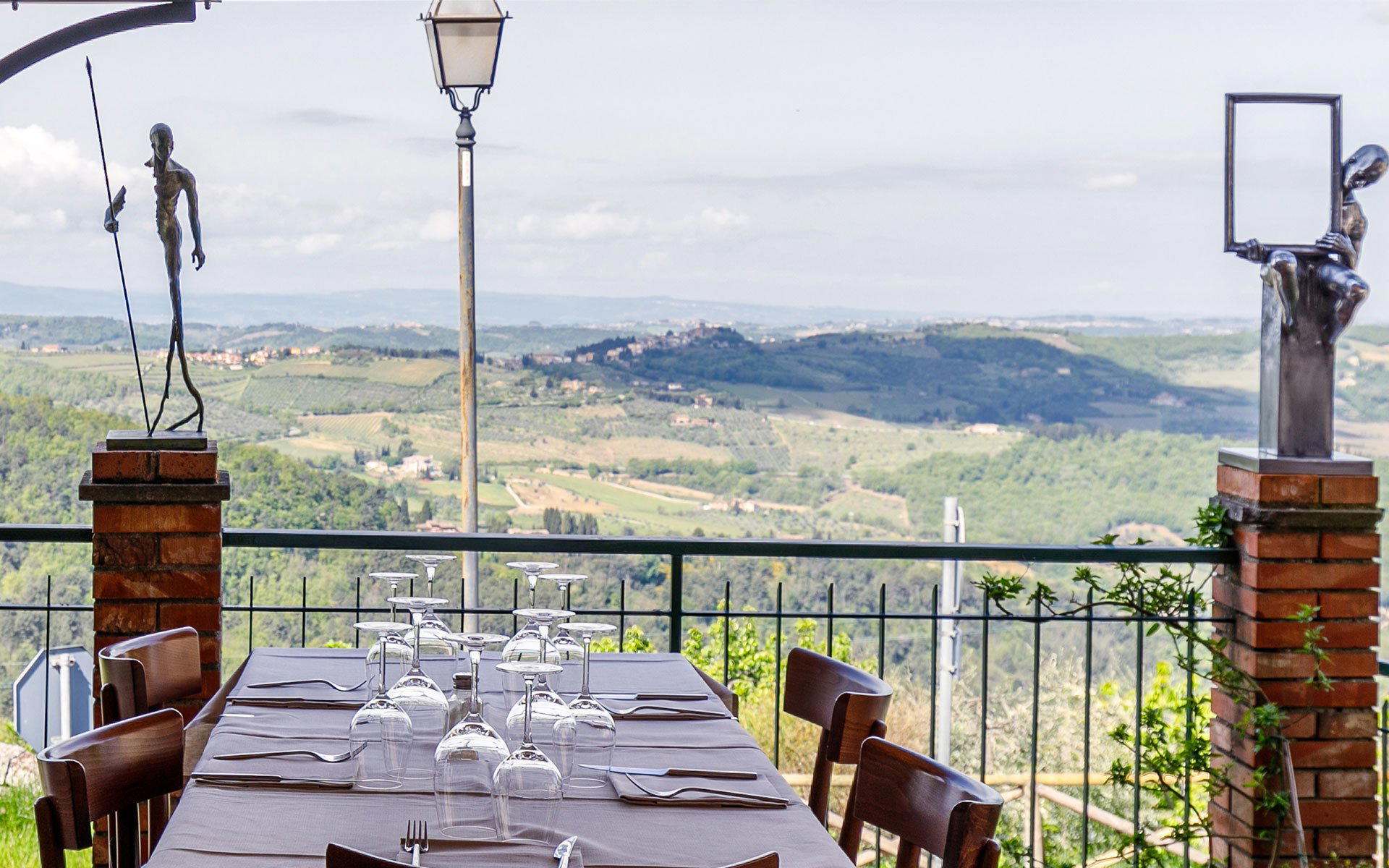
Restaurants in Siena
All restaurants in Siena →
Details
- Elegant
- Sophisticated
- Classic
- Romantic
- Ornate
- Romantic Getaway
- Anniversary
- Honeymoon
- Historic Building
- Terrace
- Panoramic View
- Wi Fi
- Room Service
- Concierge
- Restaurant
- Business Center
- Valet Parking
- Airport Transfer
- Street Scene
- Skyline
- Wheelchair Accessible
- Elevator
Ornate and elegant with high ceilings, frescoes, Murano glass chandeliers, terracotta floors, and a refined historic atmosphere.