Castel Monastero




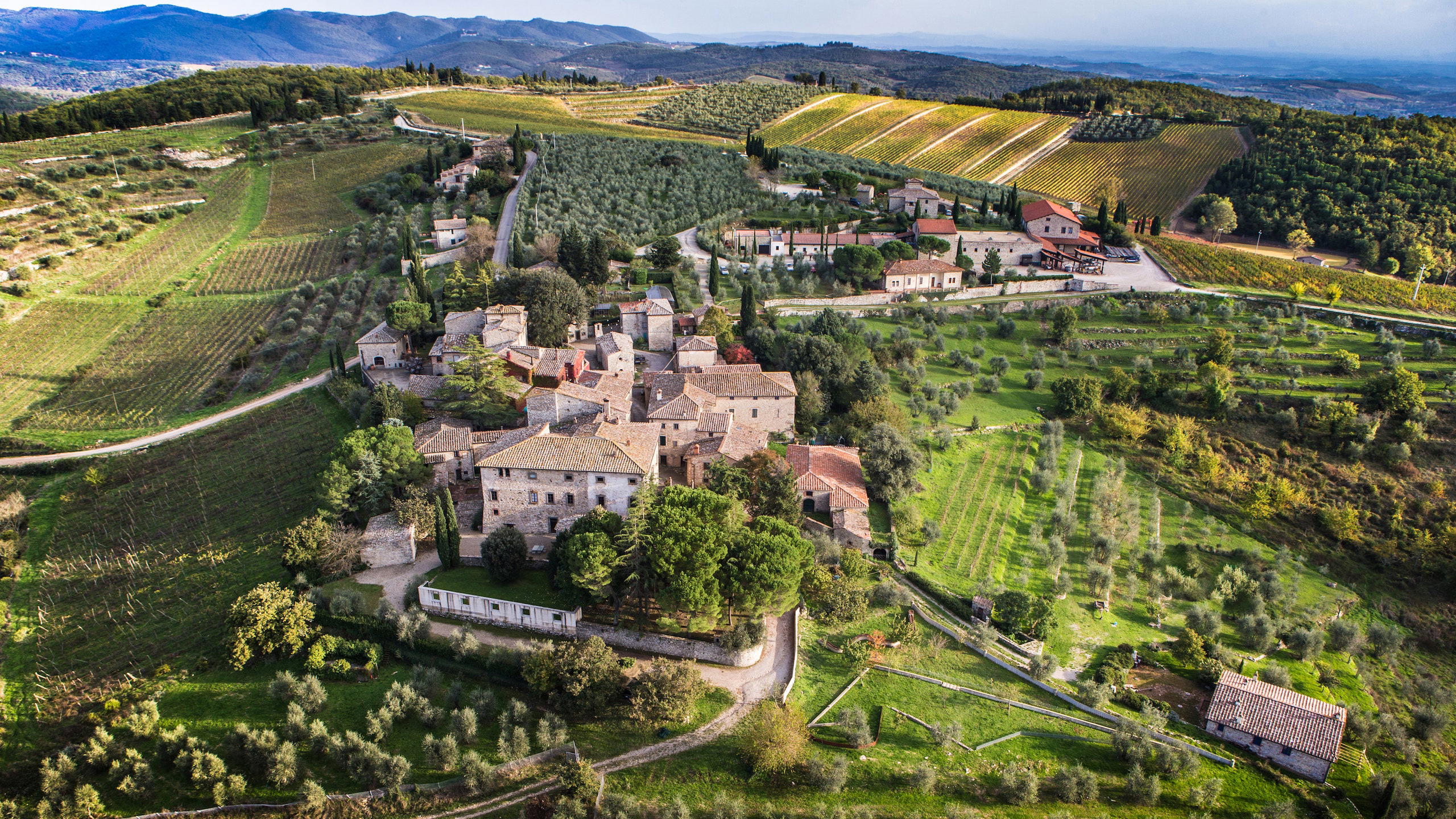
A restored eleventh-century monastery village in Chianti, Castel Monastero sits 23 km from Siena with 70 rooms and suites spread across its medieval hamlet, two restaurants, and a 1,500 square metre spa. A Leading Hotels of the World member priced from $564 per night, it operates seasonally from late March through December. The property is 100 km from Florence airport.
Pearl is the En Primeur Club membership app — saves, bookings, and concierge access live there. Same editors, same standards.
- Address
- Loc. Monastero D'Ombrone, 19, 53019 Castelnuovo Berardenga SI
- Phone
- +39 0577 570570
- Website
- castelmonastero.com
- Directions
- Get directions
 Saves & bookings on Pearl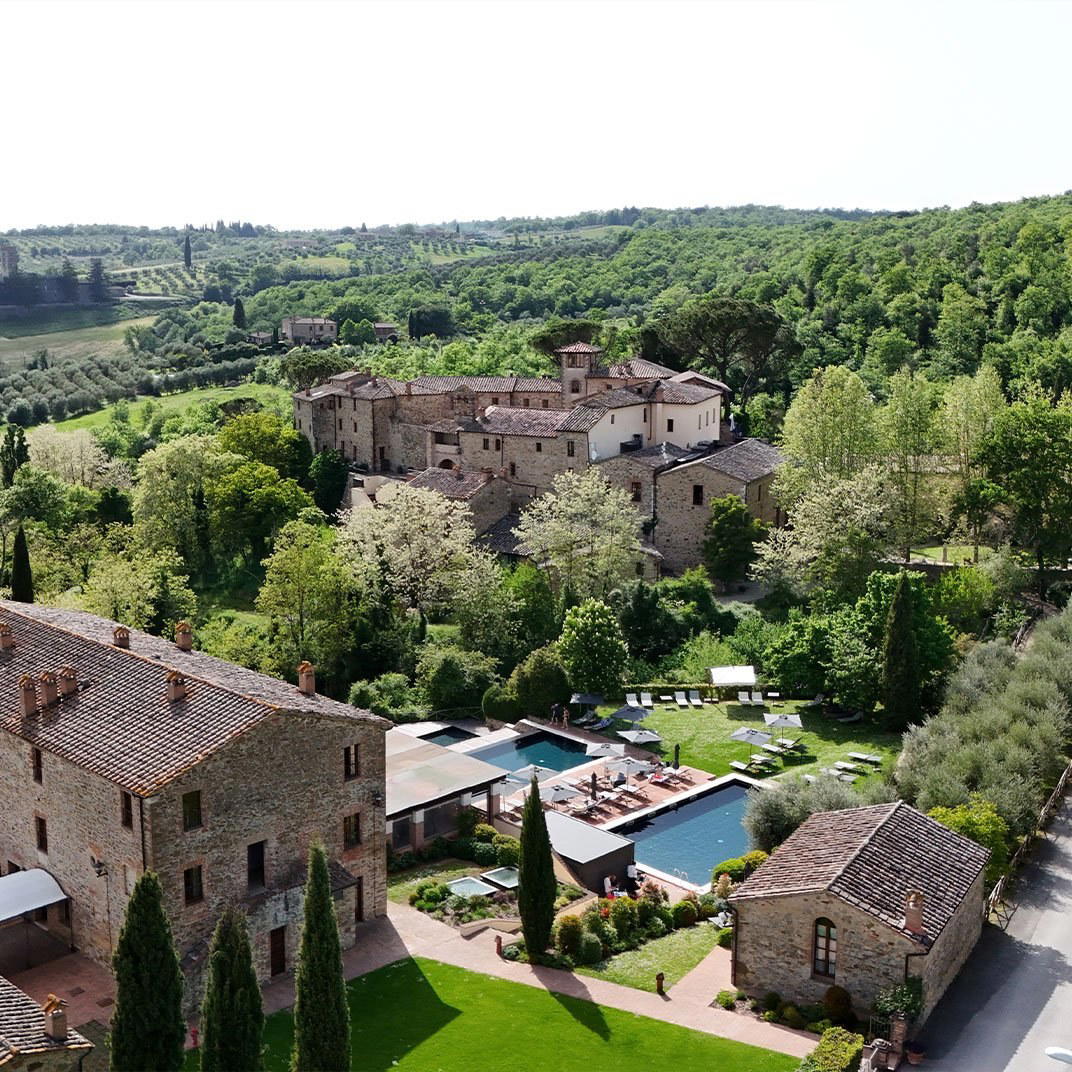
A Hilltop in Chianti That Has Been Resisting the Ordinary for a Thousand Years
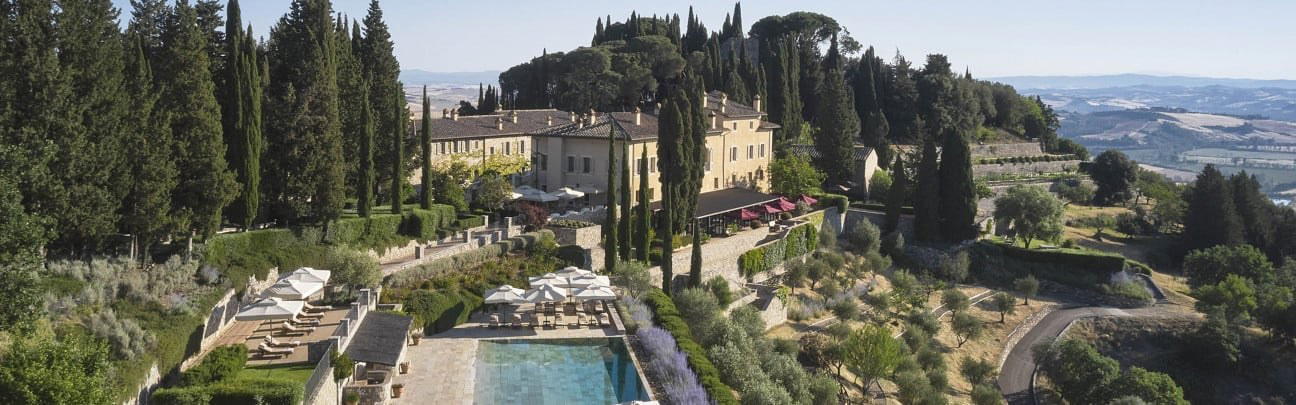
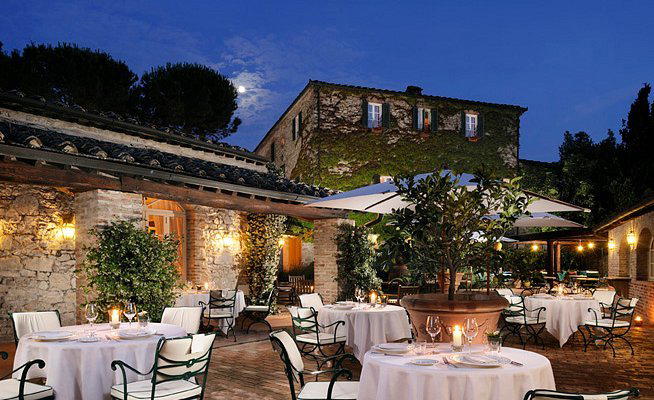
Castel Monastero is a 5-star hotel in Castelnuovo Berardenga, and it holds one Michelin Key. The stone walls of Castel Monastero have been absorbing Chianti sun since the eleventh century, when the settlement functioned first as a village, then as a monastery complete with a wine cellar that remained in use across generations. That cellar is now part of the Cantina restaurant. The monastery walls frame a piazza that still organises daily life for guests, much as it organised communal life for the monks who preceded them. This compression of history into functional space is what distinguishes the Chianti agriturismo tradition at its most considered: the architecture does not perform its age, it simply carries it.
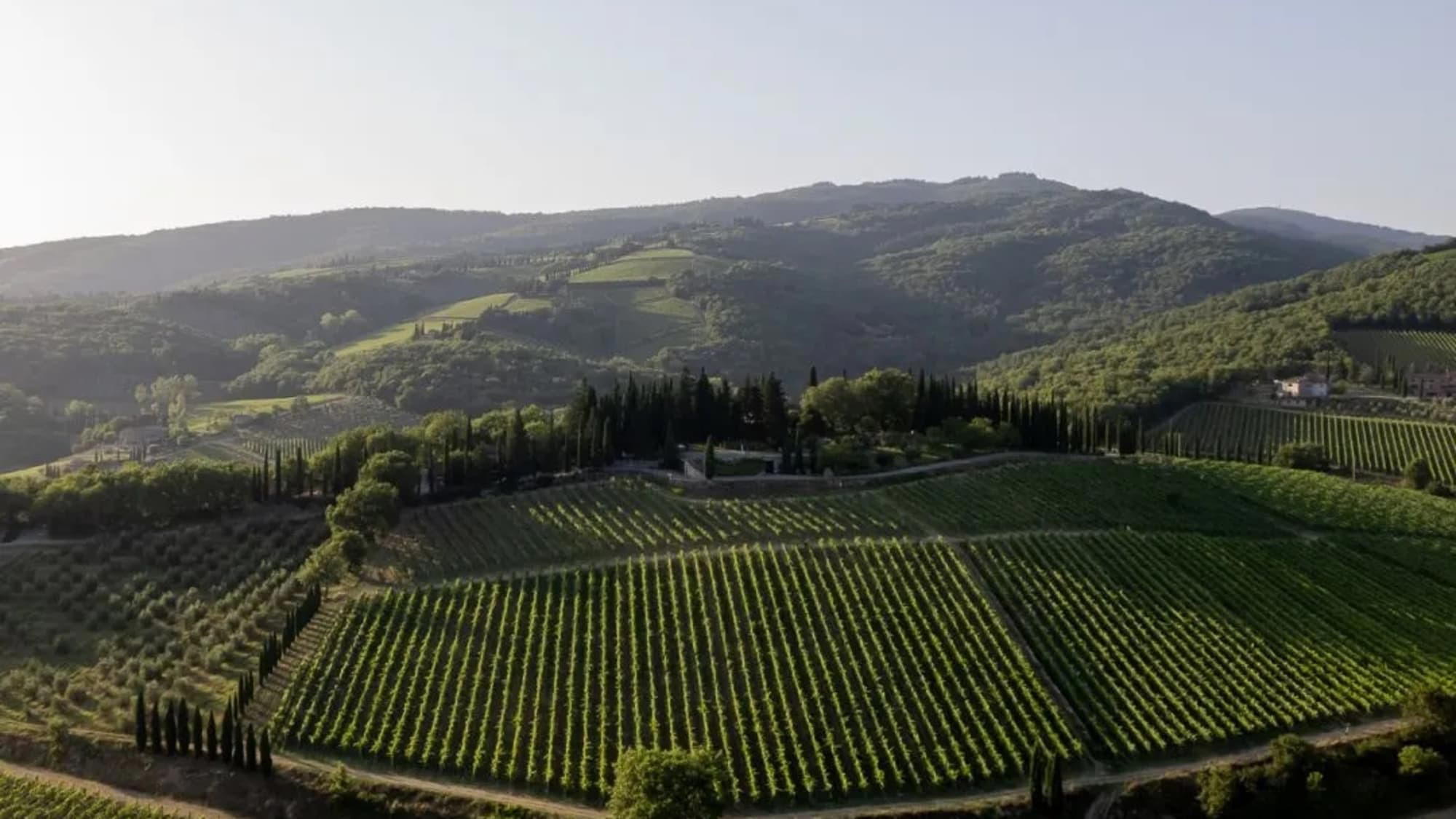
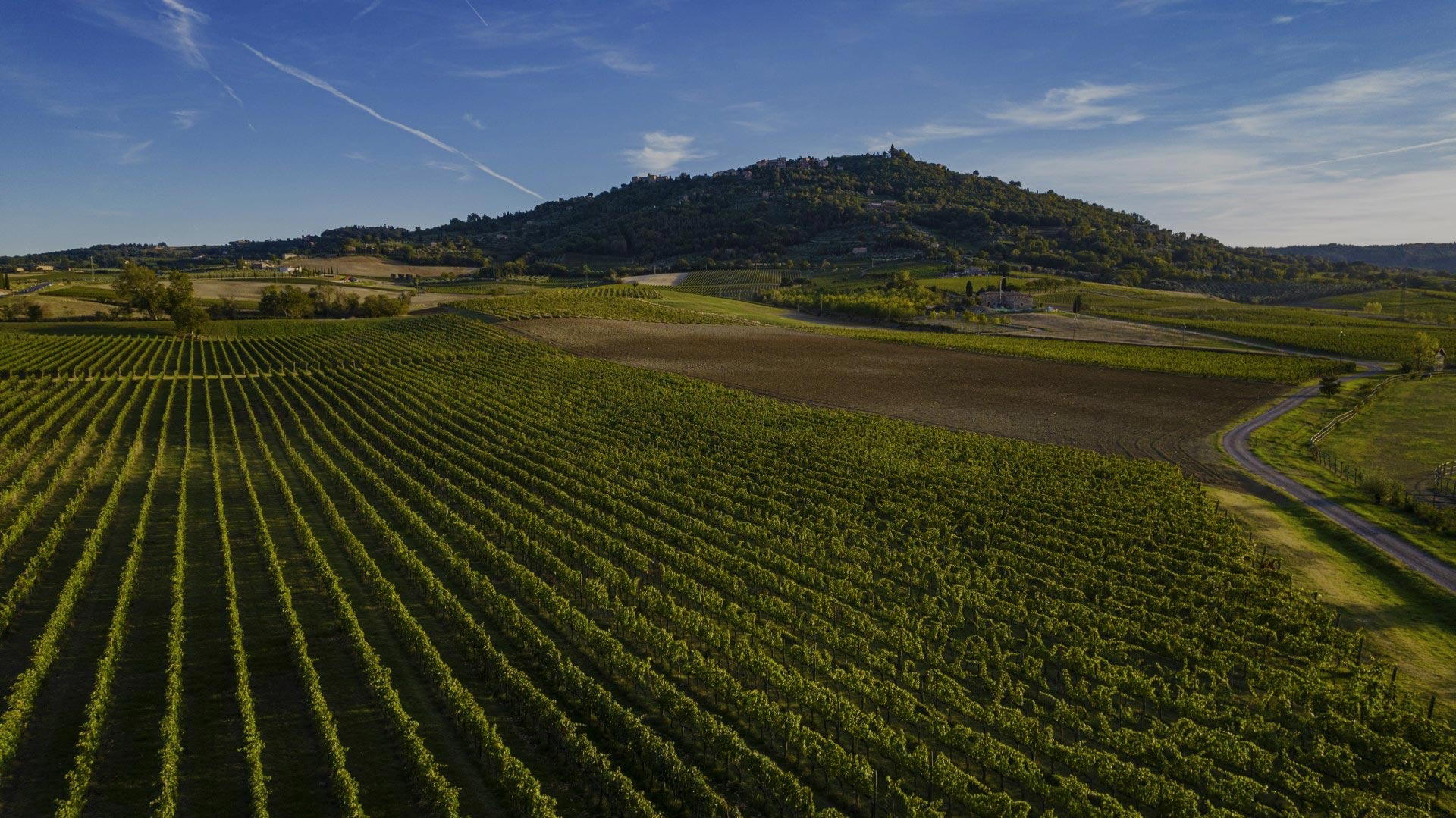
Castel Monastero belongs to a specific tier of Tuscan accommodation where the property itself is the primary draw rather than proximity to a city. At 23 km from Siena, it sits close enough for a day trip to the medieval centre and the Piazza del Campo, but far enough that the surrounding Chianti vineyards, chestnut forests, and cypress lines become the operating context rather than background. That separation is a product decision: guests here are choosing landscape immersion over urban access. For city-adjacent luxury in Florence, Four Seasons Hotel Firenze in Florence occupies a different position in the same regional conversation.
Two Tables, Two Registers: The Dining Programme at Castel Monastero
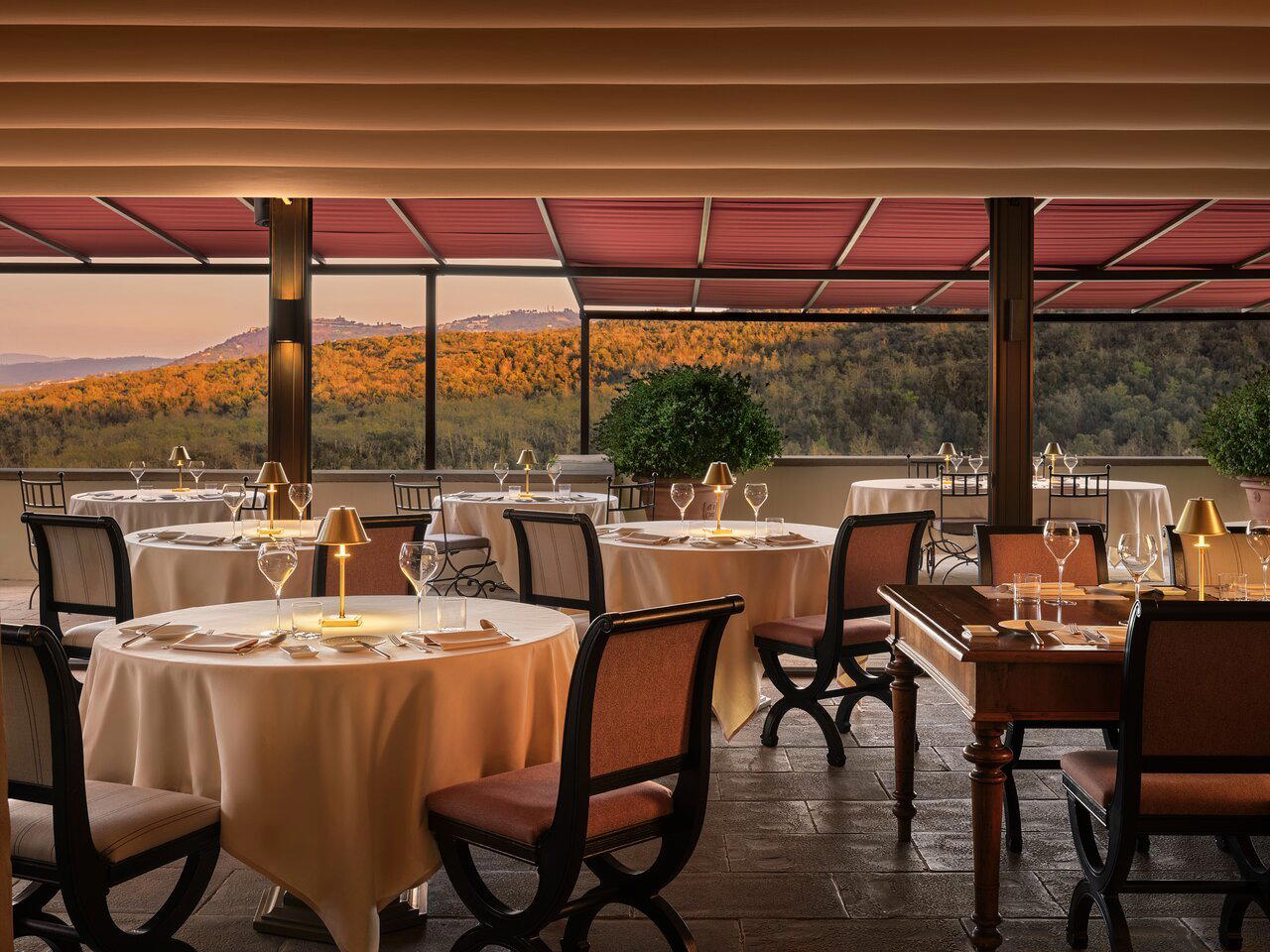
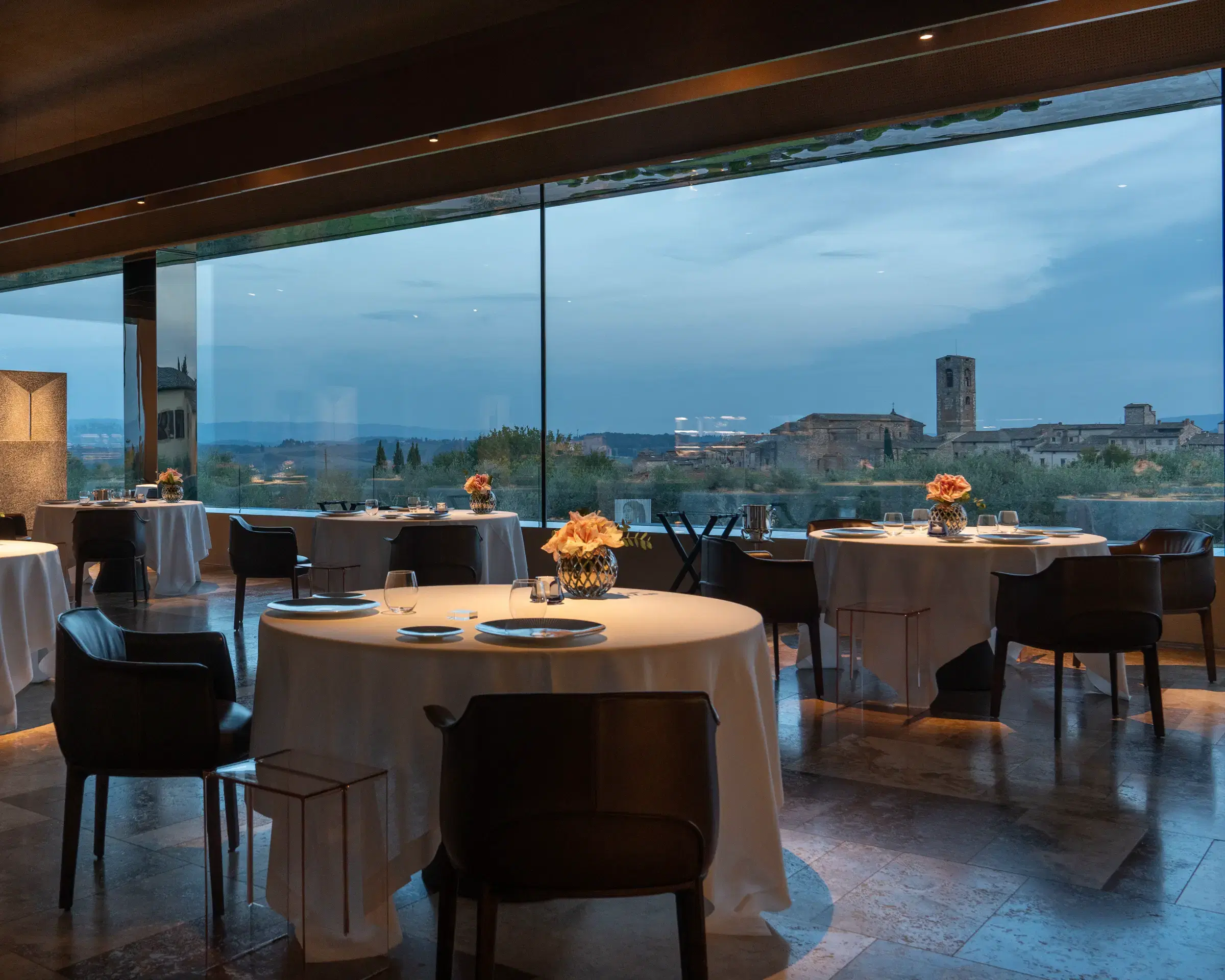
In Tuscany, how a property handles its food programme signals its relationship to local identity more clearly than almost any other design choice. The region has a strong vernacular culinary tradition rooted in legumes, cured meats, hand-cut pasta, and Chianina beef, and the leading hotel kitchens in the area calibrate between that tradition and the expectations of an international guest list. Castel Monastero resolves this with a two-restaurant model that splits the registers cleanly.
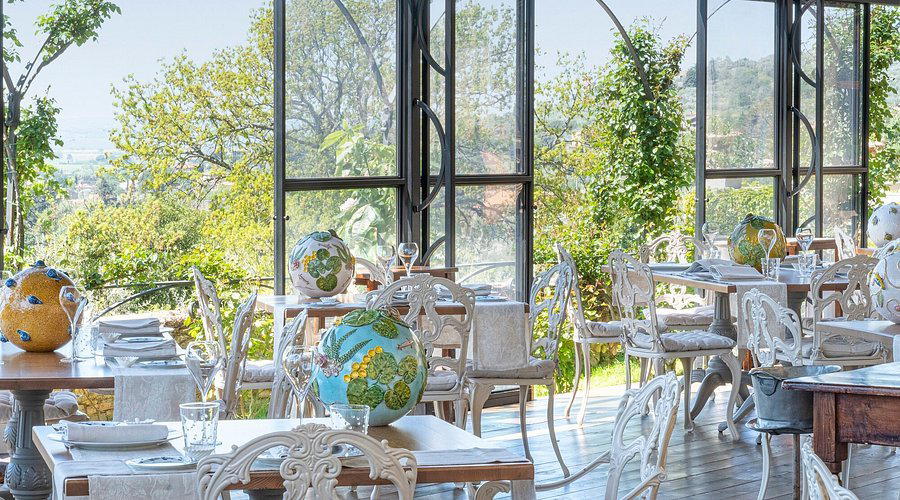
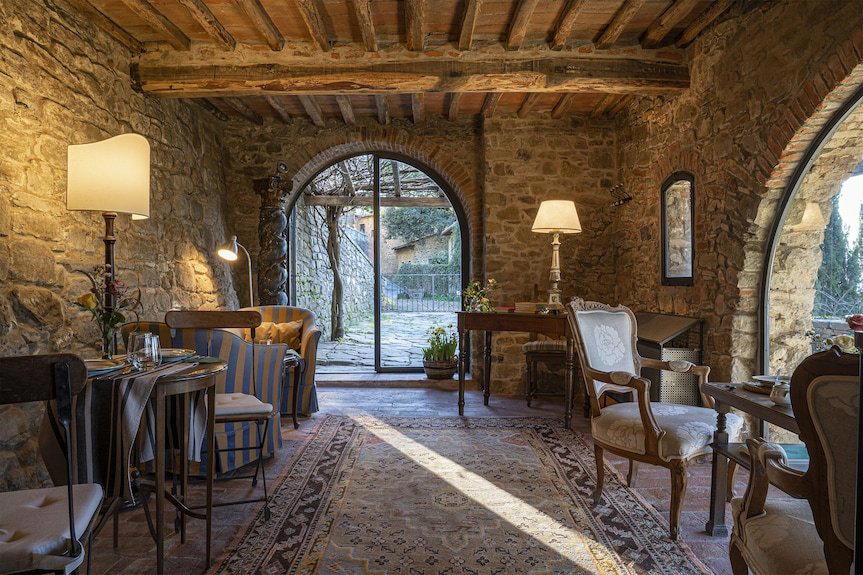
Contrada functions as the formal dining room, occupying the fine-dining position in the property's hierarchy. The Cantina operates from the original medieval wine cellar, which gives it an atmospheric anchor that most hotel casual restaurants cannot replicate: vaulted ceilings, stone walls, and the sensory weight of a space that has stored Chianti for centuries. The cellar setting makes the Cantina the more distinctive of the two rooms from a hospitality standpoint, even if Contrada carries the higher culinary ambition. Guests who want to read the property through its most site-specific experience should start there.
The two-restaurant format is now standard across the Chianti luxury estate category, with peer properties like Borgo San Felice Resort and Rosewood Castiglion Del Bosco in Montalcino operating similar formal/casual pairings anchored in local produce. What matters across all of them is whether the less formal room has its own reason to exist beyond convenience. At the hotel, the medieval cellar provides that reason. The culinary programme is also extended through cooking classes, mushroom foraging followed by lunch, and wine tastings that draw on Chianti's position as one of Italy's most studied Sangiovese territories. These structured experiences distinguish properties in this tier from simple hotel dining, connecting the table to the land directly.
Rooms Distributed Across a Medieval Hamlet
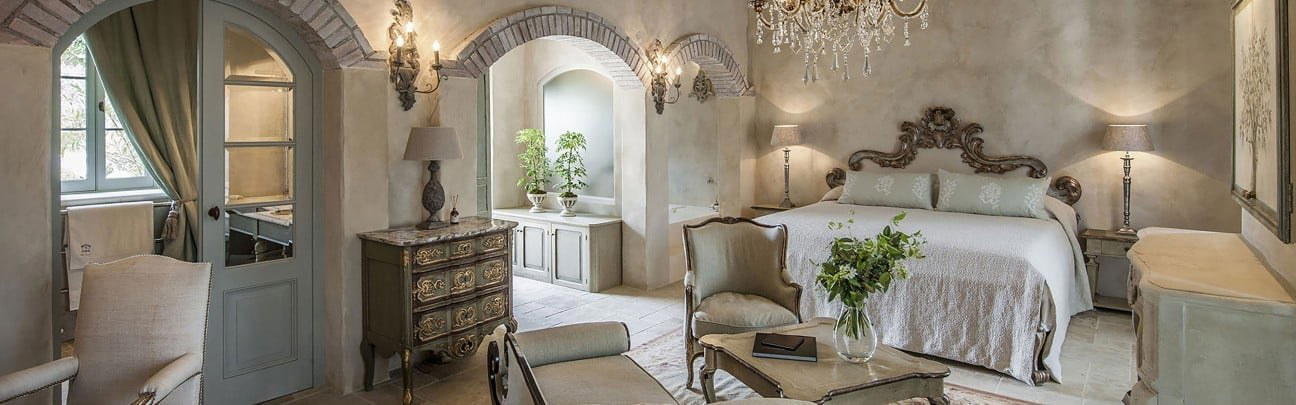
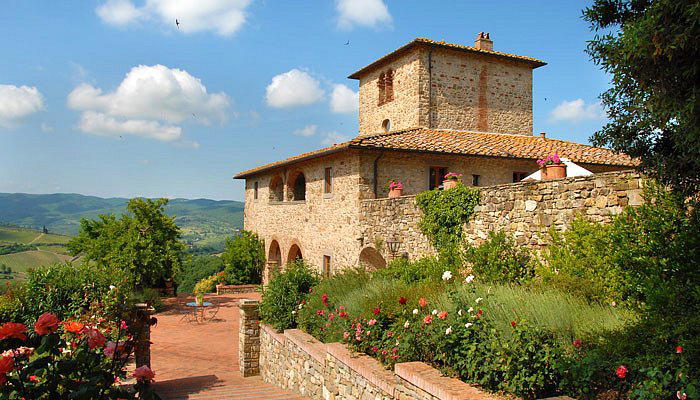
The 70 rooms and suites at the hotel are distributed across multiple buildings within the hamlet rather than concentrated in a single structure. Some overlook the central piazza; others are positioned in the outlying village buildings that form the hamlet's perimeter. This dispersal is architecturally consistent with the property's origin as a functioning village, but it also creates a meaningful variation in room character that a single-building hotel cannot achieve. Each unit is described as having its own identity, with recently renovated suites offering generous living space, stone and beam detailing inherited from the original structures, and the thick-walled acoustic privacy that medieval construction provides as a matter of course.
Spatial logic here differs from the compact luxury of a single-building urban property like Aman Venice in Venice or Portrait Milano in Milan, where the architecture channels guests through shared spaces. At the hotel, the hamlet layout creates genuine seclusion: private courtyards, distance between units, and the sense that the property is a self-contained territory rather than a building with a lobby. For guests choosing between Castelnuovo Berardenga properties, Hotel Le Fontanelle operates nearby in a comparable estate format.
Spa Monasterii: 1,500 Square Metres Rooted in Monastic Tradition
Wellness offer at properties of this type has become a significant differentiator. The hotel's Spa Monasterii spans 1,500 square metres and structures its programming around the herbal and botanical knowledge associated with monastic tradition, a framing that has genuine site-specific logic given the property's origins. Eight treatment rooms are supported by a water circuit that includes two indoor pools, one combining refined temperature with high saline concentration as a detox protocol, alongside a Finnish sauna, Bio Sauna, Kneipp cure path, hammam, hydromassage pool, and multi-sensory showers.
This scale of water infrastructure places the spa in a tier above most Chianti estate properties, where wellness often means a small pool and a handful of treatment rooms. The reference set here includes larger purpose-built spa destinations rather than incidental hotel wellness additions. Properties like Castelfalfi in Montaione and Borgo Egnazia in Savelletri di Fasano have similarly scaled wellness centres, but the Monasterii's monastic herbal framing connects it more directly to its specific site history. For guests whose primary reason to visit is wellness rather than Chianti wine culture, the spa infrastructure supports that orientation independently of the dining and activity programme.
Activities and the Summer Season
The property operates from late March through December, and the summer months from June through September are the busiest, with vineyards dense and green, heat tempered by altitude, and long evenings that suit outdoor dining. The activity calendar is correspondingly broad during these months: guided cycling, horse rides, and car tours into the surrounding countryside, tennis, two outdoor pools beside the spa, hot air balloon rides over the Chianti hills, yoga, truffle hunts, and wine tastings. Forest trekking routes through the chestnut groves are also available.
This range of structured outdoor activity is common across the Tuscan luxury estate category, but the concentration of options at the hotel makes it function more like a resort than a simple hotel. Families and multi-generational groups find more varied scheduling than they would at a single-focus property. The property's remote location, 100 km from Florence airport and 170 km from Pisa airport, makes it a deliberate destination with minimal walk-in traffic.
Where Castel Monastero Sits in the Italian Luxury Estate Category
As a Leading Hotels of the World member priced from $496 per night, the hotel competes in a specific band of the Italian luxury hotel market where historic architecture, landscape, and programmatic depth are the primary value drivers rather than urban location or brand recognition. Its comparable set within Italy includes properties like Castello di Reschio in Lisciano Niccone and Il Pellicano in Porto Ercole, as well as comparable Tuscan estates. Outside Tuscany, the isolated luxury estate format appears in properties like Corte della Maestà in Civita di Bagnoregio and Casa Maria Luigia in Modena.
What distinguishes the hotel within that set is the combination of authentic medieval fabric across a full hamlet scale, 70 rooms without losing the intimate courtyard character, and a spa programme large enough to anchor a standalone wellness stay. The property does not require Siena or Florence as a justification for the journey. The hill it sits on, the cellar beneath it, and the Chianti vineyards around it do that work independently.
Planning Your Stay
The hotel is accessible from Florence airport, approximately 100 km away, or Pisa airport at 170 km. One practical approach is a hired car or private transfer: the rural location around Loc. Monastero D'Ombrone places it outside public transport range, and a car is useful for the day trips into Siena and surrounding Chianti villages that most guests build into their itinerary. The property is open annually from late March through December. Rates start from $496 per night across 68 rooms and suites. Early booking is advisable for summer travel, particularly July and August, when Chianti demand across the estate hotel category runs consistently high.
A Pricing-First Comparison
Comparable venues nearby, for context on price, style, and recognition.
| Venue | Price | Awards | Notes |
|---|---|---|---|
| Castel MonasteroThis venue — the venue you are viewing | $$$$ | Michelin 1 Key | Not listed |
| Hotel Le Fontanelle | $$$$ | 5-Star | Pianella, Historic 13th-century Tuscan farmhouse with Beaux Arts architecture restored into a luxury countryside retreat. |
| Borgo San Felice Resort | $$$$ | Michelin 2 Key | Castelnuovo Berardenga, Restored medieval Tuscan hamlet with modern luxury |
| The Club House | $$$$ | 5-Star | Pievasciata, Intimate adults-only Tuscan estate blending historic charm with modern luxury |
| Ca’ di Dio | $$$$ | Michelin 1 Key | Castello, Historic Venetian palace reimagined with 21st-century luxury, blending austere architectural elements with refined contemporary design and locally sourced materials. |
| Byblos Art Hotel Villa Amista | $$$$ | Michelin 1 Key | San Pietro in Cariano, Contemporary art-focused luxury villa blending 15th-century Venetian architecture with modern design and curated art collection. |
Recognition history
Dated appearances from independent guides and award organizations, with the underlying list record or original source where available.
Virtuoso Luxury Hotel Partner
Virtuoso
Leading Hotels of World Member
Leading Hotels of World
Michelin 1 Key
Michelin
World Spa Awards Italy's Best Wellness Retreat 2025 Nominee
World Spa Awards
Continue exploring
More in Castelnuovo Berardenga
Hotels in Castelnuovo Berardenga
Browse all →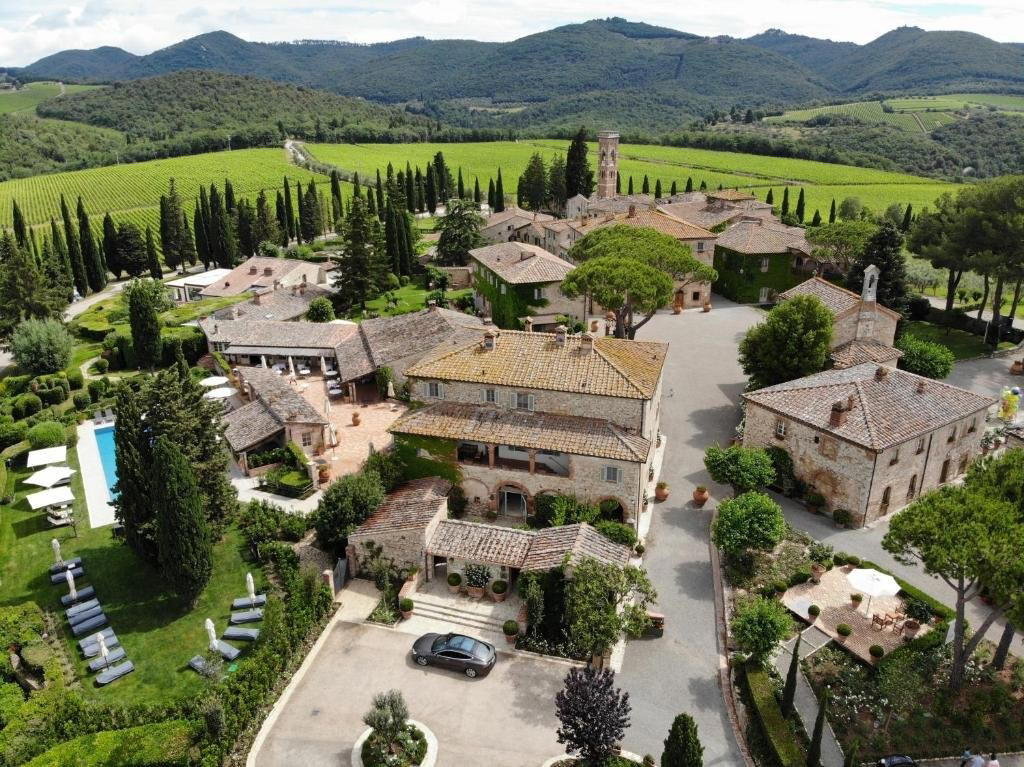
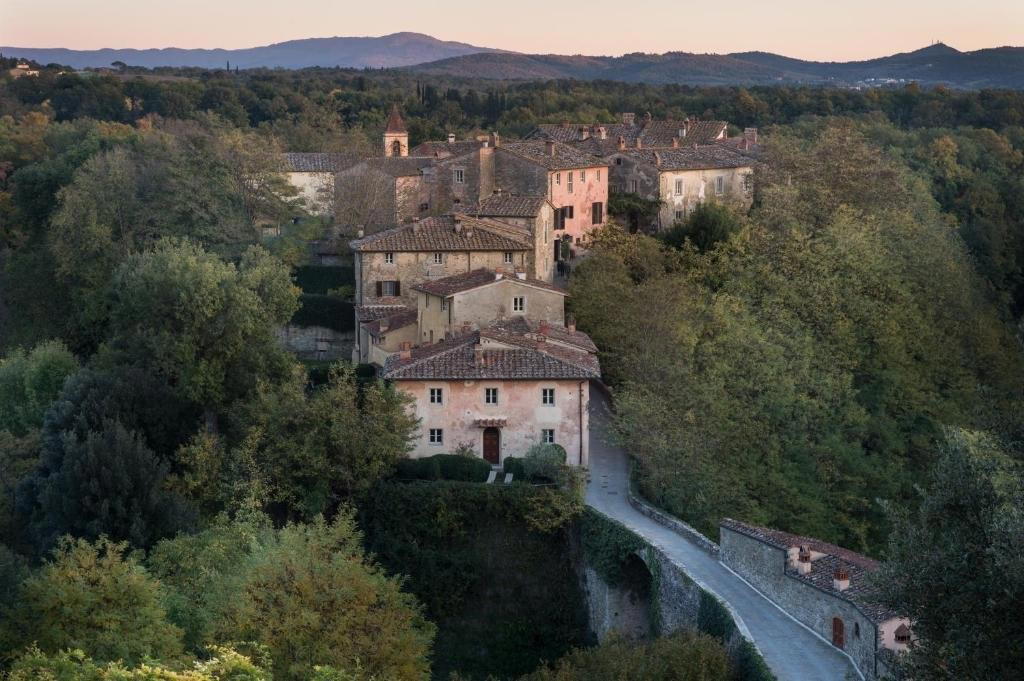
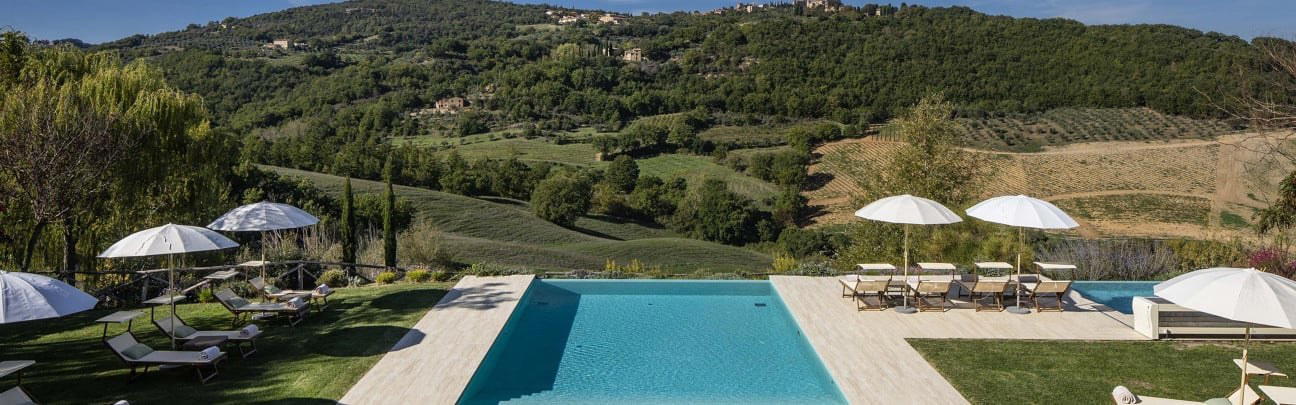
Bars in Castelnuovo Berardenga
Browse all →
Restaurants in Castelnuovo Berardenga
Browse all →
At a Glance
- Romantic
- Elegant
- Scenic
- Sophisticated
- Rustic
- Quiet
- Honeymoon
- Romantic Getaway
- Wellness Retreat
- Anniversary
- Weekend Escape
- Historic Building
- Panoramic View
- Destination Spa
- Infinity Pool
- Golf Course
- Spa
- Pool
- Indoor Pool
- Fitness Center
- Sauna
- Tennis
- Wi Fi
- Room Service
- Concierge
- Restaurant
- Breakfast Included
- Vineyard
- Garden
- Mountain
- Spa
- Pool
- Indoor Pool
- Fitness Center
- Sauna
- Tennis
- Wi Fi
- Room Service
- Concierge
- Restaurant
- Breakfast Included
Tranquil and elegant with a romantic Tuscan charm, featuring serene spa lighting, rustic stone interiors, and peaceful valley surroundings praised for quietness.