

1 Michelin Key · Mr & Mrs Smith Seal of Approval
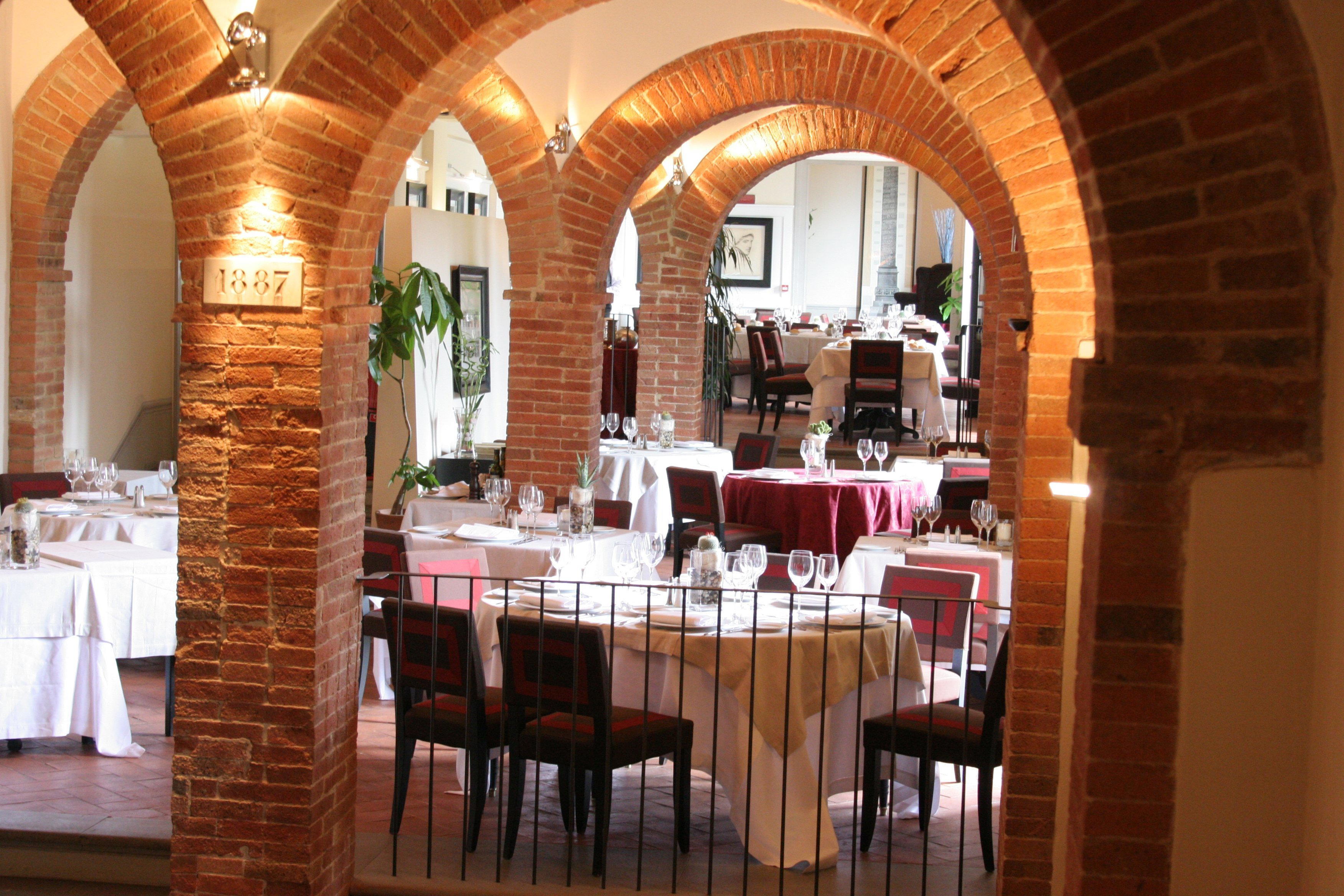
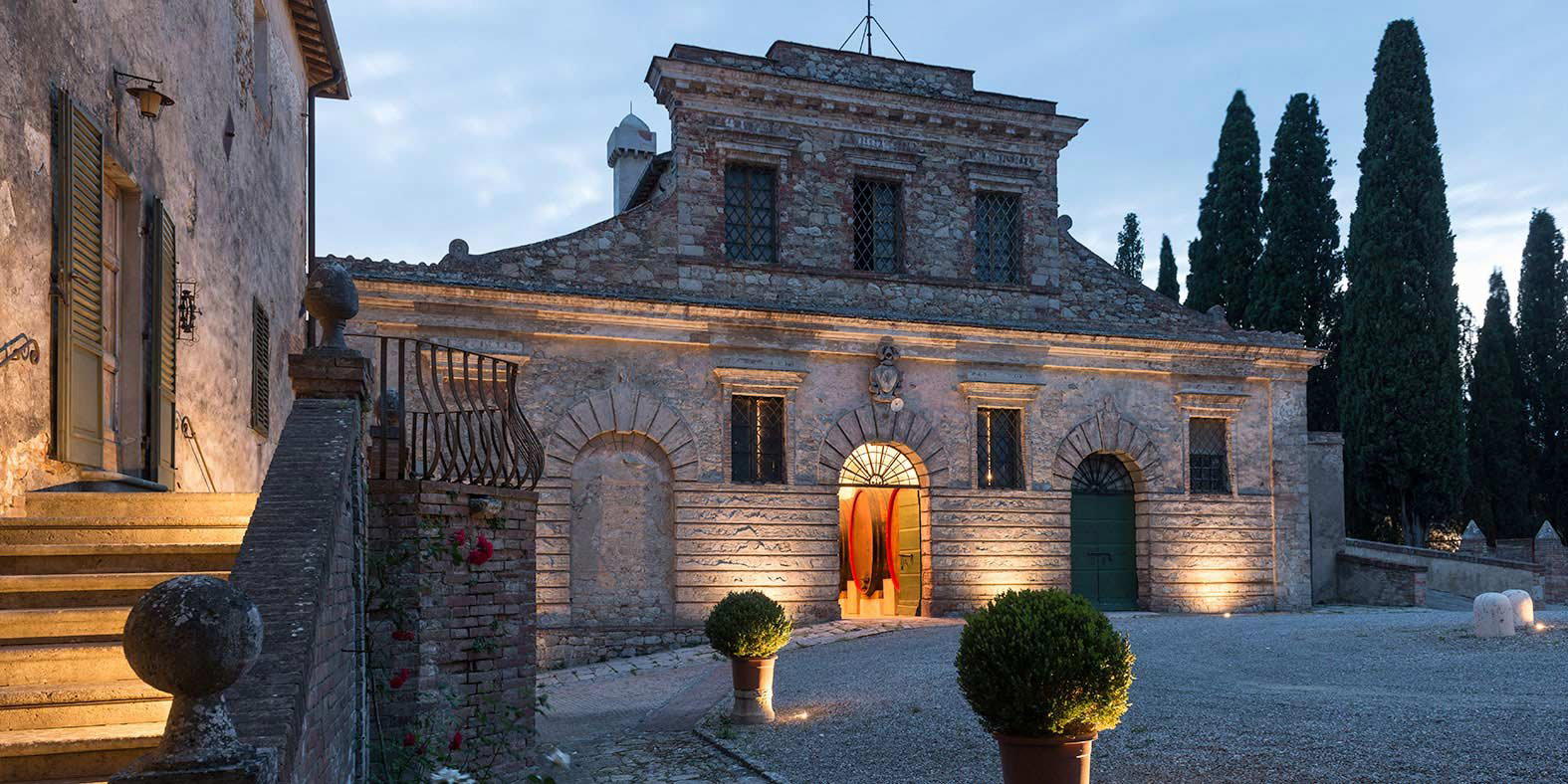
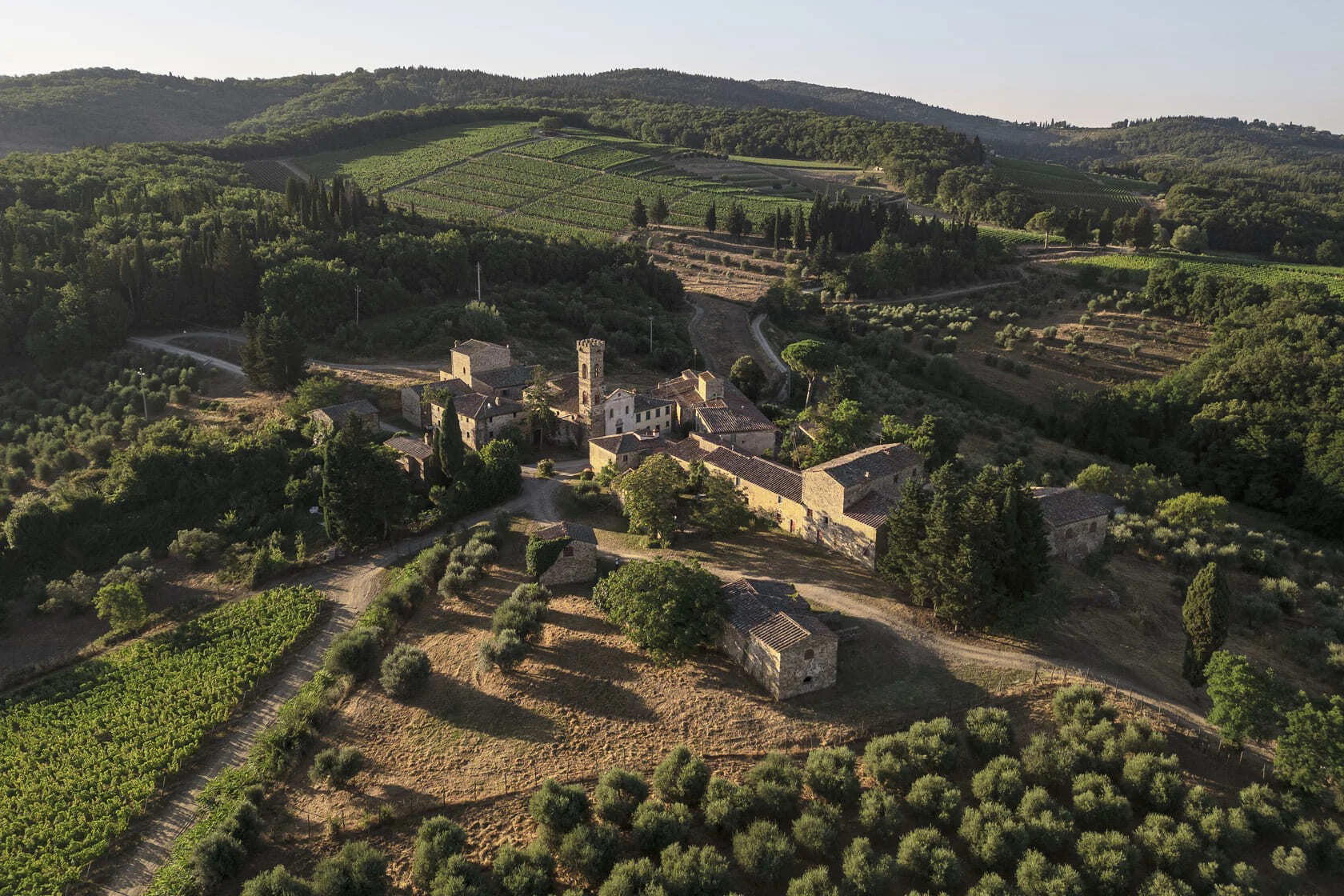
A Michelin Selected former Carthusian monastery set on the southern edge of Siena, Hotel Certosa di Maggiano trades on centuries of monastic architecture and Tuscan quiet that few city-fringe properties can match. The property sits inside a 14th-century certosa, offering a degree of historical depth and physical remove that positions it apart from the palazzo hotels within the city walls.

Pearl is the En Primeur Club membership app, where members save venues, book tables and use the concierge.
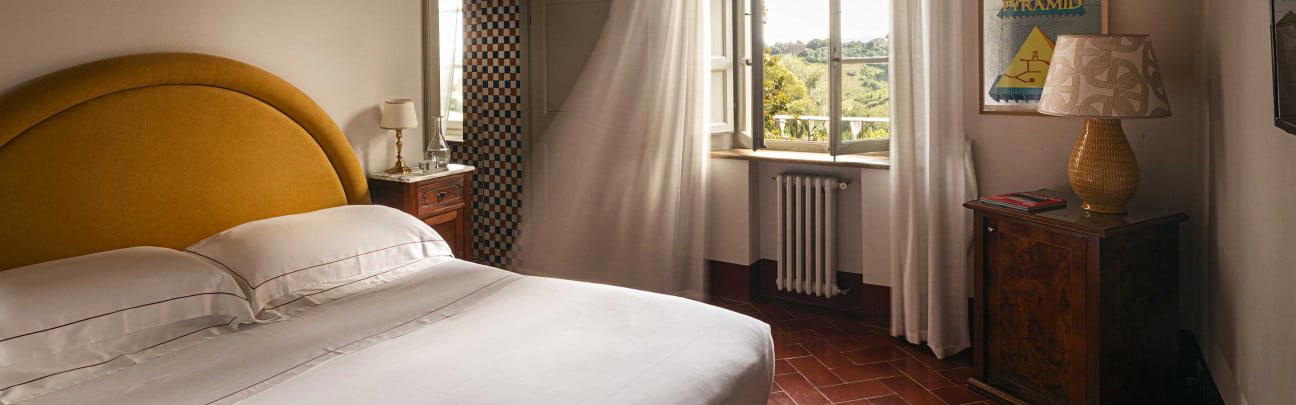
A Monastery at the City's Edge
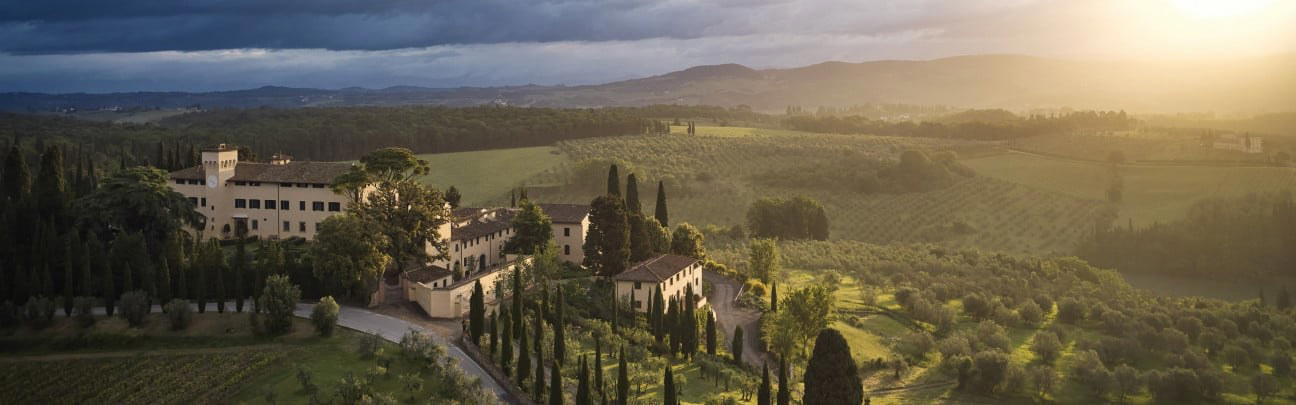
Siena's premium hotel market divides along a clear axis: properties inside the medieval walls, where the Palio's energy and the Campo's gravity define the offer, and those in the surrounding countryside, where the architecture tends to be older and the silence considerably deeper. Hotel Certosa di Maggiano, a Michelin Selected property addressed at Strada di Certosa 82, occupies a distinct position within that second category. Built as a Carthusian monastery in the 14th century, it belongs to a small cohort of Italian hotels that operate inside genuinely ancient religious complexes rather than in buildings merely styled to evoke them. That distinction shapes everything from the room proportions to the acoustics of the public spaces. For a broader picture of where this property sits relative to the city's full accommodation range, our full Siena restaurants guide provides useful comparative context.
The Dining Programme and Table Culture
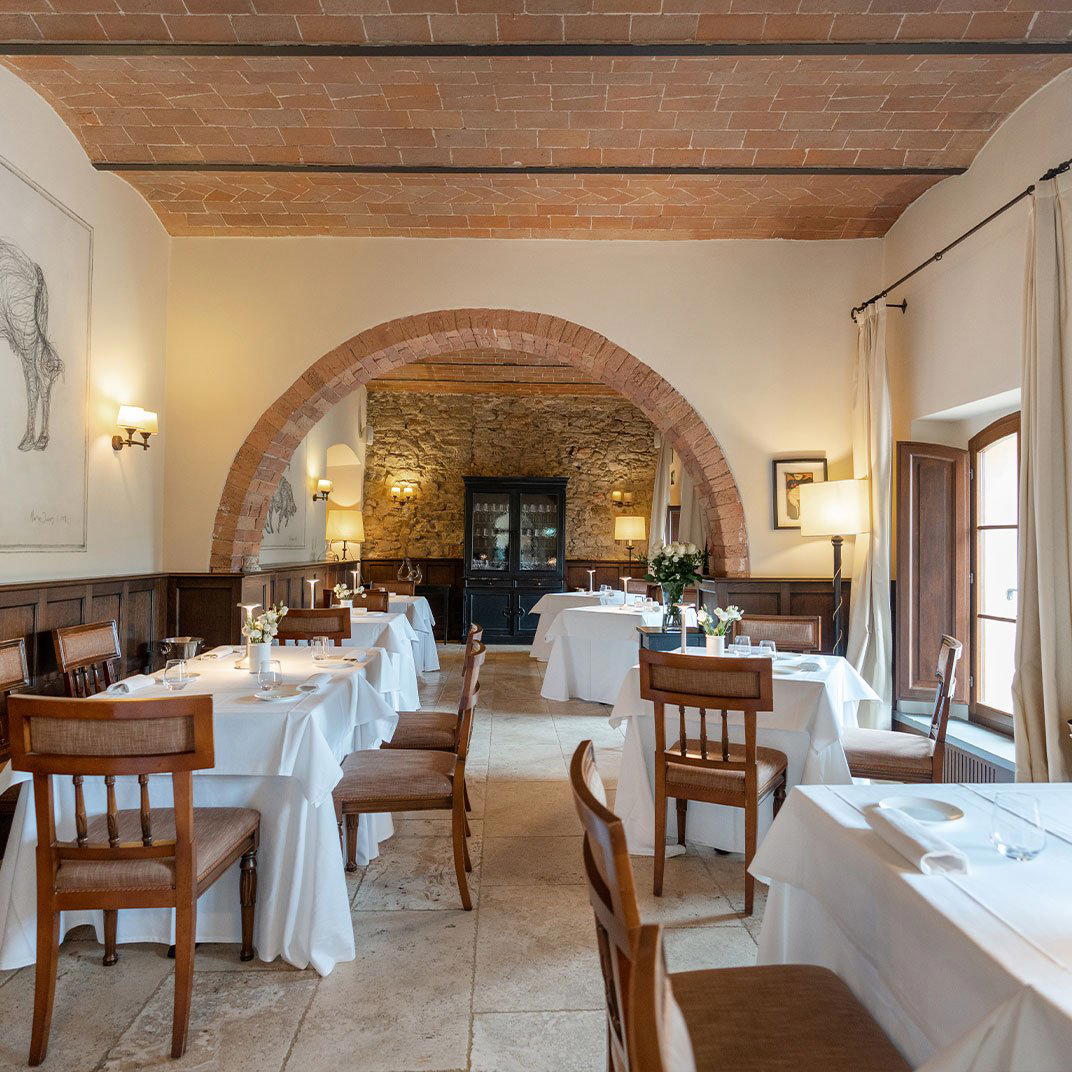
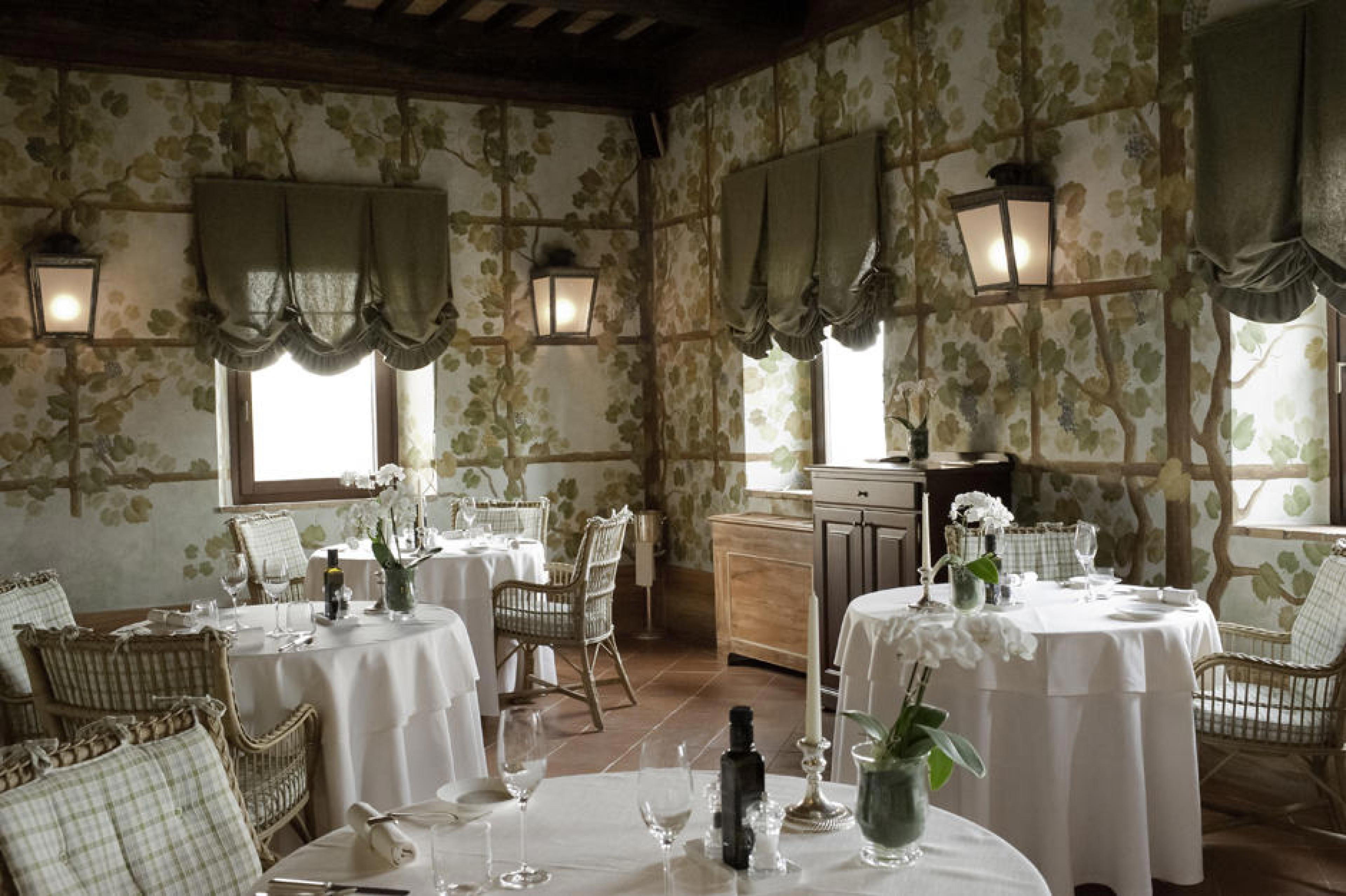
Across Tuscany, the question of how a country hotel handles its dining programme has become an increasingly reliable indicator of overall ambition. Properties that treat the table as a secondary concern tend to drift toward generic regional menus served in under-invested rooms. Those that take the opposite view build a dining identity that can anchor the entire stay, turning meals into a reason to book rather than a convenience to tolerate. Hotel Certosa di Maggiano's Michelin Selected recognition applies to the hotel as a whole, placing it within a tier of Italian properties where the guide's hospitality editors expect a coherent, well-executed offer across rooms, service, and food.
The dining context in this part of Siena is defined by proximity to some of Tuscany's most serious wine country. Chianti Classico production runs north toward Florence; Brunello di Montalcino sits roughly 40 kilometres to the south; and the Colli Senesi denomination begins essentially at the city's doorstep. Properties operating at this level are expected to maintain wine lists that reflect that geography with some specificity, rather than retreating to generic Italian house pours. The best-positioned comparable properties in the region treat local producer relationships as a point of differentiation. Rosewood Castiglion Del Bosco in Montalcino demonstrates what full vertical integration between a working estate and a hotel dining room can look like at the highest tier, while Borgo Scopeto Wine & Country Relais similarly anchors its identity in the surrounding vineyards.
What a monastic setting imposes on a dining programme is worth considering in its own right. Carthusian architecture was designed around silence, rhythm, and contemplative repetition. The refectory tradition, where meals were communal and unhurried, leaves a structural imprint on spaces that have been converted to hotel use. Dining rooms built within former cloisters or chapter houses tend toward a formality of proportion that resists the kind of casual, high-turnover service model that works in a city-centre trattoria. That physical context tends to push menus and service toward a slower, more considered register.
Where It Sits in the Siena Market
Among Siena-area properties carrying Michelin Selected status, Hotel Certosa di Maggiano occupies the countryside-monastery niche, distinct from the urban palazzo category. Grand Hotel Continental Siena, with its frescoed interiors and central Banchi di Sopra address, represents the palace-hotel model within the walls. Campo Regio Relais, Residenza d'Epoca Siena operates at a smaller, more intimate scale in the historic centre. Hotel Palazzetto Rosso and Albergo Bernini serve the mid-tier end of the city market. Antica Residenza Cicogna and Hotel Santa Caterina Siena round out the more accessible end of the spectrum. Certosa di Maggiano competes less with those central properties and more with countryside relais such as Borgo Vescine, which positions itself around wine estate identity in the Chianti hills.
Beyond Siena, the Italian converted-monastery and historic-estate category is well populated at the luxury end. Aman Venice demonstrates how historic ecclesiastical and aristocratic architecture can be repositioned at the very best of the market. Castello di Reschio in Lisciano Niccone and Four Seasons Hotel Firenze each show what deep investment in historic fabric produces across the broader Tuscany and Umbria region. The comparison is instructive: Michelin Selected status signals a floor of quality, not a ceiling, and the strongest properties in this category use the physical character of their buildings as the starting point for a genuinely differentiated offer.
The Monastic Architecture as Context
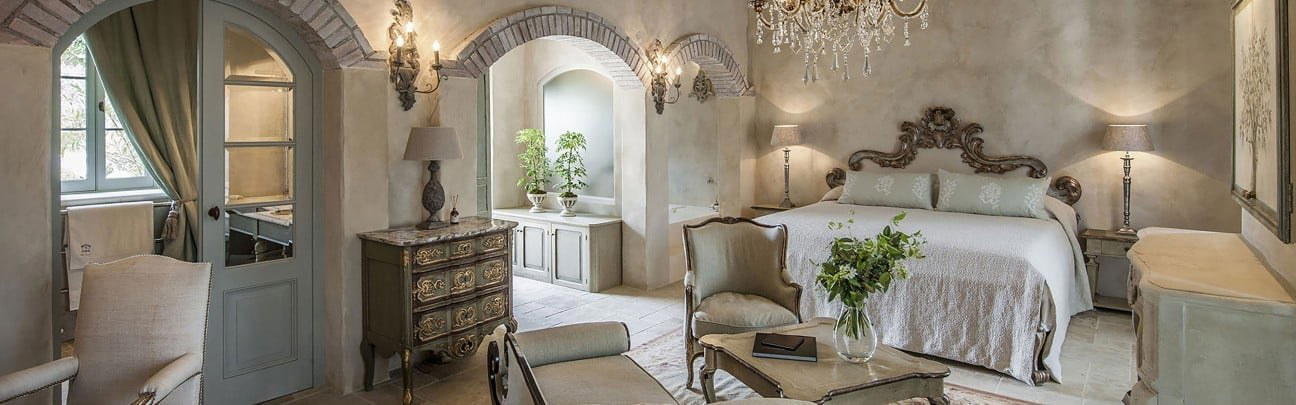
Carthusian monasteries followed a specific spatial logic. Each monk occupied a self-contained cell with a small garden, connected to shared cloisters, a church, and a chapter house. That cellular organisation, designed to balance communal life with individual contemplation, tends to translate into hotels with a higher-than-average ratio of circulation space to guest rooms. Corridors are wide. Courtyards are present. The sense of enclosure and calm that the original builders sought remains legible in the converted structure. For guests accustomed to city hotels where every square metre is yield-managed against room count, that spatial generosity can read as the property's most immediately distinctive quality.
The 14th-century origins also mean that Certosa di Maggiano predates the Sienese Republic's final decline in the 16th century, placing it within the period of the city's greatest political and cultural influence. That historical depth is not decorative: it is the structural reason the property exists in its current form, and it sets a different register of expectation than a 19th-century villa conversion or a restored farmhouse would.
Planning Your Stay
The property sits on Strada di Certosa 82, on Siena's southern periphery, close enough to the city centre to reach the Campo on foot or by a short drive, but sufficiently removed to make its countryside character credible rather than nominal. Siena itself is leading approached by train from Florence (approximately 90 minutes on regional services) or by car via the Siena Nord or Siena Est autostrada exits. For guests arriving by air, Florence's Peretola airport is the closest major hub. Booking should be approached with the assumption that a Michelin Selected property in a heritage building with a limited number of rooms will have constrained availability during the Palio periods in July and August and across the high summer months generally. Shoulder season, particularly late September and October when the Chianti harvest is underway, represents the period when the surrounding landscape is at its most compelling and demand is more manageable.
For broader Italy context at this tier of historic-property travel, Casa Maria Luigia in Modena illustrates how a historic rural estate can build a dining identity strong enough to drive the entire proposition. Bulgari Hotel Roma, Portrait Milano, and Passalacqua in Moltrasio each define what Italian luxury hospitality looks like at different price points and geographic contexts, providing useful calibration for travellers building an itinerary across multiple cities. Further afield, Borgo Santandrea on the Amalfi Coast, Il San Pietro di Positano, and JK Place Capri show the southern Italian end of the converted and boutique historic-property spectrum.
Price Lens
Comparable venues nearby, for context on price, style, and recognition.
| Venue | Price | Awards | Notes |
|---|---|---|---|
| Hotel Certosa di MaggianoThis venue (the venue you are viewing) | $300–500 | 1 Michelin Key · Mr & Mrs Smith Seal of Approval | Not listed |
| Grand Hotel Continental Siena | Not listed | Michelin Selected · Virtuoso Luxury Hotel Partner | historic centre, 16th-century palazzo converted to luxury boutique hotel |
| Il Battistero Siena - Residenza d'Epoca | $100–200 | Michelin Selected | City Center, Historic residence d'epoca in Siena's center |
| Hotel Palazzetto Rosso | $100–200 | Michelin Selected | Siena Historic Center, First boutique hotel in Siena combining medieval palace architecture with ultra-modern design furnishings and contemporary interiors. |
| Campo Regio Relais, Residenza d'Epoca Siena | $300–500 | Not listed | Siena Historical Center, Charming historic B&B in a 16th-century palazzo offering personalized service and simple elegance. |
| Borgo Vescine | $100–200 | Michelin Selected · Star Wine List | Radda in Chianti, Historic 13th-century rural village resort renovated for luxury stays amid Chianti vineyards. |
Recognition history
Dated appearances from independent guides and award organizations, with the underlying list record or original source where available.
Michelin 1 Key
Michelin
Mr & Mrs Smith Seal of Approval
Mr & Mrs Smith
Full recognition history (3 entries)
Michelin Selected
Michelin
Continue exploring
More in Siena
Hotels in Siena
All hotels in Siena →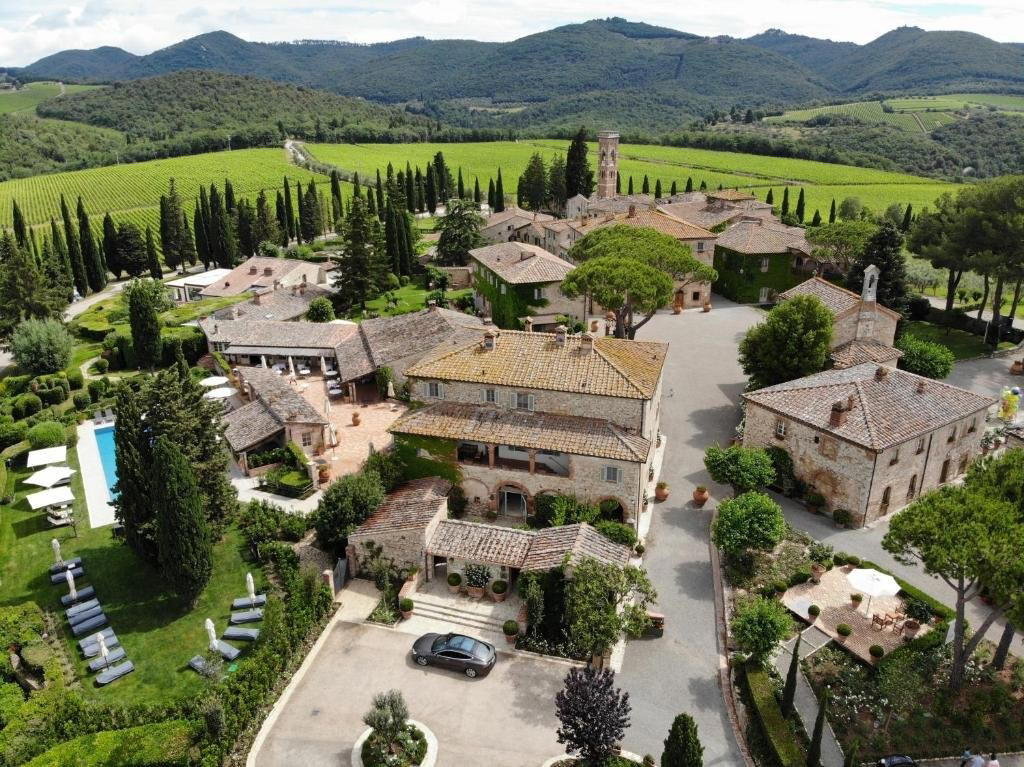
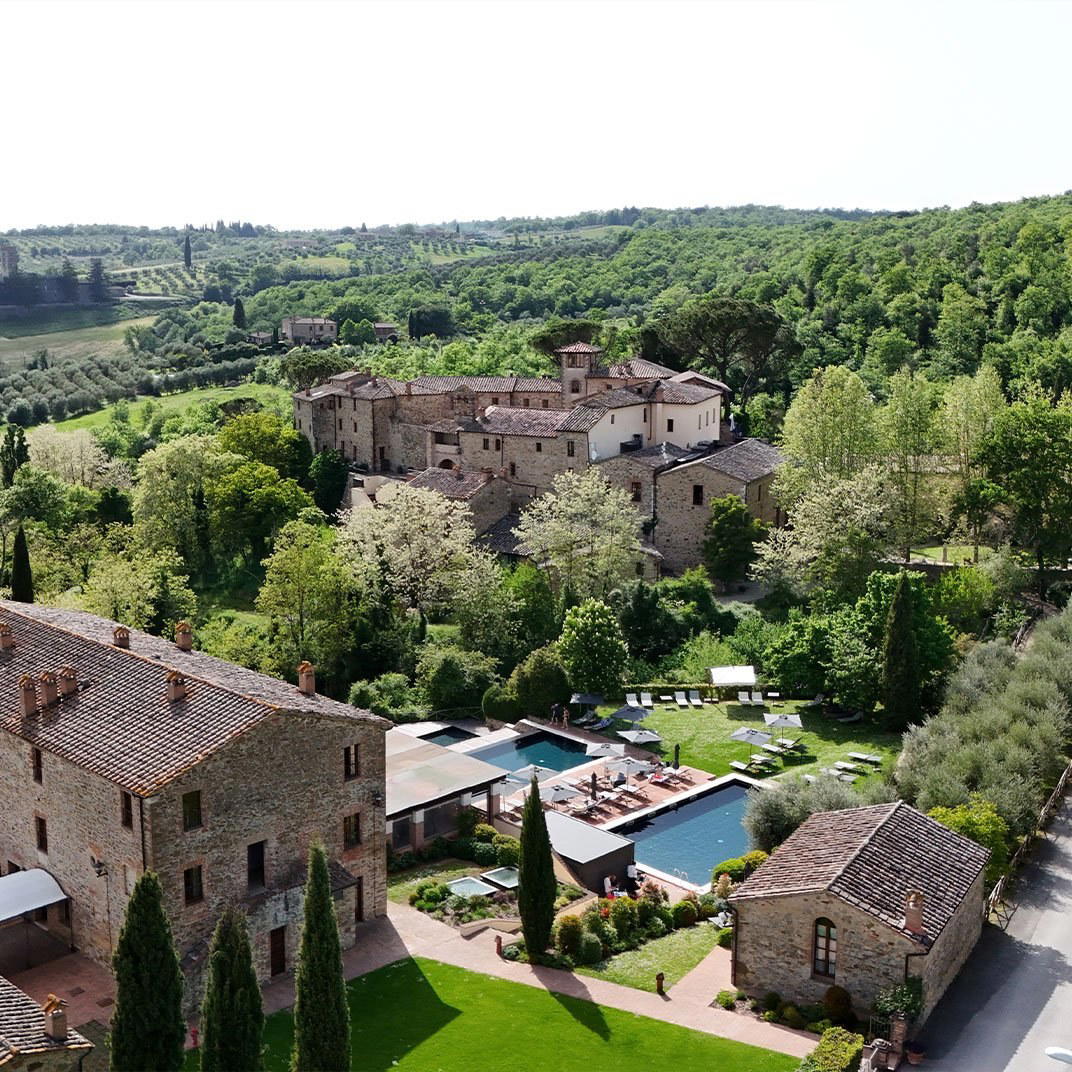
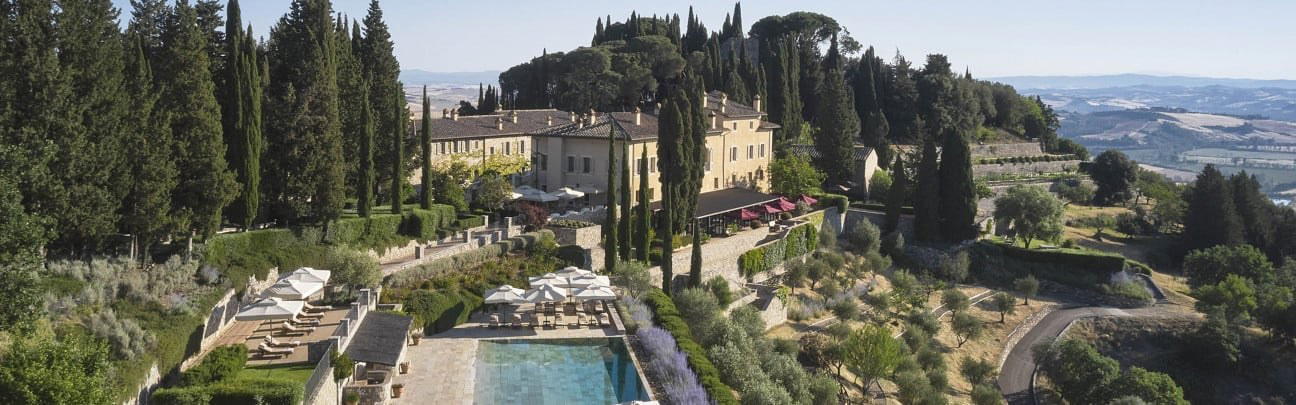
Bars in Siena
All bars in Siena →
Restaurants in Siena
All restaurants in Siena →
Details
- Romantic
- Quiet
- Elegant
- Rustic
- Intimate
- Sophisticated
- Romantic Getaway
- Honeymoon
- Anniversary
- Weekend Escape
- Historic Building
- Garden
- Terrace
- Wi Fi
- Pool
- Spa
- Fitness Center
- Room Service
- Concierge
- Tennis Court
- Restaurant
- Bar
- Garden
- Vineyard
- Wheelchair Accessible
- Step Free Entrance
Traditional elegance with quiet, cozy atmosphere in rustic yet picturesque settings, enhanced by lantern-strewn bars and fire pits.