Skip to Main Content
← Collection
Montalcino, Italy

L'Enoteca Banfi

WinemakerRudy Buratti
RegionMontalcino, Italy
First Vintage1978
Pearl

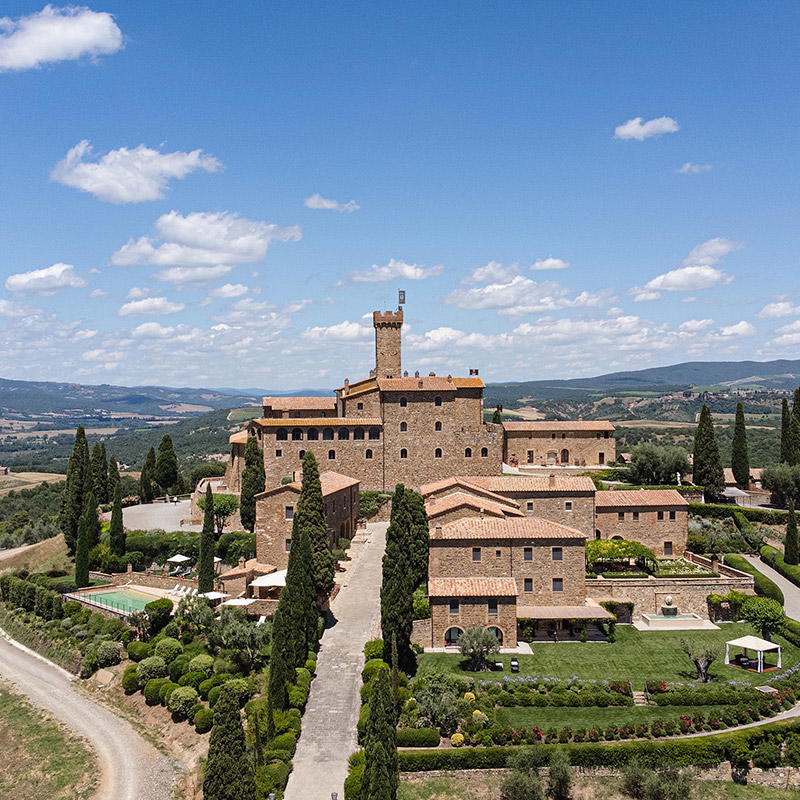
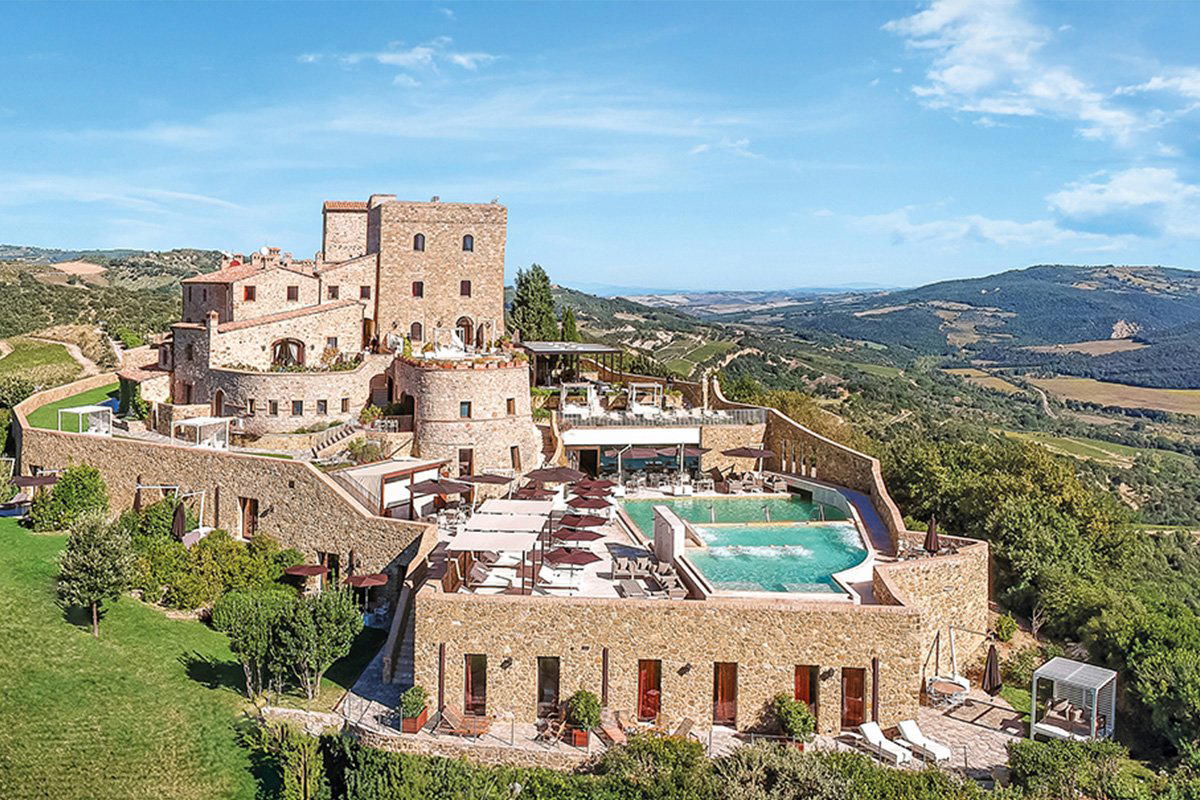
Set within Castello Banfi's medieval fortress above Montalcino, L'Enoteca Banfi holds a Pearl 3 Star Prestige award (2025) and sits at the serious end of the estate wine-dining format. With winemaker Rudy Buratti overseeing a cellar that dates its first vintage to 1978, this is a destination for Brunello di Montalcino in depth — the wine list, the setting, and the terroir context all pointing in the same direction.

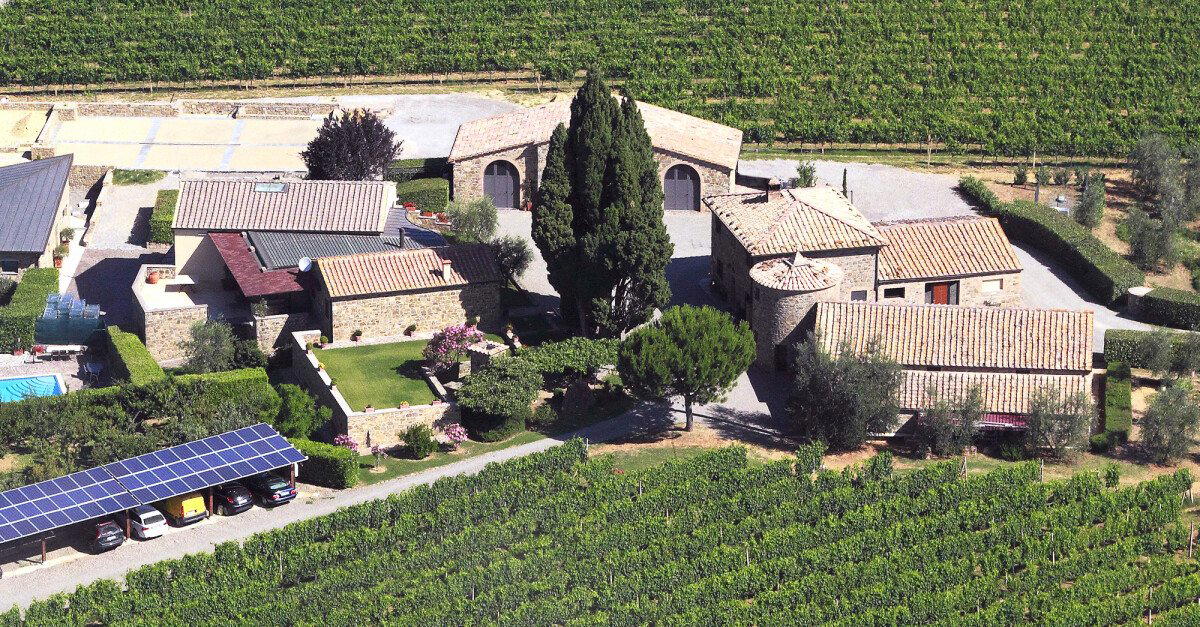
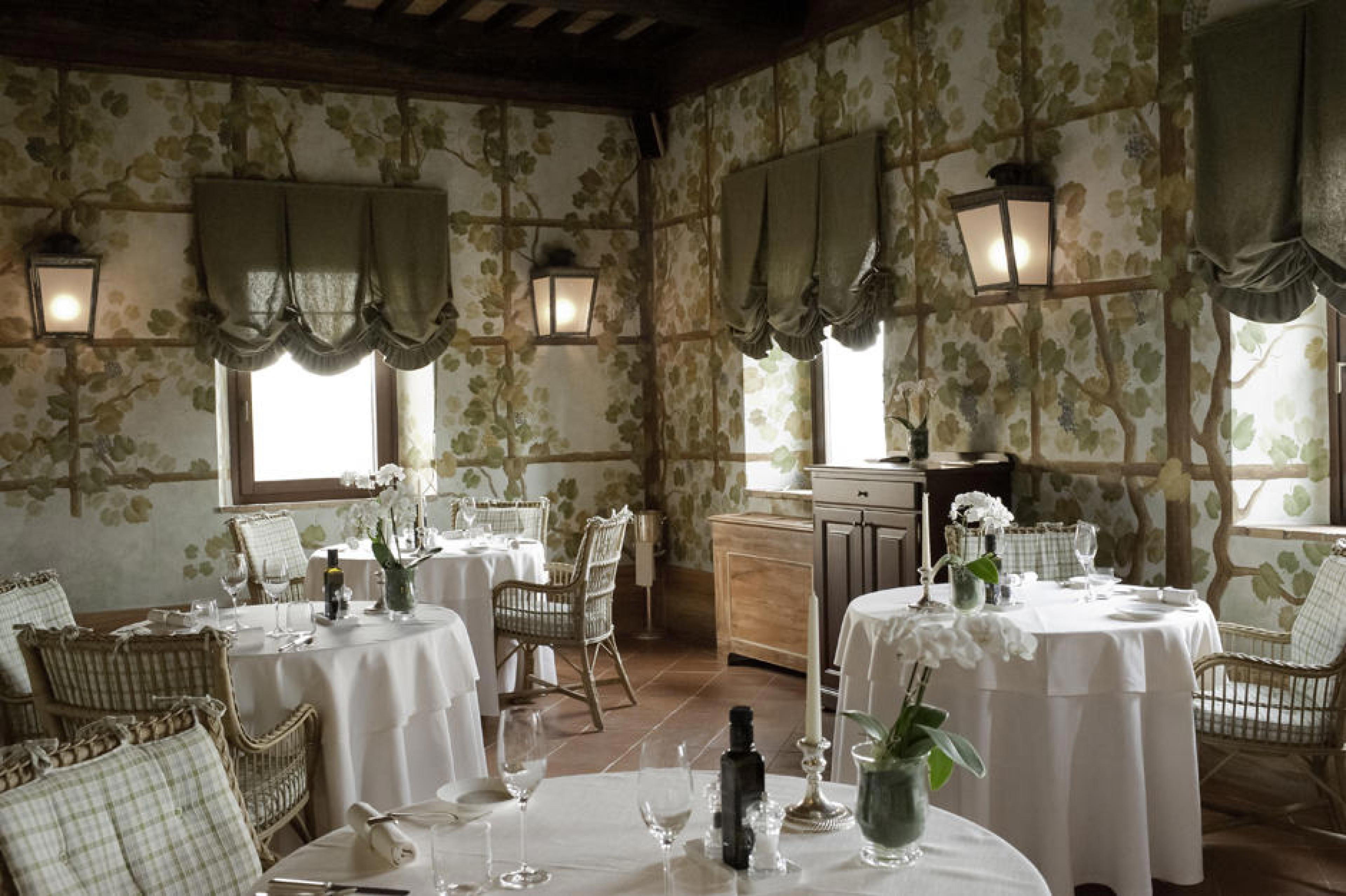
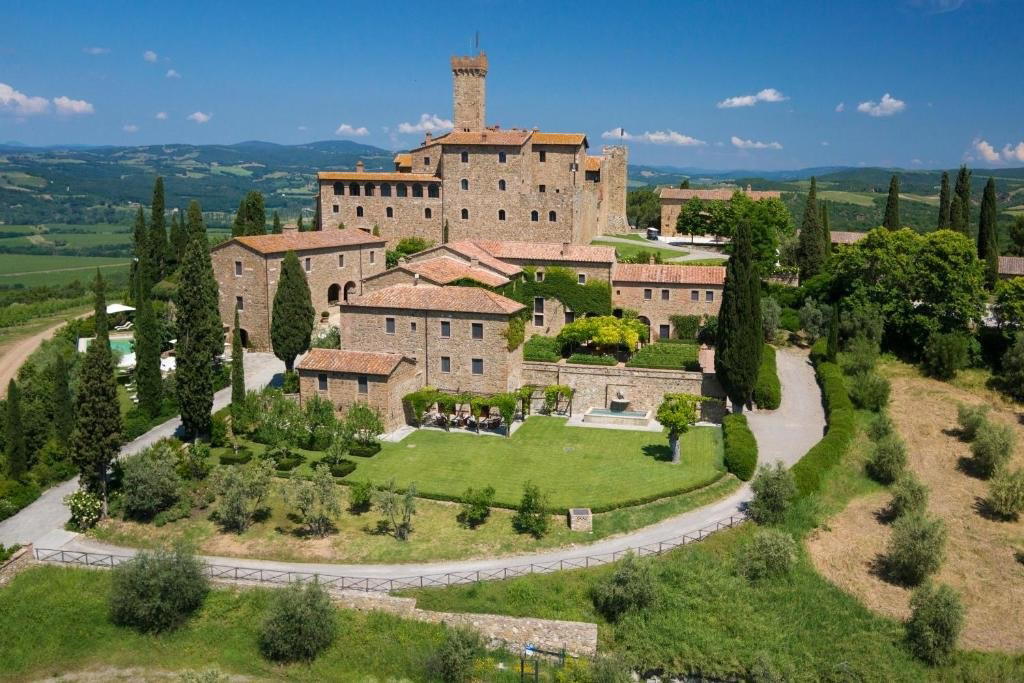
L'Enoteca Banfi winery in Montalcino, Italy
About

Brunello at the Source: Montalcino's Estate Wine Dining Format

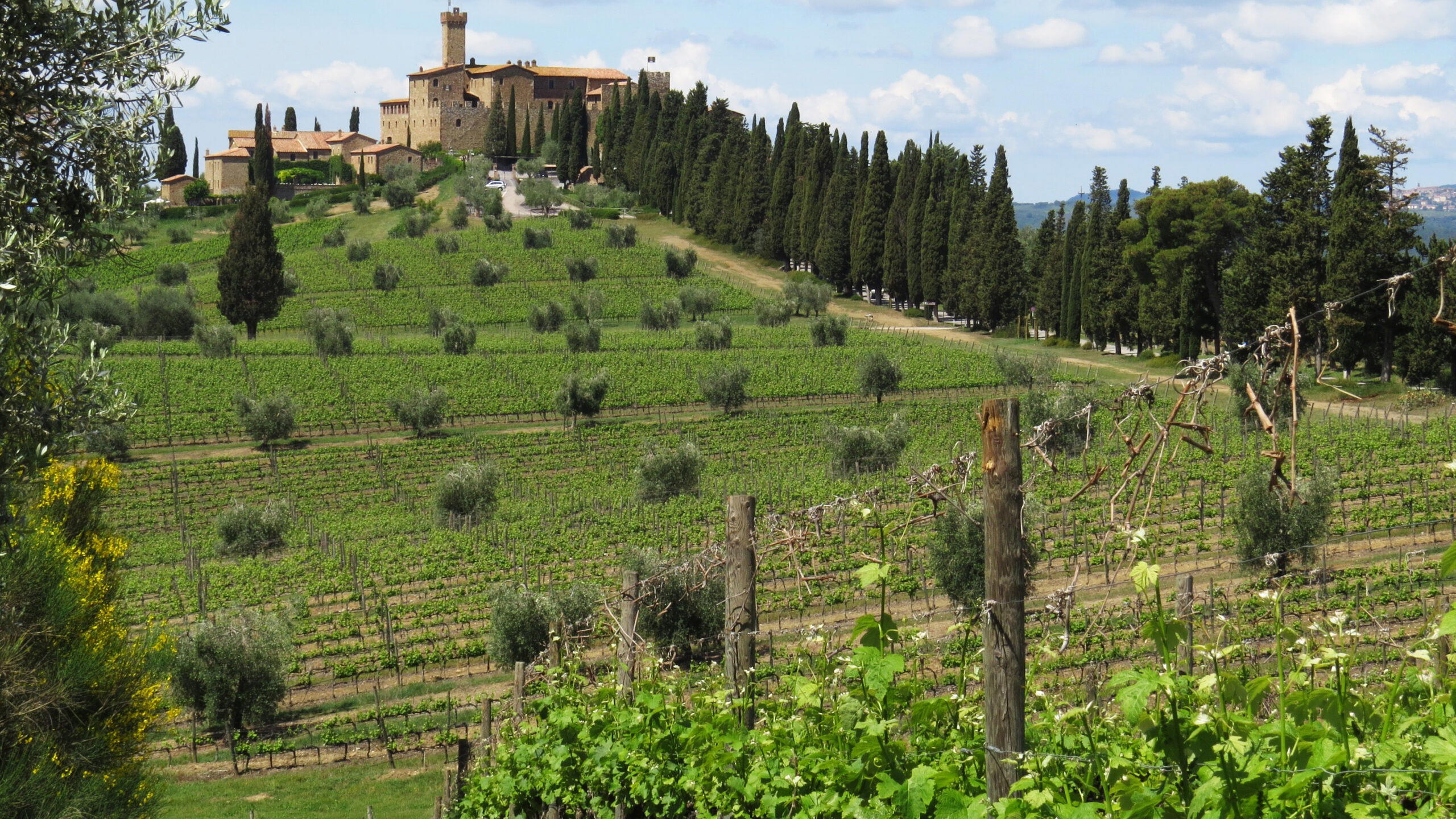
The road up to Poggio alle Mura climbs through the southern arc of the Montalcino denomination, past dense Sangiovese Grosso rows that produce what many Italian wine professionals regard as the country's most age-worthy red. By the time the medieval battlements of Castello Banfi come into view, the geography has already made the argument: this is not a restaurant that happens to have a wine list. It is a wine estate with a dining room calibrated to the depth of its cellar.

That distinction matters in Montalcino more than almost anywhere else in Italy. The town's appellation, Brunello di Montalcino DOCG, operates on a timeline unlike most wine regions — minimum release dates of five years from harvest for standard Brunello, six for Riserva, which means that when a bottle arrives at the table, it has already aged considerably before anyone opened it. The estate wine-dining format, where the winery controls both the cellar and the kitchen, is the most direct way a producer can contextualise that investment. L'Enoteca Banfi, holding a Pearl 3 Star Prestige award in 2025, sits at the serious end of this format.

Members Only

The shortlist, unlocked.

Hard-to-book tables, cellar releases, and concierge-planned trips.

Get Exclusive Access →

The Banfi Estate in Montalcino's Competitive Context

Banfi's first vintage dates to 1978, placing it among the early wave of estates that helped define Brunello's modern commercial identity. The Montalcino producer set is competitive and, at the higher end, densely credentialled. Biondi-Santi Tenuta Greppo is the denomination's historical anchor, the family credited with codifying Brunello as a single-variety wine in the nineteenth century. Azienda Agricola Casanova di Neri and Valdicava represent the boutique end of the spectrum, producing smaller quantities with critical scores that regularly benchmark global Sangiovese. Il Poggione and Altesino add further range to a zone where the sub-appellation position of each estate — whether on the warmer southern slopes or the cooler northern exposures , shapes the wine character as much as the winemaker's decisions do.

Banfi occupies a distinct position in this set: it is among the largest landholdings in the denomination, and winemaker Rudy Buratti works across a range that moves from entry Rosso di Montalcino through to single-vineyard Brunello expressions. For visitors, the scale translates to vertical depth on the wine list , a meaningful advantage at an estate enoteca, where the ability to compare vintages across a decade is often the specific reason someone books a table.

The Setting: Medieval Stone and the Weight of Territory

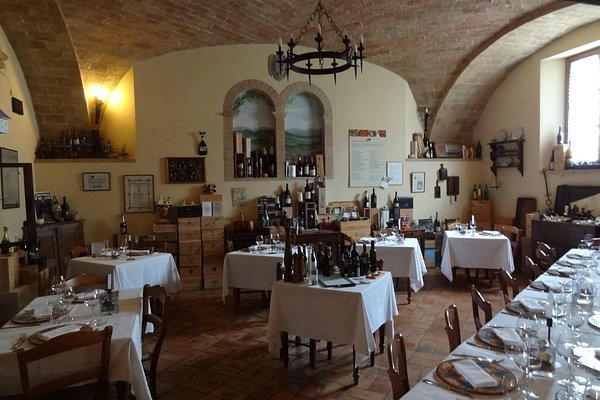
Castello Banfi's fortified complex at Poggio alle Mura is not a reproduction or a restoration project that places modern glass and steel inside a heritage shell. The stone fabric of the castle is the atmosphere, and the enoteca operates within it accordingly. High ceilings, thick walls that hold the temperature, and views across the southern Montalcino plateau put the diner in direct visual contact with the vineyards that produce what they are about to drink , a physical relationship between place and glass that wine tourism has tried to manufacture elsewhere without the same results.

The geography of this corner of Tuscany rewards the visit outside the high summer months. Spring and autumn bring lower visitor numbers and more favourable temperatures for both walking the estate and appreciating wines that tend to show better with some cool in the air. Travellers combining L'Enoteca Banfi with a broader itinerary through Italian wine country will find natural comparisons at Antinori nel Chianti Classico in Tuscany, where the estate dining format has been applied to a different Sangiovese tradition, or further north at Aldo Conterno in Monforte d'Alba and Bruno Giacosa in Neive, where Barolo and Barbaresco producers operate within their own estate hospitality formats.

Brunello di Montalcino: What the Region Requires of Its Table

A wine with a mandatory aging window of five years before it can legally be sold demands a certain seriousness at the table. Brunello's tannin structure and its capacity to evolve across decades make vintage comparison almost obligatory for anyone spending serious time in Montalcino. The estate enoteca format serves this need directly: when the producer controls the cellar, older vintages remain accessible in a way that market supply rarely allows elsewhere.

Sangiovese Grosso, the clone used for Brunello, expresses itself differently across the denomination's elevations and aspects. The southern estates, including Banfi's Poggio alle Mura holdings, generally produce wines with more immediate fruit and rounder tannin than the cooler northern exposures around the town of Montalcino itself. Understanding that geographic variation is part of what a visit to any serious producer enoteca in the area should deliver. For broader context across the denomination, our full Montalcino wineries guide maps the producer set and the sub-zone distinctions in detail.

The Brunello format also rewards patience from the visitor. Arriving with a clear sense of the vintages you want to explore, rather than defaulting to the current release, will sharpen the experience considerably. The 2010, 2012, 2015, and 2016 vintages are widely cited by critics as the reference points of the past two decades in Montalcino , any serious estate enoteca visit should try to include at least one of these benchmarks alongside a younger wine to appreciate the evolution directly.

Wine Comparisons Beyond Tuscany

For travellers building itineraries around serious wine estates with dedicated dining, Montalcino's estate format has international parallels worth considering. Abadía Retuerta in Sardón de Duero applies a similar castle-and-cellar logic to the Duero valley in Spain. The experience of arriving at a fortified estate and eating within sight of the vineyards is a format with a specific coherence that urban wine bars, however curated their selections, cannot replicate. Even beyond Europe, Aberlour in Aberlour offers a different version of the same idea: the production site as the most direct context for tasting.

Planning a Visit to L'Enoteca Banfi

L'Enoteca Banfi is located at Poggio alle Mura within the Banfi estate, in the Province of Siena south of Montalcino town. Contact and reservation details are not listed in the EP Club database at time of publication, and given the Pearl 3 Star Prestige standing the enoteca holds for 2025, direct enquiry through the estate is advisable well in advance of any travel date, particularly during harvest season in September and October or the spring visiting period from April through June when the denomination hosts its principal trade and consumer events.

Travellers building a longer Montalcino stay will find additional planning resources across the EP Club guides: our full Montalcino restaurants guide covers the broader dining range from trattorias in the hilltop town to other estate tables; our full Montalcino hotels guide addresses accommodation from agriturismo to converted fortresses; our full Montalcino bars guide and our full Montalcino experiences guide complete the picture for anyone spending more than a single afternoon in the denomination.

Frequently Asked Questions

What kind of setting is L'Enoteca Banfi?
L'Enoteca Banfi operates within the medieval fortress of Castello Banfi at Poggio alle Mura, in the Province of Siena south of Montalcino. It is an estate enoteca format , a wine-focused dining room on the production property , and holds a Pearl 3 Star Prestige award for 2025. Pricing is not listed in the EP Club database; direct contact with the estate is recommended for current details.
What wine is L'Enoteca Banfi famous for?
The estate produces Brunello di Montalcino, with a first vintage dating to 1978. Winemaker Rudy Buratti oversees the range. The Pearl 3 Star Prestige recognition in 2025 reflects the standing of both the wine program and the dining experience within the Montalcino denomination.
Why do people go to L'Enoteca Banfi?
The primary draw is Brunello di Montalcino drunk on the estate that produces it, with the medieval castle setting providing a physical connection to the territory. The Pearl 3 Star Prestige (2025) places it among the more formally recognised estate dining experiences in the denomination. Visitors interested in Montalcino's wider dining scene can also consult our full Montalcino restaurants guide.
Do I need a reservation for L'Enoteca Banfi?
Contact and booking details are not available in the EP Club database at time of publication. Given the estate's prestige standing and the relatively high demand for serious Brunello experiences in Montalcino, advance planning is advisable. Contacting Castello Banfi directly through their estate channels before travel is the recommended approach.

Peer Set Snapshot

These are the closest comparables we have in our database for quick context.

Collector Access

Access the Cellar?

Our members enjoy exclusive access to private tastings and priority allocations from the world's most sought-after producers.

Get Exclusive Access
Members Only

The shortlist, unlocked.

Hard-to-book tables, cellar releases, and concierge-planned trips.

Get Exclusive Access →