On Via dei Termini in Siena's medieval core, Cacio E Pere occupies a corner of the city where enoteca culture and kitchen craft overlap. The name nods to the Roman pasta tradition, cacio e pepe, but with a Sienese inflection that signals local grounding rather than imitation. A short walk from Piazza del Campo, it draws regulars and visitors who want something more considered than the Campo's tourist perimeter.
- Address
- Via dei Termini, 70, 53100 Siena SI, Italy
- Directions
- Get directions
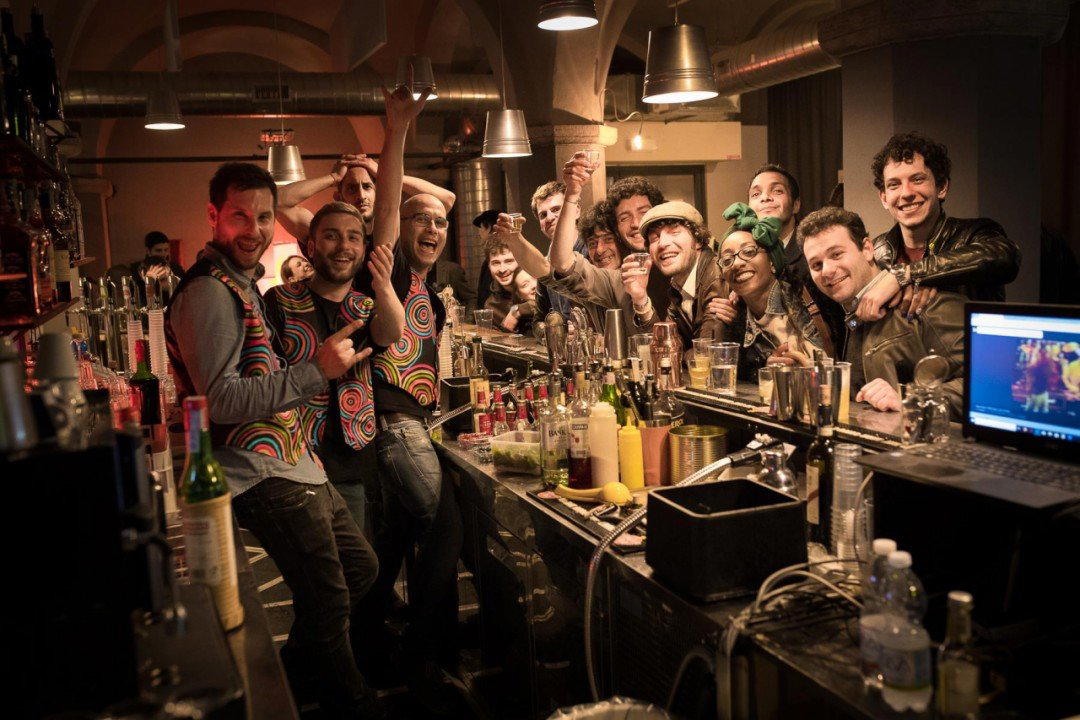
Where Siena's Enoteca Tradition Meets the Glass
Siena's drinking culture has always been inseparable from its eating culture. The city's medieval street grid, narrow lanes radiating from Il Campo, was built for slow movement, and the enoteca was the institution that made slow movement worthwhile. You stopped, you drank something local, you ate something cold or cured, and you stayed longer than you planned. Cacio E Pere, on Via dei Termini, operates within that tradition rather than against it. The address places it a short walk from the Campo's busier perimeter, in a stretch of the centro storico where the clientele skews more local than the tourist zone restaurants closer to the Piazza.
The name itself is a statement of positioning. Cacio e pepe is a Roman canonical, the pasta of aged sheep's milk cheese and black pepper, but Siena is Pecorino country, and the Sienese have their own claim on cacio. The slight variation in the venue name, Cacio E Pere (pears, not pepper), hints at a local sensibility: the classic pairing of aged cheese and ripe pear that appears on antipasto boards across Tuscany, a combination that predates the Roman recipe by centuries. That kind of quiet local specificity tends to be a reliable signal of where a place's loyalties lie.
The Back Bar as Editorial Statement
In smaller Italian cities, the back bar is often an afterthought, a shelf of house wine and a grappa or amaro for after dinner. The more considered enoteca treats the back bar as a curated argument about regional identity. Cacio E Pere's position on Via dei Termini, in a city with direct access to the Chianti Classico, Montalcino, and Montepulciano wine zones, means the selection logic should reflect that geography. Tuscany's wine map within a 50-kilometre radius of Siena contains some of Italy's most debated appellations: the Sangiovese-dominant bottles of Brunello di Montalcino carry DOCG status and international pricing, while the Rosso di Montalcino from the same producers offers an accessible entry point to the same terroir.
The distinction matters for any serious wine program in the city. An enoteca that collapses Brunello and Rosso di Montalcino into a single category, or that leans on Chianti Classico without differentiating Gran Selezione from annata bottlings, is making editorial choices about its audience. Conversely, a back bar that draws clear distinctions between appellations, producer tiers, and vintage years is telling its regulars that the curation goes beyond the obvious. Within the context of Siena's drinking scene, where venues like Caffè Le Logge and La Prosciutteria Crudi e Bollicine Siena each occupy defined positions on the spectrum from casual aperitivo to focused wine service, the question worth asking at Cacio E Pere is how deep the selection runs below the obvious regional labels.
Amaro and grappa deserve the same scrutiny. Tuscany produces a handful of serious digestivo houses, and the difference between a back bar stocked with national-distribution amari and one that features small-batch Tuscan producers is the difference between a bottle shop and an argument. The Sienese tendency toward patience, in cooking, in winemaking, in the pace of the city itself, translates well into a spirit program that prioritises aged product over flashy novelty.
Reading the Room: Siena's Broader Drinking Scene
Siena's bar and enoteca scene is smaller and more stratified than Florence's, and that stratification is worth understanding before you book. The venues closest to the Campo operate under the implicit tax of tourist proximity: higher prices, shorter wine lists, more predictable programming. The further you move into the residential streets of the Terzo di Camollia or Terzo di San Martino, the more likely you are to find programming aimed at the Sienese themselves rather than the visiting crowd. Via dei Termini sits in a productive middle ground, accessible enough for visitors but not on the primary tourist circuit.
For comparison, bella vista social pub and Key Largo Bar occupy different ends of Siena's casual drinking market, neither with the enoteca focus that defines the city's more food-integrated drinking culture. The bar's name and position suggest it belongs to the enoteca-with-kitchen category: a place where what you drink and what you eat are expected to align, rather than exist in parallel.
Italy's bar culture at this level benchmarks differently than the cocktail-forward programs you find at 1930 in Milan, the technical precision of Drink Kong in Rome, or the archival spirits depth of L'Antiquario in Naples. Siena operates on a different register: the prestige here comes from wine knowledge and regional specificity, not from cocktail innovation. That's not a limitation; it's a different set of priorities. The comparison holds internationally, too, a specialist wine-led format in a historic city, like Al Covino in Venice, tends to invest its credibility in depth of selection and the intelligence of the pairing logic rather than in the drama of the pour.
What to Order and When to Come
The name the bar points directly at the kitchen's sensibility: aged cheese, seasonal fruit, and the expectation that you will drink something alongside both. In Siena, the cheese tradition centres on Pecorino Toscano and its aged variants, with Pecorino di Pienza from the Val d'Orcia south of the city carrying DOP status and a distinctly sharper profile than younger wheels. A pear pairing is not nostalgia here; it is seasonally logical, with late-autumn harvests producing the firm varieties that hold up against aged cheese. If the kitchen follows the season, autumn and early winter represent one coherent moment to engage with what the name promises.
Wine-wise, the approach at a venue like this in Siena should be to work through the secondary appellations before defaulting to Brunello. Morellino di Scansano and Rosso di Montepulciano both offer Sangiovese-dominant profiles at fractions of the headline price, and a back bar that stocks them signals that the curation is interested in the wine itself rather than the label. For those who want to extend the evening with a digestivo, ask specifically whether there is anything local or small-batch before accepting a standard amaro, the answer will tell you something useful about the depth of the program.
Practically, Via dei Termini addresses in Siena's centro storico are most easily reached on foot from the Campo or from the Piazza Gramsci bus terminal; driving into the ZTL (zona a traffico limitato) requires advance registration or a hotel parking arrangement. As with most enoteca-style venues in smaller Italian cities, arriving before the local dinner hour, between 19:00 and 20:00, tends to offer more space and more attention from the floor.
Those planning a broader Italian itinerary that includes spirits-focused venues might also consider Gucci Giardino in Florence for design-led bar programming, or Bar Leather Apron in Honolulu and Lost & Found in Nicosia for an international sense of how specialist drinking programs operate at different scales.
Budget and Context
Comparable venues nearby, for context on price, style, and recognition.
| Venue | Cuisine | Price | Notes |
|---|---|---|---|
| Cacio E PereThis venue — the venue you are viewing | Siena, lounge | $$ | Not listed |
| Pasticceria Nannini Conca D'Oro | Centro Storico, Bar | $$ | Not listed |
| Salefino Vino&Cucina | Not listed | $$$ | Piazza del Sale, wine_bar |
| bella vista social pub | Siena, pub | $$ | Not listed |
| Caffè Le Logge | Not listed | $$ | Centro Storico, cocktail_bar |
| Key Largo Bar | Not listed | $$ | Centro Storico, cocktail_bar |
Continue exploring
More in Siena
Bars in Siena
Browse all →
Restaurants in Siena
Browse all →
Hotels in Siena
Browse all →
At a Glance
- Lively
- Energetic
- Bohemian
- Group Outing
- Casual Hangout
- After Work
- Live Music
- Standalone
- Standing Room
- Lounge Seating
Lively and energetic atmosphere with local musicians performing, creating a lively nightlife experience that captures authentic Siena culture.