Contrada

1 Michelin Star
Our verdict
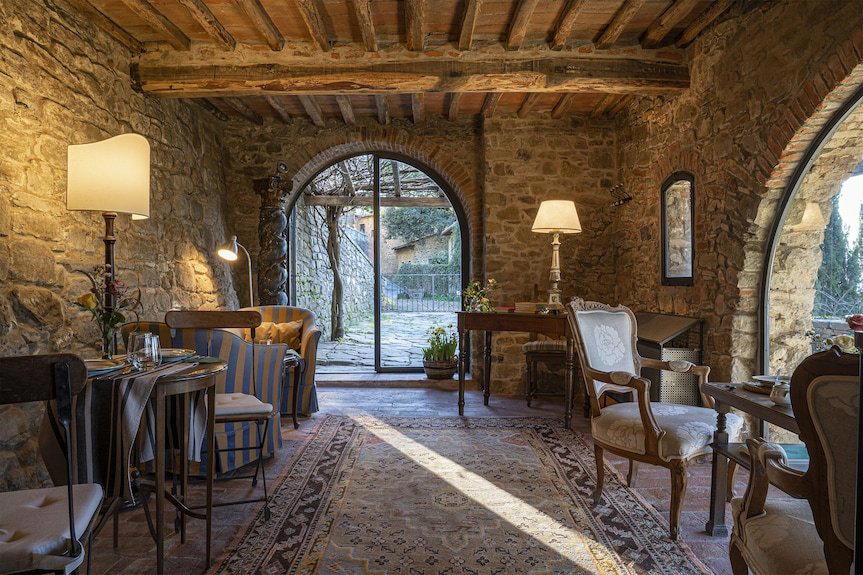
Set within a restored hamlet outside Castelnuovo Berardenga, Contrada holds a Michelin star (2024) and pitches itself squarely at the intersection of Tuscan produce and contemporary technique. Chef Davide Canella runs a dual-format menu, tasting and à la carte, built around meat-led dishes with selective fish appearances. The €€€ pricing sits a tier below the commune's €€€€ Michelin peers, making it the area's most accessible starred option.

Pearl is the En Primeur Club membership app, where members save venues, book tables and use the concierge.
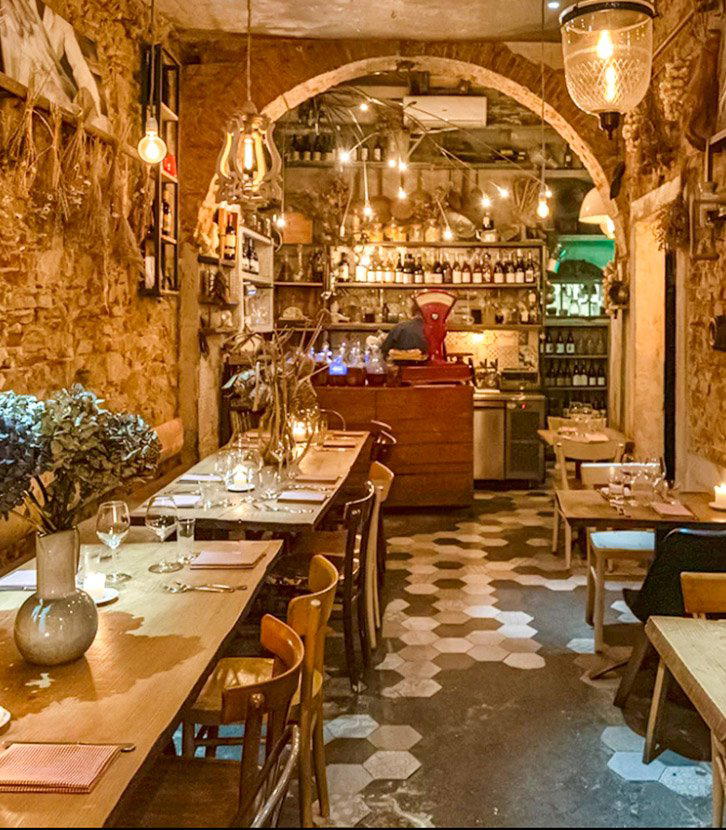
The menu
What to order
- Ricciola with radicchio and hazelnut
- Agnello with hollandaise and raspberries
- Duck breast with hosomaki
- Prawns and panzanella
- Beef cheek Kokkinisto
- Sea bass with seasonal vegetables
An Old Hamlet, a Modern Kitchen
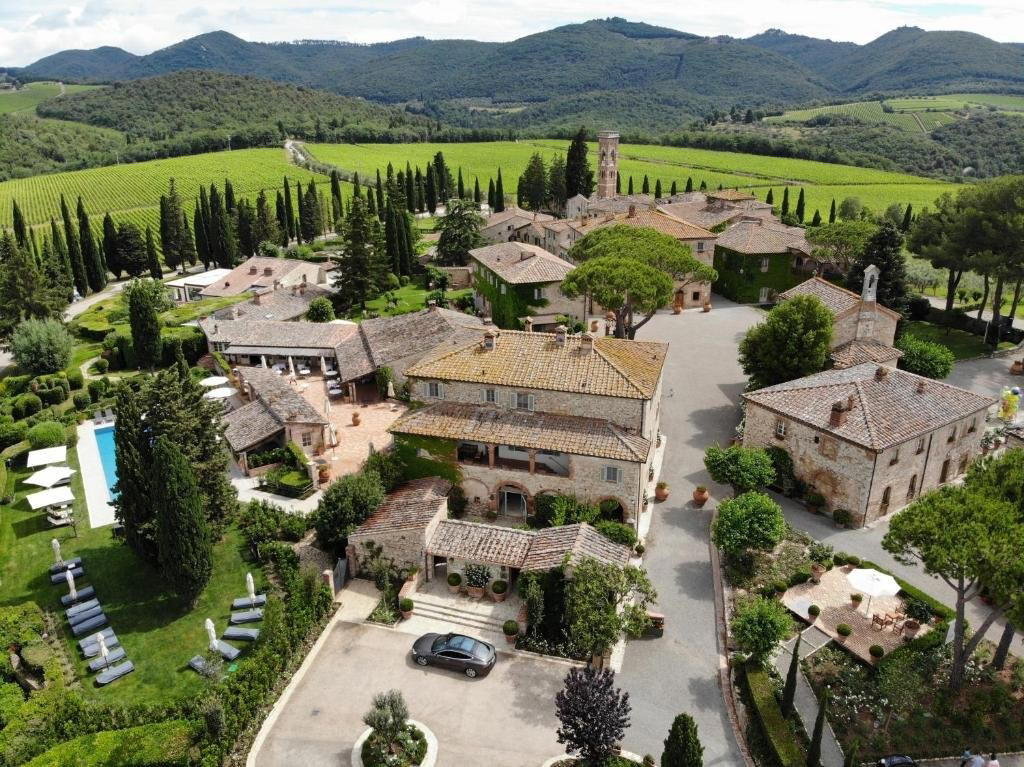
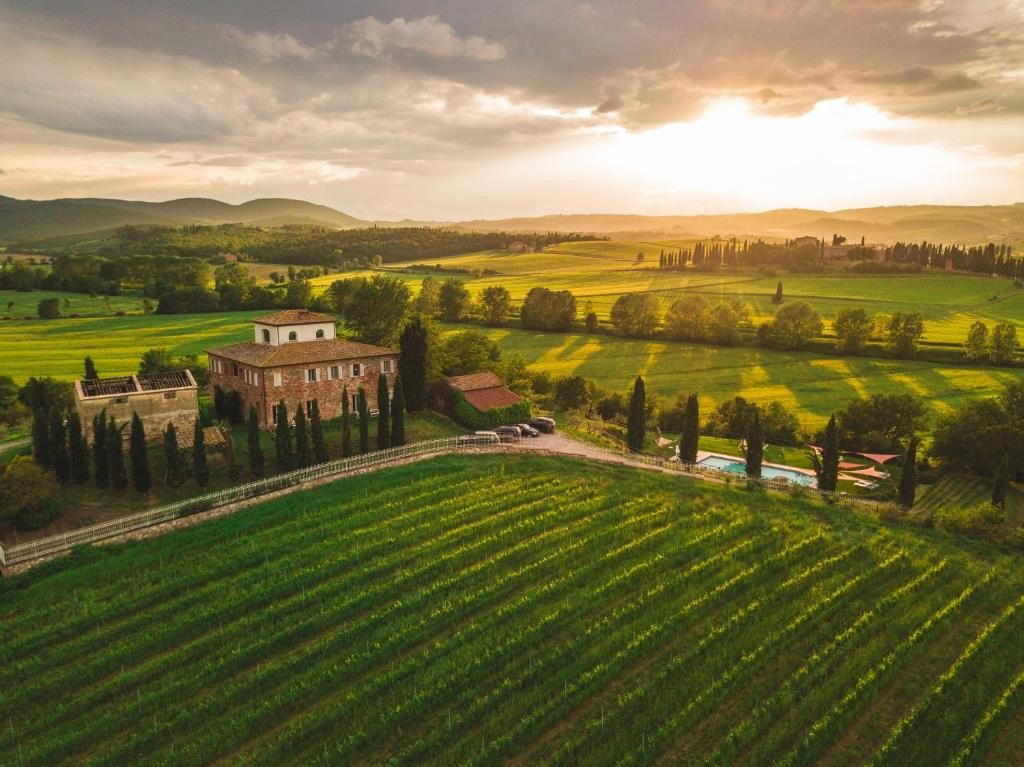
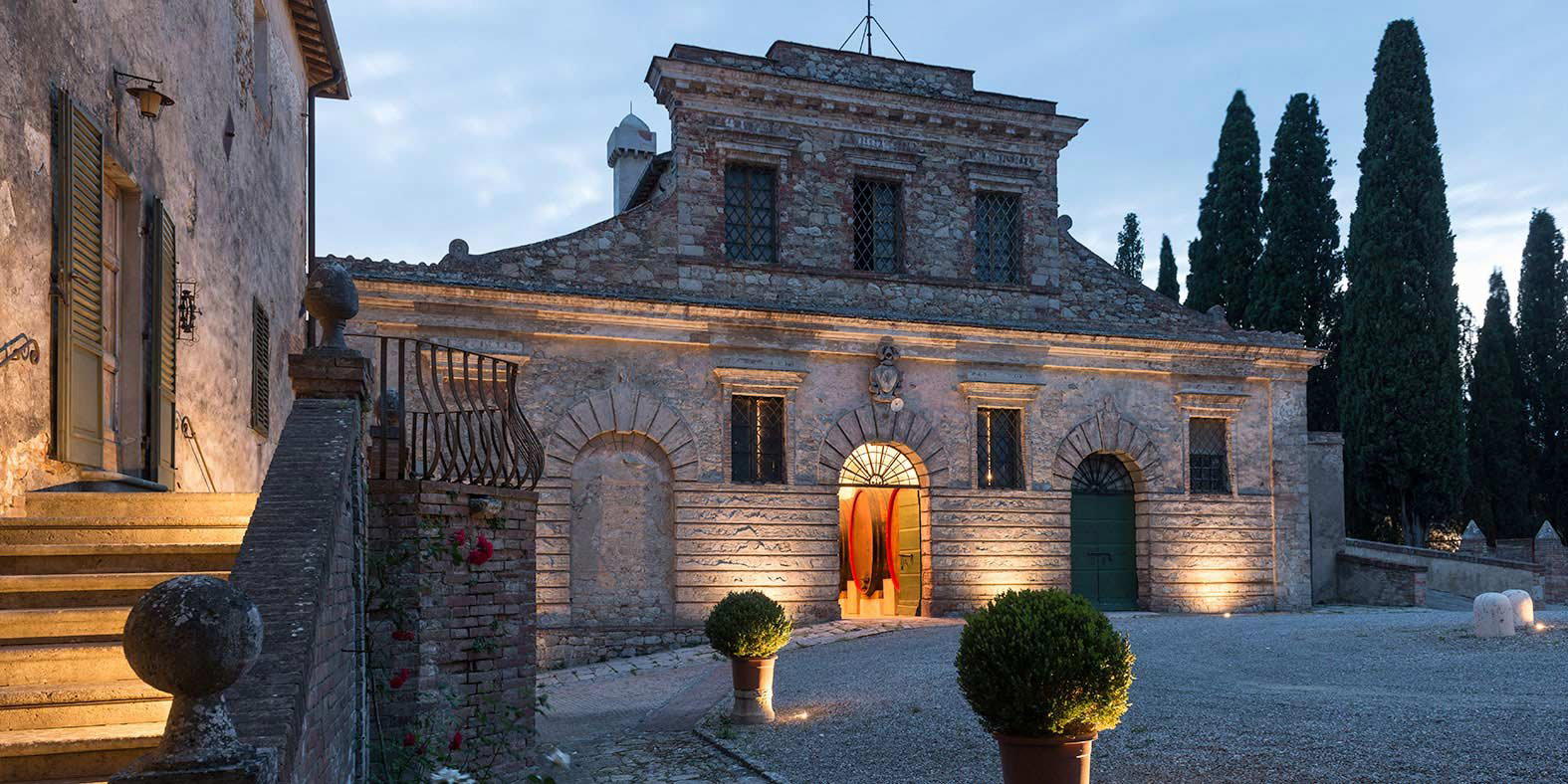
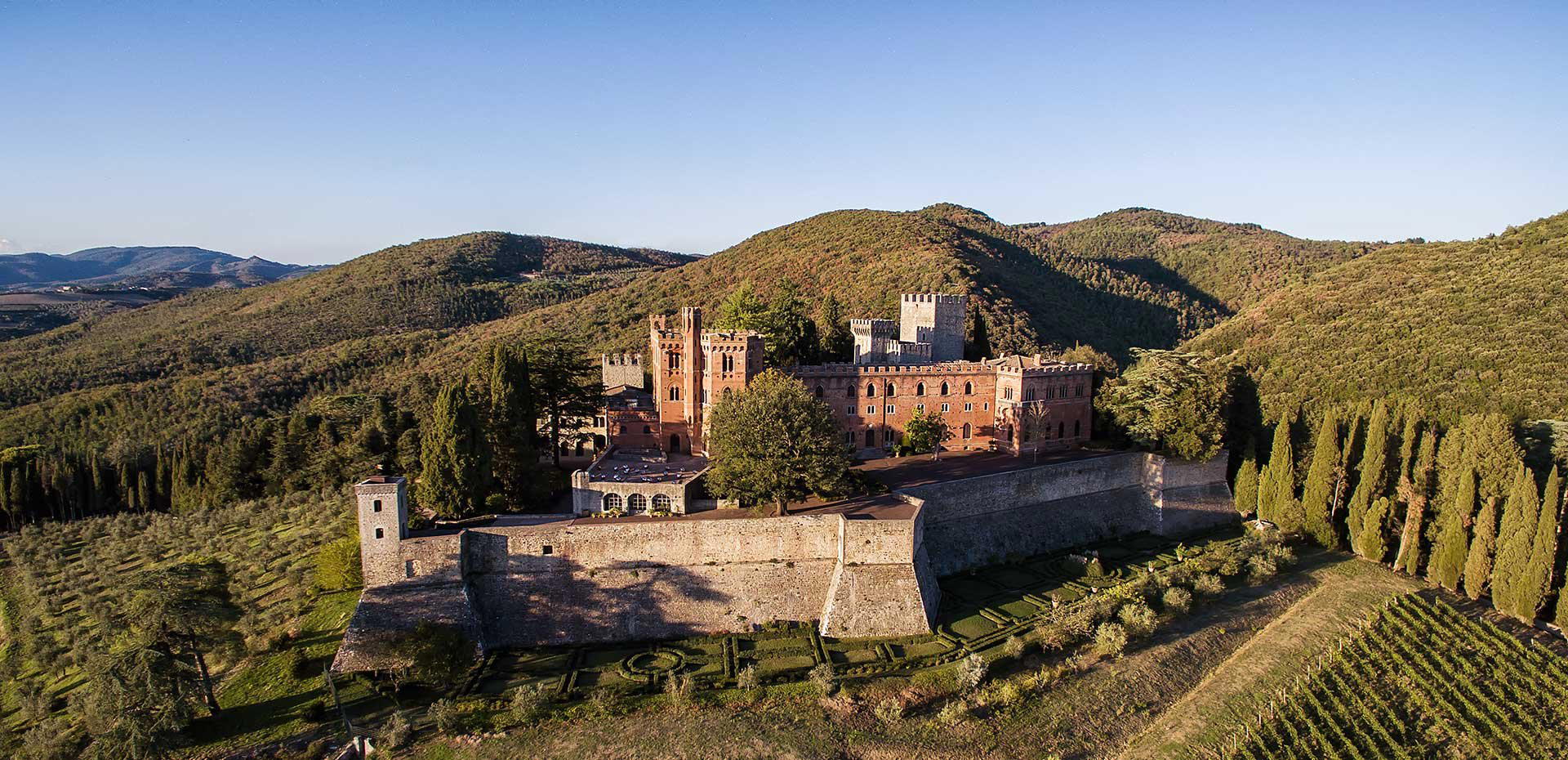
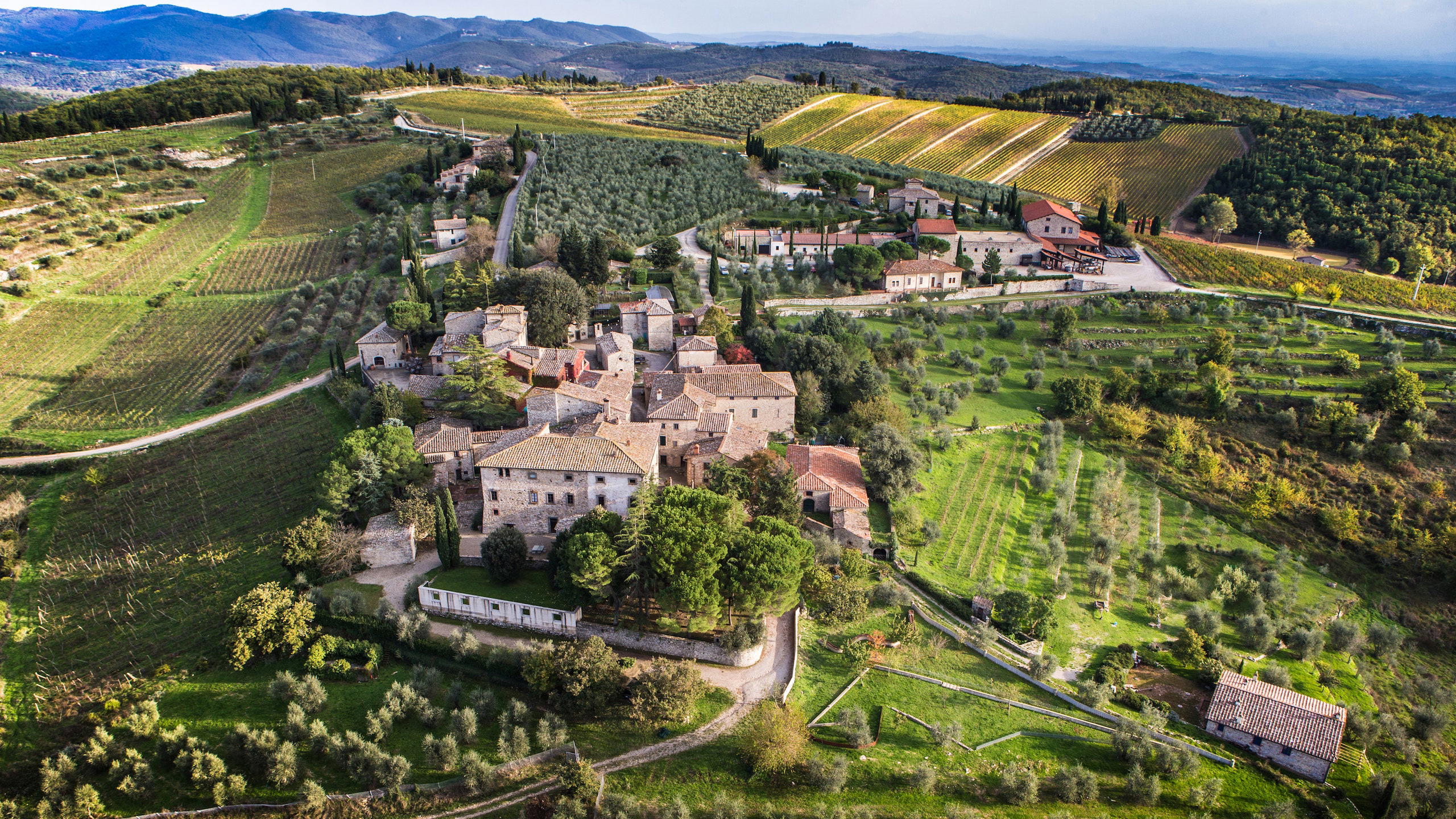
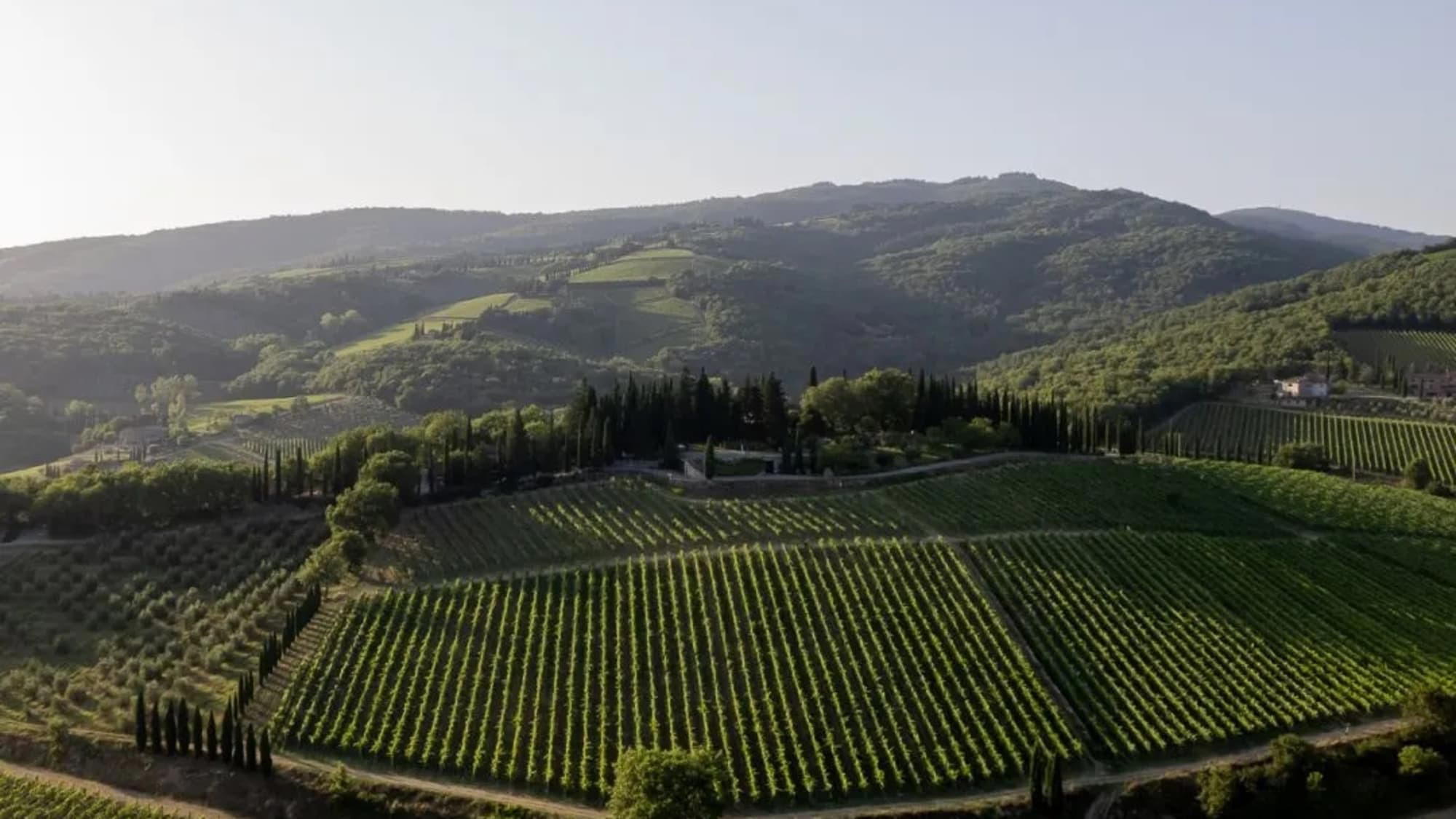
The southern edge of the Chianti Classico zone has developed a quietly serious dining circuit over the past decade. Castelnuovo Berardenga sits at that edge, and the cluster of Michelin-recognised kitchens operating within its commune now covers enough ground to justify the journey on food alone. Contrada occupies a position that is at once physically removed and gastronomically anchored: the restaurant operates from Loc. Monastero d'Ombrone, a restored hamlet setting that sets the physical register before you've seen a menu. Stone, age, and the particular quietness of the Sienese countryside work as the opening act.
That kind of backdrop carries risk. Rural Tuscany is full of beautiful rooms where the cooking plays second fiddle to the view. At Contrada, the Michelin panel, which awarded a star in 2024, found the balance tilted toward the kitchen. The award places Contrada inside a dense local peer group: Il Poggio Rosso and Il Visibilio both hold a star here, and L'Asinello operates in the same €€€ bracket with a comparable Tuscan orientation. Across Italy, the starred field ranges from the three-star precision of Osteria Francescana in Modena to the long-tenured classicism of Dal Pescatore in Runate. Contrada's single star in its first awarded cycle positions it as a kitchen that has cleared the credibility threshold without yet entering the destination-dining tier that commands transatlantic itineraries.
Where the Menu Sits Culturally
The Tuscan table has always been defined by a tension between restraint and abundance. The region's most traditional kitchens prize the ingredient above the technique, bistecca, pici, ribollita, and treat elaboration as a form of interference. The post-Bocuse generation of Italian fine dining pulled the other direction, layering French structure onto regional produce and creating a hybrid mode that now defines much of the country's starred output. Contrada operates in that hybrid register, with meat at the centre of the à la carte and a tasting menu format that allows Canella's kitchen to sequence flavour rather than simply present it.
The presence of duck breast with hosomaki on the described menu is an instructive detail. It signals a kitchen comfortable moving between Italian produce-logic and Japanese format, a compositional approach now common across Europe's mid-tier starred restaurants, from Enrico Bartolini in Milan to Le Calandre in Rubano. The panzanella reference is equally telling: that dish, which in traditional form is simply stale bread, tomato, and basil, is here paired with prawns in a construction that respects regional vocabulary while reframing it. The approach is not about reinvention for its own sake but about using local reference points as a foundation for precise, contemporary plating.
Internationally, the movement toward this kind of cultural cross-referencing in fine dining has been documented across kitchens as different as Frantzén in Stockholm and FZN by Björn Frantzén in Dubai, and within Italy, Enoteca Pinchiorri in Florence represents the longer historical arc of that synthesis. Contrada participates in this tradition from a distinctly Sienese starting point, grounding its lateral moves in the landscape and produce of a very specific southern Chianti geography.
The Format and What It Means
Offering both a tasting menu and an à la carte in a single starred setting is not universal. The tasting-only format has become prevalent in kitchens where the chef's sequencing is considered inseparable from the experience, Atelier Moessmer Norbert Niederkofler in Brunico is a regional example of that commitment. Contrada's dual offering is, in practice, a statement about accessibility: it allows diners who want a complete structured experience to have it, while those who prefer to order around a specific dish, and given the meat focus, that means ordering around a specific protein, can do so without committing to the full arc.
The meat-led structure reflects the inland Sienese tradition rather than the fish-forward cooking of Versilia or the Amalfi coast. Chianina beef, wild boar, and game birds define the historic larder of this part of Tuscany, and a kitchen that places meat at the centre of its à la carte is, in a meaningful sense, reading its geography correctly. The fish options that appear alongside are positioned as additions rather than alternates, which keeps the menu coherent rather than attempting to serve multiple audiences at once.
Front of House as Critical Variable
In small-scale starred restaurants, the front-of-house function carries disproportionate weight. A kitchen working at this level can be undermined by a room that feels either too formal or too casual, and wine service is frequently the variable that tips that balance. At Contrada, the Michelin entry specifically names the sommelier, identified as Manuela, and the wine-pairing recommendation function she performs. That level of named recognition within a Michelin citation is unusual and signals that the panel considered the floor work to be of the same standard as the kitchen. In a hamlet setting where the wine list presumably draws heavily on the surrounding Chianti Classico and Brunello di Montalcino production, informed pairing advice is not a courtesy but a navigational necessity.
The broader Castelnuovo Berardenga dining circuit, which includes Il Convito di Curina at the €€ level and Borgo San Felice Resort for hotel-based Italian cuisine, offers enough range that a two-night stay in the commune can be structured around serious eating without repetition. See the full Castelnuovo Berardenga restaurants guide for the complete picture, and the hotels guide, bars guide, wineries guide, and experiences guide for planning across categories.
Planning a Visit
Contrada operates from Loc. Monastero d'Ombrone, 19, on the outskirts of Castelnuovo Berardenga in the province of Siena, the address requires a car; there is no practical public transport connection to a hamlet of this type. The €€€ price bracket (three symbols on the Michelin scale) positions it below the €€€€ entries at Il Poggio Rosso and Il Visibilio, making it the area's most financially accessible Michelin-starred option. Given the 2024 star award and the specificity of the hamlet setting, advance booking is advisable; newly starred restaurants in rural Tuscany fill quickly after recognition, particularly through the late spring and autumn seasons when Chianti tourism peaks.
Frequently asked questions
Can I walk in to Contrada?
Walk-ins are a risk worth avoiding here. Contrada operates from a hamlet setting outside Castelnuovo Berardenga, reaching Loc. Monastero d'Ombrone requires a car, and the 2024 Michelin star will have tightened reservations considerably. Booking ahead through the restaurant's own channels is the straightforward approach; arriving without one means a likely wasted journey.
Pricing, Compared
| Venue | Cuisine | Price | Awards | Notes |
|---|---|---|---|---|
| ContradaThis venue (the venue you are viewing) | Modern Tuscan Fine Dining | $150–200 | 1 Michelin Star | Not listed |
| Il Poggio Rosso | Modern Mediterranean with Tuscan & Greek Influences | $200–300 | 1 Michelin Star · Relais Chateaux Award | Italian-Colombian, Creative |
| Il Visibilio | Modern Tuscan Tasting Menu | Not listed | 1 Michelin Star | Creative |
| L'Asinello | Tuscan Fine Dining | $100–150 | 1 Michelin Star | Tuscan |
| Borgo San Felice Resort | Modern Tuscan Creative | $150–200 | Relais Chateaux Award | Not listed |
| Il Convito di Curina | Contemporary Tuscan | $50–100 | Michelin Plate | Not listed |
Recognition history
Dated appearances from independent guides and award organizations, with the underlying list record or original source where available.
Michelin 1 Star
Michelin
Full recognition history (3 entries)
Michelin 1 Star
Michelin
Michelin 1 Star
Michelin
Continue exploring
More in Castelnuovo Berardenga
Restaurants in Castelnuovo Berardenga
All restaurants in Castelnuovo Berardenga →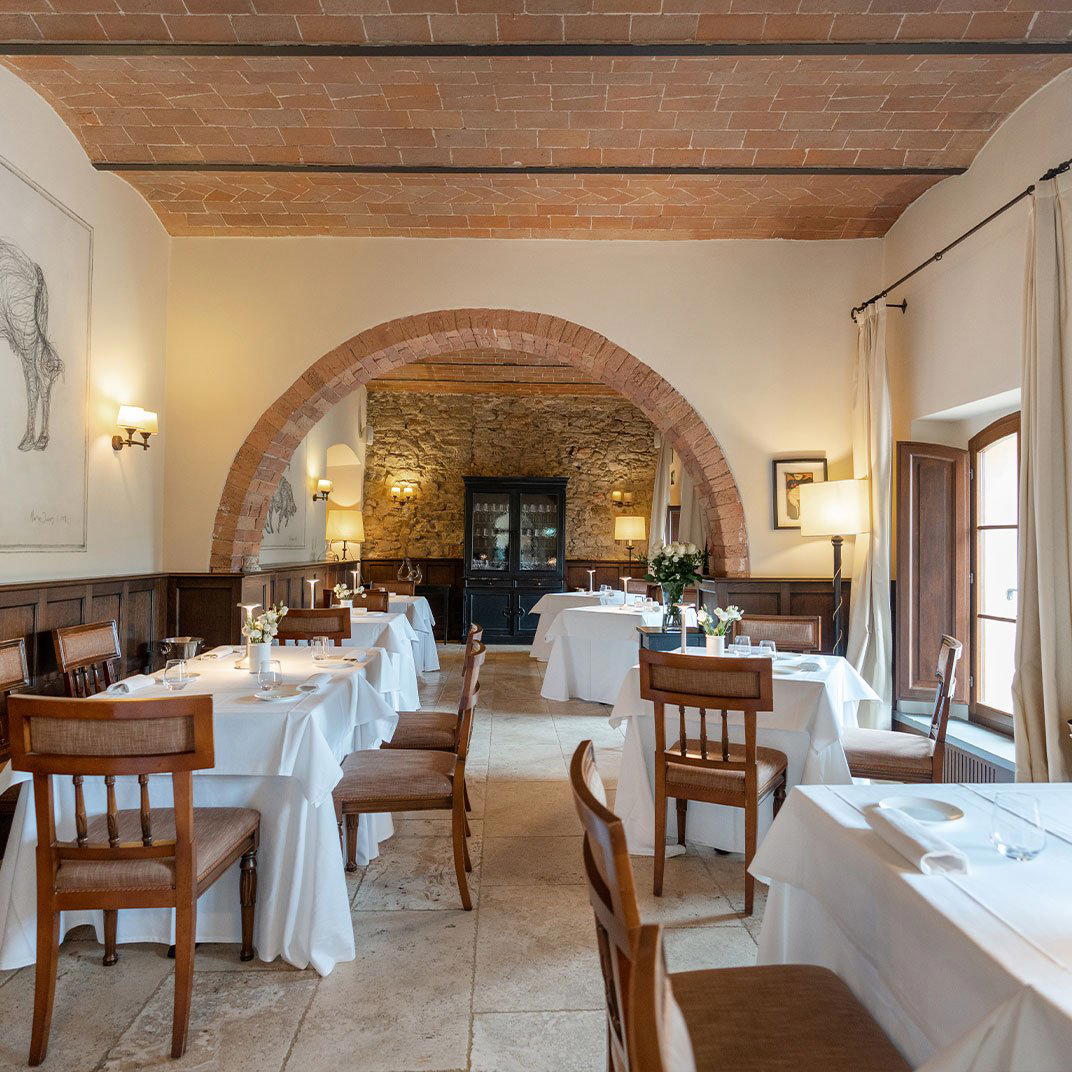
Bars in Castelnuovo Berardenga
All bars in Castelnuovo Berardenga →
Hotels in Castelnuovo Berardenga
All hotels in Castelnuovo Berardenga →
Contrada
The wine
- Wine program
- Deep wine list
- Extensive wine list
- Sommelier-led
Details
- Romantic
- Elegant
- Sophisticated
- Scenic
- Date Night
- Special Occasion
- Celebration
- Business Dinner
- Terrace
- Courtyard
- Historic Building
- Private Dining
- Garden
- Extensive Wine List
- Sommelier Led
- Farm To Table
- Local Sourcing
- Garden
- Vineyard
- Tasting Menu
- A La Carte
- Prix Fixe
- Wine Pairings
- Italian Wines
- Vegetarian Friendly
- Gluten Free Options
- Allergy Accommodating
Current opening hours
- Monday
- Closed
- Tuesday
- Closed
- Wednesday
- Closed
- Thursday
- 7:30–9:30 PM
- Friday
- 7:30–9:30 PM
- Saturday
- 7:30–9:30 PM
- Sunday
- Closed
Hours can change for holidays and private events. Hours as of .
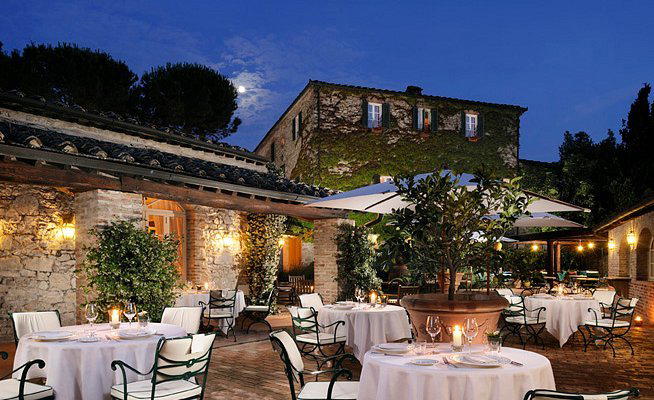
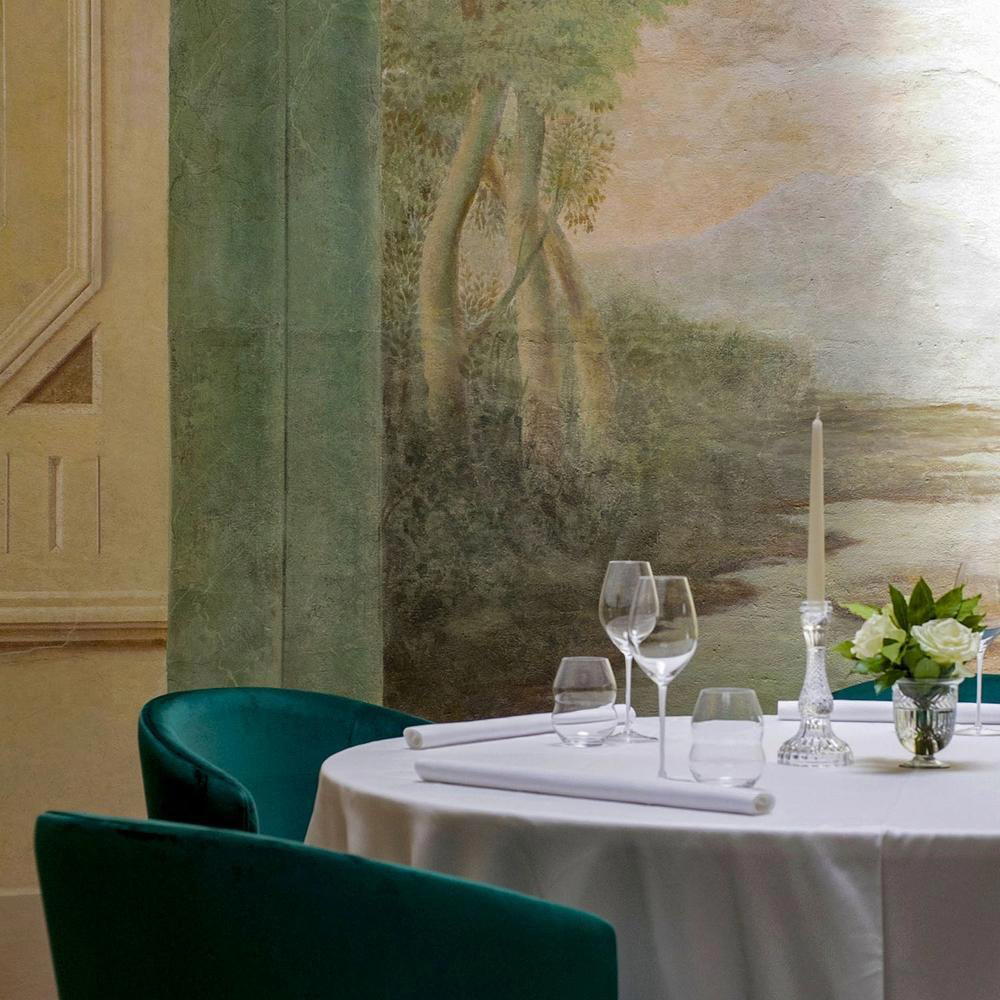
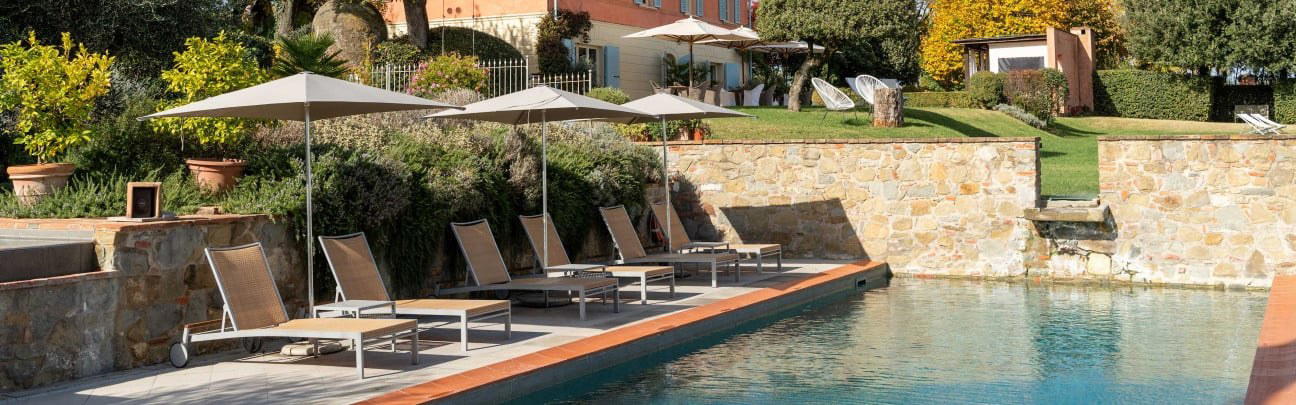
Warm, intimate setting with authentic medieval architecture, intriguing wall art, and candlelit terrace dining overlooking the piazza; refined yet relaxed elegance.