Il Pievano

A Michelin-starred kitchen inside a medieval Chianti castle, Il Pievano pairs Antonio Iacoviello's Campanian-Mediterranean cooking with Tuscany's deep larder and a wine list of over 800 labels. Three distinct tasting menus serve Wednesday through Sunday evenings, making it one of the more purposeful dining destinations in the Siena countryside.
Pearl is the En Primeur Club membership app — saves, bookings, and concierge access live there. Same editors, same standards.
- Address
- Località Spaltenna 13, Gaiole in Chianti, 53013, Italy
- Phone
- +39 0577 749483
- Website
- spaltenna.it
 Saves & bookings on Pearl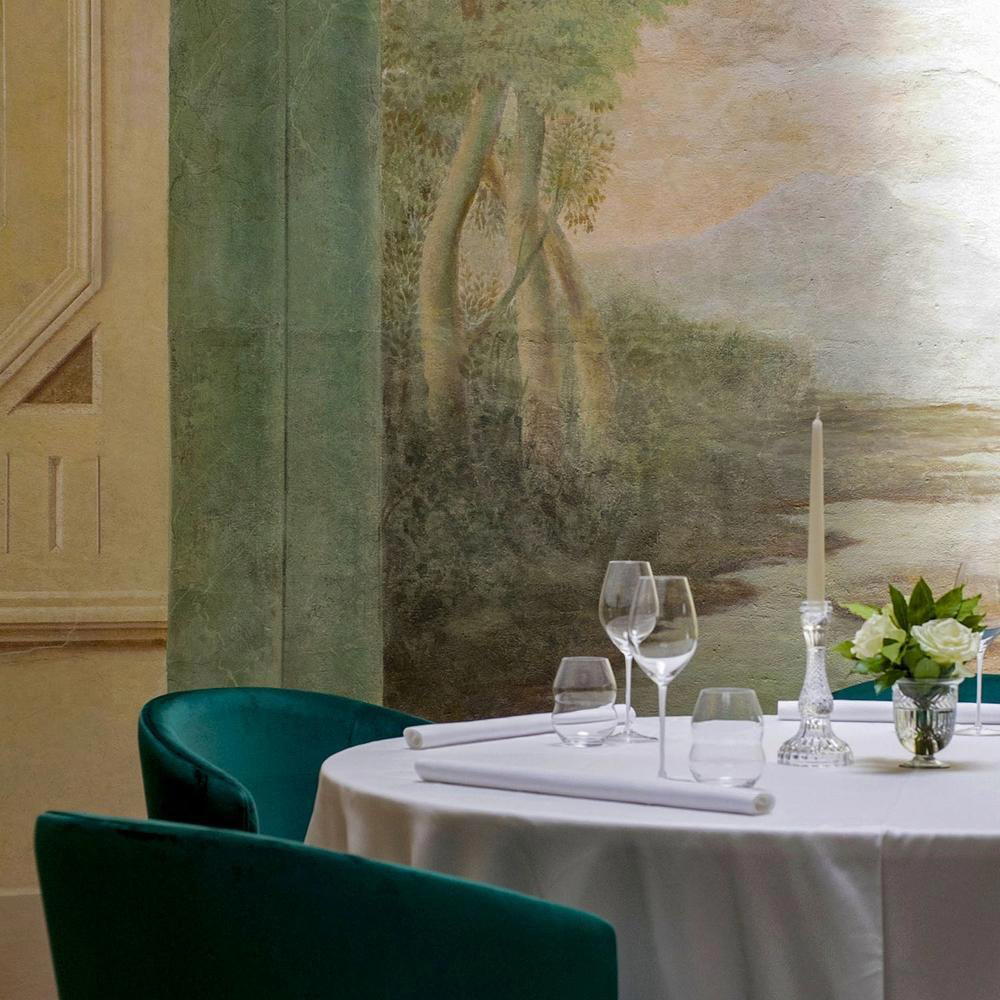
Stone Walls, Open Horizons: Dining at the Edge of Chianti Classico
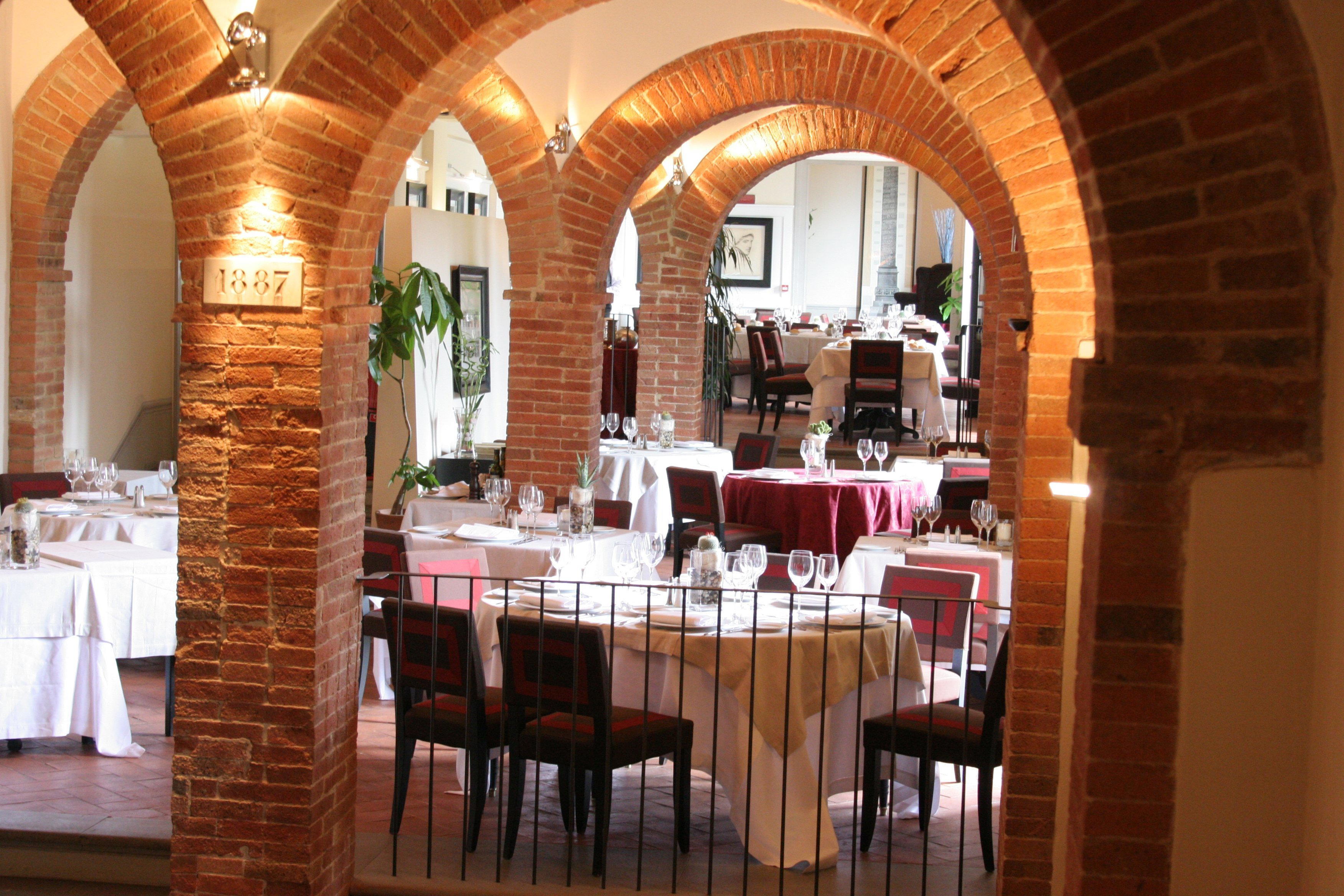
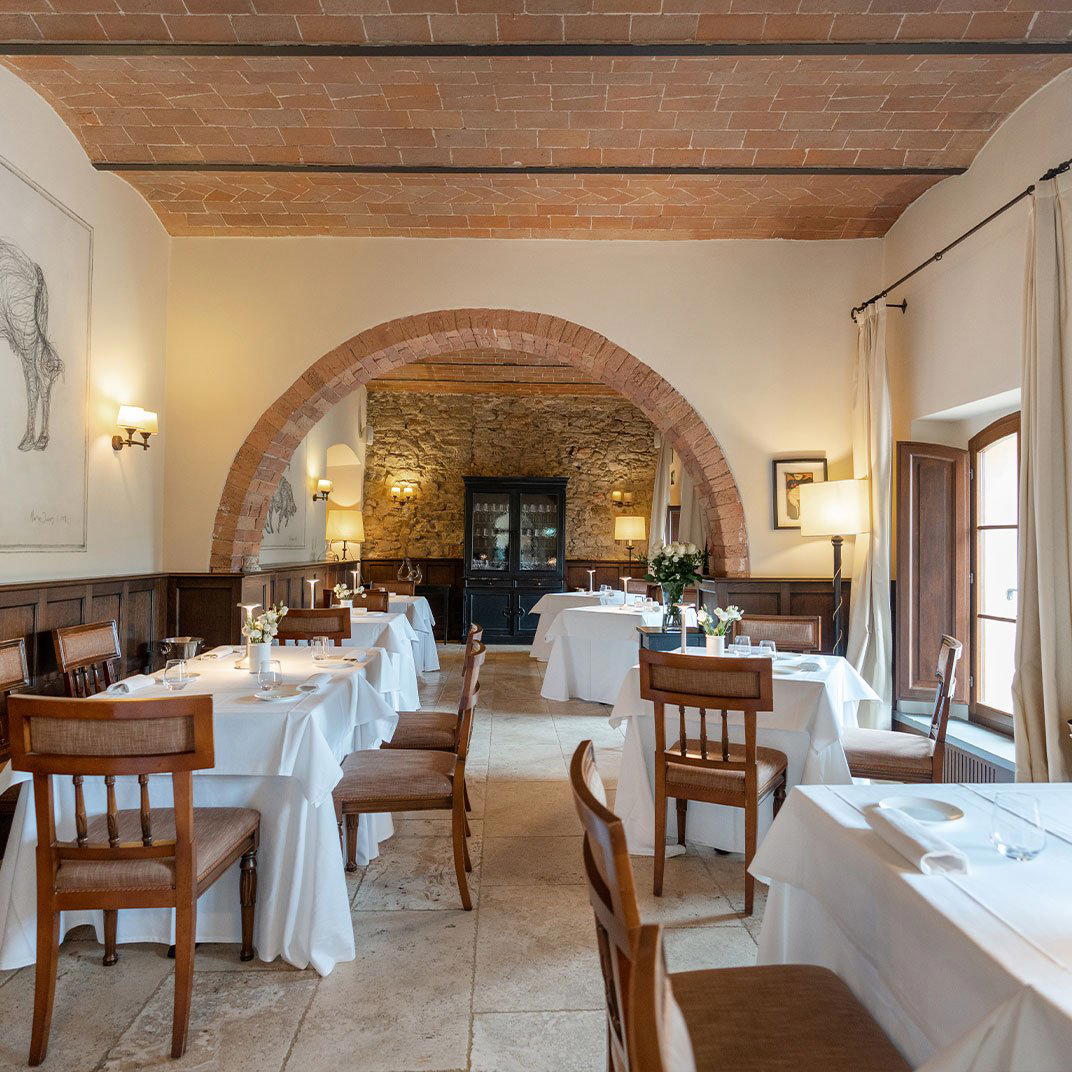
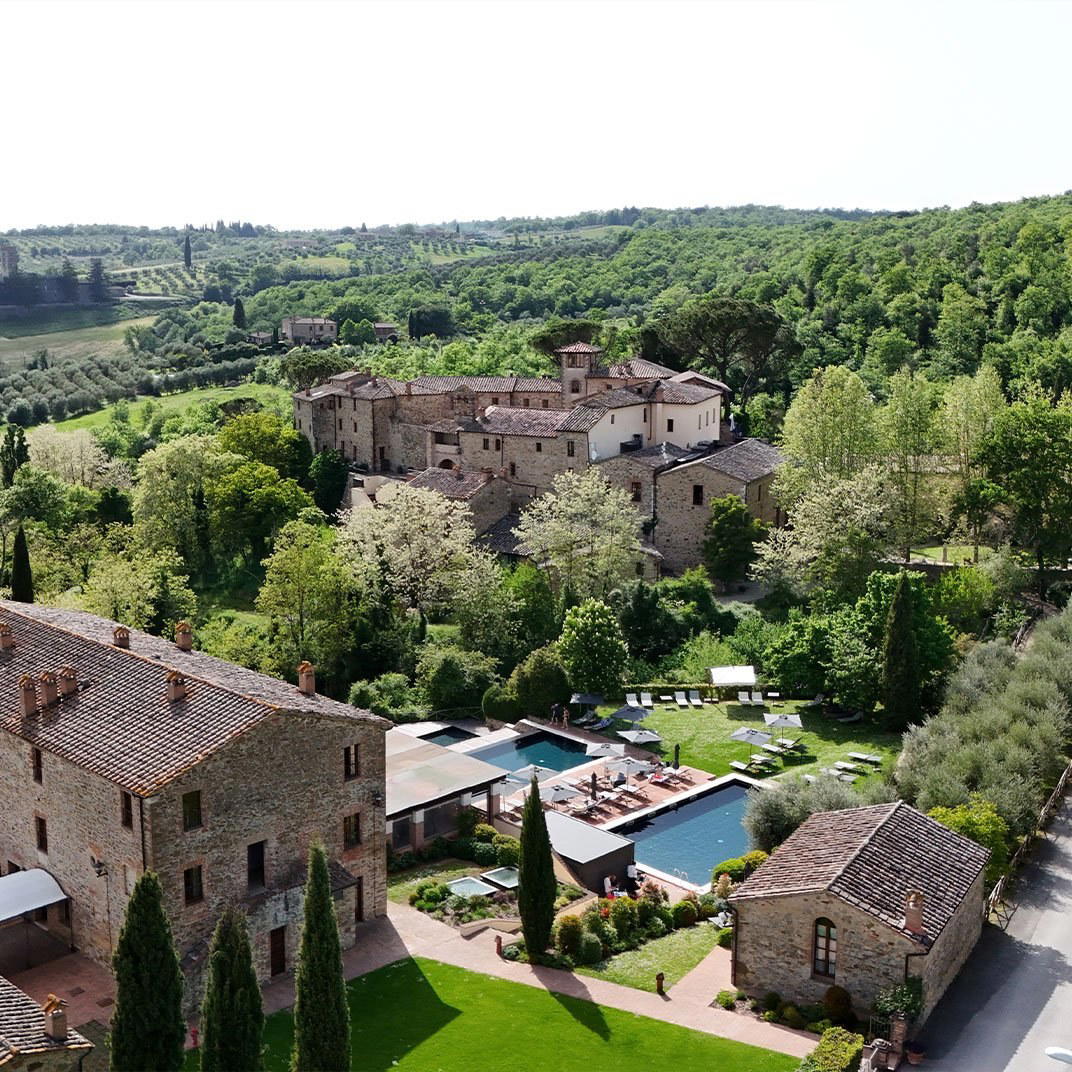
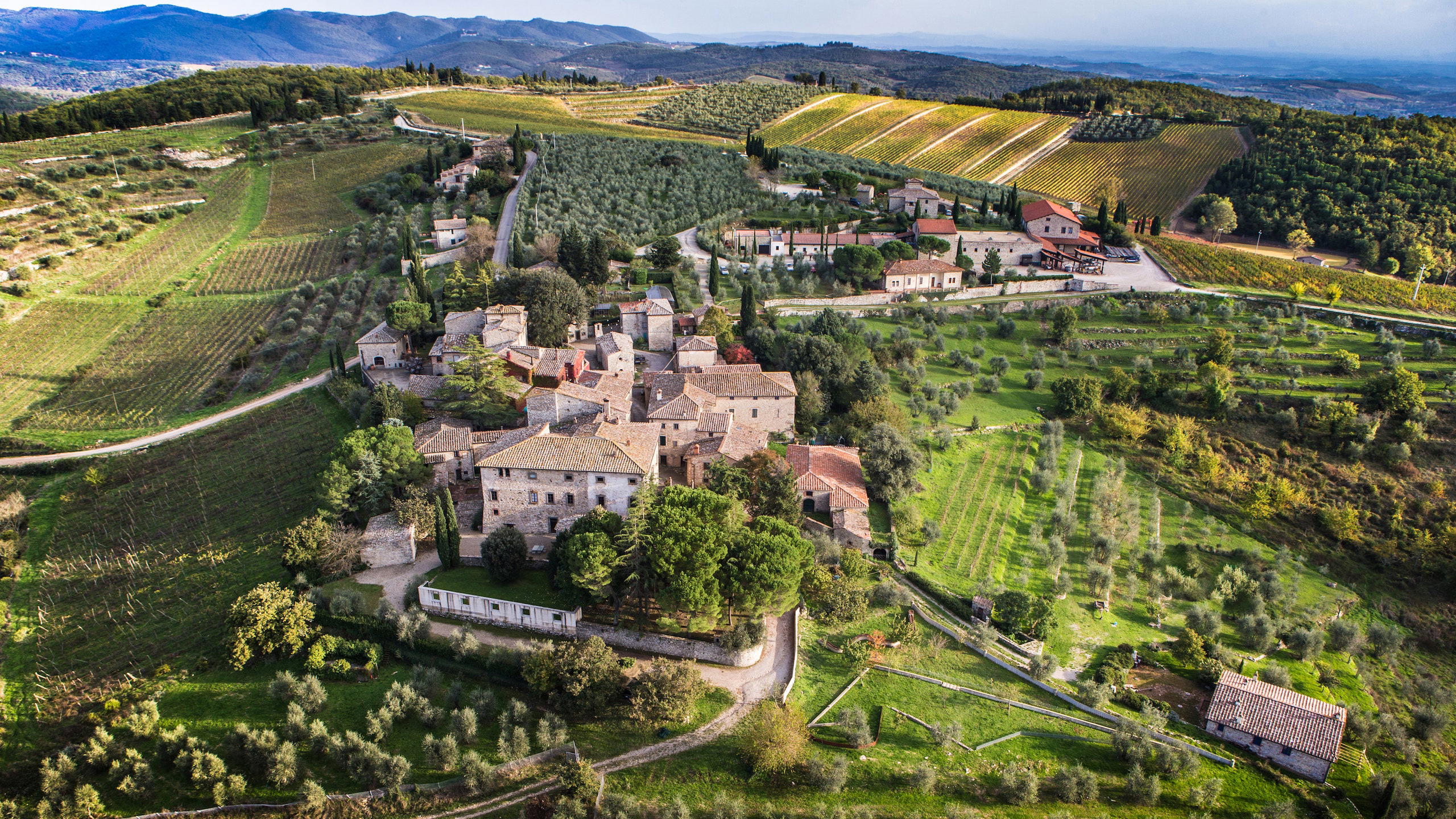
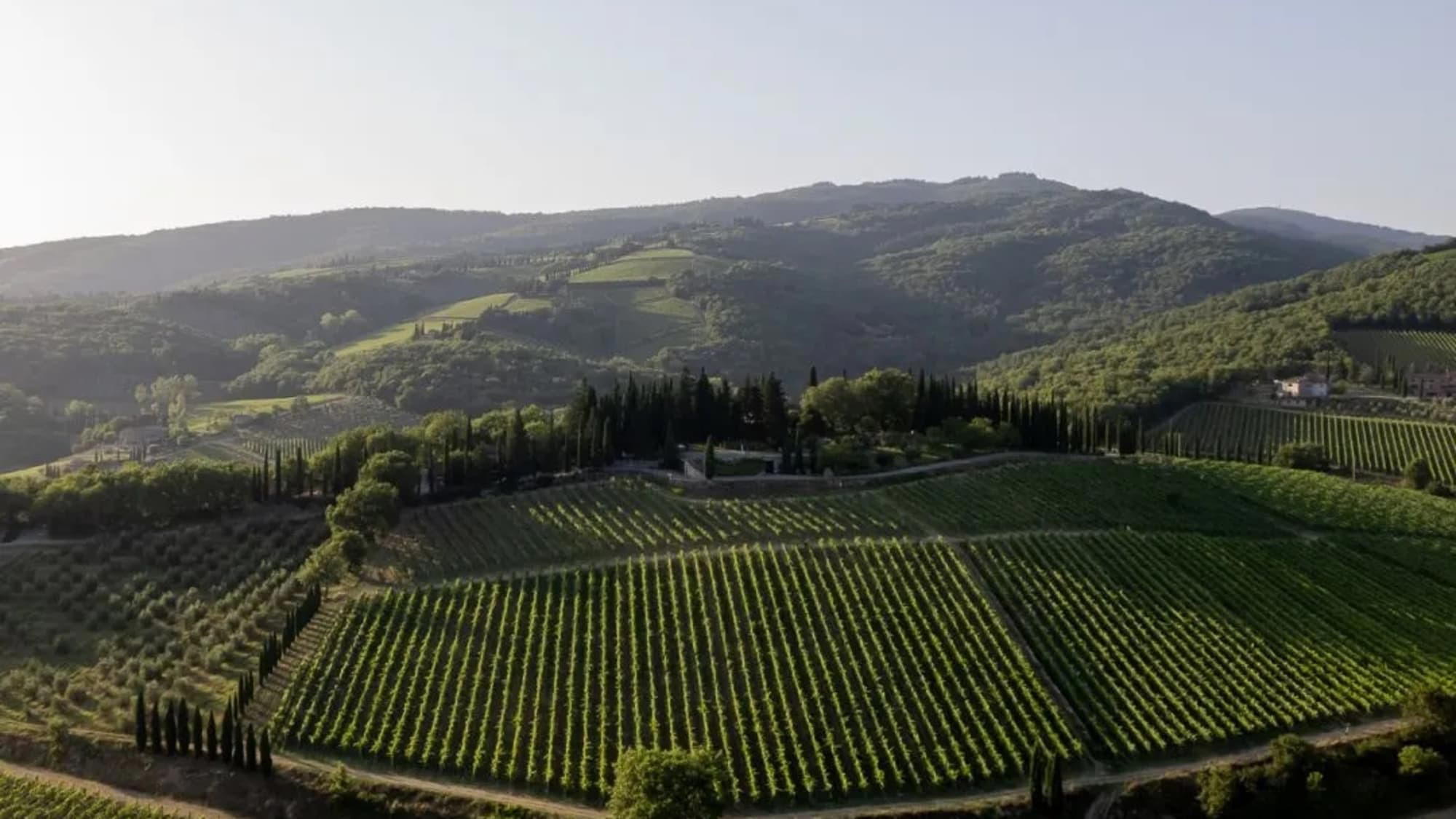
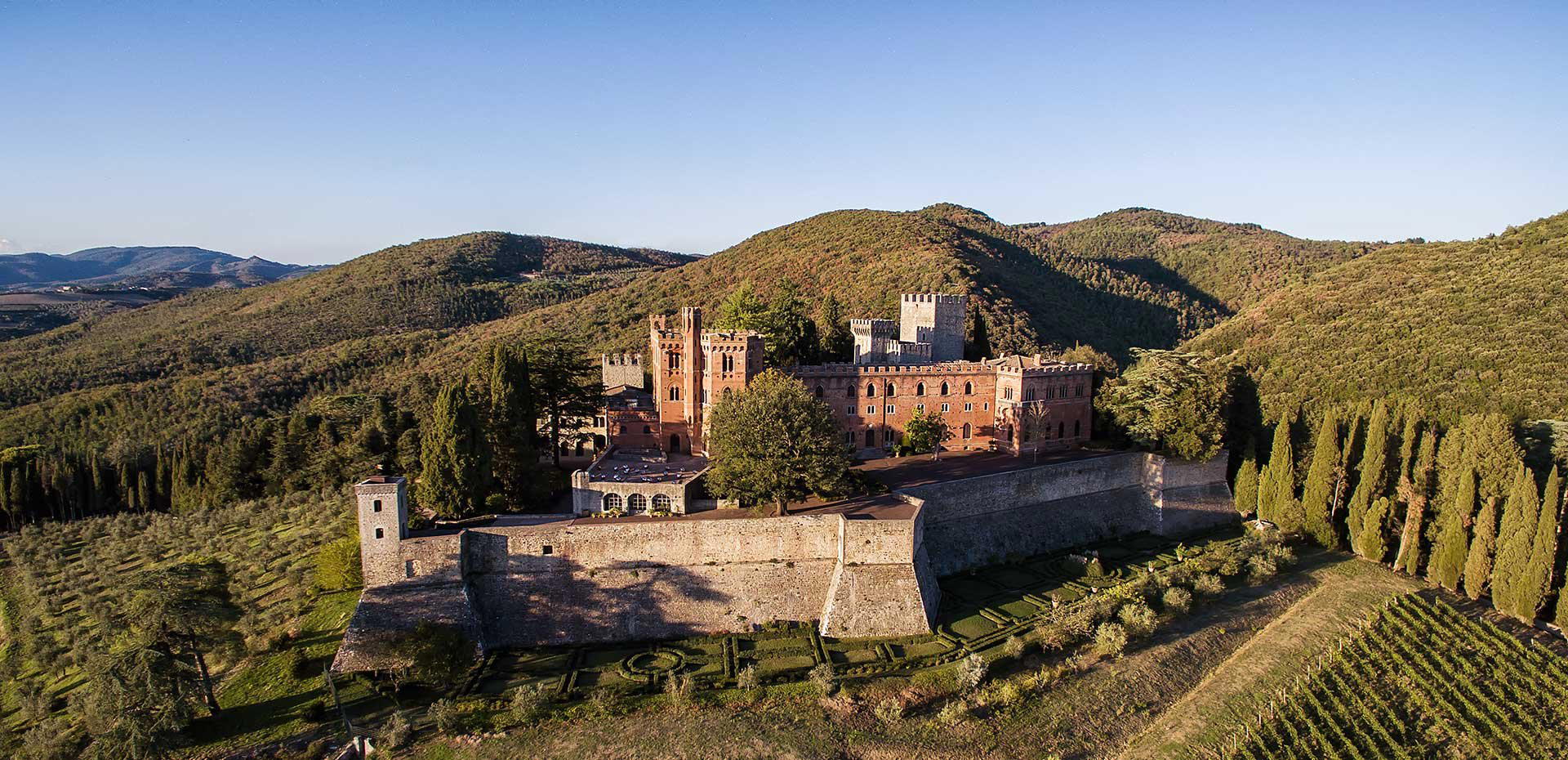
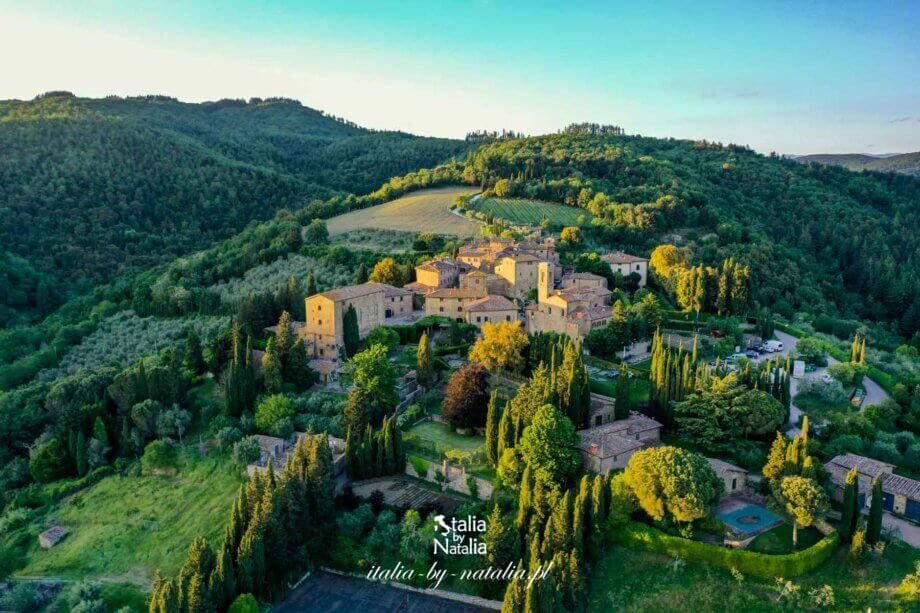
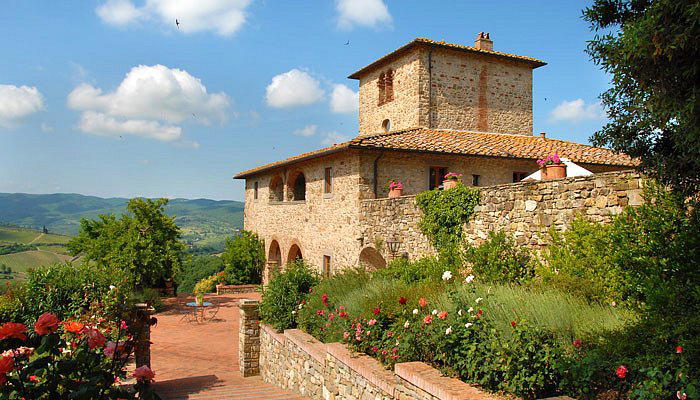
The road into Gaiole in Chianti climbs through vineyards and cypress lines before arriving at the Castello di Spaltenna, a fortified medieval complex whose dining room, Il Pievano, operates as something more than a hotel restaurant. In Tuscany, the conversion of sacred or agricultural architecture into fine-dining spaces has a long history, and the setting here, thick stone walls, courtyard shadows, the compressed stillness of a space that predates the region's modern wine boom by several centuries, frames a meal that is, in several ways, deliberately at odds with its surroundings. The kitchen holds one Michelin star, placing it inside a small cohort of rural Tuscan destinations where the cooking has moved beyond regional comfort and toward something more considered.
What makes that star meaningful in this context is less the recognition itself than what it signals about the supply chain. A kitchen working at this level in the Chianti hills is drawing from producers and growers who operate at a different standard than the trattoria trade. The sourcing decisions become the editorial thread of every plate: what comes from the Sienese countryside, what comes from further down the Italian peninsula, and how those ingredients are made to coexist.
A Kitchen at the Intersection of Three Traditions
Italian fine dining has spent the last decade working through a particular tension: the pressure to express terroir against the chef's personal and professional formation elsewhere. At Il Pievano, that tension is explicit rather than managed away. Antonio Iacoviello trained with the influences of Campania and international kitchens, and the three tasting menus on offer each stake out different territory within that biography.
"Ricomincio da tre" (I Start Again from Three) is the menu that draws most directly on southern Italian roots, a Campanian framework brought north. "Un amore carnale" (A Carnal Love) sits closer to the Tuscan context, built around meat and the valley's own agricultural character. "Sempreverde" (Always Green) is entirely plant-based, a format that has become a marker of seriousness in contemporary Italian fine dining, present at three-star houses like Osteria Francescana in Modena and Le Calandre in Rubano alongside their flagship meat-led programs. That Il Pievano offers three parallel and fully realized menus at the €€€€ price point, in a village of fewer than three thousand people, reflects how seriously the kitchen is treating its audience.
The sourcing philosophy that runs through all three menus is worth understanding before you choose. The Campanian menu arrives with ingredients that reference the volcanic soils of the south, different mineral profiles, different varieties than anything the Chianti Classico zone produces. The Tuscan meat menu, by contrast, is rooted in the nearby agricultural systems: the Chianina cattle that have defined this valley for centuries, the cured traditions of Siena, the game that moves through the Maremma and the Sienese hills in autumn. The plant-based menu draws most heavily on what the immediate Chianti zone actually grows in quantity: legumes, wild herbs, cultivated vegetables from the kitchen gardens attached to the estate and its neighbors.
This is the kind of sourcing that gives a tasting menu a geographic argument, rather than simply a sequence of courses. Each of the three formats reads as a different position on the same question: what does this corner of Italy actually produce, and what does it borrow?
The Wine Program and the Case for Guidance
Chianti Classico is one of Italy's most documented wine zones, with a DOCG structure, a Gran Selezione tier, and decades of producer comparison available to any serious wine drinker. A cellar of over 800 labels in this geography is not surprising; what matters is how it is organized and presented. Elisabetta, the sommelier overseeing the collection, operates in a region where the geography itself is the argument, the distinction between Gaiole, Radda, and Castelnuovo Berardenga communes produces measurable variation in the Sangiovese character, and a well-guided pairing at Il Pievano should reflect that.
The availability of by-the-glass options alongside a deep bottle list is a practical signal. At €€€€ price points, many comparable Italian fine-dining rooms, including the three-star houses like Enoteca Pinchiorri in Florence and Dal Pescatore in Runate, lean heavily toward curated pairing formats. The glass option here is less common at this tier and allows a more exploratory approach if you prefer to work through the cellar laterally rather than vertically.
For a kitchen drawing on Mediterranean and Asian influences alongside Tuscan Sangiovese, the wine pairings also face an interesting structural challenge. A Campanian menu built around volcanic-soil produce does not obviously pair with Chianti Classico, and a sommelier navigating those crossings needs range, which the 800-label collection, presumably reaching beyond Tuscany, provides.
The Courtyard and the Question of Season
In summer, the meal moves outdoors to the castle courtyard. This is not a rare feature in Tuscan estate dining, but at Spaltenna the architectural proportions of the medieval space change the experience in ways that matter. The stone walls retain the afternoon heat, the courtyard reduces ambient sound to something manageable, and the sky overhead frames the kind of evening that the Chianti hills produce in July and August, violet light at 9 PM, cooling air by the second course, fireflies in the garden perimeter.
The practical implication is that courtyard seating in summer may be more competitive than indoor service in the cooler months. A Thursday or early-week dinner in shoulder season (September, October) offers the leading balance of accessibility and the autumn produce that defines the Tuscan larder at its depth: porcini from the nearby forests, the first pressed olive oil from the Sienese hills, white truffles beginning to arrive from Alba and Norcia.
Positioning in the Broader Italian Fine Dining Circuit
Gaiole sits roughly 30 kilometers northeast of Siena, well outside the reach of Florence's day-trip radius. It does not appear on the standard Florentine dining circuit that connects Enoteca Pinchiorri to the city's other serious tables. This geographic remove is part of what defines the dining proposition: you are not stopping in on the way between cities. A meal at Il Pievano requires committing to the valley.
That commitment places it in a small comparable set of Italian fine-dining destinations that operate at serious culinary levels in rural or small-town settings: Reale in Castel di Sangro, which holds two Michelin stars in a similarly remote Abruzzo location; Quattro Passi in Marina del Cantone on the Amalfi peninsula; and Atelier Moessmer Norbert Niederkofler in Brunico, which operates at three-star level in the South Tyrolean mountains. In each case, the destination question answers itself: you go because the kitchen justifies the journey.
Planning Your Visit
Il Pievano serves Wednesday through Sunday, evenings only, from 7 PM to 9 PM. The €€€€ pricing positions it at the premium end of the Sienese dining range. Three tasting menus are available; the format will suit guests who want a structured progression through the kitchen's range rather than an à la carte selection. The wine collection of over 800 labels is guided by the on-floor sommelier, with by-the-glass options available for guests who prefer not to commit to a full pairing. Summer courtyard seating makes an outdoor booking in July or August worth requesting; autumn and winter meals move indoors to the stone-walled dining room.
In Context: Similar Options
Comparable venues nearby, for context on price, style, and recognition.
| Venue | Cuisine | Price | Awards | Notes |
|---|---|---|---|---|
| Il PievanoThis venue — the venue you are viewing | Modern Italian Fine Dining | $$$$ | Michelin 1 Star | |
| Il Poggio Rosso | Modern Mediterranean with Tuscan & Greek Influences | $$$$ | Michelin 1 Star | Castelnuovo Berardenga |
| Matteo Grandi in Basilica | Modern Italian Fine Dining | $$$$ | Michelin 1 Star | Piazza Dei Signori |
| Elementi | Modern Umbrian Fine Dining | $$$$ | Michelin 1 Star | Brufa |
| Esplanade | Michelin-Starred Italian Fine Dining | $$$$ | Michelin 1 Star | Desenzano del Garda |
| Casin del Gamba | Modern Regional Italian | $$$$ | Michelin 1 Star | Altissimo |
Continue exploring
More in Gaiole in Chianti
Restaurants in Gaiole in Chianti
Browse all →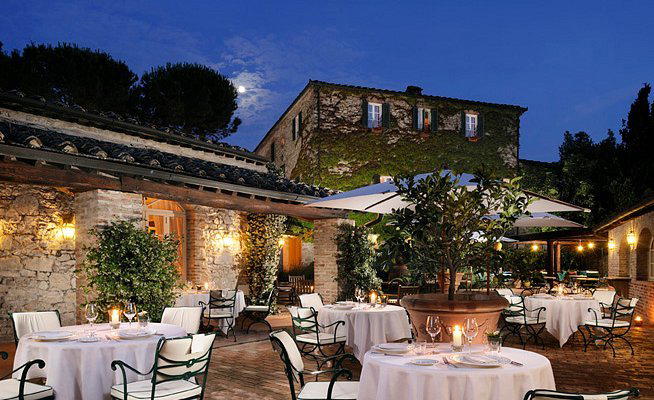
Bars in Gaiole in Chianti
Browse all →
Hotels in Gaiole in Chianti
Browse all →
At a Glance
- Elegant
- Romantic
- Rustic
- Intimate
- Sophisticated
- Date Night
- Special Occasion
- Celebration
- Historic Building
- Hotel Restaurant
- Courtyard
- Extensive Wine List
- Sommelier Led
- Local Sourcing
- Vineyard
- Garden
Elegant and striking rooms in an old Tuscan convent with courtyard dining, warm lighting, and a classy, luxurious atmosphere.