
Our verdict
A Michelin-starred trattoria in the hills outside Bologna, Amerigo operates from a converted village building in Savigno where the entrance passes through a shop selling local wines and preserves. The menu follows Emilian tradition closely, with tomato-free lasagne, pumpkin-filled pasta with game ragù, and tigelle flatbread served alongside 56-month-aged Mora Romagnola ham. Ranked 60th in the Opinionated About Dining Casual Europe list for 2024, it sits in a small category of starred restaurants that have resisted format drift.

Pearl is the En Primeur Club membership app, where members save venues, book tables and use the concierge.
The menu
What to order
- Imported Italian cheeses
- Artisanal truffles
- Daily-selected seafood
Where Emilia-Romagna Eats Without Apology
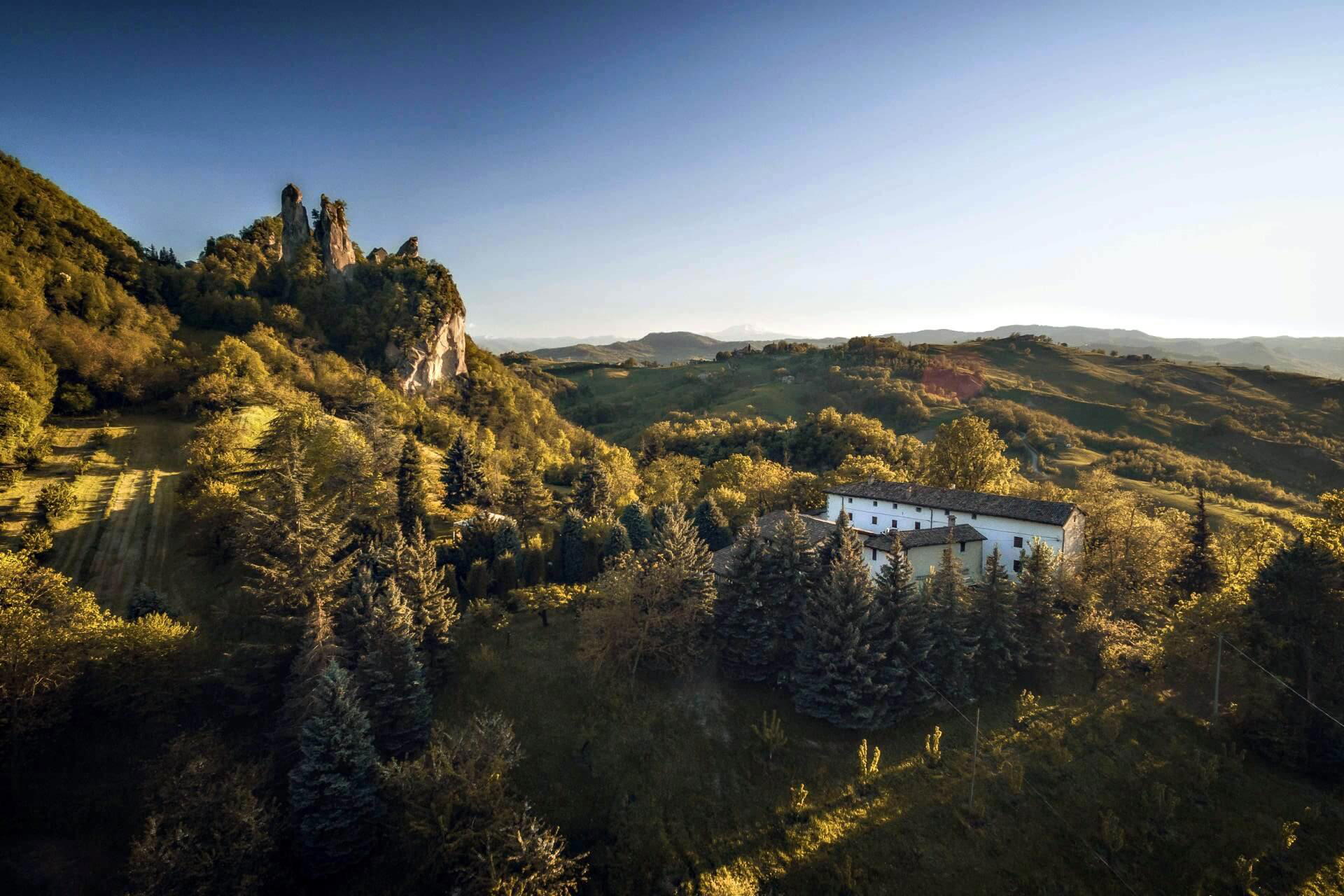
The Apennine foothills south of Bologna have always fed the city differently from the valley floor. Up here, in villages like Savigno, the kitchen relies on what the season and the altitude permit: truffles from the surrounding hills, game from the woodland above, and cured meats from pig breeds that have grazed these slopes for centuries. The trattoria format that holds all of this together is not a nostalgic affectation but a functional inheritance, and Amerigo, in Savigno's main square, represents one of the most rigorously maintained examples of that format in the region.
Emilia-Romagna occupies a specific position in Italy's culinary geography. It is the region that gave the country tortellini, tagliatelle, mortadella, and Parmigiano-Reggiano, and it has long regarded its own cooking with a seriousness that needs no external validation. The starred restaurant circuit here tends toward either reinterpretation (as at Osteria Francescana in Modena) or preservation, with very little middling ground. Amerigo sits firmly in the preservation camp, carrying a Michelin star it has held while changing remarkably little about its core identity.
The Room Before the Room
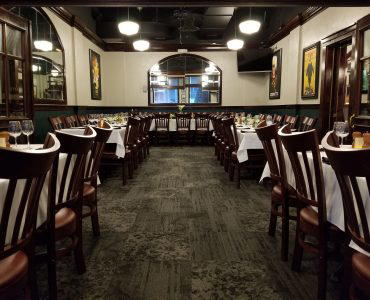
The entrance to Amerigo does not open directly into a dining room. Visitors pass first through a small shop selling the restaurant's own wines, preserved sauces, and local delicacies. This sequencing is deliberate in the way that all good hospitality sequencing is deliberate: it tells you what the place values before you sit down. By the time you reach the main dining room, and then the two further rooms on the first floor above it, the register has been set. One of those upper rooms was, in an earlier era, home to the first television in the village. It is now decorated with period objects that mark the passage of time without turning the space into a museum.
This kind of layered environment is more common in small-town northern Italy than in the major cities, where premium dining has largely converged on a cleaner, more stripped-back aesthetic. In Emilia, the accretion of history in a dining room is read as authenticity rather than clutter.
The Emilian Menu in Detail
Alberto Bettini's menu follows the Emilian calendar rather than a fixed repertoire. It changes with the seasons, though not radically: the same core dishes reappear in different registers depending on what is available. The lasagne, for instance, uses a tomato-free ragù and shifts its secondary element between local truffles and seasonal mushrooms depending on the month. Pumpkin-filled pasta appears with a game ragù. On the coldest days, tortellini arrives in chicken broth, in the most traditional presentation of a dish that Emilia has essentially claimed as its own.
These are not dishes that require explanation or apology. The tomato-free ragù is the older preparation, predating the widespread adoption of the tomato in northern Italian cooking. Serving it this way is not a provocation but a straight line back to the pre-Columbian pantry of the Apennines. Across the wider Italian dining scene, the tension between archaeological fidelity and contemporary interpretation runs through almost every serious kitchen. At Amerigo, the answer tilts clearly toward the former without becoming purely antiquarian.
The tigelle flatbread served alongside certain dishes is a detail worth noting. Tigelle is a Modenese speciality, a small round bread cooked between heated stone discs, and it appears here as an accompaniment to the 56-month-aged Mora Romagnola ham. That ham, from a heritage breed of black pig native to the Romagna Apennines, is cured for a period that extends well beyond the standard 24 or 36 months more common in commercial production. The result is a fat-to-protein ratio that reads differently on the palate, and its pairing with the tigelle is a specifically Apennine rather than broadly Italian gesture. The restaurant also produces sourdough bread in-house, which the awards description notes as excellent, completing a bread program that treats this course with the same seriousness as the pasta.
Critical Position and Awards Context
On the Opinionated About Dining Casual Europe ranking, it moved from 85th in 2023 to 60th in 2024, a trajectory that places it among the more closely watched casual restaurants on the continent. The OAD Casual ranking is a useful comparator here because it specifically rewards the kind of format discipline that higher-end rankings sometimes overlook: depth of sourcing, consistency, and rootedness in local tradition rather than technical ambition or visual presentation.
For context, starred Italian restaurants at the opposite end of the format scale, including Enrico Bartolini in Milan and Enoteca Pinchiorri in Florence, hold three Michelin stars and operate within a completely different price and experience architecture. Amerigo's single star in a trattoria format is a different kind of recognition, closer to the signal sent by Reale in Castel di Sangro or Uliassi in Senigallia in that it acknowledges a serious kitchen operating within a regional idiom rather than outside it.
Chef Igor Arachi leads the kitchen, working within a culinary identity shaped by Alberto Bettini's menu framework. In restaurants of this type, the named chef and the named menu author often represent different roles, with the long-serving family or founder's framework providing the identity and the working chef providing the execution. This is a well-established model in Emilian dining, where continuity of recipe and sourcing is often prioritised over individual culinary signature.
Savigno and Its Place in the Apennine Food Circuit
Savigno sits in the Sammartini valley, roughly 40 kilometres south-west of Bologna. It is small enough that a restaurant of Amerigo's calibre is genuinely consequential to the village's identity. The truffle market in the area, particularly for the Boletus and the local white truffle, draws buyers and chefs from the city during the autumn season, and the restaurant's position immediately off the main square places it at the centre of that seasonal economy. Diners travelling from Bologna specifically for this kind of meal are not unusual; the drive through the Apennine foothills is part of the expected experience for Bolognesi who take their regional cooking seriously.
This is a different dynamic from the one that applies in larger Tuscan towns, where multiple high-profile restaurants compete for the same tourist flow. In Savigno, Amerigo does not have direct competition at its price and quality level. This concentration of identity in a single address is both a strength and a constraint: the restaurant's reputation is tightly coupled to a very specific place and tradition, which makes it legible and trustworthy but also limits the breadth of its appeal to those who come specifically for Apennine Emilian cooking.
Planning a Visit
Amerigo opens Thursday through Friday evenings from 7:30 PM, with both lunch (noon to 4:30 PM) and dinner (7:30 PM to midnight) service on Saturdays and Sundays. Monday and Tuesday are closed. For those combining a visit with broader regional exploration, the Greve in Chianti area offers additional options across categories, including Vitique for contemporary cooking. A broader picture of the area's dining, accommodation, drinking, and wine options is available through our full Greve in Chianti restaurants guide, hotels guide, bars guide, wineries guide, and experiences guide.
The restaurant's address is Via Guglielmo Marconi 14/16, Savigno. The entrance through the shop means first-time visitors occasionally pause at the threshold, but passing through it is the correct path. For those with appetite for comparison across the Italian peninsula's more regional cooking traditions, Piazza Duomo in Alba, Quattro Passi in Marina del Cantone, and Atelier Moessmer Norbert Niederkofler in Brunico each represent a different regional axis, while Al's Number 1 Italian Beef in Chicago and Albergo Il Giglio in Scorgiano show how the Italian table translates across both the Atlantic and the Tuscan countryside.
Frequently asked questions
When is Amerigo open?
Hours at Amerigo: Monday closed Tuesday closed Wednesday 7:30 PM-12 AM Thursday 7:30 PM-12 AM Friday 7:30 PM-12 AM Saturday 12 PM-4:30 PM 7:30 PM-12 AM Sunday 12 PM-4:30 PM 7:30 PM-12 AM.
What part of town is Amerigo in?
Amerigo is located at Via Guglielmo Marconi, 14/16, 40053 Savigno BO, Italy, Greve in Chianti.
Fast Comparison
| Venue | Cuisine | Price | Awards | Notes |
|---|---|---|---|---|
| AmerigoThis venue (the venue you are viewing) | Contemporary Tuscan | $50–100 | Not listed | Not listed |
| Atelier Moessmer Norbert Niederkofler | Modern Alpine Fine Dining | $300–500 | 3 Michelin Stars · World's 50 Best #20 | Italian, Creative |
| Dal Pescatore | Classic Italian Fine Dining | $200–300 | 3 Michelin Stars · World's 50 Best #38 | Italian, Italian Contemporary |
| Enoteca Pinchiorri | Contemporary Italian Fine Dining | $200–300 | 3 Michelin Stars · World's 50 Best #32 | Italian - French, Italian Contemporary |
| Enrico Bartolini | Modern Italian Fine Dining | $300–500 | 3 Michelin Stars · World's 50 Best #85 | Creative |
| Osteria Francescana | Avant-Garde Italian Contemporary | $300–500 | 3 Michelin Stars · World's 50 Best #1 | Progressive Italian, Creative |
Recognition history
Dated appearances from independent guides and award organizations, with the underlying list record or original source where available.
Opinionated About Dining Casual in Europe Ranked #49
Opinionated About Dining
Full recognition history (3 entries)
Opinionated About Dining Casual in Europe Ranked #60
Opinionated About Dining
Opinionated About Dining Casual in Europe Ranked #85
Opinionated About Dining
Continue exploring
More in Savigno
Restaurants in Savigno
All restaurants in Savigno →
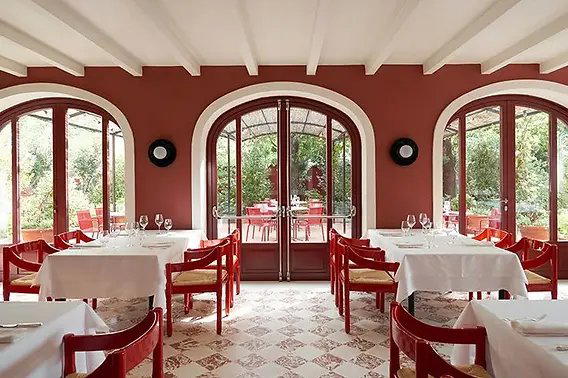
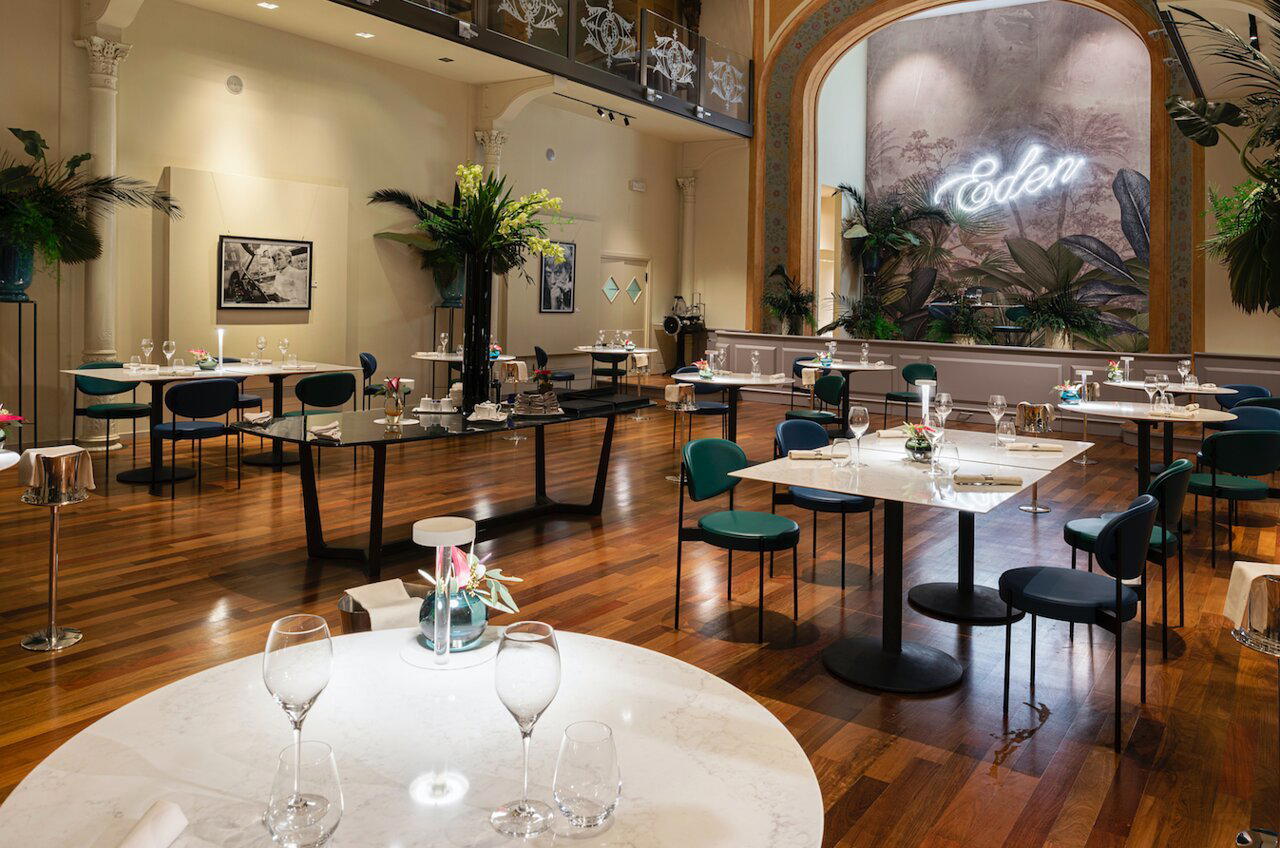
Bars in Savigno
Browse all →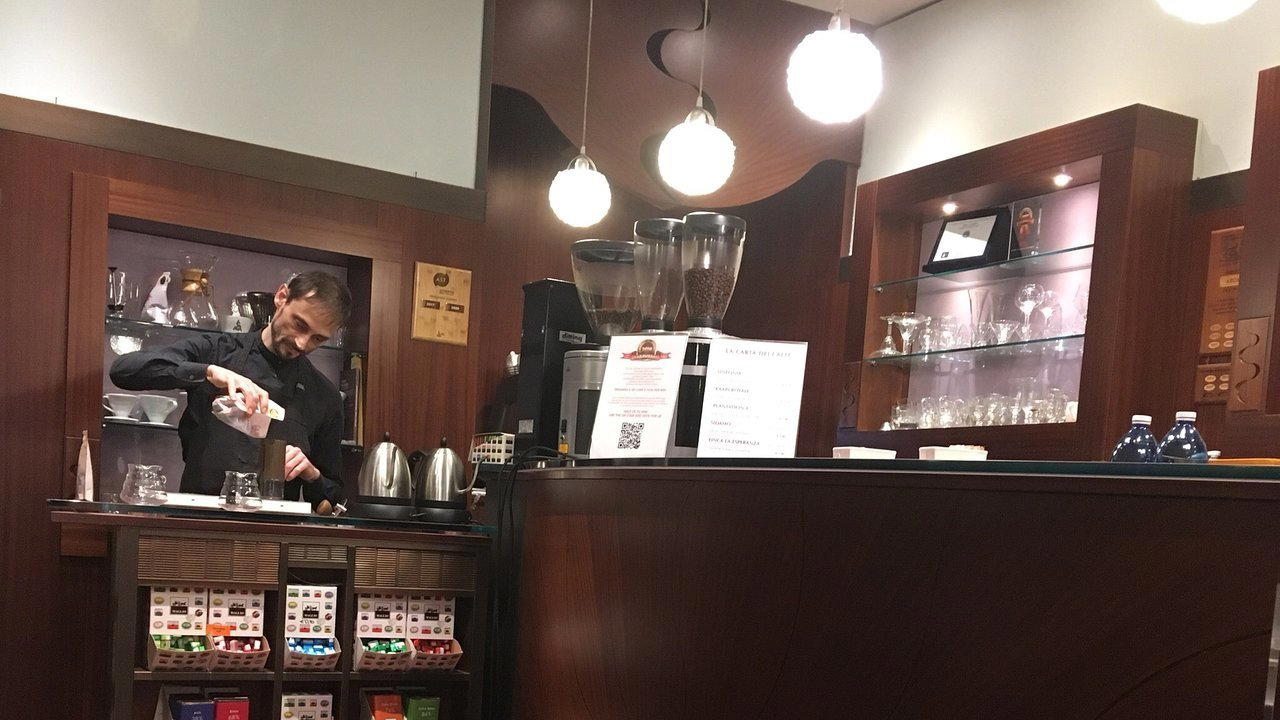
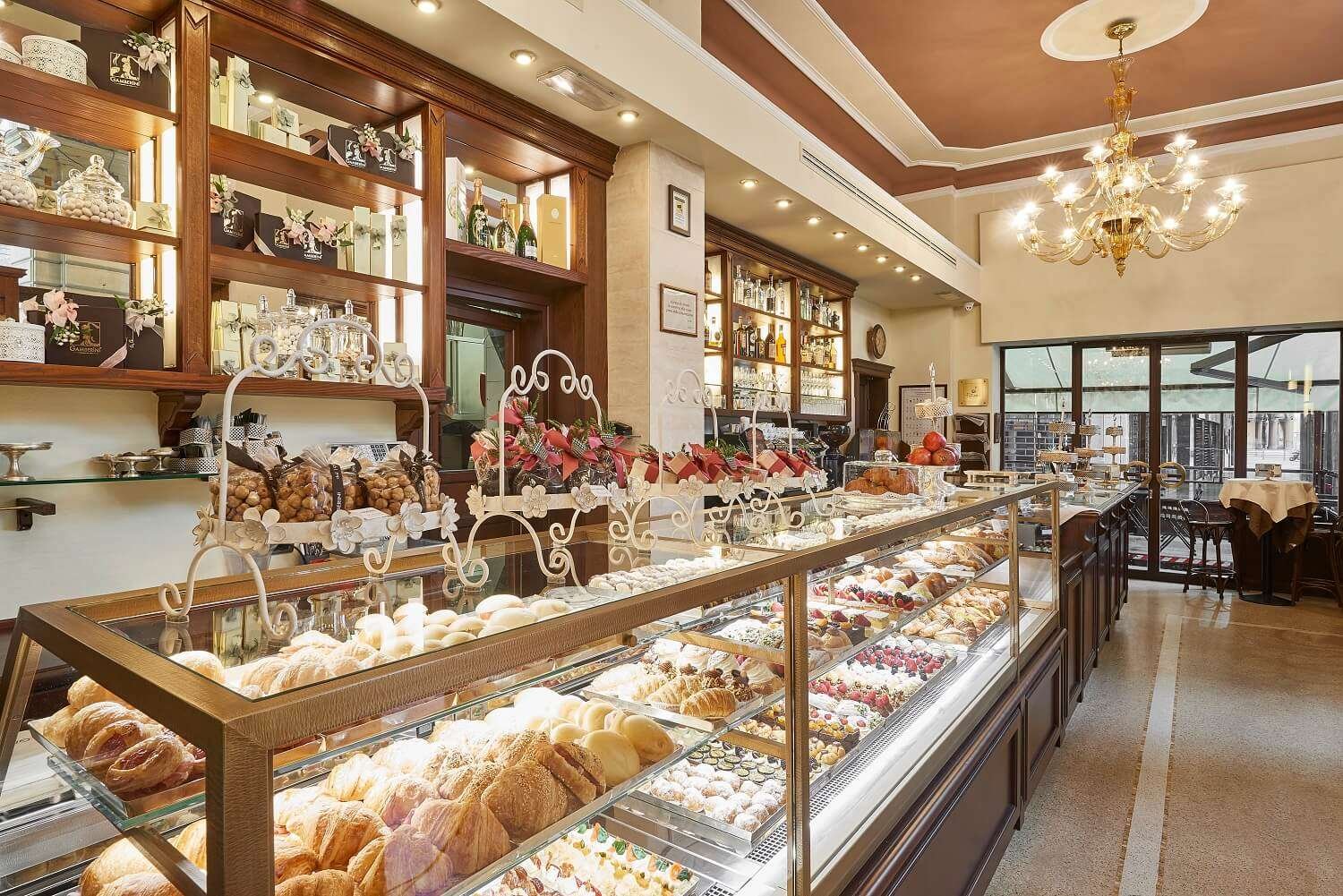

Details
- Elegant
- Romantic
- Classic
- Sophisticated
- Date Night
- Special Occasion
- Celebration
- Historic Building
- Open Kitchen
- Extensive Wine List
- Local Sourcing
- Farm To Table
- Vineyard
- A La Carte
- Tasting Menu
- Wine
- Vegetarian Friendly
- Allergy Accommodating
Current opening hours
- Monday
- Closed
- Tuesday
- Closed
- Wednesday
- 7:30 PM–12 AM
- Thursday
- 7:30 PM–12 AM
- Friday
- 7:30 PM–12 AM
- Saturday
- 12–4:30 PM, 7:30 PM–12 AM
- Sunday
- 12–4:30 PM, 7:30 PM–12 AM
Hours can change for holidays and private events. Hours as of .
Historic Renaissance setting with refined, contemporary atmosphere that blends culinary innovation with traditional Tuscan elegance.