1
Nassau, Bahamas
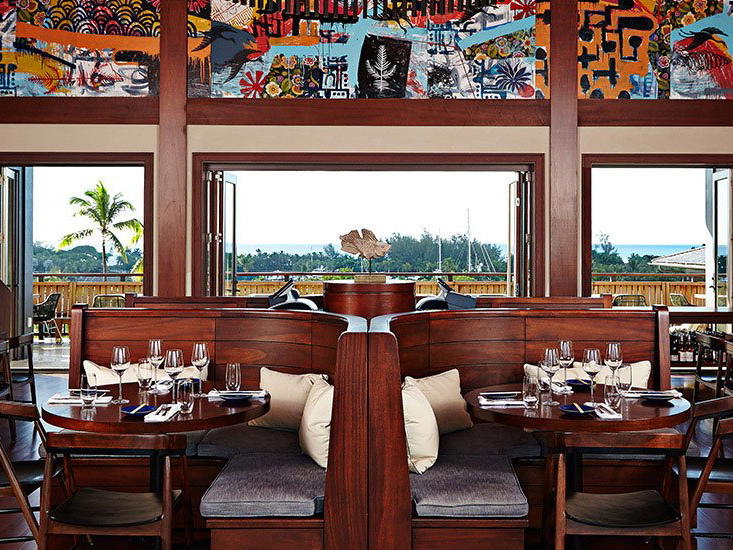
Shima
Shima brings a considered dining presence to Nassau's evolving restaurant scene, sitting within a city increasingly confident in its range from casual conch shacks to formal international tables.
Results
Nassau, Bahamas
Shima brings a considered dining presence to Nassau's evolving restaurant scene, sitting within a city increasingly confident in its range from casual conch shacks to formal international tables.

Cologne, Germany
On Limburger Strasse in Cologne's Belgisches Viertel, Shima Bistro occupies a position in one of the city's most food-literate neighbourhoods, where ingredient-led cooking and European bistro formats have taken firm hold. The address places it within walking distance of the quarter's broader dining circuit, where sourcing decisions and seasonal discipline increasingly define which restaurants hold repeat custom.
Kunigami District, Japan
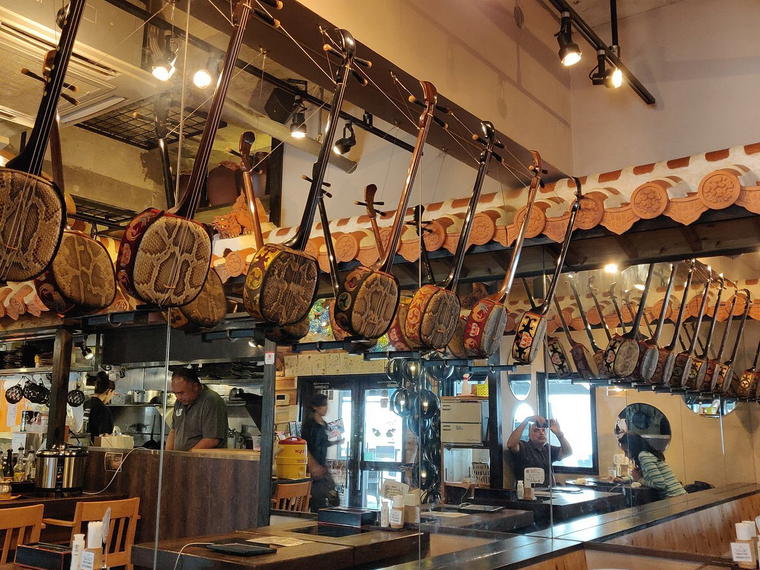
Shimabutaya Onna sits in Okinawa's Onna Village on the Kunigami District coastline, where the island's indigenous dining traditions — built around Ryukyuan pork culture and slow, communal pacing — meet a setting shaped by the East China Sea. The address alone, deep within Onna's rural stretch, signals a deliberate remove from the resort corridor that defines much of the Okinawan visitor experience.

Osaka, Japan
Shimanami French MURAKAMI serves modern French with Ehime influences, plus a sake program and quiet, formal pacing that suits lunch or dinner.

Osaka, Japan
Shimanouchi Ichiyo occupies a quiet address in Osaka's Chuo Ward, a neighbourhood where the density of serious dining rooms per city block rivals anywhere in Japan. The restaurant sits within the Shimanouchi district, a stretch of Minami that has long supported a tier of intimate, counter-led dining that trades on precision over spectacle. Visitors planning ahead should expect the booking conventions typical of Osaka's more considered mid-to-upper dining tier.

Miraflores, Peru
Shimaya 28 de Julio sits on Avenida 28 de Julio in Miraflores, a district where Nikkei and Japanese-inflected dining has become one of Lima's most closely watched culinary movements. The address places it within walking distance of the neighbourhood's main restaurant corridor, where competition from established Peruvian and Asian-fusion rooms is direct and the diner's expectations run high.

Del Mar, United States
Shimbashi Izakaya brings the informal, order-as-you-go rhythm of Japanese izakaya dining to Del Mar's Camino Del Mar strip. The format sits somewhere between a neighborhood bar and a serious Japanese kitchen, making it a practical counterweight to the coastal California dining defaults that dominate this part of San Diego County. Booking logistics and format expectations are worth understanding before you go.

Gilbert, United States
Shimogamo Sushi and Grill brings Japanese grill and sushi formats to Gilbert's Santan Village corridor, where the dining scene has grown well beyond its suburban-strip origins. The address places it within easy reach of the East Valley's expanding restaurant district, where it competes alongside both upscale steakhouses and farm-to-table concepts for the same dinner-night dollar.

Davie, United States
Shimuja serves Authentic Japanese Ramen in Davie with Satsuma Tonkotsu, Gyoza, and Pork Buns, plus a sake program for lunch or dinner in a conversational setting.

Tokyo, Japan
Shimura occupies Tokyo's serious end of the dining spectrum, where sourcing discipline and restraint define the kitchen's identity. The restaurant fits within a city tradition that prizes ingredient provenance over technique showmanship — a position that places it alongside some of Japan's most considered dining addresses. Booking in advance is advised for this quietly regarded table.
Los Angeles, United States
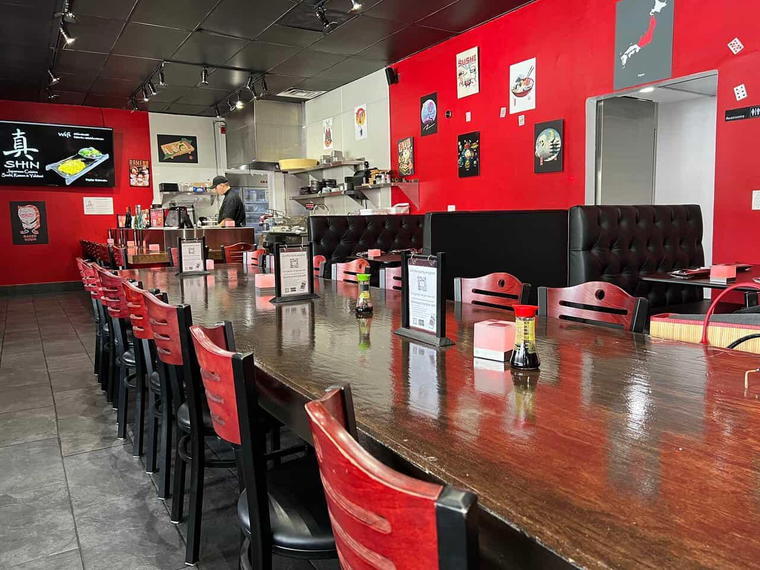
Shin occupies a notable address on North La Brea Avenue in Los Angeles, placing it within reach of the city's most competitive fine dining corridor. The restaurant draws attention from critics and reservation-hunters alike, situating itself among LA's upper tier of destination dining. Planning ahead is essential: demand at this level of the market consistently outpaces walk-in availability.
Los Angeles, United States
Shin Beijing is a practical Koreatown pick for Korean-Chinese group dining, casual celebrations, and takeout when convenience matters. The strongest fit is four or more people sharing à la carte staples, with private dining available and an easy booking profile. Skip it for tasting-menu dining or a quiet date-night room.
Indianapolis, United States
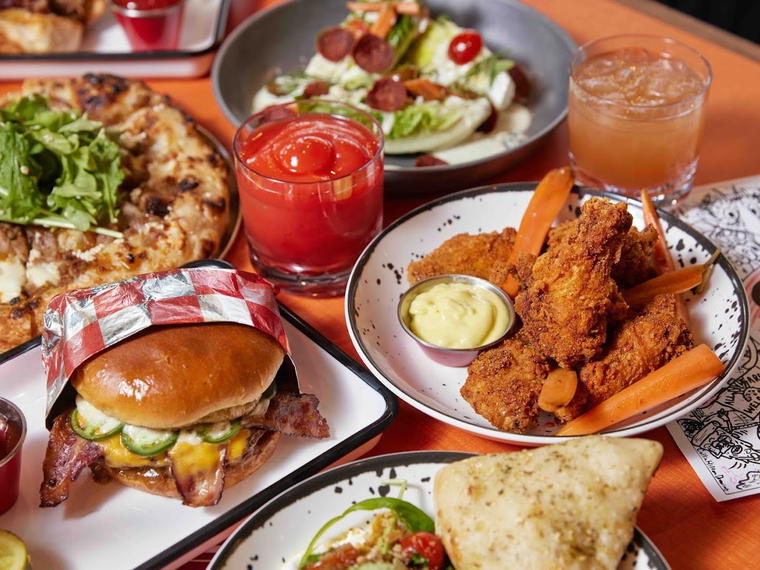
Shin Dig sits on Roosevelt Avenue in Indianapolis's near-westside, occupying a stretch of the city where neighborhood character and table culture intersect. With sparse public data available, the restaurant represents a strand of Indianapolis dining that operates below the radar of formal recognition circuits while serving a community that already knows where to find it. Visitors should call ahead or check locally for current hours and menu details.

Outram, Singapore
Shin Gi Tai occupies a second-floor address on Telok Ayer Street in Outram, positioning itself within one of Singapore's most competitive dining corridors. The name draws from a Japanese concept linking mind, technique, and body, signalling a kitchen with considered ambitions. For visitors planning ahead, the address and format warrant research before arrival.

Paris, France
Shin Izakaya on Rue des Ciseaux sits within a Saint-Germain dining corridor that has absorbed Japanese influence steadily over the past decade. Where comparable Paris addresses operate at €€€€ Michelin price points, Shin positions itself in the accessible izakaya register — small plates, shared formats, and a daytime rhythm that differs markedly from its evening service. A practical entry point into Paris's Japanese casual dining tier.

Hanover, Germany
Shin Ramen on Thielenplatz sits within Hanover's mid-tier dining scene as a ramen-focused address in a city better known for its fine-dining credentials. For visitors working through Hanover's eating options, it represents the casual end of a deliberately curated itinerary.

Windsor, Canada
Shin Shin sits on University Avenue West in Windsor, Ontario, where the city's cross-border dining culture shapes expectations on both sides of the Detroit River. The address places it within reach of a dense corridor of neighbourhood restaurants, from casual independents to more considered dining rooms. Windsor's proximity to a major American metro gives its restaurant scene a competitive edge that most mid-sized Canadian cities lack.

New York City, United States
On a residential stretch of Greenwich Avenue in the West Village, Shin Takumi Omakase brings the counter-format discipline of Japan's premium omakase tradition to one of New York's most competitive dining tiers. The address places it among a small cohort of serious Japanese tasting rooms that operate far from the Midtown tourist circuit, where sequence, sourcing, and restraint carry more weight than spectacle.
Annandale, United States
Shin-Chon Sul Lung Tang is worth choosing when the group wants Korean beef-bone soup, cold noodles, dumplings, and a casual Annandale meal without reservation stress. It is better for family dinners, solo bowls, and relaxed group meals than for formal celebrations or cocktail-led nights.

Gardena, United States
Shin-Sen-Gumi 2GO operates on Western Avenue in Gardena, sitting within one of Southern California's most concentrated corridors of Japanese food culture. The quick-service offshoot of the broader Shin-Sen-Gumi group brings the brand's Hakata ramen and Japanese comfort food tradition into a takeout-forward format, serving a neighborhood where Japanese dining fluency among diners runs unusually high.

Gardena, United States
Shin-Sen-Gumi Hakata Ramen on West Redondo Beach Boulevard sits within Gardena's dense corridor of Japanese food specialists, where the focus is tonkotsu in the Hakata style: cloudy pork-bone broth, thin straight noodles, and a customization system that puts the diner in control. It is the kind of counter-casual format that has defined the Shin-Sen-Gumi name across Southern California for decades.

Fountain Valley, United States
Shin-Sen-Gumi Robata & Yakitori brings the focused discipline of Japanese charcoal cookery to Fountain Valley's Brookhurst Street corridor, where the robata grill sets the pace and the yakitori skewers anchor a menu built around fire and precision. Part of a Southern California group with deep roots in Japanese grill culture, it occupies a distinct tier in the area's Japanese dining scene — more specialized than a standard izakaya, more casual than a kaiseki counter.

Gardena, United States
Shin-Sen-Gumi Shabu-Shabu on Artesia Boulevard has been a fixture of Gardena's Japanese dining scene for years, drawing regulars for its communal hot-pot format and the particular ritual of thinly sliced beef meeting simmering broth at the table. The restaurant sits in the South Bay corridor that functions as one of Los Angeles County's most concentrated zones of authentic Japanese cooking, and it holds its own in that company.
Los Angeles, United States
A practical Little Tokyo pick for casual yakitori, ramen, sake, and beer in a lively open-kitchen-style setting. Book it for group dining, solo meals, family dinners, or a late-night Japanese stop; skip it if the priority is quiet conversation, private dining, or a formal tasting-menu experience.
Monterey Park, United States
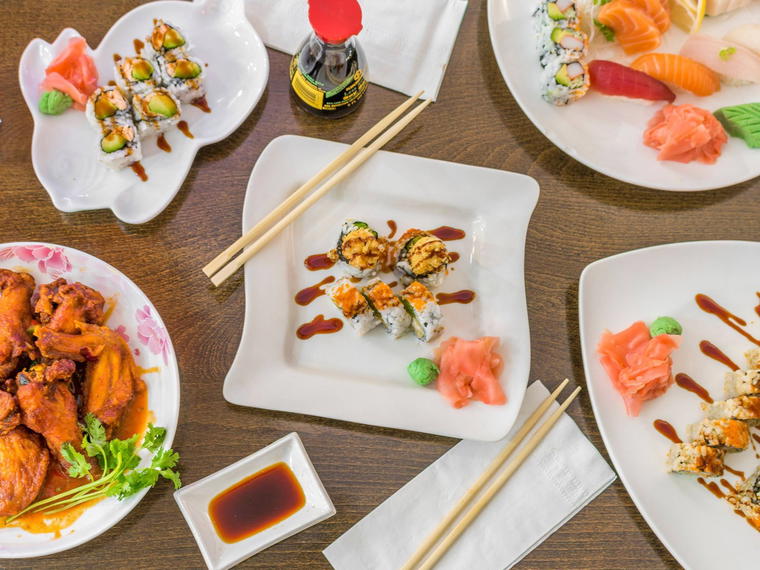
Shinano sits on South Atlantic Boulevard in Monterey Park, a city whose dining scene draws serious eaters from across the San Gabriel Valley.

Morro Bay, United States
A low-key cafe on Morro Bay Boulevard, Shine Cafe sits in a coastal town where the dining culture leans toward honest, unfussy meals eaten close to the water. Morro Bay's café circuit rewards the unhurried visitor, and Shine fits naturally into that rhythm — a neighborhood stop where the pace of the Central Coast sets the terms of the meal.
Annandale, United States
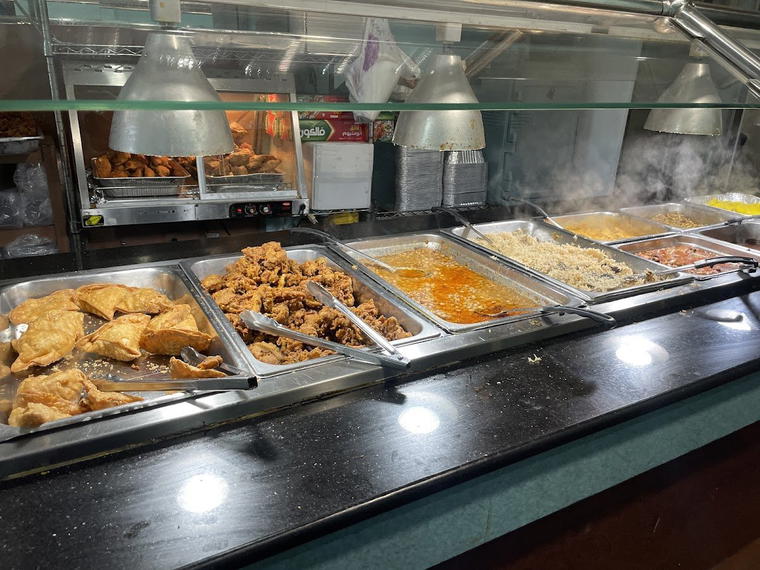
Shiney's Sweets & Restaurant on Markham Street sits inside Annandale's densely packed South Asian dining corridor, where sweets counters and full-service restaurants operate in the same room and often the same menu. The format follows a tradition common across the subcontinent: mithai displayed upfront, hot food served at tables in the back. A practical, no-ceremony stop with genuine regional reach.
Roseville, United States
Shinhwa Korean Steakhouse is worth booking for a lively, casual Korean BBQ and hot pot meal built around tabletop grilling, iPad ordering, and robot servers. At $45 per person, the value is strongest for groups that want variety across marinated meats, hot pot, vegetables, noodles, and sauces rather than a quiet, chef-led dinner.
Toronto, Canada
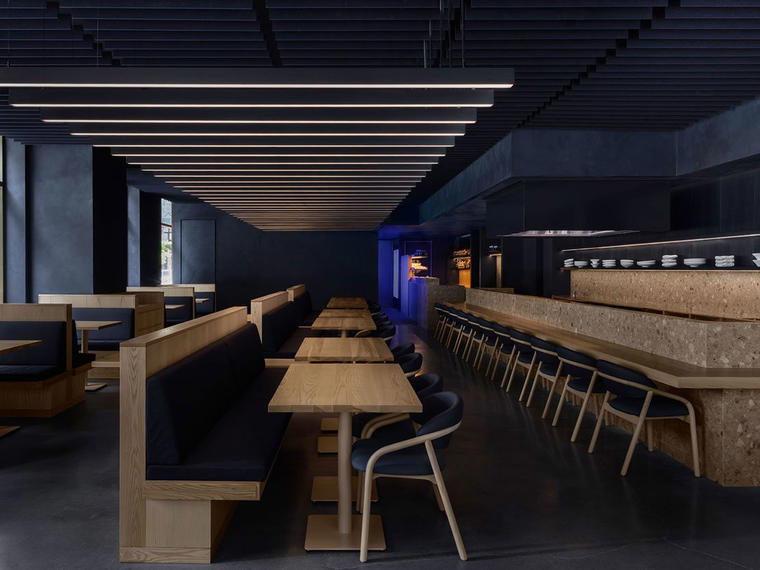
Shinji is worth booking when the night calls for a polished Japanese steakhouse rather than a quick dinner. The value is strongest for groups, dates, and business meals built around wagyu, sushi, seafood, sake, cocktails, whisky, and wine, with leisurely pacing and smart casual energy in Toronto’s Financial District.

Tokyo, Japan
Among Shinjuku's fruit-forward dining institutions, Takano Fruits Parlor occupies the fifth floor of the Takano building on Shinjuku-dori, where Japan's premium fruit culture moves from produce retail into plated form. The parlor format — a distinctly Japanese category sitting between patisserie and restaurant — translates the country's obsession with gift-grade fruit into a structured, seasonal menu experience that has few direct Western equivalents.
Sydney, Australia
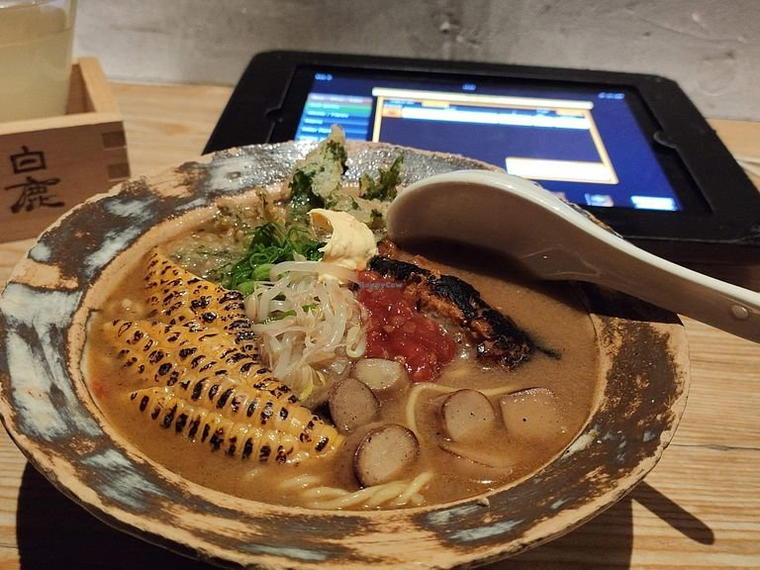
Shinmachi Newtown sits on King Street in one of Sydney's most food-literate neighbourhoods, where the strip's long-running mix of cuisines has made locals harder to impress and more reliable as a barometer of quality. The venue occupies a position in Newtown's mid-tier dining scene where consistency and kitchen identity matter more than spectacle or ceremony.
San Diego, United States
Book Shino Sushi + Kappo for a quiet, adult sushi dinner in Little Italy, especially if sake, omakase flexibility, and toro-forward ordering matter more than a loud scene. At $75 per person with smart-casual expectations, it fits date night, business dinner, solo dining, and small celebrations better than family meals or wine-led dinners.

Dallas, United States
Shinsei Restaurant on Inwood Road has held a firm place in Dallas's serious dining conversation for years, threading Japanese technique and Pan-Asian sensibility through a menu that reads as both confident and considered. The room draws a loyal, knowledgeable crowd in a city that has grown steadily more sophisticated about Asian-influenced fine dining. For a full picture of the Dallas scene, see our Dallas restaurants guide.

Vancouver, United States
Shinsen Sushi sits on West Columbia Way in Vancouver, Washington, a city whose dining scene has quietly developed a tier of serious Japanese restaurants operating in the shadow of Portland to the south and Vancouver BC to the north. For visitors planning around the Pacific Northwest sushi circuit, it represents a local entry point worth understanding before you book.

Kampong Seila, Cambodia
Shinta Mani Wild sits deep in the Cardamom Mountains of Kampong Seila, operating as a tented camp where the surrounding rainforest determines the rhythm of every meal. The property belongs to a category of conservation-linked stays where sourcing from the ecosystem is not a marketing position but a structural constraint. For travellers prepared to commit to the journey, the experience connects dining to landscape more directly than almost any comparable property in Southeast Asia.
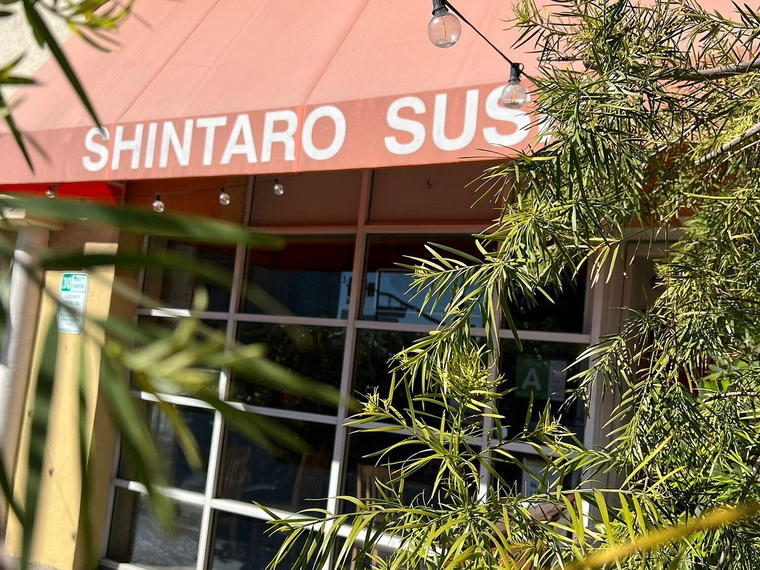
Los Angeles, United States
Shintaro occupies a quietly considered address in the Hollywood Hills corridor at 1900 Highland Ave, where Los Angeles's appetite for precision Japanese dining continues to deepen. The room sits within a city that now sustains multiple serious omakase and kaiseki operations, and Shintaro positions itself inside that conversation. Diners seeking structured, team-led service in the Japanese tradition will find the format here worth tracking.
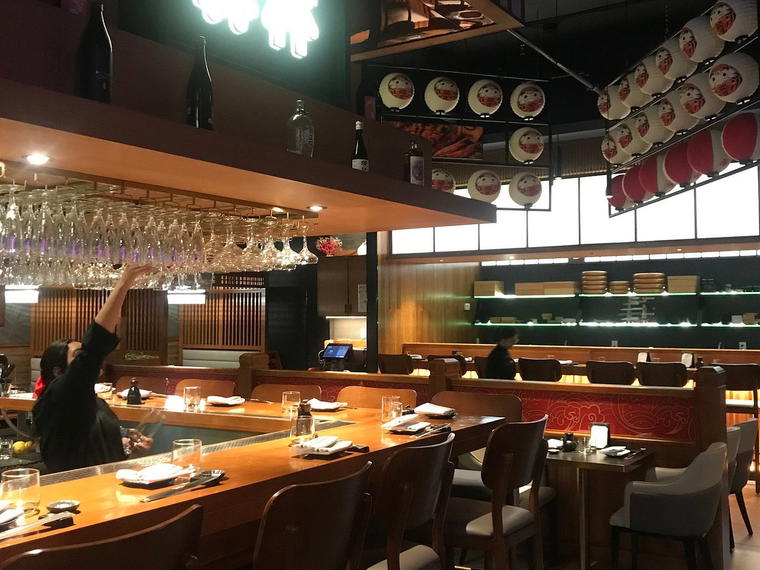
Washington DC, United States
Shinwa Izakaya brings the unhurried rhythms of Japanese drinking-dining to Washington, D.C.'s upper Northwest corridor, at 11 Ridge Square NW. The format sits within a growing tier of serious izakaya operations in American cities that treat the form as a complete dining tradition rather than a bar-food shortcut. For D.C. diners who have moved through the city's tasting-menu circuit, Shinwa offers a different kind of structured evening.

Tokyo, Japan
Salt, Clarity, and the Quiet Art of Shio Ramen There is a particular kind of Tokyo ramen shop that announces itself through restraint rather than spectacle. No neon-lit photo walls, no queue management app, no broth theatre staged for social...

Berlin, Germany
Shiori occupies a quiet stretch of Max-Beer-Strasse in Mitte, positioning itself within Berlin's small tier of Japanese-influenced fine dining. The address places it close to the creative restaurant cluster around Rosenthaler Platz, where the city's more considered dining options tend to gather. Precise booking intel and menu details remain closely held, which itself signals something about the format.
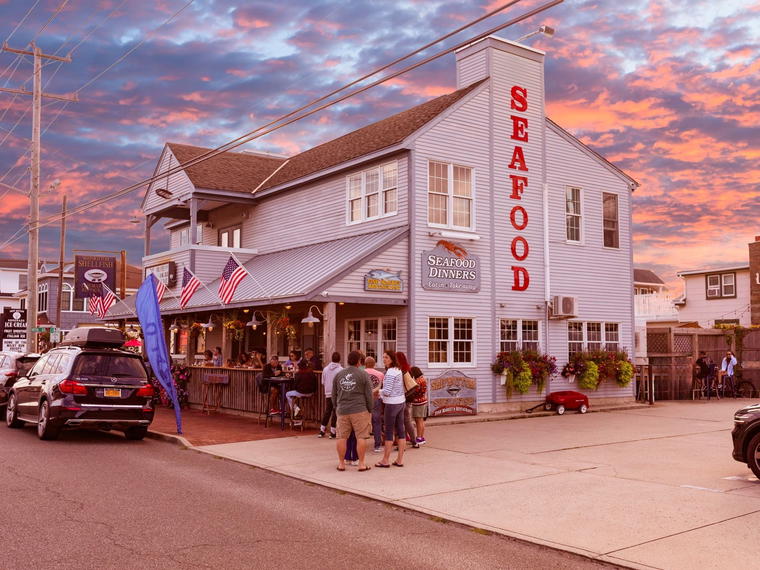
Ship Bottom, United States
Ship Bottom Shellfish is the practical pick for casual LBI seafood: walk-in friendly, about $30 per person, and built around clams, crab, mussels, chowder, and flounder. Go for a relaxed family meal, solo seafood lunch, or easy group dinner, not for a tasting-menu occasion or polished fine-dining service.

Kingston, United States
Book Ship to Shore for a polished, low-risk meal on Kingston’s Rondout Waterfront, especially when the group wants seafood, steak, pasta, and bistro staples in one place. The $$ pricing, historic storefront, a la carte format, outdoor seating, and group-friendly setup make it strongest for brunch, dinner, business meals, dates, and family celebrations.

Tobermory, Canada
Shipwreck Lee's is worth choosing when the group wants casual seafood, all-you-can-eat fish and chips, and a pirate-themed setting that keeps kids engaged. At about $25 per person, it is built for easy lunches, family dinners, and relaxed group meals in Tobermory rather than quiet date nights or cocktail-focused occasions.

Alameda, United States
Shirasoni operates out of Alameda's emerging 5th Street corridor, occupying a position in the city's growing roster of destination dining. With a focus on collaborative service and an approach that rewards repeat visits, it sits alongside Alameda's wider shift toward more considered, full-experience hospitality. Check directly for current hours, pricing, and booking availability.

Horley, United Kingdom
Shiraz on Massetts Road occupies a particular position in Horley's dining scene: a neighbourhood restaurant operating in a commuter town that sits minutes from Gatwick Airport, where the expectation for a reliable, ingredient-led meal is often higher than the surroundings might suggest. For travellers and locals alike, it offers a grounded alternative to airport-adjacent dining defaults.

Los Angeles, United States
Shirley Brasserie brings modern French brasserie cooking to the Hollywood Roosevelt, with escargots, boeuf bourgignon, and branzino for a leisurely dinner or brunch.

English Harbour, Antigua and Barbuda
Shirley Heights Lookout sits above English Harbour on one of Antigua's most historically charged promontories, where 18th-century British fortifications give way to panoramic views across the Caribbean Sea. The site draws both day visitors and sunset-crowd regulars, making it a reference point for understanding how Antigua packages its colonial heritage alongside open-air dining and live music on the hillside.
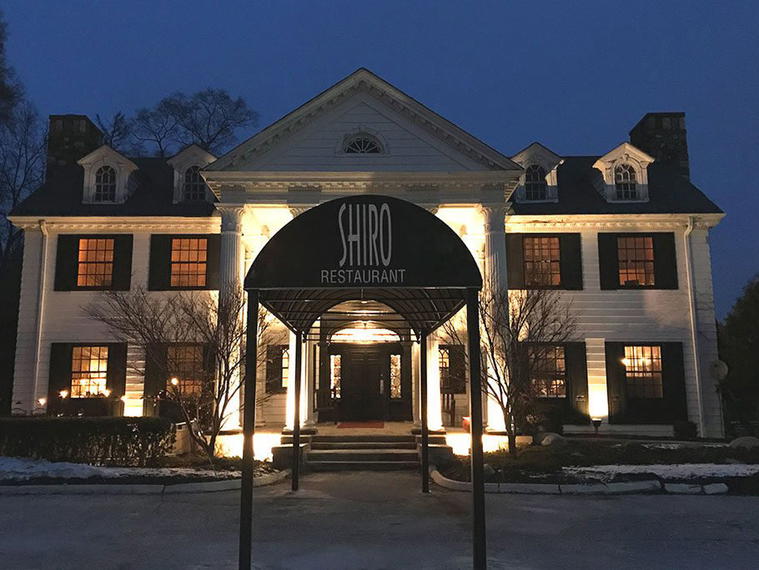
Novi, United States
Shiro sits on West 9 Mile Road in Novi, Michigan, operating within a suburban dining corridor that has quietly built a more serious restaurant culture than its surroundings might suggest. The address places it within reach of metro Detroit's broader dining circuit, making it a relevant stop for anyone working through the area's better tables. Check current hours and booking availability directly before visiting.

South Pasadena, United States
Shiro has anchored the dining conversation in South Pasadena for years, drawing guests who track serious cooking in the San Gabriel Valley rather than defaulting to the westside. The address on Mission Street places it within a small-town commercial strip that belies the kitchen's ambition. For the South Pasadena dining scene, it represents a consistent reference point against which newer arrivals are measured.

London, United Kingdom
Shiro Sushi occupies a prominent address at 100 Broadgate in the City of London, placing Japanese counter dining within the Square Mile's dense professional district. Where London's upper-tier sushi venues tend to cluster in Mayfair or Knightsbridge, Broadgate signals a different kind of positioning: proximity to finance rather than tourism, with a lunchtime crowd that knows exactly what it wants.

Edinburgh, United Kingdom
Shish sits on Potterrow in Edinburgh's Southside, drawing a loyal neighbourhood crowd that returns not for occasion dining but for the kind of consistency that builds genuine regulars. Located close to the University of Edinburgh campus, it occupies a part of the city where informal eating and serious food coexist on the same street. For Edinburgh's wider fine-dining context, see our full guide to the city's restaurant scene.

Saint Paul, United States
On Grand Avenue in St Paul's Highland Park neighborhood, Shish occupies a position in the city's Middle Eastern dining conversation that rewards those who plan ahead. The address at 1668 Grand Ave places it within a walkable stretch of independent restaurants including Cafe Latte and Highland Grill, making it a natural anchor for an evening on the avenue.

Tucson, United States
On East Broadway Boulevard, Shish Kebab House of Tucson represents a strand of Middle Eastern cooking that has held a quiet, consistent presence in a city better known for its Mexican and Sonoran food traditions. The restaurant draws on the kebab-centered grill traditions of the Levant and broader Mediterranean, offering Tucson diners a clear alternative to the dominant regional cuisines that define the city's dining identity.

Rio de Janeiro, Brazil
Shiso occupies a Barra da Tijuca address on Avenida Lúcio Costa, positioning it outside Rio's traditional fine-dining corridor yet within reach of the city's growing west-zone restaurant conversation. The name signals Japanese influence in a city that hosts one of the largest Japanese diaspora communities outside Japan, placing it inside a specific and underexplored niche in Rio's broader dining scene.

Berlin, Germany
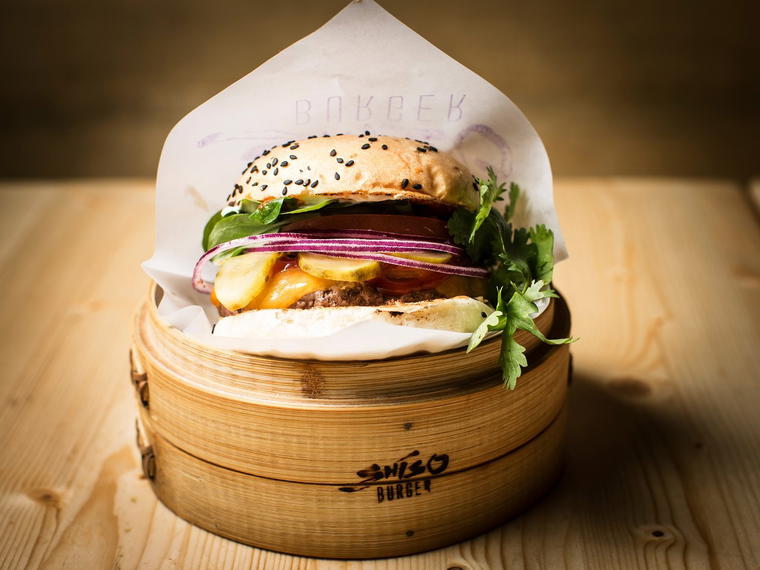
On Auguststraße in Berlin's Mitte district, Shiso Burger occupies a position where Japanese ingredients meet the casual-dining format that has reshaped how European cities eat. The shiso leaf in the name signals an intent to work beyond the standard burger vocabulary, placing this address inside a broader conversation about ingredient-led casual cooking in one of Germany's most food-curious cities.
Hamburg, Germany
Shiso Burger sits on Bugenhagenstraße in Hamburg's city centre, where Hamburg's appetite for international flavour meets a format built around the Japanese herb that gives the spot its name. For a meal that breaks from the city's fine-dining circuit without abandoning a sense of occasion, it occupies a distinct position in the local burger conversation.

Vienna, Austria
Shiso Burger sits in Vienna's 6th district, where a tightening casual dining scene has pushed burger formats toward sharper ingredient logic and more considered menu structures.

Zürich, Switzerland
The shiso leaf in the name signals the kitchen's orientation: Asian aromatics applied to a format the city has historically underestimated. For a meal that skips the white-tablecloth register without abandoning culinary intent, this address on 8001 deserves attention.

London, United Kingdom
Shiuli occupies a quietly residential stretch of Strawberry Hill in Twickenham, operating at a remove from London's central dining circuit. The address alone signals something deliberate: a restaurant that has chosen neighbourhood roots over zone-one visibility. For southwest London, it represents the kind of destination dining that rewards the commute rather than the postcode.

Bielefeld, Germany
Shiva Iranisches Restaurant on Herforder Strasse brings Iranian cooking to Bielefeld's mid-city dining corridor, occupying a position that sits apart from the Mediterranean and European restaurants that dominate the local scene. In a city where ethnic cuisines beyond Italian and Greek remain underrepresented at the sit-down level, Shiva addresses a specific gap with Persian kitchen traditions that rarely appear on Bielefeld menus.

Auxerre, France
On a quiet street in central Auxerre, Shiva Nagar represents something still relatively rare in provincial Burgundy: a dedicated address for Indian cuisine in a city whose dining culture is built around local wine and classical French tradition. Located at 23 Rue d'Orbandelle, it occupies a position that rewards visitors looking beyond the cathedral-facing brasseries and cellar-heavy wine bars that define the town centre.

Scarborough, Canada
Shizuku sits on Kennedy Road in Scarborough's dense, multicultural northeast corridor, where the dining scene rewards those who look past strip-mall facades for serious cooking. With cuisine details still emerging in the critical record, it occupies the kind of neighbourhood slot where word-of-mouth carries more weight than press coverage, and where a single focused menu can quietly build a loyal following.

Rotterdam, Netherlands
Shoarma El Aviva occupies a streetside address on Schiedamseweg in Rotterdam's west, where the city's working-class dining culture meets the kind of no-frills shawarma counter that has sustained urban neighbourhoods across the Netherlands for decades. It sits in a district where price and directness matter more than presentation, and where regulars return out of habit rather than occasion.
Sterling Heights, United States
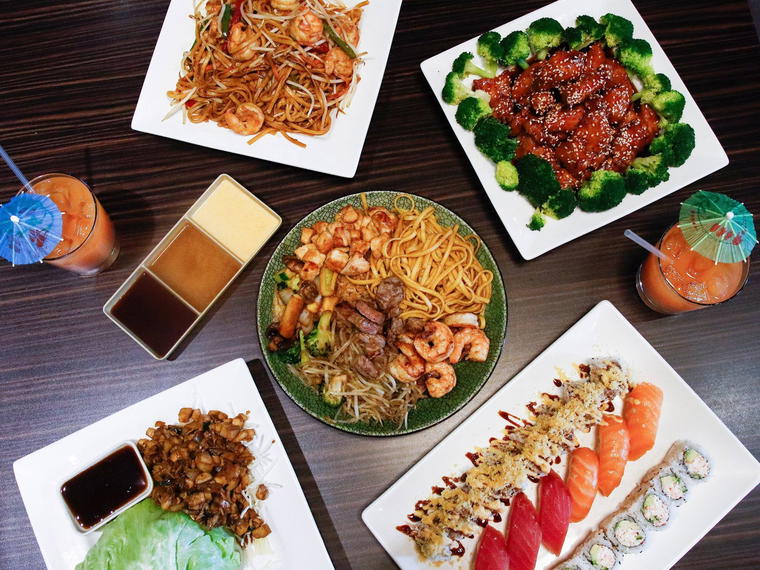
Shogun sits on Van Dyke Avenue in Sterling Heights, Michigan, bringing Japanese dining to one of Metro Detroit's most ethnically diverse suburban corridors. The restaurant occupies a well-established position in a city whose dining scene spans Korean BBQ, Middle Eastern banquet halls, and Cajun seafood. For the area's Japanese options, Shogun remains a consistent local reference point.
Los Angeles, United States
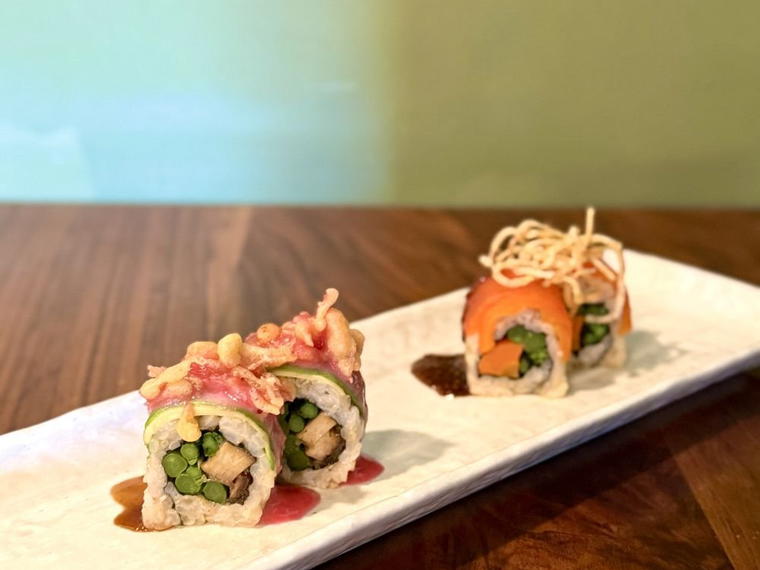
Shojin on Washington Boulevard brings the precision of Japanese shojin ryori — the temple-kitchen tradition of Buddhist vegetarian cooking — to a Los Angeles dining room shaped more by restraint than spectacle. The space reads as an extension of the cuisine itself: clean lines, minimal distraction, and a format that asks the room to do the work that flavor does on the plate. For plant-based fine dining in LA, it occupies a position with few direct peers.

Boston, United States
Shojo occupies a narrow address on Tyler Street in Boston's Chinatown, operating in a neighborhood where Japanese izakaya energy and pan-Asian street food ambition sit closer together than anywhere else in the city. The bar program drives the room as much as the kitchen, with a drinks list that positions it firmly in the creative cocktail tier of Boston's after-dark scene.

Samarqand, Uzbekistan
On Registon Ko'chasi, a short walk from Samarqand's defining monuments, Shokhrukh Nur sits at a crossroads that has shaped Central Asian trade and table culture for centuries. The address alone positions it within a dining scene where Silk Road history is not decorative context but daily culinary reality. Visitors exploring Samarqand's restaurant options will find it listed alongside a growing roster of establishments drawing on Uzbek tradition with varying degrees of ambition.

Aarschot, Belgium
Shokudo occupies a quiet address on Schaluin in Aarschot, a small Flemish town that sits well outside Belgium's main restaurant circuits. The name signals a Japanese register — shokudo translates roughly as dining hall or canteen in Japanese — placing it at an interesting angle to the predominantly French-Belgian fine-dining tradition that defines most serious eating in this country. Practical details including hours and booking method are best confirmed directly with the venue.

Los Angeles, United States
Shokudo is a Japanese and Korean restaurant in Westchester serving comforting, well-executed dishes in an easygoing setting. The menu leans classic and dependable, with katsu and homemade udon, making it an ideal neighborhood go-to for casual meals that always hit. A low-key spot that prioritizes quality over flash.

Vienna, Austria
Shokudo Kuishimbo occupies a quiet address in Vienna's 6th district, where the city's appetite for Japanese dining sits at an interesting remove from its grand Ringstrasse restaurants. The name itself signals intent: shokudo denotes an informal Japanese dining hall, while kuishimbo translates loosely as a devoted eater. That combination of casual format and serious appetite defines the register here.
Miami, United States
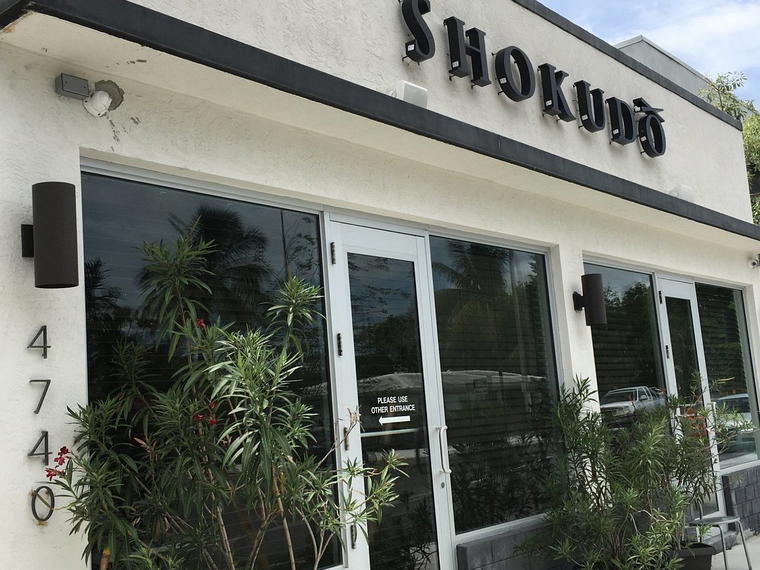
Shokudo Miami serves Asian fusion with Japanese, Thai and Korean influences at 4740 NE 2nd Ave, with a beer program and terrace for lunch, dinner, or late night.

Kyoto, Japan
A Room That Does the Work First In Kyoto, the architecture of a dining room often communicates more than the menu does. The city's long tradition of spatial restraint, rooted in the same aesthetic sensibility that governs its temple gardens and...

Fukuoka, Japan
In Fukuoka's Minami Ward, Shokudo Saison d'Or occupies a quieter register than the city's well-documented ramen counters and sushi rooms. The restaurant's name — borrowing the French word for season — signals an orientation toward cyclical, ingredient-driven cooking that places it closer to the sustainability-conscious dining movement reshaping Japan's mid-tier restaurant scene than to any single cuisine category.

Los Angeles, United States
Shokudo Westchester is worth booking for a casual Japanese-Korean comfort meal near LAX, especially if the table wants options: handmade udon, katsu, tempura, Seoul plates, sake, beer, and kid-friendly choices. It is better for relaxed dates, family meals, solo bowls, and low-pressure celebrations than for a formal special-occasion dinner.

Austin, United States
Shokunin brings omakase-format sushi to Austin at a moment when the city's Japanese dining scene is developing real depth. Operating in a market where Texas-sourced product and imported Japanese technique increasingly intersect, it sits alongside a small cohort of counter-format sushi rooms that demand attention from anyone tracing the city's evolution beyond barbecue and live-fire cooking.
Barcelona, Spain
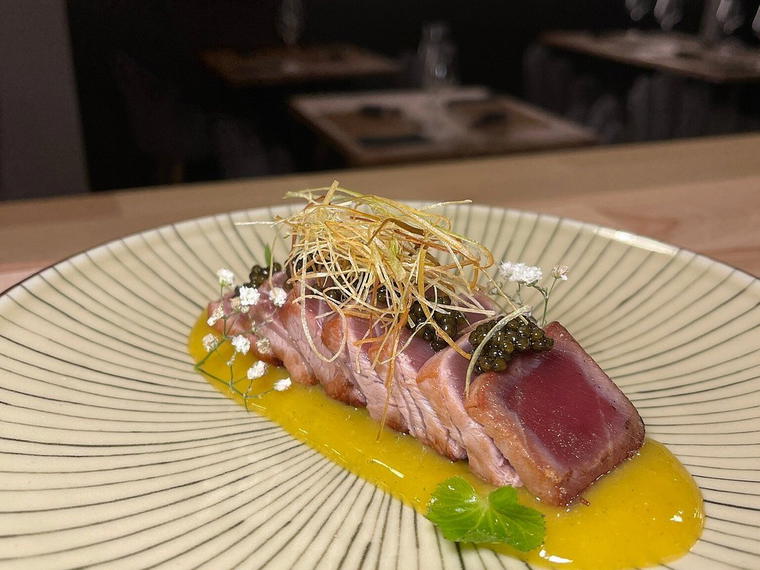
On Travessera de les Corts in the residential Les Corts district, Shokunin occupies a quieter register than Barcelona's headline dining circuit. The name — Japanese for a craftsperson devoted to their discipline — signals a kitchen more interested in precision than spectacle. For a milestone meal away from the tourist-facing avenues, this address warrants attention.

London, United Kingdom
Shola occupies a unit in the Media Works development on Wood Lane, W12, placing it firmly in the Shepherd's Bush and White City corridor that has quietly accumulated serious dining options over the past decade. The address alone positions it outside the usual central London fine dining circuit, which shapes everything from the booking dynamic to the room's atmosphere. Explore what Shola brings to one of London's more considered neighbourhood dining scenes.

New York City, United States
On Broome Street in SoHo, Shoo Shoo occupies a corner of lower Manhattan where neighborhood character and dining ambition converge. The address places it within reach of some of the city's most closely watched restaurant corridors, making it a reference point for how downtown New York's restaurant scene continues to evolve beyond its more celebrated zip codes.

Santa Monica, United States
A deli counter on Main Street in Santa Monica, Shoop's Delicatessen occupies a stretch of the boulevard where casual neighbourhood eating and coastal California life intersect. The format sits squarely in the American deli tradition, making it a practical anchor for daytime meals and a dependable stop before or after the beach. For occasion dining, its unpretentious setting offers a counterpoint to the more formal celebrations nearby.

Fort Lauderdale, United States
A long-running waterfront institution on Fort Lauderdale's Intracoastal, Shooters draws a steady crowd for its open-air dining on the water, casual-to-lively atmosphere, and broad menu that spans seafood and American bar classics. The setting, with boats passing dockside and South Florida light hitting the water at golden hour, does considerable work before the food arrives. Arrive early on weekends or expect a wait.

Oakland, United States
Shooting Star Cafe occupies a Webster Street address in Oakland's Chinatown-adjacent corridor, a part of downtown that has quietly accumulated some of the Bay Area's most characterful independent dining. With sparse official data on record, the cafe operates in a neighborhood context where word-of-mouth and local loyalty carry more weight than digital footprint — a pattern common among Oakland's most durable community anchors.