Shinsei Restaurant
Shinsei Restaurant on Inwood Road has held a firm place in Dallas's serious dining conversation for years, threading Japanese technique and Pan-Asian sensibility through a menu that reads as both confident and considered. The room draws a loyal, knowledgeable crowd in a city that has grown steadily more sophisticated about Asian-influenced fine dining. For a full picture of the Dallas scene, see our Dallas restaurants guide.
 Discover on Pearl
Pearl is the En Primeur Club membership app — saves, bookings, and concierge access live there. Same editors, same standards.
- Address
- 7713 Inwood Rd, Dallas, TX 75209
- Phone
- +1 214 352 0005
- Website
- shinseirestaurant.com
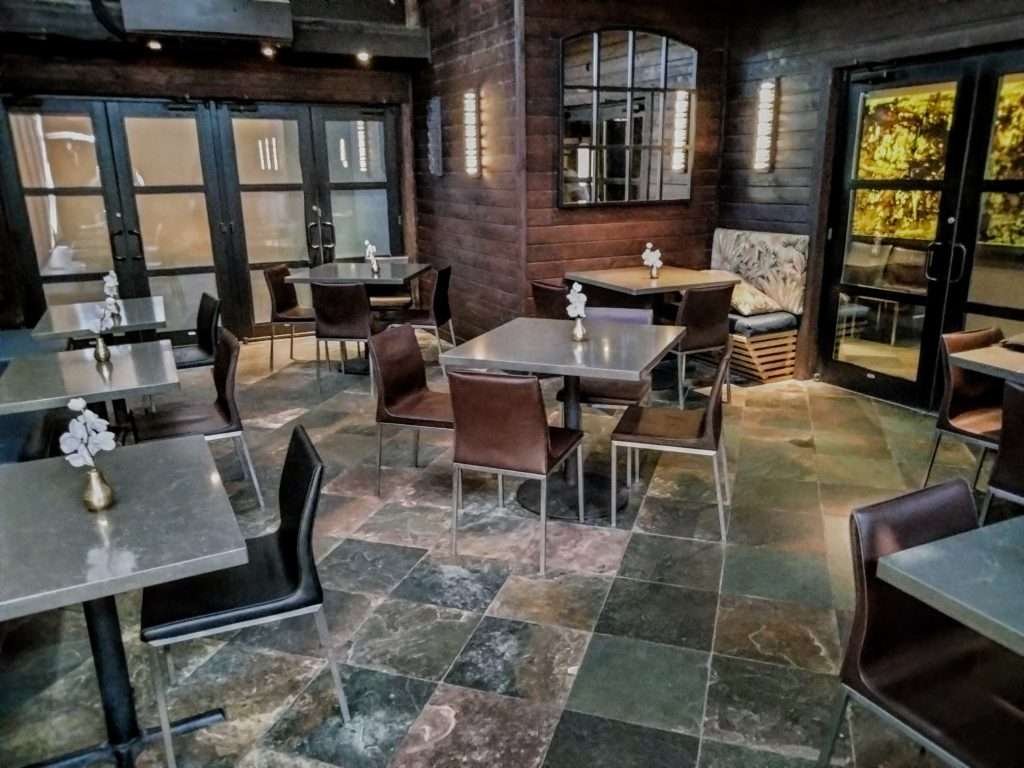
Where Pan-Asian Precision Meets Dallas's Evolving Palate
Inwood Road, running through the Preston Center corridor of northwest Dallas, is not the city's most obvious address for serious dining. The stretch favors neighbourhood staples and quick-service spots more than destination kitchens. Shinsei Restaurant, at 7713 Inwood Rd, is a Dallas restaurant serving contemporary Pan-Asian sushi. That kind of durational staying power, in a market that cycles through concepts quickly, says something about the room's appeal and the consistency of its kitchen.
The broader context matters here. Dallas's Asian dining scene has developed unevenly. Japanese cooking has the deepest foothold at the serious end of the market, with spots like Tatsu Dallas anchoring a small tier of high-commitment Japanese restaurants and Tei-An occupying the izakaya-to-soba register at the $$$$-price level. Shinsei sits in a different lane: a Pan-Asian register that draws from Japanese technique while absorbing influences across East and Southeast Asia. That positioning was more unusual when the restaurant opened than it is now, and the kitchen has had the time to refine what that synthesis actually means in practice.
The Cultural Architecture of the Menu
Pan-Asian menus in the United States carry a complicated history. At their weakest, they flatten distinct culinary traditions into a generic "Asian fusion" shorthand that serves no cuisine well. At their most considered, they reflect a genuine knowledge of multiple traditions and find coherent lines between them. Shinsei has consistently been placed in the latter category by Dallas diners who pay close attention. The kitchen's approach appears to use Japanese discipline as a structural foundation while reaching into broader Pan-Asian flavor registers for contrast and range.
That structural logic has parallels in American restaurants that have handled cross-cultural cooking with rigor. Atomix in New York City demonstrates how Korean fine dining can operate at the highest technical register while remaining deeply rooted in its source culture. The question Shinsei answers differently is what happens when a restaurant isn't anchored to a single Asian tradition but instead treats the region's culinary diversity as a coherent pantry. The answer, at its finest, produces menus with real internal logic rather than arbitrary eclecticism.
Dallas diners in the mid-range to upper-mid-range segment have more options now than they did a decade ago. Mamani approaches Peruvian-Japanese Nikkei cuisine from a different cultural axis entirely. 3Eleven Kitchen and Cocktails works an American-contemporary register. Shinsei's sustained relevance across the shifts in that competitive set reflects something beyond novelty.
Dallas Fine Dining in National Perspective
When measuring Dallas against the national tier of American fine dining, the reference points shift considerably. Restaurants like Le Bernardin in New York City, The French Laundry in Napa, and Providence in Los Angeles operate inside long-established institutional frameworks with Michelin infrastructure and decades of critical documentation behind them. Smyth in Chicago, Lazy Bear in San Francisco, and Blue Hill at Stone Barns in Tarrytown occupy their own distinct critical spaces. Dallas has never had the same density of nationally documented fine dining, which means restaurants that hold their ground over years tend to accumulate local authority that doesn't always translate into broader press coverage.
Shinsei's position in Dallas is better understood through that local lens. In a city where Fearing's carries the flag for upscale Southwestern cooking and 12 Cuts Brazilian Steakhouse represents the city's appetite for theatrical meat-forward formats, Shinsei carves out territory that is quieter and more technically specific. The dining room draws guests who are looking for precision and consistency rather than spectacle.
The national conversation about Asian-influenced American fine dining has also shifted in the years since Shinsei established itself. Restaurants like Single Thread Farm in Healdsburg and Addison in San Diego have shown how Japanese kaiseki principles can migrate into American tasting-menu formats with genuine depth. At the European end, Atelier Moessmer Norbert Niederkofler in Brunico demonstrates how strongly rooted culinary identity reads against generic fine dining. The question for any Pan-Asian kitchen in 2024 is whether its synthesis holds up against a more educated dining public that now has sharper reference points for each individual tradition.
What to Know Before You Go
Shinsei operates at 7713 Inwood Rd in Dallas, TX 75209, in the Lovers Lane and Inwood Road corridor. The address sits in a low-profile commercial stretch that rewards knowing where you're going rather than stumbling in. For planning around Dallas's dining calendar, the fall and winter months generally bring more consistent table availability at mid-tier restaurants; spring and the outdoor-event season tighten reservation windows across the city's dining scene. Shinsei's longtime local following means weekends book ahead more reliably than weekdays. If your Dallas visit also includes exploring the broader brunch and casual-dining range in the city, 360 Brunch House offers a useful daytime counterpoint.
For restaurants in the same serious-dining register as Shinsei but with different culinary orientations, The Inn at Little Washington and Emeril's in New Orleans offer instructive points of comparison for what sustained dining reputations look like when they're built over decades in secondary markets relative to New York.
Peers in This Market
Comparable venues nearby, for context on price, style, and recognition.
| Venue | Cuisine | Price | Notes |
|---|---|---|---|
| Shinsei RestaurantThis venue — the venue you are viewing | Contemporary Pan-Asian Sushi | $$$ | |
| Little Katana | Asian-Fusion Sushi | $$$ | Uptown |
| Black Ship Little Katana | Contemporary Asian Fusion with Japanese Sushi | $$$ | Reunion District |
| Norman’s Japanese Grill | Western Japanese Grill | $$$ | Uptown |
| Nobu | Modern Japanese with Peruvian Influences | $$$$ | LoMac |
| Doughbird | Pizza and Rotisserie Chicken | $$$ | Devonshire |
Continue exploring
More in Dallas
Restaurants in Dallas
Browse all →
Bars in Dallas
Browse all →
Hotels in Dallas
Browse all →
At a Glance
- Elegant
- Sophisticated
- Trendy
- Date Night
- Business Dinner
- Group Dining
- Family
- Casual Hangout
- Open Kitchen
- Standalone
- Extensive Wine List
- Sake Program
Relaxing yet hip environment with art from co-owner Tracy Rathbun's collection; spiritual setting with modern decor that balances far eastern flair with contemporary design.